健康中国

Search documents
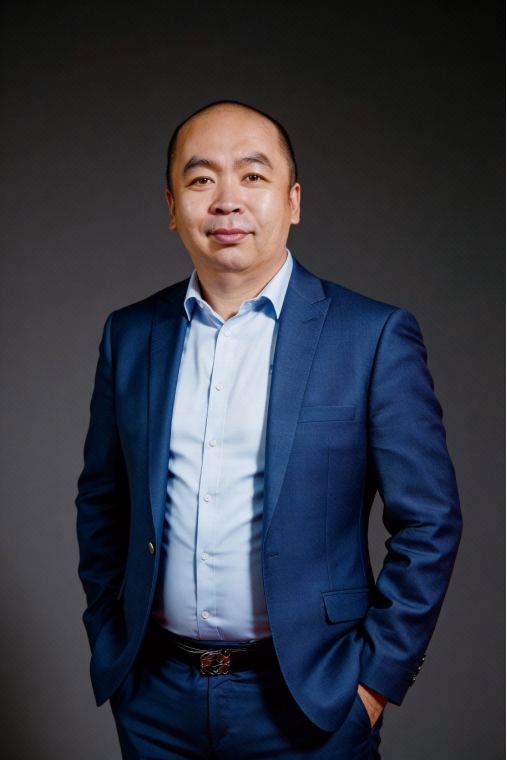
鸿茅药业鲍东奇:守正创新,双轨共进:鸿茅药业的中医药现代化思考与实践
Jin Rong Jie· 2026-01-16 13:15
Core Viewpoint - The biopharmaceutical industry is at a pivotal moment as it transitions into the "15th Five-Year Plan," emphasizing the need for a balance between traditional practices and innovative approaches to ensure sustainable growth in the face of technological and capital cycles [1][2]. Group 1: Industry Context - The biopharmaceutical sector is experiencing rapid technological iterations, rational capital returns, and a deep restructuring of the global competitive landscape [2]. - The year 2026 is anticipated to be crucial for the integration of traditional Chinese medicine (TCM) into modern health practices, moving from confidence in heritage to a conscious engagement with contemporary scientific frameworks [8][9]. Group 2: Company Strategy - Hongmao Pharmaceutical, with nearly 300 years of history, aims to explore new paths for TCM development by balancing tradition and innovation, emphasizing the importance of both "guarding the essence" and "innovation" [1][2]. - The company is committed to modern clinical research to support traditional practices, transitioning TCM from experience-based to evidence-based approaches [4][5]. Group 3: Innovation and Technology - Hongmao is transforming from "manufacturing" to "intelligent manufacturing," utilizing digital traceability to ensure the authenticity of medicinal materials and implementing smart manufacturing for precision in processes [5][6]. - The integration of advanced technologies, such as artificial intelligence and real-world evidence, is seen as essential for developing a comprehensive evidence system from raw materials to clinical applications [9]. Group 4: Cultural Heritage and Industry Development - The company is focused on converting cultural heritage into industrial momentum, promoting standardized cultivation and traceability of medicinal materials while enhancing product quality through modern technology [6][7]. - The approach of "cultural empowerment of industry" aims to enhance brand competitiveness and inject vitality into local development, ensuring that cultural heritage serves contemporary needs [6][10]. Group 5: Future Outlook - The future of TCM is envisioned as a systemic reconstruction that roots itself in ancient wisdom while addressing modern health challenges, with a focus on preventive health measures [8][9]. - Hongmao aims to evolve from merely supplying products to empowering health, creating a comprehensive health service ecosystem that integrates medicine, health, and culture [7][9].

泾川:全民健身扬新风 欢乐长跑展新颜
Xin Lang Cai Jing· 2026-01-16 09:52
Group 1 - The event "2026 New Year Celebration and Spring Welcome" 10th "Sports Lottery Cup" City Fun Run took place on January 14, 2026, in Jingchuan County, emphasizing the theme "National Fitness, You and I Together" [2] - The event was organized by the Jingchuan County Committee and the People's Government, with support from various local organizations [2] - The competition featured six categories: youth male, youth female, middle-aged male, middle-aged female, high school male, and high school female, attracting over a hundred long-distance running enthusiasts from various sectors [2] Group 2 - The event showcased the spirit of the county's officials and citizens, promoting a healthy lifestyle and a positive social atmosphere [2] - Participant Chen Caihui, who won first place in the middle-aged female category, expressed hope for the community to measure the city through running and to promote health and joy in 2026 [2] - This fun run is part of Jingchuan County's efforts to implement the national strategy of "Healthy China" and "Sports Power," as well as to enrich the cultural life of the community [2]

研判2025!中国微波消解仪行业概述、发展历程、产业链、市场规模及未来趋势分析:微波消解技术发展飞速,微波消解仪日趋成熟[图]
Chan Ye Xin Xi Wang· 2026-01-16 01:27
Core Insights - The development of microwave digestion instruments is closely linked to national strategic needs in environmental monitoring, food safety, drug research, and life sciences, with the market size expected to reach approximately 2.467 billion yuan in 2024, reflecting a year-on-year growth of 10.28% [1][4][7]. Industry Overview - Microwave digestion instruments utilize microwave heating technology for rapid sample digestion, achieving high temperatures and pressures to accelerate chemical reactions, resulting in faster processing times and higher sample recovery rates compared to traditional methods [2][3]. Industry Development History - The microwave digestion instrument industry in China has evolved over three decades, starting from the initial phase (1988-2000) with foundational research and patent developments, followed by a growth phase (2001-2016) focusing on technology promotion and standardization, and reaching a mature phase (2017-present) where domestic brands have made significant advancements [4][5]. Industry Value Chain - The industry value chain includes upstream components such as TFM, PTFE, and microwave reactors, midstream manufacturing of microwave digestion instruments, and downstream applications in environmental monitoring, food testing, pharmaceuticals, and biomedical fields [6]. Market Size - The market for microwave digestion instruments is projected to grow significantly, driven by increasing demands for efficiency and accuracy in sample preparation across various sectors, with a market size of approximately 2.467 billion yuan anticipated for 2024 [1][4][7]. Key Companies' Performance - The competitive landscape has shifted from being dominated by imported brands to a clear tiered system led by domestic brands such as Haineng Technology and Laibotai Technology, which hold significant market shares due to technological barriers and large-scale production [8][9]. Industry Development Trends 1. The industry is expected to transition from "single devices" to "intelligent systems" through the integration of AI algorithms and IoT technologies, enhancing efficiency and reducing human error [10]. 2. Environmental performance will become a key competitive factor, with a focus on reducing reagent consumption and waste emissions, as well as utilizing more sustainable materials [11][12]. 3. The market will see a restructuring of competition, with domestic brands leading and new enterprises breaking into niche markets, while also expanding internationally [13].


全文|北京大学国发院李玲:健康中国、智慧健康将是我国新的发展模式、新的蓝海
Xin Lang Cai Jing· 2026-01-15 08:35
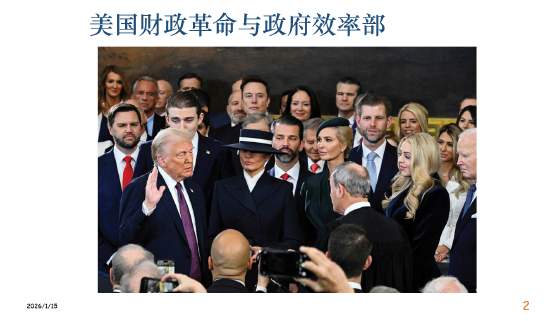
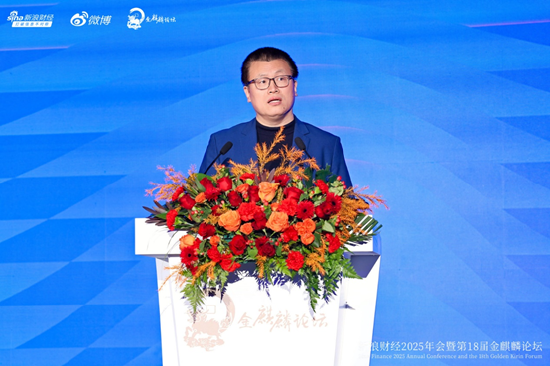
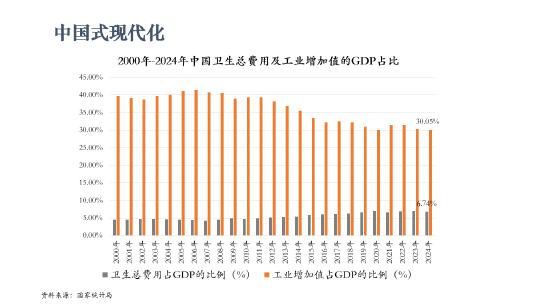
Group 1 - The forum "Sina Finance 2025 Annual Conference and the 18th Golden Unicorn Forum" will be held on January 15, 2026, in Beijing, focusing on the theme of "The 14th Five-Year Plan Starts, Economic New Voyage - Reshaping Growth Paradigms, Creating Future Prosperity" [1][31] - Li Ling, Deputy Director of the Economic Committee of the 13th National Committee of the Chinese People's Political Consultative Conference, will deliver a speech on "Pension and Health Red Power, Reform of Medical and Health Systems from a Global Comparative Perspective" [2][32] Group 2 - The U.S. national debt has exceeded $38 trillion, and the fiscal situation is deteriorating, which is a fundamental reason for the country's decline [5][36] - In 2025, U.S. fiscal revenue is projected to be $5.235 trillion, with major expenditures including Medicare and Medicaid, which together exceed $1.6 trillion, making healthcare the largest expenditure item [6][7][37] - The U.S. healthcare expenditure as a percentage of GDP has surpassed its industrial value-added percentage, indicating a decline in industrial competitiveness due to high healthcare costs [10][40] Group 3 - China's healthcare expenditure as a percentage of GDP has dropped below 7% for the first time in 2024, while industrial value-added remains high, showcasing effective healthcare reforms [13][43] - The aging population poses significant challenges, with over 300 million people aged 60 and above in China, leading to increased healthcare demands [14][43] - The "Healthy China National Strategy" prioritizes health development, shifting from a disease-centered approach to a health-centered one, emphasizing prevention and investment in health [19][48] Group 4 - The government is promoting a "Three Ming Model" for healthcare, integrating county, township, and village healthcare systems to incentivize health management rather than treatment [23][52] - The new "Health+" development paradigm aims to integrate healthcare, medicine, green food, wellness, and elderly care into a large health industry, which is expected to exceed the real estate sector in scale [25][55] - The future model of "Healthy China" will utilize AI and digital technologies for comprehensive health management throughout individuals' lifecycles [28][58] Group 5 - The integration of traditional Chinese wisdom with industrialization and information technology is seen as a unique opportunity for China to contribute to global health solutions [29][59]
2026年中国股市如何“稳稳地幸福”?这场大会给出关键答案
Xin Lang Cai Jing· 2026-01-15 08:23
Group 1: Forum Overview - The "Sina Finance 2025 Annual Conference and the 18th Golden Unicorn Forum" will be held on January 15, 2026, in Beijing, focusing on the theme "Starting the 15th Five-Year Plan, New Economic Voyage - Reshaping Growth Paradigms, Co-creating Future Prosperity" [1][35] - Key speakers include Sina Finance CEO Deng Qingxu, Liu Shijin, Liu Shangxi, Li Daokui, and Li Ling, who will present their insights during the main forum [1][35] Group 2: Economic Insights - Deng Qingxu emphasized the need to reshape growth paradigms through technological, institutional, and model innovations to activate new development momentum [4][39] - Liu Shijin highlighted that China's strong export performance amidst a challenging international environment reflects improvements in technological and industrial competitiveness [5][42] - Liu Shijin also suggested implementing a balanced trade strategy to enhance imports and promote the use of the RMB in international settlements [5][42] Group 3: Consumer and Market Dynamics - Liu Shijin pointed out that China's consumption as a percentage of GDP is approximately 20 percentage points lower than the global average, indicating a structural gap that needs to be addressed for China to become a major consumer market [8][43] - Liu Shangxi discussed the importance of addressing rural issues as a key to achieving common prosperity, emphasizing the need for a paradigm shift in development [9][44] Group 4: Capital Market Perspectives - Wu Xiaoqiu expressed optimism about the future growth of China's capital market, attributing recent positive developments to systematic reforms across various sectors [18][55] - He noted that the capital market's growth is driven by both reform logic and industrial structure transformation logic, making its future promising [18][55] - He also mentioned that the market's performance in 2026 is expected to be strong, with short-term fluctuations presenting good entry opportunities for investors [18][55] Group 5: Health Industry Insights - Li Ling discussed the significant potential of the new health industry, which could surpass the real estate sector in scale, emphasizing the need for a shift from a disease-centered to a health-centered approach in healthcare [15][50] - She highlighted the importance of preventive measures and the integration of various health-related sectors to form a comprehensive health industry [15][50] Group 6: Investment Strategies - Summer proposed constructing two "wealth pyramids" for asset allocation, focusing on a balanced approach between low-risk and high-risk assets [28][66] - He also predicted that Hong Kong could potentially replace London as the second-largest international financial center within the next five to ten years [28][63]
智慧眼:与海光信息达成战略合作,携手推进医疗健康国产化
Cai Jing Wang· 2026-01-15 06:37
今日,智慧眼公众号发布公告称,公司与海光信息技术股份有限公司正式签署战略合作协议。 双方将聚焦医疗健康行业,依托各自在人工智能大健康与自主可控计算芯片领域的核心技术优势,开展 全方位深度合作,共同推动国产化技术与行业应用的深度融合,助力"数字中国"与"健康中国"建设。 ...

北京大学国发院李玲:“健康中国”或将为人类健康做出中国式原创贡献
Xin Lang Cai Jing· 2026-01-15 04:29
Core Insights - The "Sina Finance 2025 Conference and the 18th Golden Unicorn Forum" will be held on January 15, 2026, in Beijing, focusing on the theme of "Starting the 14th Five-Year Plan, New Economic Voyage - Reshaping Growth Paradigms, Creating Future Prosperity" [1][9] - Li Ling, a prominent figure in China's economic and health sectors, highlighted the achievements and challenges of China's healthcare system, emphasizing the need for a shift from a disease-centered approach to a health-centered paradigm [4][12] Healthcare Spending - In 2024, China's total health expenditure is estimated at 90,895.5 billion yuan, with government spending accounting for 24.9%, social spending for 47.6%, and personal spending for 27.5% [1][9] - The per capita health expenditure is 6,454.4 yuan, and the total health expenditure as a percentage of GDP is 6.7%, marking a significant decline below 7% for the first time [1][9] Challenges and Opportunities - The aging population presents significant challenges, necessitating a focus on disease prevention rather than treating aging as a disease [4][12] - The "Healthy China" national strategy prioritizes health as a key indicator of socialist modernization, advocating for a preventive approach to health [4][12] Systemic Changes in Healthcare - The government is promoting a systemic approach to healthcare, integrating county, township, and village services into a cohesive "health community" model, moving away from hospitals competing for patient revenue [5][13] - The "Sanming Model" aims to incentivize hospitals and doctors to manage patients' health proactively, with a nationwide rollout planned within four years [5][13] Emerging Health Industry - The integration of healthcare, pharmaceuticals, green food, wellness, and elderly care is expected to create a new "big health" industry, which could surpass the real estate sector in scale [5][13] - This industry is seen as a lifelong necessity for individuals, with potential benefits extending beyond China to serve global health needs [5][13] Future Health Management - The envisioned future health model includes a personal health code system, supported by AI for continuous health management throughout an individual's life [6][14] - The "Healthy China" and "Smart Health" initiatives are positioned as new development models that will contribute significantly to global health, leveraging China's historical wisdom and modern technological advancements [6][14]
北京大学国发院教授李玲:新型大健康产业规模不可限量,“可以远远超过房地产”
Xin Lang Cai Jing· 2026-01-15 04:23
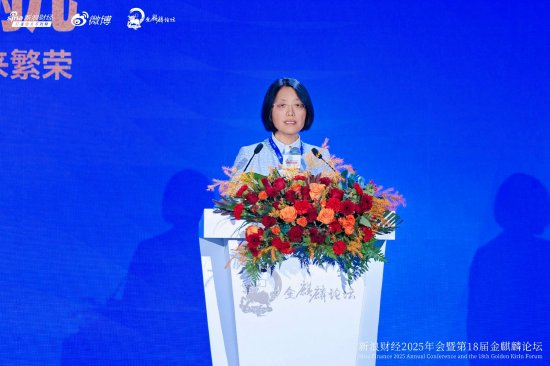
Core Viewpoint - The "Sina Finance 2025 Conference and the 18th Golden Unicorn Forum" emphasizes the theme of reshaping growth paradigms and creating future prosperity, highlighting the importance of health in China's modernization strategy [1][9]. Group 1: Healthcare Spending and Trends - In 2024, China's total health expenditure is estimated at 90,895.5 billion yuan, with government spending at 24.9%, social spending at 47.6%, and personal spending at 27.5% [1][9]. - The per capita health expenditure is 6,454.4 yuan, and the health expenditure as a percentage of GDP has dropped to 6.7%, marking a significant decline below 7% for the first time [1][9]. Group 2: Challenges and Strategic Shifts - The primary challenge facing China is population aging, necessitating a shift from a disease treatment focus to a health-centered approach, promoting disease prevention [4][12]. - The "Healthy China" national strategy prioritizes health as a key indicator of socialist modernization, requiring collaboration among government, society, and individuals to implement a preventive health model [4][12]. Group 3: Systemic Changes in Healthcare - The government is promoting a systemic approach to healthcare, integrating county, township, and village services into a cohesive "health community," moving away from a profit-driven model based on patient volume [5][13]. - The "Sanming Model" aims to incentivize hospitals and doctors to manage patients' health effectively, with a goal of nationwide implementation within four years [5][13]. Group 4: Opportunities in the Health Industry - The aging population presents opportunities for a new "health+" development paradigm, integrating healthcare, pharmaceuticals, green food, wellness, and elderly care into a large health industry [5][13]. - This emerging health industry is expected to be a lifelong necessity for individuals, with potential market size surpassing that of real estate, serving both Chinese citizens and the global population [5][13]. Group 5: Future Health Management - The envisioned future health model includes a personal health code system, utilizing AI for continuous health management throughout an individual's life, aiming to reduce disease incidence and promote longevity [6][14]. - The integration of traditional wisdom with modern technology is seen as a unique contribution from China to global health, especially in light of challenges faced by developed nations like the U.S. [6][14].
李玲详解“三明模式”:让医院“老百姓越健康越赚钱”而非“病人越多越赚钱”
Xin Lang Cai Jing· 2026-01-15 04:23
Group 1 - The core theme of the "2025 Sina Finance Annual Conference and the 18th Golden Unicorn Forum" is "Fifteen Five Opening, Economic New Voyage - Reshaping Growth Paradigms, Co-creating Future Prosperity" [1][12] - Li Ling, a prominent figure in the economic committee, emphasized that China is currently the world's strongest industrialized nation and has made significant progress in healthcare reform [3][14] - The total national health expenditure for 2024 is preliminarily estimated at 90,895.5 billion yuan, with government health spending at 24.9%, social health spending at 47.6%, and personal health spending at 27.5% [3][14] Group 2 - The aging population presents a significant challenge, necessitating a shift from treating diseases to preventing them [6][17] - The "Healthy China" national strategy is prioritized as it signifies the modernization of socialism, focusing on health rather than illness [7][18] - The government is integrating health into all policies, addressing various factors affecting health, including lifestyle, environment, and healthcare systems [7][18] Group 3 - The healthcare system is transitioning to a more integrated model, promoting a "health community" approach where hospitals work collaboratively rather than independently [7][19] - The "Sanming Model" is being promoted nationwide within four years, incentivizing healthcare providers to focus on disease prevention [7][19] - The aging population also presents opportunities for a new "health+" development paradigm, merging healthcare, wellness, and technology into a large health industry [8][19] Group 4 - The future health model includes a personal health code system managed by AI, ensuring comprehensive health management throughout an individual's life [10][21] - The "Healthy China" initiative is seen as a new development model and a significant contribution to global health, leveraging China's historical wisdom and modern technology [10][21] - The challenges faced by the U.S. in healthcare present an opportunity for China to lead in health solutions, integrating various advantages to contribute to global health [10][22]

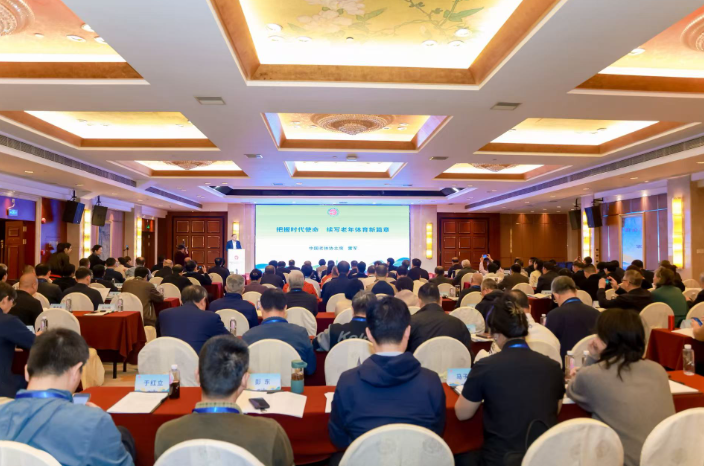
中国老体协第七届第三次会员代表大会召开
Xin Lang Cai Jing· 2026-01-14 04:08
Core Insights - The China Senior Sports Association (CSSA) held its seventh third member representative conference in Guangzhou, focusing on the achievements of senior sports in 2025 and outlining key tasks for 2026 to promote high-quality development in senior sports [1][3]. Group 1: Achievements in 2025 - CSSA successfully organized various national events aimed at senior fitness, including online activities for the New Year, themed events for rural revitalization, and major competitions in Tai Chi, square dancing, and walking [3]. - The "Silver Bell Action" was launched to expand the volunteer team, enhancing the social impact and value of senior sports [3]. Group 2: Plans for 2026 - The 2026 work plan centers around the fifth National Senior Sports Fitness Conference, emphasizing a "safety first, participation-focused" philosophy, with 14 events scheduled from April to October [3][5]. - CSSA aims to explore integration paths for "senior sports + health + wellness + cultural tourism," while continuing to deepen volunteer services and strengthen scientific fitness guidance [3][5]. Group 3: Strategic Initiatives - CSSA will enhance the top-level design of senior sports during the 14th Five-Year Plan and promote relevant policy development [5]. - The association plans to conduct ongoing themed activities and brand events, aligning them with national strategies to upgrade the value of senior sports [5]. - Emphasis will be placed on the fifth National Senior Sports Conference, with a focus on effective publicity and innovation in senior sports [5].