
存款利率下调

Search documents
【广发宏观团队】本轮权益资产定价修复:复盘与展望
郭磊宏观茶座· 2025-08-10 10:42
Group 1 - The core viewpoint of the article is that the recent recovery in equity market pricing is driven by multiple factors, including stable growth policies, lower deposit rates, and increased investment in non-US assets [1][2][3] - Since the implementation of stable growth policies on September 24, 2024, the Shanghai Composite Index and the Wind All A Index have increased by 32.2% and 44.6%, respectively, by August 8, 2025 [1] - The stable growth policies have improved the breadth of economic growth, contributing to increased stability in the stock market, as evidenced by the rising proportion of industries experiencing growth [1][2] - A reduction in deposit rates has led to increased liquidity in the residential sector, with the willingness to invest in stocks rising from 13.3% in Q3 2024 to 17.5% in Q1 2025 [2] - Policies promoting long-term capital inflows into the market have resulted in additional funding, with various financial institutions encouraged to adopt long-term assessments [2][3] - The rise in US credit risk premiums has increased the importance of non-US assets, as global investors seek to diversify their portfolios [3] Group 2 - Since August, expectations for a Federal Reserve rate cut have become a key trading theme in developed markets, with the Nasdaq leading global performance [4][5] - The VIX index has decreased to around 15%, indicating reduced volatility expectations in the US stock market [5] - A-shares have shown a "thick width + reduced volume" market pattern, suggesting that while risk appetite remains high, there is a growing need for fundamental support [8][9] - The overall market breadth has improved, with 79% of stocks in the Wind All A Index surpassing their 240-day moving average [9] - The performance of various sectors has varied, with military, non-ferrous metals, and precious metals showing strong gains, while TMT and dividend sectors performed moderately [10] Group 3 - The US fiscal deficit has expanded significantly, with a reported increase of $109 billion year-on-year, although this figure is adjusted for timing discrepancies [11][12] - The Federal Reserve's dovish stance has gained traction, with calls for rate cuts becoming more prominent among board members [14][15] - Recent policies aimed at supporting new industrialization and optimizing housing purchase policies in Beijing reflect a broader trend of government intervention to stimulate economic growth [31][32][33]


不少储户“坐不住”了?银行存款迎来4大变化,有存款的人注意了?
Sou Hu Cai Jing· 2025-08-07 17:07
Core Viewpoint - The recent surge in domestic residents' savings is driven by concerns over job security and health issues, alongside the perceived risks in the stock market, funds, and bank wealth management products, leading to a significant increase in bank deposits [1] Group 1: Changes in the Deposit Market - Change 1: Decreasing interest income from deposits, with the one-year fixed deposit rate dropping from 2.25% to 1.35%, resulting in a reduction of interest income from 2250 yuan to 1350 yuan [5] - Change 2: The emergence of inverted interest rates, where shorter-term deposits (e.g., three-year) offer higher rates than longer-term deposits (e.g., five-year), prompting customer inquiries [8] - Change 3: High volatility in structured deposit returns, which are linked to the performance of investments in bonds, foreign exchange, and stock markets, leading to potential losses for depositors [10] - Change 4: An increasing number of bank failures or dissolutions, with 105 banks dissolving in 2024, primarily among rural and community banks, raising concerns about deposit safety [14] Group 2: Implications for Depositors - Depositors are advised to consider alternative investment options such as government bonds and high-yield bank wealth management products to achieve better returns amid declining deposit rates [14] - It is recommended for depositors to diversify their savings across multiple banks to mitigate risks associated with bank failures, as deposits up to 500,000 yuan are insured [14]

存款利率再降 3个月期击穿1%
2 1 Shi Ji Jing Ji Bao Dao· 2025-07-23 14:32
Core Viewpoint - The report indicates a continued decline in bank deposit rates, with many rates entering the "1" era, reflecting a broader trend influenced by market conditions and regulatory changes [1][2][3]. Deposit Rate Trends - As of June 2025, the average interest rates for various term deposits are as follows: 3-month at 0.949%, 6-month at 1.156%, 1-year at 1.287%, 2-year at 1.372%, 3-year at 1.695%, and 5-year at 1.538% [2]. - Compared to May, the rates have decreased across all terms, with the 3-month rate dropping by 5.5 basis points (BP), and the 5-year rate down by 3.5 BP [2]. Market Influences - The decline in deposit rates is anticipated due to the People's Bank of China's (PBOC) recent cuts in the Loan Prime Rate (LPR), which has pressured banks' net interest margins [2][3]. - The net interest margin for commercial banks has narrowed to 1.43%, a decrease of 9 BP from the previous quarter [3]. Large Certificate of Deposit (CD) Trends - The average interest rates for large CDs have also decreased, with the 3-month rate at 1.179% and the 5-year rate remaining unchanged [4]. - The decline in rates has led to a significant reduction in the sales of large CDs, as the interest rate differential between regular deposits and large CDs has diminished [4][5]. Structural Deposit Changes - The average term for structured deposits has increased to 103 days, with an average expected middle yield of 1.78% [7]. - The average expected highest yield for structured deposits varies by bank type, with state-owned banks at 1.99% and foreign banks at 4.34% [7][8]. Future Outlook - Analysts predict that the downward trend in deposit rates will continue, driven by the need for banks to optimize their liability structures and manage costs effectively [5][6]. - The overall market conditions suggest that deposit rates may have further room for decline, influenced by multiple factors including policy rate adjustments and banks' cost control needs [8].
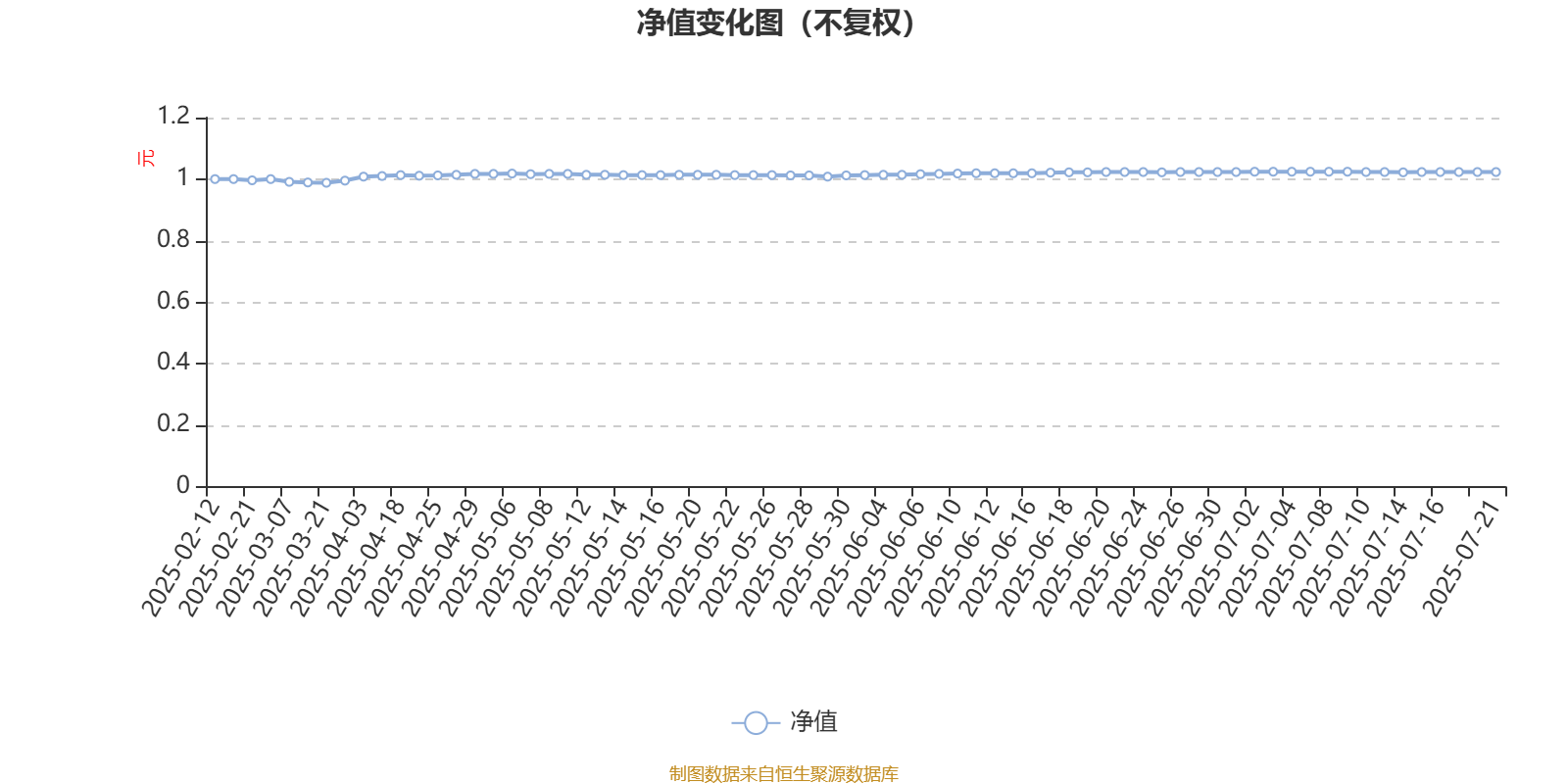
东海启元添益6个月持有混合发起式A:2025年第二季度利润27.37万元 净值增长率2.73%
Sou Hu Cai Jing· 2025-07-22 08:45
Group 1 - The core viewpoint of the report indicates that the AI Fund Donghai Qiyuan Tianyi 6-Month Holding Mixed Initiated A (023244) reported a profit of 273,700 yuan in the second quarter of 2025, with a weighted average profit per fund share of 0.0269 yuan [3] - The fund's net value growth rate for the reporting period was 2.73%, and as of the end of the second quarter, the fund size was 10.5 million yuan [3] - As of July 21, the unit net value was 1.023 yuan, with the fund manager being Xing Ye and Qu Miao, who currently manage five funds [3] Group 2 - The fund's investment strategy focuses on timely allocation of bond assets, selective allocation and trading of convertible bonds and equity assets, aiming to create long-term stable returns for investors [4] - As of the end of the second quarter of 2025, the fund's top ten holdings included Shandong Expressway, Anhui Expressway, Ninghu Expressway, Guangdong Expressway A, Newao Co., Ltd., Shougang Environmental Protection, Beidahuang, Yangtze Power, Sinopec, and China Unicom [4]
存款利率全面进入“1%”时代,存款特种兵转战银行理财
2 1 Shi Ji Jing Ji Bao Dao· 2025-07-08 09:42
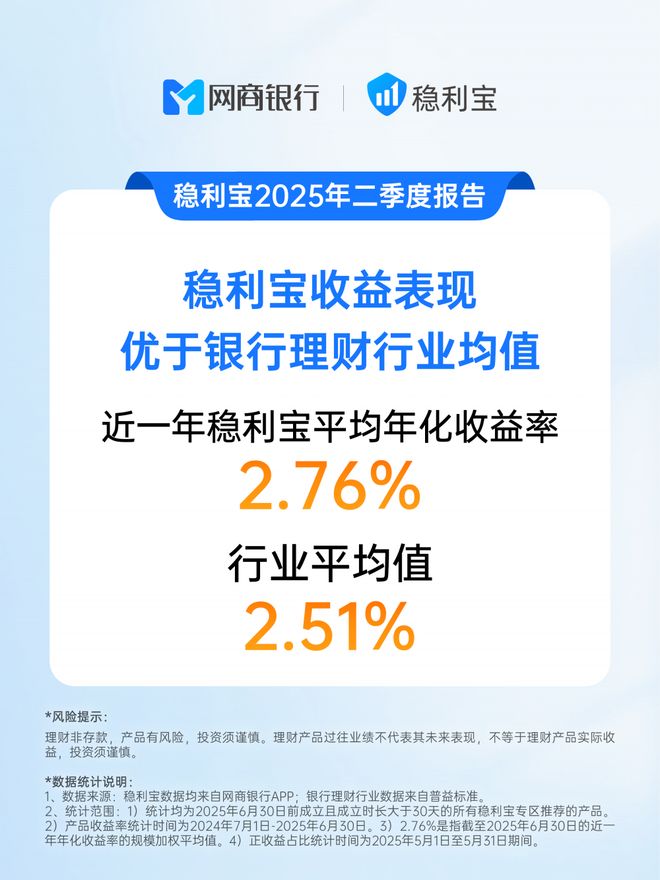
Group 1 - The core viewpoint is that deposit interest rates have entered a "1%" era, leading to a significant shift of funds from traditional deposits to bank wealth management products, which offer higher returns [1][2][3] - As of June 2025, the total scale of bank wealth management products reached a historical high of 31.22 trillion yuan, driven by the decline in deposit rates [1] - The average annualized yield of fixed income and cash management products in the market is 2.51%, nearly 1 percentage point higher than the average deposit rate of 1.52% [2][3] Group 2 - The decline in deposit rates has prompted a surge in non-bank deposits, with a record increase of nearly 1.2 trillion yuan in May, marking the highest growth in nearly a decade [3] - Banks are engaging in a "customer acquisition war" for wealth management products, offering fee discounts and increasing customer holding limits to attract more investors [4] - Investors prioritize the yield and stability of wealth management products, with a focus on monitoring yield fluctuations, especially during periods of market volatility [5][6] Group 3 - The low interest rate environment positions bank wealth management products as a "safe haven" for investors, allowing for flexible asset allocation and liquidity [8] - The platform "Wangshang Bank Stable Treasure" has gained popularity, with over 400 million users, particularly among small and medium-sized enterprises and individuals from lower-tier cities [9]
银行为何下架5年期大额存单
Jing Ji Ri Bao· 2025-07-02 22:05
Group 1 - Major commercial banks, including ICBC, CCB, and CMB, have recently suspended 5-year large-denomination certificates of deposit (CDs), with a reduced issuance of 3-year CDs as well [1] - The suspension of 5-year CDs is a strategy to lower funding costs as banks face low net interest margins and need to stabilize them by reducing liabilities [1] - The overall trend in the financial market shows a simultaneous decline in both deposit and loan interest rates, which is necessary for stabilizing banks' net interest margins and better serving the real economy [1] Group 2 - In May, a significant adjustment in deposit interest rates occurred, with major state-owned banks leading the way, resulting in medium- and long-term deposit rates entering the "1%" era [2] - The withdrawal of 5-year large-denomination CDs indicates a diminishing opportunity for investors to rely on medium- to long-term savings for wealth preservation and growth, highlighting the need for diversified investment strategies [2] - Investors are advised to compare different financial products, focus on interest rate trends, and choose products with better overall returns, while also being aware of the terms and conditions of these products [2] Group 3 - Investors are encouraged to allocate a portion of their portfolios to high-rated bonds and bond funds to complement savings with stable returns [3] - For those with higher risk tolerance, investing in equity assets through index funds can provide long-term capital appreciation potential [3] - Establishing a dynamic rebalancing mechanism is recommended to adjust asset allocations based on economic conditions and market valuations, achieving an effective balance between risk and return [3]
终于把存款逼出银行了?2025年6月央行最新数据,存款去哪儿了?
Sou Hu Cai Jing· 2025-06-24 02:37
Core Viewpoint - The continuous decline in bank deposit rates has led to a significant outflow of resident deposits, with a total decrease of 24,568 billion yuan in the first five months of the year, compared to an increase of 9,873 billion yuan in the same period last year [1][4]. Group 1: Deposit Trends - In May, resident deposits decreased by 11,732 billion yuan, marking the fourth consecutive month of net outflow [1]. - The trend of declining bank deposit rates is pushing residents to withdraw their savings for investment and consumption purposes [4]. Group 2: Investment Channels for Withdrawn Deposits - Many depositors are now purchasing bank wealth management products, with the total scale reaching a historical high of 31.3 trillion yuan, an increase of 2.1 trillion yuan in April alone [6]. - The stock market has seen a surge in new accounts, with 8.73 million new accounts opened in the first five months of 2025, a year-on-year increase of 62.3%, and approximately 8,200 billion yuan of new funds flowing into the A-share market [8]. - Public funds are attracting more investments, with the total scale of public funds reaching 29.7 trillion yuan by the end of May 2025, an increase of 3.6 trillion yuan since the beginning of the year [10]. - The real estate market is benefiting from the outflow of deposits, with total sales of commercial housing reaching 5.3 trillion yuan in the first five months of 2025, a year-on-year increase of 9.7% [12]. - Consumer spending is rebounding, with total retail sales of consumer goods reaching 19.3 trillion yuan in the first five months of 2025, a year-on-year increase of 5.2% [14].

罕见!这家银行存款利率高达3.05%!新一轮降息在路上?
Sou Hu Cai Jing· 2025-06-21 12:03
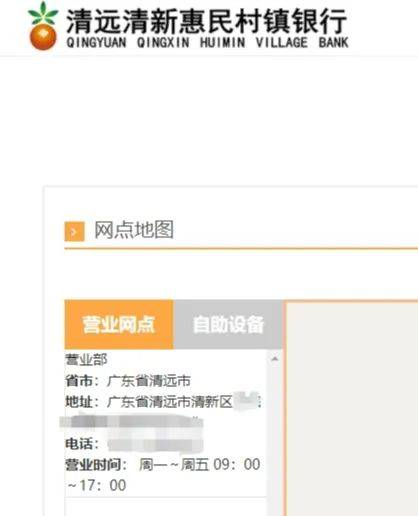
Core Viewpoint - The recent emergence of a high deposit interest rate of 3.05% at a village bank in Guangdong has attracted attention, contrasting with the overall trend of declining deposit rates across the banking sector [1][6]. Summary by Relevant Sections High Deposit Rates - Guangdong Qingyuan Qingxin Huimin Village Bank has introduced 3-year and 5-year deposit products with interest rates reaching 3.05%, although the official rates are listed at 2.5% [3][4]. - Other village banks in smaller cities, such as Huizhou's Huidong Huimin Village Bank, have also offered competitive rates, with the potential for rates to be as high as 2.75% at the counter [4]. Market Dynamics - Village banks face challenges such as fewer branches, weaker brand recognition, and a limited customer base, making high-interest deposits a key strategy for attracting funds [4]. - The overall trend in the banking sector shows a decline in deposit rates, with many banks reducing their rates below 1% for one-year fixed deposits and as low as 0.05% for demand deposits [6]. Future Outlook - Analysts predict that the overall trend for deposit rates will continue to decline due to ongoing monetary policy easing and pressure on banks' net interest margins, with potential further rate cuts expected by mid-2025 [7]. - The restructuring of rural credit cooperatives and village banks may lead to changes in deposit services, with caution advised regarding the stability of smaller banks [7].
利率“1”时代,这家银行存款利率竟高达3.05%!
第一财经· 2025-06-20 13:44
Core Viewpoint - The emergence of high deposit interest rates, such as 3.05% offered by certain village banks in Guangdong, stands out in a market where most rates have fallen to the "1" era, indicating a strategic move by smaller banks to attract deposits during a critical period for liquidity management [1][3][4]. Summary by Sections High Deposit Rates - Recently, Qingyuan Qinxin Village Bank has gained attention for offering a three- and five-year deposit product with a rate of 3.05%, contrasting sharply with the general trend of declining rates across major banks [3][4]. - The current environment has seen a significant reduction in deposit rates, with the one-year and five-year Loan Prime Rate (LPR) lowered by 10 basis points, and rates for shorter terms dropping by up to 25 basis points [3][4]. Market Dynamics - The high interest rates are primarily a strategy for village banks to differentiate themselves in a competitive market where they struggle against larger banks due to limited branches and brand recognition [1][6]. - Despite the allure of high rates, they are often limited in availability and subject to specific conditions, such as requiring in-person account opening and having capped amounts [4][6]. Broader Trends - Overall, the high interest rates are an anomaly within a broader trend of declining rates, particularly among private banks, which have been reducing rates significantly since last year [7][8]. - The financial landscape is shifting, with many small banks facing consolidation, as evidenced by 207 small banks being merged or dissolved this year, with village banks making up 41% of that number [8][9]. Financial Health of Banks - The parent company of the highlighted village banks, Jilin Jiutai Rural Commercial Bank, has faced challenges, including a recent loss and delays in financial reporting due to the complexity of its operations [9][10]. - As of mid-2024, Jiutai Rural Commercial Bank reported total assets of approximately 2,620.58 billion and liabilities of 2,428.62 billion, indicating a precarious financial position [10].

广东一村镇银行存款利率高达3.05%!专家:局部市场限定额度影响有限
Di Yi Cai Jing· 2025-06-20 10:49
Core Viewpoint - The emergence of high deposit interest rates, such as 3.05% offered by certain village banks, is a rare phenomenon in the current low-rate environment, raising concerns about potential market reactions and price wars [1][5][6] Group 1: High Deposit Rates - Recently, the Qingyuan Qingxin Huimin Village Bank in Guangdong has gained attention for offering a three- and five-year deposit product with an interest rate of 3.05%, which is significantly higher than the prevailing rates [2][3] - Other village banks in smaller cities are also offering high deposit rates, with the Huizhou Huidong Huimin Village Bank previously offering rates as high as 3% [4] - The high interest rates are primarily a strategy to attract deposits during critical periods, such as the end of June, when banks typically seek to bolster their deposit base [1][5] Group 2: Market Context and Trends - The overall trend in the banking sector has been a decline in deposit rates, with major banks reducing rates across various terms, leading to a situation where most fixed-term deposit rates have entered the "1" era [2][6] - The high interest rates offered by village banks are seen as localized phenomena with limited impact on the broader market, as they are often subject to strict limits on availability [5][6] - Analysts predict that the overall trend for deposit rates will continue to decline due to ongoing monetary policy easing and external low-rate environments, with expectations of further rate cuts in the latter half of 2025 [6] Group 3: Financial Health of Banks - The Jilin Jiutai Rural Commercial Bank, which owns the Qingyuan Qingxin Huimin Village Bank, has faced financial difficulties, reporting a net loss of 85.8 million yuan as of Q3 2024 [7] - The bank has been involved in restructuring and has delayed the release of its 2024 annual report due to complexities in auditing its extensive customer base [7] - As of mid-2024, Jiutai Rural Commercial Bank controlled 34 village banks, contributing approximately 34.7% of its total revenue, indicating a significant reliance on these entities for income [7]