布雷顿森林体系

Search documents
零度解读6月19日美联储利率决议发布会
Di Yi Cai Jing· 2025-06-22 12:35
Core Viewpoint - The current monetary policy is in a state of absolute uncertainty, with historical data offering little reference value due to unprecedented external shocks such as tariffs and geopolitical tensions [1][20]. Monetary Policy and Tariff Impact - Recent inflation has decreased compared to earlier in the year, with housing and non-housing service inflation aligning with the 2% target, while goods inflation has slightly increased [3][10]. - The impact of tariffs on consumer prices is uncertain and will take time to materialize, as many retailers are selling inventory purchased before tariffs were enacted [3][10]. - The Federal Reserve's current monetary policy is deemed appropriate, but there is a need to monitor the scale and timing of tariff impacts on inflation [3][9]. Economic Forecasts - The Fed's economic forecasts for 2025 show a decline in growth to 1.4% (down from previous estimates of 1.7% and 2.1%), a slight increase in unemployment to 4.5%, and a rise in PCE inflation to 3.0% [1][8]. - The uncertainty surrounding economic predictions remains high, with the Fed adjusting forecasts based on evolving tariff situations and economic indicators [4][10]. Labor Market and Employment - The current unemployment rate is at 4.2%, with economic growth projected between 1.5% and 2.0%, indicating a stable labor market despite some cooling [5][14]. - The Fed is closely monitoring the labor market, as a healthy job market is crucial for maintaining economic stability [5][14]. Future Policy Directions - The Fed is cautious about making predictions regarding interest rate changes, emphasizing the need for more data to inform decisions on potential rate cuts or adjustments [6][11]. - There is a consensus among Fed members that the current policy rate is appropriate, but individual predictions on future rate paths vary significantly due to high uncertainty [7][11]. Geopolitical and Economic Context - The geopolitical landscape, including conflicts in the Middle East and trade tensions, is contributing to economic uncertainty and potential inflationary pressures [13][14]. - The Fed acknowledges the complexities introduced by AI and other technological advancements, which could either enhance productivity or disrupt job markets [13][14]. Conclusion - The Fed's current stance reflects a careful balancing act between maintaining price stability and supporting employment, with a focus on data-driven decision-making in an environment of significant uncertainty [16][19].


中国制造业优势凸显稳楼市稳股市成政策焦点
Zhong Guo Zheng Quan Bao· 2025-06-19 20:34
Group 1: U.S. Government Financing Costs - The U.S. government is facing high financing costs due to deep-rooted challenges such as high deficits and debt levels [1][2] - The yields on U.S. 10-year and 30-year government bonds have significantly increased, indicating a persistent adjustment in the bond market [1] - The post-World War II Bretton Woods system has provided the U.S. dollar with advantages like low-interest financing, but it has also led to costs such as high defense spending and trade deficits [2] Group 2: China's Manufacturing Sector - China's manufacturing sector has surpassed 30% of the global market share, with significant advancements in shipbuilding and artificial intelligence [1][2] - In shipbuilding, China accounted for 54% of global tonnage and 75% of new orders last year [2] - The domestic production rate of industrial robots has exceeded 50%, with total installations surpassing that of other countries combined [2] Group 3: Domestic Economic Landscape - The Chinese economy has relied on exports and real estate sales as its two main growth pillars over the past 20 years [3] - Despite a downturn in the real estate sector post-2021, the economy has continued to grow, largely due to rapid upgrades in manufacturing and export growth [3] - The need for sustainable consumption growth is emphasized, with social security and welfare reforms being crucial for enhancing consumer capacity [3] Group 4: International Cooperation and New Order - There is a call for leveraging Hong Kong's unique position to enhance international collaboration and participate in the reconstruction of the new international order [4] - Recent positive trends in the Hong Kong stock market, including increased trading volume and net inflows of capital, indicate a recovery [4]
稳定币,其实是一种落后的制度安排
虎嗅APP· 2025-06-18 13:48
Core Viewpoint - The article discusses the recent regulatory developments regarding stablecoins in the US, EU, and Hong Kong, highlighting that stablecoins represent a relatively outdated monetary system characterized by rigid reserves, fixed prices, and strict regulatory constraints [2][15]. Group 1: Definition and Purpose of Stablecoins - Stablecoins are not a new concept, with existing examples like USDT and USDC, and they serve as a stable medium for trading digital assets due to the volatility of cryptocurrencies [4][6]. - Governments are motivated to regulate stablecoins to incorporate them into the financial system, embrace technological advancements, and increase the reserve of US dollars and US Treasury bonds, which currently amount to approximately $1.8 trillion in stablecoin holdings [5][6]. Group 2: Characteristics of Stablecoins - Stablecoins are defined by several common characteristics: they are pegged to fiat currencies, require 1:1 reserves of fiat or short-term government bonds, are subject to strict regulatory oversight, and cannot pay interest to holders [6][7]. - They are seen as a form of currency with asset properties, primarily used for payment and settlement [7]. Group 3: Historical Context and Evolution - The evolution of currency has seen a shift from physical commodities like gold to more efficient forms of money, such as banknotes, which were initially backed by gold reserves [8][9]. - The introduction of central banks and the end of the gold standard led to the current fiat currency system, where the stability of currency value is maintained through government intervention [10][12]. Group 4: Critique of Stablecoin Regulations - The article argues that the current regulatory framework for stablecoins is flawed, as it imposes strict asset reserve requirements that may not be sustainable in the long term, potentially leading to liquidity issues [20][21]. - Fixed pricing mechanisms in stablecoins are criticized for being unable to adapt to market demands, which could lead to systemic risks similar to those seen during the collapse of the Bretton Woods system [22][23]. Group 5: Future Prospects for Stablecoins - The introduction of stablecoin regulations marks a significant acknowledgment of the legitimacy of private currency issuance, which could lead to increased market participation and liquidity [29][30]. - However, the long-term viability of stablecoins will be constrained by current regulatory frameworks, which may hinder their ability to compete with traditional fiat currencies [31][34].

李昌平:美元的终结者只能是军武战力
Sou Hu Cai Jing· 2025-06-03 09:28
Group 1 - The U.S. has maintained a trade deficit, importing more than it exports, leading to a scarcity of dollars in the market [2] - The establishment of the Bretton Woods system solidified the dollar's role as the world's primary currency, allowing the U.S. to easily import goods with minimal limits on dollar issuance [4] - Many countries recognize that the U.S. strategy of printing money for goods resembles a Ponzi scheme, yet they continue to accept this reality due to U.S. military strength [6] Group 2 - The military might of the U.S. is a key factor in the global acceptance of the dollar, with the U.S. maintaining military bases worldwide to uphold its hegemony [6] - If Russia and China were to align their interests, the dominance of the dollar could be threatened, although China has not fully prepared for this shift [8] - The U.S. will not allow any European power to rise against it, maintaining military presence in Japan and South Korea despite their economic challenges [8] Group 3 - The era of U.S. hegemony is nearing its end, with the dollar's dominance facing significant challenges [10] - A reduction in dollar reserves and U.S. Treasury holdings by China could trigger the decline of dollar hegemony [10] - Holding gold has become a common risk-averse strategy as the dollar struggles to maintain its status as a global currency [10]

马克·乌赞:“无论如何,美国总能成为避风港”,这种信念正经历战后首次动摇
Sou Hu Cai Jing· 2025-05-27 07:27
Group 1 - The global financial system is at a critical turning point, necessitating reforms to the Bretton Woods framework due to changes in the international economic structure and the rise of emerging economies like China, Brazil, and South Africa [2][3][6] - Emerging economies express dissatisfaction with their lack of representation in existing international financial institutions, prompting calls for a rebalancing of the Bretton Woods system to ensure broader representation [3][6] - China is increasingly seen as a key player in global financial stability, with initiatives like the Asian Infrastructure Investment Bank and the BRICS New Development Bank reflecting its growing influence [6][9] Group 2 - The current global economic landscape is characterized by multiple crises, including the pandemic, wars, and trade tensions, leading to rising inflation and necessitating a reevaluation of economic strategies [9][11] - The U.S. is perceived as attempting to rebalance the global economy, which could have profound implications for the dollar, yuan, and U.S.-China relations [8][9] - The need for a new set of rules in a multipolar world is emphasized, as the existing international order is being challenged by the U.S.'s shift from a rule-maker to a disruptor [7][12] Group 3 - The European perspective highlights the need to restore industrial competitiveness in light of the U.S.'s current behavior, which poses challenges to Europe's stability and reliance on American leadership post-World War II [12][13] - The shift in U.S. policy raises questions for Europe regarding trust in the U.S. as a stable partner and the necessity for Europe to invest in strategic autonomy [12][13] - The historical context of peace and prosperity in Europe is being threatened by current geopolitical tensions, necessitating a reconsideration of defense spending and identity [13]
特朗普关税引爆“多米诺骨牌”!美银预警:美元跌势远未结束
Jin Shi Shu Ju· 2025-05-23 05:20
Group 1 - The core viewpoint of the articles indicates that the US dollar is facing downward pressure due to concerns over tariffs, recession risks, and unsustainable fiscal policies, despite its status as the world's reserve currency appearing secure for now [1][2] - Analysts from Bank of America suggest that the dollar may continue to weaken, as it is currently "overvalued" compared to other widely traded currencies, and the ongoing tariff situation is likely to lead to price increases and economic slowdown [1] - The ICE dollar index has declined nearly 4% since the announcement of tariffs on April 2, indicating a significant impact on the dollar's value [1] Group 2 - Dario Perkins from TS Lombard notes that the historical dominance of the dollar as a reserve currency began in 1944 with the Bretton Woods Agreement, which linked currencies to the dollar and the dollar to gold [2] - Perkins argues that despite the collapse of the Bretton Woods system, the dollar has maintained its position in the international monetary system, as global demand for dollar-denominated assets remains strong [2] - The current US administration appears to view the dollar's reserve status as a burden, which Perkins believes is a fundamental misunderstanding of how dollar hegemony operates [2][3] Group 3 - Perkins predicts that the current administration's actions may lead to a weaker dollar, which could inadvertently strengthen other economies [3] - He emphasizes that while the dollar's reserve currency status will not be lost immediately, the era of US exceptionalism is over, and the dollar's exchange rate is on a downward trend [3]
对话马克·乌赞:欧元可能要在成为储备货币上“动真格”了
2 1 Shi Ji Jing Ji Bao Dao· 2025-05-21 10:35
Group 1 - Europe is experiencing a crisis of identity, moving away from its previous labels of peace, prosperity, and multilateralism towards seeking greater strategic autonomy [3][8] - The recent U.S. "reciprocal tariff" policy has disrupted global financial markets, yet the euro has appreciated against the dollar, prompting renewed calls for the euro's status as a reserve currency [3][7] - The European Central Bank (ECB) has indicated that enhancing the euro's status as a reserve currency could increase Europe's strategic autonomy, especially in light of U.S. foreign policy unpredictability [7][8] Group 2 - There is a potential for the eurozone to expand, with countries that have not yet adopted the euro, such as Sweden, Czech Republic, and Poland, recognizing the benefits of joining [4][8] - The ECB's previous reluctance to promote the euro as a reserve currency may change due to geopolitical factors, leading to increased intra-EU trade and a stronger euro [8][9] - The need for euro-denominated bonds is emphasized to finance Europe's transformation, showcasing the EU's ability to raise funds collectively rather than through individual member states [8][9] Group 3 - The global financial order is in need of reconstruction, with calls to reform institutions like the IMF and World Bank to better reflect the current economic landscape [10][11] - The rise of emerging economies, particularly China, has not been adequately represented in global financial institutions, leading to a perceived monopoly by Western nations [12][13] - A more multipolar world necessitates new rules for global finance and trade, with independent international institutions playing a crucial role in gathering key participants [13]
中国黄金储备再添7万盎司,全球央行为啥还在持续囤黄金?
Sou Hu Cai Jing· 2025-05-11 00:26
Group 1 - China's central bank has increased its gold reserves by 70,000 ounces, marking six consecutive months of gold accumulation, with total reserves reaching 73.77 million ounces, an increase of nearly 1 million ounces over the past six months [3][5] - In the first quarter, global central banks purchased 244 tons of gold, aligning with the normal purchasing levels seen over the past three years, with annual purchases averaging around 1,000 tons [3][4] Group 2 - UBS predicts that central banks will buy approximately 1,000 tons of gold by 2025, driven by rising structural demand for gold as a safe-haven asset [4][11] - The World Gold Council's survey indicates that 29% of central banks plan to increase their gold reserves in the next 12 months, the highest level since 2018 [4] Group 3 - The historical context of gold as a monetary standard under the gold standard system highlights its enduring value as a reserve asset, despite the shift to fiat currencies [5][8] - The current global market's uncertainties, including geopolitical conflicts and economic challenges, have made gold a competitive and reliable asset for central banks [8][9] Group 4 - Central banks are accumulating gold as a hedge against risks associated with the dollar system, reflecting a shift in the global monetary landscape towards diversification and reduced reliance on a single currency [11]



如果美元霸权退位,全球市场会发生什么?
华尔街见闻· 2025-05-10 11:47
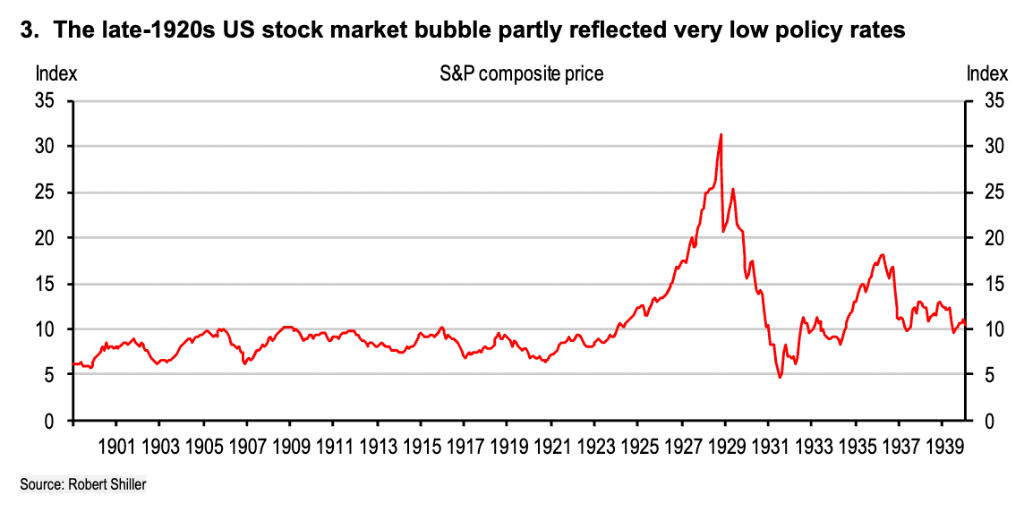
Core Viewpoint - The report by Stephen King emphasizes the historical perspective on the rise and fall of reserve currencies, particularly focusing on the potential risks associated with the U.S. dollar's status as the world's reserve currency under the Trump administration's policies [1][2][3]. Historical Perspective on Reserve Currency Decline - The report reviews the history of reserve currencies, indicating that issuing countries often sacrifice some economic sovereignty for international cooperation [5]. - Historical evidence suggests that negative policies designed to limit international currency use are more effective than positive interventions aimed at encouraging it [5]. - The collapse of the gold standard in the 1930s led to significant economic shocks, with the Federal Reserve setting low interest rates to meet international demand, resulting in a stock market bubble [7] [12]. Bretton Woods System and Its Collapse - Post-World War II, the dollar became the primary reserve currency, with the Bretton Woods system allowing dollar-to-gold convertibility [10]. - The system revealed weaknesses, as some countries benefited from fixed exchange rates while others faced crises [10]. - The end of the Bretton Woods system in 1971 marked a significant shift, with the U.S. abandoning gold convertibility, leading to financial turmoil in the 1970s [12][14]. Trump Administration's Attitude Towards the Dollar - The report highlights that the Trump administration's concerns about the dollar's reserve status may pose a greater risk than its tariff policies [17]. - Some members of the administration believe the dollar is "overvalued" and propose measures to redefine its role, including sanctions and encouraging other countries to restructure their U.S. asset holdings [21]. - The potential for the U.S. to withdraw from its role as the world's "lender of last resort" could lead to a significant shift towards gold, resulting in liquidity shortages and financial instability [23]. Future Predictions and Risks - King predicts that if the U.S. neglects international institutions, their credibility will suffer, and the transition to a new reserve currency will be challenging [22][23]. - Emerging economies may adopt a "safety first" approach to balance their international accounts, potentially leading to a decline in global demand [24]. - The report warns that if the dollar loses its trust as a reserve currency, it could trigger a massive shift towards gold, reminiscent of the financial turmoil seen in the 1930s and 1970s [23].

如果美元霸权退位,全球市场会发生什么?
Hua Er Jie Jian Wen· 2025-05-10 09:04
Core Viewpoint - The report by Stephen King from HSBC highlights the historical perspective on the rise and fall of reserve currencies, particularly focusing on the potential risks associated with the U.S. dollar's status as the world's reserve currency under the Trump administration's policies [1][22]. Historical Perspective on Reserve Currency Decline - The report reviews the history of reserve currencies, indicating that the issuing country often sacrifices some economic sovereignty for international cooperation [3][22]. - Historical evidence suggests that negative policies designed to limit a currency's international use are more effective than positive interventions aimed at encouraging it [3]. - The collapse of the gold standard in the 1930s caused significant economic turmoil, with the Federal Reserve setting low interest rates that led to a stock market bubble [3][9]. Bretton Woods System and Dollar Resurgence - Post-World War II, the dollar emerged as the primary reserve currency, established during the Bretton Woods Conference in 1944, where the dollar was pegged to gold [6][9]. - The Bretton Woods system revealed weaknesses, as some countries benefited from fixed exchange rates while others faced competitiveness issues and financing crises [6]. - The end of the Bretton Woods system in 1971, marked by Nixon's policies, led to significant financial instability and volatility in asset prices [9][12]. Trump Administration's Impact on Dollar's Reserve Status - The Trump administration's approach to the dollar's reserve status may pose greater risks than its tariff policies [22]. - Concerns have been raised that the U.S. government views the dollar as "overvalued" and may implement measures to redefine its role as a reserve currency [25]. - Potential measures include sanctions against countries holding dollar assets that conflict with U.S. interests and encouraging other nations to restructure their U.S. asset holdings [25][26]. Future Predictions and Risks - If the U.S. attempts to reclaim control over the dollar, it could lead to a significant shift towards gold, resulting in severe liquidity shortages and potential financial turmoil similar to the 1930s or 1970s [27][30]. - The report predicts that emerging economies may adopt a "safety first" approach to balance their international accounts, potentially leading to a decline in global demand [30].