环保

Search documents
“希望污水厂尽早完工”
人民网-国际频道 原创稿· 2025-12-03 03:12
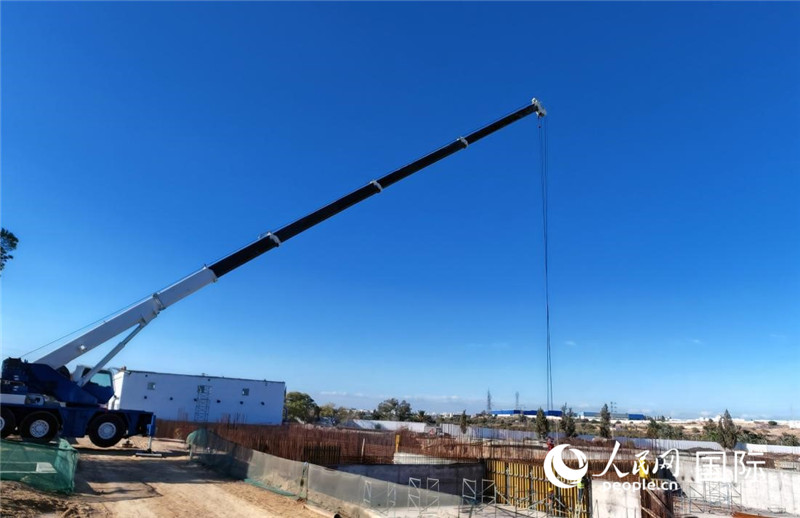
Core Viewpoint - The expansion of the Musaken wastewater treatment plant in Sousse, Tunisia, is crucial to meet the growing urban demand for wastewater management, with the current facility unable to handle the daily sewage output of 13,000 tons from approximately 200,000 residents [2]. Group 1: Project Overview - The Musaken wastewater treatment plant currently has a daily treatment capacity of 6,000 tons, which will be increased to 17,000 tons upon completion of the expansion [1]. - The project is being managed by China Electric Power Construction Group's Water and Hydropower Fifteenth Bureau, with the main construction expected to be completed by March next year [2]. Group 2: Environmental Impact - The existing wastewater treatment facility has been insufficient, leading to untreated sewage being discharged directly into local rivers, causing significant environmental damage [2]. - The successful operation of the Sousse wastewater treatment plant, which processes 53,000 cubic meters of wastewater daily, has resulted in a 40% reduction in irrigation costs for local agriculture and improved water quality in the Sousse River [2]. Group 3: Technological and Local Development - The project includes upgrades such as replacing surface aerators with bottom air diffusion plates to enhance oxygen levels in wastewater and improving sludge treatment lines for better efficiency [4]. - The project emphasizes local talent development, with an 81% localization rate and ongoing training for local employees, including multilingual safety and cultural communication courses [4]. Group 4: Stakeholder Perspectives - Local authorities, including the head of the Sousse Health Bureau, express a strong desire for the timely completion of the wastewater treatment plant to meet community expectations [7].


一些风景“打卡地”缘何成了“垃圾场”?
Xin Hua She· 2025-12-01 13:05
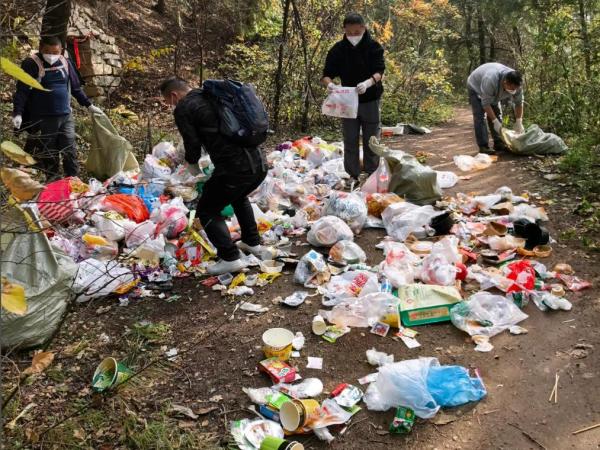
塑料水瓶、易拉罐、食用油桶、食品包装袋、塑料袋、一次性餐盒、废旧帐篷……近日,"新华视点"记 者调查发现,在一些小众景点或徒步路线附近的山林间、河道里,不少垃圾肆意散落,触目惊心。 山野频现垃圾 11月中旬,记者探访西南某省一处凭借原生态景观走红网络的热门打卡地,看到不少矿泉水瓶、食品包 装袋等垃圾散落林间。在瀑布前方的观景区域,各种垃圾也随处可见,其中不乏铁皮桶、酱油壶、食用 油桶等疑似小吃摊主丢弃的废弃物。 瀑布下游林间的一处天然洞穴内,堆积着数十个一次性餐盒、塑料水杯、玻璃瓶和矿泉水瓶;洞穴对面 的石缝中,可见一大袋垃圾和多个塑料水瓶、易拉罐。在一条小路旁的林间,枯树枝下有不少塑料瓶、 易拉罐,垃圾焚烧后的黑色残留物夹杂其间。 此类场景并非个案,在多个小众景点及徒步路线均有上演。 在贵州某县通往一处瀑布的山路两侧及瀑布下方的观景区域,果皮、塑料水瓶等垃圾随处可见;在华北 某地郊区一处登山步道,尽管设置有"垃圾带下山,环保在心间"等劝导标语,但纸屑、口罩、玻璃瓶、 饮料瓶等垃圾依旧散落林间。 在社交媒体平台上,反映类似问题的网民不在少数。湖南一家户外俱乐部的创始人曼曼11月16日发布的 视频显示,当地一座 ...
富邦科技:公司针对不同品种、不同类型的磷矿石,针对性开发出不同配方的浮选剂产品
Zheng Quan Ri Bao Zhi Sheng· 2025-11-21 09:07
Core Viewpoint - Fubon Technology has developed targeted flotation agent products for different types of phosphate ore, which are characterized by low dosage, high flotation efficiency, and high recovery rate of phosphorus pentoxide [1] Group 1: Product Development - The company has actively responded to environmental policy directives by developing new products such as phosphate rock positive flotation collectors and liquid flotation collectors, filling the gap in positive flotation agents [1] - The new products enrich the variety of the company's offerings and cater to more customer needs based on their current situations [1] Group 2: Profitability Enhancement - The development of these targeted flotation agents is aimed at further enhancing the company's profitability [1]

研判2025!中国次氧化锌行业产业链、发展现状、竞争格局、未来趋势:资源可回收利用趋势下,次氧化锌行业发展潜力巨大[图]
Chan Ye Xin Xi Wang· 2025-11-21 01:26
Core Insights - The zinc oxide industry in China is projected to grow significantly, with the market size expected to reach 15 billion yuan in 2024, reflecting a year-on-year increase of 25.0%, and further growing to 17 billion yuan in 2025, with a year-on-year increase of 13.3% [1][6][9] Industry Overview - Zinc oxide is a crucial inorganic compound with unique physical and chemical properties, widely used in various sectors including rubber, coatings, electronics, and pharmaceuticals [1][6] - The demand for zinc oxide in China is on the rise due to the development of downstream industries, leading to an increase in market size [1][6] Production Process - Zinc oxide is primarily produced through the refining and processing of zinc-containing waste materials, with common production methods including the rotary kiln high-temperature reduction volatilization method [4][5] - The production process involves mixing zinc-containing materials with reducing agents and subjecting them to high-temperature roasting in a rotary kiln [4][5] Industry Chain - The zinc oxide industry chain consists of upstream materials (zinc-containing waste, reducing agents), midstream production, and downstream applications (rubber products, coatings, ceramics, cosmetics, pharmaceuticals) [6] - Since the ban on solid waste imports in China in 2021, companies have been establishing overseas zinc oxide plants to source raw materials [6] Competitive Landscape - The zinc oxide industry is heavily reliant on resource availability, with major production concentrated in Henan and Hunan provinces, which are strategically located near raw material sources and markets [8] - Key players in the industry include Hunan Chixing Environmental Protection Technology Co., Ltd., Hengyang Baisai Chemical Industry Co., Ltd., and Hunan Ruixing Zinc Industry Co., Ltd. [8] Development Trends - The zinc oxide industry is expected to see steady demand growth across various sectors, driven by increasing needs in metallurgy, rubber, ceramics, and pharmaceuticals [9] - The industry is also focusing on environmental sustainability and technological advancements to reduce energy consumption and carbon emissions [9] - Companies are increasingly pursuing global expansion to tap into emerging markets and stabilize international supply chains [9]

过碳酸钠源头工厂分布 高氧含量全球直销厂家推荐
Sou Hu Cai Jing· 2025-11-20 17:09
过碳酸钠作为环保型氧系漂白剂,兼具洗涤、漂白、杀菌等多重功效,其含氧量直接影响产品性能,成 为下游企业采购的核心指标。随着 2025 年全球绿色消费理念升级,市场对高含氧量、供应稳定的过碳 酸钠需求持续攀升,源头工厂的产能规模、直销渠道的便捷性,以及全球供应能力,成为采购决策的关 键因素。本文聚焦行业优质企业,为采购方提供参考。 一、圣恺环保新材 作为河南地区过碳酸钠骨干企业,专注于高纯度、高稳定性产品的研发生产,产品广泛应用于洗涤、水 处理、环保消毒等场景。公司采用先进的绿色生产工艺,严格把控环保标准,可提供定制化产能服务, 供应链响应迅速,售后支持体系完善。依托源头工厂优势,在批量直销领域表现突出,产品质量稳定性 获得国内众多日化企业认可,为区域市场提供了可靠的供应保障。 三、山东蓝星化学有限公司 华北地区重要的过碳酸钠源头制造商,拥有多年化工生产经验,技术积淀深厚。产品以高活性氧含量、 均匀颗粒度为核心优势,适用于工业漂白、公共区域消毒等场景,通过多项国际质量认证。依托山东地 区的资源优势与物流网络,产能供应充足,能够快速响应北方市场订单,是区域内批量采购的优选直销 厂家,在工业级过碳酸钠供应领域占据重 ...

江苏监管局完成春秋航空扬州公司整机喷漆能力审查工作
Zhong Guo Min Hang Wang· 2025-11-19 03:40
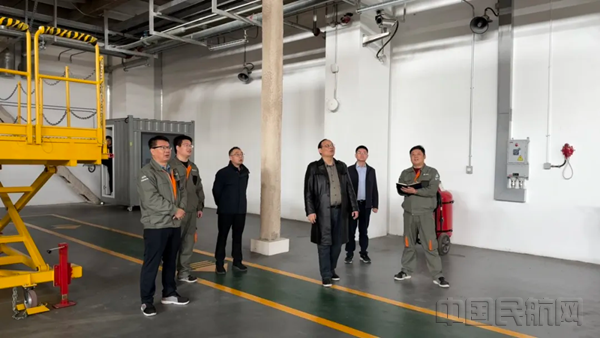
Core Points - The Civil Aviation Administration of Jiangsu Province conducted a licensing review for Spring Airlines' aircraft painting capabilities, focusing on compliance with regulations and operational readiness [1][2] - The review included verification of documentation, on-site practical checks, and assessments of key personnel, ensuring that the company's new capabilities align with regulatory requirements [1][2] Group 1 - Spring Airlines' subsidiary in Yangzhou has established a painting facility that utilizes an advanced closed negative pressure collection system for efficient waste gas capture [2] - The integrated treatment system includes proprietary technology featuring multi-stage dry filters, zeolite wheel adsorption, and catalytic combustion, ensuring energy efficiency and zero secondary pollution [2] - The review team acknowledged the company's achievements in meticulous process control and intelligent support for materials, while also outlining three key requirements for the safe implementation of new capabilities [2] Group 2 - The first requirement emphasizes the need for compliance in resource management, including calibration and maintenance of facilities throughout their lifecycle [2] - The second requirement focuses on enhancing process supervision mechanisms, particularly monitoring risks associated with painting operations [2] - The third requirement calls for the development of tailored training programs for key personnel, ensuring their qualifications meet operational demands [2]

印媒:在印度南部群山倾听“鸟鸣叙事”
Huan Qiu Shi Bao· 2025-11-13 22:39
Core Insights - The article discusses the upcoming Wayanad Bird Festival in India, which aims to connect people with nature through bird observation and awareness of environmental challenges [1][2][4] - The festival is organized in memory of the legendary ornithologist Salim Ali, emphasizing the importance of listening to and understanding birds [1][5] Group 1: Festival Overview - The Wayanad Bird Festival, named "Heki Benak" in the local indigenous language, is a collaborative effort between the Hume Centre for Ecology and Wildlife Biology and active birdwatching communities in Kerala [1][2] - The festival's theme, "Let us become birds; a world without birds is barren," encapsulates its core message of immersive and participatory experiences [1][2] Group 2: Activities and Engagement - Activities include birdwatching routes through diverse landscapes, interactive workshops, and creative events aimed at fostering a deeper connection with nature [1][2] - A notable activity, "Building Homes," encourages participants to empathize with birds by constructing nests using natural materials, promoting reflection on belonging and interdependence [1][2] Group 3: Environmental Awareness - The festival will feature a puppet workshop telling stories of ten extinct bird species and the reasons for their disappearance, highlighting the challenges faced by existing species [2][4] - The plight of the shy and elusive Banasura White-breasted Waterhen, whose habitat is threatened by human activities, serves as a symbol of the ecological challenges faced by many bird species in the region [2][4] Group 4: Knowledge Sharing and Cultural Elements - An academic seminar will provide a platform for scientists, nature enthusiasts, and the public to exchange knowledge, alongside a photography exhibition discussing survival strategies [4] - Evening events will include open forums with experienced birdwatchers discussing ethical guidelines and research methods, as well as a dramatic performance addressing vulture conservation issues in southern India [4]

放弃核电、拒用俄气,德国自断能源命脉,中国靠光伏风电赚全球钱
Sou Hu Cai Jing· 2025-11-12 16:11
Group 1 - Germany was once a leading industrial power in Europe, known for its electricity surplus and ability to export power to neighboring countries [1][3] - The country relied heavily on coal and nuclear energy, which provided stable and affordable power for its industrial sector, enabling it to lead in manufacturing innovation [3][5] - Following the Fukushima nuclear disaster in 2011, Germany's government decided to phase out nuclear power and coal, significantly impacting its industrial energy supply [5][7] Group 2 - By 2023, Germany transitioned from being an electricity exporter to an importer, relying on nuclear, hydro, and wind power from other countries, leading to energy shortages for industrial use [7][9] - The shift to renewable energy sources has proven unreliable, as wind and solar power depend on weather conditions, necessitating reliance on natural gas, which has become more expensive due to geopolitical tensions [9][11] - Industrial electricity prices have surged from 0.8 RMB per kWh in 2011 to 1.9 RMB per kWh, making it significantly more expensive than in China, where the average is 0.7 RMB per kWh [11][13] Group 3 - The high energy costs have led to a capital outflow, with many German companies considering relocating production overseas to reduce expenses [13][15] - Major German corporations like BASF and Volkswagen are investing heavily in factories in China and the U.S., indicating a shift in industrial strategy due to rising operational costs in Germany [13][15] - Environmental organizations in Germany celebrate the reduction of industrial activity, but this has raised concerns about the long-term viability of the country's industrial base [15][17] Group 4 - The article contrasts Germany's approach to environmentalism with China's, highlighting that China has managed to balance industrial growth with environmental protection, leading to significant advancements in renewable energy production [19][21] - China's forest coverage has increased significantly, and it has become a global leader in solar and wind energy manufacturing, demonstrating that economic development and environmental sustainability can coexist [19][21] - The narrative suggests that Germany's extreme environmental policies have led to industrial decline, while China's pragmatic approach has resulted in both economic and environmental successes [21][23]

十五运会花样爆款衍生品火“出圈” 环保、低碳成亮点企业开足马力赶订单
Yang Shi Wang· 2025-11-12 06:06
Core Insights - The 15th National Games mascot has gained significant popularity, leading to a surge in related product sales [1][6] - The production of mascot-related merchandise is currently facing high demand, with companies ramping up production to meet orders [15][17] Group 1: Sales and Demand - The official merchandise retail store in Guangzhou experienced increased foot traffic after 10 AM, particularly for the new blind box series featuring elements from "Journey to the West" [3] - Popular products, including mascot dolls and commemorative items, are in short supply despite daily restocking efforts [7][15] - The total sales revenue for all products related to the 15th National Games has exceeded 10 million yuan, with order backlogs extending to December [17] Group 2: Production and Innovation - A toy company in Dongguan has developed nearly 60 unique designs of mascot-related products, showcasing creativity and innovation [16] - The production process adheres to environmentally friendly and low-carbon principles, aligning with the event's green sports initiative [13] - Dongguan is a major hub for toy production, accounting for approximately 85% of the country's toy manufacturing and producing a quarter of global anime derivative products [17]

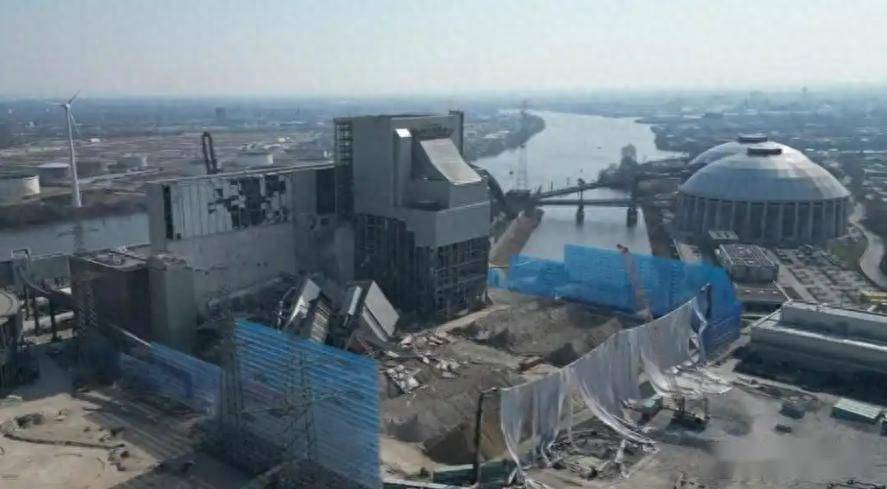
德国自废武功!爆破核电站后电价暴涨6倍,巴斯夫连夜逃往中国
Sou Hu Cai Jing· 2025-11-11 12:39
Core Insights - Germany is symbolically bidding farewell to nuclear energy by demolishing a nuclear power plant, amidst rising electricity prices and industrial relocation, raising questions about the ecological progress versus economic risks [1][4] Energy Transition and Policy - Following the Fukushima disaster in 2011, Germany's Green Party rapidly implemented the "nuclear and coal phase-out" plan, resulting in the shutdown of 17 nuclear plants and about 60% of coal plants over the past decade, relying on remaining fossil fuels and unstable renewable energy [4][6] - The energy transition has led to Germany becoming a net electricity importer in 2023, relying on French nuclear and Norwegian hydroelectric power to meet demand [6] Economic Impact - Industrial electricity prices surged from 0.8 RMB per kWh to 1.9 RMB, with residential electricity costs exceeding six times that of China [6] - Capital outflow has accelerated, with the German central bank reporting a net capital outflow three times larger than in the past five years, as major companies like BASF and Volkswagen shift production to the US and China [6] Environmental Concerns and Activism - Environmentalists advocate for aggressive measures against energy production impacts, leading to conflicts with industrial interests, highlighting the disconnect between idealistic environmental goals and economic realities [5][7] International Dynamics - The energy crisis in Germany reflects a complex international landscape, where the initial environmental concepts from the West aimed to curb industrialization in developing countries, while China has turned challenges into opportunities through technological innovation [9][10] - The US benefits from high-priced LNG orders, while France capitalizes on its stable nuclear power supply, positioning itself as a key electricity supplier to Germany [11] Renewable Energy Landscape - China dominates the global renewable energy market, producing 80% of solar panels and 60% of wind power equipment, with decreasing green energy costs [12] - China's ecological initiatives have significantly improved forest coverage and integrated industrial and environmental goals, exemplified by the production of electric vehicles [12] Lessons for Global Energy Policy - Germany's experience serves as a warning that high energy costs could undermine its Industry 4.0 strategy, emphasizing the need for a balanced approach to ecological protection and economic development [14] - The transition to green energy must be gradual, as abruptly abandoning existing energy infrastructure poses significant risks [14]