生态共建

Search documents
告别“手机投屏”时代:HUAWEI HiCar 6.0用“生态共建”重新定义智能出行
Huan Qiu Wang· 2025-06-23 10:08
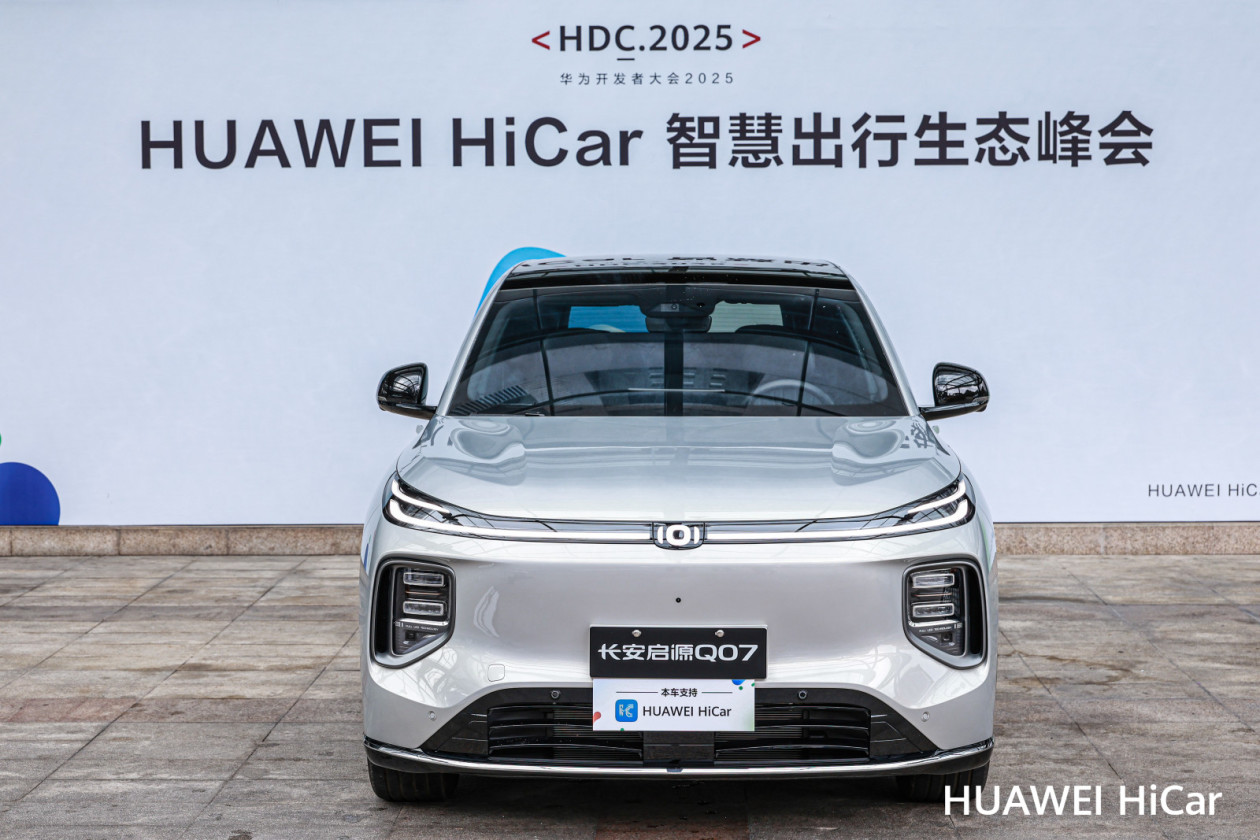
Core Insights - The evolution of cross-device connectivity between cars and smartphones has transitioned from basic single-point technology applications to a more integrated ecosystem approach, driven by user demand and technological advancements [2][7] - HUAWEI HiCar 6.0 has emerged as a significant player in this ecosystem, showcasing deep integration capabilities and innovative features that enhance user experience and operational efficiency [3][5][6] Technological Breakthroughs - HUAWEI HiCar 6.0 emphasizes "multi-dimensional integration," enabling seamless connectivity across devices and scenarios, which enhances user interaction and experience [3][5] - The solution incorporates design principles like "First-Sight Aesthetics," focusing on visual innovation and emotional resonance, transforming in-car interaction from mere functionality to a more engaging experience [3][5] Industry Collaboration - HUAWEI HiCar 6.0 demonstrates strong potential for industry collaboration, integrating with major automotive manufacturers like Changan and BYD to enhance both pre-installed and aftermarket markets [6][7] - The partnership with Changan's Q07 model showcases innovative features such as 3D vehicle modeling and scenario-based intelligent space, providing a competitive edge for automotive companies [6] Ecosystem Development - The success of HUAWEI HiCar 6.0 is attributed to deep cooperation with automotive companies, leading to the launch of industry-first features that upgrade the smart vehicle ecosystem [7][9] - The introduction of an open development platform and certification tools by HUAWEI encourages more developers to contribute to the smart travel ecosystem, fostering innovation and expanding the industry landscape [9]

观车 · 论势 || 是什么让小鹏华为从竞争走向竞合
Zhong Guo Qi Che Bao Wang· 2025-06-19 01:13
Core Viewpoint - The collaboration between Xiaopeng Motors and Huawei signifies a shift from competition to cooperation in the automotive industry, highlighting the importance of resource integration in the evolving landscape of smart driving technology [1][3][5] Group 1: Industry Dynamics - The automotive industry is transitioning from a model of "full-stack self-research" to a combination of "core technology self-research and key area collaboration" due to the complexities of smart driving technology [1][2] - The competition among automotive companies is increasingly focused on ecological competition and resource integration capabilities rather than just technical prowess [4][5] Group 2: Company Strategies - Xiaopeng Motors and Huawei's partnership reflects a strategic decision to leverage each other's strengths, moving away from previous rivalries in the smart driving sector [1][3] - The collaboration allows both companies to access advanced technologies more efficiently, reducing the need for extensive self-research investments [3][4] Group 3: Technological Implications - The introduction of the "Chasing Light Panorama" ARHUD technology in the Xiaopeng G7 exemplifies the successful integration of Xiaopeng's software capabilities with Huawei's hardware expertise [1] - The ongoing evolution of smart driving technology necessitates a reevaluation of traditional self-research approaches, as companies face increasing market pressures and rapid technological advancements [2][3]

海蓝之谜们10倍增长?深度解析 618美妆首轮战报
Sou Hu Cai Jing· 2025-06-06 02:45
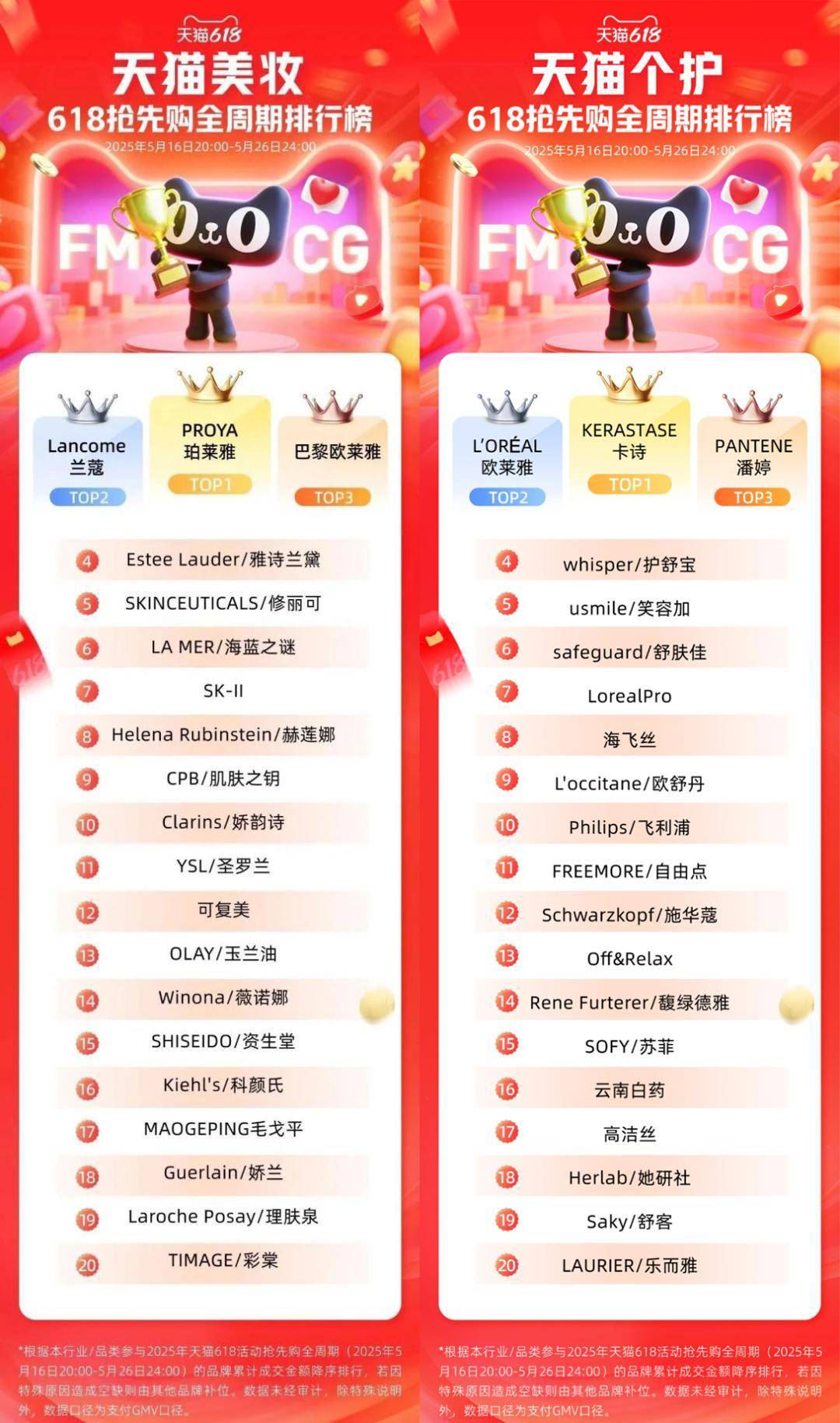
Core Insights - The 618 shopping festival has seen significant changes in rules and strategies across e-commerce platforms, leading to a transformation in the beauty brand landscape, with international brands making a strong comeback while domestic brands face challenges [1][22] - The shift from a "price war" era to a focus on brand value and consumer experience marks a new phase for beauty brands, emphasizing the importance of quality and innovation [24] E-commerce Platform Performance - Tmall's 618 pre-sale data shows that international brands dominate the top rankings, with only a few domestic brands making it into the top 20, indicating a 5:15 ratio of domestic to international brands [2] - JD.com reported a nearly 300% year-on-year increase in sales for perfume and makeup sets on May 20, with overall beauty product sales doubling during the festival [5][11] - Douyin's beauty brand rankings have shifted significantly, with high-end international brands achieving explosive growth, while white-label brands have virtually disappeared from the charts [9][22] Changes in Promotional Strategies - The 618 festival duration has been extended to 35-40 days, with platforms simplifying promotional mechanisms to enhance consumer shopping experiences [13][16] - Platforms have moved towards straightforward discount strategies, eliminating complex promotional tactics that previously deterred consumer engagement [16][17] - E-commerce platforms are now focusing on balancing the interests of consumers, platforms, and merchants, moving away from strategies that heavily favored consumers at the expense of merchants [17][18] Brand Dynamics - International beauty brands have regained competitive advantages during the 618 festival, with brands like Helena and SK-II seeing significant sales growth on Douyin [22][23] - The shift in platform strategies towards supporting high-quality brands is beneficial for established international brands and leading domestic brands like Proya, but poses challenges for mid-tier domestic brands [23][24] - E-commerce platforms are investing heavily in brand support, with Tmall and JD.com committing substantial resources to foster brand growth and improve the overall shopping experience [19][21]




东风商用车燃气重卡惊现千辆大单!
第一商用车网· 2025-05-30 01:25
Core Viewpoint - The strategic cooperation between Dongfeng Commercial Vehicle Co., Ltd. and Zibo Zhitai Trading Co., Ltd. marks a significant step in the ecological construction of hazardous chemical transportation, enhancing the industry's high-quality development [1][4]. Group 1: Cooperation and Trust - The partnership between Dongfeng Commercial Vehicle and Zhitai Trading is built on a shared commitment to reliability, having previously collaborated on over 150 vehicle purchases [3]. - The recent agreement for 1,000 hazardous chemical gas vehicles signifies a shift from simple procurement to comprehensive ecological collaboration, emphasizing the creation of value and mutual growth [4][5]. Group 2: Product and Service Offering - The delivered vehicles are equipped with Dongfeng Cummins' latest gas engines, specifically designed for hazardous chemical transportation, showcasing advancements in performance, fuel economy, and safety [7]. - The gas engines feature low fuel consumption, high torque, and long range, supported by intelligent combustion control technology and multiple safety systems, addressing cost control and safety management challenges in the industry [8]. Group 3: Industry Context and Future Outlook - The hazardous chemical transportation sector is transitioning from scale growth to high-quality development, driven by stricter industry policies and evolving transportation demands [11]. - Dongfeng Commercial Vehicle aims to continue focusing on customer-centric strategies, exploring niche market potentials, and establishing benchmark projects to support clients in a competitive market [11].
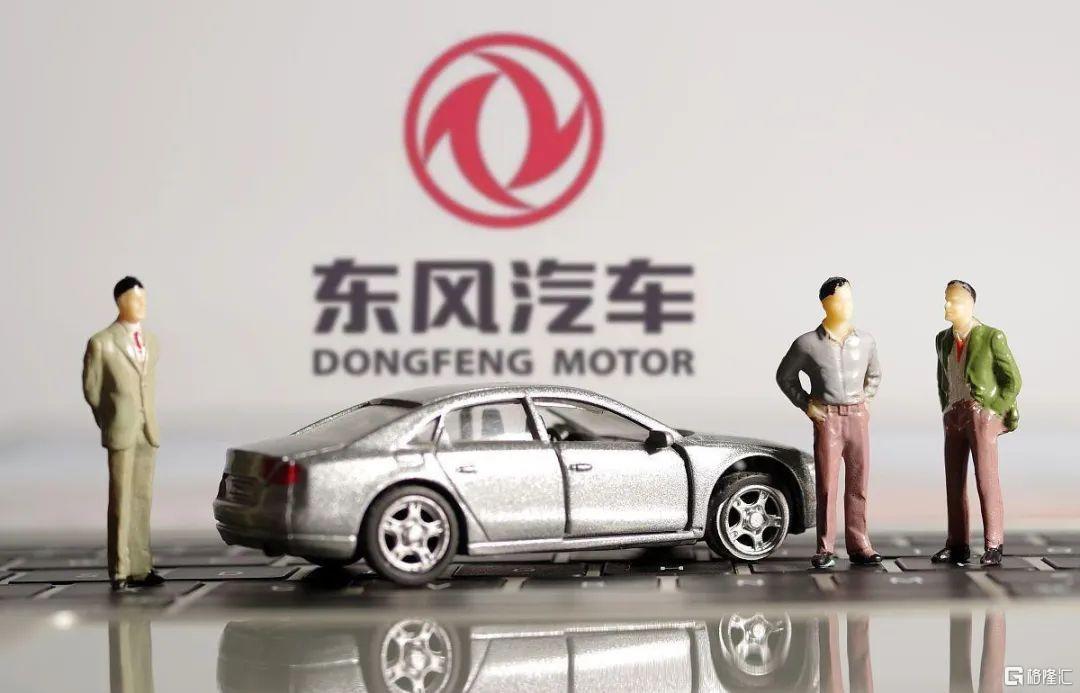
【东风汽车与华为战略牵手】5月29日讯,记者获悉,近日东风汽车集团有限公司与华为技术有限公司在武汉正式签署全面深化战略合作协议。双方将围绕汽车智能化、企业数字化和智能化升级、生态共建等领域开展全方位深度合作。
news flash· 2025-05-29 06:25
Group 1 - Dongfeng Motor Group Co., Ltd. and Huawei Technologies Co., Ltd. have signed a comprehensive strategic cooperation agreement in Wuhan [1] - The collaboration will focus on areas such as automotive intelligence, enterprise digitalization, and intelligent upgrades [1] - The partnership aims to promote ecological co-construction and deepen cooperation across various fields [1]


东风汽车集团,机会来了!
Ge Long Hui· 2025-05-28 18:10
Group 1 - Dongfeng Motor Group has signed a comprehensive strategic cooperation agreement with Huawei, marking a significant upgrade in their strategic collaboration and an important step towards high-end, intelligent, and global development for Dongfeng [2][3] - Huawei will empower all brands under Dongfeng Motor Group, not just a few, addressing the software gap and enhancing the competitiveness of products across various sectors, including commercial vehicles [3][4] - The cooperation aims to create a smart product matrix for brands like Dongfeng Lantu, Dongfeng Warrior, Dongfeng Yipai, and Dongfeng Nissan, with potential expansion into the commercial vehicle sector [3] Group 2 - Despite the positive news from the partnership, Dongfeng's stock price initially rose but later fell due to concerns over performance in the automotive sector following a promotional wave from a leading competitor [3][4] - Dongfeng has been actively pursuing anti-corruption measures, which may enhance organizational efficiency and competitiveness [5][7] - The company has shown progress in its restructuring efforts and is expected to improve its performance by 2025, with a focus on self-reliance and innovation [7][39] Group 3 - In 2024, Dongfeng Motor Group reported a revenue of 106.197 billion RMB, a year-on-year increase of 6.86%, while other income surged by 68.6% to 7.016 billion RMB, largely due to government subsidies [23][21] - The company achieved a net profit of 58 million RMB in 2024, recovering from a net loss of 3.887 billion RMB in 2023, indicating a significant turnaround [16][21] - Dongfeng's sales volume in 2024 was 1.8959 million units, a decline of 9.2% year-on-year, marking the first time in a decade that annual sales fell below 2 million units [18][19] Group 4 - Dongfeng's self-owned brands, particularly Lantu, have shown stable sales performance, with a target of 200,000 units for 2025, while the overall market remains challenging [36][38] - The company is facing significant challenges with its joint ventures, particularly with Dongfeng Nissan and Dongfeng Honda, which have seen substantial declines in sales [29][35] - Dongfeng's cash reserves are approximately 100 billion RMB, providing a strong financial foundation for its self-owned business development [39]
东风汽车集团与华为签署深化战略合作协议,双方将围绕汽车智能化、企业数字化和智能化升级、生态共建等领域开展深度合作。(一财)
news flash· 2025-05-23 13:22
Group 1 - Dongfeng Motor Group and Huawei have signed a strategic cooperation agreement to deepen their collaboration [1] - The partnership will focus on areas such as automotive intelligence, enterprise digitalization, and intelligent upgrades [1] - Both companies aim to build an ecosystem through this cooperation [1]
藏不住的车圈焦虑
Hua Er Jie Jian Wen· 2025-05-21 11:52
Core Viewpoint - The domestic automotive industry is experiencing anxiety as high-performance features and advanced technologies are increasingly being integrated into mass-market vehicles, leading to intensified competition and a need for rationality in consumer expectations and corporate practices [2][6]. Group 1: Industry Trends - The automotive sector is witnessing a trend where features once exclusive to luxury vehicles are being adopted by mainstream models, creating a competitive environment focused on performance and technology [2]. - The introduction of regulations by the Ministry of Industry and Information Technology (MIIT) regarding smart driving and safety standards reflects a shift towards ensuring consumer safety amidst the rush for technological advancement [2][3]. Group 2: Company Initiatives - Lotus has announced a significant investment of 20 million to launch a free advanced safety driving training program, aiming to educate drivers on handling high-performance vehicles safely [3][4]. - The company is opening its 77-year accumulated chassis database to the industry, promoting a collaborative approach to safety and performance, which could disrupt the current competitive landscape [4][5]. Group 3: Market Dynamics - The automotive industry is characterized by a cycle of intense competition, leading to short-sighted decisions among manufacturers, which can result in misalignment between consumer perceptions and internal analyses of vehicle issues [6]. - The recent incidents and public backlash against brands like Xiaomi highlight the importance of balancing technological innovation with safety, as companies strive to regain consumer trust [2][6].
四维裂变重构增长逻辑,上汽亮出头部车企转型进化新样本
Jing Ji Guan Cha Bao· 2025-05-21 03:30
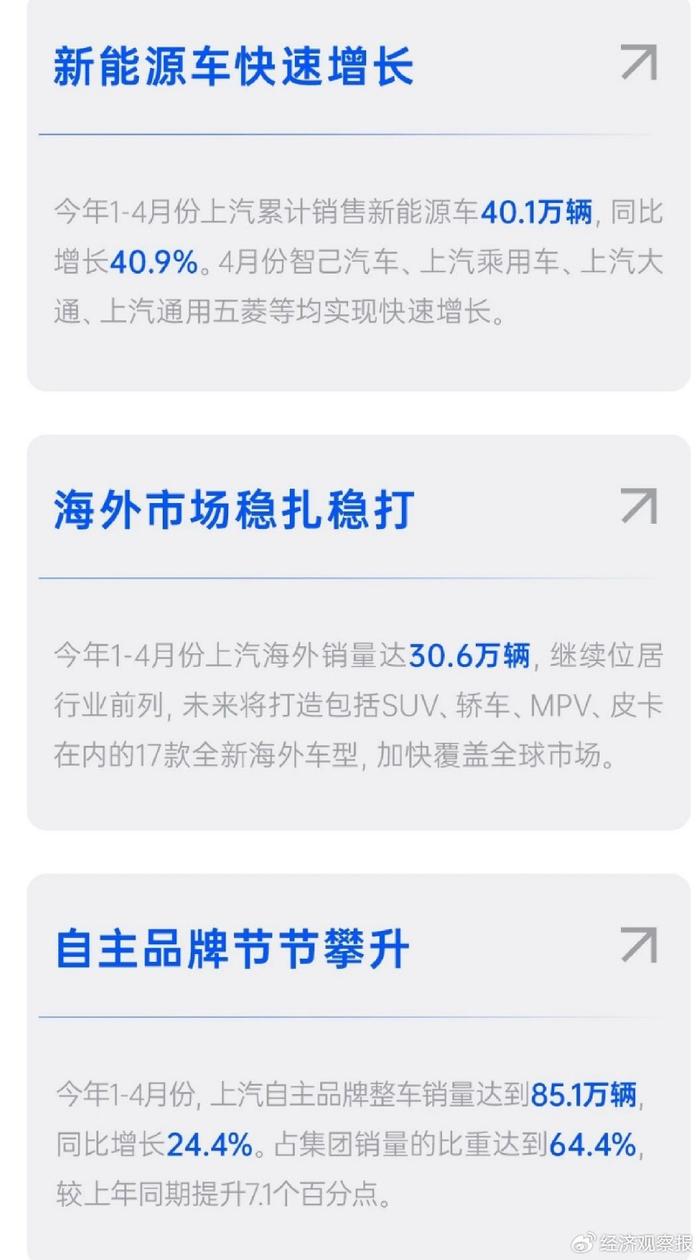
Core Viewpoint - SAIC Group is undergoing a significant transformation in the automotive industry, marked by the launch of the world's largest car carrier, the Anji Ansheng, which symbolizes the company's commitment to expanding its global footprint and enhancing its overseas development prospects [1] Group 1: Organizational Evolution - The reverse growth of SAIC Group is driven by a profound organizational revolution initiated in 2024, focusing on integrating core businesses of its self-owned brands into a "large passenger vehicle" segment to maximize resource efficiency and effectiveness [2] - The establishment of the "large commercial vehicle" segment centered around SAIC Maxus aims to consolidate commercial vehicle resources and implement a globally advanced development strategy [2] - In the first quarter, self-owned brand sales reached 601,000 units, accounting for 63.6% of total sales, reflecting a qualitative change in resource allocation efficiency [2] Group 2: Technological Innovation - SAIC has invested heavily in R&D, creating a competitive moat with breakthroughs such as the Intelligent Cockpit system and the world's most efficient hybrid engine, showcasing its leadership in the integration of mechanical and electrical systems [6][10] - The company is leveraging its partnerships in the joint venture sector to enhance its technological capabilities, with SAIC Volkswagen and SAIC Audi launching innovative products that integrate advanced technologies [8] - The development of solid-state batteries with a 400Wh/kg energy density and a 30% cost reduction is set to revolutionize the battery competition landscape [10] Group 3: Ecological Reconstruction - The launch of the SAIC Shangjie brand represents a shift from product competition to ecological competition, emphasizing deep collaboration with Huawei in smart vehicle technology [12] - User engagement initiatives, such as the "Original Stone Valley" blockchain system, are transforming vehicles into mobile smart terminals and digital living spaces, creating a closed-loop ecosystem [12] Group 4: Global Expansion - SAIC's "Glocal" strategy has led to a 38% year-on-year increase in overseas retail sales in the first four months, with a 28% share of new energy vehicles, demonstrating the effectiveness of localized strategies [13][15] - The company has established a comprehensive global automotive supply chain, entering over 100 countries and regions, and plans to launch 17 new overseas models in the next three years [15] - SAIC's flexible supply chain strategy, including the establishment of charging networks in Southeast Asia and joint R&D centers in Europe, is turning geographical risks into competitive advantages [15] Conclusion - With 70 years of automotive experience and innovative spirit, SAIC is proving that the transformation of traditional automakers is a comprehensive revolution encompassing strategy, technology, organization, and ecology, positioning itself for high-quality growth in the intelligent electric vehicle sector [16]

海外网红营销进化论:流量之外,生态为王
3 6 Ke· 2025-05-21 03:07
Group 1 - The Chinese government has approved the establishment of cross-border e-commerce comprehensive pilot zones in Hainan and 15 other cities, reflecting a strong expectation for the "buy global, sell global" strategy in cross-border e-commerce [1] - The industry is transitioning from rapid growth to refined operations, requiring brands to adapt their marketing strategies to overcome cultural differences and flow anxiety, moving from short-term sales to long-term ecological co-construction [1][4] - The global influencer e-commerce growth is slowing, with social media platforms stabilizing in daily active users, leading to increased competition for quality influencer resources [3][4] Group 2 - The cost of acquiring effective traffic is rising, with Facebook's CPM increasing from $8.70 to $9.45, while 60% of U.S. advertisers plan to cut ad spending due to tariff wars [4][6] - The influencer ecosystem is becoming polarized, with top influencers dominating the market, making it difficult for mid-tier and new influencers to gain exposure [3][6] - Brands need to innovate content and engage in the creative process to enhance the value of advertisements, as the Z generation prefers engaging and diverse content over low-quality ads [7][10] Group 3 - Successful case studies, such as realme's Mother's Day campaign in Brazil and Ramadan ads in Southeast Asia, demonstrate the importance of local cultural integration in marketing strategies [8][10] - Companies like BKK are building their own influencer ecosystems, collaborating with various tiers of influencers to create a long-term symbiotic relationship [10][11] - Localization in communication and team structure is crucial for cross-border e-commerce, requiring brands to understand local cultures and regulations [11][12] Group 4 - The future of overseas influencer marketing lies in deep cultural integration, precise matching of influencers and audiences, and continuous optimization of collaboration models [14] - The ability to build an ecological co-existence mechanism between brands and influencers will be a core competitive advantage for cross-border e-commerce in overseas markets [14]