对等关税

Search documents
特朗普发关税函后,日韩等国的回应来了
Xin Hua She· 2025-07-08 07:48
新华社北京7月8日电 美国总统特朗普7日表示,将从8月1日起分别对来自日本、韩国等14个国家的 进口产品征收25%至40%不等的关税。但他当天晚些时候说,这一期限并非"百分百确定"。日本、韩 国、南非等国相继作出回应,称关税"令人遗憾""不合理",并表示将在期限内继续与美方谈判。 "非常遗憾""不合理" 日本政府8日在首相官邸召开综合对策总部会议。日本首相石破茂在会上就美国再度提高关税表 示"非常遗憾",已指示相关阁僚在8月1日之前继续谈判,寻求既维护日本国家利益又能实现双赢的协 议。 石破茂说,日本政府在未来的谈判中捍卫国家利益的立场不会动摇,"我们将继续与美国进行谈 判,在维护国家利益的同时,探索达成互利协议的可能性"。 谈及日美此前举行多轮谈判仍未能达成协议,石破茂表示,"日本政府避免轻易妥协,该要求的必 须要求,该保护的必须保护,持续进行了强硬磋商。" 韩国产业通商资源部8日发表声明说,新政府上台后,虽在短时间内根据国家利益优先原则与美方 进行了密集谈判,但仍不足以就所有议题达成共识。韩方将在新关税税率生效前加速谈判,以取得互惠 协商成果。 韩国总统办公室说,国家安保室室长魏圣洛7日在华盛顿与美国国务 ...
特朗普关税函为何“漏掉”欧盟
Xin Hua She· 2025-07-08 07:48
Group 1 - The EU is preparing to make concessions to the US regarding tariffs, indicating a potential compromise in trade negotiations [1][2] - Currently, the US imposes a 50% tariff on EU steel and aluminum products, a 25% tariff on automobiles, and a 10% baseline tariff on nearly all other goods [2] - The EU has delayed its retaliatory measures, which would impose a 50% tariff on $210 billion worth of US imports, to allow time for trade negotiations [2] Group 2 - The US government has announced plans to impose tariffs ranging from 25% to 40% on imports from several countries, including Japan and South Korea, starting August 1 [3] - The White House has extended the implementation period for "reciprocal tariffs" by 90 days, pushing the start date from July 9 to August 1 [3] - Economic uncertainty is heightened as stakeholders are confused about the US's commitment to these tariffs and their potential impact on ongoing trade negotiations [3]
特朗普推迟“对等关税”至8月1日生效 外交部回应
news flash· 2025-07-08 07:25
特朗普推迟"对等关税"至8月1日生效 外交部回应 智通财经7月8日电,据北京日报,记者提问,美国总统特朗普签署行政令,推迟"对等关税"至8月1日生 效,中方对此有何评论?能否介绍中美经贸磋商情况最新进展?毛宁指出,在关税问题上,中方的立场 是一贯的,也是非常明确的。关税战、贸易战没有赢家,搞保护主义损害各方利益。"你关心中美之间 的谈判,建议向中方的主管部门了解。"毛宁说。 ...
特朗普关税重锤砸向日本,日本央行近期加息无望?
Jin Shi Shu Ju· 2025-07-08 06:46
日本首相石破茂周二表示将继续与美谈判,寻求达成互利贸易协议。此前特朗普宣布自8月1日起对日本 商品加征25%关税。特朗普周一虽向贸易伙伴发出大幅增税通知,但暗示若各国提出可接受方案或将推 迟实施。 据报道,韩国贸易部长吕翰九在华盛顿与美国商务部长卢特尼克会晤时,还要求美方降低韩国企业在汽 车、钢铁等领域的关税。 财务大臣加藤胜信周二在记者会上表示,目前暂无计划与美国财政部长贝森特就汇率问题进行磋商。 日本未能在特朗普"对等关税"临时暂停令7月9日到期前达成协议,其谈判重点本是取消汽车25%关税 ——这是其出口依赖型经济的支柱产业。随着7月20日参议院选举临近,石破茂强调日本不会为尽早达 成协议作出"轻易让步"。近期民调显示执政联盟可能失去参议院多数席位,分析师称这将使贸易谈判复 杂化。 美国关税加剧日本经济困境,该国一季度经济已现萎缩。5月实际工资创近两年最大降幅,政府周一更 作出近五年来最悲观经济评估。SMBC日兴证券预计25%关税将导致2026年3月截止的财年经济增长减 少0.26个百分点。 日本综合研究所分析师藤本和树指出:"虽避免最坏情况,但25%关税仍将使出口企业利润骤降25%", 并警告"若企业利 ...
多国批美关税"极其无礼" 黄金期货持稳上行
Jin Tou Wang· 2025-07-08 06:27
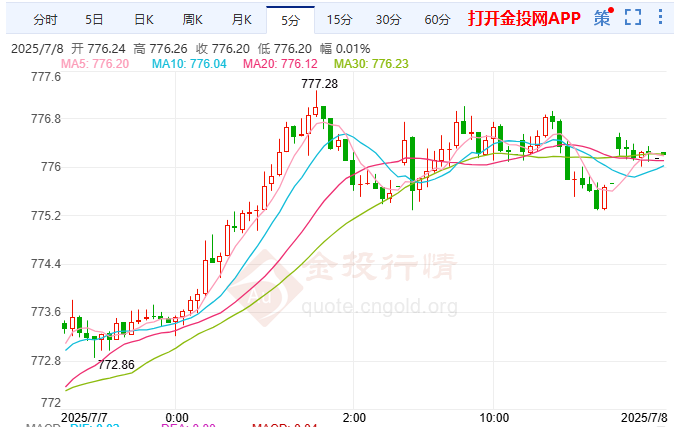
今日周二(7月8日)亚盘时段,黄金期货目前交投于777.28元附近,截至发稿,黄金期货暂报776.98元/ 克,上涨0.53%,最高触及777.28元/克,最低下探770.74元/克。目前来看,黄金期货短线偏向震荡走 势。 【要闻速递】 南非总统办公室也发表声明,称特朗普宣布的关税税率错误地反映了美南贸易关系的实际情况。 尽管德国未被列入此次加征关税的国家名单,但德国工商界普遍认为,美国的单边主义做法正在破坏国 际间的信任,不利于全球供应链的稳定及创新环境的形成。同时,美国自身也将承受高关税带来的产品 成本上升和投资环境恶化的双重压力。 【最新黄金期货行情解析】 在美国"对等关税"暂缓期即将结束的敏感时刻,总统特朗普宣布自8月1日起,将对来自14个国家的进口 商品加征关税,这些国家包括日本、韩国、哈萨克斯坦、马来西亚、突尼斯、波黑、南非、印尼、孟加 拉国、塞尔维亚、柬埔寨、泰国、老挝以及缅甸。 对此,日本首相石破茂迅速作出反应,称美方此举令人遗憾。随后,日本政府在首相官邸紧急召开综合 对策本部会议,石破茂指示相关阁僚继续就取消关税问题与美国进行谈判。 据美国商务部数据,去年日本和韩国分别位列美国第六和第七大贸 ...

特朗普通告日韩新关税为25%
3 6 Ke· 2025-07-08 06:11
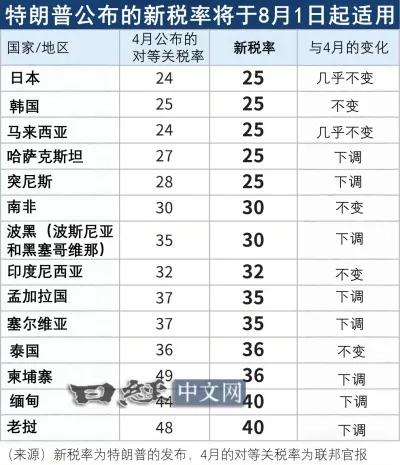
Group 1 - The core message of the letters sent by President Trump to Japan and South Korea emphasizes that the current bilateral trade relations are "far from reciprocal" and that a 25% tariff is insufficient to correct trade imbalances [1][4][5] - The new tariff rates announced by Trump will take effect on August 1, with specific rates for various countries, including 25% for Japan and South Korea, and varying rates for others such as 32% for Indonesia and 36% for Thailand [2][3][5] - The letters to Japan and South Korea were nearly identical, with only the country names and leaders' names differing, indicating a standardized approach to communication regarding trade tariffs [1][3] Group 2 - The new tariff rates represent either a slight increase or a maintenance of previous rates, with some countries seeing reductions, such as Kazakhstan and Tunisia, where rates were lowered from 27% to 25% and from 28% to 25%, respectively [2][3] - The Trump administration has indicated that the new 25% tariffs will be applied in addition to existing tariffs on specific sectors like automobiles and steel, which will be treated separately [5][7] - The U.S. government has paused the increase of additional tariffs on China until August 12, indicating a strategic approach to trade negotiations with different countries [7]
日本首相回应美关税措施
Zheng Quan Shi Bao· 2025-07-08 05:15
(原标题:日本首相回应美关税措施) 日本首相:美方公布的关税信息令人遗憾,将继续进行谈判。 针对美国总统特朗普公布的致日本等方面的关税相关信函,8日,日本首相石破茂称,美方公布的信息 令人遗憾。此外,石破茂做出指示,继续与美方就关税进行谈判。 特朗普于当地时间7日通知日本将实施新的关税措施。将自8月1日起对来自日本的进口商品征收25%关 税。 责编:万健祎 今日早盘,日本股市整体表现平稳,日经225指数小幅低开后迅速拉升走高,随后窄幅震荡。 仍与美就关税问题存在分歧 尚未达成协议 石破茂8日上午在首相官邸召开了应对美国关税措施的政府综合对策本部会议。在谈及关税谈判时,石 破茂表示,日美双方仍存在分歧,尚未达成协议。 石破茂同时也指出谈判在某些方面已有所进展,并表示美总统特朗普信中所提税率并非此前提出的30% 或35%,实际上是维持现状的措施,相当于延长了谈判期限。 就特朗普提出对日本进口商品征收25%关税,日本自民党政策调查会长小野寺五典在8日的自民党内会 议上表示强烈谴责,称绝对无法接受,并表示仅凭一封信进行通告,对盟国而言极其无礼,对此极度愤 慨。鉴于新的谈判期限被设定为8月1日,他呼吁政府切实推进谈判。 ...
有色金属周报:关税波动再起,看好贵金属板块-20250708
Tebon Securities· 2025-07-08 05:08
Investment Rating - The report maintains an "Outperform" rating for the non-ferrous metals sector [2]. Core Viewpoints - Precious metals are expected to perform well in the long term, with gold prices rising by 1.94% recently. The ongoing tariff issues and the weakening global position of the US dollar are anticipated to support gold prices [5]. - Industrial metal prices are on the rise, with significant increases in copper, aluminum, lead, zinc, tin, and nickel prices observed recently [5]. - The report highlights a positive outlook for the non-ferrous metals sector, driven by the Fed's easing cycle and domestic monetary policies, recommending investments in companies like Shandong Gold, Chifeng Jilong Gold Mining, and Zijin Mining [5]. Summary by Sections 1. Industry Data Review 1.1 Precious Metals - The report notes a recent increase in domestic gold prices and discusses the impact of tariff fluctuations on the market [5]. 1.2 Industrial Metals - Prices for copper, aluminum, lead, zinc, tin, and nickel have shown positive weekly changes, with copper reaching a peak of 10015 USD/ton on the London Metal Exchange [5][28]. 1.3 Minor Metals - Prices for rare earth metals, particularly praseodymium and neodymium oxides, have increased, reflecting a growing demand in manufacturing [5][30]. 1.4 Energy Metals - Lithium hydroxide prices have decreased, while nickel prices have shown an upward trend, indicating a mixed outlook for energy metals [5][34]. 2. Market Data - The report indicates that the non-ferrous metals sector has seen a 1.03% increase, with various sub-sectors performing differently [36]. 3. Important Events Review - The report discusses recent announcements by US President Trump regarding new tariffs, which are expected to impact the market starting August 1 [42].



日本首相回应美关税措施
证券时报· 2025-07-08 04:34
日本首相:美方公布的关税信息令人遗憾,将继续进行谈判。 仍与美就关税问题存在分歧 尚未达成协议 针对美国总统特朗普公布的致日本等方面的关税相关信函,8日,日本首相石破茂称,美方公布的信息令 人遗憾。此外,石破茂做出指示,继续与美方就关税进行谈判。 特朗普于当地时间7日通知日本将实施新的关税措施。将自8月1日起对来自日本的进口商品征收25%关 税。 今日早盘,日本股市整体表现平稳,日经225指数小幅低开后迅速拉升走高,随后窄幅震荡。 综合自:央视新闻、公开资料 责编:万健祎 校对:王朝全 版权声明 石破茂8日上午在首相官邸召开了应对美国关税措施的政府综合对策本部会议。在谈及关税谈判时,石破 茂表示,日美双方仍存在分歧,尚未达成协议。 石破茂同时也指出谈判在某些方面已有所进展,并表示美总统特朗普信中所提税率并非此前提出的30%或 35%,实际上是维持现状的措施,相当于延长了谈判期限。 就特朗普提出对日本进口商品征收25%关税,日本自民党政策调查会长小野寺五典在8日的自民党内会议 上表示强烈谴责,称绝对无法接受,并表示仅凭一封信进行通告,对盟国而言极其无礼,对此极度愤慨。 鉴于新的谈判期限被设定为8月1日,他呼吁政 ...

特朗普通告日韩新关税为25%
日经中文网· 2025-07-08 03:03
Core Viewpoint - The article discusses President Trump's announcement of new tariffs on various countries, emphasizing the need for reciprocal trade relationships and the adjustments in tariff rates for specific nations [1][4]. Group 1: Tariff Announcement - Trump announced a new tariff rate of 25% on imports from Japan and South Korea, effective August 1, citing the need to address trade imbalances [1][4]. - The deadline for negotiations on reciprocal tariffs was extended from July 9 to August 1 [1][4]. Group 2: Specific Tariff Rates - The new tariff rates for various countries include: Malaysia 25%, Indonesia 32%, Thailand 36%, and South Africa 30%, with most rates either unchanged or slightly adjusted from previous announcements [2][3]. - A comparison of the new rates with those announced in April shows that Japan's rate increased from 24% to 25%, while rates for Kazakhstan and Tunisia were reduced [3][4]. Group 3: Negotiation and Trade Relations - Trump expressed that the current trade relationships are not reciprocal and indicated that the 25% tariff is insufficient to correct trade imbalances [1][4]. - There is a possibility of negotiating lower tariffs if countries reconsider their tariff and non-tariff barriers [4]. Group 4: Ongoing Trade Agreements - The Trump administration has reached trade agreements with the UK and Vietnam, while negotiations with the EU are ongoing to maintain the current 10% tariff rate [5]. - A separate measure has been put in place for China, suspending the increase of additional tariffs until August 12 [6].