
循环经济

Search documents
申万宏源证券晨会报告-20251024
Shenwan Hongyuan Securities· 2025-10-24 06:03
Group 1: Gold Market Analysis - The report indicates that after a significant rise in gold prices over the past two months, a recent sharp decline has occurred, leading to high volatility. It suggests that gold may enter a high-level wide fluctuation range, and its attractiveness as a global asset is decreasing [14][8] - The quantitative model predicts that the price of gold will stabilize around $4,814 per ounce by 2026, with a suggested bottom range of $3,800 to $3,900 per ounce for 2025 [14][8] - The report emphasizes that for trading funds, it is advisable to wait for volatility to decrease before re-entering the gold market, as high volatility currently diminishes the trading attractiveness of gold [14][8] Group 2: Shipping Decarbonization - The shipping industry is facing increasing pressure to reduce carbon emissions, with significant policies from the EU and IMO being implemented. The EU plans to include shipping in its carbon market starting in 2024, with penalties for non-compliance [15][8] - The report highlights a severe supply shortage of low-carbon fuels, with demand for biodiesel, LNG, and green methanol projected to exceed supply significantly by 2025 [16][8] - The demand for biodiesel is expected to rise sharply, particularly in traditional fuel-dependent vessels, with Singapore's port showing a significant increase in biodiesel refueling [17][8] Group 3: Baofeng Energy Performance - Baofeng Energy reported a revenue of 35.545 billion yuan for the first three quarters of 2025, a year-on-year increase of 46.43%, with a net profit of 8.950 billion yuan, reflecting a 97.27% increase [18][8] - The company’s Q3 performance slightly exceeded expectations, with a revenue of 12.725 billion yuan, up 72.49% year-on-year, and a net profit of 3.232 billion yuan, up 162.34% year-on-year [19][8] - The report maintains a "buy" rating for Baofeng Energy, projecting net profits of 13.5 billion, 15.1 billion, and 16 billion yuan for 2025-2027, with corresponding PE ratios of 9, 8, and 7 times [22][8]





广州市政府与中国供销集团签署战略合作框架协议
Guang Zhou Ri Bao· 2025-10-24 01:45
Core Points - Guangzhou government and China Supply and Marketing Group signed a strategic cooperation framework agreement on October 23, 2023 [1] - The agreement aims to enhance collaboration in agricultural supply chain construction, circular economy, urban underground space development, and grain storage logistics [1] Group 1 - Guangzhou is recognized as a national backbone cold chain logistics base and an important gateway for agricultural products import and export [1] - The strategic cooperation is expected to leverage the strengths of both parties to support the national agricultural modernization strategy [1] - The cooperation will focus on practical collaboration in smart agriculture, cold chain logistics, and circular economy [1] Group 2 - The agreement highlights the unique geographical advantages and strong development momentum of Guangzhou as a core engine of the Guangdong-Hong Kong-Macao Greater Bay Area [1] - China Supply and Marketing Group aims to utilize its resource advantages to deepen cooperation with Guangzhou [1] - The partnership is seen as a significant step towards modernizing agriculture and rural areas in Guangzhou [1]
申万宏源研究晨会报告-20251024
Shenwan Hongyuan Securities· 2025-10-24 00:46
Group 1: Gold Market Analysis - The report indicates that after a significant rise in gold prices over the past two months, there has been a recent sharp decline, leading to high volatility in the market. It suggests that gold may no longer be a high-cost performance global asset [13] - The report highlights that the historical patterns of gold price increases often begin when volatility returns to pre-breakout levels. It identifies the price range of $3,800 to $3,900 per ounce as a potential bottom area for gold prices [13] - The long-term outlook remains positive for gold, with a projected price center of $4,814 per ounce by 2026, driven by factors such as rising global fiscal deficits and continued central bank purchases of gold [13] Group 2: Shipping Decarbonization - The report discusses the increasing frequency of decarbonization policies in the shipping industry, particularly from the IMO and the EU, indicating that the industry is entering a phase of implementation [14] - It notes that the global shipping fuel consumption is approximately 300 million tons, resulting in over 1 billion tons of carbon emissions, with the EU accounting for about 18% of this total [14] - The report emphasizes the significant demand for low-carbon fuels, such as biodiesel and green methanol, driven by compliance costs and regulatory frameworks, with a projected increase in demand for these fuels [15][16] Group 3: Baofeng Energy Performance - Baofeng Energy reported a revenue of 35.545 billion yuan for the first three quarters of 2025, representing a year-on-year increase of 46.43%, with a net profit of 8.950 billion yuan, up 97.27% year-on-year [21] - The company’s Q3 performance slightly exceeded expectations, with a revenue of 12.725 billion yuan, a year-on-year increase of 72.49%, and a net profit of 3.232 billion yuan, reflecting a strong operational performance [21][18] - The report maintains a "buy" rating for Baofeng Energy, projecting net profits of 13.5 billion yuan, 15.1 billion yuan, and 16 billion yuan for 2025-2027, with corresponding PE ratios of 9, 8, and 7 times [21]


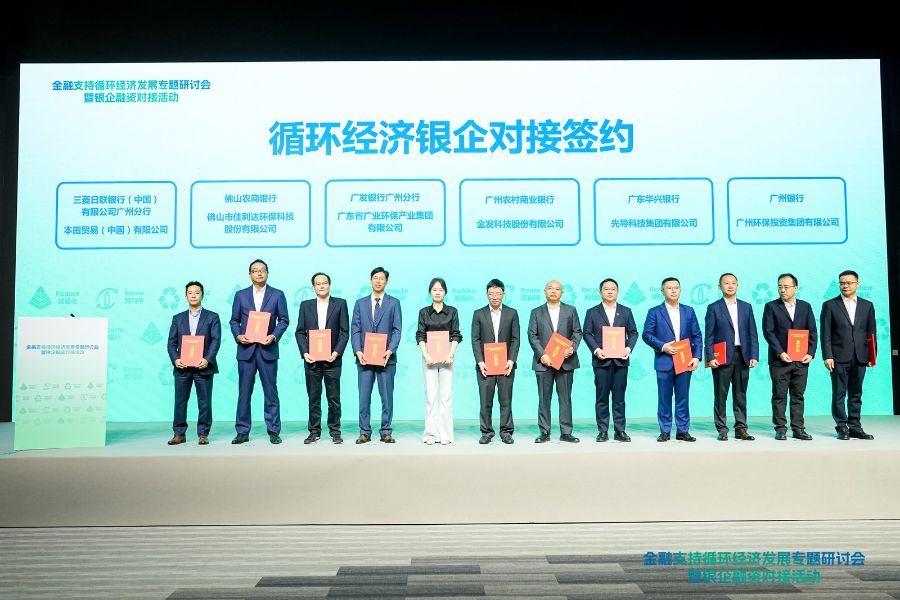
26项案例 近三百亿元合作 广东打造金融赋能循环经济创新样本
2 1 Shi Ji Jing Ji Bao Dao· 2025-10-23 22:23
Core Insights - The event in Guangzhou highlighted the importance of financial support for the development of the circular economy, showcasing innovative practices and collaboration between various stakeholders [1][2][3] Financial Support for Circular Economy - 26 financial support cases for the circular economy in Guangdong were presented, demonstrating the depth of integration between industry and finance [2] - A total of 24 enterprises signed agreements with financial institutions, resulting in a cumulative credit scale of 29.76 billion yuan, covering major cities and multiple sectors of the circular economy [2][9] - The circular economy market in China is projected to reach 4.6 trillion yuan by 2024, with a compound annual growth rate of 10.32% from 2019 to 2024 [4] Policy and Infrastructure Development - Guangdong has established a solid foundation for cultivating the circular economy, supported by a series of policies and the creation of multiple national demonstration cities and parks [5] - The province has initiated 155 parks for circular transformation, enhancing its industrial structure and technological level in the circular economy [5] Financial Innovation and Diverse Needs - The 26 financial support cases cover the entire circular economy chain, addressing financing challenges through targeted financial product innovations [6] - Different stages of the circular economy have varying funding needs, from short-term liquidity for resource recovery to long-term funding for remanufacturing [5][6] International Cooperation and Standards - The event facilitated a multi-level cooperation platform, sharing practical experiences and international practices in financing the circular economy [7][8] - Global development institutions and local banks signed cooperation intentions to enhance financial support for circular economy projects in Guangdong [8] Industry Collaboration and Project Examples - The event resulted in significant agreements, including a 18 billion yuan credit agreement for the Fushan Circular Economy Industrial Park, which integrates waste management and resource recovery [12] - Jinfa Technology's project on plastic recycling received a 1.5 billion yuan credit agreement, showcasing the role of technology in enhancing circular economy practices [13]

易湃富得陆军:攻坚“最难”废水 做行业“破局者”
Shang Hai Zheng Quan Bao· 2025-10-23 18:39
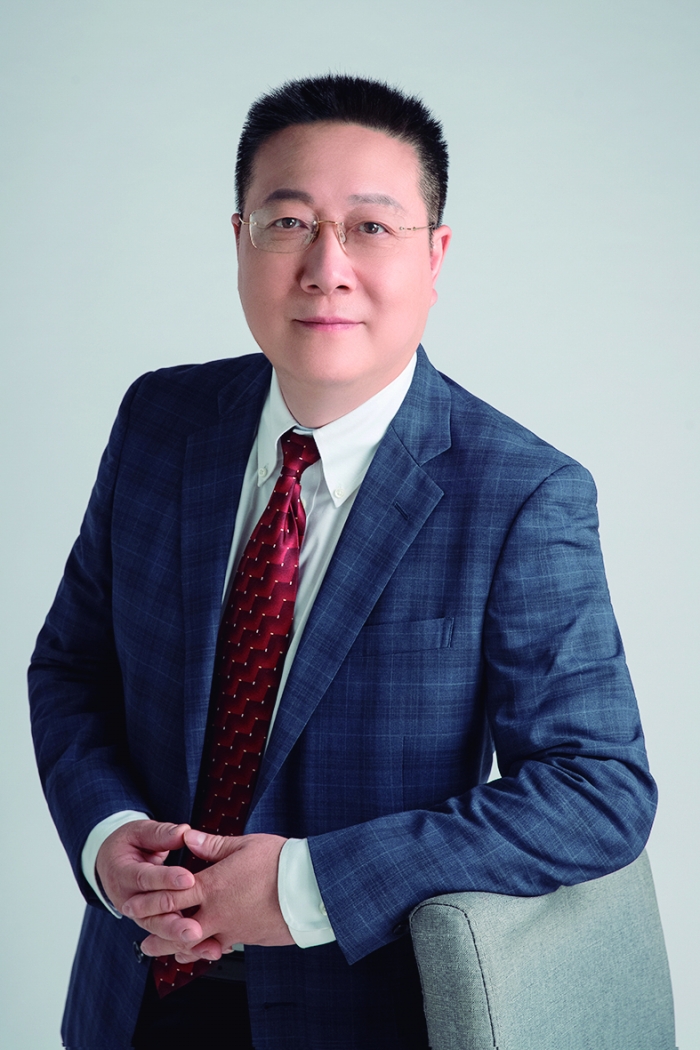
Core Viewpoint - Shanghai Yipai Fude Environmental Technology Co., Ltd. has rapidly established itself as a leader in the complex field of industrial wastewater treatment, particularly focusing on high-salinity and difficult-to-degrade wastewater, driven by technological innovation and a commitment to challenging projects [2][4][5]. Company Development - Founded in 2018 by a team led by Lu Jun, who has over 13 years of experience in the environmental industry, the company has grown from obscurity to prominence by successfully tackling challenging projects in the coal chemical and petrochemical sectors [3][4]. - The company gained recognition in the industry after winning a BOT project for a major coal chemical enterprise in Xinjiang, which marked its entry into the competitive market [4][5]. Competitive Strategy - Yipai Fude has chosen a differentiated approach by focusing on high-end clients and complex wastewater treatment, leveraging advanced technologies and a strong service ethos to compete against larger, established firms [5][6]. - The company utilizes both imported and domestically developed technologies to enhance its service offerings and meet the high standards of large state-owned enterprises and listed companies [5][6]. Technological Innovation - The company specializes in treating challenging wastewater, such as coking wastewater, achieving zero discharge and resource recovery through advanced processes like ammonia stripping and biotreatment [7]. - Yipai Fude has implemented cutting-edge technologies, including high-membrane technology and low-temperature wet oxidation processes, which significantly improve pollutant removal rates and reduce operational costs for clients [7][8]. Service Model Innovation - The company has pioneered service models such as "operational stewardship" and "EEMC (Energy and Environmental Management Contract)," which extend beyond traditional project delivery to ensure long-term operational efficiency and shared benefits with clients [9]. - By investing in technology upgrades, Yipai Fude has helped clients reduce operational costs significantly, exemplifying a collaborative partnership rather than a conventional client-vendor relationship [9]. Future Outlook - Yipai Fude aims to transition to the capital market within the next 3 to 5 years, having completed its A-round financing in 2022 and restarting its IPO plans [10]. - The company envisions itself as a platform for promoting industrial green transformation, emphasizing the importance of sustainable practices in the environmental sector [10].
年轻人开始反向消费,开始六戒,说明什么?如何影响经济?
Sou Hu Cai Jing· 2025-10-23 18:18
Core Insights - The article highlights a significant shift in consumer behavior among the younger generation, moving from extravagant spending on luxury brands to a more rational and cost-effective approach to consumption [1][3][9] Economic Context - The rising living costs and stagnant wages have pressured young consumers, with average monthly salaries around 5000 yuan, and some graduates earning less than 3000 yuan, while housing costs consume a large portion of their income [3][6] - The global economy is entering a downturn phase, contrasting sharply with the economic growth experienced by previous generations [3] Consumer Behavior Changes - Young consumers are adopting "frugal economics," focusing on reducing unnecessary expenses, such as cooking at home instead of ordering takeout, and utilizing discounts and shared resources [6][8] - A survey indicates that 68% of consumers aged 18-35 actively control their spending, with 73% of those aged 22-28 practicing rational consumption [9] Market Impact - The shift in consumer preferences has led to a decline in fast fashion brands like ZARA and H&M, while domestic brands like Hongxing Erke and Anta are gaining popularity through effective marketing strategies [8] - The rise of the sharing economy and second-hand trading platforms, with over 45% of users on platforms like Xianyu being post-95s, reflects changing consumption patterns [8] Corporate Response - Companies are adjusting their pricing strategies, with luxury brands reconsidering their premium pricing and the restaurant industry introducing lower-priced meal options to attract customers [8] - The trend towards circular economy practices is gaining traction, with energy-saving devices and shared transportation becoming more prevalent among young consumers [8][11] Environmental Awareness - The younger generation's shift towards rational consumption is also linked to increased environmental consciousness, promoting second-hand trading and shared leasing to reduce resource waste [11] - Government initiatives, such as the planned issuance of 300 billion long-term bonds to stimulate circular consumption, indicate a supportive policy environment for these trends [11] Demographic Insights - Young consumers in first-tier cities, particularly those with monthly incomes between 5000 and 15000 yuan, are leading the "reverse consumption" trend, prioritizing rational spending over luxury [13] - Higher-educated individuals are more likely to embrace rational consumption, utilizing digital tools for budgeting and expense management [13]

调查显示德国工业企业持续受困于关税冲击
Xin Hua She· 2025-10-23 15:36
Core Insights - The latest survey by the German Metalworkers' Union indicates that high energy costs, declining orders, and protectionist tariffs are putting continuous pressure on German industrial companies, with over half of employees expressing concerns about job stability [1] Group 1: Economic Conditions - The survey, conducted in September, included over 2,600 industrial companies across sectors such as machinery, automotive, metals, electrical engineering, and information technology, representing more than 1.3 million employees, which is over half of the union's membership [1] - The report highlights that the sluggish economic situation is a significant factor contributing to uncertainty, with nearly no improvement in the industrial outlook in recent months [1] Group 2: Employee Concerns - 47% of industry representatives surveyed believe the outlook for the next three months is poor, and 51% of respondents are worried about job stability, particularly in the automotive and metal industries [1] Group 3: Competitive Threats - High energy costs, low order volumes, and the impact of U.S. tariff policies are identified as major challenges for German companies, with 43% of industrial firms feeling that their competitiveness is severely or very severely threatened, especially in energy-intensive sectors [1] Group 4: Operational Adjustments - Due to a lack of orders, nearly one-fifth of surveyed industrial companies have had to implement short-time work arrangements [1] Group 5: Strategic Recommendations - The German Metalworkers' Union urges companies to actively pursue strategic transformation and innovation, accelerating development in sustainable areas such as artificial intelligence, circular economy, and battery technology [1]
永清环保:前三季度净利同比增长18.02% 拟10派0.77元
Zhong Guo Zheng Quan Bao· 2025-10-23 13:45
Core Insights - Yongqing Environmental reported a strong profit performance for the first three quarters of 2025, with net profit increasing by 18.02% to 98.79 million yuan and non-recurring net profit soaring by 243.98% to 50.10 million yuan, indicating a trend of "business expansion, cost optimization, and profit improvement" [1][2] Financial Performance - The company achieved a significant reduction in operating costs, decreasing by over 5% year-on-year, which contributed to an overall gross margin increase of 5.4 percentage points [1] - The dual-driven profit model of "operations + investments" has enhanced the stability and risk resistance of the company's earnings [1] Business Strategy - Yongqing Environmental is actively pursuing growth opportunities in the energy structure transition and circular economy, focusing on the operation of high-quality new energy assets and hazardous waste resource utilization, which have become key drivers for revenue growth [1] - The company has established a core development path of "main business + technology," aiming to build an "AI + AR industrial intelligence" ecosystem as a future growth engine [2] Research and Development - R&D expenses have been consistently increasing, reflecting the company's commitment to strengthening its technological capabilities and serving as a critical support for the coordinated development of "stabilizing the main business" and "expanding new areas" [2] - Yongqing Environmental is converting R&D achievements into industrial applications efficiently, creating a value closed loop of "R&D investment - technology enhancement - market empowerment" [2] Profit Distribution - The company announced a profit distribution plan for the first three quarters of 2025, proposing a cash dividend of 0.77 yuan per 10 shares (including tax), with a total distribution amounting to approximately 49.71 million yuan [2] - Yongqing Environmental emphasizes its commitment to responsible investor relations and aims to enhance intrinsic value through a stable profit distribution policy combined with high-quality business development [2]

井冈山大学,首次发表Nature论文
生物世界· 2025-10-23 10:00
Core Insights - The lithium-ion battery supply chain is crucial for global decarbonization, but its production is geographically dispersed, posing significant carbon management challenges [4][6] - A study published in Nature developed a Lithium Circular Computable General Equilibrium (LCCGE) model to assess decarbonization pathways, revealing a "value-emission paradox" in the supply chain [4][6] - The research emphasizes that global cooperation and localized strategies are key to achieving effective decarbonization [4][6] Supply Chain Carbon Footprint Dilemma - The lithium-ion battery market is projected to grow from $30 billion in 2020 to $180 billion by 2030, yet the carbon footprint from production can offset environmental benefits during usage [6] - The geographical distribution of the global supply chain complicates carbon accounting and reduction management [6] Value-Emission Paradox - Analysis from 2018-2022 shows that upstream mining contributes only 18.78% of economic value but accounts for 38.52% of carbon emissions, while downstream production generates 42.56% of value with only 34.82% of emissions [8] - This structural imbalance is particularly pronounced in resource-rich regions like the "Lithium Triangle" (Bolivia, Chile, Argentina) [8] Geographic Distribution and Carbon Inequality - China dominates production, accounting for 51.40% of global emissions, significantly higher than the "Lithium Triangle" [11] - The EU and the US are major net importers of embedded carbon, with the EU's consumption-based emissions being over six times its production-based export emissions in 2022 [11] Innovative Research Methodology - The LCCGE model integrates lifecycle thinking with global economic dynamics, allowing for comprehensive assessments of economic and environmental outcomes [13] - The study explores 1,036 integrated pathways for decarbonization, considering various socio-economic scenarios and recycling intensities [14] Complexity of Recycling Strategies - Recycling is essential for a circular economy, but its policy design requires careful consideration to avoid negative cross-regional spillover effects [16] - Consumer-oriented strategies yield the best global results, but their effectiveness varies across regions [16] Regional Differentiated Strategies - Optimal decarbonization is achieved through customized strategies rather than a one-size-fits-all global directive [18] - The study identifies that technology-trade cooperation is the most effective strategy for China, while developed economies benefit from environmental-technology collaboration [18] Efficiency vs. Equity Trade-off - Maximizing global efficiency may externalize environmental burdens to resource-exporting countries, highlighting the need for multi-objective approaches in policy design [20] - Strategies that appear globally optimal may not benefit all participants equally, necessitating robust frameworks to address distributional impacts [20] Feasible and Equitable Transition Framework - A comprehensive multi-level framework is essential for deep and equitable decarbonization of the lithium-ion battery supply chain [22] - The framework should be based on international cooperation and tailored approaches according to regional readiness, with a unified data platform for lifecycle carbon footprint standards [23]

期待中国为世界注入稳定性和正能量——国际社会高度关注中国共产党二十届四中全会举行
Yang Guang Wang· 2025-10-23 04:15
央广网北京10月23日消息 据中央广播电视总台中国之声《新闻和报纸摘要》报道,国际社会高度 关注中国共产党二十届四中全会,认为这一重要会议将进一步促进中国高质量发展,为世界注入更多稳 定性和正能量,为其他国家探索发展道路提供新借鉴,为人类发展进步作出新贡献。 联合国环境规划署执行主任安德森高度赞赏中国生态文明建设取得的成就,期待"十五五"规划使中 国在全球生态环境治理中继续发挥引领者作用。 安德森:我很关注中国正在制定的"十五五"规划,尤其是涉及循环经济和绿色发展的内容。习主席 提出的"绿水青山就是金山银山"理念,不仅饱含诗意,而且意义重大。将生态保护视作创造财富的途 径,已经得到了国际社会的广泛认同。"十五五"规划无疑将让中国开启又一个令人振奋的新篇章。 美国中美研究中心高级研究员古普塔:中国共产党和中国政府与时俱进,作出发展规划,西方和美 国的许多经济学者都认可这种规划的必要性和价值。中国在规划中不断调整策略,走向更具指导性和灵 活性的模式,我认为中国的规划堪称一门艺术。 世界经济论坛中东北非负责人凯鲁兹认为,中国以科技创新推动高质量发展,为全球经济发展注入 新动能。 凯鲁兹:中国已通过高质量发展在众多领 ...