
数字经济

Search documents
乘势而上加快发展数字经济
Xin Lang Cai Jing· 2026-01-25 19:17
Core Insights - The article emphasizes the importance of transforming digital potential into high-quality development momentum, accelerating the digitalization of industries, and promoting the deep integration of the digital economy with the real economy [1][2] Group 1: Digital Economy as a Growth Engine - The digital economy, characterized by cloud computing, big data, and artificial intelligence, serves as a catalyst for economic and social development, facilitating the transformation and upgrading of traditional industries such as energy, agriculture, and manufacturing [2][3] - Inner Mongolia is positioned as a "green engine" for the national digital economy, leveraging its computational power advantages to drive high-quality economic development [2][4] Group 2: Regional Development and Coordination - Digital technology can effectively break down geographical barriers to information and resource flow, promoting the marketing of local products and enhancing their value [3] - The development of the digital economy is crucial for addressing the imbalances in Inner Mongolia's economic development and fostering coordinated growth across regions [3] Group 3: Advantages of Inner Mongolia in Digital Economy - Inner Mongolia holds a unique position as a national hub for integrated computing networks and big data infrastructure, supported by various policies aimed at promoting digital economic growth [4][5] - The region has seen significant growth in computational power, with capacity increasing from less than 20,000 P to 218,000 P, establishing itself as a key player in the national digital economy [5] Group 4: Infrastructure and Resource Development - Strengthening digital infrastructure is essential for the growth of the digital economy, with a focus on building a robust computing network and enhancing green computing facilities [6] - The region's abundant renewable energy resources, such as wind and solar power, provide a sustainable and cost-effective energy source for data centers, further supporting the digital economy [5][6] Group 5: Integration of Digital and Traditional Industries - There is a need to accelerate the digital transformation of traditional industries, including energy, chemicals, and agriculture, by leveraging cloud computing and data technologies [7] - The promotion of digital applications across various sectors, including e-commerce, logistics, and healthcare, is essential for enhancing the overall digital economy [7] Group 6: Talent and Environment for Digital Economy - Attracting and nurturing talent in the digital field is critical for the development of the digital economy, necessitating the implementation of policies to recruit skilled professionals [7][8] - Creating a favorable business environment through regulatory reforms and support for digital education and training is vital for fostering innovation and growth in the digital economy [7][8] Group 7: Data Security and Future Prospects - Ensuring data security is fundamental to the development of the digital economy, requiring the establishment of robust data protection standards and responsibilities [8] - Inner Mongolia is poised for a golden period of digital economic development, with the potential to create a vibrant and innovative economic landscape [8]
从“人找岗位”到“岗位找人”
Xin Lang Cai Jing· 2026-01-25 19:17
Core Insights - The integration of AI in job seeking is enhancing efficiency and convenience for graduates, exemplified by the AI job application machine that generates resumes and conducts mock interviews [1] - The "Future Employment - National Employment Service for College Graduates" initiative by the Ministry of Human Resources and Social Security is actively engaging graduates through high-frequency events and quality services [2] Group 1: Employment Services and Initiatives - The initiative has conducted 1,158 recruitment events focusing on key industries such as digital economy, advanced manufacturing, and artificial intelligence, covering major regions like the Beijing-Tianjin-Hebei area and the Yangtze River Delta [3] - Local governments are innovating talent attraction methods tailored to regional industry needs, with notable success in Dongguan, where a recruitment event attracted 156 resumes, over half from master's degree holders [3] - Various cities are piloting the integration of human resources services with manufacturing, fostering specialized recruitment agencies and enhancing talent attraction [3] Group 2: AI and Technology in Job Seeking - The shift from traditional job searching to a model where jobs seek candidates is being facilitated by digital technologies, with 572 live-streamed job events organized [4] - Cities like Beijing and Shanghai are implementing AI tools such as employment officers and mock interview stations to provide personalized and precise employment services [4] - Innovative activities like immersive job training camps and simulated interviews are being introduced to help graduates with career planning and job readiness [4] Group 3: Job Market Safety and Regulations - To protect graduates' rights, job fairs and online platforms are disseminating warnings about job scams, enhancing awareness of fraudulent practices [5] - A notable case involved a scam that defrauded over 400 graduates of more than 80 million yuan, highlighting the need for stringent market regulation [6] - Local authorities are intensifying oversight of recruitment processes to ensure the authenticity and legality of job postings, creating a safer job-seeking environment for graduates [6]
浙江民营企业发展稳健向好 在册总量超370万户
Xin Lang Cai Jing· 2026-01-25 19:17
Group 1 - The overall development of private enterprises in Zhejiang Province is stable and positive, with a total of 3.7689 million registered private enterprises by the end of 2025, accounting for 91.9% of all enterprises in the province, representing a year-on-year growth of 7.52% [1] - The distribution of private enterprises is concentrated in four cities: Hangzhou, Jinhua, Ningbo, and Wenzhou, which together account for about 70% of the total number of private enterprises in the province [1] - Hangzhou leads with 1.0096 million registered private enterprises, making up 26.8% of the total, followed by Jinhua, Ningbo, and Wenzhou with 623.8 thousand, 569.1 thousand, and 442.1 thousand respectively [1] Group 2 - The industrial structure of private enterprises in Zhejiang shows a significant focus on the tertiary sector, with 74.84% of private enterprises engaged in this sector by the end of 2025 [2] - The top three industries for private enterprises are wholesale and retail, manufacturing, and leasing and business services, with registered numbers of 1.2629 million, 686.4 thousand, and 448.5 thousand respectively [2] - There is notable growth in innovative sectors, with private enterprises in scientific research and technical services reaching 395.7 thousand, a year-on-year increase of 13.51%, and those in information transmission, software, and IT services reaching 261.3 thousand, up by 12.53% [2] Group 3 - Hangzhou maintains its position as the "Digital Economy Capital" of China, with private tech enterprises thriving in AI, big data, and cloud computing, leading to the emergence of internationally influential innovative companies [3] - Jinhua is leveraging the Yiwu International Trade Comprehensive Reform to accelerate the transition from traditional commerce to digital trade, with an expected import and export total exceeding 1 trillion yuan by 2025 [3] - Ningbo is a key production base for small household appliances, with over 2,000 complete appliance enterprises and more than 300 large-scale enterprises in this sector, covering various product categories [3]
加强网络生态法治建设 共筑清朗网络空间
Xin Lang Cai Jing· 2026-01-25 18:15
Group 1 - The core viewpoint emphasizes the importance of legal governance in the internet space, as highlighted by Xi Jinping's call for a robust network ecological governance mechanism to ensure a clean and just online environment [1] - Xinjiang's unique position as a strategic barrier for national security necessitates a strong legal framework for internet governance to maintain social stability and ethnic unity [1][2] - The establishment of a comprehensive legal system in Xinjiang is crucial for enhancing cybersecurity capabilities and fostering a conducive environment for digital economic development [2][3] Group 2 - The implementation of various local regulations in Xinjiang, such as the Internet Audio-Visual Program Service Management Measures and the Internet Civilization Construction Regulations, aims to clarify responsibilities and standards for internet governance [3] - The legal construction of the internet ecosystem in Xinjiang is a systematic project that supports ethnic unity and regional stability, requiring collaboration between local authorities and the military [4][7] - The promotion of a shared network culture among ethnic groups is essential for fostering emotional resonance and cultural synergy in the online space [5][7] Group 3 - The integration of legal governance with the promotion of a shared cultural identity is vital for ensuring that internet governance aligns with the broader goals of national unity and cultural recognition [6][8] - The need for a robust local regulatory framework to address issues such as cross-border network infiltration and data governance is emphasized, alongside the importance of adapting to rapid technological advancements [7] - The establishment of a collaborative enforcement mechanism among various departments is necessary to enhance the effectiveness of internet governance and address jurisdictional challenges [7]
数字经济破局之道
Xin Lang Cai Jing· 2026-01-25 18:14
Core Insights - The newly introduced policy in Shenyang aims to promote high-quality development of the digital economy through targeted measures, including computing power vouchers, data vouchers, and annotation vouchers, effective from February 7 [1][2] - The policy addresses the cost barriers faced by small and medium-sized enterprises (SMEs) in technology iteration, particularly through a 20% subsidy on computing power costs, capped at 1 million yuan annually [1][2] - The initiative creates a comprehensive support system for the digital economy, linking computing power, data circulation, and foundational support to enhance the AI industry and facilitate the transformation of "sleeping data" into productive resources [2][3] Group 1 - The policy's focus on specific areas such as computing power and data aims to resolve practical challenges faced by enterprises, moving away from generic and broad measures [1][3] - The introduction of a "use first, reimburse later" mechanism prevents fund misallocation and encourages service quality improvement, fostering a positive cycle among enterprises, platforms, and government [3] - The Shenyang AI Center, with a computing power scale of 1012P, serves as a robust foundation for the AI industry, enhancing the effectiveness of the new policy by connecting vouchers with existing resources [2][3] Group 2 - The policy's design reflects a deep alignment with the regional industrial ecosystem, ensuring that resources are efficiently utilized and accessible to SMEs [2] - By incentivizing data sharing through a 10% reward on actual transaction amounts, the policy encourages market participants to open up data, thus enhancing data flow and utilization [2] - The combination of targeted policies and strong ecological support aims to create a multiplier effect, enabling SMEs to access essential resources like low-cost computing power and data [2][3]
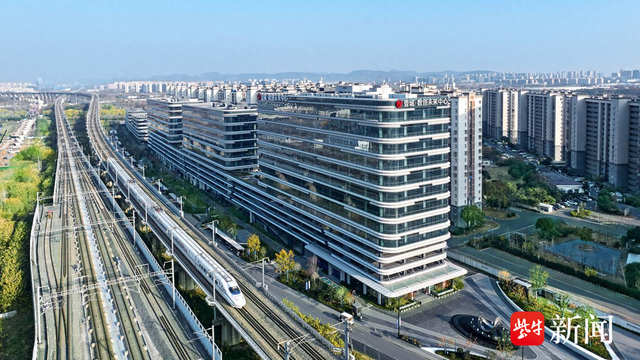
南京壹城·数创未来中心迈入系统化运营阶段
Xin Lang Cai Jing· 2026-01-25 16:12
Core Insights - The core proposition for the "Future Center" in 2025 is focused on "what to build," transitioning to "operational year" in 2026 with the delivery of 118,000 square meters of industrial office space, shifting from construction to long-term operation [1][3] - The park has attracted over 40 companies, with approximately 70% engaged in the digital economy and artificial intelligence sectors, indicating a clear industrial direction and technological structure [3] Operational Transition - The owner and operator, Yicheng Group, recognizes that the delivery of hardware is just the starting point; the true value lies in the park's ability to achieve long-term stable development [3] - The transition from "space delivery" to "value realization" and from "project builder" to "long-term operator" is emphasized as a key strategic shift [3] Service Framework - The park employs a "dual butler" model, combining hotel-style property services with Chief Operating Officer (COO) operational services to provide comprehensive support for enterprises [3][6] - Hotel-style property management ensures basic operational functions, focusing on security, equipment maintenance, environmental management, and concierge services to maintain a safe and orderly environment [6] - The COO system offers customized support throughout the enterprise lifecycle, addressing key needs such as policy application, talent matching, and financial resource coordination [6] Smart Park Management - The smart construction of the Future Center is not limited to single technologies but is integral to the park's long-term operational capabilities, aiming for stable operations and refined management [7] - A unified smart park management system is being developed to integrate space management, equipment operation, energy monitoring, and security into a cohesive framework [7] - The introduction of intelligent applications, such as logistics robots and security robots, enhances service stability and continuity while reducing reliance on manual labor [9] Scalable Recruitment Strategy - In 2026, the park's recruitment efforts will focus on releasing space in specific buildings, targeting key sectors like digital economy, artificial intelligence, and low-altitude economy [10] - This recruitment phase is not just about space supply but also tests the park's overall capacity to support larger enterprises as they grow [10] - The park's advantages include institutional stability, long-term investment capability, and organized service levels, providing a predictable development environment for large enterprises [10]

北京GDP目标维持在5%左右——图观2026地方两会第二期
一瑜中的· 2026-01-25 15:18
文 : 华创证券首席经济学家 张瑜(执业证号:S0360518090001) 联系人: 陆银波(15210860866) 袁玲玲(微信 Yuen43) 往期重点内容 1月13日《地方两会的"信息点"》 1月15日《浙江率先开局》 · 1月25日,76泉台十人代云,主此七月浙江、北京网吧台计。 · 下周(1月26日-1月31日)将有20省市召开人代会,是重要观察窗口 期。其中16省市集中在1月26日-27日(周一和周二),河南、广东、 天津、河北4省在周一,山东、湖北、福建等12省在周二,这16省市 2024年GDP合计占比50%。 · 江苏、四川两个经济大省召开时间略晚,安排在2月3日。 > 北京 "十五五"时期GDP目标: 年均增速4.5%-5%、努力争取更好结果。 "十四五"时期未设置GDP年均目标。 > 北京今年GDP目标制定:今年为5%左右,去年为5%左右、努力争取更 好结果。从历史经验看,2017年至2025年,北京GDP目标持平或低于当 年全国目标,其中2024-2025年与全国目标数值一致。 > 重大项目情况: 六个经济大省中,目前已有江苏、浙江、四川三省公布 今年重大项目安排,三省合计同比增速 ...
【回眸二〇二五】洞察世界经济的分化与重塑
Jing Ji Ri Bao· 2026-01-25 13:39
2025年,世界经济在多重挑战中展现出复杂图景:一方面,美国加征关税举措冲击多边贸易体系,也推 升美元信用风险,带动全球避险情绪升温,地缘冲突持续扰动全球产业链供应链;另一方面,人工智能 投资浪潮与绿色转型加速推进,全球南方国家群体性崛起,为经济增长注入新动能。 国际货币基金组织(IMF)预计2025年全球经济增速为3.2%,但增长质量与结构性问题凸显,发达经济 体与新兴市场分化加剧,全球经济格局正经历深刻变革。世界经济的这种状态被联合国贸发会议概括 为"脆弱韧性"——表面稳定但内在疲弱,易受外部冲击影响。这也表明,世界经济的底层逻辑逐步从多 年来的效率优先转向安全与韧性并重,在分化与重塑中不断探寻新平衡。 全球增长格局放缓与分化加剧 2025年,全球经济增速普遍放缓但内部分化加剧的特征显著。 多家国际机构报告显示,发达经济体增长面临较大挑战。美国经济增速降至2.0%,欧元区与日本分别 仅为1.3%和1.1%,均面临外部需求疲软与结构改革停滞的挑战。 增长放缓背后有着深层次的结构性原因。首先,人口老龄化问题在多数发达经济体持续加剧,例如日本 65岁以上人口占比已超过30%,严重制约劳动力供给和创新活力。其次, ...
三座万亿城,浙江新节点
Xin Lang Cai Jing· 2026-01-25 13:03
Core Insights - Zhejiang has become the fourth province in China to have three or more "trillion-yuan cities" [2] - The "trillion-yuan city club" in China has expanded to 29 cities, with Wenzhou and Dalian recently announcing their GDP surpassed one trillion yuan [2] - Zhejiang's three trillion-yuan cities are Hangzhou, Ningbo, and Wenzhou, each with unique characteristics and growth trajectories [2][4][6] Group 1: Economic Performance of Zhejiang Cities - Hangzhou and Ningbo entered the "trillion-yuan city" list in 2015 and 2018, respectively, with projected GDPs of over 2.3 trillion yuan and 1.87 trillion yuan by 2025 [4] - Hangzhou is in a competitive race with Chengdu and Wuhan for national GDP rankings, with a current lead of 1.752 billion yuan over Chengdu and approximately 638 billion yuan over Wuhan [4] - Ningbo's GDP target for the 14th Five-Year Plan is set at 2.6 trillion yuan, and it has risen from 16th to 11th in national rankings since becoming a trillion-yuan city [6] Group 2: Wenzhou's Economic Development - Wenzhou is projected to reach a GDP of 1.02139 trillion yuan by 2025, marking a 6.1% growth from the previous year [6] - The city has shown significant industrial growth, with a 10.3% increase in industrial output value and a 13.9% rise in new product output value [6][7] - Wenzhou aims to strengthen its innovation capabilities and become a benchmark for private economy in China, focusing on artificial intelligence and high-tech industries [7][9] Group 3: Regional Economic Strategy - Wenzhou's elevation to a trillion-yuan city is seen as a critical milestone for Zhejiang, enhancing its regional influence and economic balance [9][10] - The provincial government has emphasized the importance of Wenzhou in achieving high-quality development and promoting regional equity [10] - Other cities in Zhejiang, such as Shaoxing, Jiaxing, and Jinhua, are also targeting trillion-yuan GDP status by 2027, which could lead to a total of six trillion-yuan cities in the province [11]
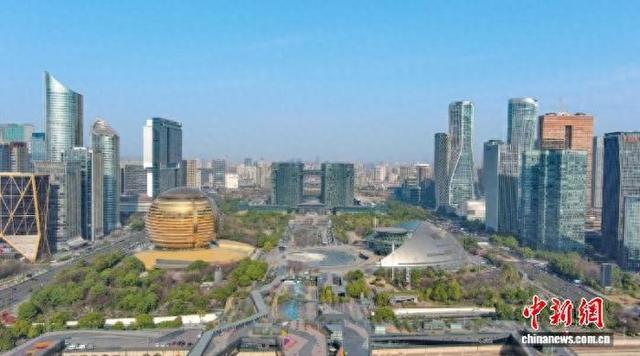
北京“十五五”目标设置:GDP年均增速4.5%-5%
Xin Lang Cai Jing· 2026-01-25 11:01
Economic Growth and Targets - During the "14th Five-Year Plan" period, Beijing's GDP crossed two trillion yuan milestones, reaching over 4 trillion yuan in 2021 and projected to exceed 5 trillion yuan by 2025, with a growth rate of 5.4% compared to 2024 [1] - The "15th Five-Year Plan" sets an economic growth target of 4.5%-5% for the upcoming period, aiming for better outcomes [2][3] Key Indicators and Sectors - The "15th Five-Year Plan" outlines 29 key indicators across six dimensions, including an average annual GDP growth rate of 4.5%-5%, labor productivity of approximately 580,000 yuan per person, and R&D investment accounting for over 6% of GDP [1][2] - The information service industry, driven by artificial intelligence, is expected to maintain its growth advantage, while the financial sector, including banking and insurance, is projected to continue its stable growth [2][3] Digital Economy and Innovation - The digital economy in Beijing has shown significant growth, with an average annual increase of 10.1% during the "14th Five-Year Plan" period, highlighting the emergence of new digital business models [3] - The "15th Five-Year Plan" aims to establish Beijing as a global benchmark city for the digital economy, focusing on advancements in artificial intelligence and the development of a comprehensive software and hardware ecosystem [4]