滞胀

Search documents
反转再反转!资金大变脸?
Sou Hu Cai Jing· 2025-05-08 09:09
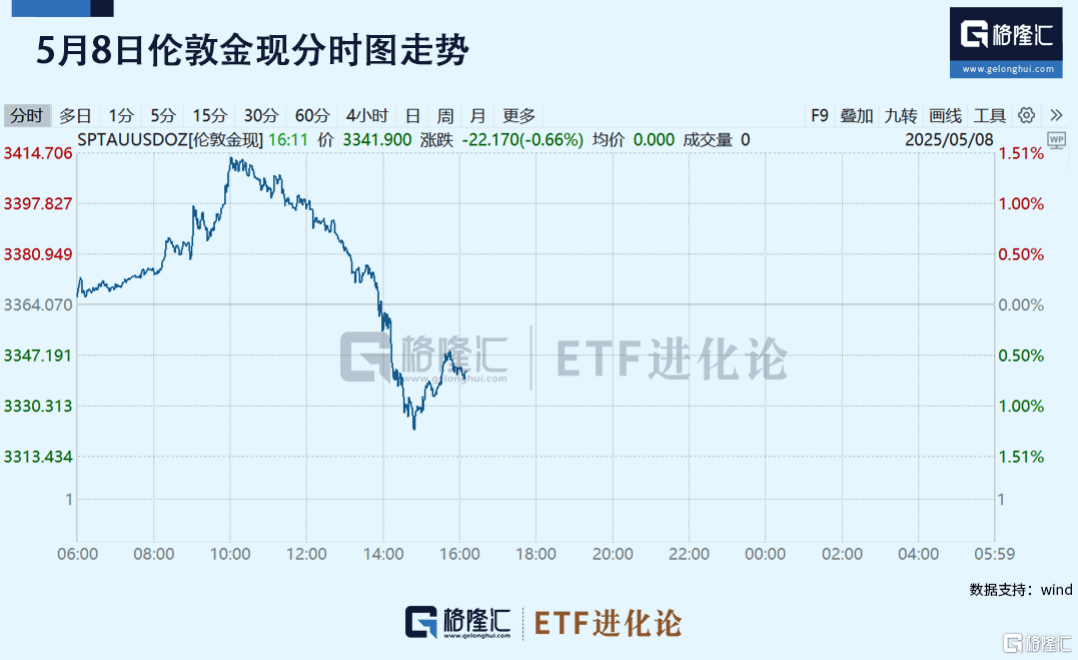
Group 1 - The core point of the news is the volatility of gold prices, with significant fluctuations observed during the Asian trading session, driven by various market factors [1][3][4] - Gold prices saw a sharp increase, reaching a high of $3414.706 per ounce before experiencing a decline to a low of $3319.835 per ounce, indicating a drop of over $90 from the peak [1][3] - Goldman Sachs reported that the recent surge in gold prices was primarily due to active buying by Asian officials, with most price movements occurring during Asian trading hours [7][8] Group 2 - The data from the ETF market shows a net outflow of over 7 billion, while the SGE Gold 9999 ETF recorded a net inflow of 936 million, highlighting a shift in investment preferences [9][11] - The report indicates that Bitcoin ETFs have seen significant inflows, surpassing those of gold ETFs, with the BlackRock Bitcoin ETF receiving $6.96 billion this year, compared to $6.5 billion for the largest gold ETF [13] - The People's Bank of China has increased its gold reserves for six consecutive months, with a total of 73.77 million ounces as of the end of April, reflecting a slower growth rate compared to previous months [14] Group 3 - The public fund industry in China has introduced a significant reform document aimed at transitioning from a focus on scale to one on quality, with 25 reform measures outlined [19][20] - Key measures include establishing a performance-based fee structure for funds, enhancing long-term performance assessments, and promoting the growth of equity investment within public funds [19][20] - This reform is expected to have a profound impact on the industry landscape and wealth management for residents, emphasizing the importance of returns over mere asset accumulation [20]

美国一季度硬数据恶化并不明显,消费依然稳定
Yin He Zheng Quan· 2025-05-08 07:23
Monetary Policy Outlook - The Federal Reserve maintained the federal funds rate at 4.25%-4.50% during the May FOMC meeting, with limited incremental information provided[2] - The Fed's current stance suggests that rate cuts may not occur in the first half of the year, as they remain data-dependent[2] - The Fed is likely to implement two to three rate cuts in the second half of the year, with the probability of a July cut decreasing[2][4] Inflation and Economic Concerns - The Fed emphasizes the risk of stagflation, with concerns about rising inflation and potential increases in unemployment[5] - Internal divisions within the Fed exist regarding the approach to inflation, with some officials advocating for preemptive rate cuts if hard data deteriorates significantly[5][10] - The inflation target for 2025 is projected to remain between 3.0%-3.5%, which does not hinder the possibility of rate cuts[22] Market Reactions and Predictions - Market expectations indicate three potential rate cuts by 2025, with the first cut anticipated in July[20] - U.S. stock indices rose following the meeting, while U.S. Treasury yields declined, reflecting market relief at the Fed's cautious approach[20] - The dollar index increased to 99.9006, indicating market stability despite uncertainties surrounding tariffs and inflation[20] Economic Data and Labor Market - The labor market remains stable, but there are risks of deterioration that could prompt the Fed to consider rate cuts[14][18] - The Fed's reliance on hard data suggests that any significant economic downturn may not be observed until mid-year or later[12][22] - The ongoing tariff negotiations and fiscal policies are deemed more critical in the short term than immediate Fed actions[15]
美联储正被特朗普关税政策拖入“滞胀”困局,最早或在7月才能重启降息
Sou Hu Cai Jing· 2025-05-08 07:18
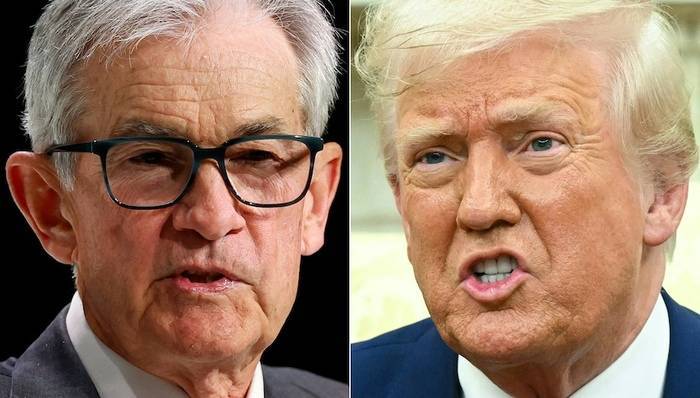
美联储主席鲍威尔和美国总统特朗普。图源:CFP 智通财经记者 | 刘婷 北京时间周四凌晨,美国联邦储备委员会宣布将联邦基金利率目标区间维持在4.25%-4.50%不变,符合 市场预期。分析师表示,美联储仍然坚定地处于观望状态,但美国新政府关税等政策带来的困境愈发明 显,美联储正在陷入应对"滞涨"的思维模式,预计今年首次降息最早可能要在下半年才能开启。 鲍威尔在新闻发布上明确表示,要等到6月才能对降息路径有所预估,不必着急采取行动,进一步观望 的成本很低。 对此,招商证券认为,这一表态已经暗示6月大概率不会降息。再加上今年尤其是3月以来鲍威尔表态持 续偏鹰,以及鲍威尔曾在2021年时误判当时美国通胀是"暂时性的",因此本轮美联储调整货币政策立场 可能会更加谨慎。因而,在贸易谈判有进一步明确的结果之前,美联储的最优做法还是观望等待、数据 依赖;美国资管公司威灵顿也认为,6月美联储可能缺乏足够的通胀或失业数据来支持其降息。 惠誉评级首席经济学家布莱恩·库尔顿(Brian Coulton)对智通财经表示,新增的措辞表明,特朗普关税 冲击将同时抑制美国实际GDP增长并推高物价,使美联储陷入两难境地,因为维持充分就业所需 ...
机构看金市(5月8日):美联储表态“鹰”派 金价高位调整
Xin Hua Cai Jing· 2025-05-08 07:14
新华财经北京5月8日电在经历了本周前两个交易日连续拉涨之后,周三(5月7日)国际金价高位回调。 周四(5月8日)亚洲交易时段,金价更是冲高回落。以下是部分机构的观点: 瑞达期货表示,美联储于5月议息会议中如期按兵不动。利率决议公布后,市场预期今年仍有3次的降息 空间。短期来看,鲍威尔的鹰派言论叠加黄金高位回调需求,短期内或对金价形成一定压制,但经济转 弱预期下的未来降息预期仍利多金价长期的看涨逻辑。现有的关税水平足以推动美国本土的通胀升温, 抬升经济"滞胀"风险,以及全球供应链的受阻,加之美国债务规模持续扩张将持续影响美元信用以及央 行持续购金提供长期支撑,黄金中长期看多逻辑维持不变,但短期内回调压力仍存。 东海期货表示,美元走强压制黄金上行。美联储如期将指标利率稳定在4.25%-4.5%区间,表示通胀和失 业率上升风险加剧,美国经济前景仍不明朗。美国一季度GDP环比负增长0.3%且一季度核心PCE同比升 至3.5%,印证关税政策加剧滞胀风险的逻辑。4月非农新增就业17.7万人超预期,失业率则稳定在 4.2%,就业市场表现韧性犹存。当前市场开始计价美联储可能推迟至7月行动。整体来看,在美元信用 下滑及全球地缘 ...
PIMCO投资主管:美国衰退风险处于多年来最高水平
news flash· 2025-05-08 06:43
美国债券巨头太平洋投资管理公司(PIMCO)投资主管Dan Ivascyn在接受采访时表示,美国经济出现 衰退的风险已达到多年来的最高水平,投资者误判了特朗普实施高额关税的决心。他表示,这些关税可 能让美国陷入一个更为"滞胀"的局面,也就是经济可能放缓,但物价水平上升。 Ivascyn认为,虽然最终关税税率可能低于目前市场预期,但仍需密切关注特朗普政府如何根据市场反 应和政策制定者调整政策。 ...
回不到“解放日”前了?债基巨头警告:特朗普的关税信仰被低估
Jin Shi Shu Ju· 2025-05-08 06:36
Group 1 - Pimco warns that investors are underestimating Trump's commitment to high tariffs, with the risk of economic recession at its highest level in years [1][3] - Trump's recent tariff implementation on major trading partners led to significant market turmoil, but a temporary suspension of tariffs helped stabilize the market [1] - Ivascyn emphasizes that the belief in a complete rollback of tariffs is misguided, indicating uncertainty about returning to pre-tariff conditions [1] Group 2 - Ivascyn suggests that tariffs could lead to a "stagflationary" environment, where economic slowdown coincides with rising price levels [2] - The likelihood of an economic recession is at its highest in years, as noted by Ivascyn, coinciding with warnings from the Federal Reserve about increased uncertainty and potential inflation [3] - Pimco maintains a cautious approach in sectors sensitive to economic fluctuations, citing "bubble or complacency" in corporate bonds [3] Group 3 - Despite the cautious stance, Pimco favors high-quality sectors like mortgages due to strong household balance sheets, while slightly increasing holdings in short-term U.S. government bonds [3] - The volatility and uncertainty in the U.S. market, along with deteriorating fiscal conditions, enhance the appeal of diversifying investments into other sovereign debt markets [3] - Ivascyn states that the U.S. will not lose its reserve currency status in the short term, but meaningful progress on deficit issues is unlikely, which may lead to rising price levels [3]
报道:Pimco投资长称美国经济衰退的可能性升至多年来最高
news flash· 2025-05-08 06:32
Core Viewpoint - Dan Ivascyn, the Chief Investment Officer of Pimco, suggests that tariffs may lead to a more "stagflationary" environment, characterized by economic slowdown coupled with rising price levels. The likelihood of entering a recession is at its highest in recent years [1] Group 1: Economic Outlook - There is a significant possibility of an economic recession occurring soon, with the highest probability observed in recent years [1] - The expectation is that the ultimate tariff rates will decrease, and there will be close monitoring of how President Trump adjusts policies based on market reactions and policymakers [1] Group 2: Investment Strategy - Pimco remains optimistic about high-quality sectors such as mortgages, citing strong household balance sheets as a key reason [1] - Over the past two months, Pimco has slightly increased its holdings in U.S. government bonds, with a focus on shorter-term bonds [1]
美联储确认滞胀压力抬升,降息或推迟至下半年
Huan Qiu Wang· 2025-05-08 06:31
【环球网财经综合报道】北京时间5月8日,美联储货币政策委员会FOMC会后宣布,将联邦基金利率目标区间维持在4.25% - 4.5%,符合市场预期,这也是 美联储连续第三次货币政策会议决定暂停行动,此次利率决议得到FOMC成员一致同意。资产负债表方面,委员会维持缩表节奏不变,美国国债每月赎回上 限为50亿美元、机构债务和MBS每月赎回上限为350亿美元。美联储声明指出,经济前景不确定性"进一步"增加,强调通胀和失业风险双双上升,新增语 句"失业率上升和通胀上升的风险已增加",同时重申最近指标显示经济活动仍稳健扩张,指出净出口波动已影响数据。 美联储主席鲍威尔在会后表示,高关税可能导致通胀和失业率上升,目前判断通胀和失业的风险哪种更严重为时过早;当前货币政策有适度限制性,潜在的 通胀前景良好,观望是很明确的决定;无法先发制人,因为不知道如何应对,直到看到更多数据为止;关税冲击尚未到来,政策对通胀影响可能短暂也可能 更持久;至少未来一年,美联储的通胀和就业目标不会取得进展;谈判可能实质性改变贸易局势,也可能不会。 东方金诚研究发展部高级副总监白雪认为,该次会议正式明确了关税冲击下,滞涨压力是美联储面临的关键挑战,后 ...
专家:下半年或仍会降息2次
Sou Hu Cai Jing· 2025-05-08 06:24
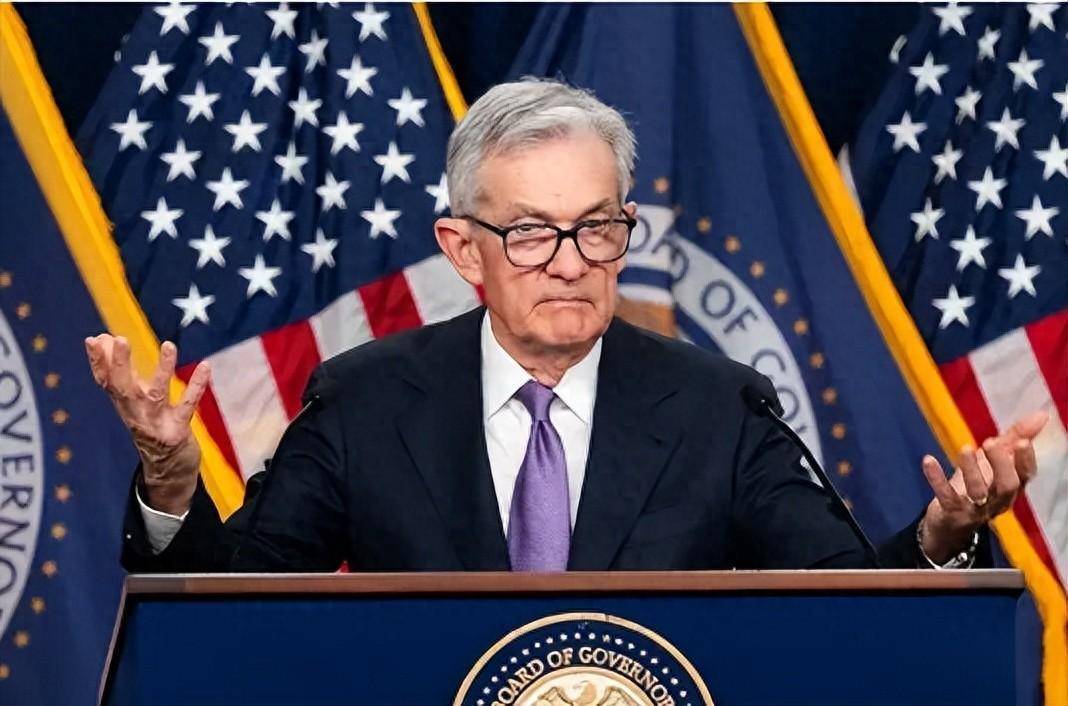
"滞"与"胀"之间,美联储继续选择"按兵不动"。 据新华社报道,美国联邦储备委员会(美联储)7日结束为期两天的货币政策会议,宣布将联邦基金利率目标区间维持在4.25%至4.50% 之间不变。 美国劳工部此前公布的数据显示,今年3月美国消费者价格指数(CPI)环比下降0.1%,同比上涨2.4%。剔除波动较大的食品和能源价格 后,3月核心CPI环比上涨0.1%,同比上涨2.8%,同比涨幅仍远高于美联储设定的2%长期目标。 这是自今年1月和3月会议以来,美联储连续第三次决定维持利率不变,符合市场普遍预期。在去年,美联储累计降息100个基点。 另外,美国政府加征关税等政策可能在未来数月推升通胀,进而影响美联储的货币政策路径。 5月7日,美国联邦储备委员会主席鲍威尔在华盛顿出席记者会。新华社发 另一方面,美国商务部4月公布数据显示,2025年第一季度,美国国内生产总值(GDP)环比按年率计算萎缩0.3%。这是2022年以来美 国经济的最差季度表现。这一数据的糟糕程度超出市场预期,凸显美国政府关税政策引发的不确定性持续上升,并导致企业与消费者信 心下滑。 "关税"一词被提及超过20次 在当天下午美联储主席鲍威尔的新闻发布 ...

ETO Markets市场洞察:美联储的“滞胀警报”已拉响,这次谁先撑不住?
Sou Hu Cai Jing· 2025-05-08 05:23
尽管特朗普在社交媒体上批评美联储"过于迟钝",但市场分析普遍认为,美联储此次声明已释放出对滞胀风险的警惕信号。摩根士丹利财富管理首席经济策 略师Ellen Zentner指出,美联储已意识到关税政策可能拖累GDP增速至1.5%左右,同时推高通胀,这种"经济放缓+物价上升"的组合将迫使央行维持利率不 变,以避免政策冲突进一步恶化。 在经济前景不确定性加剧的背景下,美联储于5月8日宣布维持联邦基金利率目标区间在4.25%-4.5%不变,这一决策不仅延续了其谨慎的货币政策立场,更凸 显了当前全球经济格局中贸易政策对央行决策的深刻影响。ETO Markets分析团队指出,此次利率决议不仅是对短期经济数据的回应,更是对中期"滞胀"风 险的提前布局,而特朗普政府关税政策的不确定性,正成为这一风险的核心催化剂。 一、利率决策背后的"两难困境":通胀与就业的平衡术 联邦基金利率作为美联储调控经济的关键工具,其维持不变的决定,直接反映了美联储在双重使命(控制通胀与促进就业)间的艰难权衡。鲍威尔在新闻发 布会上明确表示,当前经济数据尚未完全反映贸易政策的冲击,但潜在风险已显著上升——尤其是特朗普关税政策可能引发的"通胀上行+就业 ...