
粮食安全

Search documents
中原粮仓,太难了
Mei Ri Jing Ji Xin Wen· 2025-08-07 16:32
Core Insights - Recent rainfall in Henan province has alleviated some drought conditions, but the region remains under significant stress due to prolonged dry spells and high temperatures [1][6][10] - Henan is a critical grain production area in China, contributing nearly 10% of the nation's grain and 25% of its wheat, despite having only 6% of the arable land [7][9][10] - The ongoing drought has led to a decrease in summer grain production, with a reported total of 750.01 billion jin, down 0.94% from the previous year [10][12] Drought Conditions - Henan has experienced severe drought conditions since July, with some areas going over 30 days without effective rainfall [2][5] - The average precipitation in July was 79.5 mm, more than 50% lower than the historical average, with specific locations like Zhumadian receiving only 6 mm [5][6] - The drought has particularly affected corn and peanut crops, which require substantial water during critical growth phases [5][6] Agricultural Impact - The drought has resulted in a significant drop in underground water levels, with an average decrease of 3.57 meters compared to the previous year [5][6] - Emergency measures have been implemented, including the drilling of 12,900 emergency wells and the diversion of 1.1 billion cubic meters of water from major reservoirs [6][15] - Despite the recent rainfall, areas like Zhumadian and Linyi still face ongoing drought challenges, indicating a potential for rapid shifts between drought and flooding [6][12] Grain Production Trends - The grain production focus in China has shifted northward, with Henan becoming increasingly important in the national grain supply chain [7][9] - In 2023, key grain-producing cities like Zhumadian and Zhoukou contributed nearly 60% of Henan's total grain output, highlighting their critical role in the province's agricultural economy [10][12] - The province's grain production has been bolstered by high-standard farmland construction and improved agricultural practices [11][12] Climate Adaptation Strategies - Henan is exploring strategies to enhance its resilience to extreme weather, including the establishment of a dynamic monitoring and early warning system for agricultural disasters [13][16] - The province aims to improve irrigation efficiency and data management for better decision-making in agricultural practices [15][16] - The broader challenge of adapting to climate change impacts on grain production is recognized, with a need for comprehensive strategies to ensure food security in the face of increasing weather extremes [16]


守护良田沃土 筑牢大国粮仓(建言)
Ren Min Ri Bao· 2025-08-06 22:20
Group 1 - The core viewpoint emphasizes the importance of farmland protection and construction as a strategic choice for ensuring food security in the context of global market volatility and extreme climate events [1] - Strengthening farmland protection is crucial to prevent land loss and degradation, with China implementing strict farmland protection policies, including a red line of 1.8 billion acres of farmland [1] - The need for hard measures to protect farmland is highlighted, including zero tolerance for illegal land occupation and improving the balance system for land occupation and compensation [1] Group 2 - Enhancing farmland construction is key to increasing food production capacity, with the goal of building 1.2 billion acres of high-standard farmland by 2030 through various improvement measures [2] - The utilization of marginal lands, such as saline-alkali and abandoned lands, is also an important direction for farmland construction, transforming previously unproductive areas into new grain sources [2] - Technological innovation, including precision irrigation and satellite monitoring, is essential for maximizing farmland efficiency and addressing production bottlenecks [2] Group 3 - Policy coordination is necessary to establish a long-term mechanism for farmland protection and construction, with a three-pronged policy system of protection, construction, and technology [3] - Improving compensation mechanisms for farmers who engage in sustainable practices, such as crop rotation and ecological planting, can incentivize participation in farmland protection [3] - The overarching goal is to ensure food security and support rural revitalization and agricultural strength through effective farmland management and innovative technologies [3]
别把“陈粮”与“陈化粮”混为一谈
Jing Ji Ri Bao· 2025-08-06 22:04
Core Viewpoint - The article emphasizes that reserve grain, even if it is older, is safe for consumption and meets national food safety standards, distinguishing it from "aged grain" which is unsafe [1][2]. Group 1: Grain Quality and Safety - Reserve grain is defined as grain stored for over one year, which may lose freshness but still meets quality and nutritional standards, making it safe for food processing or animal feed [1][2]. - "Aged grain" refers to grain that has deteriorated due to poor storage conditions or excessive storage time, making it unsafe for consumption and only suitable for non-food uses [1][2]. - Modern storage techniques significantly reduce the risk of reserve grain becoming aged grain, ensuring that quality is maintained [1][2]. Group 2: Historical Context and Improvements - The concept of "aged grain" emerged in the late 1990s due to inadequate storage mechanisms and poor quality control, with reserve grain storage rates dropping to around 60% [2]. - Since the early 2000s, reforms in grain circulation and the establishment of a scientific reserve grain rotation mechanism have improved storage rates to over 95% [2]. - The introduction of modern storage facilities and technologies has eliminated the "aged grain" issue, enhancing overall grain quality [2]. Group 3: Quality Control Measures - Strict quality control measures are implemented during the grain storage process, including comprehensive testing for moisture, impurities, and safety indicators [3]. - A dynamic monitoring system is in place, utilizing sensors and AI technology to track grain conditions and detect potential issues [3]. - Each batch of grain is assigned an "electronic ID" for traceability, ensuring that the entire supply chain is transparent and accountable [3]. Group 4: Grain Distribution and Utilization - The rotation of reserve grain is managed through various channels, including competitive sales on grain trading platforms and targeted supply to key food processing enterprises [4]. - Grain nearing its expiration date is repurposed for animal feed or industrial use after thorough testing, promoting resource efficiency and food safety [4]. - The systematic rotation of new and old grain ensures that reserve quantities are accurate and quality is maintained, allowing for effective national response during emergencies [4].
粮食产业工业总产值超2300亿元,现有百亿企业10家——上半年山东省粮食和物资储备工作取得显著成效
Zhong Guo Fa Zhan Wang· 2025-08-06 08:13
Core Insights - The grain industry in Shandong Province has shown steady growth, with an industrial output value exceeding 230 billion yuan in the first half of the year, marking a 4% year-on-year increase [1][2] - The province has established 10 enterprise groups with annual output exceeding 10 billion yuan, and 42 enterprises with over 3 billion yuan [1] - Significant projects are underway to enhance grain storage and processing capabilities, including the construction of new storage facilities and the upgrade of existing ones [1][2] Group 1: Industry Development - The Shandong Provincial Grain and Material Reserve Bureau has organized a technology activity week, leading to four grain and oil processing enterprises successfully applying for national pilot projects [2] - The implementation of electricity pricing policies for grain processing aims to reduce costs and improve efficiency for enterprises [2] - The establishment of the "Qilu Grain and Oil" brand aims to enhance brand recognition and expand sales channels for local grain enterprises [2] Group 2: Supply Chain Management - The province has prepared for summer grain procurement with a storage capacity of 26.57 billion jin and nearly 30 billion yuan in credit funds [2] - A credit guarantee fund mechanism has been improved to support diverse entities in grain procurement, with over 19 billion yuan in loans issued [2] - The summer grain procurement progress is reported to be faster than the previous year [2] Group 3: Future Initiatives - Shandong plans to enhance grain management through the implementation of the "Shandong Province Grain Security Guarantee Regulations" and accelerate reserve system reforms [3] - The province aims to optimize the structure of local reserve grain varieties and improve emergency response capabilities [3] - Upcoming projects will focus on updating grain processing equipment and enhancing grain circulation efficiency [3]

战旱情、保秋收 多部门多管齐下守护粮食安全
Yang Shi Wang· 2025-08-05 12:22
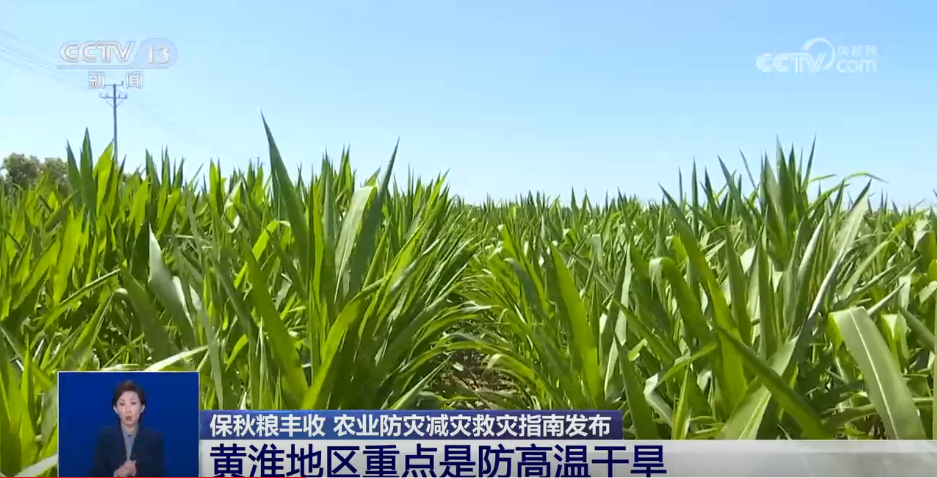
央视网消息:当前正值秋粮产量形成的关键时期。农业灾害呈现"南北涝 中间旱",秋粮生产面临较大旱涝灾害叠加的风险挑战。农业农 村部印发《农业防灾减灾救灾保秋粮丰收工作方案》,分区域分灾种分作物制定34条防灾减灾救灾措施。 黄淮地区重点是防高温干旱。7月以来,黄淮地区出现持续高温,加之降水较常年偏少,局地旱象露头,目前农作物缺墒受旱面积多于上 年同期和常年。预计8月,黄淮地区仍将高温少雨,局部地区旱情可能进一步发展,要千方百计保障抗旱水源,落实关键措施促生长。 华北、东北地区重点是抗暴雨洪涝。预计8月,北方大部降水仍偏多,洪涝灾害风险仍然较大。要坚持"排、散、管、促"多措并举,及时 抢排积水,恢复土壤透气性,养根护叶,促进受涝作物生长。 长江中下游重点是防高温热害。高温热害易影响作物正常开花授粉,造成高温逼熟。目前,南方晚稻处于苗期,中稻进入孕穗期,预计8 月长江中下游地区气温偏高、降水偏少,局地中稻高温热害风险较高,可能影响灌浆结实。要坚持"以水调温、叶面喷施、防止早衰"的技术路 线,加强水分管理,调节田间小气候,缓冲高温影响。 河南7月平均气温破64年来同期最高纪录 连日来,河南的旱情牵动着许多人的心。7月以 ...
中国企业为何密集到海外去种地?
3 6 Ke· 2025-08-05 11:23
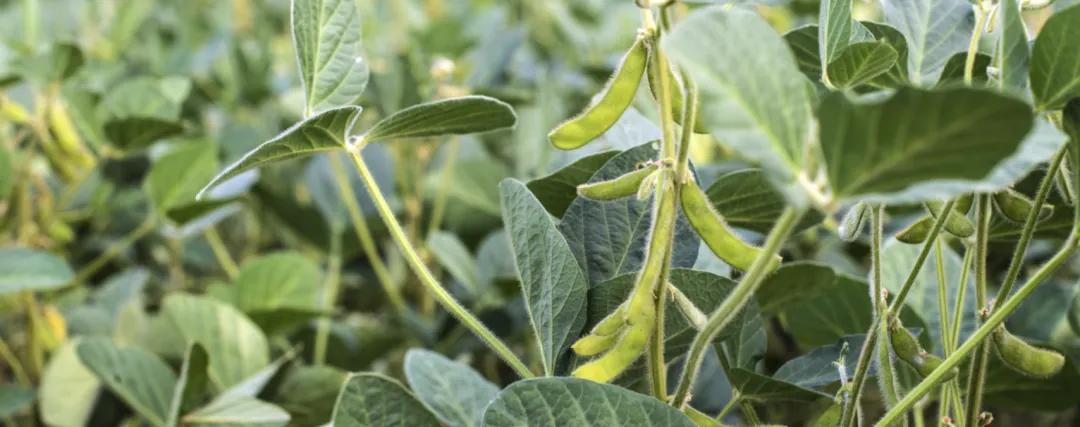
Core Insights - The phenomenon of Chinese agricultural enterprises "going abroad" to cultivate land is gaining attention amid globalization challenges and international supply chain restructuring [1][2] - Recent agreements, such as the $250 million investment by CITIC Construction in Angola to develop 100,000 hectares for corn and soybean cultivation, highlight China's strategic focus on food security and agricultural technology export [1][2] - The global agricultural investment trend reflects China's efforts to address its reliance on imported feed crops, particularly soybeans, and to reshape international food trade dynamics [1][2] Investment Strategies - China's overseas agricultural investments are primarily driven by national food security needs, particularly to mitigate the heavy reliance on imports for feed crops like soybeans and corn [1][2] - The investment in Angola represents an innovative approach to solving the "soybean dilemma," aiming to reduce dependence on American soybeans while establishing a complete agricultural value chain [2][5] - The strategic geographical distribution of Chinese agricultural investments includes significant projects in Africa, Central Asia, and South America, which helps to diversify geopolitical risks and optimize resource allocation [4][10] Technological and Operational Advantages - Chinese enterprises leverage advanced agricultural technologies and management practices in their overseas projects, significantly increasing productivity compared to traditional methods [5][7] - The integration of the entire agricultural value chain, from planting to processing and logistics, enhances product quality and economic efficiency, distinguishing Chinese investments from traditional international agricultural ventures [7][8] - The focus on sustainable development and local capacity building, such as profit-sharing agreements and technology transfer, positions Chinese agricultural investments as more ethically sound compared to historical precedents [8][9] Future Trends - The future of Chinese agricultural investments is expected to diversify geographically, extend into higher value-added segments of the supply chain, and increasingly rely on innovative technologies [10] - The commitment to improving global agricultural productivity and food distribution aligns with broader sustainable development goals, positioning China as a key player in global food security [10][11] - The evolving paradigm of international cooperation in agriculture emphasizes mutual benefits and sustainable development rather than exploitation, potentially paving new pathways for global food security governance [10][11]
锚定大面积单产提升 夯实国家粮食安全“压舱石”
Ren Min Wang· 2025-08-05 03:11
Core Viewpoint - The focus on increasing grain production in China is primarily through enhancing yield per unit area, which is crucial for ensuring national food security [1][2]. Group 1: Grain Production Overview - The total summer grain production this year reached 299.48 billion jin, marking the second-highest production year after last year [1]. - Autumn grain, which accounts for over 70% of the annual grain output, includes key crops such as rice, corn, and soybeans, distributed across 13 major grain-producing regions [2]. Group 2: Strategies for Yield Improvement - The Ministry of Agriculture and Rural Affairs is implementing a "100-day action" plan to enhance summer management and boost autumn grain yields, focusing on effective disaster response and production stability [1][3]. - A comprehensive approach is being taken to improve the yield of major grain crops, including wheat, corn, rice, soybeans, and rapeseed, through the integration of advanced cultivation techniques and technologies [2][3]. Group 3: New Varieties and Technologies - The 2025 National Crop Variety Promotion Directory has been established, featuring 21 crops and 326 excellent varieties, with a strong emphasis on high-yield and resilient varieties suitable for mechanization [2]. - A total of 143 key agricultural technologies have been promoted, covering various aspects such as crop cultivation, pest control, and resource recycling, aimed at enhancing productivity and sustainability in agriculture [3].
我国团队发现水稻“无胚”的调控基因,将提高稻谷产量和耐储性
Xuan Gu Bao· 2025-08-04 14:56
Group 1 - A research team from the Northeast Institute of Geography and Agroecology of the Chinese Academy of Sciences and the Yazhou Bay National Laboratory has discovered a regulatory gene for "embryo-less" rice, which is expected to enhance the quality and storage capacity of rice [1] - The key regulatory gene OsBZR4 was cloned and its mechanism of action was elucidated, showing that mutations in this gene can produce 60% to 100% embryo-less seeds across different cultivated varieties [1] - The application of transgenic technology is crucial for food security, addressing climate crises, and achieving green agricultural transformation, with a projected 60% increase in global food demand by 2050 due to a population rise to 9.8 billion [1] Group 2 - The Central Document No. 1 emphasizes the industrialization of biological breeding, with policies such as financial subsidies, tax incentives, and market access facilitation to accelerate technology implementation [2] - Future efforts should focus on technological innovation (gene editing, composite traits), policy support (industrial promotion), and public trust (transparent regulation and science popularization) to transition China from a "seed power" to a "strong seed industry" [2] Group 3 - Companies such as Shennong Seed Industry and Beidahuang are mentioned in relation to the advancements in the seed industry [3]
济南莱芜:严把“减损增产”两端,建成“粮安心安”样板
Zhong Guo Shi Pin Wang· 2025-08-04 09:39
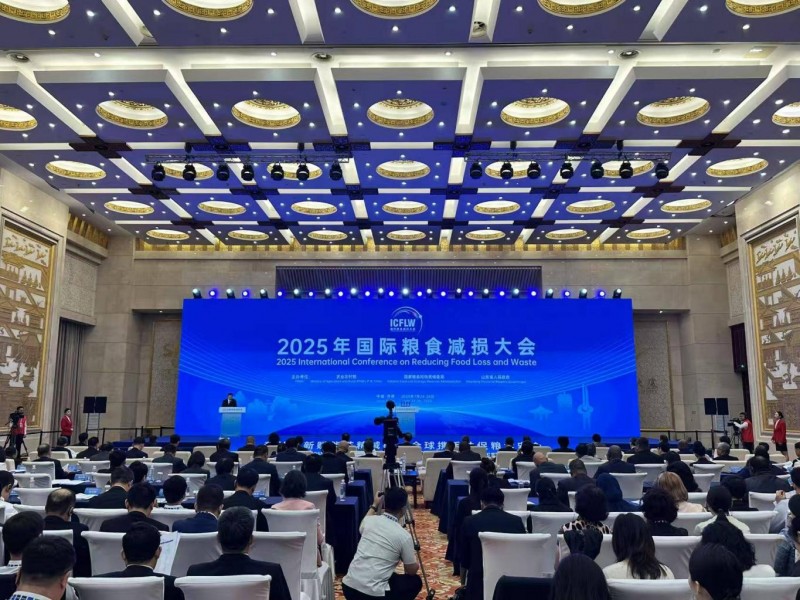
Core Viewpoint - The 2025 International Food Loss Reduction Conference was held in Jinan, focusing on "technological innovation empowering food waste reduction and global cooperation to promote food security" [1][3]. Group 1: Conference Overview - The conference attracted over 300 international guests, including deputy ministers and ambassadors from various countries, emphasizing the importance of food security as a national priority [3]. - The event highlighted the achievements of the Laiwu District in modern agricultural practices, showcasing the integration of technology in food production and management [3][5]. Group 2: Agricultural Practices in Laiwu - Laiwu District has implemented high-standard farmland construction, with 51.77 million acres (72.5% of total farmland) developed, ensuring a continuous 100% safety utilization rate of arable land for five years [5]. - The district has achieved over 92% mechanization in crop farming, with significant investments in agricultural machinery, including 18,000 tractors and 733 combine harvesters [5]. - The average loss rate during the wheat harvest in 2025 is projected to be 0.6%, reflecting effective management and technological application [5]. Group 3: Technological Integration - The "Sky-Earth-Net Integration" agricultural application platform is recognized as one of the most advanced digital agriculture technologies in Shandong Province, enhancing the management of the entire food production chain [8]. - The integration of technology in agriculture is seen as a key driver for future agricultural development, with international representatives expressing optimism about its potential [11]. Group 4: Rural Development and Cultural Integration - Laiwu District is promoting rural revitalization through cultural tourism projects, enhancing the local economy and showcasing the beauty of rural areas [9]. - The district's approach combines agricultural production with cultural and tourism development, aiming to improve the quality of life for residents and attract visitors [11]. Group 5: Future Directions and International Cooperation - The conference serves as a platform for international cooperation, sharing experiences and technologies to address global food security challenges [11]. - The "Laiwu Plan" is positioned as a model for rural revitalization, emphasizing the importance of systematic thinking in reducing food loss and increasing agricultural income [11].
洋浦港粮油仓储能力扩容超3倍
Hai Nan Ri Bao· 2025-08-04 01:21
Core Points - The grain storage capacity at Yangpu Port has been significantly increased from 164,400 tons to 507,400 tons, representing an expansion of over three times [2] - The total investment for the grain storage project by China Grain Reserves Corporation at Yangpu Port is 568 million yuan, covering an area of 67.6 acres [2] - Oscar Company, a leading grain and oil processing enterprise in Hainan, has enhanced its processing capabilities, achieving an annual processing capacity of 2 million tons of rapeseed/soybeans, 900,000 tons of refined oil, 160,000 tons of packaged oil, and 500,000 tons of compound feed [2] Company and Industry Summary - The successful customs inspection of the designated supervision warehouse for imported grain at Yangpu Port marks a significant milestone for grain storage and processing capabilities in the region [2] - The project includes the construction of 20 large-diameter shallow round silos and 3 reserve oil tanks, establishing a modern benchmark for grain storage [2] - Yangpu Port is the only designated port for imported grain in Hainan Province, and the collaboration between key grain storage and processing enterprises has strengthened the province's food security foundation [2]