碳中和

Search documents
隆华科技涨2.12%,成交额2.21亿元,主力资金净流入1496.64万元
Xin Lang Zheng Quan· 2025-12-26 05:22
Group 1 - The core viewpoint of the news is that Longhua Technology has shown a positive stock performance with a year-to-date increase of 19.57% and a recent trading increase of 5.22% over the last five days [1] - As of December 26, Longhua Technology's stock price is 8.67 yuan per share, with a market capitalization of 8.974 billion yuan and a trading volume of 2.21 billion yuan [1] - The company has a diverse revenue structure, with the main business segments being energy-saving heat exchange equipment (35.87%), target materials and ultra-high temperature special materials (26.91%), and environmental water treatment products (13.49%) [1] Group 2 - Longhua Technology operates in the mechanical equipment sector, specifically in general equipment and other general equipment categories, with concepts including perovskite batteries, carbon neutrality, wastewater treatment, battery recycling, and energy conservation and environmental protection [2] - For the period from January to September 2025, Longhua Technology achieved operating revenue of 2.326 billion yuan, representing a year-on-year growth of 20.49%, and a net profit attributable to shareholders of 180 million yuan, up 16.64% year-on-year [2] - The company has distributed a total of 315 million yuan in dividends since its A-share listing, with 98.085 million yuan distributed over the past three years [3]

机构集体看多锂价,资金回流电池赛道,多头情绪全面点燃
Xin Lang Cai Jing· 2025-12-26 05:05
Core Viewpoint - The battery sector is experiencing a significant surge driven by four key factors: strong increases in lithium carbonate futures, unexpected growth in energy storage demand, improvements in industry profitability, and a return of institutional funds [1][9]. Supply Side: Frequent Disruptions and Tightening Expectations - Domestic mining recovery and approval processes are slower than expected, with the first environmental assessment for the Jiangxia Wozhong lithium mine by CATL indicating a lengthy approval and recovery timeline, reinforcing supply tightness expectations [1][9]. - Australian lithium prices remain above $1,200 per ton, providing cost support for domestic lithium prices, while potential mining activity suspensions in countries like Nigeria raise concerns about global lithium supply volatility [2][10]. - The market is facing historically low inventory levels of lithium carbonate, with traders reluctant to sell due to high previous costs, further tightening supply dynamics as seasonal reductions in production occur in regions like Qinghai [3][10]. Demand Side: Explosive Energy Storage Growth and Battery Demand Recovery - The domestic energy storage market continues to thrive, with a 98.3% year-on-year increase in EPC bidding scale in November, and significant demand growth in key regions like Europe, Australia, and North America [3][11]. - Goldman Sachs predicts a staggering 48.7% growth in lithium carbonate demand from the energy storage sector by 2026, with energy storage expected to surpass power batteries as the largest demand source in the first quarter [3][11]. - The demand for power batteries is also showing marginal improvement, supported by policies like the "old-for-new" vehicle exchange and continued tax exemptions, which bolster consumer confidence and stabilize production schedules [4][11]. Funding and Sentiment: Institutional Upgrades and Fund Inflows - Major institutions, including JPMorgan, have significantly raised their lithium price forecasts, with JPMorgan increasing its 2026 target price for lithium carbonate from 70,000 yuan per ton to 90,000 yuan per ton, indicating a projected supply gap in the global lithium market for 2025-2026 [4][12]. - The funding landscape is characterized by a strong bullish sentiment, with institutional funds flowing back into lithium resources and battery sectors, leading to a concentration of long positions in the lithium futures market [5][12]. - The Ministry of Industry and Information Technology's efforts to address "involutionary competition" in the industry are expected to improve battery price rationality and enhance profitability expectations for battery companies, further supporting the bullish outlook on lithium prices [5][12]. Market Outlook - In the short term, supply disruptions and high growth in energy storage demand are direct catalysts for price increases; in the medium to long term, sustained demand from energy storage and power batteries, coupled with limited growth in global lithium supply, is likely to maintain an upward trend in lithium carbonate prices [6][12].
ESG领跑者|解码紫金矿业“GLOBE”可持续发展战略
Xin Lang Cai Jing· 2025-12-26 03:53
登录新浪财经APP 搜索【信披】查看更多考评等级 2025年11月,在由世界黄金协会组织的媒体参访活动中,完成从矿床到世界地质公园转变的紫金山金铜 矿引发一行人的关注。据介绍,去年3月,在法国召开的联合国教科文组织执行局第219次会议审议通 过,正式批准龙岩地质公园成为世界地质公园。作为世界级高硫化浅成低温热液金属矿床,位于龙岩世 界地质公园西南部的紫金山铜金矿床是其重要组成部分。 在该地质公园相关的社交媒体分享上,有网友评价"值得参观,金山银山就是绿水青山"。金铜矿何以变 成世界地质公园? 对于绿色如何成为矿业发展底色这一命题,紫金矿业的实践,正清晰展现出一条企业ESG担当系统路径 与全球矿业可持续发展的"中国方案"。 挖掘不尽的金山银山 "铜娃娃戴了个金帽子",据紫金矿业官网介绍,金矿体形成于上部的氧化带岩层中,在下部的原生带岩 层中形成铜矿体,这种"上金下铜"的成矿分带被形象的如此比喻,"紫金山大型金铜矿床的发现是中国 铜金矿勘探史上的一次重大突破,1996年荣获国家科技进步一等奖"。 据史料记载,紫金山早在北宋年间就是朝廷重要的黄金和铜币生产基地。紫金山在稀有性、典型性、科 学价值、历史文化价值等方面 ...



调整2035“燃油车禁售令” 欧盟减碳进程受产业现实阻滞
Jing Ji Ri Bao· 2025-12-26 03:22
Core Viewpoint - The European Commission has adjusted its "Automotive Industry Package," changing the 2035 ban on combustion engine vehicles to a target of 90% reduction in carbon emissions compared to 2021 levels, allowing for the continued sale of certain non-pure electric vehicle models in the EU market, marking a significant revision of the EU's green transportation transition plan [1] Group 1: Policy Adjustments - The new proposal allows for the sale of various traditional powertrain technologies, including plug-in hybrid vehicles, range-extended electric vehicles, mild hybrid vehicles, and internal combustion engine vehicles that meet specific low-carbon fuel standards [1] - A more flexible transitional reduction target is set for 2030 to 2032, aiming to balance emission reductions with industry sustainability [1] Group 2: Economic Impact - The automotive industry contributes 7% to the EU's GDP and provides nearly 14 million jobs, highlighting its significance to the EU economy [2] - The adjustments are seen as a way to enhance the competitiveness of the automotive sector and create demand for cleaner commercial vehicles, thereby strengthening the EU's manufacturing and supply chains [2] Group 3: Industry Reactions - Some major European automakers support the proposal, viewing the relaxation of a single technology route as beneficial for addressing market pressures, with companies like Volkswagen and BMW acknowledging the feasibility of internal combustion technology in the near future [3] - Conversely, some manufacturers, such as Volvo, criticize the reversal of any bans as a betrayal, arguing it undermines confidence in future regulations [3] Group 4: Environmental Concerns - Environmental groups criticize the adjustment as a retreat from the EU's leadership in climate policy, arguing that the 90% reduction target undermines the push for electric vehicle adoption and could slow down emission reduction efforts [4] - The proposal has sparked mixed reactions among EU member states, with countries like Germany and Italy welcoming it, while Spain opposes it due to its ongoing transition to electric vehicles [4] Group 5: Future Considerations - The plan must undergo review by the EU Council and European Parliament before becoming law, a process expected to take months and likely to involve further discussions and revisions on details such as compensation mechanisms and market regulation [5] - The adjustments reflect a policy balancing act between climate goals and industrial realities, highlighting the tension between long-term policy commitments and immediate industry pressures [5]
茂硕电源涨2.03%,成交额4756.05万元,主力资金净流入507.36万元
Xin Lang Cai Jing· 2025-12-26 03:03
Core Viewpoint - The stock of Maoshuo Power has shown fluctuations with a recent increase of 2.03%, while the company has experienced a year-to-date decline of 6.75% in its stock price [1][2]. Group 1: Stock Performance - As of December 26, Maoshuo Power's stock price is 9.53 yuan per share, with a market capitalization of 3.399 billion yuan [1]. - The stock has seen a 2.58% increase over the last five trading days, but a decline of 0.83% over the last 20 days and 10.43% over the last 60 days [2]. - The company has appeared on the "Dragon and Tiger List" once this year, with a net buy of -96.6027 million yuan on January 13, where total buying was 43.4801 million yuan, accounting for 6.71% of total trading volume [2]. Group 2: Financial Performance - For the period from January to September 2025, Maoshuo Power reported a revenue of 945 million yuan, reflecting a year-on-year growth of 2.95%, while the net profit attributable to shareholders was -57.9209 million yuan, a decrease of 252.32% [3]. - The company has distributed a total of 147 million yuan in dividends since its A-share listing, with 107 million yuan distributed in the last three years [4]. Group 3: Business Overview - Maoshuo Power, established on March 27, 2006, and listed on March 16, 2012, is located in Shenzhen, Guangdong Province, and specializes in LED lighting driver power supplies and consumer electronics power supplies [2]. - The main business revenue composition includes: 50.82% from SPS switch power supplies, 44.91% from LED driver power supplies, 2.57% from photovoltaic power generation, 1.20% from other sources, and 0.50% from energy storage [2]. - The company is categorized under the electronic industry, specifically in consumer electronics and components, and is associated with concepts such as smart lamp poles, venture capital, small-cap stocks, carbon neutrality, and blockchain [2]. Group 4: Shareholder Information - As of December 10, the number of shareholders for Maoshuo Power is 30,000, with an average of 11,432 circulating shares per person [3]. - As of September 30, 2025, among the top ten circulating shareholders, Jinyuan Shun'an Yuanqi Flexible Allocation Mixed Fund (004685) is the fifth largest shareholder, holding 1.2634 million shares as a new investor [4].

认购资金超1616亿元 华夏中核清洁能源REIT实现超募
Quan Jing Wang· 2025-12-26 02:15
Core Insights - The successful issuance of the Huaxia CNNC Clean Energy REIT marks a significant milestone in the capital market for state-owned enterprises, establishing a new benchmark for non-nuclear green energy businesses [3] - The overwhelming investor interest, with total subscription funds reaching 161.689 billion yuan, indicates deep recognition of the investment value of the fund [2] Fund Issuance Details - The total subscription amount before proportional allocation was 161.689 billion yuan, which is 107.47 times the intended fundraising scale of 15.045 billion yuan [2] - The fund was priced at 5.015 yuan per share, with a total of 3 billion shares to be issued [1] - The effective subscription multiple for public investors was approximately 392 times, while for offline investors it exceeded 340 times, reflecting strong market demand [1] Underlying Asset and Management - The underlying asset, the Bopona Hydropower Station, is the largest in the Hotan region and has been operational for over 14 years, providing stable and clean electricity supply [2] - The fund's original rights holder and operational management, Xinjiang Xinhua Hydropower Investment Co., is the largest hydropower operator in Xinjiang, ensuring robust operational support [2] - The fund managers, CITIC Securities and Huaxia Fund, possess extensive experience in energy REITs investment management, contributing to the fund's expected stable performance [2] Financial Projections - The projected cash distribution rates for the Huaxia CNNC Clean Energy REIT are estimated at 5.04% for 2025 and 4.71% for 2026, based on the disclosed distributable amounts [2] Market Impact - The issuance of this REIT facilitates a market-oriented operation loop for clean energy assets, providing a replicable model for similar green asset securitization practices by state-owned enterprises [3] - The fund's clear clean energy attributes inject strong capital momentum into the scaling and marketization of the clean energy industry, supporting the achievement of carbon peak and carbon neutrality goals [3]
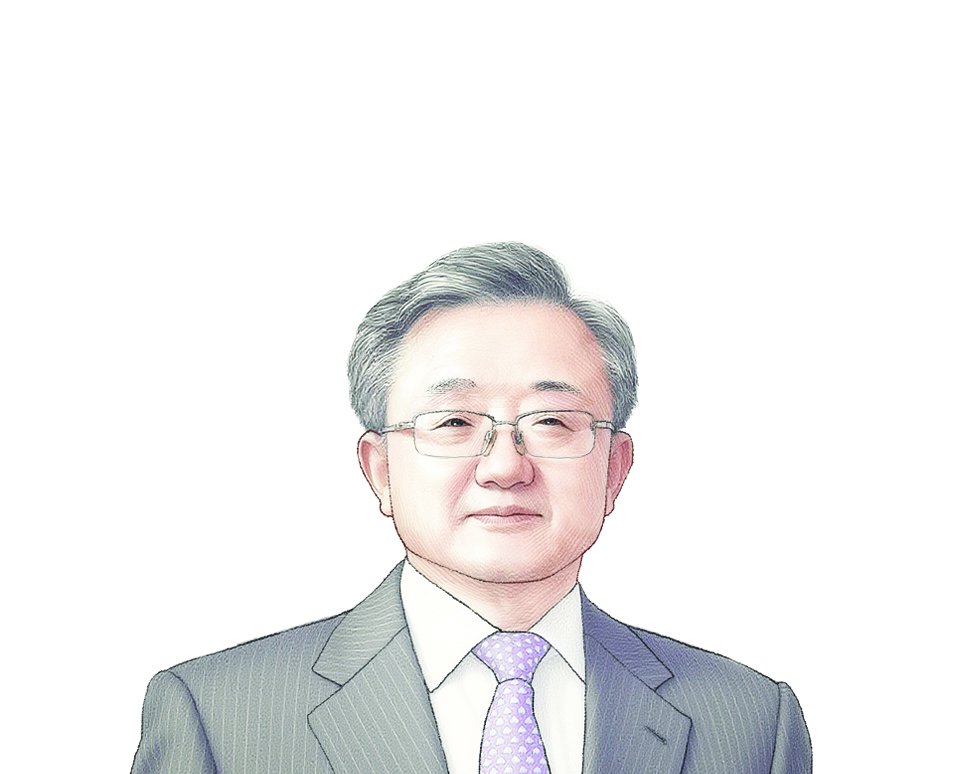
独家专访中国气候变化事务特使刘振民:《巴黎协定》十载后,迎战气候变化重在“落实”
2 1 Shi Ji Jing Ji Bao Dao· 2025-12-26 02:02
Core Viewpoint - The global response to climate change remains crucial despite geopolitical challenges, with multilateral cooperation being essential for progress, especially in the absence of the United States [1][10][11]. Group 1: Multilateral Cooperation and Climate Agreements - The COP30 conference confirmed the historical value of the Paris Agreement, emphasizing its role in preventing unacceptable global temperature increases [20][21]. - Over 190 countries reached a consensus to continue multilateral cooperation under the UN Framework Convention on Climate Change and the Paris Agreement, indicating an irreversible trend towards global energy transition [21][22]. - The "B Plan" aims to ensure that multilateral cooperation continues even without U.S. participation, highlighting the need for alternative funding sources for climate action [10][26]. Group 2: Energy Transition and Economic Opportunities - Energy transition is viewed as a key area for global economic cooperation and investment, with developed countries urged to fulfill their responsibilities in combating climate change [11][27]. - The transition to renewable energy is expected to dominate global energy structures, potentially accounting for over 75% of energy sources, while fossil fuels will need to be utilized more cleanly [24][25]. - The cost of renewable energy technologies, such as solar and wind, has decreased to levels comparable to fossil fuels, facilitating their adoption [25]. Group 3: Funding and Implementation Challenges - A commitment was made at COP29 for developed countries to provide at least $300 billion annually by 2035 for climate action in developing countries, but COP30 did not clarify how this funding would be implemented [22][23]. - There is a lack of confidence among developing countries regarding adaptation funding, and specific indicators proposed by developed nations have raised concerns [23][29]. - The implementation of the EU's carbon border adjustment mechanism is seen as a unilateral measure that could impact international trade and energy transition efforts [29]. Group 4: Future Outlook and Key Focus Areas - The next decade is critical for controlling global temperature rise, with a focus on helping countries that have not submitted their 2035 national contributions to develop their plans [17][32]. - The COP31 conference is expected to continue the multilateral cooperation process, with an emphasis on the implementation of existing agreements rather than negotiating new ones [31][32]. - There is a significant opportunity for countries to capitalize on energy transition, as failure to act effectively could lead to increased costs and missed opportunities for sustainable development [32].
光大证券晨会速递-20251226
EBSCN· 2025-12-26 00:57
Group 1: Banking Industry Insights - The banking sector is expected to face challenges in 2025 due to weak overall demand, leading to difficulties in loan volume growth and declining interest income. However, non-interest income and provisions are anticipated to enhance the stability of bank performance [2] - For 2026, as the beginning year of the "14th Five-Year Plan," banking operations are projected to progress steadily in a low-interest-rate environment, with estimated revenue growth for listed banks revised slightly upward to around 2% year-on-year and profit growth around 1% year-on-year, indicating strong fundamental resilience [2] - Investment recommendations include focusing on large banks with high dividend yields and strong performance from regional banks in Jiangsu [2] Group 2: Utility Sector Developments - In Guangdong, the comprehensive on-grid electricity price for 2026 is expected to remain stable year-on-year, with a transaction average price of 0.37214 yuan/kWh, reflecting a decrease of 5.03% year-on-year [3] - The expected capacity subsidy for 2026 is projected to be 0.042 yuan/kWh, leading to a comprehensive electricity price of 0.414 yuan/kWh, which is a year-on-year decrease of 0.78% (equivalent to 0.03 yuan/kWh) [3] - The electricity market in regions without continuous settlement and the relatively stable monthly long-term contract prices in Beijing and Shanghai are expected to maintain stability in 2026 [3] - Recommended stocks to watch include Jingneng Power and Sheneng Shares [3]
国之重器 力鼎千钧 中材国际上市二十载的高质量发展之路——从"中国制造"到"中国智造"再到"中国标准"的升华
Shang Hai Zheng Quan Bao· 2025-12-26 00:12
Core Insights - The article outlines the evolution and achievements of China National Materials Group Corporation (Sinoma International) over the past two decades, highlighting its transformation from a domestic player to a global leader in the cement engineering industry [1][2][3] Group 1: Historical Development - In the early stages of China's cement industry, technology was largely monopolized by Western companies, which posed significant barriers to development [1] - Sinoma International was established in 2001 through the integration of several key research and design institutes, marking a strategic move towards global competitiveness [1] - From 2001 to 2005, the company experienced a compound annual growth rate (CAGR) of 51% in revenue and 40% in profit, showcasing its strong growth momentum [1] Group 2: Global Expansion - By 2020, Sinoma International had established a presence in 91 countries, successfully undertaking the construction of 364 cement production lines, particularly in emerging markets like the Middle East and Africa [1][2] - The company completed the GOE project in Egypt, which was recognized as a significant achievement in the global cement industry, earning multiple awards [1] - Sinoma International has over 100 overseas branches and a localization rate exceeding 60%, emphasizing its commitment to integrating into local markets [1][2] Group 3: Technological Innovation and Sustainability - The company has focused on technological innovation, achieving a self-sufficiency rate of 76% in equipment and aligning Chinese standards with international benchmarks [2] - Sinoma International is actively involved in green initiatives, including waste disposal technologies and renewable energy projects, contributing to global ecological efforts [2] - The company has developed a digital platform for smart factories, enhancing production efficiency and labor productivity [2] Group 4: Corporate Social Responsibility and Governance - Sinoma International emphasizes its role as a state-owned enterprise, aligning its operations with national strategies such as the Belt and Road Initiative [2][3] - The company has committed to a cash dividend policy, ensuring a minimum payout of 40% of distributable profits, reflecting its focus on shareholder returns [2][3] - Sinoma International has established a comprehensive risk management system to navigate the complexities of global operations, enhancing its resilience [2] Group 5: Future Outlook - The company aims to deepen its regional presence while exploring opportunities in developed markets, particularly in low-carbon projects [3] - Sinoma International is transitioning from traditional EPC models to integrated investment and operation services, enhancing its position in the global value chain [3] - The company is committed to advancing disruptive technologies related to carbon neutrality, positioning itself as a leader in sustainable development within the cement industry [3]

欧盟减碳进程受产业现实阻滞
Jing Ji Ri Bao· 2025-12-25 22:03
Core Viewpoint - The European Commission has adjusted its "Automotive Industry Package," changing the 2035 ban on combustion engine vehicles to a target of 90% reduction in carbon emissions compared to 2021 levels, allowing for the continued sale of certain non-pure electric vehicle models in the EU market, marking a significant revision of the EU's green transportation transition plan [1] Group 1: Policy Adjustments - The new proposal allows for the sale of various traditional powertrain technologies, including plug-in hybrid vehicles, range-extended electric vehicles, mild hybrid vehicles, and internal combustion engine vehicles that meet specific low-carbon fuel standards [1] - The plan includes more flexible transitional reduction targets from 2030 to 2032, aiming to balance emission reductions with industry sustainability [1] - The European Commission emphasizes that the plan provides a pragmatic policy framework to achieve carbon neutrality by 2050 while granting manufacturers greater flexibility [1] Group 2: Industry Reactions - Some major European automakers support the proposal, viewing the relaxation of a single technology route as beneficial for addressing market pressures; Volkswagen calls the proposal "economically reasonable," while BMW acknowledges the feasibility of internal combustion technology in the foreseeable future [3] - However, some manufacturers and industry associations criticize the proposal; Volvo, which has heavily invested in electrification, views any reversal of bans as a "betrayal," and Stellantis argues that the plan fails to address deep-seated issues in the light commercial vehicle sector [3] Group 3: Environmental and Political Perspectives - Environmental groups criticize the adjustment as a retreat that undermines the EU's reputation as a global climate leader, arguing that the 90% reduction target could slow the adoption of electric vehicles and impact the overall climate neutrality goal for 2050 [4] - Political reactions among EU member states are mixed; countries like Germany and Italy welcome the proposal as aligning with current industry realities, while Spain opposes it due to its ongoing transition to electric vehicles [4] - The European Parliament's Green Party expresses concerns that undermining the future of electric vehicles is a significant error that could harm public health and competitiveness [4] Group 4: Future Outlook - The plan must undergo review by the EU Council and European Parliament before becoming law, a process expected to take several months and likely to involve further discussions and revisions on details such as compensation mechanisms and market regulation [5] - The adjustment reflects a policy trade-off between climate goals and industrial realities, highlighting the tension between long-term policy aspirations and practical implementation amid global technological competition [5]