全球贸易

Search documents
美国又挥关税大棒,这次轮到巴西“躺枪”?
Sou Hu Cai Jing· 2025-08-20 01:36
Core Points - The article discusses the recent announcement by former President Trump regarding new tariffs on goods imported from several countries, including Brazil, which will see a significant increase in tariffs starting August 1, 2025 [1][4] - The tariffs range from 20% for the Philippines to 50% for Brazil, raising concerns about the impact on exporters and the potential for increased costs and reduced profits [1][4] Group 1: Tariff Details - Trump announced a 20% tariff on products from the Philippines, 25% on Brunei and Moldova, 30% on Algeria, Iraq, Sri Lanka, and Libya, and a 50% tariff on Brazil [1] - The rationale provided for these tariffs is an investigation into Brazil's alleged unfair trade practices, particularly affecting U.S. companies in digital trade [1] Group 2: Reactions and Implications - Brazil's Vice President, Geraldo Alckmin, criticized the U.S. decision as unfair, highlighting that Brazil is a significant buyer of metallurgical coal for U.S. steel production, suggesting that increased tariffs could raise costs for U.S. industries [2] - The article suggests that these tariffs could lead to a reshuffling of trade relationships, as affected countries may seek alternative markets or negotiate with the U.S. [4] - The potential for increased consumer prices in the U.S. due to higher costs of imported goods is also noted, which could contribute to inflationary pressures [4]


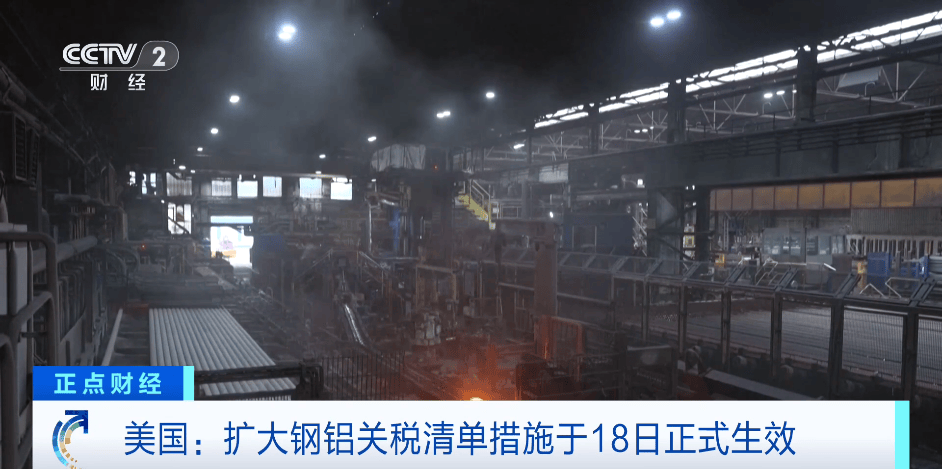
美国:扩大钢铝关税清单措施于18日正式生效
Sou Hu Cai Jing· 2025-08-18 11:04
Group 1 - The U.S. has officially expanded the scope of steel and aluminum tariffs, imposing a 50% tariff on hundreds of derivative products [1][5] - The expanded tariff list includes 407 types of steel and aluminum derivative products, which will incur additional tariffs based on their steel and aluminum content [3] - This move is expected to impact global trade and increase production costs for U.S. manufacturers, compounding existing pressures from tariffs [5] Group 2 - U.S. manufacturers are heavily reliant on imports from Brazil for steel, particularly semi-finished slab, due to a structural supply gap of approximately 5 million tons [7] - Cleveland-Cliffs, a major U.S. steel producer, has halted operations at three facilities and reported a loss of $470 million in Q2 2025, exploring asset sales to recover losses [7]
李嘉诚旗下长和最新表态:预计今年不会完成港口交易 将邀请内地投资者加入!
Mei Ri Jing Ji Xin Wen· 2025-08-14 13:45
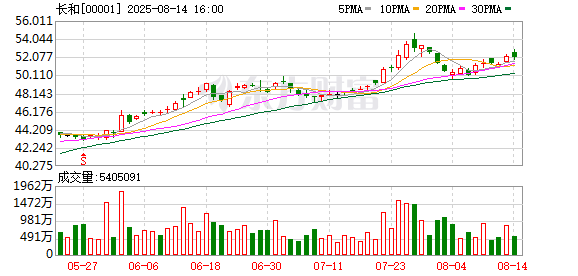
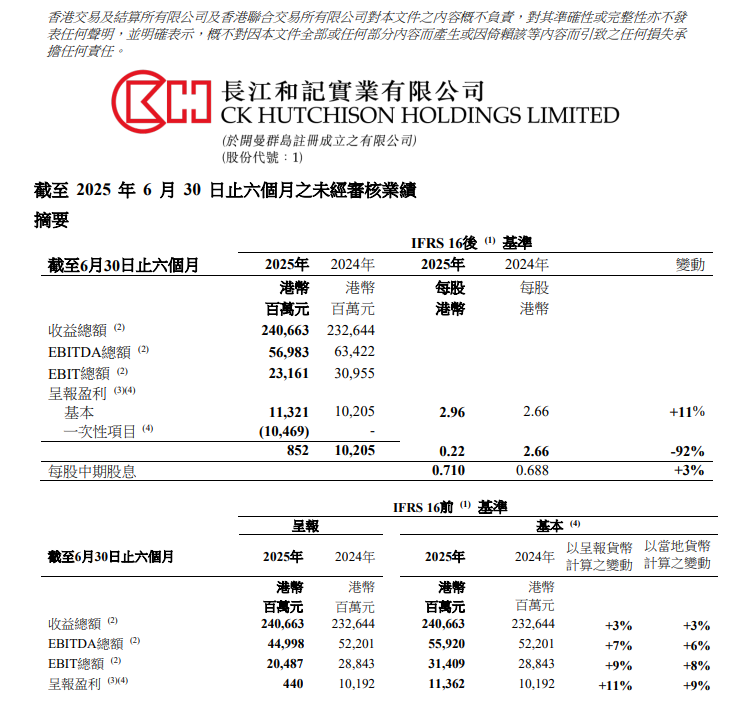
Core Viewpoint - The company reported a profit of HKD 11.32 billion for the first half of 2025, representing an 11% year-on-year increase, despite a decline in EBITDA by 9% to HKD 56.98 billion [2][5]. Financial Performance - Total revenue for the first half of 2025 was HKD 240.66 billion, up 3% from HKD 232.64 billion in the same period of 2024 [3][5]. - EBITDA decreased to HKD 56.98 billion from HKD 63.42 billion, a decline of 9% year-on-year [3][5]. - EBIT also fell to HKD 23.16 billion from HKD 30.96 billion, indicating a significant drop in operational profitability [3][5]. - Basic earnings per share were reported at HKD 0.22, down from HKD 2.66 in the previous year [6]. Port Business Performance - The port business generated revenue of HKD 235.97 billion, a 9% increase compared to the previous year, driven by growth in throughput at key ports [8]. - EBITDA for the port segment was HKD 87.19 billion, up 10%, while EBIT rose by 12% to HKD 65.08 billion [8]. - The growth in the port business was attributed to increased throughput and effective cost management [8]. Strategic Developments - The company completed a major strategic transaction by merging its UK telecommunications business with Vodafone UK, which is expected to enhance operational efficiency [5][9]. - The company is currently in discussions regarding the sale of its port business, which is subject to regulatory approvals and is anticipated to take longer than initially planned [4][10]. - The company has invited major investors from mainland China to participate in the discussions to facilitate the approval process [10]. Financial Position - The company holds over HKD 120 billion in cash, with total cash and liquid investments amounting to HKD 1372.68 billion [9]. - Total debt stands at HKD 2565.89 billion, with a net debt ratio of 14.7%, down from 16.2% at the end of 2024 [9]. Market Performance - The company's stock price has increased by over 30% year-to-date, closing at HKD 52 on August 14, 2025, with a total market capitalization nearing HKD 199.2 billion [9].

李嘉诚旗下长和最新表态:预计今年不会完成港口交易,将邀请内地投资者加入!上半年港口业务收入超200亿元,股价年内涨超30%
Mei Ri Jing Ji Xin Wen· 2025-08-14 13:36
Core Viewpoint - The company reported a profit of HKD 11.32 billion for the first half of 2025, representing an 11% year-on-year increase, while total revenue reached HKD 240.66 billion, a 3% increase from the previous year [1][4]. Financial Performance - Total revenue for the six months ending June 30, 2025, was HKD 240.66 billion, up 3% from HKD 232.64 billion in 2024 [2][4]. - EBITDA totaled HKD 56.98 billion, a decrease of 9% compared to HKD 63.42 billion in the same period last year [2][4]. - Basic earnings per share were HKD 0.22, down from HKD 2.66 in the previous year, reflecting a significant drop due to one-time non-cash losses related to the UK merger [5][8]. Business Segments - The port business generated revenue of HKD 235.97 billion (approximately RMB 215.73 billion), a 9% increase year-on-year, driven by increased throughput at key ports and a 27% surge in warehousing income from Mexico and Europe [7]. - EBITDA for the port segment was HKD 87.19 billion, and EBIT was HKD 65.08 billion, reflecting increases of 10% and 12% respectively [7]. Strategic Developments - The company completed a major strategic transaction by merging its UK telecommunications business with Vodafone UK in May 2025, which is expected to enhance operational efficiency and market presence [4][5]. - The company is currently in discussions to invite major investors from mainland China to participate in the port business sale, which is anticipated to take longer than initially planned and will not be completed in 2025 [3][11]. Financial Position - As of June 30, 2025, the company held cash and liquid investments totaling HKD 1,372.68 billion (approximately RMB 1,254.9 billion), with total debt amounting to HKD 2,565.89 billion [8]. - The net debt ratio decreased to 14.7% from 16.2% at the end of 2024, indicating improved financial stability [8]. Market Performance - The company's stock price has risen over 30% year-to-date, closing at HKD 52 on August 14, 2025, with a total market capitalization of nearly HKD 199.2 billion [8].
中国成为全球贸易“稳定之锚”
Xin Hua Wang· 2025-08-12 05:57
Core Insights - China's economic performance in the first quarter exceeded expectations, with a GDP growth of 5.4% year-on-year, which is significantly higher than analysts' forecasts [4][5][10] - The 137th Canton Fair and the 5th China International Consumer Products Expo showcased China's role as a global trade stabilizer, attracting a record number of international buyers and exhibitors [3][4][9] Economic Data - In the first quarter, China's import and export scale reached a historical high, exceeding 10 trillion yuan for eight consecutive quarters [4][6] - The Canton Fair attracted 148,585 overseas buyers from 216 countries and regions, marking a 20.2% increase compared to the previous session [3][4] - The Consumer Expo featured over 1,700 companies and 4,200 brands, with participation from 65 Fortune 500 companies, setting a new record for scale [4][9] Trade Relations - ASEAN remains China's largest trading partner, with a year-on-year growth of 7.1% in trade volume [6] - Trade with the EU grew by 1.4%, while trade with Belt and Road Initiative countries reached 5.26 trillion yuan, a 2.2% increase year-on-year [6][7] Policy and Market Outlook - China is implementing policies to boost domestic demand and consumption, aiming to stabilize and expand consumer spending [7][10] - The government is committed to high-level opening-up and expanding institutional openness, which is expected to create greater opportunities for global enterprises [8][10] Global Impact - China's contribution to global economic growth remains around 30%, reinforcing its role as a key engine for world economic recovery [10] - The Consumer Expo serves as a platform for global consumption, facilitating the entry of international products into the Chinese market and promoting Chinese goods abroad [9][10]

多重因素推动7月进出口回升
Sou Hu Cai Jing· 2025-08-08 05:37
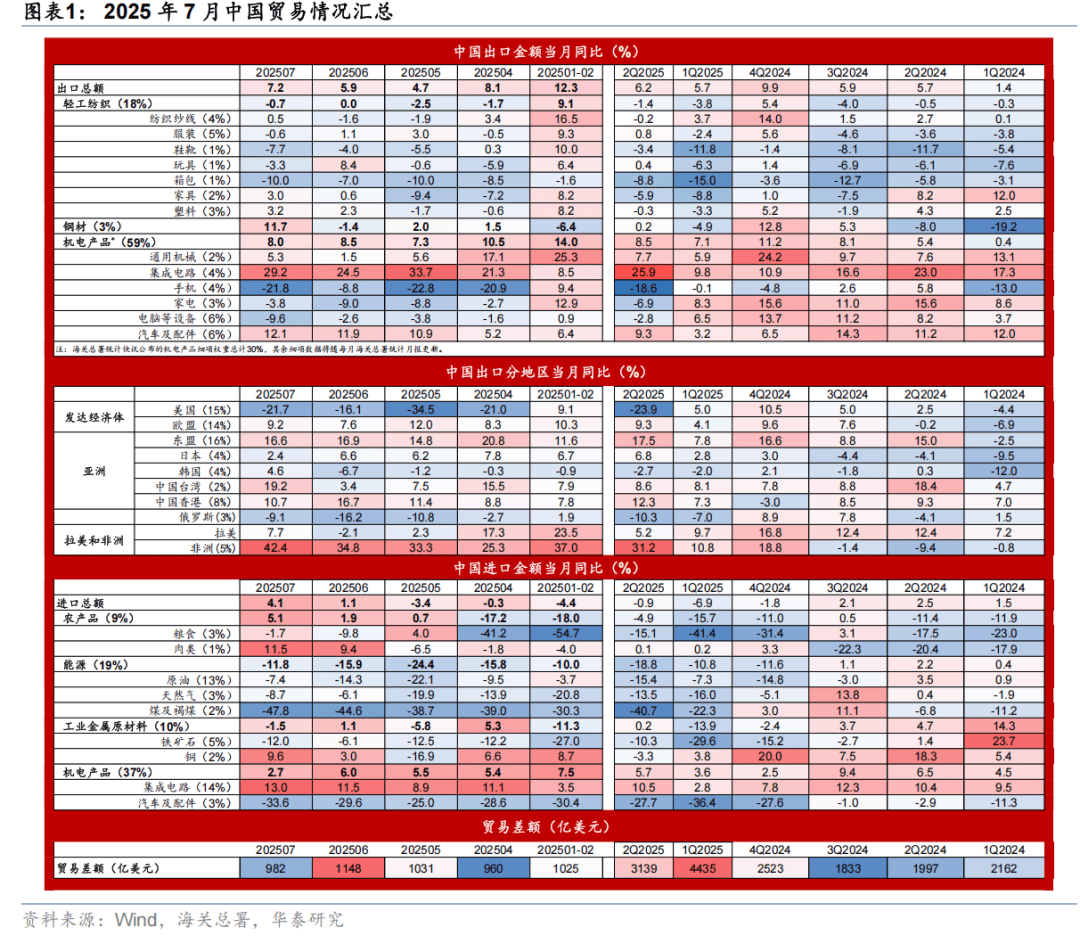
Core Insights - In July 2025, China's export growth rate in USD terms rebounded to 7.2% from 5.9% in June, exceeding Bloomberg's consensus forecast of 5.6% [1][5] - Import growth also improved, rising to 4.1% from 1.1% in June, surpassing the expected decline of -1% [1][5] - The trade surplus slightly decreased to $98.2 billion, an increase of $12.8 billion year-on-year, continuing to support overall demand [1][5] Export Analysis - The rebound in export growth is attributed to several factors, including the "export rush" effect and a recovery in global trade activity [2][5] - The semiconductor cycle's strength has positively impacted related industries, with July exports to South Korea and Taiwan showing significant improvement [2][5] - Exports to the EU and ASEAN have notably strengthened, contributing approximately 4 percentage points to July's export growth [2][6] Import Analysis - July's import growth rate increased by 3 percentage points to 4.1%, driven by improvements in agricultural products and upstream energy imports [3][9] - Energy imports improved from -15.9% to -11.8%, while agricultural imports rose from 1.9% to 5.1% [3][9] - Imports from the US continued to decline, with a year-on-year drop from -15.5% to -18.9%, negatively impacting overall import performance [3][9] Future Outlook - The implementation of new "reciprocal tariffs" and the "232" industry tariffs in August may further elevate global tariff levels, with potential impacts on trade activities still to be observed [4][10] - Despite uncertainties, the overall global demand is expected to remain stable due to fiscal and monetary policy expansions in major economies [4][10] - China's relative advantage in the US import market may increase, although risks from declining global trade volumes persist [4][10] Sector-Specific Insights - The export of mechanical and electrical products showed resilience, with integrated circuit exports growing significantly [6][7] - Automotive exports continued to rise, with a growth rate of 12.1% in July, while steel and fertilizer exports also saw substantial increases [7][8] - Exports to Africa and ASEAN remained strong, reflecting the diversification of China's export destinations [8][9]
美吃定加拿大,加拿大不惧关税,要承认巴勒斯坦,都是特朗普之过
Sou Hu Cai Jing· 2025-08-05 03:13
Group 1: Tariff Increase - The U.S. has raised tariffs on Canadian goods from 25% to 35% effective August 1, citing Canada's inaction on the fentanyl issue as justification, which has been disputed by Canadian officials [1][3][5] - The sudden increase in tariffs is expected to raise costs for businesses on both sides of the border, affecting trade in automotive parts and agricultural products [3][5] Group 2: Canadian Response - Canada has shown a united front against the U.S. tariff increase, with Prime Minister Carney and provincial leaders expressing strong opposition and calling for the removal of tariffs on Chinese goods [5][8] - The Canadian government is committed to protecting the interests of its workers and businesses, indicating a willingness to negotiate but also to retaliate if necessary [5][8] Group 3: Diplomatic Tensions - The situation has been exacerbated by Canada's intention to recognize Palestine at the upcoming UN General Assembly, which has drawn ire from the U.S. [8][11] - Canada maintains that its foreign policy decisions will not be influenced by trade threats from the U.S., highlighting a significant diplomatic rift [8][11] Group 4: Global Trade Implications - Trump's tariff strategy has led to significant disruptions in global trade, creating divisions among countries, with some complying and others resisting [9][11] - Countries like Japan and South Korea have made concessions to the U.S., while Canada and Brazil have taken a stand against the tariffs, indicating a shift in global trade dynamics [9][11] Group 5: Consequences of U.S. Policy - The increase in trade deficit for the U.S. suggests that tariffs are not effectively dismantling supply chains as intended, and the backlash from allies like Canada indicates a fracture in the U.S. alliance system [11][12] - The overall approach of mixing trade and foreign policy has proven counterproductive, leading to a potential long-term impact on U.S. relations with its allies [11][12]
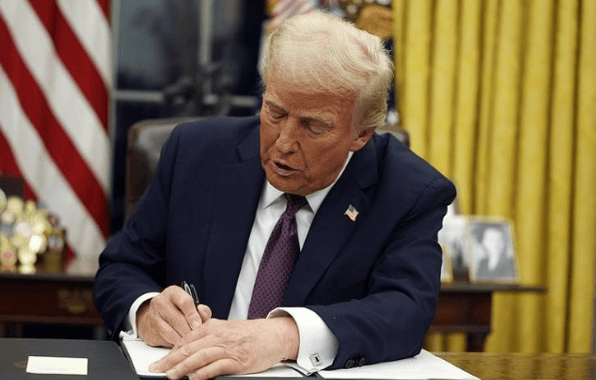
韩国也签了,特朗普发现扎心事实:绕开中国,全是“顺风局”
Sou Hu Cai Jing· 2025-08-03 09:52
Core Viewpoint - South Korea has signed a new trade agreement with the United States under pressure, indicating a shift in strategy to avoid China and maintain a competitive edge in global trade [1][3]. Trade Agreement Details - The agreement includes a 15% tariff imposed by the U.S. on South Korean goods, while South Korea commits to opening its market for more U.S. products, particularly in the automotive and agricultural sectors [3]. - South Korea is required to invest $350 billion in "controllable" funds in the U.S. and purchase $100 billion worth of energy products, mainly natural gas [3]. - Unlike agreements with Japan and the EU, the U.S. tariff is based on a "reciprocal tariff" framework, and South Korea is explicitly prohibited from retaliatory tariffs against U.S. goods [3]. Political Context - South Korean President Lee Jae-myung, who campaigned on a pro-China platform, faces significant domestic opposition due to the trade agreement, as it contradicts his earlier promises to improve relations with China [5]. - The decision to negotiate with the U.S. was influenced by the geopolitical situation, including the presence of U.S. troops in South Korea and the unstable inter-Korean relations [7]. Strategic Implications - The U.S. has recognized that bypassing China allows it to gain more leverage in global trade, as evidenced by the recent agreements with South Korea, Japan, and the EU [9][11]. - Following the agreement with South Korea, the U.S. has begun to exert pressure on India, demanding a 25% tariff and imposing additional sanctions related to military cooperation with Russia [11].
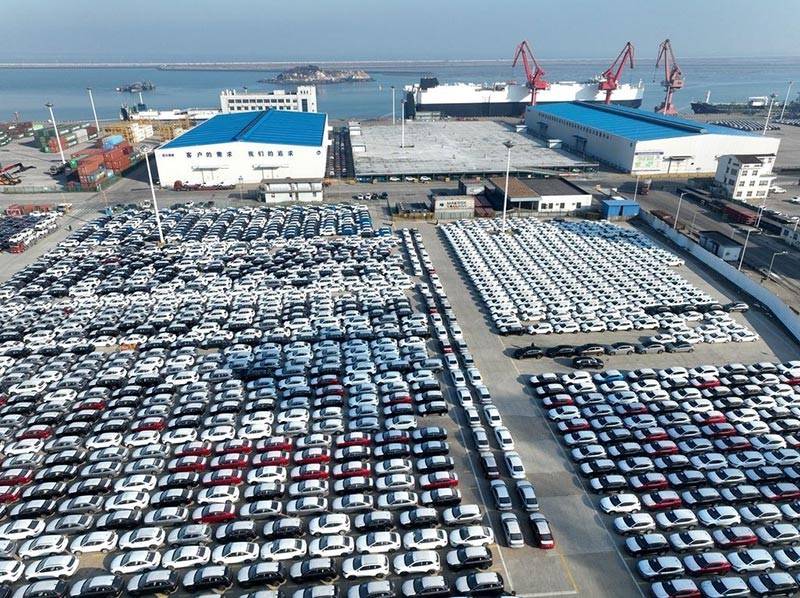
帮主郑重:鲍威尔一盆冷水,美股决议日遇冷
Sou Hu Cai Jing· 2025-07-31 03:21
Group 1 - The Federal Reserve did not change interest rates, but there were multiple dissenting votes from board members, marking the first time since 1993 that this has occurred, indicating significant internal disagreement [3] - Market reactions were mixed, with the Dow Jones falling over 170 points, while the Nasdaq saw a slight increase, suggesting a lack of consensus among investors [3] - Major tech stocks showed varied performance; Nvidia reached a historic high with a market cap exceeding $4.37 trillion, while Apple and Tesla experienced slight declines [3] Group 2 - Chinese concept stocks mostly declined, with Alibaba and Pinduoduo under pressure, reflecting broader market sentiment and external factors [4] - The Federal Reserve's emphasis on a stable labor market and improving inflation signals a gradual approach to policy adjustments, suggesting no sudden changes are expected [4] - The market is currently focused on guessing future signals, with a recommendation to pay attention to fundamental company performance rather than short-term fluctuations [5]