
医药创新

Search documents
阿斯利康携手本土企业:从赋能到共创,重塑全球创新价值链
2 1 Shi Ji Jing Ji Bao Dao· 2025-11-07 15:00
Core Insights - The 8th China International Import Expo (CIIE) showcased a strong focus on the medical devices and healthcare sector, with AstraZeneca being a prominent participant, highlighting its commitment to innovation and investment in the Chinese market [1][2] - AstraZeneca has introduced 20 innovative products over the past eight years, addressing various medical needs across multiple disease areas, and is actively promoting Chinese innovations on a global scale [1][4] - The company has evolved its collaboration model in China from simple licensing to a comprehensive ecosystem approach, emphasizing research and development partnerships, strategic investments, and AI integration [2][6] Company Strategy - AstraZeneca's long-term presence in China since 1993 has allowed it to align closely with the development of the local pharmaceutical industry, transitioning from a focus on generic drugs to fostering innovation [2][4] - The company has established a global strategic R&D center in Beijing, marking its commitment to leveraging China's growing innovation ecosystem [4][5] - AstraZeneca's partnerships with local firms, such as the collaboration with Chengyi Biotech, exemplify a shift towards shared risk and reward models, enhancing the capabilities of Chinese biotech firms in global clinical trials [3][6] Industry Trends - The pharmaceutical industry is witnessing a shift in focus from mere capital investment to recognizing the intrinsic value of innovation and efficient R&D capabilities [3][8] - AI technology is becoming integral to drug discovery and clinical development, enhancing efficiency and enabling a collaborative approach between AI systems and research teams [6][8] - The Chinese pharmaceutical market is characterized by unique advantages, including a large patient base and favorable regulatory environments for innovative therapies, positioning local companies for success in early-stage research [7][8]

跨国药企中国两条腿走路:加速全球引进 与本土创新药一起出海
Di Yi Cai Jing· 2025-11-07 09:21
Core Insights - The rapid development of China's biopharmaceutical sector has prompted multinational pharmaceutical companies (MNCs) to adjust their strategies, focusing on increased investment in the Chinese market and accelerating the introduction of global innovative products into China [1][2] - MNCs are adopting a dual strategy of enhancing local market engagement while leveraging Chinese innovations to expand globally [1][2] Group 1: MNC Strategies in China - GSK's strategy emphasizes China as a source of innovation and aims to establish it as a global innovation center [1][4] - The CEO of Kelsey Group highlighted three strategic focuses: increasing investment in China, accelerating the introduction of global innovations, and integrating Chinese innovations into the global system [1][2] - The collaboration between Hengrui Medicine and GSK aims to develop up to 12 innovative drugs, with GSK committing a total of $500 million in upfront payments and potential milestone payments of approximately $12 billion [2][3] Group 2: Market Dynamics and Collaborations - China has become the second-largest source of projects for the top 20 MNCs, with a total of $39.4 billion in innovative drug assets introduced from January to August 2025, accounting for 37.4% of global transaction volume [2] - The license-out total for Chinese innovative drugs reached $92.03 billion in the first three quarters of 2025, indicating a surge in BD transactions [2] - Kelsey Group's partnership with Haisco for the innovative drug HSK31858 represents a significant step in pushing Chinese innovations to a global audience [4][5] Group 3: Investment and Growth in China - Kelsey Group reported a 22% revenue growth in the Chinese market for the 2024 fiscal year, with a 30% increase in local staff over the past two years [7][9] - The company aims to include China in early-stage global clinical trials to expedite the launch of innovative drugs [7] - Boehringer Ingelheim plans to invest over 5 billion RMB in R&D in China over the next five years, focusing on metabolic, inflammatory, eye health, and oncology areas [9] Group 4: Importance of Trade Shows - The China International Import Expo (CIIE) serves as a crucial platform for MNCs to showcase innovations and foster partnerships [8][9] - GSK and Boehringer Ingelheim utilize CIIE to launch new products and enhance their visibility in the Chinese market [9][10] - GSK's innovative drug, New Kela, exemplifies the successful transition from exhibition to market, receiving regulatory approval shortly after its debut at CIIE [10]
GSK中国总经理余慧明:创新合作,共拓中国健康未来
2 1 Shi Ji Jing Ji Bao Dao· 2025-11-05 23:19
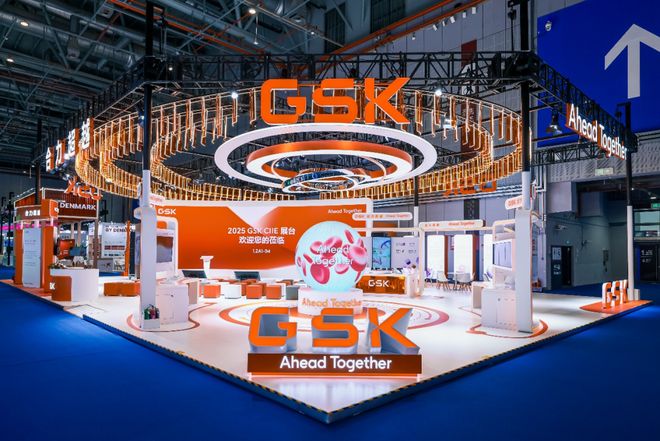
Core Insights - The China International Import Expo (CIIE) serves as a vital bridge for global trade resources and promotes the integration of domestic and international industries, showcasing China's market vitality and providing a stable development platform for global trade [1][3] Group 1: CIIE's Role and Impact - Since its inception in 2018, CIIE has transformed exhibits into commodities and exhibitors into investors, highlighting its role in international procurement, investment promotion, cultural exchange, and open cooperation [3] - GSK has participated in CIIE for eight consecutive years, evolving from a witness to a participant and promoter of China's economic development [3][5] - CIIE is recognized as a high-quality platform that reflects China's reform and opening-up achievements, enhancing the business environment for foreign enterprises like GSK [3][5] Group 2: GSK's Commitment to China - GSK views China as a core growth engine and a significant source of global innovation, particularly in biopharmaceuticals and artificial intelligence [5][10] - GSK's commitment to China includes establishing a global innovation center and aligning its product pipeline with China's health strategies [10][12] Group 3: Innovation and Collaboration - The Chinese innovative pharmaceutical sector has seen explosive growth, with domestic companies emerging as key players in global pharmaceutical innovation [6][11] - CIIE facilitates the rapid introduction of innovative drugs and medical solutions to Chinese patients, enhancing collaboration between international and domestic pharmaceutical resources [6][11] - GSK plans to showcase approximately 20 innovative products at this year's CIIE, focusing on respiratory, immunology, and oncology areas [8][10] Group 4: Strategic Partnerships - GSK collaborates with local partners to enhance the accessibility of its products and supports various health initiatives in China [11][12] - The company is actively exploring diverse collaboration models with local biopharmaceutical firms, including a recent agreement with Hengrui Medicine to co-develop up to 12 innovative drugs [12][13] Group 5: Future Outlook - CIIE exemplifies the deep integration of China with the global economy and serves as a platform for multinational companies to connect with Chinese market demands [13] - GSK is committed to increasing its investment in China, focusing on local innovation capabilities and creating a win-win industrial ecosystem [13]


跨国药企进博会“秀肌肉”,在华建厂买创新药
3 6 Ke· 2025-11-05 12:34
Core Insights - The 8th China International Import Expo (CIIE) opened in Shanghai on November 5, 2023, with the theme "Open Up to Create New Opportunities, Collaborate to Share a New Future," attracting participation from 155 countries and regions, with over 4,108 foreign enterprises exhibiting, marking a new high in scale [1][3] Industry Developments - Multinational pharmaceutical companies are increasingly establishing R&D centers in China, with Astellas announcing its first innovation R&D center in Beijing on October 27, 2023, complementing its existing centers in Tokyo, San Francisco, Boston, Chicago, and Cambridge [3][4] - Major pharmaceutical companies like AstraZeneca and Boehringer Ingelheim have announced new investment plans in China, with AstraZeneca planning to invest $2.5 billion (approximately 18 billion RMB) and Boehringer Ingelheim over 5 billion RMB [4][5] - The trend of multinational companies acquiring innovative drug assets in China is accelerating, with companies like Takeda and Pfizer making significant investments to secure innovative drug assets, setting new records for business development (BD) transaction volumes in the Chinese innovative drug market [4][5] Market Positioning - China is evolving from a passive consumer market to a global innovation hub for multinational pharmaceutical companies, participating deeply in the entire process from R&D to production and sales [5][6] - By 2024, over 20% of the top 100 life sciences research institutions in the Nature Index will be in China, and the number of clinical trials initiated in China is expected to approach 2,000, reflecting a significant increase in China's innovation capabilities [6][7] Collaborative Trends - The number of multinational pharmaceutical companies establishing R&D centers in China has surged, with at least eight companies announcing new centers in October 2023 alone, including Eli Lilly, Pfizer, Bayer, and AstraZeneca [8][9] - Eli Lilly has invested over 20 billion RMB in China, focusing on a full industry chain layout from R&D to commercialization, and plans to continue expanding its local collaborations [10][11] Investment and Business Development - The total amount of innovative drug licensing agreements from China has surpassed $100 billion, with significant growth in transaction volumes and values, indicating a robust BD trend in the Chinese pharmaceutical market [15][16] - Notable transactions include Pfizer's $12.5 billion upfront payment for a breakthrough drug and Takeda's recent collaboration with Innovent Biologics involving a potential total deal value of up to $11.4 billion [16][17] Future Outlook - The trend of multinational companies seeking innovative resources in China is expected to continue, driven by the need to fill revenue gaps due to patent expirations in the U.S. and Europe [18][19] - The influence of Chinese biotech on the global market is growing, with projections indicating that by 2040, 35% of FDA-approved innovative drugs may originate from China [19]




医药生物:25Q3:创新药、CXO及上游业绩持续亮眼
Huafu Securities· 2025-11-02 12:12
Investment Rating - The report maintains an "Outperform" rating for the pharmaceutical sector [7] Core Views - The pharmaceutical sector has shown resilience with a 1.2% increase in the CITIC Pharmaceutical Index, outperforming the CSI 300 Index by 1.6 percentage points during the week of October 27-31, 2025 [3][54] - The overall revenue growth for the pharmaceutical sector in Q1-Q3 2025 was -2%, with a net profit decline of -1%. However, Q3 2025 showed signs of improvement with a 0% revenue growth and a -3% net profit growth compared to Q2 2025 [4][17] - The report highlights the strong performance of innovative drugs, CXO, and upstream sectors, indicating a positive outlook for these segments [4][25] Summary by Sections Weekly Market Review - The CITIC Pharmaceutical Index increased by 1.2% during the week, ranking 13th among CITIC's primary industry classifications. Year-to-date, the index has risen by 22%, also ranking 13th [3][54] - The top five performing stocks for the week included HeFu China (+49.0%), NuoSiGe (+36.7%), SanSheng GuoJian (+33.1%), ChangShan Pharmaceutical (+29.6%), and ZhenDe Medical (+26.6%) [3][70] Q3 Performance Overview - The pharmaceutical sector's overall revenue growth for Q3 2025 was 0%, with a net profit decline of -3%. The highest revenue growth was seen in Bio-Tech, Bio-Pharma, and home-use devices [4][17] - The report notes that the Bio-Pharma segment has consistently shown strong revenue growth since Q1 2023, indicating a robust performance trend [18][25] Subsector Analysis 1. **BioPharma/Biotech** - Q3 2025 saw significant growth due to multiple innovative drug approvals, with expectations for continued high growth in 2026 [25] 2. **Pharma** - The sector faced challenges with a -1% revenue decline in Q3 2025, but upcoming healthcare negotiations may provide revenue boosts [26] 3. **CXO** - The CXO sector reported a 10% revenue increase and a 51% net profit increase in Q3 2025, with a positive outlook for Q4 and 2026 [31] 4. **Upstream** - The upstream sector's revenue reached 4.4 billion yuan in Q3 2025, showing a 13.1% year-on-year growth, with expectations for further growth in 2026 [30] 5. **Medical Devices** - The medical devices sector reported a 10.6% revenue increase in Q3 2025, with a positive outlook for continued growth [41] Recommendations - The report suggests focusing on high-quality innovative drug leaders and the CXO sector, particularly companies like SanSheng Pharmaceutical, XinDa Bio, and Kangfang Bio [5][25]
今年中国医药对外授权合作破千亿美元,但基础研究薄弱问题还未扭转|“十五五”产业前瞻
Di Yi Cai Jing· 2025-10-30 10:43
Core Insights - The Chinese pharmaceutical industry has made significant progress in innovation, with total licensing amounts for innovative drugs exceeding $100 billion in 2023, marking a historical high for a single year [1] - Despite these achievements, the fundamental research capabilities remain weak, necessitating urgent attention to enhance original innovation and core technology development [1][2] Group 1: Challenges in Innovation - Six major challenges facing Chinese innovative drugs include urgent medication needs for major chronic and infectious diseases, imbalance in disease spectrum matching, weak original innovation capacity, concentrated R&D efforts, lack of international clinical research layout, and the need for improved collaboration among national strategic scientific forces [2] - The proportion of potential first-in-class drugs in the pipeline for the top 20 multinational pharmaceutical companies globally is 38%, while for the top 20 Chinese companies, it is only 13% [2] - Current core technologies in biomedicine, such as antibody technology and CAR-T, are not originally developed in China, indicating a lack of sustainable, source-based technological output [2][6] Group 2: Evolution of Clinical Research - Over the past decade, there has been a significant transformation in China's oncology field, with Chinese doctors now becoming principal investigators in large international studies, a scenario unimaginable two decades ago [3][5] - Previously, Chinese doctors had limited participation in international clinical trials, often relegated to minor roles without decision-making power [4][6] Group 3: Need for Fundamental Research - To achieve self-reliance and strength in innovative drugs, China must enhance foundational research, which should primarily be driven by universities and research institutions rather than clinical doctors or small pharmaceutical companies [7] - Current collaboration between industry, academia, and research is often ineffective, leading to a disconnect between basic research and clinical needs [7] Group 4: Strategic Initiatives for Improvement - The new round of the "National Major Special Project for Innovative Drugs" will focus on four key transformations: shifting from product-oriented to capability-oriented development, emphasizing upstream innovation chains, prioritizing original drug development over generics, and focusing on unmet clinical needs [8]

第十届医药创新与投资大会在南京江北新区举行
Zhong Guo Jing Ji Wang· 2025-10-30 07:07
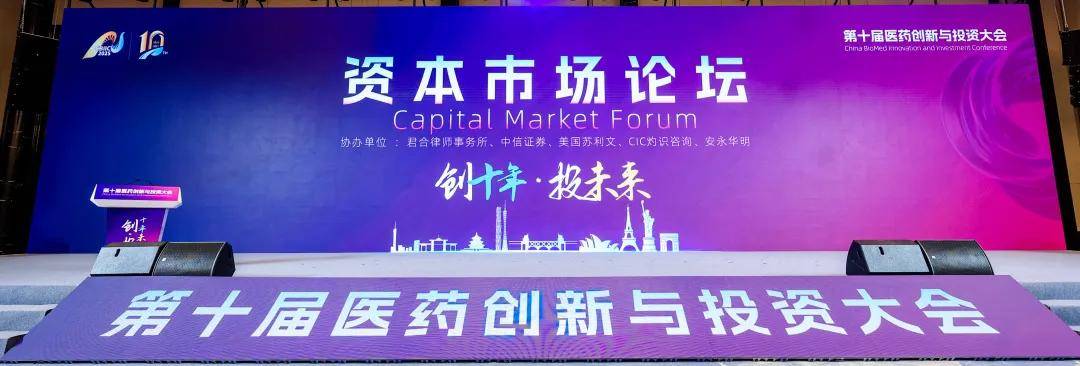
Group 1 - The 10th Pharmaceutical Innovation and Investment Conference was held in Nanjing Jiangbei New Area, showcasing 8 innovative drugs with clinical data [1] - The conference has been a platform for discussing global pharmaceutical innovation trends since its inception in 2016, becoming a "barometer" for domestic pharmaceutical innovation and investment [1] - This year's conference featured various sub-forums focusing on cutting-edge areas such as anti-tumor drugs, gene and cell therapy, and AI-enabled pharmaceutical research and development [1] Group 2 - Nanjing Jiangbei New Area's biopharmaceutical industry has attracted attention from the capital market, with companies like Yaojie Ankang and Weili Zhibo successfully listing on the Hong Kong Stock Exchange [2] - The Jiangbei New Area has cultivated 7 listed companies in the biopharmaceutical sector, with several more in the pipeline for IPOs, including Yingshi Biotechnology and Yingpai Pharmaceutical [2] - The biopharmaceutical park in Jiangbei New Area spans 20.51 square kilometers and houses over 1,300 biopharmaceutical companies, ranking 8th in national competitiveness [1]
安永受邀出席第十届医药创新与投资大会
Sou Hu Cai Jing· 2025-10-29 14:21
Core Insights - The 10th Pharmaceutical Innovation and Investment Conference was held in Nanjing, co-hosted by the China Pharmaceutical Innovation Promotion Association and the Hong Kong Stock Exchange, focusing on opportunities and trends in China's pharmaceutical industry [2] - Ernst & Young has participated in this conference for the seventh time since 2018, co-hosting the Capital Market Forum, which discussed key topics such as the development trends in the healthcare industry and the dynamics of domestic and international listings [2][5] - The forum featured discussions on the challenges and opportunities for unprofitable innovative pharmaceutical companies following the reintroduction of the fifth set of standards for the Sci-Tech Innovation Board [5][6] Group 1: Capital Market Forum - The forum provided a platform for policy interpretation, experience sharing, and resource connection among participants from various sectors [2] - Discussions included the financing paths for unprofitable biotech companies and strategies for capturing market opportunities while enhancing internal capabilities [5] - Participants emphasized the importance of solid clinical data to achieve better performance in the capital market [6] Group 2: Tax and Regulatory Considerations - Tax regulatory scrutiny on large cross-border transactions in biotech firms has increased, prompting recommendations for early-stage global intellectual property arrangements to alleviate tax burdens [8] - Companies are advised to consider the implications of different accounting standards and listing rules when preparing for overseas listings, particularly in Hong Kong [10][12] Group 3: Financial Preparation for Listings - Financial preparation is critical for companies transitioning from A-share to Hong Kong listings, with a focus on ensuring consistency in financial disclosures [12] - The listing process is described as a comprehensive undertaking that requires meticulous planning across financial, legal, and operational aspects [12]
论坛一览|启航新征程·国泰海通2026年度策略会
国泰海通证券研究· 2025-10-29 13:20
Core Insights - The article discusses the upcoming Guotai Junan Securities 2026 Annual Strategy Conference, highlighting its significance in addressing market trends and investment opportunities for the upcoming year [2]. Event Overview - The conference will take place from November 4 to 6, 2025, at the China Grand Hotel in Beijing, featuring over 800 listed companies and nearly 30 sub-forums [2]. - The event will host more than 100 industry experts, providing a comprehensive research lineup across various fields [2]. Forum Highlights - The main forum on November 4 will cover topics such as AI development, technology independence, and the evolution of the entertainment industry [3]. - Sub-forums will focus on themes like new consumer trends, AI computing networks, and investment strategies in the context of global changes [4]. - On November 5, discussions will include the dynamics of new energy investments targeting Generation Z and the implications of international relations on market strategies [4]. - The final day will address emerging trends in emotional consumption, asset allocation strategies, and the outlook for the Chinese market [4]. Research and Services - The article emphasizes the availability of further research and services from Guotai Junan Securities, encouraging interested parties to contact their sales representatives for more information [5].


直击第十一批国采:企业报价平稳 453个产品获拟中选资格
2 1 Shi Ji Jing Ji Bao Dao· 2025-10-28 18:15
Core Insights - The eleventh round of national organized drug procurement has selected 55 drugs, enhancing accessibility and affordability for patients [1][2] - The procurement aims to stabilize clinical use and ensure drug quality while preventing excessive competition and collusion among companies [3][4] Group 1: Procurement Details - A total of 4.6 million medical institutions participated, with 445 companies submitting bids, resulting in 453 products from 272 companies being shortlisted [1] - Key selected drugs include Dapagliflozin and Pravastatin, both of which achieved over 1 billion yuan in sales in 2024 [1] - The procurement process has successfully completed 11 rounds, acquiring a total of 490 drugs [2] Group 2: Market Competition and Pricing - The procurement introduced measures to prevent excessive competition, such as not collecting bids for products priced below 10 million yuan and setting a price anchor at 50% of the average price [3][4] - The average price difference for selected products has decreased compared to previous rounds, indicating a more stable pricing environment [3] - The procurement rules restrict any single company from winning more than 50% of the total procurement volume for a specific drug, promoting market diversity [6] Group 3: Clinical and Quality Assurance - The procurement process allows medical institutions to report quantities based on either generic names or specific brands, with 77% of institutions opting for brand reporting [5][6] - The focus on children's medication has been emphasized, with adjustments made to ensure the availability of suitable formulations for pediatric patients [7] - Stringent quality control measures are in place, including consistency evaluations and increased regulatory oversight for low-bid companies [8] Group 4: Industry Impact - The procurement is expected to indirectly support innovation by stabilizing profits for generic drugs, allowing companies to invest in research and development [8] - The introduction of a "revival mechanism" for non-selected bids provides companies with a second chance to secure market share, reducing market volatility [8] - The industry is witnessing a shift towards innovation, with an increasing number of companies focusing on developing new drugs rather than solely relying on generics [8]