南南合作

Search documents
世界银行官员:中国经验助力非洲高等教育提升创新能力 | 世界观
Zhong Guo Xin Wen Wang· 2025-11-10 05:32
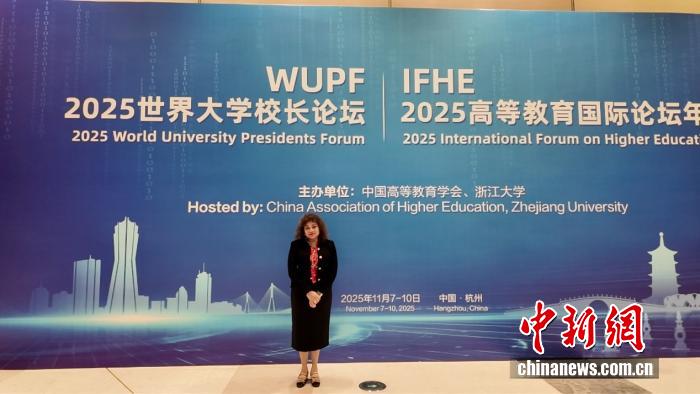
Core Viewpoint - The World Bank emphasizes the significant role of China's experience in enhancing innovation capabilities in higher education across Africa, highlighting ongoing collaborations between Chinese and African universities [1][3]. Group 1: Collaboration Initiatives - In 2022, the African University Association and the Chinese Higher Education Association signed a memorandum of understanding to strengthen ties between Chinese and African universities, focusing on joint research, scholarship programs, and academic exchanges [3]. - China plans to facilitate cooperation between 20 universities and 20 universities in 17 African countries, aiming to enhance application research and skills training [3]. Group 2: Educational Insights - The World Bank official noted that China's advancements in education are noteworthy and provide valuable lessons for the global community [3]. - There is particular interest in China's exploration of skills training and the integration of industry with academia, which has led to successful transformation of research outcomes into innovative applications [3]. Group 3: South-South Cooperation - China is recognized as a key partner in South-South cooperation, supporting African research and skills training projects to foster innovation in the education sector [3].

联合国视线|达贝妮:全球南方崛起与非洲能源独立
Sou Hu Cai Jing· 2025-11-10 04:54
Core Insights - The rise of the Global South is a tangible economic and technological reality, marking a return to development autonomy and reflecting the inherent requirements of inclusive multilateralism advocated by the United Nations [3] - Africa's energy independence is crucial for its development, emphasizing the need for African nations to control their energy resources and transition towards sustainable energy solutions [4][10] Group 1: Global South and Energy Trends - The Global South's rise is no longer a conceptual political narrative but a concrete economic and technological reality, indicating a shift towards development autonomy [3] - By 2030, Africa is expected to increase its renewable energy capacity by approximately 70 gigawatts, doubling its existing installed capacity, with South Africa contributing to 40% of this growth [3] - The African Energy Chamber aims to ensure that Africa not only participates in the global energy transition but also occupies a significant position in the new energy landscape [3] Group 2: Challenges to Energy Independence - Despite the potential, Africa faces significant challenges on the path to energy independence, including policy uncertainty and financing issues, which are critical constraints on renewable energy adoption [5] - High-interest rates in Global South countries can consume up to 60% of the costs of clean energy projects, while inadequate grid infrastructure remains a key bottleneck [5] Group 3: Sino-African Energy Cooperation - China has become an indispensable strategic partner for African nations, with significant investments in renewable energy projects, particularly solar and wind, which account for 59% of China's energy projects in Africa [6] - From 2020 to 2024, China's exports related to solar and wind energy to Africa surged by 153%, highlighting the growing collaboration in the energy sector [6] Group 4: Diverse Energy Cooperation Areas - Sino-African energy cooperation is diversifying, with solar photovoltaic industries leading renewable energy growth in Africa, and significant investments in energy infrastructure by Chinese companies [8] - Africa is developing a diverse energy structure based on its resource advantages, with Ethiopia increasing its hydropower capacity by 4.2 gigawatts through the Grand Renaissance Dam [8] Group 5: Future Prospects and Inclusive Energy Development - The future of African energy development is promising, with projected capital expenditures in the oil and gas sector reaching $43 billion by 2025 and $54 billion by 2030 [9] - African nations are actively pursuing emerging fields like green hydrogen, with countries such as Mauritania, Namibia, and South Africa leading large-scale development efforts [9]
第八届进博会丨联合国儿基会代表:中国为全球南方青年创新注入动能
Xin Hua Wang· 2025-11-09 01:30
Core Viewpoint - The UNICEF representative highlights China's role in empowering youth innovation in the Global South through South-South cooperation, particularly during the China International Import Expo, which serves as a platform for trade and youth entrepreneurship [1][2]. Group 1: Youth Innovation and Development - The China International Import Expo facilitates communication, skill training, and market expansion for young entrepreneurs from developing countries, allowing them to share in China's innovation opportunities [1]. - Despite the potential, two-thirds of youth globally lack the skills needed for future economic development, with nearly 90% of girls and young women in low-income countries unable to access the internet [2]. Group 2: Digital Empowerment and Education - China is recognized as a leader in emerging technologies like artificial intelligence, and promoting its digital achievements can help bridge the digital divide in Global South countries [4]. - UNICEF is collaborating with the Chinese government to implement digital education solutions and green skills training, enhancing youth entrepreneurship in sustainable agriculture and climate technology [4][5]. Group 3: Global Cooperation and Impact - Since 1979, UNICEF has worked closely with the Chinese government on various initiatives, achieving significant results in education, health, nutrition, child protection, and youth empowerment across over 20 countries in Africa and Asia [5]. - The UNICEF representative emphasizes the importance of investing in youth and human capital to foster inclusive growth and innovation, calling for greater attention to children's and youth's development [5].

“全球南方”故事有新篇
Jing Ji Ri Bao· 2025-11-07 22:13
Core Insights - The China International Import Expo (CIIE) provides a significant platform for global South countries, offering opportunities for collaboration and development amidst current global economic challenges [1][2][3] - The contribution of global South countries to world economic growth has risen to approximately 80%, yet their participation in international events remains limited due to various barriers [1][2] Group 1: Opportunities for Global South Countries - CIIE has established a dedicated section for least developed countries, showcasing unique products such as honey from Zambia, handmade wool carpets from Afghanistan, and coffee beans from Ethiopia, attracting considerable attention from buyers [2] - The expo has implemented measures such as free standard booths for least developed countries, a logistics subsidy system, and a green customs clearance channel, significantly lowering the barriers for participation [2][3] Group 2: China's Commitment to Global South Cooperation - China, as the largest developing country, is dedicated to enhancing South-South cooperation and has provided development assistance to over 160 countries while collaborating with more than 150 countries and 30 international organizations on initiatives like the Belt and Road [3] - The establishment of the "China-UN Global South Development Support Mechanism" aims to accelerate the achievement of sustainable development goals through practical tripartite cooperation [3]
聚焦进博|激发全球南方合作新活力
Guo Ji Jin Rong Bao· 2025-11-07 06:35
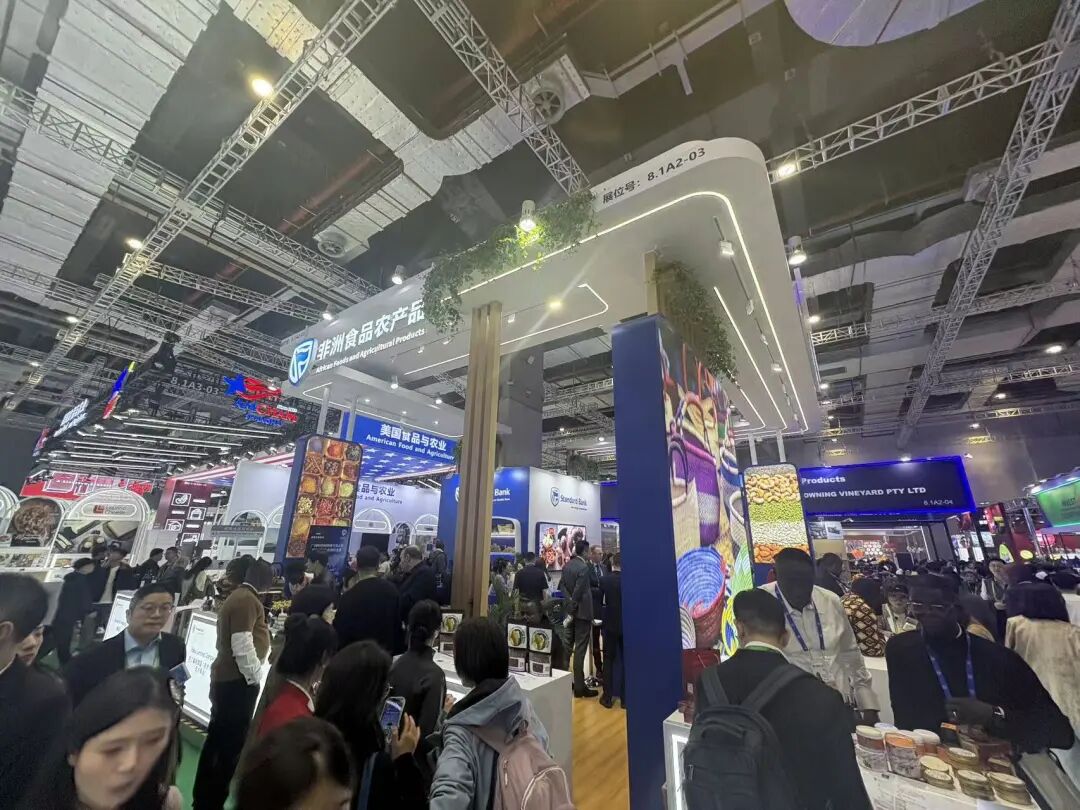
Group 1: Forum Highlights - The Hongqiao International Economic Forum held a sub-forum titled "Deepening Global South Cooperation Towards Common Prosperity," focusing on multilateralism, enhancing economic resilience in the Global South, and promoting sustainable agricultural development [1] - The China International Import Expo (CIIE) expanded the African product area to include an "Asia-Africa Product Zone," showcasing high-quality agricultural products and cultural features from Asia and Africa, reflecting China's commitment to opening up and promoting cooperation among Global South countries [1] Group 2: Standard Bank Group's Participation - Standard Bank Group, one of Africa's largest banking groups, has organized African enterprises to participate in the CIIE for five consecutive years, showcasing products from 23 agricultural and food companies from over 20 African countries [3] - The bank has helped over 180 African agricultural enterprises enter the Chinese market, with this year's exhibition being larger and more effective than previous years, indicating a more mature understanding of Chinese consumer demands [5] Group 3: Trade Agreements and Collaborations - Standard Bank signed a memorandum of cooperation with the China Chamber of Commerce for Foodstuffs and Native Produce (CFNA) to deepen collaboration in agricultural trade and sustainable supply chains [7] - South African company Carmen Tea successfully signed an agreement to export tea to China, while Kenyan coffee producers established long-term supply partnerships with Chinese buyers, highlighting the significance of these collaborations for African SMEs [7] Group 4: South African Market Expansion - Tiger Consumer Brands Ltd, a leading fast-moving consumer goods company in South Africa, aims to leverage the CIIE platform to expand its market presence in China [8] - The South African government emphasizes the CIIE as a vital platform for promoting trade and cooperation, noting the significant opportunities presented by the Chinese market [10] Group 5: Rwandan Coffee Export Plans - Rwandan coffee brand OneCup plans to export approximately 20 tons of coffee to China this year, capitalizing on the favorable trade relations and zero-tariff policies between China and Rwanda [16] - The company aims to establish long-term partnerships with Chinese traders and retailers through the CIIE, enhancing the visibility of Rwandan coffee in the Chinese market [16] Group 6: Joy Wing Mau's Global Cooperation - Joy Wing Mau Chile Co., Ltd. showcased its fruit products at the CIIE, emphasizing its global cooperation model that connects high-quality orchards from over 40 countries to the Chinese market [18] - The company reported a transaction volume exceeding 230,000 tons annually, with a focus on enhancing the freshness and efficiency of imported fruits through new shipping routes [20] Group 7: Iranian Rose Products - Dorrin Golab Adonis Ghamsar Kashan Co. from Iran showcased its Damascus rose products at the CIIE, highlighting the historical significance and quality of its offerings [22] - The company has successfully introduced its products to the Chinese market, with annual sales of nearly one million bottles of rose water, reflecting the growing interest in natural products among Chinese consumers [23]
中国市场有机遇也有温度
Jing Ji Ri Bao· 2025-11-06 22:07
Core Insights - The China International Import Expo (CIIE) serves as a platform for enhancing cooperation between China and African countries, particularly the least developed nations, promoting mutual benefits and inclusivity [1][2] Group 1: Economic Partnerships - China is actively signing economic partnership agreements, implementing 100% zero-tariff policies on products from 53 African countries, with the Republic of Congo being the first to benefit from this initiative [1] - The signing of the early harvest arrangement between China and the Republic of Congo marks a significant step in enhancing bilateral trade relations [1] Group 2: Participation and Growth - The current CIIE has established a dedicated area for the least developed countries, attracting 163 enterprises from 37 such nations, representing a 23.5% year-on-year increase [1] - The number of African enterprises participating in the expo has surged by 80% compared to the previous year, indicating a growing interest and engagement from the continent [1] Group 3: Market Opportunities - The CIIE provides a platform for countries like Rwanda to expand their exports of coffee, tea, and peppers, benefiting from China's market access, technology exchange, and investment [2] - The collaboration between Rwanda and China exemplifies the spirit of South-South cooperation, contributing to agricultural transformation and sustainable development in Rwanda [2]
与天下同利! 第八届进博会昨开幕
Mei Ri Jing Ji Xin Wen· 2025-11-05 14:46
Core Points - The 8th China International Import Expo (CIIE) opened in Shanghai, emphasizing the theme of "shared benefits with the world" as highlighted by Premier Li Qiang [1][6] - The event attracted 155 countries and regions, with over 43 million square meters of exhibition space, marking record participation with 600 new exhibitors compared to last year [6][10] - The expo has generated over $500 billion in intended transactions over the past seven years, integrating foreign and domestic enterprises into the global value chain [6][7] Group 1: Event Overview - The CIIE has become a global market symbol, showcasing the commitment to open trade and international cooperation [6] - The event features a diverse range of exhibitors, including 290 Fortune 500 companies, indicating strong global interest [6][10] - The atmosphere at the expo is vibrant, with attendees engaging in discussions and networking, reflecting a positive sentiment towards China's market [3][4] Group 2: Focus on Innovation and Technology - The expo highlights advancements in various sectors, including autonomous driving, healthcare, and artificial intelligence, with notable products like Tesla's Cybercab making their Asia debut [10][11] - Companies are showcasing innovative solutions that address contemporary challenges, such as Boston Scientific's Orbera365 for obesity treatment and Siemens' rapid imaging technology [11] - The emphasis on high-tech and sustainable development aligns with global trends towards ESG (Environmental, Social, and Governance) principles [9][10] Group 3: Support for Developing Countries - China is implementing zero-tariff policies for least developed countries, enhancing market access for African products and promoting agricultural and manufacturing growth [7][8] - The expo includes dedicated spaces for African products, reinforcing China's commitment to supporting developing nations through trade [6][7] - The importance of a fair trade system for economic recovery in developing countries is underscored by industry leaders [7]

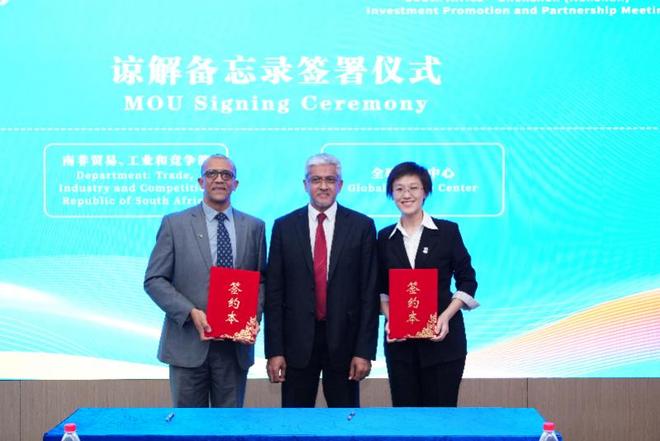
全球服务中心助力深圳南山与南非合作跑出“加速度”
Nan Fang Du Shi Bao· 2025-11-04 15:27
Core Insights - The cooperation between Shenzhen (Nanshan) and South Africa has accelerated significantly, completing a formal agreement in just over six months, marking a new phase in trade and investment collaboration [1][6] - The signing of a memorandum of understanding between the South African Department of Trade, Industry and Competition and the Global Service Center signifies a structured approach to enhance cooperation in various sectors [1][9] Group 1: Historical Context and Development - Since the establishment of diplomatic relations in 1998, China and South Africa have developed a comprehensive partnership, with significant milestones including the signing of a partnership declaration in 2000 and a comprehensive strategic partnership in 2010 [3] - By 2014, bilateral trade reached $60.3 billion, highlighting the economic complementarity and potential for cooperation between the two nations [3] Group 2: Local Cooperation and Economic Impact - Local cooperation has been a vital component of the national relationship, with Shenzhen being recognized as a model for high-quality urban development [5] - Nanshan, as a core area for technological innovation and economic development in Shenzhen, has seen substantial investments from companies like Huawei and Mindray Medical, further solidifying the foundation for cooperation with South Africa [5][8] Group 3: Industry Complementarity and Market Potential - The urgency for collaboration is driven by the complementary industrial structures of both regions, with Nanshan's advanced technology sector aligning well with South Africa's rich natural resources and strategic position in Africa [6] - South Africa's economy, with a GDP of $410 billion and a population of 63 million, presents significant market potential, especially as a gateway to the African Continental Free Trade Area [6] Group 4: Global Service Center and Strategic Initiatives - The Global Service Center, established as the first office outside South Africa, aims to facilitate Chinese enterprises' entry into the African market, showcasing its role as a strategic bridge [8][9] - The center has already engaged in multiple rounds of discussions to match South African market needs with local enterprises, demonstrating its proactive approach to fostering bilateral trade [9] Group 5: Future Prospects and International Engagement - The upcoming APEC meeting in Shenzhen is expected to enhance the city's role in international cooperation, with the partnership between Nanshan and South Africa providing valuable experience for higher-level exchanges [11] - The collaboration is poised to create new opportunities for regional economic cooperation and global innovation, reflecting a robust and dynamic partnership [11]



联合国粮农组织“全球南方土壤可持续管理能力建设”蒙古国项目启动
人民网-国际频道 原创稿· 2025-10-30 07:49
Core Viewpoint - The launch of the "Global South Soil Sustainable Management Capacity Building" project in Mongolia aims to enhance soil management capabilities and support food security and ecological stability in the country [1]. Group 1: Project Launch - The project was inaugurated on October 29 in Ulaanbaatar, attended by representatives from China, Mongolia, and the Food and Agriculture Organization (FAO) [1]. - The project is part of the FAO's South-South cooperation framework, with China being a leading contributor in terms of aid, expert deployment, and project implementation [1]. Group 2: Statements from Officials - Chinese Ambassador to Mongolia, Shen Minjuan, expressed China's commitment to sharing technical expertise with Mongolia to combat land degradation and support food security [1]. - Mongolian Secretary of State for Food, Agriculture, and Light Industry, Jiang Baceiren, emphasized the connection between soil protection and food security, expressing gratitude for the support from China and the FAO [1]. - FAO officials highlighted Mongolia's vast black soil resources and the project's role in helping the country achieve the United Nations' 2030 Sustainable Development Goals [1].
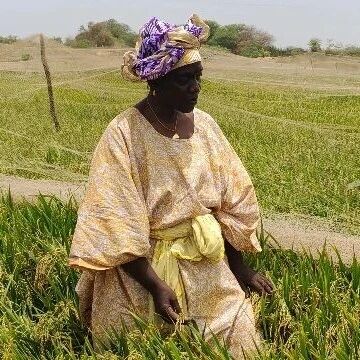
从“年年买种”到“多赢未来”!中国“自留种”推动南南合作,孕育稻米新未来
第一财经· 2025-10-29 10:44
Core Viewpoint - The article discusses the complexities of global food security, emphasizing the impact of climate change and geopolitical challenges on food prices and availability, particularly for low-income populations. It highlights the importance of innovation in addressing these issues [3]. Group 1: Agricultural Innovation - China is increasingly playing a significant role in global agricultural innovation, which includes not only technological advancements but also business model and policy innovations [4]. - Hybrid rice, developed in China, is recognized as a key technology for addressing food shortages in developing countries, often referred to as the "second green revolution" [4]. - There is ongoing potential for innovation in hybrid rice, particularly in developing self-replicating seeds through asexual reproduction methods, which could reduce costs for farmers [5]. Group 2: International Collaboration - The success of asexual reproduction rice technology has garnered international attention, with organizations like the Gates Foundation and CGIAR involved in trials and research in Africa [6]. - Collaboration between China and CGIAR is seen as mutually beneficial, with both parties sharing knowledge and resources to enhance agricultural research and development [7]. - CGIAR's extensive resources, including gene banks and research facilities, are viewed as invaluable for future agricultural innovation [7]. Group 3: African Agricultural Potential - Africa has the largest amount of arable land globally but faces challenges with low yields and significant rice imports, highlighting a paradox in its agricultural potential [8]. - The development of African agriculture is expected to reduce dependency on international markets and potentially create food export capabilities, benefiting both Africa and China [9]. - A more resilient global food system is anticipated as African agricultural productivity increases, leading to a more balanced supply and demand in the market [9].