品牌溢价

Search documents
中产开始抢购散装奢侈品,奢侈品散装化意味着什么?
3 6 Ke· 2025-09-25 12:53
Core Viewpoint - The rise of "bulk luxury goods" reflects a significant shift in consumer behavior among young Chinese consumers, driven by economic changes and a desire for affordable luxury experiences [3][5][10] Group 1: Market Changes - The luxury goods market in China has evolved from long queues at duty-free shops to a trend of purchasing bulk luxury items, indicating a shift in consumer preferences [1][3] - Young consumers are increasingly turning to second-hand platforms and alternative products to satisfy their luxury desires within budget constraints [3][5] Group 2: Consumer Behavior - The phenomenon of bulk luxury goods is particularly popular among young women, who view purchasing luxury items as a normal part of their lifestyle [5][11] - Consumers are becoming more price-sensitive and are seeking value, leading to the emergence of "平替" (affordable alternatives) and bulk luxury goods as a unique market segment [7][10] Group 3: Pricing Strategies - The pricing strategies of luxury brands, such as Tiffany, reveal significant discrepancies between individual items and bulk purchases, allowing consumers to access luxury products at a fraction of the price [7][10] - The traditional luxury pricing model may face challenges as consumers become more aware of these pricing structures and seek to exploit them [14] Group 4: Psychological Factors - The trend towards bulk luxury goods aligns with the growing consumer preference for "self-indulgent" purchases, where individuals prioritize personal satisfaction and experiences over traditional luxury consumption [11][12] - Social media plays a crucial role in promoting bulk luxury goods, as consumers share their purchases and experiences, enhancing the visibility and appeal of this market segment [12][11] Group 5: Long-term Implications - The rise of bulk luxury goods may disrupt traditional luxury pricing models, compelling brands to reassess their pricing, product design, and marketing strategies to remain competitive [14][10]


3i Group (OTCPK:TGOP.F) Earnings Call Presentation
2025-09-25 09:00
Portfolio Performance - Private Equity and Infrastructure portfolios are performing resiliently despite a subdued macroeconomic environment[6] - Royal Sanders continues to perform well, and the broader PE portfolio shows improving momentum[6] - MAIT's sale was announced earlier this month, with total gross proceeds of approximately £143 million, a roughly 30% increase over its valuation on March 31, 2025, resulting in a 2.7x MM and approximately 27% IRR[6] - Action's year-to-date sales (as of September 21, 2025) reached €10.9 billion, which is 18% higher than the same period last year[6] - Action's year-to-date like-for-like (LFL) sales growth is 6.5% (compared to 6.8% at the end of August 2025), driven by transaction growth in all countries[6] - Action's operating EBITDA for the 12 months leading up to the end of P9 2025 is expected to be approximately €2,295 million, a 21% increase from €1,894 million at the end of P9 2024[6] Action Expansion - Action added 207 net new stores year-to-date and is on track to deliver or exceed 370 net new stores in 2025[6] - Action opened 7 stores in Switzerland year-to-date, and its first store in Romania opened on September 24, 2025[6] Investment and Acquisition - On September 24, 2025, 3i entered into an agreement with GIC to purchase a limited partnership interest representing 2.2% of Action equity in exchange for the issue of 19,916,225 new ordinary shares in 3i Group plc[6] - 3i invested approximately €1.7 billion in consumer businesses over the last 2 years[11] - 3i invested £124 million in MPM[18] - 3i invested approximately €145 million in WaterWipes[49] - 3i invested approximately £53 million in MAIT[95] - 3i invested £99 million in OMS[111] MPM Transaction - The total gross proceeds from the MPM transaction are approximately £400 million, with a money multiple of 3.2x and an IRR of 29%[44]
当“贵”成为试金石,西贝们该交出怎样的答卷???
Jing Ji Guan Cha Bao· 2025-09-17 08:56
Core Viewpoint - The controversy surrounding Xibei's high pricing contrasts sharply with the rising popularity of pre-made dishes, leading to consumer confusion about the value of a bowl of noodles priced at several tens of yuan [1][2] Pricing Logic - Xibei's pricing strategy is based on a combination of cost reduction and brand premium, with prices consistently higher than similar Northwest cuisine restaurants, such as 30-40 yuan for a bowl of noodles and over 20 yuan for a dish of yellow steamed bread [1][2] - The company claims its pricing reflects the use of high-quality ingredients, complex cooking processes, and the overall dining experience, emphasizing a family-friendly dining service rather than a high-end positioning [1][2] Consumer Expectations - Consumers expect a fresh, made-to-order experience when paying higher prices, rather than standardized pre-made dishes, which has led to a broader discussion about the value of pre-made meals in the context of high prices [2][3] - The financial perspective reveals that Xibei's profit margin is around 5%, raising questions about whether brand premium and supply chain efficiency justify the pricing after accounting for raw materials, labor, and rent [2][3] Trust and Quality - The controversy highlights a critical issue in the restaurant industry: high prices do not necessarily equate to high quality, and consumers expect transparency and reasonable value exchange when paying a premium for a brand [2][3] - Maintaining quality while controlling costs is essential; sacrificing quality for cost savings can erode consumer trust, which is fundamental to brand value [3][4] Future Directions - As consumers increasingly prioritize dining quality and health, non-pre-made dish models may become a key differentiator in the competitive landscape, provided that companies establish clear cost control and pricing logic [4][5]
品牌怎么做高端高价?靠这招毛利率高达80%
3 6 Ke· 2025-09-15 09:21
Core Insights - The article emphasizes the importance of profit in business, highlighting that many companies are now realizing that profitability is crucial for attracting investors and sustaining growth [1] - It introduces L'Occitane as a case study of a brand that successfully transformed from a fast-moving consumer goods (FMCG) company to a luxury brand in China, achieving a consistent gross margin above 80% since its entry in 2005 [1][5] Group 1: Brand Strategy - L'Occitane's entry into the Chinese market was marked by a strategic positioning in high-end shopping districts, adjacent to luxury brands like LV and Gucci, which helped establish its premium image [6] - The brand utilized a narrative around Provence culture and natural ingredients, particularly shea butter, to create a compelling story that resonated with Chinese consumers [3][6] - L'Occitane's pricing strategy included high price points for its products, with hand creams starting at 200 RMB, reinforcing its luxury positioning [6] Group 2: Unique Sales Channels - The brand's success is attributed to its innovative use of "high-end special channels," which include partnerships with private banks, luxury hotels, and high-end gift markets, allowing it to reach affluent consumers without direct competition in traditional retail [22][24] - L'Occitane's products are integrated into various high-end settings, such as luxury hotels and banks, enhancing brand visibility and consumer perception of quality [22][23] - The brand has also ventured into unique markets, such as medical supplies, where its products are used in high-end medical equipment, showcasing its versatility and broad appeal [28] Group 3: Lessons for Other Brands - The article suggests that other brands can learn from L'Occitane's approach to building a high-end brand image through strategic channel selection and storytelling [29] - It highlights the importance of timing in entering high-end channels, advocating for early engagement to establish strong partnerships [30] - The concept of creating a "closed loop" between brand image and sales channels is emphasized, where every channel serves both branding and sales purposes [32]
跨境卖家突围指南:独立站从0到1的终极实操手册
Sou Hu Cai Jing· 2025-09-12 05:03
Group 1: Definition and Core Value of Independent Sites - Independent sites are not merely "self-built websites" but serve as independent commercial carriers for brands online, allowing complete control over sales channels [1] - The core value of independent sites lies in three aspects: absolute data sovereignty, multi-dimensional brand premium construction, and optimization of cost structure [1][2][3] Group 2: Core Advantages and Challenges of Independent Sites - Independent sites have three irreplaceable advantages: long-term traffic accumulation, flexible business model expansion, and autonomous compliance risk management [5][6][7][8] - However, they face three significant challenges: continuous investment pressure for traffic acquisition, the need for technical and operational capabilities, and the difficulty of building a long-term operational ecosystem [9][10][11] Group 3: Operational Models of Independent Sites - The SaaS model is a cost-effective choice for quick startup, suitable for sellers with no technical background [12][13][14] - The open-source model allows for personalized customization, ideal for sellers with technical teams or those willing to learn [16][17][18][19] - The custom development model is the ultimate form for high-end brands, requiring significant initial investment and a dedicated technical team [21][22][23] Group 4: Key Steps and Practical Details for Building Independent Sites - Initial planning should focus on defining the business model and target market, utilizing tools like Google Trends and Ahrefs for market analysis [25] - Domain selection is crucial for brand recall, while page design should optimize conversion rates [26][27] - Payment and logistics configurations are essential to avoid transaction losses [28] Group 5: Operational and Traffic Strategies for Independent Sites - SEO is the core engine for low-cost customer acquisition, with strategies for keyword layout and content matrix construction [29][30][31] - Social media marketing should focus on user engagement and influencer collaborations to drive traffic [32][33] - Paid advertising requires precise targeting and ROI optimization through platforms like Google Ads and Meta Ads [34][35][36] - Email marketing is vital for activating private traffic, with strategies for list building and automated workflows [37] Group 6: Tools and Resources for Efficiency Improvement - Recommended tools for site building and design include SaaS platforms like Shopify and design resources like Canva [39] - Marketing and data analysis tools such as Ahrefs and Google Analytics 4 are essential for performance tracking [40] - Logistics and payment tools help manage operations effectively [41] - Learning resources and community platforms provide ongoing support for sellers [42][43] Group 7: Key Success Factors and Pitfalls in Independent Site Operations - Key success factors include optimizing user experience, data-driven continuous improvement, and establishing a compliance framework [44][46] - Common pitfalls include poor server selection, payment gateway misconfiguration, and ineffective keyword strategies, with solutions provided for each [47][48][49][50][51] Group 8: Long-term Value of Independent Sites - Independent sites represent a long-term brand moat for cross-border e-commerce entrepreneurs, emphasizing the importance of patience and strategic resource allocation [52]

谁“杀死”了加拿大鹅?
3 6 Ke· 2025-09-11 11:25
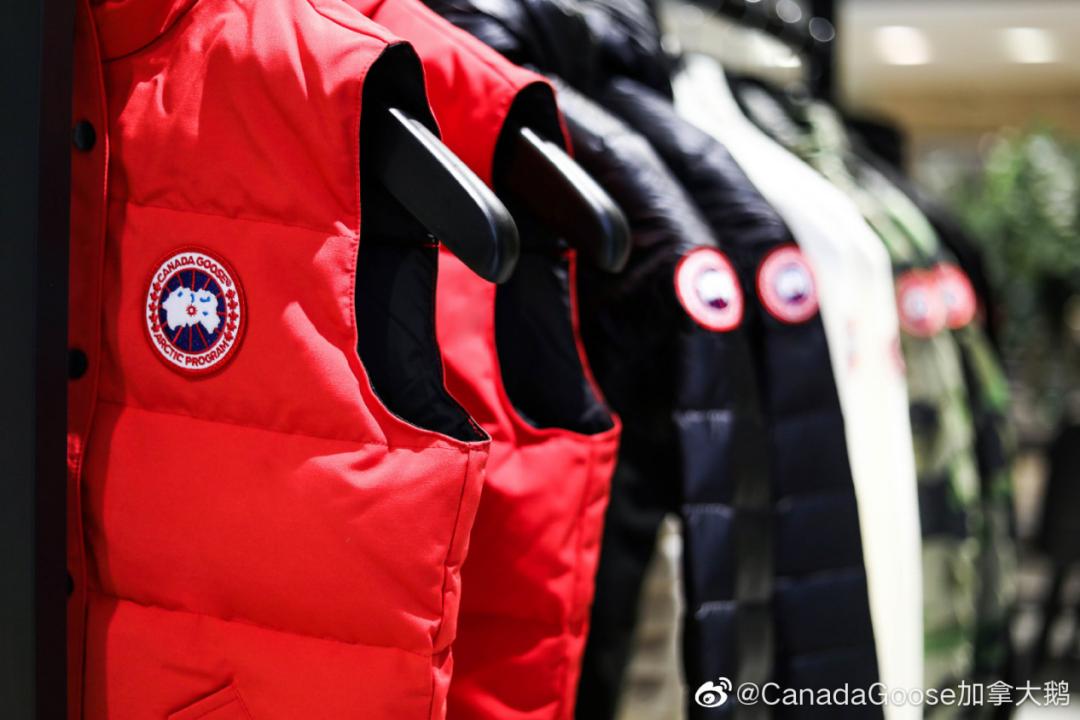
Core Viewpoint - The news discusses the potential sale of Canada Goose by its controlling shareholder Bain Capital, amidst declining market performance and increasing competition in the high-end down jacket segment [1][2]. Group 1: Company Background and Market Entry - Canada Goose was founded in 1957 and gained initial recognition in the 1980s with the introduction of down-filled jackets, officially rebranding in 2001 [1]. - The brand saw significant growth after Bain Capital acquired it for $250 million in 2013, leading to a global marketing push and a successful IPO in 2017, with a peak market valuation exceeding $7.8 billion [2]. Group 2: Market Performance and Challenges - From 2019 to 2023, Canada Goose opened an average of six stores annually, with 30 out of 74 global stores located in Greater China, contributing 35% to its revenue by 2023 [4][6]. - Sales growth has stagnated, with projected revenue growth rates of 21.54%, 10.84%, 9.6%, and 1.1% from 2022 to 2025, indicating a significant decline in consumer interest [6]. Group 3: Pricing and Quality Issues - Canada Goose's pricing strategy, with jackets priced between 9,000 to 15,000 RMB, has been criticized as excessive, especially as competitors offer more affordable options [7][8]. - Quality concerns have emerged, with reports of poor craftsmanship and insufficient down filling, leading to increased consumer complaints and negative publicity [7][8]. Group 4: Competitive Landscape - Domestic competitors like Bosideng have increased their market share by offering high-quality down jackets at lower prices, with Bosideng's average price rising from 1,000 RMB in 2018 to 1,800 RMB by 2025 [8][9]. - International brands such as Arc'teryx and Lululemon are also gaining traction in the market, further intensifying competition for Canada Goose [8][9]. Group 5: Future Outlook - Despite the challenges, the overall down jacket market in China is projected to grow from nearly 1 trillion RMB in 2017 to 2.5 trillion RMB by 2025, presenting both opportunities and challenges for Canada Goose [13][14]. - The brand may need to adapt its strategy to focus on quality and consumer value perception to regain market position [15].
老铺黄金的奢侈品梦醒了
虎嗅APP· 2025-09-11 00:15
Core Viewpoint - The article discusses the challenges faced by Laopu Gold, a brand positioned as the "Hermès of gold," despite reporting impressive financial results. The stock price has declined post-earnings report, raising questions about brand perception and market dynamics in the luxury goods sector [22][23][24]. Financial Performance - Laopu Gold reported a revenue of 12.354 billion yuan for the first half of 2025, a year-on-year increase of 251%, and a net profit of 2.268 billion yuan, up 285.8% [22]. - The sales performance, including tax, reached 14.18 billion yuan, reflecting a growth of 249.4% [22]. Market Reaction - Following the earnings report on August 20, the stock price initially surged but subsequently fell, remaining over 30% below its peak in July [23][24]. - The market's reaction indicates a disconnect between strong financial results and stock performance, challenging the notion that better earnings lead to higher stock prices [24]. Consumer Behavior - A recent price increase on August 25 did not generate the expected consumer rush, contrasting with previous price hikes that led to long queues [25][26]. - The decline in consumer interest is attributed to fluctuating gold prices and changing market dynamics, with a notable drop in foot traffic at Laopu Gold stores [26]. Brand Positioning - Laopu Gold emphasizes a pricing strategy that detaches its product prices from gold price fluctuations, aiming to position itself alongside luxury brands [31]. - The brand claims a 77.3% overlap in consumer demographics with major luxury brands like Louis Vuitton and Hermès, yet its cost structure remains heavily influenced by gold prices, which account for over 92% of its sales costs [31][32]. Brand Value and Market Comparison - In the second-hand market, Laopu Gold's products do not command the same premium as luxury brands, with recovery prices based on gold weight rather than brand value [36][38]. - The article highlights that Laopu Gold's pricing strategy does not align with luxury market standards, where products typically sell for 10 to 20 times their material costs [51]. Competitive Landscape - Competitors have begun to replicate Laopu Gold's unique selling propositions, such as traditional craftsmanship and fixed pricing models, diminishing its competitive edge [42][45]. - Other brands have successfully increased their profit margins through similar strategies, indicating that Laopu Gold's high gross margin of 38.1% may not be sustainable in the face of growing competition [41][47]. Conclusion - The article concludes that Laopu Gold must redefine its brand narrative and pricing strategy to truly position itself as a luxury brand, as its current approach does not sufficiently differentiate it from competitors [55][58].

理肤泉百元喷雾被质疑成分只有水
2 1 Shi Ji Jing Ji Bao Dao· 2025-09-06 12:53
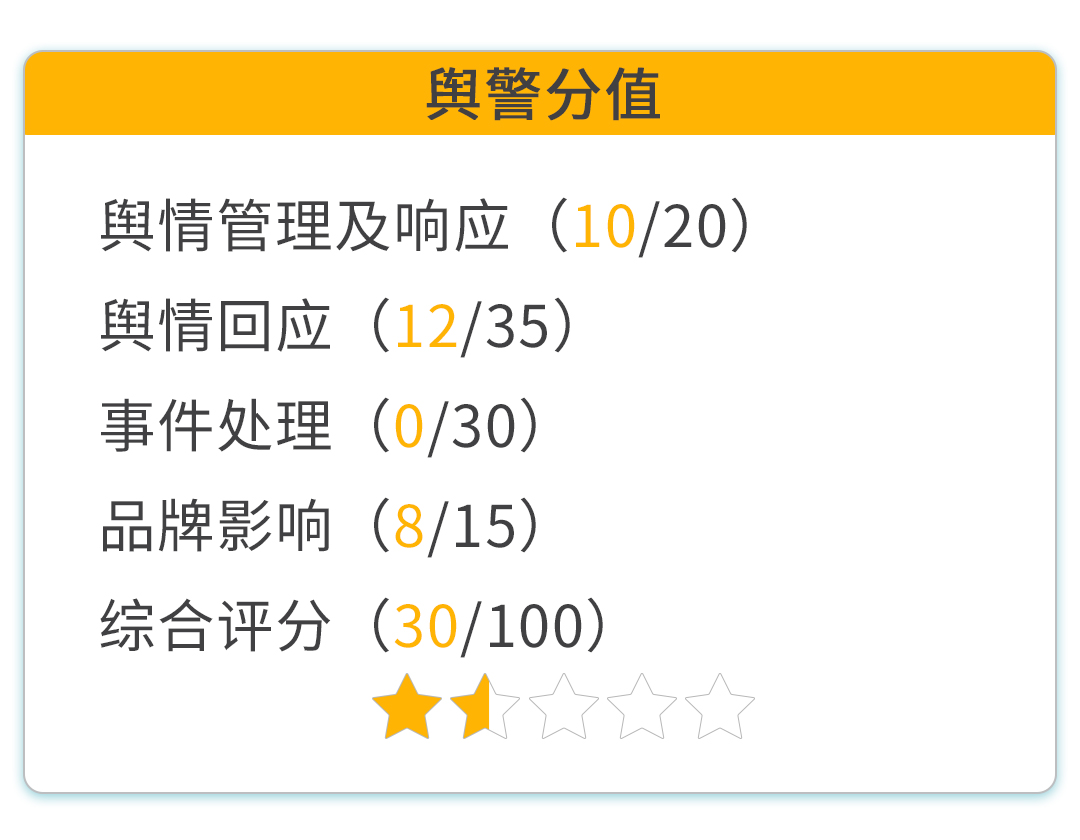
Group 1: Consumer Trust and Brand Management - The trust and affection of consumers are invaluable market resources for consumer-facing companies, reflecting their overall corporate culture and operational mechanisms [1] - The South Finance and Economics 21st Century Economic Report focuses on consumer sentiment dynamics, aiming to observe how companies handle public events and changes in public opinion [1] - A quantitative scoring mechanism, the "Consumer Sentiment Warning Index," has been developed to analyze and evaluate companies' responses to public sentiment events [1] Group 2: Incident Analysis - La Roche-Posay - La Roche-Posay's thermal water spray was criticized on social media for being perceived as overpriced, with claims that its only ingredient is water [2][5] - The company responded by clarifying that the water is not ordinary drinking water but natural thermal spring water from France, processed to retain minerals and elements [5] - The pricing justification based on production costs and the high-quality spray nozzle was provided, but the response was seen as insufficient given the significant price difference compared to competitors [6][7] Group 3: Incident Analysis - Sam's Club - A product sold at Sam's Club faced scrutiny due to inconsistent packaging labels, leading to a formal investigation by local market regulators [8][11] - The company acknowledged the issue and stated that the product's labeling had passed compliance checks, but the response involved shifting responsibility between the brand, manufacturer, and retailer [11][12] - The incident highlighted a lack of transparency and respect for consumer rights, emphasizing the need for brands to ensure quality and integrity in their operations [12]


中新网评:同质不同价,香奈儿在羞辱谁的智商?
Zhong Guo Xin Wen Wang· 2025-09-05 07:15
Core Viewpoint - The pricing strategy of Chanel's two powder products has sparked controversy, highlighting a disconnect between luxury brands and consumer perceptions [1][2] Group 1: Product Pricing Controversy - Chanel offers two versions of its lightweight powder: a 30g version priced at 600 yuan and a 6g travel size also priced at 600 yuan, leading to consumer complaints about the pricing disparity [1] - Consumers expressed disbelief over the equal pricing, questioning the value of the additional features like a mirror and puff in the travel size [1][2] Group 2: Brand Perception and Consumer Trust - This incident reflects a broader issue of luxury brands facing scrutiny over their pricing strategies, particularly in the Chinese market, where consumers feel they are being treated differently [2] - The luxury brand's pricing is often based on brand premium rather than actual product cost, but when pricing appears to insult consumer intelligence, it risks damaging brand trust [2] - Chanel is urged to provide a more convincing explanation for the pricing strategy, as consumers are becoming increasingly rational and discerning [2]
为什么建议你不要随便买衣服
洞见· 2025-09-02 12:35
Core Viewpoint - The article highlights the importance of customer-centric businesses that prioritize quality and service over profit margins, exemplified by a clothing retailer named "希妈" [3][5][24]. Summary by Sections Customer Experience - A friend's positive shopping experience with a clothing retailer led to multiple purchases due to the retailer's genuine customer service and quality products [5][23]. - The retailer promptly refunded a purchase after receiving feedback about packaging issues, demonstrating accountability and commitment to customer satisfaction [5][24]. Product Quality and Pricing - The retailer offers a variety of affordable clothing options, such as 100% cotton T-shirts for 39 yuan for two, and other items priced between 29.9 yuan and 69 yuan [6][8][19]. - The retailer claims to provide high-quality products at lower prices by eliminating advertising costs and middlemen, which typically inflate retail prices [23]. Business Model - The article explains that traditional e-commerce often involves high advertising costs (80%), operational costs (10%), and only a small portion (10%) goes to the actual product value, leading to inflated prices for consumers [23]. - The retailer sources products directly from manufacturers, ensuring lower prices and maintaining quality by avoiding unnecessary markups [23][24]. Brand Integrity - The retailer provides proof of authenticity through brand authorization, ensuring that all products sold are genuine and of high quality [24]. - The article emphasizes the need for businesses to focus on long-term customer relationships rather than short-term profits, suggesting that only those who consider customer perspectives will thrive [24].