文化与科技融合

Search documents
文艺新创造 彰显“酷中国”(坚持“两创”·关注新时代文艺)
Ren Min Ri Bao· 2025-07-14 22:03
Core Viewpoint - The article emphasizes the rising global influence of Chinese culture, highlighting the concept of "Cool China" as a blend of traditional and modern cultural elements that attract international audiences [1][4]. Group 1: Cultural Products and Global Reach - The animated film "Ne Zha" will be released with English dubbing and in various formats in the US, Canada, Australia, and New Zealand starting in August, showcasing China's cultural appeal [1]. - Chinese online literature has approximately 200 million active overseas users, becoming a global cultural phenomenon, while micro-short dramas have been deployed in over 100 applications across more than 160 countries [2]. - The overseas sales revenue of Chinese self-developed games has surpassed $18.5 billion, with several titles achieving high sales rankings on international platforms [2]. Group 2: Quality and Popularity of Cultural Works - Notable Chinese online literature such as "Qing Yu Nian" and "Douluo Dalu" has been collected by the British Library, indicating high quality and international recognition [2]. - Popular dramas like "Nirvana in Fire" and "The Story of Yanxi Palace" have sparked significant viewership overseas, while games like "Genshin Impact" and "Honor of Kings" have amassed tens of millions of players globally [2]. Group 3: Cultural Innovation and Modernization - The article discusses the acceleration of Chinese science fiction films and animations, with titles like "The Wandering Earth" and "Ne Zha" leading the way in showcasing China's creative capabilities [3]. - The integration of traditional Chinese culture with modern technology and storytelling is highlighted as a unique narrative that resonates with global audiences [3]. - New cultural practices such as short videos and live streaming are enhancing China's cultural "coolness" and fostering a deeper understanding and appreciation of Chinese culture worldwide [4]. Group 4: Cultural Ecosystem and Global Perception - The concept of a diverse and symbiotic cultural ecosystem is emphasized, with new forms of content allowing for broader participation and innovation in the arts [4]. - The article notes that the vibrant cultural landscape in China is awakening a desire among international audiences to rediscover and understand China, effectively breaking down preconceived notions [4].
专访丨文明对话助推科技共同发展——访马来西亚科技与创新部长郑立慷
Xin Hua Wang· 2025-07-13 02:20
Core Viewpoint - The core viewpoint emphasizes that technology should be inclusive and serve all humanity, transcending geographical and ideological boundaries, and that cultural diversity fuels technological innovation and global cooperation [1][1][1] Group 1: Technology and Global Cooperation - The Malaysian Minister of Science and Technology, Zheng Likang, highlights the importance of cultural dialogue in fostering global technological collaboration, especially in the face of rising geopolitical uncertainties [1][1] - Zheng stresses that global challenges such as climate change, artificial intelligence, and food security require enhanced communication and cooperation among nations, and that technology should not be a tool for political maneuvering [1][1][1] Group 2: Cultural Influence on Technology - Zheng argues that when technological research is confined to a single civilization, its outcomes are often limited and may not meet the diverse needs of a multicultural world [1][1] - He points out that cultural inclusivity and openness are crucial for promoting technological innovation, as culture shapes perspectives on failure, exploration, and future imagination [1][1][1] Group 3: Malaysia and China's Technological Collaboration - Zheng praises China's recent advancements in integrating culture and technology, particularly through digital museums and virtual tourism, which enhance cultural accessibility and public acceptance of digitalization [1][1] - He notes the significant potential for collaboration between Malaysia and China in areas such as digital tourism, cultural heritage protection, and technological innovation exchanges, leveraging each other's cultural and technological strengths [1][1][1] Group 4: Future of Global Technological Progress - Zheng believes that the exchange and mutual learning between different civilizations are vital for global technological advancement, as each civilization carries unique wisdom that can contribute to future technological development [1][1] - He expresses the hope that continued cultural dialogue and technological cooperation with countries like China will ensure that innovation benefits everyone [1][1][1]
文投控股: 文投控股股份有限公司关于参与设立股权投资基金暨关联交易的公告
Zheng Quan Zhi Xing· 2025-07-11 16:26
Core Viewpoint - Company plans to establish a private equity investment fund named "Beijing Jingguochuang Cultural Technology Industry Private Equity Investment Fund Center" in collaboration with several partners, aiming to promote the integration of culture and technology while enhancing its business transformation and upgrading [1][2][23]. Summary by Sections 1. Overview of Related Transactions - The company intends to set up the fund with partners including Beijing State-owned Capital Operation Management Co., Ltd., Shijingshan District Modern Innovation Industry Development Fund Co., Ltd., and others, to focus on investment and incubation in cultural technology [2][3]. 2. Fund Contribution Details - The total subscribed capital for the fund is set at RMB 400 million, with contributions from various partners: Beijing Jingguochuang contributing RMB 4 million, Beijing Wenkeshuchuang contributing RMB 4 million, and other partners contributing RMB 196 million, RMB 100 million, RMB 56 million, and RMB 40 million respectively [3][4]. 3. Related Party Transactions - The transaction is classified as a related party transaction, as Beijing State-owned Capital and others are considered related entities due to their connections with the company's actual controller, Capital Cultural Technology Group [3][4]. 4. Approval Process - The board of directors approved the transaction with unanimous consent from non-related directors, and the transaction does not require shareholder meeting approval [4][24]. 5. Fund Management and Fees - The fund will charge a management fee of 1% per year and an advisory fee of 1% per year, both payable semi-annually [13][22]. 6. Investment Strategy - The fund will primarily invest in mature, pre-IPO quality cultural industry projects, while also considering growth and a limited number of startup projects, focusing on areas such as digital culture, gaming, and cultural technology [14][17]. 7. Impact on the Company - The establishment of the fund is expected to provide stable investment returns, enhance the company's business and industry layout, and support high-quality development without affecting the company's operational independence [23][24].

2025中国游戏科技发展白皮书
艾瑞咨询· 2025-07-08 06:17
Core Viewpoint - Game technology is driving innovation in the digital economy, evolving from traditional entertainment to a key engine for new productive forces, with significant contributions to technological advancements and cross-industry applications [1][2]. Group 1: Game Industry Growth - The Chinese game industry has achieved remarkable growth, with projected revenue reaching 455.06 billion yuan in 2024, reflecting a compound annual growth rate (CAGR) of 26.8% over nearly two decades [3]. - The user base is expected to exceed 750 million by 2024, with a CAGR of 18.6%, providing a solid foundation for ongoing industry development [3]. Group 2: Self-developed Games - Self-developed games have become a cornerstone of the Chinese game industry, with their market share rising from approximately 60% to over 80% in recent years, indicating significant progress in domestic innovation capabilities [5]. Group 3: International Expansion - The revenue from overseas markets has surpassed 100 billion yuan, with the US, Japan, and South Korea accounting for 57.3% of this income, showcasing the competitive strength of Chinese self-developed games in mature markets [8]. Group 4: Game Technology and Innovation - Game technology serves as both a testing ground for technological innovations and a universal interface for cross-domain empowerment, driving advancements in GPU, AI, and cloud computing [1][2]. - The relationship between game technology and scientific innovation has evolved into a symbiotic one, where each drives the other, enhancing overall technological capabilities [13][20]. Group 5: Academic Research - The volume of academic research in game technology has seen explosive growth over the past two decades, indicating a heightened focus on the field and its importance in technological innovation and societal value [10]. Group 6: Key Technologies - Game engines have become essential tools for game development, significantly improving efficiency and simplifying production processes, while also being applied in various fields beyond gaming [22][24]. - Artificial intelligence is enhancing both user experience and development efficiency in the gaming industry, with applications ranging from dynamic environments to data analysis [25][28]. Group 7: Cross-industry Applications - Game technology is making significant contributions to various sectors, including cultural heritage preservation, healthcare, smart transportation, and aerospace, demonstrating its versatility and impact [51][56][59][64]. Group 8: Future Trends - The integration of game technology with general technologies is expected to deepen, blurring application boundaries and becoming a core driver of technological innovation [67]. - Game technology is accelerating the transformation of the cultural industry and supporting the development of the metaverse, providing a foundation for seamless integration between digital and physical worlds [70][72].


重磅亮相2025大阪世博会!中国径山茶文化向世界演绎千年禅茶魅力
Jiang Nan Shi Bao· 2025-07-04 08:50
Core Viewpoint - The 2025 Osaka World Expo will feature a significant exhibition focused on the essence of China's thousand-year tea culture, highlighting the integration of traditional tea practices with modern aesthetics and technology [1][11]. Group 1: Event Overview - The "Oriental Fashion" International Art Week, hosted by the Expo Museum, commenced on June 26, showcasing the "Patterns of the East" art exhibition, which aims to present Eastern patterns and culture to a global audience [1][2]. - Key figures from various organizations, including the 2025 International Expo Association and local tea culture representatives, attended the event, emphasizing the importance of cultural exchange [2]. Group 2: Cultural Highlights - The first systematic tea culture pattern for Jing Mountain tea was unveiled, inspired by Zen tea philosophy, symbolizing harmony and enlightenment through its design [3]. - A fashion show titled "Tea Life Aesthetics" showcased the innovative transformation of cultural genes into visual language, providing a dual feast for the eyes and spirit [4]. Group 3: Technological Innovations - The world's first intelligent matcha machine was introduced, featuring patented technology that replicates traditional tea-making techniques while ensuring quality and traceability [6][8]. - A revolutionary matcha bottle cap was presented, allowing users to easily create matcha drinks from regular bottled water, demonstrating the fusion of ancient tea practices with modern convenience [9]. Group 4: Historical Context - The origins of matcha can be traced back to the Sui and Tang dynasties in China, with significant historical references highlighting its cultural significance and transmission to Japan [10]. - A specially designed folding fan, featuring patterns derived from the newly released Jing Mountain tea design, served as a tangible cultural symbol for visitors [10]. Group 5: Conclusion - The event successfully showcased Jing Mountain tea culture on a global stage, blending tradition with innovation, and reinforcing its status as a cultural heritage while appealing to contemporary audiences [11].
2024年文化产业营收超19万亿创新高
Chang Jiang Shang Bao· 2025-06-30 00:12
Core Insights - The report indicates that China's cultural and related industries are projected to achieve a revenue scale exceeding 19 trillion yuan in 2024, marking a new historical high [1] Group 1: Revenue Growth - In 2024, the national cultural industry achieved a revenue of 191,423 billion yuan, representing a 7.1% increase from the previous year [2] - The cultural service sector led the growth with a revenue of 109,134 billion yuan, up 7.4%, accounting for 57.0% of total cultural industry revenue, an increase of 0.1 percentage points from last year [2] - All nine major sectors of the cultural industry reported revenue growth, with notable increases in cultural equipment production, news information services, content creation, and creative design services, growing by 11.2%, 8.6%, 8.4%, and 7.2% respectively [2] Group 2: Regional Development - The cultural industry in eastern and central regions showed faster growth, with revenues of 141,750 billion yuan and 28,726 billion yuan, growing by 7.8% and 7.3% respectively, surpassing the national average [2] - In contrast, the western and northeastern regions reported lower growth rates, with revenues of 18,462 billion yuan and 2,485 billion yuan, growing by 2.6% and 1.8% respectively [2] Group 3: Profit and Investment - By the end of 2024, the total assets of China's cultural industry reached 343,987 billion yuan, a 5% year-on-year increase, with total profits amounting to 17,737 billion yuan, up 7.9% [3] - The profit from large-scale cultural enterprises reached 13,192 billion yuan, reflecting a growth of 10.2% [3] - Fixed asset investment in the cultural industry grew by 2.9% in 2024, with significant double-digit growth in sectors such as cultural consumption terminals, news information services, cultural communication channels, and creative design services, with increases of 16.3%, 11.8%, 10.2%, and 10.0% respectively [4] Group 4: New Cultural Formats - The integration of culture and technology has significantly promoted the rapid development of new cultural formats, with 16 sub-sectors achieving a revenue of 66,600 billion yuan, a 12.4% increase, contributing 57.9% to the overall revenue growth of the cultural industry [3]
透视重磅数据背后的多重经济活力
Bei Jing Shang Bao· 2025-06-29 16:39
Group 1 - The core viewpoint of the news is that despite a decline in industrial enterprise profits in China for the first five months of the year, both gross profit and revenue continue to grow, indicating resilience and vitality in the industrial economy [1][3][4] - From January to May, the total profit of industrial enterprises above designated size reached 2.72 trillion yuan, a year-on-year decrease of 1.1%, influenced by insufficient effective demand and declining industrial product prices [3][4] - Gross profit for industrial enterprises increased by 1.1% year-on-year, contributing to a 3 percentage point increase in overall profits, while operating revenue grew by 2.7% [3][4] Group 2 - The equipment manufacturing industry has shown significant performance, with profits increasing by 7.2% year-on-year, contributing 2.4 percentage points to the overall industrial profit growth [4] - The "three aviation" industries (aerospace, aviation, and maritime) experienced rapid growth, with profits in related sectors increasing by 56% year-on-year, driven by successful commercial operations and new achievements in the aerospace sector [4] - The implementation of the "two new" policies has effectively stimulated domestic demand, with profits in general and specialized equipment sectors growing by 10.6% and 7.1% respectively [5][6] Group 3 - Private enterprises and foreign-invested enterprises have maintained profit growth, with private enterprises seeing a 3.4% increase, outperforming the overall average by 4.6 percentage points [6] - As of the end of May, there were 185 million private economic organizations in China, accounting for 96.76% of total business entities, with private enterprises exceeding 58 million, reflecting a 5.2% year-on-year increase [6] - The private sector is increasingly investing in technological innovation, particularly in strategic emerging industries such as new energy and high-end equipment manufacturing, playing a crucial role in industrial upgrades and economic stability [6]

文化新观察丨三湘四水间,文化遗产何以焕发新活力?
Xin Hua She· 2025-06-14 03:32
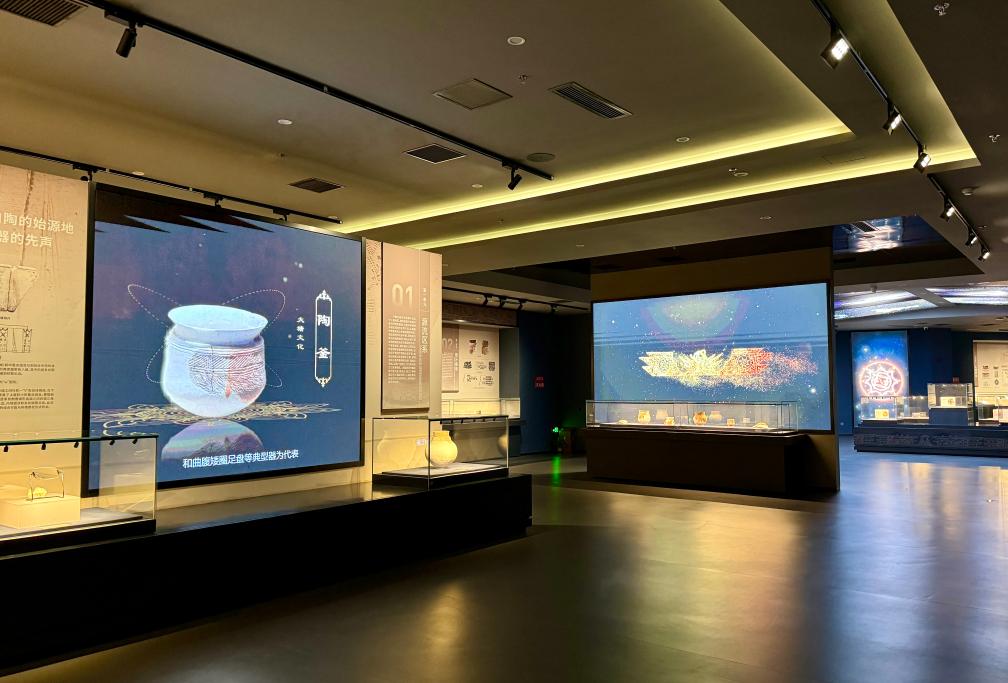
Core Points - The 2025 Cultural and Natural Heritage Day will be celebrated on June 14, with the theme "Revitalizing Cultural Relics and Shining New Light," and the main event will take place in Changsha, Hunan [1] - Hunan is rich in cultural and heritage resources, including prehistoric sites, revolutionary relics, and traditional villages, ranking among the top in the country [1] Group 1: Archaeological Discoveries - Archaeologists discovered 7,400-year-old rice grains at the Gaomiao site, marking the earliest rice cultivation evidence in the Xiangxi region, providing crucial material evidence for the study of rice agriculture's origins and development in China [2] - The Gaomiao site museum showcases over 240 artifacts and specimens from three major archaeological excavations, allowing visitors to experience prehistoric art and culture [2][3] Group 2: Cultural Heritage Integration - The Laosi City site, part of China's Tusi heritage, was listed as a UNESCO World Heritage site in 2015, where local residents actively participate in the protection and utilization of the site, creating job opportunities while preserving cultural heritage [5] - The ancient city of Qianyang in Hongjiang, a well-preserved Ming and Qing ancient city, continues to serve as a living space for local residents, integrating heritage protection with daily life [7] Group 3: Technological Integration in Cultural Heritage - The immersive stage play "Seeking Changsha" utilizes advanced technologies like holographic projection and digital interaction to bring historical artifacts to life, enhancing cultural identity among audiences [8] - Hunan's cultural institutions are increasingly using technology to revitalize traditional culture, such as the "Digital Han Life" project, which allows visitors to experience Han culture through AI technology [10] - The "She Comes from Chang'an" exhibition at Changsha Museum attracted 1.05 million visitors, showcasing the successful integration of culture and technology [10]
焦点访谈丨科技赋能+机制革新 双引擎驱动文化强国建设
Yang Shi Wang· 2025-06-03 13:45
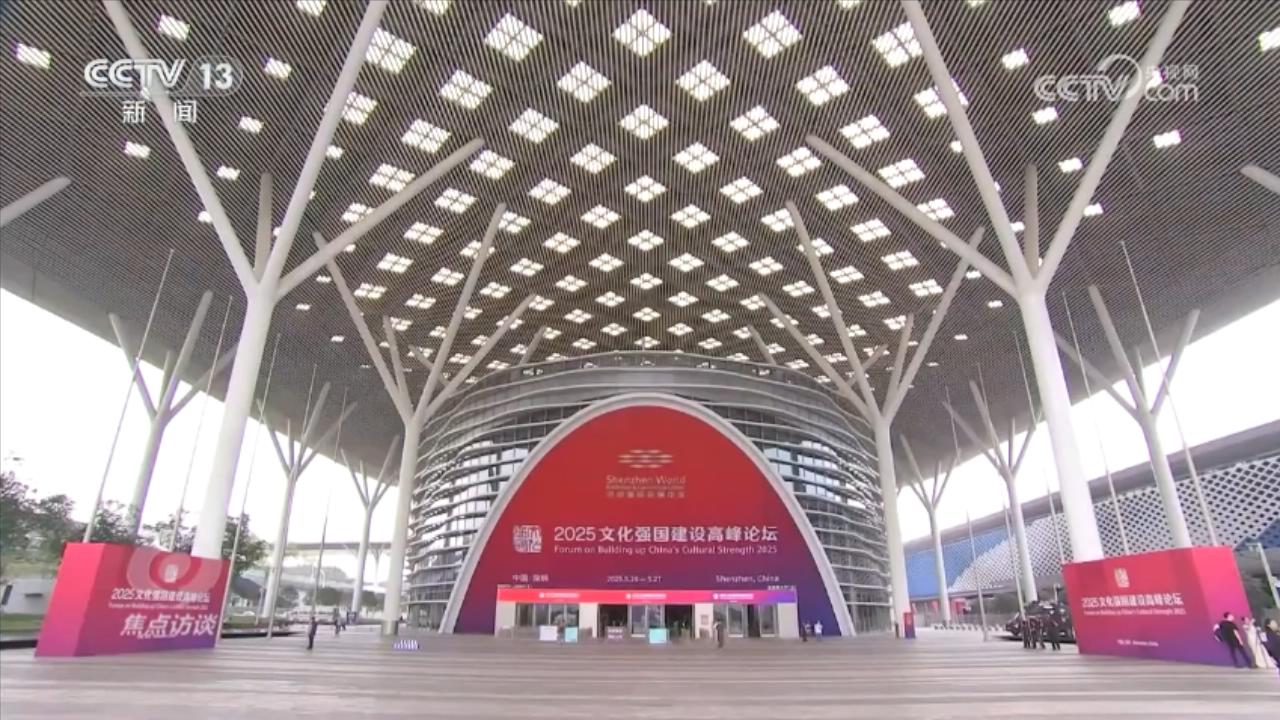
Group 1 - The 2025 Cultural Power Construction Summit Forum was held in Shenzhen, focusing on deepening cultural system reform and stimulating cultural innovation [1][3] - Experts and industry representatives discussed major theoretical and practical issues related to building a cultural power, cultural innovation, and the integration of culture and technology [3][19] - The forum aims to achieve the goal of building a cultural power by 2035, promoting Chinese civilization towards a new era of "soft power + hard technology" [3][19] Group 2 - The forum announced the "2025 National Cultural Enterprises Top 30" and "2025 National Growth Cultural Enterprises Top 30" lists, highlighting the innovative practices of leading cultural companies [5][15] - China Film Co., Ltd. has topped the "Top 30" list for 17 consecutive years, showcasing the integration of culture and technology in its operations [5][11] - The company has implemented new technologies throughout the filmmaking process, enhancing artistic expression and production efficiency [5][11] Group 3 - The introduction of a fully digital virtual shooting system by China Film has revolutionized filmmaking, allowing for real-time image generation and the recreation of past sounds [7][9] - The CINITY high-tech film format, developed by China Film, has gained global recognition, marking a significant achievement in China's film technology [9][11] - AI is increasingly becoming a creative partner in the film industry, influencing various stages of production [7][11] Group 4 - AI technology is being utilized for cultural dissemination, exemplified by the AI character Sun Wukong at the China Pavilion of the Osaka Expo, which enhances visitor engagement [11][13] - iFLYTEK's AI translation devices support cross-cultural communication, showcasing the role of technology in promoting Chinese culture abroad [13][17] - The cultural industry is experiencing rapid growth, with the average revenue growth rate of the top 30 growth cultural enterprises exceeding 15% [15][19] Group 5 - The integration of technology and culture is reshaping the development logic of the cultural industry, emphasizing the need for both technological breakthroughs and institutional reforms [19][20] - Cultural enterprises are encouraged to innovate in technology application and reform mechanisms to enhance cultural production capabilities [17][19] - The dual engines of technological empowerment and institutional innovation are essential for cultural industries to thrive and expand their global influence [19][20]


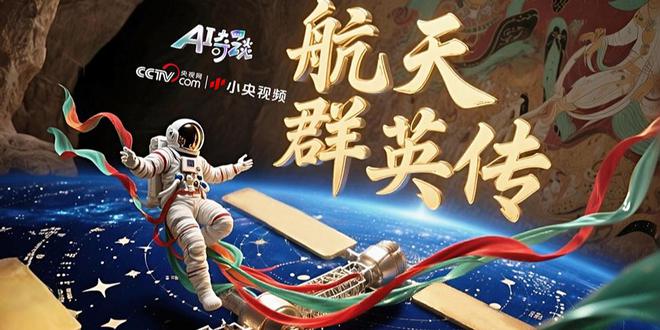
AI赋能航天文化,开启梦幻星穹之旅
Jing Ji Guan Cha Bao· 2025-06-03 06:07
Core Perspective - The integration of AI in art, particularly in the context of Chinese space exploration and traditional culture, showcases a unique blend of modern technology and ancient artistry, creating immersive experiences that captivate audiences [2][4][10]. Group 1: AI in Art Creation - AI plays a crucial role in the creation of the work "Sea on the Bright Moon, Grasping the Galaxy," demonstrating its capabilities in character design, scene building, rendering, and special effects [6]. - The technology effectively captures and revitalizes the artistic style of Dunhuang murals, infusing traditional elements with new life and energy [6][8]. - AI can rapidly generate various fantastical and exquisite images based on creative demands, enhancing the visual experience for audiences [8]. Group 2: Cultural and Technological Fusion - The project exemplifies the deep integration of technology and culture, highlighting AI's potential in artistic creation and the unique charm of Chinese space culture [10]. - As AI technology continues to evolve, it is expected to produce more astonishing creative works, enriching cultural experiences and promoting the dissemination of space culture [10]. - This fusion of culture and technology is anticipated to inspire greater interest and passion for space exploration among the public, marking a new chapter in the journey of human dreams across the cosmos [10].