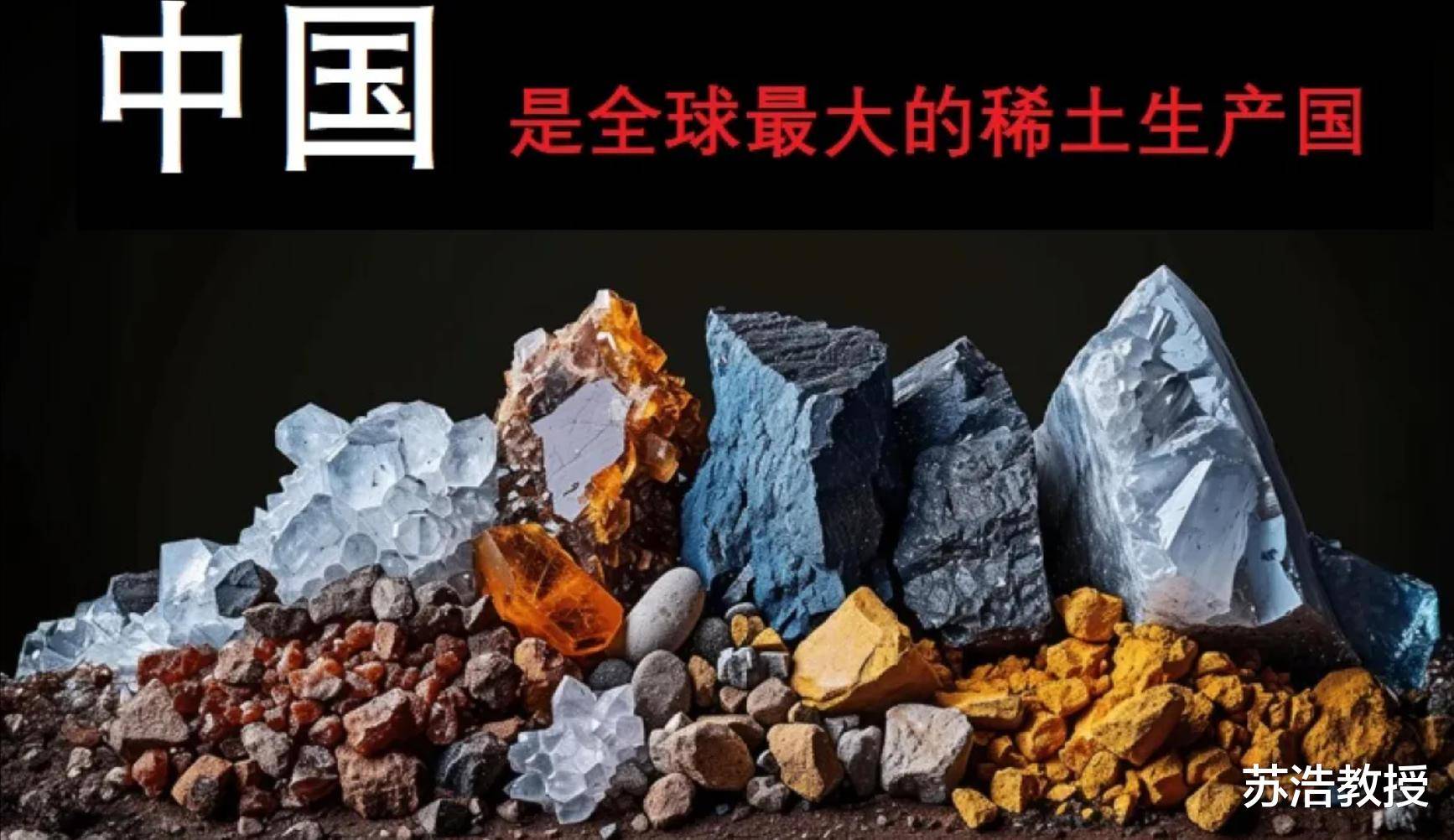
稀土产业链

Search documents
德国要实现稀土本地化,美澳投资关键矿产,中国面临替代危机?
Sou Hu Cai Jing· 2025-10-14 05:52
中国把稀土当成国家安全和产业竞争的"硬核武器",这话说起来像是在形容一枚核弹。有人把它形容成一次极具冲击力的政策行动:不仅让美国吃了亏,也 让西方国家感到紧张与警惕。 最近一些外部信号显示,这个话题正在被越谈越热。10月10日,德国经济部发言人表示,中国加强了对稀土的供应和对相关技术出口的控制,令欧盟方面感 到担忧,欧盟也在就此进行讨论。德国方面更明确地提出一个目标:减少对欧盟之外国家的依赖,推动欧洲在稀土的开采、加工和供应链方面逐步实现本土 化与本地化协同。 与此同时,澳大利亚也在推动与美国的一项稀土合作计划,打算为关键矿产设定最低价格,并参与美国推动的"关键矿产储备"投资计划。这些动向显示,西 方国家确实在设法建立更可信的稀土安全网,减少对中国的单一依赖。 令人意外的是,真正走在稀土领域"前列"的,反而是在中国以外的日本。看最近的结果:日本现在能够生产约1.8万吨的永磁铁,与法国合作的企业还在推 进,预计2026年能实现回收620吨稀土的产量。在马来西亚的那座稀土精炼厂,与澳大利亚合作的项目每年能生产约2.2万吨轻稀土和1,500吨重稀土。乍看这 数字,似乎不少,但和中国的总量相比,仍然只是九牛一毛。 具 ...


ETF基金周报:战略金属与新兴产业的双重驱动,稀土板块仍具备投资价值-20251013
Dongguan Securities· 2025-10-13 09:21
基 金 ETF 基金周报(20251006-20251010): 战略金属与新兴产业的双重驱动 稀土板块仍具备投资价值 2025 年 10 月 13 日 投资要点 分析师:李荣 SAC 执业证书编号: S0340521010001 基金从业资格证书编号: F4520000001431 电话:0769-26628039 邮箱:lirong@dgzq.com.cn 研 究 本报告的风险等级为中高风险。 本报告的信息均来自已公开信息,关于信息的准确性与完整性,建议投资者谨慎判断,据此入市,风险自担。 请务必阅读末页声明。 证 券 研 究 报 告 资料来源:东莞证券研究所,Wind 资讯 各类ETF基金周度平均收益及资金流动概览:本周全球大类资产显著分 化。日经指数在高市早苗大概率当选女首相等消息影响下跳空涨超5%, 而美国市场受政府停摆影响及贸易摩擦升级的影响,三大指数均跌超2%, 港股市场同步调整,而传统避险资产黄金一度再创出历史新高。国内权 益市场方面,价值风格优于成长风格。在ETF基金方面,商品型ETF和货 币型ETF基金周度平均收益为正,其他类型ETF基金均录得负收益。本周 ETF基金资金流动情况并不显著, ...
有色ETF基金(159880)涨近2%,稀土+钴+黄金迎多重催化
Xin Lang Cai Jing· 2025-10-13 06:16
Core Viewpoint - The non-ferrous metal sector is experiencing a strong upward trend, driven by recent export controls on rare earth materials and increasing demand as the traditional peak season approaches [1] Group 1: Market Performance - As of October 13, 2025, the Guozheng Non-Ferrous Metal Industry Index (399395) rose by 1.87%, with notable increases in component stocks such as Jinli Permanent Magnet (300748) up 14.34%, Yuyuan New Materials (600206) up 10.00%, and Northern Rare Earth (600111) up 9.53% [1] - The Non-Ferrous ETF Fund (159880) increased by 1.64%, with the latest price reported at 1.79 yuan [1] Group 2: Regulatory Environment - Recent announcements from two departments regarding export controls on rare earth materials are expected to enhance compliance trade, with a focus on facilitating applications that meet regulations [1] - The scope of the export controls has expanded to include technologies and production lines related to the recycling of rare earth secondary resources, covering the entire rare earth industry chain and impacting sectors such as semiconductors and artificial intelligence [1] Group 3: Supply and Demand Dynamics - The demand for rare earth materials is anticipated to improve as the traditional peak season approaches, potentially leading to a favorable supply-demand balance and stable or increasing rare earth prices [1] - Citic Securities recommends strategic allocation within the rare earth industry chain due to the expected strengthening of supply rigidity [1] Group 4: Index Composition - The Guozheng Non-Ferrous Metal Industry Index (399395) includes 50 securities that are prominent in terms of scale and liquidity, reflecting the overall performance of listed companies in the non-ferrous metal sector [2] - As of September 30, 2025, the top ten weighted stocks in the index accounted for 53.12% of the total, including companies like Zijin Mining (601899) and Northern Rare Earth (600111) [2]
为什么中国稀土王牌威力这么大?美国有破解的方法吗?
Sou Hu Cai Jing· 2025-10-12 09:27
Core Viewpoint - The recent export control regulations by China on rare earth materials and technologies significantly impact the semiconductor industry and other high-tech sectors in the U.S. [1][3][4] Group 1: New Regulations and Their Implications - On October 9, China's Ministry of Commerce announced new regulations that impose export controls on certain rare earth-related items and technologies containing Chinese components [1]. - The new rules require foreign manufacturers to obtain permission from China to sell rare earth magnets and semiconductor materials that contain 0.1% or more of Chinese heavy rare earth elements [1][3]. - The regulations particularly affect the semiconductor industry, as they require applications for the use of Chinese rare earth materials in the production of advanced chips and military-related AI technologies [3][4]. Group 2: Impact on Semiconductor Manufacturers - TSMC, the world's leading semiconductor foundry, relies heavily on rare earth elements for chip manufacturing, which are primarily imported from mainland China [4][6]. - If TSMC uses Chinese rare earth elements in producing chips below 14nm, it will need Chinese permission to sell these chips to U.S. companies like Apple and Intel [4][6]. - The potential inability to source these materials could lead to significant challenges for U.S. chip manufacturers, affecting their production capabilities [6]. Group 3: Broader Implications for U.S. Industries - The U.S. military and aerospace sectors also heavily depend on rare earth elements, which are critical for various advanced weapon systems and technologies [6][7]. - For instance, the F-35 fighter jet requires 417 kg of rare earth materials, and a Virginia-class submarine needs 4600 kg, highlighting the extensive reliance on these materials [6]. - The automotive industry, particularly electric vehicles like those produced by Tesla, also utilizes rare earth elements in their manufacturing processes [6]. Group 4: China's Dominance in Rare Earth Production - China accounts for approximately 70% of global rare earth production and over 90% of rare earth refining capacity, particularly in heavy rare earths, where it holds more than 98% of the global market share [10][11]. - The technical expertise in rare earth processing and purification is predominantly held by China, making it difficult for other countries to establish competitive production capabilities [12][14]. - The U.S. has been unable to significantly improve its rare earth production and technology despite efforts to develop its own supply chain since 2010 [18][20]. Group 5: Challenges for U.S. Rare Earth Initiatives - The U.S. faces significant challenges in re-establishing its rare earth supply chain due to high production costs and environmental risks associated with rare earth mining [21][22]. - Many U.S. companies are reluctant to invest in rare earth mining and processing due to the potential for high costs and environmental liabilities [21][22]. - Collaborative efforts with other countries to develop rare earth industries have been slow and may take decades to yield results, leaving the U.S. reliant on Chinese imports in the near term [23][24].


突发特讯!美国内政部长通告全球:中国遏制着稀土命脉,必须打破!罕见措辞引爆国际舆论
Sou Hu Cai Jing· 2025-10-11 12:12
美国内政部长道格·伯古姆的一席话,像一块投入平静湖面的巨石,瞬间激起全球舆论的千层浪。他罕见地、直白地向世界通告了一个被广泛知晓却不愿被 频繁提及的事实:在稀土这场关乎未来产业命运的牌局上,中国手握"王炸"。 "中国掌控着20种最重要稀土矿物中85%到100%的产能。"——这句看似客观的数据陈述,其潜台词却充满了战略焦虑。而紧随其后的那句"如果他们遏制了 这类市场命脉,我们就必须打破局面",则更像是一篇充满危机感的战斗檄文。 一、 "命脉"之论:是客观现实,还是战略渲染? 首先,我们必须厘清一个事实:伯古姆部长的表述,在数据层面基本准确。中国不仅在稀土矿石开采上占据重要份额,更重要的是,我们通过数十年的技术 积累和产业链建设,掌握了全球绝对主导地位的稀土精炼产能。 这才是问题的关键。稀土之所以"稀有",并非其在地壳中的含量真如字面般稀少,而在于将其从原始矿石提炼成高纯度、可供高科技产业使用的单一稀土元 素的分离与提纯技术,是一个极其复杂、环保要求极高且成本高昂的过程。中国突破了这一技术壁垒,并建立了全球最完整、最高效的稀土产业链。 因此,伯古姆所说的"遏制市场命脉",与其说是中国主动挥舞的"大棒",不如说是市 ...

中俄印稀土储量差距断崖:俄1000万吨,印仅690万吨,中国多少?
Sou Hu Cai Jing· 2025-10-11 04:31
Core Insights - Rare earth elements have become essential in the new energy era, being critical for electric vehicle motors, wind turbines, 5G base stations, and military equipment [2][20] - India and Russia face significant challenges in their rare earth industries, primarily due to technological limitations and geopolitical issues, respectively [11][16] Global Rare Earth Supply - As of 2024, global rare earth reserves are approximately 90 million tons, with China holding 44 million tons, accounting for 48.9% of the total [2] - In 2024, global rare earth production is estimated at 390,000 tons, with China producing 270,000 tons, representing nearly 70% of the total output [4] India's Rare Earth Challenges - India has rich rare earth resources, mainly in Andhra Pradesh and Odisha, but faces environmental and technological hurdles in their development [8][10] - The lack of advanced technology and equipment in India results in a reliance on importing processed rare earth products, leading to increased costs and dependency on China [11][14] Russia's Rare Earth Dilemma - Russia's rare earth resources are concentrated in Siberia and the Far East, with reserves estimated at 28.7 million tons [13] - Geopolitical sanctions have severely restricted the development of Russia's rare earth industry, delaying projects and increasing costs [16] China's Competitive Advantage - China's rare earth industry benefits from a complete supply chain established since the 1950s, covering exploration, mining, separation, and application [18] - By 2024, China's rare earth market has reached a scale of hundreds of billions, with major companies supporting domestic electric vehicle and electronic manufacturing [20] Future of Rare Earth Competition - The global competition for rare earth resources is intensifying, with the U.S. and Europe seeking alternatives but facing significant challenges [21] - The future of the rare earth market will be driven by the ability to develop a complete industrial chain and advanced technologies, which China currently leads [21][23]
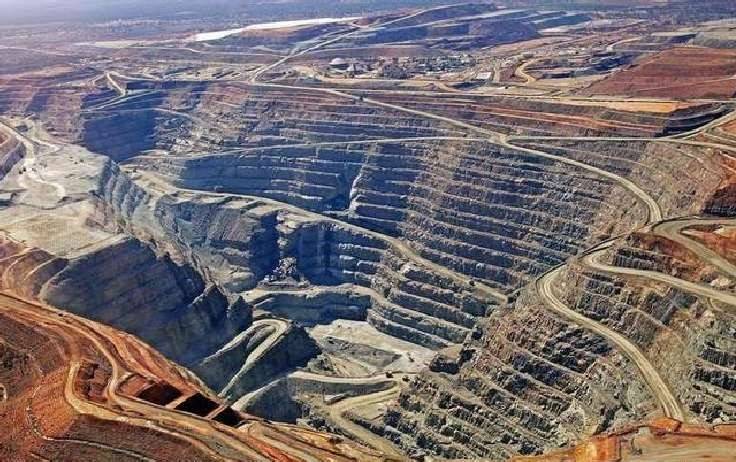
反制来得这么快!巴基斯坦刚准备跟美合作稀土,中方通告全球:稀土技术立即管控
Sou Hu Cai Jing· 2025-10-09 15:56
一纸通告震动世界,稀土战场悄然换阵。 十月九日,中国商务部突然发布公告,宣布对稀土相关技术实施出口管制。这份编号第六十二号的文件没有任何预兆,自公布之时立即生效,连留给国际市 场反应的空窗期都被彻底抹去。 国际矿产市场尚未从这场震荡中清醒,巴基斯坦向美国发出的首批稀土样品正在印度洋上航行。两吨闪着金属光泽的矿石与同等数量的铜、锑等战略矿产, 被精心包装后运往西方。这笔价值五亿美元的矿产合作大单,曾被华盛顿与伊斯兰堡共同标榜为"打破稀土垄断的破冰之举"。 更耐人寻味的动作隐藏在贸易合同背后。巴基斯坦军方顾问团队被曝已向美方提交秘密方案,提议在阿拉伯海沿岸的帕斯尼建设专门运输稀土的专用港口。 这个选址充满战略意味——距离中国参与建设的瓜达尔港仅一百一十二公里,近乎赤裸地展示着地缘政治的博弈。 巴基斯坦的算计清晰可见。新建港口将吸引美国资本持续注入,让本国矿产直通欧美市场;同时在大国竞争中左右逢源,坐收渔翁之利。但地缘政治的棋局 从来不会按照单方设想展开。 这些沉浸在矿石贸易美梦中的策划者似乎忘记了一个基本事实:稀土的价值从来不在矿石本身。从矿山到高科技产品,需要经历提纯、分离、加工成磁材的 复杂过程。全球近七成高 ...
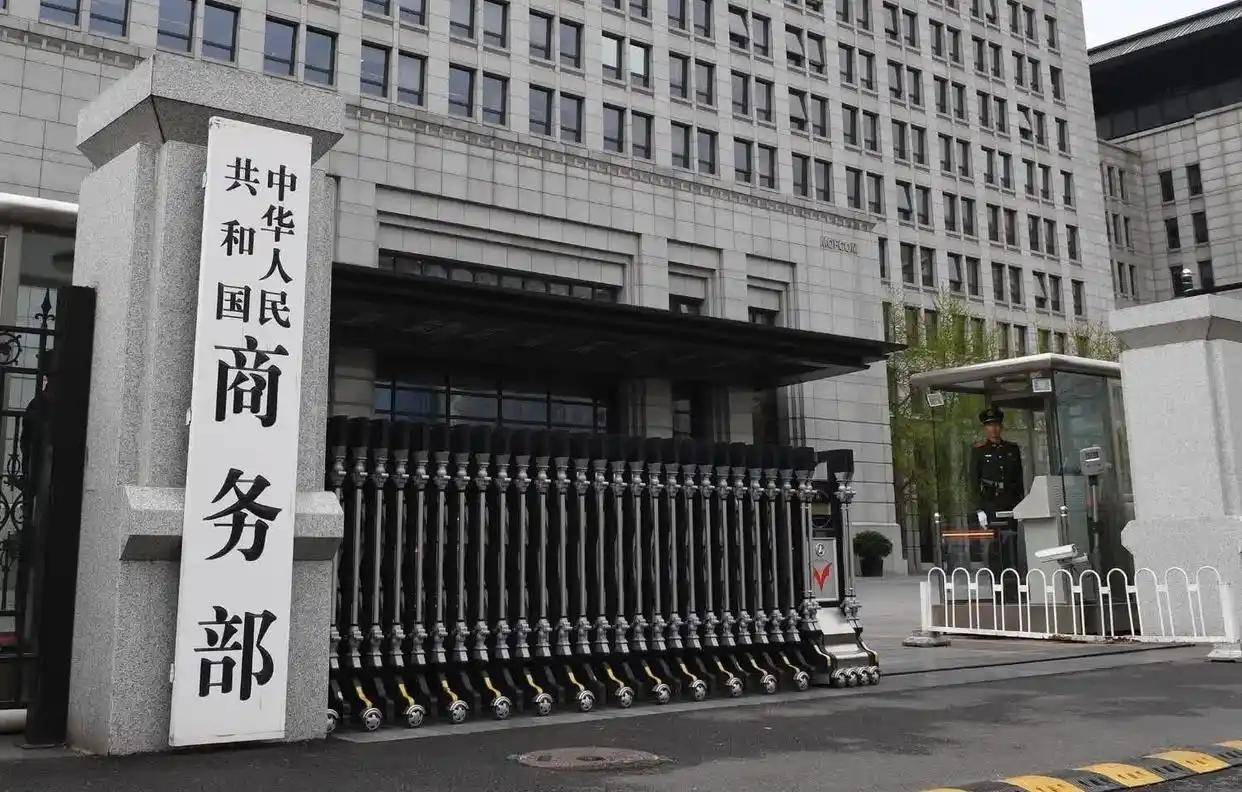
港股概念追踪|商务部公布对境外相关稀土物项实施出口管制的决定 稀土板块或迎来估值重建(附概念股)
智通财经网· 2025-10-09 01:15
Group 1: Export Control on Rare Earths - The Ministry of Commerce has announced export controls on certain rare earth items, primarily denying export applications to military users and those on the control and watch lists [1] - Exporters must apply for dual-use item export licenses if they are aware that their goods, technology, or services will significantly assist in overseas rare earth mining, smelting, and recycling activities [1] - The definitions of "rare earth," "smelting separation," "metal smelting," and "rare earth secondary resources" follow the relevant regulations of the People's Republic of China [1] Group 2: Market Insights - Huaxi Securities noted that the U.S. government is actively working to rebuild its rare earth industry, but global production of rare earth permanent magnets remains highly concentrated in China in the short term [1] - Guojin Securities believes that price increases, supply chain adjustments, and strategic attributes of the sector will lead to continued valuation and performance growth in the rare earth sector [1] Group 3: Company Highlights - Jinli Permanent Magnet (06680) ranks first globally in the production and sales of rare earth permanent magnet materials for 2024, leveraging advantages in technology, capacity, and customer resources, while also expanding into new application areas like humanoid robots [2] - China Minmetals' Hunan Xikang Mining's subsidiary controls over 300,000 tons of antimony resources [3] - Jiangxi Copper (00358) produces products that include crude antimony and sodium antimonate compounds [3]
金力永磁早盘涨超7% 稀土板块战略属性突出 机构看好估值业绩双升
Zhi Tong Cai Jing· 2025-10-08 03:04
消息面上,10月6日,特朗普政府正在讨论入股关键金属公司Critical Metals,这或将使美国直接持有格 陵兰最大规模稀土矿项目的权益。值得注意的是,美国政府近期已成功入股锂矿巨头Lithium Americas 以及坐拥芒廷帕斯稀土矿的美国稀土巨头MP Materials。华西证券(002926)此前指出,美国政府积极 重建本国稀土产业链,但短期看全球稀土永磁体生产仍高度集中于中国。国金证券则认为,涨价、供改 兑现、供应扰动叠加板块战略属性提升,稀土板块将继续演化估值业绩双升。 金力永磁(300748)(06680)早盘涨超7%,截至发稿,涨6.92%,报23.5港元,成交额6596.11万港元。 ...
中国为何不阻拦?巴铁总理赴美签字,卖稀土矿给美国续命
Sou Hu Cai Jing· 2025-10-04 07:37
Core Viewpoint - Pakistan's Prime Minister Sharif and Army Chief Munir recently visited the U.S. and signed a memorandum of cooperation, focusing on establishing multi-metal refining facilities in Pakistan to enhance the processing and export of minerals like copper, gold, tungsten, and rare earth elements [1] Economic Context - Pakistan is facing long-term fiscal pressures, heavy external debt, and insufficient foreign exchange reserves. Attracting foreign investment in mineral resources could potentially generate foreign exchange income and alleviate the debt burden [1] - The cooperation with the U.S. is seen as a strategy to diversify Pakistan's economic partnerships and foreign investment sources, reducing reliance on a single country [4] U.S.-Pakistan Cooperation - The agreement primarily revolves around the extraction and rough processing of rare earth materials rather than advanced processing, which does not pose an immediate threat to China's dominance in the rare earth sector [7] - The U.S. is actively seeking to expand its rare earth supply chain globally, including partnerships in Australia, Northern Europe, and Africa, indicating a broader strategy rather than a focused effort on Pakistan alone [9] China's Position - China maintains a dominant position in the rare earth sector due to its technological advantages, controlling approximately 90% of global rare earth magnet manufacturing. This technological edge is crucial as the extraction and processing of rare earths are complex and require advanced separation techniques [4] - Even if Pakistan and the U.S. begin cooperation in rare earth mining, the actual development may still be handed over to China due to potential funding and technical challenges faced by the U.S. [4][5] Implementation Challenges - The transition from cooperation intentions to actual execution is often lengthy and uncertain, with estimates suggesting that establishing a U.S. rare earth industry chain could take over a decade, during which geopolitical dynamics may shift [9]