
车路协同

Search documents
中远海科:深耕数字交通业务,持续关注业务拓展机会
Jin Rong Jie· 2025-08-07 09:27
Core Viewpoint - The company is actively engaged in digital transportation and is monitoring market trends and opportunities for business expansion in the area of vehicle-road collaboration [1] Group 1 - The company has been focusing on digital transportation for many years [1] - The company is tracking market dynamics and development trends related to vehicle-road collaboration [1] - The company is committed to exploring business expansion opportunities in this field [1]

山东:逐步稳妥推广应用辅助驾驶 实施自动驾驶“示范应用”行动
Zheng Quan Shi Bao Wang· 2025-08-01 06:05
Core Viewpoint - The Shandong Provincial Department of Housing and Urban-Rural Development has issued implementation opinions to promote the construction of new urban infrastructure, focusing on developing resilient cities through smart city infrastructure and intelligent connected vehicles [1] Group 1: Smart City Infrastructure - The initiative aims to promote the coordinated development of smart city infrastructure and intelligent connected vehicles [1] - There will be a gradual and prudent promotion of driver assistance applications and the implementation of "demonstration application" actions for autonomous driving [1] - The plan includes accelerating the installation of intelligent sensing devices on urban roads to enhance vehicle-road collaboration [1] Group 2: Intelligent Parking and Delivery Systems - The construction and renovation of intelligent parking facilities will be expedited [1] - There is a focus on planning, constructing, and renovating urban delivery facilities to create a compact, efficient, and smart green delivery system [1] Group 3: Emergency Infrastructure - The plan emphasizes the construction of public infrastructure that can be used for both regular and emergency purposes, ensuring a reasonable layout of urban emergency material transfer facilities [1] - This aims to enhance the rapid guarantee capability of urban emergency materials [1] Group 4: Pilot Projects - The initiative promotes the integration of "vehicle-road-cloud" in Jinan as a national pilot for intelligent connected vehicles, accelerating the expansion of pilot demonstration application scenarios [1] - It includes comprehensive urban end-point unmanned delivery, full-scenario unmanned driving in Yantai, and the "vehicle-road-cloud" integration pilot in Jinan and Qingdao [1]
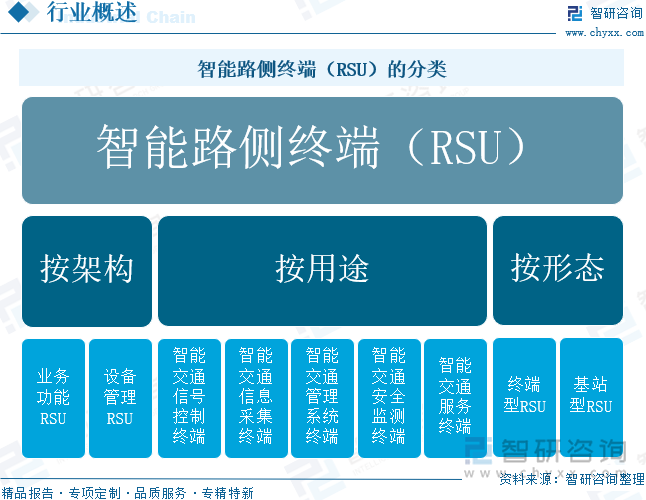
趋势研判!2025年中国智能路侧终端(RSU)行业发展历程、产业链、发展现状、重点企业及未来趋势:车路协同技术快速发展,推动RSU市场规模超200亿元[图]
Chan Ye Xin Xi Wang· 2025-07-25 01:23
Core Insights - The smart roadside unit (RSU) industry is experiencing rapid growth, with market size projected to increase from 3.9 billion yuan in 2019 to 25.524 billion yuan in 2024, representing a compound annual growth rate (CAGR) of 45.61% [1][18] - The development of key technologies such as 5G communication and edge computing will further enhance the capabilities and applications of RSUs in intelligent transportation systems [1][28] Industry Overview - Smart roadside units (RSUs) are critical infrastructure devices that facilitate communication between vehicles and roadside equipment, enhancing traffic safety and efficiency [4][6] - The industry has evolved through various stages, from initial information exchange to applications in automated driving and smart city integration [8] Market Dynamics - The smart transportation market in China is expected to reach approximately 243.48 billion yuan in 2024, growing at a rate of 10.71% [15] - The car-road collaboration industry is projected to grow from 85.08 billion yuan in 2024 to 170 billion yuan by 2028, indicating significant growth potential [17] Key Players - Major companies in the RSU industry include Huaming Intelligent, Jinyi Technology, Wanjie Technology, and Huawei, which hold significant market shares and technological advantages [21][22] - Jinyi Technology is focused on smart traffic solutions and has seen a production decrease of 14.06% in RSUs, while Wanjie Technology is expected to generate 930 million yuan in revenue from the smart transportation sector in 2024 [24][26] Technological Trends - Future developments in RSUs will focus on high-precision sensing and collaborative computing, leveraging technologies like 5G and AI for real-time data processing [28] - Standardization of RSU devices and protocols will be essential for ensuring compatibility and interoperability across different manufacturers [29] Application Expansion - RSUs will extend their applications beyond highways and urban roads to include ports, mines, and other semi-closed environments, supporting specific intelligent needs [30]

从“机械驱动”向“电子驱动”,线控底盘近期为何迅速升温?
Zhong Guo Qi Che Bao Wang· 2025-07-24 02:12
Core Viewpoint - The rise of "software-defined vehicles" and "AI-defined vehicles" has led to increased interest in steer-by-wire chassis technology, which is seen as a crucial component in the transformation of automotive electronic and electrical architecture [2] Group 1: Technology and Functionality - Steer-by-wire chassis is regarded as the "nerve center" of automotive intelligence, enabling significant improvements in response speed and control precision compared to traditional mechanical systems [2] - The response time for steer-by-wire steering can reach 20ms, more than three times faster than traditional systems, making it essential for Level 3 and above autonomous driving [2] - The electronic hydraulic brake (EHB) system enhances braking energy recovery efficiency by over 30% and addresses the vacuum source issue in electric vehicles [2] Group 2: Driving Experience Enhancement - Steer-by-wire chassis offers upgrades in precision, flexibility, and personalization, achieving a weight reduction of 15%-20% through lightweight design [3] - The modular architecture improves vehicle efficiency, extending driving range by 5%-8%, and provides a transformative control experience through lossless transmission of electrical signals [3] - The system allows for driver-customizable modes, enhancing driving styles and experiences, such as "sport mode" and "comfort mode" [3] Group 3: Safety and Challenges - Despite improvements in safety through hardware redundancy, steer-by-wire systems face risks not encountered by traditional mechanical systems, including sensor signal interference and electromagnetic compatibility issues [4] - The complexity of steer-by-wire technology results in significantly higher R&D and manufacturing costs compared to traditional chassis systems [5] Group 4: Market Trends and Future Development - The penetration rate of steer-by-wire chassis in the domestic market is projected to be only 15% by 2024, primarily in high-end models priced above 300,000 yuan [5] - Short-term developments include the One Box solution for braking systems, which will enhance integration and reduce costs, while long-term goals involve the integration of braking, steering, and suspension control into a unified chassis control system [5] - By 2028, it is expected that full-scenario steer-by-wire chassis will be available in mainstream models priced above 300,000 yuan, advancing the smart driving experience [5] Group 5: Strategic Recommendations - Industry experts suggest launching comprehensive steer-by-wire solutions for smart vehicles priced above 300,000 yuan, while also developing cost-effective options for mid-range markets [6] - A three-dimensional empowerment system involving technology, policy, and capital is recommended to encourage the adoption of steer-by-wire technology [6] - The visualization of safety benefits, such as a 30% reduction in emergency braking distance, is seen as a pathway to market acceptance [6] Group 6: Industry Transformation - Steer-by-wire technology represents not just a technical iteration but a significant shift in the automotive industry's value distribution, moving from mechanical manufacturing to digital intelligence [7] - The current period is viewed as an optimal time for companies to seize the opportunity in chassis intelligence, with the potential for domestic enterprises to overcome previous technological monopolies [7] - The evolution of steer-by-wire systems is indicative of the broader transition from mechanical to electronic driving, paving the way for a more intelligent automotive future [7]

金溢科技: 2025年半年度业绩预告
Zheng Quan Zhi Xing· 2025-07-14 16:25
Group 1 - The company expects a net loss of 9 million to 12 million RMB for the current reporting period, compared to a profit of 15.56 million RMB in the same period last year [1] - The expected loss for net profit attributable to shareholders, after deducting non-recurring gains and losses, is between 18 million to 21 million RMB, down from a profit of 2.61 million RMB in the previous year [1] - Basic earnings per share are projected to be a loss of 0.05 to 0.07 RMB per share, compared to earnings of 0.09 RMB per share last year [1] Group 2 - The company is focusing on the smart transportation sector, developing various business clusters including ETC, vehicle-road cloud, automotive electronics, digital energy, low-altitude network connectivity, smart IoT, and digital monitoring [2] - The competitive landscape in the industry has intensified, leading to significant price declines for some products, which has pressured the overall gross margin and contributed to the decline in company performance [2] - The company aims to adhere to its traffic mission of "zero deaths, zero accidents, zero congestion, and zero carbon" while advancing along its strategic development path in vehicle-road collaboration and intelligent transportation systems [2]
2025年还有造车空间吗?
Zhong Guo Qi Che Bao Wang· 2025-07-10 09:26
Group 1 - The Chinese automotive market in 2025 is experiencing intense competition, with domestic brands capturing 65% market share in 2024, and monthly market share nearing 70% [2] - The automotive industry is facing a historical low profit margin of 4.5%, significantly below the average of 6.1% for downstream industrial enterprises [2] - New entrants like Jin Yu Automobile and Chu Neng New Energy are struggling with insufficient initial investments, which are below 5 billion yuan, in a sector where R&D investments often exceed 10 billion yuan [3] Group 2 - The automotive industry is undergoing unprecedented consolidation, with major players like Geely and BYD dominating the market, as the top 15 companies hold 82% of the market share [3] - The average capacity utilization rate in the new energy vehicle sector is only 65%, indicating a significant overcapacity issue [4] - The competition has evolved from merely electrification to a dual challenge of "electrification + intelligence," raising the technical barriers for new entrants [7] Group 3 - There are theoretical opportunities for new players who can innovate and have sufficient resources, particularly in niche markets where targeted strategies can yield growth [9] - Technological breakthroughs in areas like solid-state batteries and autonomous driving chips could disrupt the current competitive landscape [9] - Expansion into overseas markets is seen as a potential growth area, with a projected 10% increase in Chinese passenger car exports in 2025 [10] Group 4 - The automotive industry has entered a phase characterized by high barriers to entry, high investment, and high risk, moving from a fragmented market to a more concentrated one [11] - The future of the Chinese automotive market will focus on technological innovation and the evolution of business models rather than merely increasing the number of companies [12]





五问“车路云一体化”:如何解锁自动驾驶“规模商用”密码?
3 6 Ke· 2025-07-03 06:31
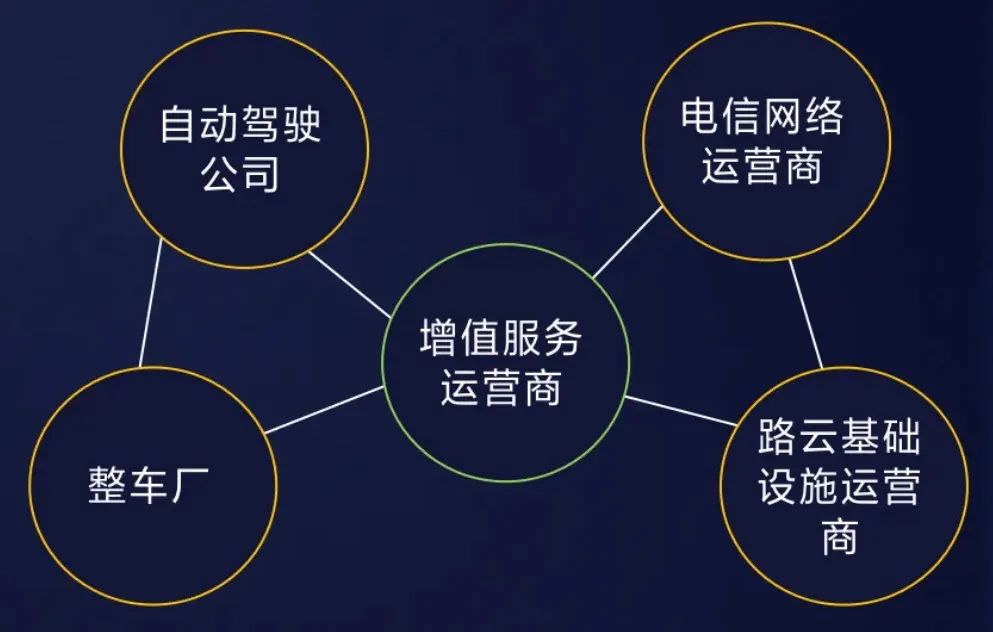
Core Viewpoint - The article discusses the ongoing debate between "single vehicle intelligence" and "vehicle-road-cloud integration" in the context of autonomous driving technology, highlighting the rapid transformation of transportation systems and the emerging opportunities in smart traffic [1][2]. Group 1: Relationship Between Technologies - "Single vehicle intelligence" and "vehicle-road collaboration" are not mutually exclusive but rather complementary approaches to achieving autonomous driving [2][4]. - Single vehicle intelligence relies on the vehicle's own sensors and algorithms, while vehicle-road collaboration aims to enhance traffic system intelligence by integrating external information [3][4]. Group 2: Role of Vehicle-Road-Cloud Integration - Vehicle-road-cloud integration is essential for achieving both vehicle intelligence and broader traffic system automation, facilitating a shift from "terminal autonomy" to "global collaboration" in smart transportation [4][14]. - This integration provides a regulatory framework for autonomous driving, ensuring compliance and safety through comprehensive monitoring of vehicle operations [7][14]. Group 3: Challenges and Opportunities in Autonomous Driving - The automotive industry is transitioning from electric vehicles to smart vehicles, with a focus on integrating advanced driver-assistance systems (ADAS) into personal vehicles [5][6]. - Current ADAS features are often marketed ambiguously, leading to potential risks and misunderstandings regarding their capabilities [5][6]. Group 4: New Regulatory Paradigms - A new regulatory framework is necessary to address the unique challenges posed by autonomous driving, focusing on data transparency, social trust, risk control, responsibility assignment, and overall safety [9][10][11][12][13]. - Vehicle-road-cloud integration can enhance regulatory oversight by monitoring real-time vehicle data and ensuring compliance with traffic regulations [14][15]. Group 5: Economic Implications of Driving Commoditization - The concept of "driving commoditization" emerges as a new business model where driving services are provided by autonomous systems, shifting responsibility from human drivers to the system operators [16][17]. - This model can create significant economic benefits for local governments through the monetization of urban data and infrastructure [17][20]. Group 6: Industry Development Strategies - To activate the potential of vehicle-road-cloud integration, the industry must shift from a technology-driven mindset to a value-driven approach, focusing on creating and capturing value through innovative services [20][22]. - Developing "killer applications" like Robotaxi can drive the scale economy of vehicle-road-cloud integration, facilitating broader adoption of autonomous driving technologies [23][24][26].
新股速递|从累计亏损10亿到市占率37.7%:希迪智驾如何领跑自动驾驶矿卡赛道?
贝塔投资智库· 2025-07-02 04:04
Company Overview - Xidi Zhijia Technology Co., Ltd. is a high-tech enterprise focused on commercial vehicle autonomous driving technology, founded in 2017 and headquartered in Changsha, Hunan. The main products include autonomous mining truck solutions, V2X vehicle networking technology, and high-performance intelligent perception systems, widely used in mining, ports, and logistics parks [1]. Financial Performance Revenue - The company experienced explosive revenue growth over three years, recording revenues of 31 million, 133 million, and 410 million RMB, with a compound annual growth rate (CAGR) of 263% [5]. - The autonomous driving mining truck business significantly contributed to revenue, with figures of 27.998 million, 74.418 million, and 247.887 million RMB, accounting for 60.1% of total revenue in 2024 [4]. - V2X business revenue also saw substantial growth, reaching 10.286 million and 101.591 million RMB in 2023 and 2024, respectively, representing 24.8% of total revenue [4]. Profitability - Despite improvements in gross margin, the company recorded increasing losses over three years, with losses of 263 million, 255 million, and 581 million RMB [5]. - The overall gross margin improved from -19.3% in 2022 to 24.7% in 2024, although it remains below industry averages [6]. Debt and Cash Flow - By the end of 2024, the company had cash reserves of 306 million RMB, a 30% increase, but still reported negative operating cash flow of -148 million RMB [7]. - The company’s inventory turnover days improved significantly from 513.6 days in 2023 to 121.8 days in 2024 [7]. Market Position and Competitive Advantage - Xidi Zhijia holds a leading market share in the commercial vehicle autonomous driving sector, with a 16.8% market share in 2024, significantly higher than the second-largest competitor [7]. - The company ranks first in the autonomous mining truck market with a market share of 37.7%, expected to rise to 46% by 2025 [7]. - The company has established a global mixed fleet of autonomous mining trucks, achieving operational efficiency exceeding that of human drivers [8]. Technological Edge - The company employs a full-stack self-developed and vehicle-road collaborative solution, achieving zero-accident operations in mining areas as of the end of 2024 [8]. - The core product, "Yuan Mining" system, integrates vehicle, road, and cloud capabilities, enabling unmanned transportation and intelligent scheduling [8]. Future Growth Potential - The backlog of orders reached 831 million RMB by the end of 2024, supporting future revenue growth [9]. - The company’s revenue is projected to continue growing, driven by increasing customer numbers and the release of backlog orders [5][9].
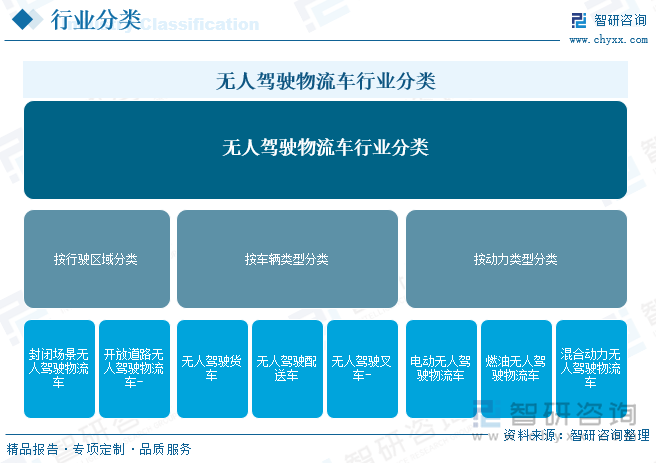
趋势研判!2025年中国无人驾驶物流车行业全景速览:在政策与技术的共同驱动下,无人物流车的发展势不可挡,行业有望迎来爆发式增长[图]
Chan Ye Xin Xi Wang· 2025-07-01 01:16
Core Viewpoint - The development of autonomous logistics vehicles in China is expected to experience significant growth, driven by advancements in technology and supportive government policies, with market value projected to reach 594.8 billion yuan by 2030 [1][4][19]. Industry Definition and Classification - Autonomous logistics vehicles are defined as logistics transport tools equipped with self-driving capabilities, utilizing advanced sensor technology, AI, and communication technology for automated driving and delivery [2]. - These vehicles can be categorized based on driving area (closed scene vs. open road), vehicle type (cargo trucks, delivery vehicles, forklifts), and power type (electric, fuel, hybrid) [2]. Current Development Status - The market for autonomous logistics vehicles in China is growing significantly, with an expected industry output increase of 43.9 billion yuan by 2025 and a potential market size of 594.8 billion yuan by 2030 [4][19]. - In 2024, autonomous logistics vehicles are projected to account for approximately 50% of urban logistics delivery, 29% of urban last-mile delivery, 11% in mining transport, and 10% in port transport [6]. Industry Chain - The upstream of the autonomous logistics vehicle industry includes core technologies and components such as LiDAR, cameras, AI chips, and high-precision positioning modules [8]. - The midstream involves the manufacturing and system integration of autonomous logistics vehicles, while the downstream includes applications in traditional express delivery, warehousing, and specific scenarios like ports and airports [8]. Competitive Landscape - The autonomous logistics vehicle market in China is still in a developmental phase, with increasing competition as companies invest in R&D and collaborate with academic institutions [15]. - Key players in the market include New Stone Technology, Hangshen Intelligent, Jiusi Intelligent, JD Logistics, and Yika Intelligent Vehicle [15][17]. Development Environment - Relevant Policies - The Chinese government has introduced various supportive policies to foster the growth of the autonomous logistics vehicle industry, enhancing the environment for its development [12][14]. - Policies have been established to promote the application of autonomous vehicles in logistics, including guidelines for testing and commercial demonstration in specific environments [14]. Development Trends - The Chinese government emphasizes the application of autonomous driving technology in logistics as part of its national strategic planning, indicating a strong future growth trajectory for the industry [19].
特斯拉Robotaxi上路!3大看点搅动智驾江湖
Xin Lang Ji Jin· 2025-06-26 02:19
Group 1 - Tesla's robotaxi service has officially launched in Austin, Texas, with an initial fleet of approximately 10 Model Y vehicles for paid passenger rides [1] - Elon Musk views the robotaxi as the ultimate form of personal transportation, emphasizing its potential for safety, efficiency, and cost-effectiveness, with a projected utilization rate exceeding 40 hours per week per vehicle and gross margins potentially reaching 70%-80% [1] - Following the announcement, Tesla's stock surged by 8.23%, indicating strong market interest in the news [1] Group 2 - The launch of Tesla's robotaxi is expected to create new growth opportunities for upstream suppliers of sensors, cameras, and chips, as demand for advanced perception and computing devices increases [2] - Downstream companies involved in software services and data analysis are also likely to benefit from the operational and optimization needs of the robotaxi service [2] Group 3 - In the domestic market, Tesla's innovation is anticipated to stimulate a "catfish effect" in the smart driving industry, potentially boosting the performance of domestic smart vehicle manufacturers [3] - The Chinese government has initiated plans to accelerate the approval and pilot testing of smart connected (autonomous) vehicles, particularly in key regions like the Yangtze River Delta and the Guangdong-Hong Kong-Macau Greater Bay Area [3] - CITIC Construction Investment Securities expresses optimism about the valuation reshaping of the automotive and smart driving industry by 2025, highlighting investment opportunities in both vehicle sales and component suppliers [3] Group 4 - Companies with advanced autonomous driving capabilities are expected to accelerate the commercialization process, while sensor-focused firms may see increased demand and technological upgrades [4] - The automotive electronics and chip sectors are also poised for growth, with domestic companies rapidly advancing in AI chip development and edge computing platforms to provide differentiated solutions for smart vehicles [4] - The smart transportation and vehicle-road collaboration sectors are likely to experience new growth opportunities, particularly for companies specializing in high-precision mapping and intelligent roadside equipment [4]
