AIoT

Search documents
Beijing Deltaphone Technology Co., Limited(H0165) - Application Proof (1st submission)
2026-01-19 16:00
The Stock Exchange of Hong Kong Limited and the Securities and Futures Commission take no responsibility for the contents of this Application Proof, make no representation as to its accuracy or completeness and expressly disclaim any liability whatsoever for any loss howsoever arising from or in reliance upon the whole or any part of the contents of this Application Proof. Application Proof of BEIJING DELTAPHONE TECHNOLOGY CO., LIMITED 北京德風新征程科技股份有限公司 (the "Company") (A joint stock company incorporated in t ...
生态赋能 智领未来 | PLCP互联生态大会2025圆满落幕,力合微电子携手合作伙伴共绘AIoT新蓝图
Xin Lang Cai Jing· 2026-01-19 13:18
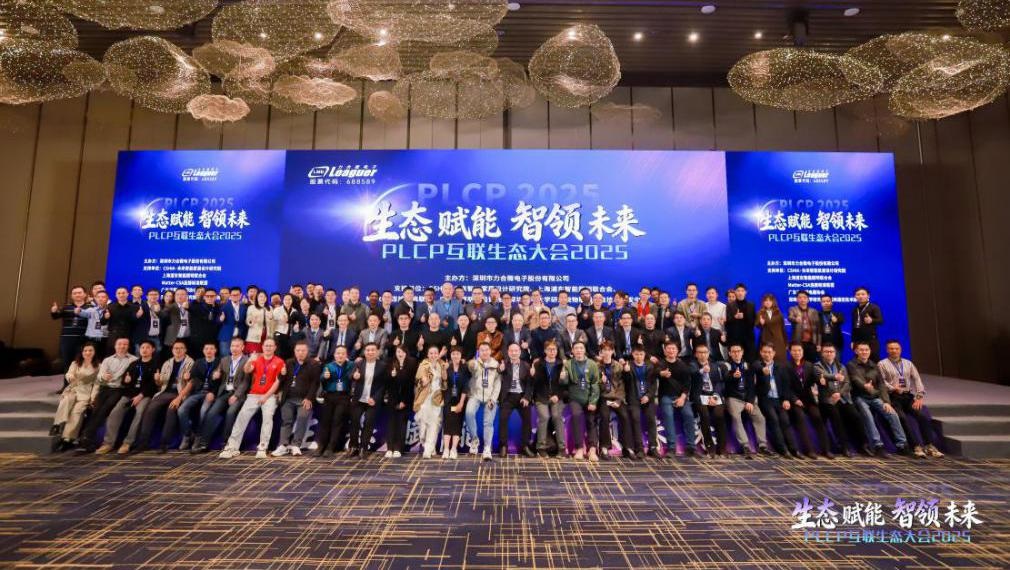
本次大会得到了CSHIA·未来智能家居设计研究院、上海浦东智能照明联合会、连接标准联盟、广东省照明电器协会、深圳清华大学研究院物联网通信技 术研发中心及PLCP合作伙伴的鼎力支持。现场展示了PLCP全景生态合作伙伴的多样化产品及解决方案,共同见证了PLCP在推动产业互联互通与高质量 发展中的坚实步伐。 破局而立:统一标准是互通的关键 大会伊始,力合微电子董事长刘鲲博士发表致辞,对莅临现场的各位嘉宾表示热烈欢迎和衷心感谢。 (来源:CSHIA) 汇聚产业力量,共探连接未来。2026年1月16日,由力合微电子主办的PLCP互联生态大会2025在深圳盛大召开。数百位行业精英齐聚一堂,共同见证 PLCP生态的蓬勃发展与AI时代的产业赋能新篇章。 2026年1月16日,深圳——在这个万物互联迈向万物智联的关键节点,由深圳市力合微电子股份有限公司(简称:力合微电子)主办的"PLCP互联生态大 会2025"在深圳隆重举行。本次大会以"生态赋能 智领未来"为主题,汇聚了来自政府、地产、家电、家居、酒店、照明、楼宇、光储等领域的近400位行 业代表及专家学者。 刘鲲博士指出,当前AI与物联网技术飞速发展,但行业仍面临基础连接不 ...


专访:涂鸦智能以 AI 平台与核心能力加速布局全球消费市场
BambooWorks· 2026-01-15 10:21
Core Insights - The article discusses the launch of "Hey Tuya," an AI life assistant by Tuya Smart, marking its first consumer-facing product after 12 years of development in the IoT sector [1][2]. Group 1: Product Overview - "Hey Tuya" is designed to assist consumers with various daily tasks, including schedule management, to-do lists, health monitoring, and interaction with smart home devices [2]. - The product is currently in the testing phase and is expected to be officially launched later this year [2]. Group 2: Competitive Landscape - Tuya Smart claims that there are currently no direct competitors offering similar services, positioning itself as a unique value provider with an open platform for developers [3]. Group 3: Market Potential and Challenges - The penetration rate of smart home devices is relatively low, with only about 6%-7% of homes currently equipped, indicating significant growth potential [7]. - Key challenges include enhancing cross-device experiences and continuously identifying real user needs to match technological capabilities [7]. Group 4: Business Model - Tuya operates under three main business models: PaaS (Platform as a Service) for device manufacturers, solution business for emerging product categories, and SaaS (Software as a Service) for end-users [8]. - The company maintains a B2B2C structure, empowering device suppliers while also focusing on consumer insights to optimize product offerings [9]. Group 5: Future Outlook - Tuya anticipates that 2025 will be a foundational year for AI devices, with ongoing efforts to encourage developers to explore AI applications [9].


龙旗科技港股上市:AI端领军者,智能ODM迎爆发增长
Xin Lang Cai Jing· 2026-01-15 04:23
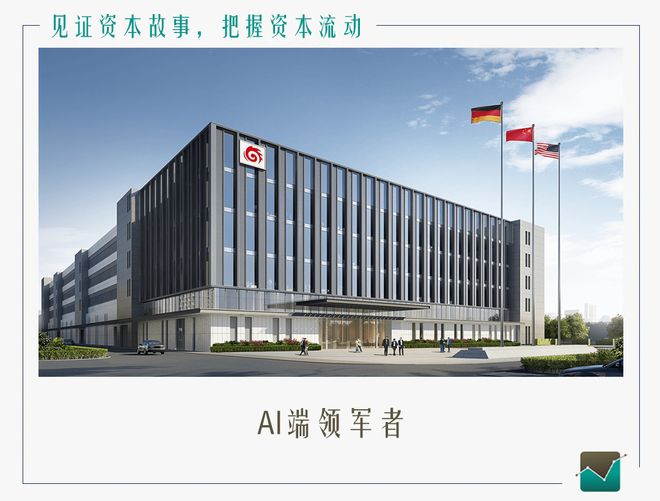
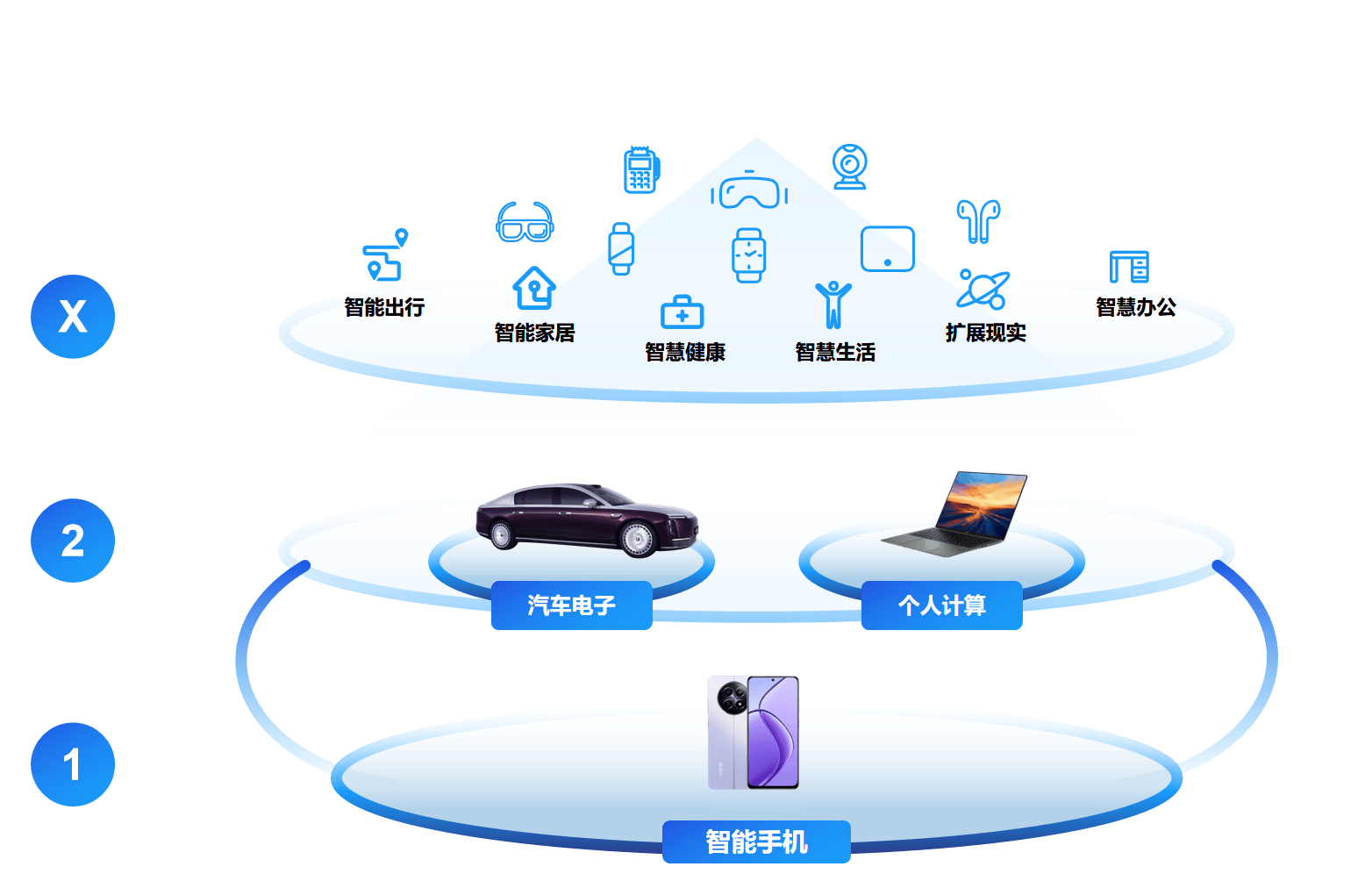
Core Viewpoint - Shanghai Longqi Technology Co., Ltd. (stock code: 09611.HK) has officially launched its IPO in Hong Kong, planning to issue 52.26 million H-shares with a maximum price of HKD 31.00 per share, aiming to capitalize on the booming demand in the AI sector for performance growth and valuation enhancement [3][5]. Company Overview - Established in 2004, Longqi Technology has evolved into a leading ODM service provider for smart products, offering a comprehensive range of services from product research and design to manufacturing and support [3][5]. - The company has a global presence with R&D centers in Shanghai, Shenzhen, and Huizhou, and production bases in Huizhou, Nanchang, Vietnam, and India, along with branches in the US, South Korea, Japan, Singapore, and Hong Kong [3][5]. Market Position - Longqi Technology holds a 22.4% market share, ranking as the second-largest consumer electronics ODM globally and the largest smartphone ODM with a 32.6% market share [5][14]. - The company has established long-term partnerships with major brands like Xiaomi, Samsung, Lenovo, and OPPO, with several collaborative models exceeding 10 million units in shipments [5][15]. Business Model - The company employs a "1+2+X" framework, focusing on smartphones as the core, personal computing and automotive electronics as key growth areas, and emerging consumer electronics like tablets and wearables [5][7]. - In 2024, smartphone revenue reached RMB 36.13 billion, accounting for 77.9% of total revenue, while AIoT revenue surged by 122% year-on-year to RMB 5.57 billion, representing 12.0% of total revenue [7][8]. Financial Performance - Revenue grew from RMB 29.34 billion in 2022 to RMB 46.38 billion in 2024, with a compound annual growth rate (CAGR) of 25.7% [8][9]. - Net profit improved from RMB 5.6 billion in 2022 to RMB 5.1 billion in the first nine months of 2025, reflecting a 20.9% year-on-year increase [8][9]. Competitive Advantages - Longqi Technology invests heavily in R&D, with cumulative expenditures of RMB 7.23 billion from 2022 to the first nine months of 2025, focusing on wireless communication, audio, display, optics, and AI applications [11]. - The company has established a robust global supply chain and production capabilities, enhancing its competitive edge in responding to market demands and fluctuations in raw material prices [11][12]. Industry Outlook - The global ODM market for consumer electronics is expected to grow, with a forecasted increase in shipment volumes from 2.11 billion units in 2024 to 2.49 billion units by 2029, driven by AI technology integration [12][13]. - The automotive electronics market is projected to expand from RMB 2.5 trillion in 2024 to RMB 3.3 trillion by 2029, indicating significant growth opportunities for ODM manufacturers [13][14]. Future Growth Potential - Longqi Technology is well-positioned to benefit from the AI-driven demand surge in smartphones and other smart products, with expectations of substantial revenue growth in AIoT, AI PCs, and automotive electronics [15][16]. - The company anticipates achieving a net profit of RMB 6.85 billion in 2025, representing a 29.4% year-on-year increase, with further growth projected for 2026 and 2027 [16].
Q4手机家电市场调研-华南
2026-01-15 01:06
Summary of Xiaomi's Q4 2025 Conference Call Company Overview - **Company**: Xiaomi - **Industry**: Mobile and Consumer Electronics Key Points Sales Performance - In Q4 2025, Xiaomi's overall sales increased by approximately 5% year-on-year, driven by mobile and AIoT products, excluding automotive sales [2] - The mobile segment's sales volume remained stable, but due to price increases, sales revenue grew by about 8% [2][6] - The home appliance segment achieved a GMV growth of approximately 50% for the year, but remained flat in Q4 [2][10] - Wearable devices maintained a stable market share of around 18%-20% [3][6] Product Performance - The Xiaomi 17 series saw explosive growth in October following its launch, but experienced a significant decline in November and December [4] - The Ultra series, launched in December 2025, had slightly lower sales than its predecessor, but received positive feedback for performance and quality, with a special edition priced at 8,999 yuan [7] - High-end models (priced above 3,500 yuan) increased their market share from 30% in 2025 to approximately 35% in 2026, attributed to improved sales of high-end models rather than reliance on subsidies [8] Market Dynamics - The normalization of national subsidy policies has led consumers to adopt a wait-and-see attitude, complicating transaction facilitation in retail stores [5] - Despite a projected 15% decline in terminal sales in 2026 due to a pessimistic economic outlook, sales revenue may only decrease by about 5% due to rising chip costs [9] Home Appliance Business - The home appliance segment's GMV remained flat in Q4 2026, with a 50% growth for the year. There is potential for improvement in categories like refrigerators and washing machines [10] - A new factory in Wuhan is expected to drive growth, with a focus on improving store displays and sales skills [10] Training and Management Adjustments - Xiaomi has initiated systematic training for store personnel, focusing on aligning operations and improving sales strategies [12][13] - Adjustments to store management have not yet resulted in significant growth, leading to a reevaluation of optimization strategies [11] Consumer Perception and Brand Recognition - Consumers have recognized improvements in the quality of Xiaomi's home appliances, contributing to increased purchases, especially with the aid of subsidies [15] - The brand's overall perception remains strong, although negative online commentary has impacted consumer decisions regarding automotive purchases [22] Automotive Sales - Automotive sales in Q4 2025 were disappointing, with a significant year-on-year decline. The average sales per store dropped by about 50% [21] - Initial production capacity issues were followed by negative public sentiment affecting consumer choices [21][22] Future Outlook - The new national subsidy policy is expected to continue until the end of 2026, primarily benefiting the home appliance sector [17] - Xiaomi aims for a sales growth target of at least 30% year-on-year for 2026, with a focus on optimizing existing stores rather than expanding [18] - The overall market environment for 2026 is anticipated to be challenging, but Xiaomi's brand strength and product strategy are expected to lead to gradual improvements [27]

对标苹果核心产品,OpenAI首款AI硬件曝光
Xuan Gu Bao· 2026-01-14 23:37
Group 1 - OpenAI CEO Sam Altman and former Apple design chief Jony Ive are set to launch an AI device, codenamed Sweetpea, aimed at competing with Apple's AirPods, with an expected release in September and a planned first-year production of 40 to 50 million units [1] - The device will utilize a 2nm process smartphone chip, with Samsung's Exynos chip as the primary choice, and a custom chip already developed, indicating a higher cost due to materials and components being similar to smartphones [1] - The CES 2026 showcased AI headphones as a focal point, shifting innovation from single audio performance to a combination of "audio quality + AI + multimodal" capabilities, with some products integrating cameras and environmental sensing features [1] Group 2 - The AI headphone market is projected to grow significantly, with a global market size of 3.36 billion yuan in 2023, expected to reach 75.9 billion yuan by 2027, reflecting a compound annual growth rate of 118% [2] - The integration of AI technology with smart headphones and glasses is expected to drive demand for high-performance acoustic sensors and miniature speakers, potentially expanding to more AI smart hardware, creating new growth opportunities for industry players [2] - Companies like Luxshare Precision and GoerTek are anticipated to participate in the supply chain for the new AI device, while Guoguang Electric is focusing on developing smart speakers, AI glasses, AI headphones, and VR/AR products, with plans for mass production of AI glasses [3]
炬芯科技:客户地域分布上呈现多元化
Zheng Quan Ri Bao Wang· 2026-01-14 13:12
证券日报网讯1月14日,炬芯科技在互动平台回答投资者提问时表示,炬芯科技客户来自中国大陆、欧 洲、日本、韩国、新加坡、北美、澳大利亚、印度等区域,客户地域分布上呈现多元化。公司芯片的销 售模式主要为客户下单后,交付给指定加工厂或ODM厂商,最终集成在AIoT终端产品后整机进行销 售。 ...

龙旗科技:港股IPO获产业龙头加持
Sou Hu Cai Jing· 2026-01-14 01:36
Group 1 - The core point of the news is that Longqi Technology has officially launched its Hong Kong IPO, planning to issue 52.2591 million H-shares globally, with a maximum offer price of HKD 31.00 per share, marking the beginning of its "A+H" development phase after its A-share listing in March 2024 [2] Group 2 - Longqi Technology has attracted cornerstone investors including Qualcomm, Jiangxi Guokong, and others, with a total subscription amount of approximately HKD 440 million, indicating strong confidence from industry leaders in the company's growth potential [3] - Qualcomm's participation as a cornerstone investor is particularly notable as it reflects the tech giant's support for AI development and its commitment to the growth of Longqi Technology [3] Group 3 - Longqi Technology is the second-largest ODM manufacturer in consumer electronics globally and the largest in smartphone ODM, with new opportunities arising from its "1+2+X" product strategy and global expansion [5] - The company's main focus is on smartphone business, while also developing emerging sectors such as personal computing and automotive electronics, with expectations for significant growth in AI PC and automotive electronic products [5][6] Group 4 - The company has established strategic partnerships in smart glasses, which are becoming a key growth driver, with non-smartphone product revenue accounting for 30% by Q3 2025 [6] - Longqi's global strategy is entering an accelerated phase, with plans to enhance capital strength and international brand image through the IPO, aiming to support its international business development [6] Group 5 - The funds raised from the global offering will be allocated as follows: 40% for expanding domestic and international production capacity, 20% for ongoing R&D, 10% for market and customer expansion, 20% for strategic investments or acquisitions, and the remaining 10% for operational funds and general corporate purposes [7]
创维集团创始人黄宏生:光伏收入已超电视,“寻找下一个增长点”
Jing Ji Guan Cha Wang· 2026-01-13 09:37
Core Viewpoint - The Chinese home appliance industry is at a crossroads, facing a declining domestic market while seeking new growth opportunities in renewable energy, particularly solar power, as traditional hardware sales reach a ceiling [1][3]. Group 1: Market Trends - The Chinese TV market saw a retail volume decline of 2.9% year-on-year, with a significant drop of 12.1% in the third quarter of 2025 [1]. - The revenue from the solar business of Skyworth is expected to surpass that of its traditional TV business for the first time in 2025 [1][2]. Group 2: Solar Business Development - Solar energy is estimated to contribute about one-third of Skyworth's revenue, with projections indicating that solar revenue will reach 138 billion yuan, while smart home appliances will generate 170 billion yuan [3]. - Skyworth's entry into the solar market began five years ago, focusing on household distributed solar solutions rather than competing with industry giants in large-scale projects [3][4]. Group 3: International Expansion - The CEO highlighted significant price differences in electricity between Europe and China, with European electricity prices being ten times higher, driving Skyworth's solar expansion into international markets [4][5]. - Skyworth aims to export its solar energy solutions to regions like the Middle East, Europe, and South America, leveraging local partnerships for project execution [5]. Group 4: AI Integration - Despite the rapid growth of the solar business, TVs remain a core brand asset for Skyworth, serving as a gateway to 200 million households [7]. - The company is focusing on integrating AI into its products, viewing it as essential for enhancing user experience and addressing specific consumer needs [8][9]. Group 5: Strategic Adaptation - Skyworth is adapting to increasing trade protectionism by acquiring established international brands, such as Funai in North America and Metz in Germany, to mitigate geopolitical risks [18][19]. - The company is also exploring differentiated market positioning in the automotive sector, targeting specific consumer needs like "deep sleep" features in its vehicles [21][24]. Group 6: Financial Performance - Despite the promising growth in solar energy, Skyworth's net profit for the first half of 2025 fell by 67.4% year-on-year, indicating challenges in transitioning between old and new business models [24].
小米玄戒O1:3nm自研芯破局,跻身全球芯片设计第一梯队
Jing Ji Guan Cha Wang· 2026-01-13 07:45
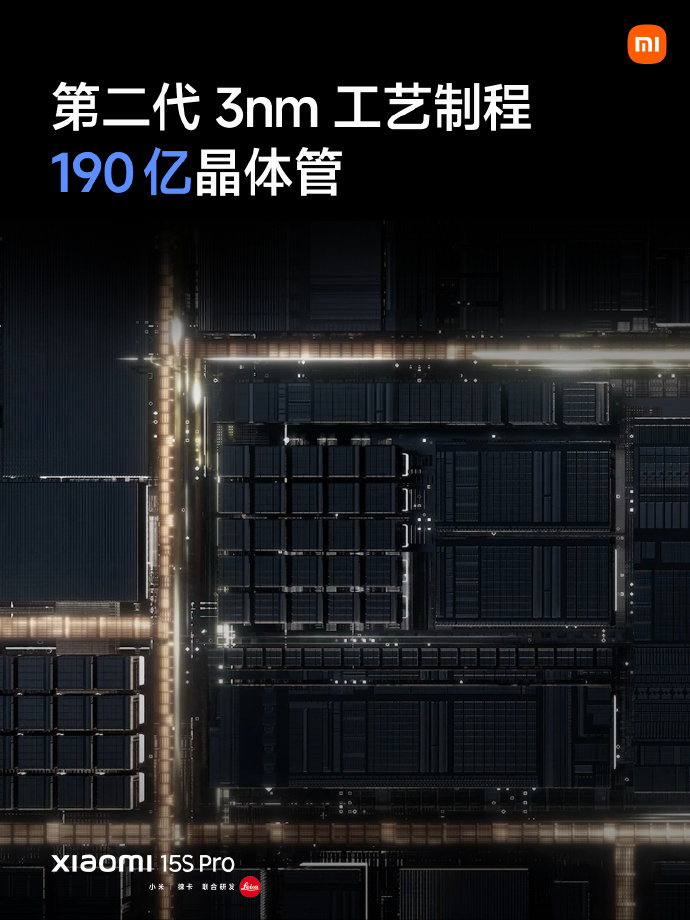
Core Insights - Xiaomi has established itself as a leading global technology company since its inception in 2010, evolving from consumer electronics to a comprehensive ecosystem covering smartphones, smart hardware, IoT platforms, and electric vehicles [1] - The company has been recognized in the Fortune Global 500 for seven consecutive years and ranks among the top three in global smartphone shipments for 21 consecutive quarters, with over 1 billion devices connected to its AIoT platform [1] - Xiaomi has invested significantly in chip research and development, with a "Ten Years 50 Billion" investment plan, forming a core R&D team of over 2,500 people and accumulating over 13.5 billion yuan in R&D investments [1] Chip Development - In response to challenges in the high-end chip sector, Xiaomi has initiated the development of the Xuanjie O13nm flagship processor, aiming for breakthroughs through independent innovation and architectural optimization [2] - The Xuanjie O1 processor features three major innovations: a 3nm advanced process with 19 billion transistors integrated in a 109mm chip area, a unique 10-core 4-cluster CPU architecture, and the integration of a self-developed ISP imaging chip and a 6-core low-power NPU [2] Industry Impact - The successful development and mass production of the Xuanjie O1 marks a significant milestone for Xiaomi's chip business and sets multiple records in the domestic semiconductor industry, making Xiaomi the fourth global company and the first in mainland China capable of 3nm SoC R&D [3] - The Xuanjie O1's mass production disrupts the monopoly of international giants in the high-end chip market and provides a replicable technology path and commercial model for the domestic semiconductor industry [3] - The core technologies accumulated during the R&D process will empower domestic chip design, manufacturing, and testing enterprises, promoting the entire industry chain [3] Future Outlook - Xiaomi plans to continue enhancing its chip technology innovation, leveraging its "human-vehicle-home ecosystem" to empower more product scenarios and inject lasting momentum into the high-quality development of China's semiconductor industry [4]