
智能驾驶

Search documents
接管次数不适合作为智驾能力水平的参考, 本质只是披着控制变量的皮
理想TOP2· 2026-01-03 13:28
5个观点: 1.同一路段接管次数受非常多因素影响,形式上看起来控制变量了,实质上完全没有控制变量,以接 管次数来衡量智驾能力水平误导性很强。 2.现阶段任意道路高智驾占比+低接管次数和驾驶员自身智驾水平高度相关,且着重强调这和开得久 不久不相关,和驾驶员自身天赋与努力程度相关。类比游戏玩得好不好和打得久不久不相关,和天赋 和努力程度相关。与此同时没有任何测评尝试去衡量驾驶员智驾水平,且即使尝试也非常难设计出一 套公允系统去衡量。 3.智驾终局评判好坏的维度很简单,没有主驾,用户随便在车里用电脑办公,现阶段评价智驾的大类 维度主要是实际体验与架构先进性,在这两个大类下,细分视角多如牛毛。 4.此时此刻不存在单一的客观公允的标准去衡量各家智驾实际体验水平的方法,任何一个只是单纯评 价XX比XX智驾更牛的结论可以考虑完全不去参考,可以参考一下对方认为更好的具体细节锚点是什 么。 5.截至2026年1月3日,没有任何一家在宣传侧说自己具备在中国道路上任意时刻稳定加塞的能力,包 括理想在内,TOP2观察所有车企智驾宣传的表现是好于实际表现的。TOP2判断 可以稳定加塞是全域 城区智驾跨越鸿沟到早期大众的充分条件 。 细 ...


汽车业提质增效正当时
Jing Ji Ri Bao· 2026-01-02 22:11
Group 1: Industry Performance - In 2025, China's automobile production and sales reached over 34 million units, marking a historical high despite external challenges and domestic supply-demand imbalances [1] - In the first 11 months of 2025, automobile production and sales were 31.23 million and 31.12 million units, respectively, with year-on-year growth of 11.9% and 11.4% [1] - The penetration rate of new energy vehicles exceeded 50% monthly, and the market share of domestic brands surpassed 70%, indicating competitive advantages in electrification and intelligence [1] Group 2: Export Growth - In November 2025, automobile exports exceeded 700,000 units for the first time, with cumulative exports reaching 6.343 million units in the first 11 months, a year-on-year increase of 18.7% [1] - New energy vehicle exports reached 2.315 million units, doubling year-on-year, with expectations for total exports to exceed 7 million units for the third consecutive year, making China the world's largest automobile exporter [1] Group 3: Industry Standards and Competition - Measures to combat "involution" in the automotive industry have begun to show results, with 17 automakers committing to a maximum payment period of 60 days and enhanced product consistency checks [2] - The industry is shifting from price competition to value competition, with upgrades in battery safety standards, acceleration performance regulations, and intelligent driving management [2] Group 4: Innovation and Globalization - The automotive industry is urged to strengthen technological innovation to overcome challenges such as product homogeneity and key technology bottlenecks, focusing on areas like automotive chips and solid-state batteries [3] - Companies are encouraged to pursue high-quality globalization, ensuring products meet high standards and integrating with local partners and ecosystems to enhance global competitiveness [3] Group 5: Governance and Market Order - Addressing "involution" requires improving capacity regulation mechanisms and ensuring the orderly exit of inefficient capacities while facilitating the smooth transition of new quality capacities [4] - Comprehensive governance and industry self-discipline are essential to regulate market competition and create a healthy automotive market ecosystem that emphasizes quality and fair pricing [4]
中金:预计2026年汽车内需面临一定挑战 海外销量稳健增长
Xin Lang Cai Jing· 2026-01-02 10:07
中金发表报告指,展望2026年,预计内地汽车业政策延续之下内需面临一定挑战,海外销量稳健增长。 投资策略上,零部件优於整车,关注机器人、智能驾驶及数据中心液冷等AI相关布局带来的盈利估值 双升机遇。乘用车方面,该行指,两新政策托底,内需仍面临一定挑战。当前国内销量已经逐步突破 2017年的前期高点,展望2026年,该行认为以旧换新政策仍会形成一定托底,但销量增长挑战加大,更 需关注格局分化、全球化和智能化带来的机会。供给端技术创新、车型叠代带动渗透率提升,支撑新能 源保持双位数增长,该行更加看好需求韧性足的中高端新能源市场,关注龙头战术调整和传统品牌新能 源后发追赶的机会。零部件方面,AI赛道多维布局,增长蓄力估值提级。建议2026年重点关注AI相关 赛道布局逐步开始释放的增长驱动以及估值提升:AI技术与汽车产业及高端制造领域的融合加速深 化,智能驾驶(L2+渗透率继续攀升,L3量产落地)、人形机器人(T量产启幕,多企业加速推进)、数据中 心液冷(算力需求爆发,国产替代空间广阔)三大高景气赛道,正为零部件企业提供突破传统业务边界、 打开成长天花板的核心路径。同时建议持续关注零部件出海的相关标的。 ...
中金:料内地汽车今年内需面临挑战 海外销量稳健增长 建议重点关注智能驾驶、人形机器人及数据中心液冷等
Zhi Tong Cai Jing· 2026-01-02 08:32
中金发布研报称,展望2026年,预计内地汽车业政策延续之下内需面临一定挑战,海外销量稳健增长。 投资策略上,零部件优于整车,关注机器人、智能驾驶及数据中心液冷等AI相关布局带来的盈利估值 双升机遇。 零部件方面,AI赛道多维布局,增长蓄力估值提级。2025年中国汽车零部件受到一定下游客户压力传 导,该行认为2026年产业链的增长潜能或由内驱转向外拓。建议2026年重点关注AI相关赛道布局逐步 开始释放的增长驱动以及估值提升:AI技术与汽车产业及高端制造领域的融合加速深化,智能驾驶 (L2+渗透率继续攀升,L3量产落地)、人形机器人(T量产启幕,多企业加速推进)、数据中心液冷(算力 需求爆发,国产替代空间广阔)三大高景气赛道,正为零部件企业提供突破传统业务边界、打开成长天 花板的核心路径。同时建议持续关注零部件出海的相关标的。 乘用车方面,该行指,两新政策托底,内需仍面临一定挑战。当前国内销量已经逐步突破2017年的前期 高点,展望2026年,该行认为以旧换新政策仍会形成一定托底,但销量增长挑战加大,更需关注格局分 化、全球化和智能化带来的机会。供给端技术创新、车型叠代带动渗透率提升,支撑新能源保持双位数 增长 ...

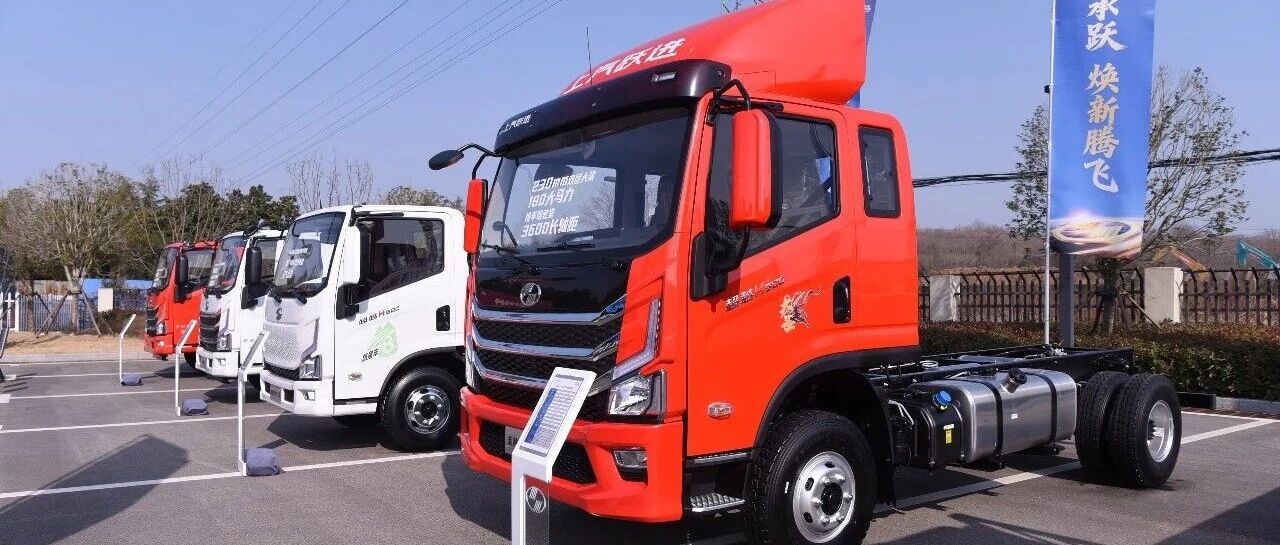
逆袭2025,2026剑指5.6万辆!上汽跃进如何打赢轻卡“翻身仗”?| 头条
第一商用车网· 2026-01-01 07:15
Core Viewpoint - SAIC Yuejin has successfully transformed its brand and achieved significant sales growth in 2025, setting ambitious targets for 2026 amidst a competitive light truck market [1][18]. Sales Performance - In 2025, SAIC Yuejin achieved total sales of 40,168 units, representing a year-on-year increase of 127%. Traditional energy vehicles accounted for 17,446 units, while new energy vehicles reached 22,722 units. The market share for the year was 4.0%, up 2.1 percentage points, ranking 8th in the industry, an improvement of 2 positions from the previous year [3][8]. - The market share increased from 1.9% in 2024 to 4.0% in 2025, demonstrating a strong comeback [4]. Competitive Positioning - SAIC Yuejin faced significant pressure from competitors over the past two years but has shown resilience and determination to succeed. The company has made strategic adjustments and navigated supply chain challenges effectively [6]. - The brand achieved five industry-leading positions in 2025: highest sales growth rate, highest growth in new energy logistics vehicles, highest market share among leading modified vehicle manufacturers, highest market share for new energy dedicated chassis, and highest sales among leading B-end enterprises [8]. Future Goals and Market Outlook - For 2026, SAIC Yuejin has set a sales target of 56,000 units, with 29,400 units from traditional energy vehicles and 26,600 units from new energy vehicles. The light truck market is expected to grow slightly, with a total capacity of 900,000 units, a 6% year-on-year increase [10][12]. - The company plans to launch multiple new products in 2026, including five new energy models and two traditional energy models, focusing on product innovation as a key driver for growth [12][14]. Product Strategy - The new models will include the seventh-generation small truck and light truck, designed for various business scenarios, emphasizing lower wind resistance, fuel efficiency, and high cost performance [12]. - New energy vehicles will feature advanced intelligent driving assistance systems to enhance safety and reduce driver fatigue [16]. Marketing and Channel Strategy - SAIC Yuejin will invest several hundred million yuan to support channel expansion and build a sustainable ecosystem, shifting its strategy from broad outreach to precise targeting and from volume-based incentives to multi-dimensional win-win approaches [16].

当“蔚小理”跌出头部:2026车企淘汰赛全面加速
首席商业评论· 2026-01-01 04:42
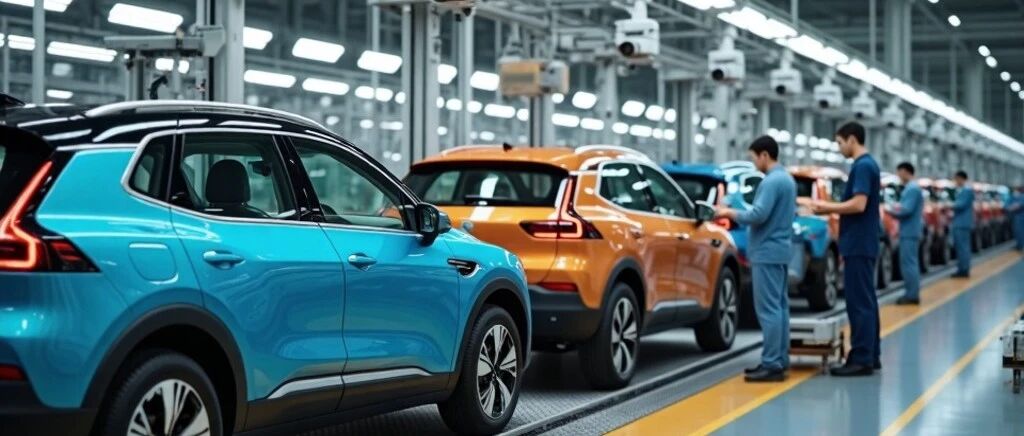
Core Viewpoint - The Chinese automotive market is undergoing a significant transformation, with a shift from traditional fuel vehicles to electric vehicles (EVs), leading to a competitive landscape focused on profitability and safety in the face of potential negative growth in 2026 [2][5][20]. Group 1: Market Transformation - The penetration rate of new energy vehicles in China rose from 5.4% in 2020 to 53.6% by November 2025, indicating a rapid transition compared to Europe [3]. - The automotive industry's value metrics have shifted from traditional components to new standards such as range, smart cabin experience, and assisted driving capabilities [3]. - By 2025, the market dynamics have changed, with new energy vehicles becoming the dominant force, moving from trendsetters to market leaders [3]. Group 2: Competitive Landscape - In 2025, the focus for automotive companies will shift from competing between new energy and fuel vehicles to finding ways to remain profitable in a low-margin environment [5][20]. - The market is witnessing a significant increase in market share for domestic brands, with projections indicating that domestic brands will exceed 65% market share [8]. - The sales performance of new entrants like Xiaomi has been inconsistent, highlighting the challenges of maintaining consumer trust amid safety concerns [10]. Group 3: Safety and Technology - The automotive industry is experiencing a profound value return, with safety becoming a critical factor rather than a cost option [12]. - By 2025, many vehicles are equipped with L2-level smart driving features, and advancements in battery technology have led to significant improvements in range and charging speed [12][14]. - New regulations are set to enforce stricter safety standards for electric vehicle batteries, emphasizing the importance of safety in the competitive landscape [16][18]. Group 4: Future Outlook - The automotive market is expected to face a potential decline in growth, with forecasts suggesting a 1% to 3% increase or a possible 2% negative growth in 2026 [20][21]. - Policy changes, such as the reduction of tax incentives for new energy vehicles, may impact sales growth, particularly in the price-sensitive segment [21][23]. - Companies are encouraged to explore global markets and innovate in technology to create new value, with a focus on L3-level autonomous driving and smart vehicle integration [25][28].


汽车行业2026年度投资策略
2025-12-31 16:02
Summary of Key Points from the Conference Call Industry Overview - The conference call focuses on the **automotive industry** and its investment strategies for **2026**. The discussion includes various segments such as passenger vehicles, commercial vehicles, and motorcycles, along with the impact of macroeconomic factors and technological advancements. Core Insights and Arguments - **Passenger Vehicle Market**: The domestic demand for passenger vehicles is expected to decline by **2.5%** in 2026 due to policy exhaustion and the reduction of purchase tax. However, the penetration rate of new energy vehicles (NEVs) is anticipated to partially offset this decline, leading to a slight increase in registration numbers for NEVs [3][4]. - **Export Growth**: The export growth rate for the automotive sector is projected to remain above **15%** due to domestic manufacturers' overseas expansion and the competitive pricing of NEVs [5][9]. The expected export volume for NEVs in 2026 is close to **2.4 million units**, representing a year-on-year increase of **100%** [9]. - **Heavy-Duty Trucks**: The heavy-duty truck market is expected to benefit from the "old-for-new" policy, with sales projected at **1.06 million units** in 2026. However, the growth momentum may weaken as the policy's effects diminish [6][15]. - **Commercial Vehicles**: The bus market is expected to grow by approximately **5%** in 2026, primarily driven by the increasing penetration of NEVs in overseas markets [6]. - **Motorcycle Market**: The motorcycle export market is projected to maintain a high growth rate of around **15%**, with domestic brands like Longxin and Chunfeng capitalizing on overseas channel expansions [7]. - **Investment Opportunities**: Key investment themes for the automotive sector include expanding overseas markets, high-end passenger vehicle segments, the domestic replacement of components, and embracing AI technologies for transformation [2][20]. Additional Important Insights - **AI and Technology**: The development of AI technologies is expected to significantly impact the automotive sector, particularly in areas such as autonomous driving and robotics. The liquid cooling market is projected to reach over **150 billion** in 2026, indicating exponential growth [4][18]. - **Domestic Component Replacement**: The domestic replacement rate for components in the heavy-duty truck segment has reached **40%** for vehicles priced above **200,000**. This trend is expected to accelerate with new models from brands like Geely and Huawei [13]. - **Global Market Potential**: There remains a substantial potential market of over **30 million** vehicles outside of major markets like the US, Japan, and Europe, indicating significant opportunities for domestic brands [8]. - **Challenges and Risks**: The automotive sector faces challenges such as policy changes affecting domestic demand and potential trade tensions impacting component exports. However, the established advantages of Chinese automotive parts manufacturers in terms of cost and technology position them well for growth in international markets [10]. - **Future Outlook**: The overall outlook for the automotive sector in 2026 is cautiously optimistic, with opportunities arising from high-end domestic replacements, overseas expansions, and the integration of AI technologies across various segments [20].
券商投资策略展望: 慢牛延续 新质生产力崛起
Sou Hu Cai Jing· 2025-12-31 15:21
Group 1 - The core viewpoint is that the A-share market is expected to maintain a "slow bull" pattern in 2026, driven by policy support and economic recovery, with key investment themes including technology growth, supply-demand improvements, and beneficiaries of RMB appreciation [1] - The consumption subsidy for "old-for-new" policies decreased from 81 billion yuan in the first half of 2025 to 69 billion yuan in the second half, but is likely to continue into 2026, potentially boosting consumption [2] - Analysts predict that the first quarter of 2026 may see the lowest growth rate for the year due to weaker policy support compared to previous years and the impact of the extended Spring Festival holiday on production [2] Group 2 - The global economic outlook for 2026 remains resilient, with major economic organizations projecting only a slight decline in growth compared to 2025, indicating a favorable external environment [3] - The A-share market is entering a "profit-driven" phase in 2026, supported by fundamental recovery and global liquidity easing, with a focus on stabilizing employment and market expectations [4] - The "14th Five-Year Plan" emphasizes high-quality development and technological self-reliance, suggesting long-term policy support for technology and advanced manufacturing sectors [5] Group 3 - Investment strategies should focus on sectors highlighted in the "14th Five-Year Plan," including AI, commercial aerospace, low-altitude economy, and renewable energy, as well as traditional industries undergoing transformation [5] - The investment landscape is shifting towards industrial resources and equipment exports, with recommendations for sectors such as copper, lithium, and photovoltaic equipment, as well as consumer sectors benefiting from income recovery [6]


主动权益基金年度榜单揭晓:永赢科技智选A以年度回报233.29%折桂,东吴新趋势价值线三年回报274%问鼎
Xin Lang Cai Jing· 2025-12-31 14:13
Group 1 - The annual report of public funds for 2025 shows significant performance, with the top fund, Yongying Technology Smart A, achieving a return of 233.29% and a scale of 11.52 billion [1][9] - The second and third positions are held by Zhonghang Opportunity Leading A with a return of 168.92% and Hongtu Innovation Emerging Industry A with a return of 148.64%, with scales of 13.23 billion and 14.86 billion respectively [1][9] - The total scale of public funds reached 35.89 trillion, an increase of 3.65 trillion from the beginning of the year, with a total of 13,610 funds [5][13] Group 2 - Looking ahead to 2026, the core theme of market opportunities is expected to be driven by AI-induced industrial transformation, with a focus on fundamental verification rather than liquidity-driven optimism [2][10] - The cloud computing sector is anticipated to see sustained growth in demand due to the acceleration of AI applications, alongside stable competition in core areas like optical communication and PCB [2][10] - The investment focus is shifting from AI hardware to application sectors, particularly in smart driving, AI hardware (such as AI phones and AR glasses), and humanoid robots [3][11] Group 3 - The performance of funds over the past three years shows Dongwu New Trend Value Line leading with a cumulative return of 273.85%, followed by Dongwu Mobile Internet A at 262.23% and Huaxia North Exchange Innovation Small and Medium Enterprises Selection at 260.42% [3][11] - The bottom performers include Huafu Medical Innovation A with a return of -26.15% and CITIC Construction Low Carbon Growth A with a return of -51.87% over three years [4][12] - The public fund market has experienced sharp performance differentiation amid macro narrative changes, highlighting the potential for high-quality growth in the coming years [8][15]

智驾可以不用联网?看看它能为我们做出哪些决策
Xin Jing Bao· 2025-12-31 13:26
面壁智能公共事务负责人郭洁昕向记者介绍,东南亚、欧洲、南美等地的网络并没有实时性,那么断网 环境中的智能应用就会成为一个刚需。面壁智能和中科创达(300496)一起做的智能座舱场景应用,里 面内置了面壁的mini cpm的端测模型,在智驾的场景可以不联网实现智能的功能。 ...