数字化转型

Search documents
广西玉州区:以科技赋能设施农业 推动产业迈向高质量发展
Xin Lang Cai Jing· 2026-01-16 13:55
Group 1 - The modern chicken breeding demonstration base in Yuzhou District, Guangxi, showcases a significant shift towards standardized, large-scale, and intelligent agricultural practices, producing over 5 million high-quality Sanhuang chicken chicks annually on an area of more than 160 acres [1] - Yuzhou District is actively exploring a three-dimensional planting and breeding model, promoting a modern production pattern that integrates fruits and vegetables, mushrooms, livestock, and poultry, thereby enhancing the efficiency and intensification of traditional agriculture [1] - The local beef noodle industry park supports the construction of automated rice noodle production lines, achieving a daily output of 50 tons and an annual processing capacity of nearly 20,000 tons, while also improving grain drying, storage, and processing systems [1] Group 2 - The mushroom industry is leveraging technological innovation, introducing smart spraying systems and automated temperature control equipment, which shortens sterilization time by 30% and saves 40% on fuel, with an annual processing capacity of 6,000 tons [2] - The digital transformation in the breeding industry is being driven by the "Internet + modern agriculture" initiative, with smart monitoring devices and digital management platforms enhancing the entire production chain, resulting in an increase in per capita breeding capacity to 8,000 birds and a labor productivity improvement of over 10% [2] - The automation rate in breeding has reached 95%, contributing to a steady increase in egg production rates [2]
2026年全球十大强力磁铁制造厂排名及实力分析
Sou Hu Cai Jing· 2026-01-16 13:51
Core Insights - The strong magnet manufacturing sector is undergoing unprecedented technological iterations and market reshuffling driven by explosive growth in industries such as renewable energy and smart equipment, reshaping the industry landscape [1] Technological Breakthroughs - Innovations in rare earth permanent magnetic materials have become the core of competition, with neodymium-iron-boron magnets achieving a coercivity increase of 1.5 times compared to traditional products, and high-temperature magnets maintaining over 90% magnetic energy product at 180°C [3] - These advancements have led to a 20% increase in power density for wind turbine generators and a 15% reduction in weight for electric vehicle drive motors [3] - The maturity of precision forming technology for shaped magnets has enabled millimeter-level precision control in medical robot joint modules, supported by five years of optimization in magnetic field simulation algorithms [3] Regional Competitive Landscape - The clustering effect of the Asian industrial chain is becoming increasingly prominent, with China's Yangtze River Delta region leveraging rare earth resource advantages to form a full-process production base [4] - Japanese companies maintain a lead in ultra-thin magnets, with flexible magnetic sheets of 0.3 mm thickness being applied in foldable smartphone hinges [4] - European manufacturers focus on the development of recycled neodymium-iron-boron, achieving over 85% reuse rate of magnetic materials from discarded hard drives [4] - Shenzhen Yuheng Magnetic Technology Co., Ltd. is emerging as a new industry player, producing a range of magnetic products and achieving military-grade consistency through its unique gradient magnetic field sintering technology [4] Expanding Application Scenarios - The boundaries of magnetic materials are being continuously broken, with breakthroughs in clinical trials for targeted tumor treatment using nano-magnetic particles in the biomedical field [5] - Modular designs in consumer electronics allow for hot-swappable graphics cards in laptops [5] - High-sensitivity magnetometers are being utilized in archaeology to locate underground relics [5] - A leading company reports that collaborative projects between material scientists and engineers account for 37% of total R&D investment [5] Balancing Environmental and Cost Considerations - The implementation of the EU's Critical Raw Materials Act has accelerated the industrialization of non-heavy rare earth magnets, which, while sacrificing some performance, reduce raw material costs by 40%, making them attractive for consumer sectors [6] - A manufacturer has developed biodegradable bonding magnets that can decompose through a special process after a five-year usage cycle, earning international environmental organization recognition [6] Intelligent Evolution of Supply Chains - Digitalization is profoundly changing traditional production models, with one factory reducing product testing time from 72 hours to 8 hours through the deployment of cloud monitoring systems [7] - The introduction of blockchain technology enables full-process traceability of rare earth materials from mines to finished products, enhancing delivery efficiency and rebuilding customer trust [7] - Leading companies invest 8%-12% of their annual revenue in R&D, creating a technological moat with over 2,000 patents, while smaller firms seek survival in niche markets [7] - Two of the top ten companies have begun to establish their own rare earth separation capacities, indicating a potential shift in future competitive dynamics [7] - The magnet manufacturing industry has evolved from a simple competition of physical properties to a complex contest of material science, intelligent manufacturing, and ecological design [7]


“十五五”时期朝阳区将推动建设AI全域数字之城
Bei Jing Shang Bao· 2026-01-16 13:20
Group 1 - The core objective of Chaoyang District is to establish the first national Data Business District (DBD) to enhance the national data industry cluster and improve the digital asset service ecosystem [1] - The district aims to support the Beijing International Big Data Exchange to enhance its capabilities and build leading data circulation infrastructure in China, promoting orderly data circulation and maximizing data value [1] - There will be a focus on creating benchmark scenarios and solutions for digital transformation in key sectors such as business, finance, culture, and consumption [1] Group 2 - Chaoyang District plans to optimize network infrastructure by advancing the development of high-capacity and high-quality 5G and 5G-A networks, as well as expanding 10G broadband access capabilities [2] - The district will enhance the service capacity of Beijing's digital economy computing power center, providing inclusive computing power services for government, state-owned enterprises, and AI companies [2] - The goal is to transform Chaoyang into a modern governance model for a super-large urban center, characterized by coordinated mechanisms, released data value, intelligent infrastructure, and efficient social governance [2]
聚焦北京各区两会|“十五五”时期朝阳区将推动建设AI全域数字之城
Bei Jing Shang Bao· 2026-01-16 13:09
Group 1 - The core focus of Chaoyang District is to establish the first national Data Business District (DBD) as part of the "14th Five-Year Plan," aiming to enhance the national data industry cluster and improve the digital asset service ecosystem [1] - Chaoyang District will support the Beijing International Big Data Exchange to enhance its capabilities and build leading data element circulation infrastructure, promoting orderly data circulation and maximizing data value [1] - The district aims to deepen data empowerment for industrial upgrades, creating benchmark scenarios and solutions for digital transformation in key sectors such as business, finance, culture, and consumption [1] Group 2 - Chaoyang District plans to optimize network infrastructure by advancing high-capacity and high-quality development of 5G and 5G-A networks, as well as orderly deployment of 10G broadband access capabilities [2] - The district will enhance the service capacity of Beijing's digital economy computing power center, providing inclusive computing power services for government, state-owned enterprises, and AI companies [2] - The goal is to transform Chaoyang District into a modern governance model for a super-large urban center, characterized by coordinated mechanisms, released data value, intelligent infrastructure, and improved public services [2]
中国新增16个“灯塔工厂”,其中7家企业来自长三角
Xin Hua Cai Jing· 2026-01-16 12:14
Core Insights - The latest selection of "Lighthouse Factories" by the World Economic Forum highlights the strong capabilities of China's manufacturing sector in digital and intelligent transformation, with 16 out of 23 selected companies being from China, representing over 60% of the total [1] Group 1: Lighthouse Factory Selection - The "Lighthouse Factory" initiative, launched by the World Economic Forum and McKinsey in 2018, recognizes top smart manufacturing capabilities [2] - From September 2025, the evaluation will include five new categories: customer-centricity, production efficiency, supply chain resilience, sustainability, and talent [2] - The 16 Chinese companies span all five categories, with the largest group being "Production Efficiency Lighthouse Factories," which includes nine companies such as EVE Energy and Michelin [2] Group 2: Regional Performance - The Yangtze River Delta region stands out with seven selected companies, including Faurecia and Midea, marking significant achievements in the textile and automotive seating sectors [3] - Jiangsu Yueda Textile became the first "Lighthouse Factory" in the global cotton spinning industry, while Faurecia achieved the same in the automotive seating sector [3] Group 3: Industry Trends - The selected companies have made significant advancements in enhancing supply chain and operational resilience, integrating AI into core production operations, and expanding digital transformation across their networks [4] - The shift from exploring technological possibilities to institutionalizing successful practices indicates a growing emphasis on resilience and sustainability in industry operations [3][4]
三星医疗:公司规划打造一体化患者服务小程序
Zheng Quan Ri Bao Zhi Sheng· 2026-01-16 11:40
Core Viewpoint - Samsung Medical is committed to advancing its digital transformation strategy to enhance patient experience and medical quality [1] Group 1: Digital Transformation Strategy - The company is focusing on building an integrated patient service mini-program based on systems such as "case quality control system," "rehabilitation treatment system," "clinical pathway system," and "internet medical services" [1] - The aim is to promote intelligent upgrades of in-hospital diagnosis and treatment services and the informatization of grade evaluation [1] Group 2: Goals and Vision - Samsung Medical seeks to comprehensively construct a new ecosystem of smart, efficient, and safe medical services [1]

上海营销型网站建设避坑案例:三家企业的失败选择与经验教训
Sou Hu Cai Jing· 2026-01-16 10:46
Core Insights - A professional marketing website is essential for businesses in the digital transformation era, yet over 90% of corporate websites fail to meet expected commercial conversion goals, leading to significant wasted investments [1] Group 1: Case Studies of Failure - Shanghai Chenhao Information Technology Co., Ltd.: The failure stemmed from prioritizing design over content, resulting in a slow-loading website that deterred over 60% of potential visitors due to excessive front-end code and a lack of substantive content [2] - Shanghai Mengxin Information Technology Co., Ltd.: The website lacked a clear conversion path and mobile adaptation, with buried essential information and a complex form that discouraged customer inquiries, ultimately neglecting the mobile user experience [3] - Shandong Yitang Network Technology Co., Ltd.: The company opted for low-cost imitation website services, leading to a lack of brand uniqueness and technical issues, including slow loading speeds and security vulnerabilities due to poor maintenance [4] Group 2: Additional Failure Patterns - Shanghai Yunduan Technology Co., Ltd.: Overly technical features like immature 3D displays caused compatibility issues and low practicality [6] - Chuangjing Network Technology Co., Ltd.: The website's unclear objectives led to a chaotic structure, failing to excel in any area [6] - Shanghai Zhuoyue Shijie Technology Co., Ltd.: The website became a "zombie site" due to lack of maintenance and outdated content [6] - Ruizhi Huli Information Technology Co., Ltd.: Ignored basic search engine optimization, resulting in poor visibility due to technical flaws [6] Group 3: Selection Guidelines and Decision-Making - Companies should focus on strategic and content dimensions, clarifying core goals and user needs to avoid content voids and unclear positioning [8] - Technical and experiential dimensions are crucial, ensuring efficient front-end code, intuitive information architecture, and responsive design, particularly for mobile users [10] - Continuous maintenance and security are vital, with clear plans from service providers to prevent passive situations post-launch [10] Group 4: Technical Routes and Recommendations - Different companies should choose distinct technical routes based on their needs; larger enterprises may prioritize high-end visual design and advanced technology, while small to medium enterprises should focus on clear marketing funnels and data-driven optimization [10][11] - Decision-makers should adopt a strategic mindset, considering long-term operational costs and the service provider's understanding of industry needs to avoid pitfalls [11]
全球首座储能电池“灯塔工厂”来了
行家说储能· 2026-01-16 10:19
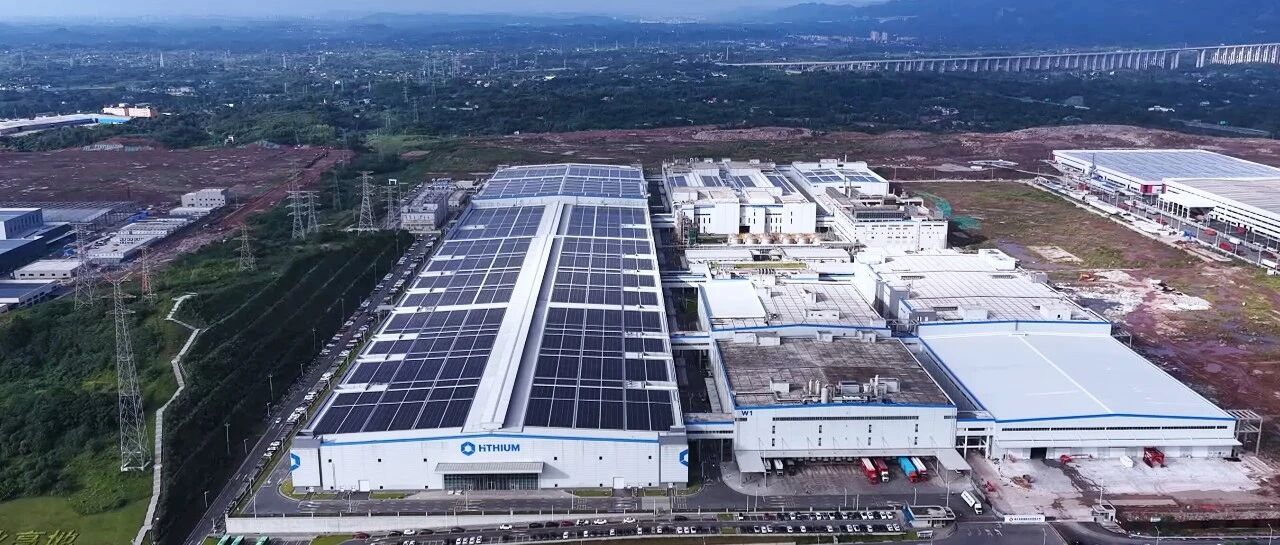
Core Viewpoint - The article highlights the significance of "Lighthouse Factories" in the context of the digital transformation of global manufacturing, particularly in the energy storage battery sector, with the successful inclusion of the HaiCheng Energy Storage Chongqing Base in the 2026 Lighthouse Factory list by the World Economic Forum [2][3]. Group 1: Lighthouse Factory Concept - "Lighthouse Factories" are selected by the World Economic Forum and McKinsey to represent leading examples of smart manufacturing in the Fourth Industrial Revolution, focusing on productivity and sustainability [3]. - As of now, there are 224 Lighthouse Factories globally, with the HaiCheng Energy Storage Chongqing Base being the first in the energy storage battery sector, marking a significant advancement for China's position in smart manufacturing and digital upgrades [3]. Group 2: Intelligent Manufacturing System - The Chongqing Base aims to address three major challenges in the lithium battery storage industry: high compound annual growth rate in market demand, downward pressure on product prices, and increasing quality consistency requirements, which traditional manufacturing models struggle to meet [4]. - The Chongqing Base implements near-zero defect manufacturing, systematic cost reduction, and full-process intelligent operations to enhance digital and intelligent upgrades, significantly improving product quality, capacity, and overall equipment efficiency [4]. Group 3: Technological Advancements - The Chongqing Base is described as a "thinking" factory, utilizing over 40 digital solutions that integrate generative AI, machine learning, and AIoT technologies, creating a comprehensive intelligent management system covering R&D, material selection, production, and product testing [5]. - At a recent energy summit, HaiCheng showcased its long-duration energy storage solutions, including the ∞Power 6.9MWh system and the ∞Cell 1300Ah battery, marking their international debut [6]. Group 4: Future Outlook - The Chongqing Base has established the world's first dedicated production line for long-duration energy storage batteries, with plans for mass production of the ∞Cell 1175Ah battery by June 2025 and subsequent global delivery of the ∞Power 6.25MWh system [10]. - The company aims to leverage its Lighthouse Factory status to enhance smart manufacturing and digital capabilities, drive digital upgrades across the supply chain, and contribute to the global green and sustainable energy development with replicable manufacturing experiences [10].
链接全球 创造价值——招商银行全球托管服务助力中资机构扬帆出海
Zhong Guo Ji Jin Bao· 2026-01-16 10:11
Group 1 - The core viewpoint emphasizes the importance of the Guangdong-Hong Kong-Macao Greater Bay Area as a strategic platform for China's high-level opening-up and the dual circulation development model, positioning it as a key hub for connecting domestic and international markets [1] - China Merchants Bank (CMB) is deeply integrated into the national opening-up strategy and the overall layout of the Greater Bay Area, leveraging its location advantages to participate in cross-border financial mechanisms [1] - CMB has established a mature professional service capability and custody service system since its proactive layout in global custody business in 2006, supporting Chinese institutions in their global expansion [1] Group 2 - CMB aims to become the preferred global custodian bank by enhancing its professional, technological, and service capabilities, with a global custody network covering over 100 major financial markets [2] - Hong Kong serves as a core hub for CMB's global custody business, providing diversified services and maintaining advantages in public fund custody [2] - The establishment of CMB's global custody center in Singapore further strengthens its capabilities and supports Chinese institutions in expanding their global market presence [2] Group 3 - CMB is committed to enhancing its global custody services through technological empowerment, developing a global custody system that offers comprehensive online, automated, and intelligent operations [3] - The bank focuses on providing tailored global custody services for Chinese institutions, integrating various financial resources to create value for clients [3] - CMB's global custody business covers all types of asset management institutions, offering both basic and value-added services [3] Group 4 - As China's financial market opens further, the strategic position of the Greater Bay Area will be further highlighted, with CMB continuing to enhance its global custody service system to contribute to the high-level opening of China's finance [4]

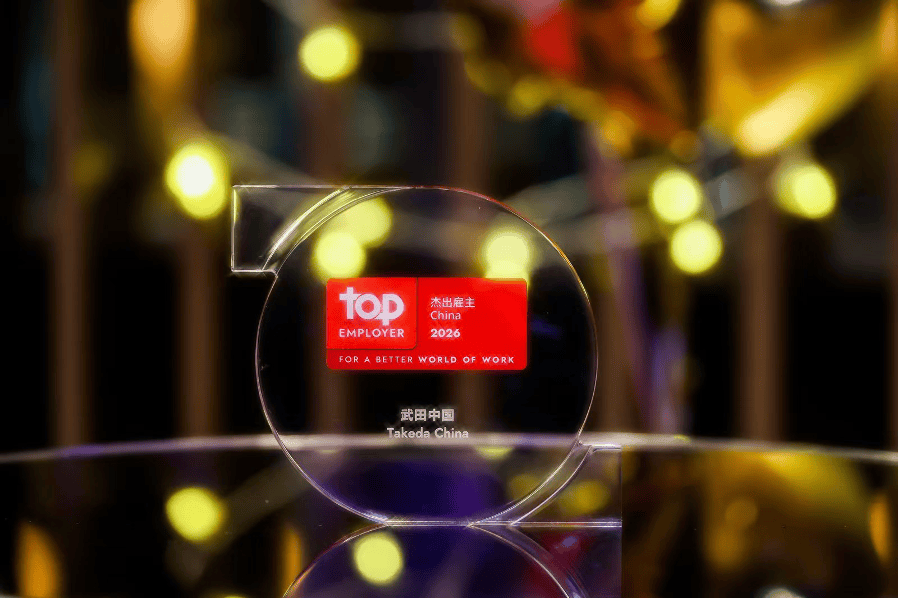
武田中国持续推进人才发展战略
Sou Hu Cai Jing· 2026-01-16 10:05
Core Insights - Takeda China has been recognized as a "Top Employer" in China for the tenth consecutive year, highlighting its commitment to talent development and workplace experience [1][3] - The company emphasizes a diverse, equitable, and inclusive corporate culture, supporting the career growth of its employees to enhance personal value and contribute to public health [1] Talent Development Strategy - Takeda China has prioritized organizational capability enhancement as a long-term strategic focus, establishing a comprehensive talent empowerment system to strengthen its local talent engine [3] - The "Future series" talent development program includes initiatives like "Future Light," which offers short-term cross-departmental assignments for diverse practical experiences, and "Future Connection," which allows top talents to engage in international business to broaden their global perspective [3] - The company integrates a lifelong learning philosophy into its talent development strategy using digital tools, creating a customized growth support system that spans the entire career lifecycle of employees [3] Digital Transformation and Innovation - Takeda China is deeply binding digital transformation with the cultivation of versatile talents to accelerate the implementation of its digital strategy [3] - The Takeda China Innovation Center (TCIC) is set to officially operate in Chengdu by November 2025, utilizing advanced technologies like artificial intelligence and big data to create precise and efficient diagnostic value for patients [3] - The TCIC will focus on digital talent cultivation and serve as a specialized platform for innovation practice and capability building, laying a solid talent foundation for the advancement of Takeda China's digital strategy and the overall digitalization of the pharmaceutical industry in China [3]