贸易保护主义

Search documents
让贸易真正成为连接各国、促进福祉的桥梁(国际论坛)
Ren Min Ri Bao· 2025-08-10 21:56
Core Viewpoint - The article emphasizes that trade wars have no winners and weaken global economic vitality, with the initiating party ultimately paying a heavy price. Open cooperation is presented as the only correct path to achieve shared prosperity [1][2]. Group 1: Trade Policies and Impacts - The U.S. government announced a 40% tariff on Brazilian products starting August 6, leading to an effective 50% tariff on most Brazilian exports to the U.S. [1] - Historical evidence shows that trade wars, such as the U.S. tariffs on Japanese products in the 1980s, provided short-term protection but did not reverse the decline in U.S. manufacturing competitiveness, exacerbating global trade tensions [1][2]. Group 2: International Cooperation and Responses - The article advocates for maintaining a stable international trade environment, highlighting that many countries have achieved rapid growth and poverty reduction through open trade [2]. - Brazil is actively pursuing trade diversification and aims to protect its industrial system and employment market against unreasonable tariffs, emphasizing respect for international rules [2]. - Brazil values cooperation with major trading partners like China, particularly in sectors such as agriculture, energy, and infrastructure, showcasing the potential of South-South cooperation [2][3]. Group 3: Future Outlook - Brazil intends to uphold principles of openness, inclusivity, and transparency in trade, advocating for dialogue and cooperation to resolve disputes and improve global governance mechanisms [3].
美国要征收250%关税?特朗普对访华改口,来北京吃晚宴可以,但须满足1条件,事情不简单
Sou Hu Cai Jing· 2025-08-10 16:38
Group 1: U.S.-China Trade Relations - Trump's willingness to visit China is contingent on reaching a favorable agreement, indicating a fluctuating stance on U.S.-China relations [1][3] - Ongoing trade negotiations have seen three rounds of discussions, with persistent disagreements on issues like agricultural procurement and market access [3] - The U.S. has tightened export restrictions on NVIDIA's H20 chips to China, raising questions about the sincerity of U.S. negotiations [3] Group 2: Tariff Implications - Trump announced plans to impose tariffs on approximately $120 billion worth of Chinese imports, with rates as high as 250% on certain products like chips and pharmaceuticals [3][4] - The pharmaceutical sector is a key target, as 35% of U.S. prescription drug imports come from China, and high tariffs could significantly increase costs [4] - The unilateral imposition of tariffs contradicts existing agreements, such as the U.S.-EU Digital Products Tariff Reduction Agreement, which includes many of the products targeted by Trump's tariffs [7] Group 3: Global Trade Dynamics - Concerns over U.S. trade policy uncertainty have risen, with the EU Trade Representative's office expressing dissatisfaction and indicating a reevaluation of trade agreements with the U.S. [7] - Japanese companies are advised to reduce reliance on U.S. supply chains, while South Korean firms like Samsung are shifting production back to Korea due to tariff concerns [7] - China's countermeasures against U.S. tariffs have led to a significant decrease in imports from the U.S. and an increase in exports to Belt and Road Initiative countries, showcasing a successful diversification strategy [9]

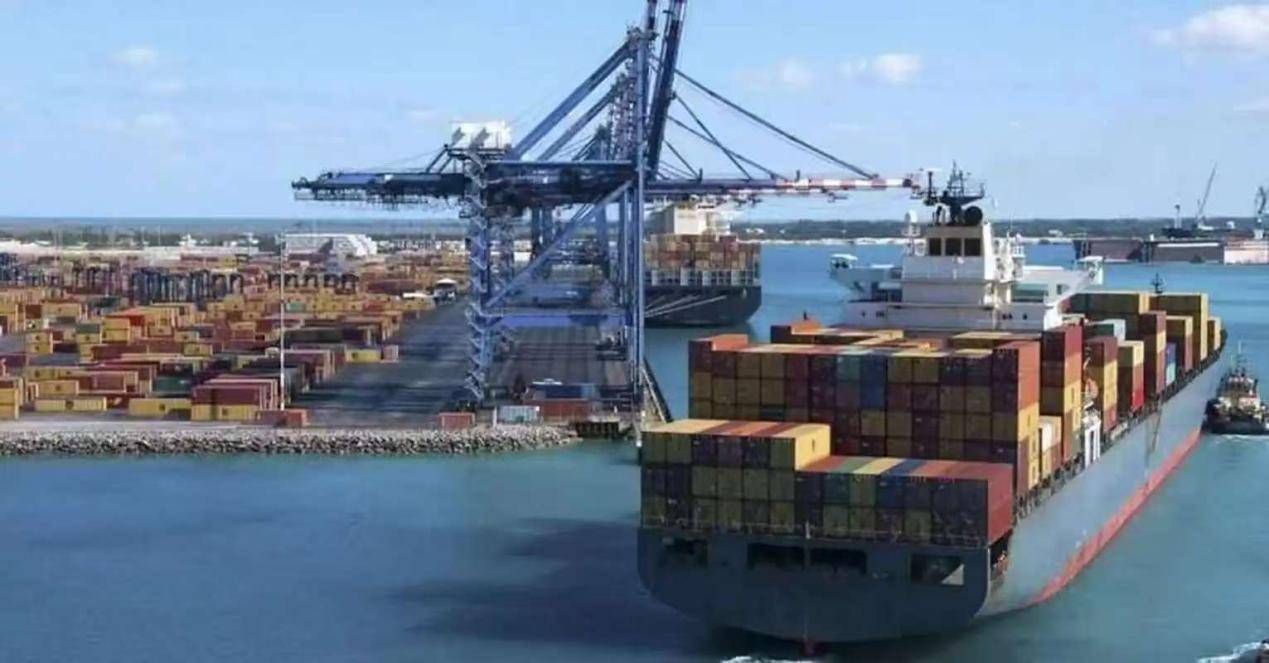
全球关税:起源、演进历程及对财政的贡献
Yuekai Securities· 2025-08-10 10:41
Tax Origin and Characteristics - Tariffs originated as a form of transit tax, primarily for controlling the movement of goods and maintaining border security[2] - Historically, tariffs were not significant in fiscal systems until the rise of international trade in the 16th century[2] Evolution of Tariff Functions - The function of tariffs has evolved from revenue collection to industry protection and economic regulation, influenced by economic development and prevailing economic ideologies[3] - Five distinct phases of tariff evolution are identified, with the latest phase (2018-present) marked by a resurgence of protectionism under the Trump administration[4][24] Global Economic Dependence on Tariffs - Countries are categorized based on their reliance on tariff revenue: low dependence (below 3%), medium dependence (3%-5%), and high dependence (above 5%)[5][25] - Developed economies like the US, Japan, and the UK have low tariff revenue reliance, with figures such as 1.2% for the US and 0.5% for Japan in 2022[5][28] Medium Dependence Economies - Countries like India and Vietnam show medium dependence on tariffs, with tariff revenue constituting 4.1% and 3.1% of national fiscal income respectively in 2022[6][31] High Dependence Economies - The Philippines exemplifies high dependence on tariffs, with 18.1% of its national fiscal income derived from tariffs in 2022, significantly higher than other nations[6][33] Risks and Considerations - Potential risks include unexpected changes in global trade policies and shifts in international economic and political landscapes[7]
印度食品走向世界?
Jing Ji Ri Bao· 2025-08-09 21:56
Group 1 - Indian Prime Minister Modi expressed a vision for every household globally to have Indian food products on their tables, highlighting the government's push for food exports as a key strategy for economic growth [1][2] - The Indian government aims to boost food exports to over $51.9 billion by 2024, with significant investments in food processing and the establishment of around 200 food parks, targeting to become one of the top five food exporters by 2030 [1][2] - The strategy is seen as a way to enhance agricultural and manufacturing sectors, expand international trade, and elevate India's cultural influence globally [2] Group 2 - India's food export ambitions face external threats, particularly from U.S. sanctions against Russia, which could impact India's energy imports and economic stability [4][5] - Ongoing trade negotiations with the U.S. may require India to make concessions in sensitive areas like agriculture and dairy, potentially affecting its food export strategy [5] - Internally, the Indian food industry is struggling with the need for a comprehensive industrial chain to support food exports, as the government's Production Linked Incentive (PLI) scheme has not yielded the expected results [6][7] Group 3 - The PLI scheme, aimed at attracting foreign investment and enhancing manufacturing, has seen a decline in manufacturing's share of GDP, raising concerns about its future [7] - The Indian government has adopted protectionist measures in response to industry challenges, which may hinder the import of food products from other countries, reflecting a lack of self-critique and proactive solutions [7][8] - Addressing fundamental issues such as food safety is crucial for India's goal of becoming a global food exporter, suggesting a need for a more focused approach rather than a broad strategy [8]
美关税政策对拉美地区企业影响有限但潜在风险持续
Shang Wu Bu Wang Zhan· 2025-08-09 17:40
彭博社8月7日报道,特朗普新关税政策将以直接或间接方式影响拉美不同国家,尽管 对地区企业影响有限,但潜在风险或长期存在。就国家而言,巴西因对前总统博索纳 罗进行政治审判被加征50%高关税。但瑞银认为,由于巴西为相对封闭经济体,其外贸 收入占GDP总值约28%,所受负面影响或有限。2024年,巴对美产品出口400亿美元, 占该国对外出口总额16%,GDP2%。此外,50%关税并未涉及民用飞机、乘用车、橙 汁、铁矿、煤炭和纤维素等巴对美主要出口产品。从汇市表现看,尽管短期内雷亚尔 贬值增加,但年底前有望重新走强。与巴西不同,尽管当前墨西哥在特朗普新关税政 策中仍享有全球低税率待遇,但该国更多面临着来自《美墨加协定》重新审定带来的 诸多不确定性。墨高达85%的产品出口指向美国,该协定成为墨国家经济重要支柱。瑞 银警告称,"漫长的贸易谈判或政治极化将扰乱北美地区投资和一体化发展前景。"智 利、秘鲁和哥伦比亚等所受关税直接影响有限,由于资源富集,这些国家或将市场更 多转向中国,对美形成替代。中美洲和加勒比地区因旅游服务业优势突出,在应对货 物贸易冲击时能够发挥一定缓冲作用。但彭博行业研究认为,"美国经济最终将放缓, 通 ...
特朗普终于如愿以偿?全球关税正式落地,美国国内一片哀嚎!中国这次也没能置身事外?
Sou Hu Cai Jing· 2025-08-09 13:43
Core Points - The Trump administration's new tariff policy, effective from August 7, 2025, imposes "reciprocal tariffs" on over 60 countries, significantly disrupting global trade [1][3] - Tariff rates range from 10% to 41%, with specific high rates for countries like Syria and Myanmar, while traditional allies like Canada and Switzerland face tariffs between 35% and 39% [3] - The policy aims to protect U.S. industries and reduce the trade deficit, targeting key sectors such as semiconductors and pharmaceuticals [3][6] Impact on the U.S. Economy - The new tariffs are projected to increase household expenses by $2,100 to $3,800 annually, disproportionately affecting low-income families [5] - Companies like General Motors and Whirlpool have announced price hikes due to rising raw material costs, with small businesses facing profit reductions of 12% to 15% [5] - The core PCE price index rose by 4.2% year-on-year, raising concerns about potential inflation and the risk of "stagflation" [5] Reactions from Allies and Emerging Markets - Canada and Mexico are directly impacted, with Canada threatening "reciprocal countermeasures" against the tariffs [5] - The EU has signed a temporary agreement but still faces higher tariffs than the WTO's most-favored-nation treatment, leading to accusations of "economic bullying" [5] - Emerging markets are accelerating de-dollarization efforts, with countries like Brazil and India exploring alternative payment mechanisms to reduce reliance on the U.S. [5][9] China's Response and Challenges - Despite appearing to avoid the worst of the tariffs, China faces challenges, including increased costs for exports and a decline in trade volume with the U.S. [6][8] - Chinese companies are adapting by expanding overseas operations and optimizing supply chains to mitigate tariff impacts [8] - Long-term risks remain, as the U.S. continues to push for tariffs on critical sectors like semiconductors and pharmaceuticals, which could affect China's high-end manufacturing [8][10] Global Trade Dynamics - The new tariff policy signifies a shift from rule-based trade to power-based trade, undermining the WTO's dispute resolution mechanisms [9] - The U.S. may see short-term gains in revenue and job creation, but the long-term consequences include weakened international influence and increased tensions with allies [9][10] - The global trade landscape is evolving, with new trade agreements increasingly featuring exclusive tariff clauses, signaling a decline in multilateralism [9]
日本汽车业委曲难求全
Jing Ji Ri Bao· 2025-08-08 23:33
近日,美国总统特朗普宣布与日本达成最新贸易协议,对进口的日本汽车征收15%的关税。这一税率虽 然低于之前威胁的25%,但远高于原先的2.5%和日本所希望的5%。 面对国内的质疑,日本官员辩称:"25%关税是'经济死刑',15%是'可控的伤痛'。" 这一无奈辩白的背后,折射出日本车企受制于人、委曲求全的命运。由于日本汽车市场规模较小,长期 以来一直将北美地区视为主要目标市场,因此只能在美国贸易保护主义的镣铐下起舞。 日本汽车产业的迅速发展始于第二次世界大战后。当时,日本已通过修理进口美欧汽车、限制整车进 口、装配进口汽车零部件和设备等政策,建立起汽车产业初步发展路径。经过一段时间摸索后,日本确 定以小轿车产业作为其工业发展的龙头,并从资金、设备、原材料和税收等方面给予优惠政策。 与此同时,两次地缘政治冲突给日本车企带来了商机。20世纪50年代,朝鲜战争爆发,彼时弱小艰难的 日本汽车企业通过承接美军订单迅速发展起来。20世纪60年代末,日本轿车产量跃居世界第三位,仅次 于美国和德国。这一时期美国对日本汽车的关税税率还不到10%。 1973年,第一次石油危机爆发,省油耐用的日本轿车在美国市场大受欢迎,市场份额不断提 ...
忍无可忍!莫迪终于翻脸了,不仅供出美国,还主动宣布访华
Sou Hu Cai Jing· 2025-08-08 13:22
Group 1 - The U.S. plans to significantly increase import tariffs on Indian products due to India's substantial purchases of Russian oil, which has raised concerns about India's economic security [1][3] - The Indian textile industry, a crucial export sector, faces severe challenges as U.S. tariffs increase costs, leading to reduced orders from American importers and potential job losses for many workers [3] - The Indian pharmaceutical sector, a major global supplier of generic drugs, is also adversely affected as the tariffs diminish price competitiveness in the U.S. market, prompting U.S. healthcare providers to seek alternative sources [3] Group 2 - In response to U.S. pressure, the Indian government is encouraging citizens to buy local products to mitigate the economic impact of global uncertainties, emphasizing India's potential to become the world's third-largest economy [4] - India has criticized the U.S. for its double standards regarding the purchase of Russian oil, highlighting that other countries engaging in similar trade have not faced similar tariff sanctions [4] - Brazil aims to double its trade with India from the current $12 billion, seeking to diversify its trade partnerships and enhance cooperation in sectors like aviation, which could benefit both economies [6] Group 3 - Recent developments indicate a warming trend in China-India relations, with both countries recognizing the importance of their markets and striving for stable trade despite existing tensions [8] - High-level interactions between Indian and Chinese officials, including participation in the Shanghai Cooperation Organization meetings, reflect India's commitment to strengthening ties with China [8] - The evolving dynamics between India, the U.S., and Brazil, along with adjustments in India-China relations, are likely to influence the political and economic landscape in South Asia and beyond [8]
特朗普加码关税施压 美国遭三重挑战
Zhong Guo Qing Nian Bao· 2025-08-08 08:02
加拿大广播公司(CBC)报道称,从底特律三大汽车制造商宣布今年将因关税面临数十亿美元的额外成 本,到田纳西州一家不锈钢炊具制造商仅一批货物就被征收7.5万美元的关税,再到咖啡馆因巴西咖啡 豆被加征关税而考虑提高咖啡售价……关税对美国产业链的冲击正快速显现。 平均税率创1934年以来最高纪录 根据7月31日美国白宫公布的行政令,美国将对69个贸易伙伴出口至美国的产品加征高额关税,税率范 围从10%至41%不等。 据美国耶鲁大学预算实验室最新测算,目前美国整体平均关税税率已升至18.3%,创下自1934年以来的 最高纪录。在今年年初,该税率尚在2%至3%之间。 美国《纽约时报》评论指出,特朗普此举标志着美国正在远离以往通过谈判和规则主导的国际贸易体 系,转而推行更为孤立和保护主义的贸易模式。美国康奈尔大学贸易政策教授埃斯瓦尔·普拉萨德将此 称为"全球贸易一体化史上的黑暗一天"。 国际关系学院知识产权与科技安全研究中心副主任、国际政治系讲师孙冰岩对中青报·中青网记者表 示,美国部分加税措施缺乏直接的贸易赤字依据。例如,美国对巴西长期保持贸易顺差,但此次仍对其 商品加征高额关税,反映出政策背后的制造业回流、安全供应链 ...
美欧贸易协议使德国汽车工业获短暂喘息,15%关税阵痛难解
Di Yi Cai Jing· 2025-08-08 07:28
Group 1: Trade Tariffs Impact - The German Automotive Industry Association (VDA) emphasizes the need for the immediate implementation of the trade agreement between the EU and the US to alleviate the 27.5% tariffs on the automotive sector [1] - The US tariffs have significantly pressured the automotive industry, with the Trump administration's 25% tariffs on cars and a 50% increase in steel and aluminum tariffs since April [1][2] - The automotive industry is experiencing a notable decline in financial forecasts due to tariff impacts, with Volkswagen reporting a $1.5 billion profit reduction in the first half of the year [2][4] Group 2: Financial Performance of Automotive Companies - Volkswagen has adjusted its annual sales forecast from a 5% increase to flat year-over-year, with operating profit margin expectations lowered from 5.5%-6.5% to 4%-5% [2] - Mercedes-Benz has also significantly reduced its profit expectations for 2025, citing a 50% drop in profits in the first half of the year due to tariff impacts [2][4] - Porsche reported a more than 90% drop in operating income in Q2, attributing a €400 million loss to tariffs [6] Group 3: Economic Outlook and Industry Sentiment - The Ifo Institute's data shows a recovery in the automotive industry's business climate index from -31.6 to -23.8, indicating a slight improvement in sentiment despite remaining in negative territory [1][4] - Approximately 30% of companies reported an improved competitive position in the EU market, although uncertainty remains regarding the long-term impact of tariffs [4] - Analysts express concerns that even a reduction in tariffs to 15% would still impose significant costs on German automotive companies [4] Group 4: Production and Investment Challenges - The automotive industry faces challenges in adjusting production strategies due to the capital-intensive nature of manufacturing and the long lead times required for new facilities [7][8] - Companies are hesitant to make long-term investment decisions due to the unpredictable nature of US trade policies, which complicates planning for new factories or product lines [6][7] - The cost of tariffs on vehicles produced in the US can range from $3,500 to $12,000 per vehicle, affecting the cost-effectiveness of manufacturing in North America [7][8]