单边制裁

Search documents
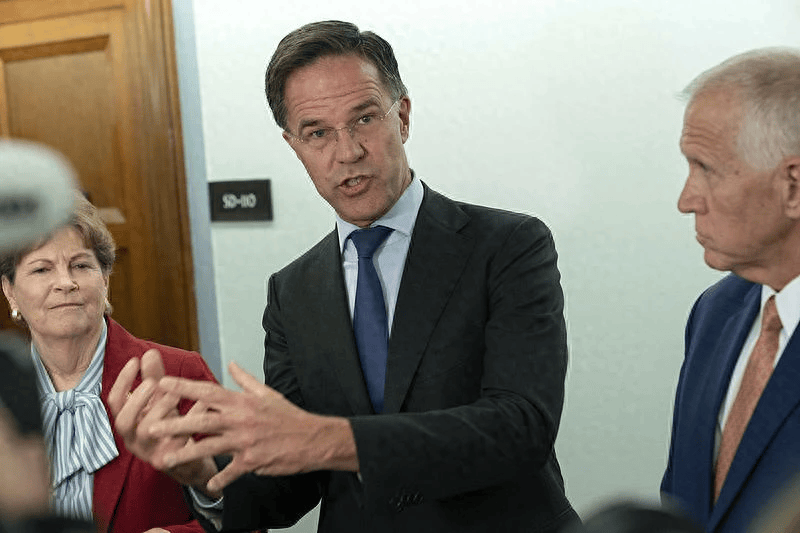
特朗普果然不可信!美国财长隔空喊话,要求G7对中国加税200%?欧洲可不干!现场鸦雀无声
Sou Hu Cai Jing· 2025-08-19 04:03
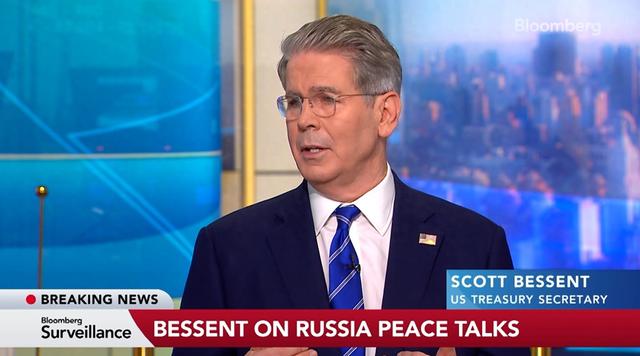
Group 1 - The U.S. Treasury Secretary, Bessent, is urging Europe to support imposing high tariffs on energy buyers from Russia, particularly targeting China, which has garnered international attention [1][3] - Bessent's call for tariffs is not new; similar proposals were made during the G7 summit in June, where he suggested a 200% secondary tariff on China, but received no support from European leaders [1][3] - The proposed tariffs are part of a broader strategy linked to the upcoming "Putin-Trump meeting," with the U.S. seeking to pressure Europe into joining its sanctions efforts against Russia [1][3] Group 2 - European countries are hesitant to follow the U.S. lead due to their economic ties with China, particularly Germany's automotive industry and Japan's electronics supply chain, which could face severe repercussions from retaliatory measures [3][4] - The previous "reciprocal tariff" policies under the Trump administration have damaged trust among European allies, making them reluctant to support U.S. initiatives that could harm their own economies [4][6] - The unilateral imposition of tariffs by the U.S. is seen as a threat to global trade order, potentially disrupting supply chains and increasing operational costs for businesses worldwide [6][9] Group 3 - European leaders, including Germany's Chancellor and France's President, emphasize the need to protect their own interests and assert that discussions regarding Ukraine's territorial issues must involve Ukraine itself [7][9] - Analysts express caution regarding the upcoming "Putin-Trump meeting," highlighting the challenges Trump faces in negotiating with Putin and the potential consequences of a failed dialogue [9] - The overall sentiment among European nations suggests a reluctance to be coerced into supporting U.S. tariffs against China, indicating a preference for dialogue and cooperation over unilateral actions [9]

包藏祸心询问G7“对华加税200%”意愿,美财长碰了钉子
Guan Cha Zhe Wang· 2025-08-14 07:24
Group 1 - The core viewpoint of the articles revolves around the U.S. government's pressure on European allies to unify against Russia, particularly regarding sanctions on Russian energy purchases [1][2] - U.S. Treasury Secretary Mnuchin's comments indicate a push for higher tariffs on countries buying Russian energy, reflecting a strategy to politicize economic issues and exert hegemonic pressure [2][4] - The upcoming meeting between Trump and Putin is seen as a critical moment, with European leaders expressing concerns about potential unfavorable agreements for Ukraine [6][10] Group 2 - European leaders, including German Chancellor Merz, emphasize the necessity of Ukraine's involvement in any peace negotiations and the protection of European and Ukrainian security interests [6][10] - The U.S. has already imposed additional tariffs on India for purchasing Russian energy, suggesting a potential escalation of sanctions if the situation does not improve [5][6] - Analysts express skepticism about the effectiveness of the upcoming U.S.-Russia summit in achieving a ceasefire in Ukraine, highlighting the challenges Trump faces in dealing with Putin [10][11]
关税或猛增100%!美国彻底对华摊牌了,中方反击不留情面,九三阅兵不必给特朗普留位置了?
Sou Hu Cai Jing· 2025-08-13 02:56
Group 1 - The U.S. Treasury Secretary's threat of tariffs on Chinese goods if China continues to purchase Russian oil indicates a serious escalation in trade tensions [1] - China's response emphasizes its commitment to national interests and energy security, suggesting a firm stance against U.S. pressure [1] - The geopolitical context includes the upcoming 80th anniversary of China's victory in the war, which may influence diplomatic gestures towards the U.S. [1] Group 2 - The U.S. sanctions threat is perceived as a significant pressure tactic, while China is enhancing its energy security through diversified supply sources and increased trade with Russia [3] - India is also responding to U.S. pressures by diversifying its oil imports and increasing cooperation with Russia and China, indicating a shift in regional alliances [3][5] - The potential for a trilateral cooperation mechanism among China, Russia, and India is being discussed, which could further challenge U.S. influence [3] Group 3 - China's establishment of an "energy security cube" reflects its strategy to mitigate U.S. sanctions through diversified supply chains and financial independence [7] - The narrative suggests that unilateral sanctions are becoming ineffective in a globalized economy, with the rise of the yuan as a challenge to dollar dominance [7] - The ongoing geopolitical shifts indicate an inevitable move towards a multipolar world order, diminishing the effectiveness of U.S. unilateralism [7]
中美关税暂停期限是否延长?外交部回应
Huan Qiu Shi Bao· 2025-08-11 22:45
Group 1 - The core issue revolves around the potential extension of the 90-day suspension of the 24% tariffs agreed upon during the high-level trade talks between China and the U.S. in May, with the deadline approaching on August 12 [1][2] - U.S. President Trump has not made a clear statement regarding the extension of the tariff suspension, raising concerns about a possible escalation in tensions between the two economies [1][2] - China's Foreign Ministry expressed hope for positive outcomes based on the consensus reached by the leaders of both countries, emphasizing the importance of mutual respect and reciprocity in negotiations [1] Group 2 - Trump's recent social media post suggested that China is concerned about soybean shortages and urged China to significantly increase its orders of U.S. soybeans to reduce the trade deficit [1] - Despite Trump's claims, analysts indicate that there is little evidence to suggest that China is worried about soybean shortages, and China could source from South America if trade relations do not improve [2] - The U.S. government data shows that as of the end of July, China had not placed orders for the new season's soybeans, reflecting ongoing tensions [1][2] Group 3 - The U.S. administration is considering imposing new tariffs on Chinese imports in response to China's purchase of Russian oil, complicating the trade relationship further [2] - China's embassy in the U.S. defended its trade with Russia as compliant with international law, opposing U.S. unilateral sanctions and emphasizing that there are no winners in a tariff war [2] - Since May, the U.S. and China have held three rounds of trade talks in various locations, with the latest consensus being to continue the suspension of the 24% tariffs and corresponding countermeasures for another 90 days [2]
外交部:敦促有关国家和机构停止为反中乱港分子撑腰张目
Xin Hua She· 2025-08-11 13:47
Core Viewpoint - The Chinese government expresses strong dissatisfaction and firm opposition to the criticisms from the G7 and related Western countries regarding the law enforcement actions of the Hong Kong Special Administrative Region (SAR) government [1] Group 1 - The G7 and related Western countries have made statements attacking the Hong Kong police's actions against individuals involved in the so-called "illegal elections" of the "Hong Kong Parliament," labeling it as "transnational repression" [1] - The Chinese government asserts that the Hong Kong police's enforcement actions, based on the Hong Kong National Security Law and related regulations, are in accordance with international law and practices, and are reasonable, legal, and necessary [1] - The Chinese government criticizes the accusations of "transnational repression" as baseless, highlighting the hypocrisy of certain countries that impose unilateral sanctions while condemning the legitimate law enforcement actions of the Hong Kong police [1] Group 2 - The Chinese central government firmly supports the Hong Kong police in taking law enforcement actions against individuals and organizations that have fled overseas, emphasizing the importance of safeguarding national security and ensuring long-term stability in Hong Kong [1] - The Chinese government urges relevant countries and institutions to stop supporting anti-China elements in Hong Kong and to cease interference in China's internal affairs [1]
北约秘书长宣称:中国、印度和巴西等国若继续与俄罗斯做生意,可能会受到“二级制裁”
Sou Hu Cai Jing· 2025-07-30 12:40
Group 1 - The core argument of the article revolves around the U.S. leveraging market access as a tool to coerce global economies into aligning with its stance against Russia, essentially presenting a choice between continuing trade with Russia or facing punitive measures from the U.S. [1][3] - The U.S. has implemented secondary sanctions, which could impose tariffs as high as 100% on countries that continue to purchase Russian oil, targeting nations like India and China directly [1][3] - The absurdity of these sanctions is highlighted by the fact that U.S.-Russia direct trade has dwindled to only 5% of pre-war levels, indicating that the sanctions are more about pressuring third-party nations than affecting Russia directly [3] Group 2 - India faces a dilemma as its oil imports from Russia have surged sevenfold, constituting 45% of its total imports, and replacing Russian oil would significantly increase transportation costs, impacting its economic growth [3][4] - Brazil has taken a firm stance against U.S. influence, asserting that its energy procurement policies should not be dictated by Washington, reflecting its desire for strategic autonomy as the largest economy in South America [3] - European nations are caught in a challenging position, being required to increase defense spending to 5% of GDP to support Ukraine while also facing pressure to align with U.S. sanctions, which complicates their economic and political landscape [4]
中方敦促乌克兰立即纠正错误
中国基金报· 2025-07-28 08:46
Group 1 - China opposes unilateral sanctions without international legal basis and urges Ukraine to correct its actions [1] - China emphasizes the importance of equal dialogue and cooperation in the upcoming US-China economic talks [2] - China firmly opposes any agreements that sacrifice its interests in trade negotiations [3] Group 2 - China expresses concern over the detention of Chinese scholars in the US and calls for an end to discriminatory practices [4][5] - China is committed to maintaining close communication with Cambodia and Thailand to promote peace and stability in the region [6]
特朗普拿不到访华邀请?中美谈判再出意外,贝森特放出威胁,不准中国买俄伊石油
Sou Hu Cai Jing· 2025-07-28 05:40
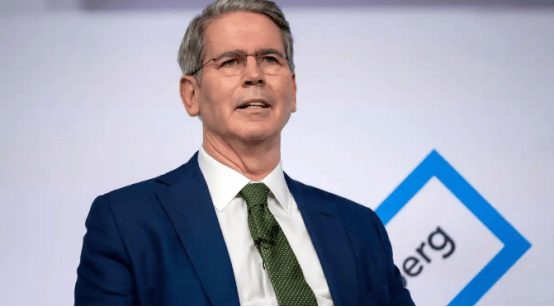
Core Viewpoint - The U.S. Treasury Secretary's threat to include China's oil purchases from Russia and Iran in upcoming trade negotiations has escalated tensions, raising questions about the future of U.S.-China relations and the potential impact on global trade dynamics [1][2]. Group 1: U.S.-China Trade Negotiations - The upcoming U.S.-China trade talks in Stockholm are critical, with the U.S. facing significant data indicating a dramatic drop in China's oil purchases, which could affect the negotiations [1]. - The U.S. Treasury Secretary's warning of imposing 100% secondary tariffs on countries purchasing Russian oil highlights the U.S.'s reliance on financial dominance as a negotiating tool [2]. - The negotiations are seen as a pivotal moment for the Trump administration, with key issues such as rare earth export controls and overall tariff levels expected to be central to discussions [2][3]. Group 2: Global Implications - The outcome of the negotiations could influence other countries' willingness to engage with the U.S., potentially leading to a shift in global trade agreements [3]. - If the U.S. concedes in negotiations, it may empower other nations to negotiate more assertively, while a Chinese compromise could lead to a wave of similar agreements that favor the U.S. [3]. Group 3: Energy Market Dynamics - China's response to U.S. tariffs by increasing its energy imports from Russia and Iran signifies a strategic shift in energy procurement, challenging U.S. sanctions [2][6]. - The U.S. Treasury Secretary's focus on energy procurement as a bargaining chip may backfire, as China's reduced imports of U.S. energy could harm American energy companies [8]. - China's position as the world's largest crude oil buyer gives it leverage in the energy market, allowing it to resist U.S. sanctions and assert its national interests [6][8].
美向全球发出威胁,敢与俄合作就加税,美想出来的狠招,却让莫迪翻脸了
Sou Hu Cai Jing· 2025-07-23 03:17
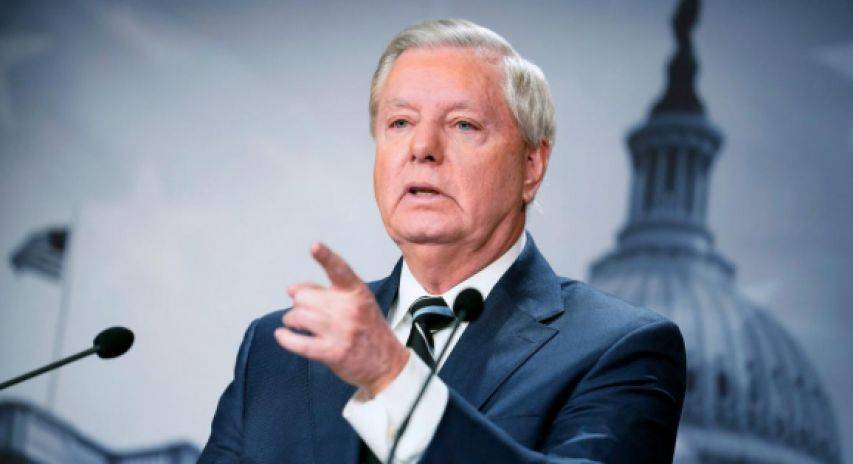
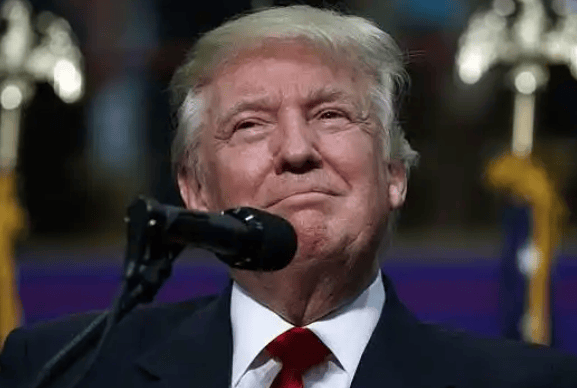
Group 1 - The United States has issued threats to countries cooperating with Russia, particularly targeting China and India, by proposing secondary tariffs on those purchasing Russian oil and gas [1][3] - In 2024, India imported 35% of its oil from Russia, while China's energy trade with Russia continues to expand [1] - The U.S. Republican Senator Graham proposed a radical bill to impose a 500% tariff on countries that continue to buy Russian energy without providing substantial aid to Ukraine, specifically naming China and India [3] Group 2 - India's oil minister expressed confidence that India can meet its energy needs from alternative sources if Russian oil supply is affected, citing diversification of oil suppliers from 27 to 40 countries [5] - The Russian Foreign Ministry confirmed discussions with China and India to restore the trilateral cooperation mechanism, enhancing India's position on the international stage [5][6] - China has reiterated its stance that dialogue is the only viable solution to the Ukraine crisis and opposes unilateral sanctions, indicating potential countermeasures if the U.S. implements secondary tariffs [5][6] Group 3 - Russia has shown resilience against U.S. threats, with plans to accelerate de-dollarization and increase trade settlements in local currencies with China and other countries [8] - The trend of global economic integration suggests that U.S. unilateral sanctions may lead to a backlash, diminishing its global influence [8] - Emerging countries are shifting from passive responses to actively shaping international order, as seen in India's balancing act between the U.S. and Russia and the revival of trilateral cooperation with China and Russia [8]
每日债市速递 | 国债期货收盘全线下跌
Wind万得· 2025-07-21 22:31
Group 1: Open Market Operations - The central bank conducted a 7-day reverse repurchase operation on July 21, with a fixed rate and a total amount of 170.7 billion yuan, at an interest rate of 1.40%, with the same amount being awarded [1] - On the same day, 226.2 billion yuan of reverse repos matured, resulting in a net withdrawal of 55.5 billion yuan [1] Group 2: Funding Conditions - The overnight repurchase weighted average rate (DR001) for deposit-taking institutions decreased by nearly 10 basis points, returning to around 1.35% [3] - The latest overnight financing rate in the U.S. is 4.34% [3] Group 3: Interbank Certificates of Deposit - The latest transaction rate for one-year interbank certificates of deposit among major banks is around 1.63%, showing a slight increase from the previous day [6] Group 4: Bond Market - Major interbank interest rate bonds saw yields rise across the board, with mid- to long-term bonds showing significant weakness [8] - Government bond futures closed lower across the board, with the 30-year main contract down 0.46%, the 10-year down 0.05%, the 5-year down 0.05%, and the 2-year down 0.01% [11] Group 5: Economic Policies and Developments - The Ministry of Commerce responded to the EU's sanctions against Chinese enterprises and financial institutions, urging the EU to cease its actions, which are seen as detrimental to China-EU economic relations [12] - The LPR (Loan Prime Rate) remained stable, with the one-year LPR at 3% and the five-year LPR at 3.5%, aligning with market expectations [12] - The Ministry of Commerce highlighted the promotion of e-commerce and digital business as a means to enhance consumption and economic transformation [12] Group 6: Global Macro Developments - In Japan, the ruling coalition of the Liberal Democratic Party and Komeito failed to secure a majority in the House of Councillors for the first time since its establishment in 1955, leading to internal party tensions [14] Group 7: Bond Market Events - The scale of bond index funds reached nearly 1.5 trillion yuan in Q2, with major players like Bosera, Southern, and GF exceeding 100 billion yuan [16] - The issuance of Sci-Tech bonds surpassed 760 billion yuan, with banks and ETFs actively participating [16] - Chow Tai Fook completed the issuance of an 850 million HKD convertible bond [16]