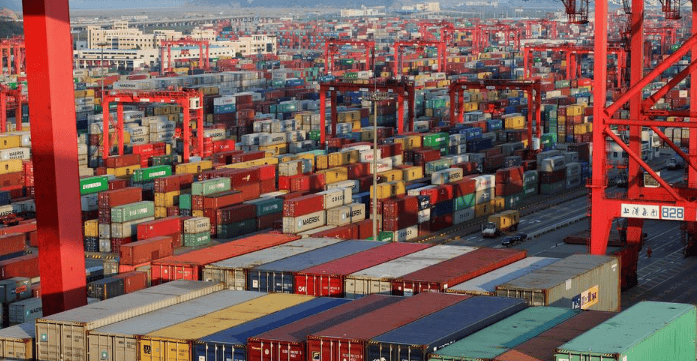
多边合作

Search documents
塞浦路斯总统说中国在全球事务中发挥重要作用
Xin Hua She· 2025-09-13 14:32
Core Points - Cyprus President Christodoulides emphasized China's significant role in global affairs and expressed commitment to enhancing bilateral relations [1] - He acknowledged China's remarkable transformation since 1949, attributing it to foresight and resilience [1] - The President highlighted the importance of sovereignty, independence, and multilateral cooperation between Cyprus and China, especially amid current geopolitical challenges [1] Bilateral Relations - Cyprus and China have been expanding cooperation within the framework of the United Nations and other international organizations [1] - Both countries have made positive progress in promoting sustainable development and providing humanitarian assistance [1] - Cyprus will assume the rotating presidency of the EU Council in the first half of next year, during which it will actively promote EU-China dialogue [1]
李成钢国际贸易谈判代表兼副部长会见委内瑞拉外贸部长戈多伊
Shang Wu Bu Wang Zhan· 2025-09-12 08:12
Group 1 - The core viewpoint of the article highlights the meeting between China's international trade representative and Venezuela's foreign trade minister, focusing on strengthening bilateral economic and trade relations and multilateral cooperation [1] Group 2 - The meeting took place on September 11, indicating a proactive approach by both countries to enhance their economic ties [1] - The discussion covered various topics related to trade and cooperation, suggesting a commitment to deepening economic collaboration [1]
天津宣言全票通过!美国关税大棒下,印度转身拥抱上合组织并签字
Sou Hu Cai Jing· 2025-09-03 01:09
Core Points - The 2025 Tianjin Summit marked a significant shift in India's foreign policy, with Prime Minister Modi fully endorsing the "Tianjin Declaration," indicating a major diplomatic adjustment driven by complex international dynamics and economic interests [3][4] - The backdrop of this shift includes India's previous reluctance to engage with the Shanghai Cooperation Organization (SCO) and recent tensions with Pakistan, which were exacerbated by the U.S. imposing high tariffs on Indian goods [4][6] Group 1: Diplomatic Shift - Modi's government underwent a 180-degree turn in its diplomatic stance, moving from a position of isolation to active engagement with the SCO [3][4] - The U.S. imposed a 50% tariff on Indian goods, leading to a significant economic downturn for India, with GDP growth plummeting to 4.8% [6] - India's perception of U.S. tariffs as "unilateral bullying" prompted a strong internal response, including Modi's refusal to engage with Trump [6] Group 2: Economic Opportunities - The Tianjin Summit resulted in the signing of 10 cooperation agreements between China and India, including the establishment of a military communication channel to address border issues [8] - The reopening of previously closed border markets led to a trading volume exceeding 3.8 million RMB on the first day [8] - The inclusion of Indian companies in China's rare earth export list is crucial for India's defense and industrial sectors, given its 70% reliance on Chinese imports for rare earth materials [8] Group 3: The Tianjin Declaration - The "Tianjin Declaration" opposes Western unilateralism and condemns military actions against Iran, aligning with India's international stance [9][11] - The declaration proposes the establishment of the SCO Development Bank and emphasizes military cooperation and digital economic innovation, providing India with a platform to reduce dependence on Western financial institutions [11] - The declaration's historical references are seen as a diplomatic blow to Japan, highlighting India's stance on World War II narratives [14] Group 4: Media Interpretation - Indian media displayed a tendency for self-interpretation regarding the declaration's commitment to combating terrorism, despite the absence of specific references to recent attacks [15] - The portrayal of interactions between Modi and Pakistani Prime Minister Sharif was exaggerated by Indian media to emphasize regional tensions [16]

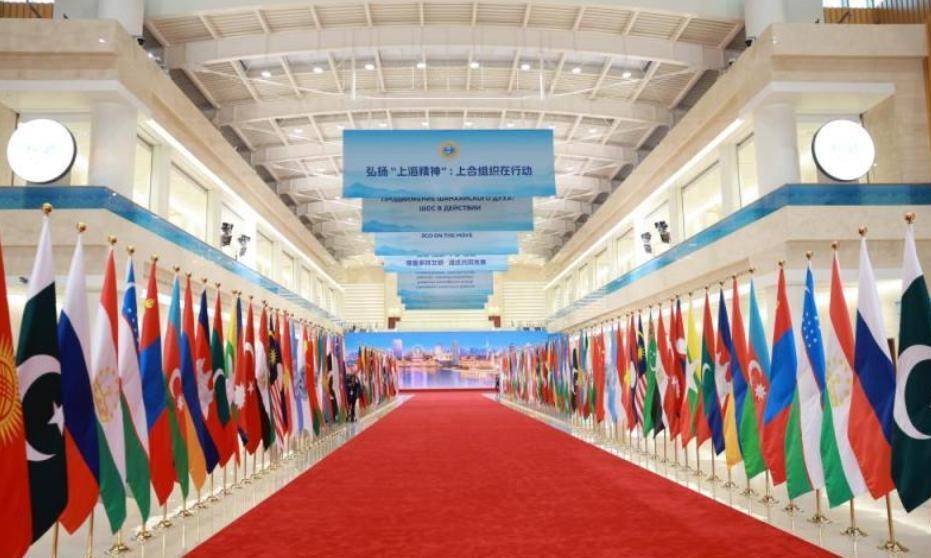
上合组织前秘书长诺罗夫接受《环球时报》专访:上合组织是区域合作构建者、联通者与守护者
Huan Qiu Shi Bao· 2025-08-27 22:53
Group 1: Core Views - The Shanghai Cooperation Organization (SCO) is evolving into a more mature and pragmatic cooperation mechanism that will bring tangible benefits to its member countries in the next decade [1][7] - The SCO has expanded its agenda in security, economic, and cultural cooperation, enhancing its role in these areas [2][3] Group 2: Security Cooperation - The SCO has significantly broadened its security agenda, addressing not only traditional threats like terrorism but also new challenges such as cybercrime and organized transnational crime [2] - The regional anti-terrorism agency has effectively limited access to over 100,000 extremist internet resources and prevented hundreds of planned attacks [2] Group 3: Economic Cooperation - The SCO has transitioned from advocating ideas to implementing concrete projects, particularly under the Belt and Road Initiative, promoting various infrastructure projects [2][5] - Future economic integration efforts may include creating a "common economic zone," unifying customs rules, and advancing trade digitization [7][8] Group 4: Cultural Cooperation - The establishment of the SCO Youth Committee has provided a platform for nearly 800 million young people from member countries, enhancing cultural exchanges and regional ties [2][3] Group 5: Future Directions - The SCO should focus on strategic unity and strengthen its institutional framework to manage its expanding membership effectively [7] - Emphasis on innovation and talent investment, particularly in digital economy and green technology, is crucial for the SCO's future development [8]
纪念抗战胜利80周年研讨会在土耳其伊斯坦布尔举行
Xin Hua She· 2025-08-27 16:14
Core Points - The seminar commemorating the 80th anniversary of the victory in the Chinese People's Anti-Japanese War and the World Anti-Fascist War was held in Istanbul, emphasizing the theme "Cherish Peace, Create the Future" [1] - Over a hundred representatives from think tanks, media, and scholars from China and Turkey, as well as consuls from Uzbekistan, Azerbaijan, Argentina, and Poland, attended the event [1] - The Chinese Consul General in Istanbul, Wei Xiaodong, highlighted China's significant sacrifices and contributions to the victory in the World Anti-Fascist War, noting that the Chinese Anti-Japanese War began the earliest and lasted the longest [1] - Turkish academic Hasan Yunar stressed the importance of remembering the sacrifices made by countries like China and the Soviet Union during World War II, advocating for multilateral cooperation to address global challenges [1] - Historian İbrahim Ortaylı emphasized the need for mutual trust and respect among nations to achieve stability and development in a complex international environment [1] Additional Activities - The Chinese Consulate in Istanbul also organized a photo exhibition featuring 60 historical images provided exclusively by Xinhua News Agency, which attendees found to be a valuable reminder of the importance of peace [2]
美财长G7会强推对华200%关税,盟友集体沉默!欧洲选择让美国懵了
Sou Hu Cai Jing· 2025-08-21 07:48
Core Viewpoint - Trump's tariff policy has led to significant tensions between the U.S. and its allies, particularly regarding the approach to China and the implications for global trade relationships [1][3][10] Group 1: U.S. Tariff Policy and Its Implications - U.S. Treasury Secretary Mnuchin's proposal for a 200% secondary tariff on China was met with silence from G7 allies, indicating growing rifts [3] - The U.S. has already imposed tariffs as high as 245% on key Chinese goods, prompting strong retaliatory measures from China, including tariffs on U.S. agricultural products and a blacklist of U.S. companies [8] - Trump's announcement of a 30% tariff on EU goods has further strained relations, with European leaders expressing concerns over the impact on their economies [9] Group 2: European Response and Economic Interdependence - European economies are heavily reliant on China, with over 60% of industrial imports coming from China, making them vulnerable to U.S. trade policies [8] - The silence from G7 members during discussions reflects a shift in European attitudes, with countries like Spain and France seeking to strengthen ties with China despite U.S. pressure [10] - The EU is committed to establishing stronger global trade partnerships, signaling a move away from U.S. unilateralism [10] Group 3: Trust and Cooperation Among Allies - Trump's aggressive tariff strategy has eroded trust among NATO allies, with European leaders calling for more pragmatic negotiations with the U.S. [9] - The ongoing trade tensions are seen as a clash between power politics and economic rationality, with allies caught between defending their economic interests and maintaining strategic alliances [10] - The G7's silence on U.S. tariffs indicates a growing recognition that multilateral cooperation is essential for future global economic stability [10]
特朗普计划彻底失败,印度总理官宣访华,11国打响反美第一枪!
Sou Hu Cai Jing· 2025-08-21 07:06
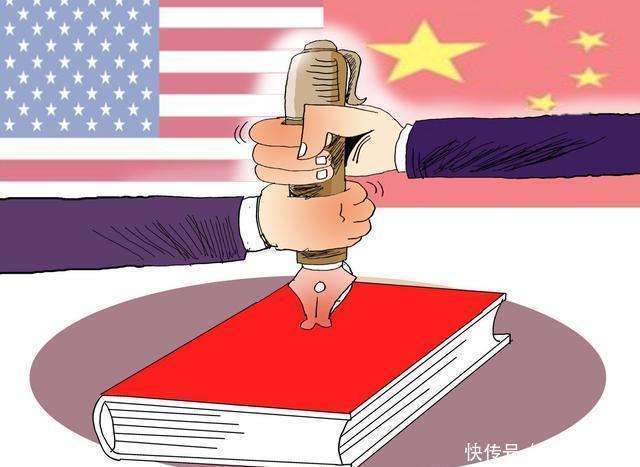
Core Points - Indian Prime Minister Modi's planned visit to China at the end of August has garnered significant attention amid rising tensions with the U.S. due to new tariffs imposed on Indian goods [1][9] - The U.S. government has imposed tariffs as high as 25% on Indian products, citing India's continued oil purchases from Russia, leading to a total tariff burden of 50% on Indian goods [3][5] - Despite the pressure from the U.S., India remains firm in its stance, prioritizing the interests of its farmers and rejecting demands that threaten agricultural subsidies [7][16] Trade Relations - The U.S. tariffs have created substantial pressure on India's trade relationship with the U.S., which has historically seen a trade surplus of over $40 billion for India [3] - India's previous negotiations with the U.S. had shown promise, but the sudden imposition of tariffs has led to a breakdown in trust between the two nations [5][8] Diplomatic Strategy - Modi's upcoming visit to China is seen as a strategic move to strengthen ties with China while navigating the complexities of U.S.-India relations [9][12] - India is pursuing a "multi-vector" foreign policy, engaging with both the U.S. and China, as well as participating in organizations like the Shanghai Cooperation Organization to enhance its international influence [12][14] Global Context - The situation reflects a broader trend among BRICS nations, including Brazil, which are also facing U.S. trade pressures and are seeking collective responses to counteract unilateral actions by the U.S. [17][19] - The expansion of BRICS to include additional countries highlights a shift towards greater unity among emerging economies in response to U.S. policies, indicating a potential change in the global economic landscape [19][21]
热点速递|消费者冲动消费有了“后悔药”
Sou Hu Cai Jing· 2025-08-20 14:21
Global Hotspots - The recent conflict in the Middle East has resulted in over 58,000 deaths in Gaza, highlighting a profit chain for some Western companies amidst the humanitarian crisis [2] - The BRICS summit in Rio de Janeiro emphasized the growing importance of multilateral cooperation in global governance, positioning BRICS as a key player in uniting the Global South and driving changes in the global governance system [2] Economic Insights - China's GDP grew by 5.3% year-on-year in the first half of 2025, leading among major global economies, with a quarterly breakdown showing 5.4% growth in Q1 and 5.2% in Q2, indicating economic stability [4] - The Yiwu market is experiencing a "shop grabbing war" as merchants compete for space in the new Global Trade Center set to open in October, driven by trends like AI and e-commerce [6] Consumer Behavior - The Supreme People's Court of China has implemented new regulations to address issues related to prepaid consumption, aiming to protect consumers from difficulties such as refund challenges and unfair terms [2]

欧洲干了件以前不敢干的事,让美财长很是恼火,却在中国意料之中
Sou Hu Cai Jing· 2025-08-20 09:27
Group 1 - European countries have shown a significant shift in their stance towards U.S. proposals, particularly regarding tariffs on China, indicating a newfound assertiveness in international trade discussions [1][3] - The automotive industry in Europe heavily relies on the Chinese market, with over 10% of exports linked to it, highlighting the economic interdependence between Europe and China [9] - Europe's refusal to support U.S. tariffs against China is driven by self-interest, as aligning with U.S. policies could harm European businesses and economic interests [9] Group 2 - The U.S. is attempting to shift domestic economic blame onto China, using tariffs as a political tool to distract from its own economic challenges [5] - China's proactive measures, such as expanding domestic demand and diversifying trade partnerships, have positioned it to withstand external pressures, including U.S. tariffs [13] - The recent developments signal a potential shift in international relations, with countries increasingly recognizing their interconnected interests and moving away from U.S. hegemony [13]
中美握手言和不到24小时,卢拉主动打来电话,巴西迫切想要的,中方痛快给了,特朗普失算了
Sou Hu Cai Jing· 2025-08-20 06:34
Group 1: US-China Trade Relations - The US and China have agreed to extend the suspension of tariffs for 90 days, which is seen as a move to ease trade tensions and stabilize the macroeconomic environment in China [1][9] - The bilateral trade volume between the US and China is projected to exceed $680 billion in 2024, indicating deep interconnections across various sectors [3] - Despite a 21.7% year-on-year decline in exports to the US, China's overall export growth has accelerated, reflecting a shift in trade patterns due to high tariffs [4] Group 2: Brazil's Trade Dynamics - Brazilian President Lula has expressed concerns over US tariffs on Brazilian exports, which have been increased by 50%, and has sought support from China to counteract US pressure [6][7] - Lula's administration is pursuing a multilateral approach to address trade disputes, including filing complaints with the World Trade Organization against US tariffs [6] - The cooperation between China and Brazil is strengthened by their shared interests in opposing unilateral trade practices and promoting a multipolar world [7][9] Group 3: Global Trade Environment - The current trade landscape is characterized by increasing resistance to unilateralism and protectionism, as evidenced by the responses from China and Brazil to US tariff policies [9] - The next 90 days will involve continued negotiations between the US and China, with potential discussions on various trade-related issues, although significant reductions in tariffs are unlikely [3][9] - The evolving international trade dynamics emphasize the importance of multilateral cooperation in addressing global economic challenges [9]