
本土化战略

Search documents
关税突发!特朗普,又要动手了
Zhong Guo Ji Jin Bao· 2025-09-27 14:20
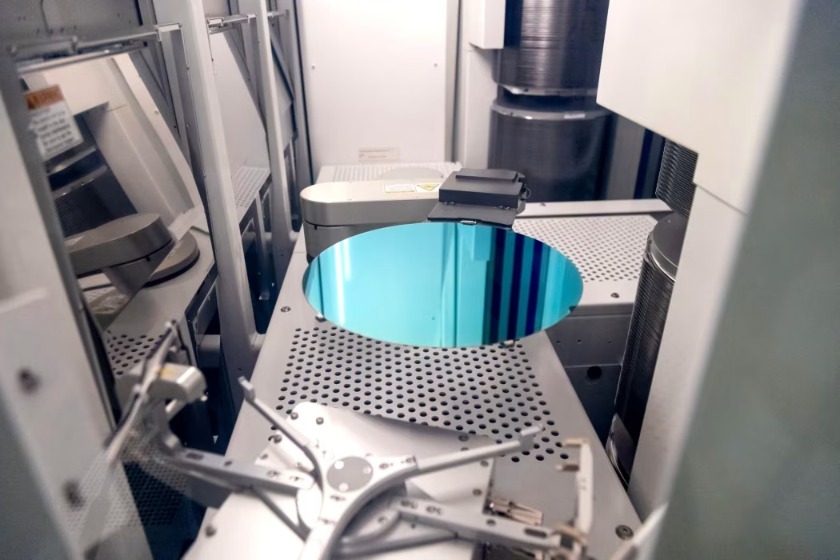
Core Viewpoint - The Trump administration is considering imposing tariffs on foreign electronic products based on the number of chips contained in each device, aiming to encourage companies to shift manufacturing to the U.S. [1][3] Group 1: Tariff Implementation - The U.S. Department of Commerce is contemplating a tariff rate of 25% on imported devices based on their chip content, with a lower rate of 15% for products from Japan and the EU, although these figures are preliminary [3][4] - Trump previously indicated that a 100% tariff would apply to imported semiconductors, but companies producing in the U.S. or committing to do so would be exempt [3][4] Group 2: Domestic Manufacturing Strategy - The administration is implementing a multi-faceted re-localization strategy to bring critical manufacturing back to the U.S. through tariffs, tax cuts, and deregulation [3] - A new proposal aims to require semiconductor companies to match the number of semiconductors produced in the U.S. with those imported from overseas, with penalties for non-compliance [6][7] Group 3: Challenges and Considerations - Analysts suggest that achieving a balance between domestic production and imports may be more challenging than simply increasing investment in U.S. manufacturing due to lower prices of overseas products and the time required to adjust supply chains [7] - The Commerce Department previously proposed excluding chip manufacturing equipment from tariffs to avoid increasing production costs in the U.S., but this was met with disapproval from the White House [4]

佟欧福:以“奔驰标准”为根基,用“中国速度”开启新时代
Di Yi Cai Jing· 2025-09-25 05:08
Core Viewpoint - Mercedes-Benz (China) Investment Co., Ltd. has signed an upgraded strategic cooperation memorandum with ByteDance, marking a significant step in their collaboration to drive AI technology in the automotive industry, with the new electric CLA model featuring ByteDance's Doubao large model set to launch this fall [1][3]. Group 1: Strategic Cooperation - The collaboration between Mercedes-Benz and ByteDance has evolved over three years, transitioning from initial partnerships to a comprehensive cooperation covering the entire business chain [3][6]. - The partnership aims to address the high demand for intelligent features in the Chinese market, with 90% of consumers willing to pay extra for advanced driving services [3][4]. Group 2: Technological Integration - The cooperation focuses on creating a demand response system that transforms intelligent technology from a concept into a tangible user experience, particularly in the smart cockpit domain [4][6]. - Mercedes-Benz will leverage ByteDance's AI capabilities to enhance its smart cockpit, integrating entertainment, navigation, and lifestyle services for a more personalized experience [4][6]. Group 3: Product Launch and Features - The new electric CLA model will utilize the Doubao large model to enhance the virtual assistant's responsiveness and emotional understanding, featuring a range of advanced safety measures and a long-range battery [7][12]. - The CLA model is designed to achieve a range of 866 kilometers and a low energy consumption of 10.9 kWh per 100 kilometers, setting a benchmark for luxury electric vehicles [7]. Group 4: Localization Strategy - The partnership signifies a redefinition of the "value of the Chinese market" for Mercedes-Benz, integrating local technology into its global standards while maintaining safety and quality [9][11]. - Mercedes-Benz has established a comprehensive R&D network in China, enhancing its ability to respond quickly to local consumer needs and accelerating its digital development [11][12]. Group 5: Marketing and Customer Operations - The collaboration extends to digital marketing and customer operations, utilizing ByteDance's capabilities to enhance user insights and create a unified digital marketing matrix [14]. - Mercedes-Benz aims to improve customer experience through precise communication and service delivery, leveraging ByteDance's cloud communication technology [14].

市场销量实现快速增长 中国品牌手机日益走俏拉美市场
Ren Min Ri Bao· 2025-09-22 02:04
Core Insights - Chinese smartphone brands are increasingly popular in the Latin American market, with significant growth in sales and market share [1][2][3][4][5][6]. Market Performance - Overall smartphone sales in Latin America are projected to grow by approximately 2% in Q2 2025, reaching 34.3 million units [1]. - In Brazil, Motorola holds about 24% of the smartphone market share, while Xiaomi and Realme account for 17% and 6%, respectively [2]. - In Mexico, Chinese brands have captured around 43% of the smartphone market share, a significant increase from nearly zero in 2019 [3]. - In Peru, Xiaomi and Honor led smartphone imports with 890,000 and 830,000 units, reflecting quarter-on-quarter growth of 11.2% and 25.7% [3]. Consumer Preferences - Over 60% of Brazilian respondents prefer Chinese smartphones, with 67% believing China has a technological innovation advantage [2]. - In Ecuador, most of the 3.2 million smartphones imported in 2024 were Chinese brands, favored for their performance and value [4]. Innovation and Localization Strategy - Chinese smartphone brands are focusing on localization strategies, adapting products to meet local consumer preferences, which has helped build a loyal customer base [5][6]. - The introduction of AI features and high-quality designs in smartphones has positioned Chinese brands as leaders in innovation [6]. - Companies are increasingly investing in local production and supply chains in Latin America, enhancing manufacturing capabilities [7][8]. Industry Collaboration - Chinese smartphone manufacturers are establishing local production lines and partnerships in Latin America, contributing to job creation and technological skill development [7][8]. - Collaborative efforts in the smartphone industry are expected to improve understanding of local consumer needs and enhance regional industrialization [8].

中国品牌手机日益走俏拉美市场(国际视点)
Ren Min Ri Bao· 2025-09-21 22:41
Core Insights - The Latin American smartphone market is projected to see a 2% increase in overall sales by Q2 2025, reaching 34.3 million units, with Chinese brands gaining significant market share [1] - Xiaomi, Motorola, Honor, and Transsion are among the top five smartphone brands in the region, with Xiaomi achieving a record sales increase of 8% to 6.7 million units [1] Market Growth - Brazil is the largest smartphone market in Latin America, with Motorola capturing 24% of the market share, followed by Xiaomi at 17% and Realme at 6% [2] - Over 60% of Brazilian respondents prefer Chinese smartphones, with 67% believing China has a technological innovation advantage [2] Brand Performance - In Mexico, Chinese smartphone brands hold approximately 43% market share, with significant growth from near-zero in 2019 [3] - Honor launched the Honor 400 series in Peru, achieving notable import figures of 890,000 units for Xiaomi and 830,000 units for Honor, reflecting growth rates of 11.2% and 25.7% respectively [3] Consumer Preferences - Ecuador's smartphone imports in 2024 are expected to exceed 3.2 million units, predominantly from Chinese brands, which are favored for their performance and design [4] - In Venezuela, Transsion and Xiaomi have rapidly increased their market share, accounting for 50.6% of smartphone sales [4] Innovation and Localization Strategy - Chinese smartphone brands are successful in Latin America due to their localization strategies, adapting products to meet local preferences and expanding their loyal customer base [5] - The focus on technology democratization and high cost-performance ratio has been a key factor in the success of Chinese brands [5] Competitive Landscape - The competitive landscape in Latin America is expected to evolve, requiring brands to adopt diversified and personalized operational models to enhance brand trust and achieve scalable growth [6][7] Local Production and Collaboration - Increasing numbers of Chinese smartphone manufacturers are establishing local production lines in Latin America, enhancing local manufacturing capabilities and supply chains [8] - Collaborations with local companies are seen as strategic moves to better understand consumer needs and improve product offerings [9]
战略&价值双导向 斯堪尼亚国产化战略规划曝光!| 头条
第一商用车网· 2025-09-20 13:05
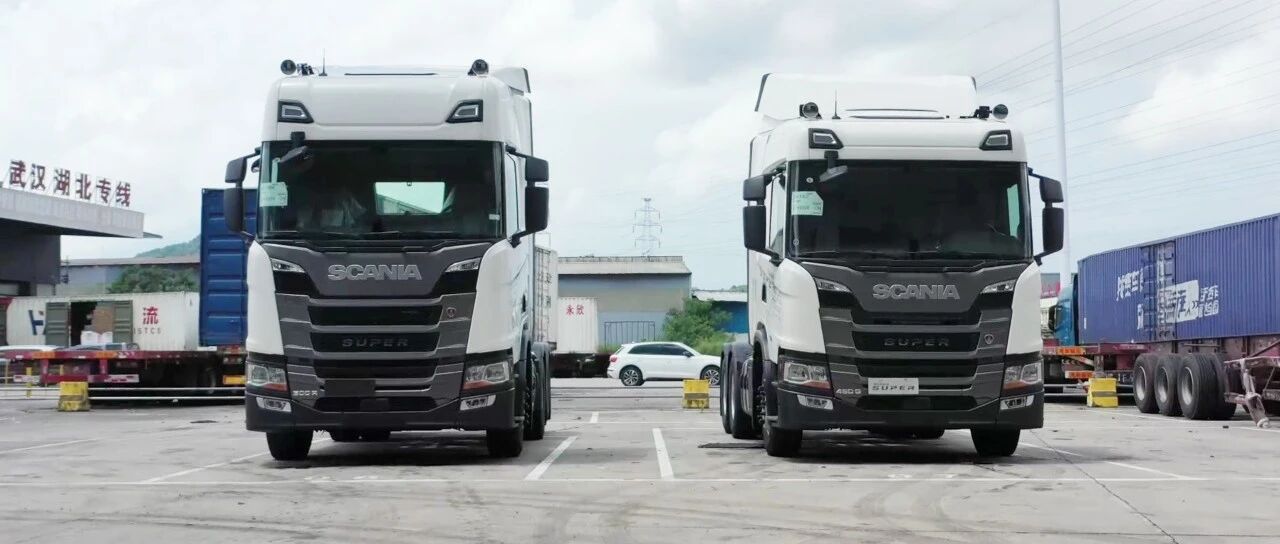
Core Viewpoint - Scania is set to enhance its presence in the Chinese market with the launch of a localized production base and new products, aiming to create a complete commercial ecosystem that integrates R&D, manufacturing, sales, and services [1][3][16]. Group 1: Market Strategy - Scania has been in the Chinese market for 60 years and views it as a key strategic area for global expansion [3]. - The company plans to leverage its new production base in Rugao to achieve continuous sales growth and transformation in the Chinese market [3][4]. - Scania aims to develop a diverse product portfolio tailored to various transportation scenarios, enhancing its reliability and profitability in the logistics sector [3][4]. Group 2: Product and Service Offerings - Scania is focusing on specific segments such as trunk transportation, cold chain logistics, and automotive parts transport, while optimizing transportation efficiency and costs [4]. - The company has introduced a new range of seven domestic fuel heavy-duty trucks, emphasizing traditional fuel power while also planning for electric truck options in the future [9]. - Scania is enhancing its service network by establishing a 150 km service radius and offering value-added services like fleet management to improve user profitability [9][10]. Group 3: Aftermarket and Dealer Network - Scania has expanded its parts inventory from 4,500 to over 7,000 types and optimized its distribution network to ensure faster delivery of parts [10]. - The company is increasing its dealer network in China, aiming to grow from 27 to over 40 dealers by the end of 2025, with plans to reach 70 dealers within a year [10]. Group 4: Financing Solutions - Scania has introduced operating and financing lease models to alleviate financial pressures on users, allowing for better resource allocation and cost control [11][12]. - The company offers diverse financing solutions, including trailer financing and insurance services, to meet the needs of users for low initial capital and flexible operations [14].
中国品牌东南亚最大空调生产基地,要投产了!
Quan Jing Wang· 2025-09-19 10:41
Core Viewpoint - Haier's Thailand air conditioning industrial park is set to commence production on September 23, marking a significant milestone in the company's localization strategy in Southeast Asia, achieving a new industry benchmark by starting production just one year after groundbreaking [1][2]. Group 1: Production and Capacity - The industrial park has an annual production capacity of 6 million units, focusing on a full range of air products and leveraging technologies such as self-cleaning and AI upgrades to provide safe and healthy air solutions [1]. - The park is recognized for its digital capabilities, having implemented a comprehensive digital system that connects all processes from orders to production and supply chain, ensuring real-time information sharing without disruptions [1]. Group 2: Market Impact and Employment - Upon production commencement, the industrial park will utilize its strategic location in Thailand's Eastern Economic Corridor to serve key markets in North America, Europe, and Southeast Asia, while also creating thousands of jobs locally [1]. - Haier has received A2+ level certification from Thailand's BOI, the highest grade in the home appliance industry, further solidifying its market position [1]. Group 3: Market Position and Innovation - Haier has established a strong presence in the Thai market, ranking first in air conditioning market share for four consecutive years, driven by innovations such as self-cleaning air conditioners and AI-enhanced products [2]. - The company plans to continue investing resources to align technological innovations with local consumer needs, enhancing the overall customer experience [2].


雀巢中国研发“一号位”变动;1月至8月全国铁路发送旅客32亿人次
Mei Ri Jing Ji Xin Wen· 2025-09-17 23:24
Group 1: Nestlé's Management Changes - Nestlé is optimizing its R&D model in Greater China to support transformation and accelerate development, with a new appointment effective from October 1, 2025 [1] - The new R&D head, Guglielmo Bonora, has extensive experience across multiple regions and categories, indicating a strategic shift in Nestlé's approach in the competitive Chinese market [1] - This management change aims to enhance innovation speed and product competitiveness, aligning with local consumer demands [1] Group 2: Railway Passenger Growth - From January to August, China's railway system transported 3.2 billion passengers, marking a 6.7% year-on-year increase and setting a historical record for the same period [2] - The average daily operation of passenger trains increased by 7.7%, reflecting sustained growth in capacity [2] - The introduction of tourism trains and cross-border passenger services has stimulated consumption and contributed to the development of the tourism and silver economy [2] Group 3: Subway's Localization Strategy - Subway launched a new sandwich line that incorporates traditional Chinese flavors, marking its first collaboration with a Michelin-starred chef [3] - This initiative reflects Subway's commitment to localization and its strategy to cater to Chinese consumer preferences for fresh and healthy food [3] - The introduction of the "Chinese flavor" sandwiches is expected to enhance Subway's competitiveness in the Chinese market [3] Group 4: Chaohongji's IPO Plans - Chaohongji has submitted an application for an "A+H" listing on the Hong Kong Stock Exchange, indicating an aggressive strategic expansion [4] - The company aims to raise funds for overseas expansion, brand upgrades, and capacity building amid a competitive jewelry market [4] - Chaohongji's strong revenue and profit growth in the first half of 2025, along with its innovative product offerings, position it favorably for investor interest [4] Group 5: Ctrip's Customer Protection Measures - Ctrip announced it will cover losses incurred by customers due to the postponement of the Disney cruise, demonstrating its commitment to consumer rights [5] - This decision may increase short-term costs but is expected to enhance brand image and customer loyalty in the long run [5] - By addressing this issue proactively, Ctrip aims to strengthen user engagement and solidify its position in the online travel market [5]

雀巢中国研发“一号位”变动;1月至8月全国铁路发送旅客32亿人次丨消费早参
Mei Ri Jing Ji Xin Wen· 2025-09-17 23:21
Group 1 - Nestlé is optimizing its R&D model in Greater China to support transformation and accelerate development, with a leadership change in the R&D department [1] - The new R&D head, Guglielmo Bonora, has extensive experience across multiple regions and categories, which aligns with Nestlé's strategic focus on innovation and local market needs [1] - This leadership transition is expected to enhance product competitiveness and help Nestlé regain growth advantages in the competitive Chinese food and beverage market [1] Group 2 - From January to August, China's railway system transported 3.2 billion passengers, marking a historical high with a year-on-year increase of 6.7% [2] - The average daily operation of passenger trains increased by 7.7%, indicating sustained growth in capacity and effective demand management through big data analysis [2] - The rise in cross-border passenger transport and tourism train operations is expected to stimulate consumption and contribute to the development of the tourism and silver economy [2] Group 3 - Subway introduced a new sandwich line that combines traditional Chinese flavors, marking a significant step in its localization strategy [3] - The collaboration with Michelin-starred chefs to create the "Zhi Zi Kao Rou" flavored sandwich reflects Subway's commitment to catering to local tastes and preferences [3] - This product innovation aims to enhance brand competitiveness in the Chinese market by meeting consumer demands for fresh and healthy food options [3] Group 4 - Chao Hong Ji has submitted an IPO application to the Hong Kong Stock Exchange, aiming for a dual listing in A+H shares [4] - The move indicates a proactive strategic approach to expand financing channels for overseas growth, brand upgrades, and capacity building in a competitive jewelry market [4] - The company has shown strong revenue and profit growth in the first half of 2025, alongside notable performance in IP collaborations and product innovation [5] Group 5 - Trip.com announced it will cover losses for customers affected by the postponement of the Disney cruise, demonstrating a commitment to consumer rights [6] - While this may increase short-term costs, it is expected to enhance brand image and customer loyalty in the long run [6] - The crisis management approach aims to strengthen user engagement and attract potential customers, solidifying Trip.com's position in the online travel market [6]
赛百味携手米其林餐厅星厨推出“中国味儿”系列三明治 本土化战略再落一子
Zheng Quan Ri Bao Wang· 2025-09-17 07:15
Core Insights - Subway China has launched the "Star Chef Grilled Series" featuring four new products that blend Western sandwiches with traditional Chinese flavors, marking a significant product innovation as the brand celebrates its 60th anniversary and surpasses 1,000 stores in China [2][3][4] Product Innovation - The new product line includes the Grilled Australian Beef Sandwich, Grilled Chicken Thigh Sandwich, Mixed Meat Sandwich, and Grilled Australian Beef Wrap, inspired by the traditional Beijing dish "Zhi Zi Kao Rou" [1][2] - The collaboration with Michelin-starred chef Yu Bin emphasizes the integration of high-quality ingredients like Australian beef with traditional Chinese sauces, creating a unique culinary experience [3][4] Localization Strategy - Subway is enhancing its localization efforts by rebranding itself as "Subway-er" in various social media and delivery platforms, reinforcing its connection to Chinese culture [4][6] - The company has also introduced a new visual identity characterized by vibrant colors to appeal to a younger, health-conscious demographic [6][7] Market Expansion - Since opening its first store in Beijing in 1995, Subway has rapidly expanded, reaching approximately 500 stores by mid-2023, with a new franchise agreement aimed at accelerating growth in China [5][6] - The brand's recent growth strategy has resulted in nearly 500 new stores in just over two years, matching the total number of stores opened in the previous 28 years [6][7]
挖掘本土化市场 赛百味中国联合米其林餐厅星厨推出四款新品
Bei Jing Shang Bao· 2025-09-17 06:23
Core Insights - Subway China has launched the "Star Chef Grilled" series, featuring four new products, marking the first collaboration with a Michelin-starred chef [1][2] - The introduction of these localized products is part of Subway's strategy to cater to Chinese consumers, emphasizing freshness and health [1][2] Product Development - The new offerings include the Grilled Australian Beef Sandwich, Grilled Chicken Thigh Sandwich, Mixed Meat Sandwich, and Grilled Australian Beef Wrap, showcasing a shift from traditional Western sandwiches to localized flavors [1] - Subway is also introducing the "237 Energy Bowl" series, targeting fitness and calorie-conscious consumers [1] Market Expansion - In just over two years, Subway China has opened nearly 500 stores, nearly matching the total number of stores opened in the previous 28 years [2] - This rapid expansion indicates Subway's increasing visibility among Chinese consumers and the need for more localized products [2]