具身智能

Search documents
2025年全球及中国叉车行业研究:具身智能赋能,叉车行业加速升级(精华版)
Tou Bao Yan Jiu Yuan· 2026-03-03 12:24
Investment Rating - The report indicates a positive investment outlook for the forklift industry, highlighting significant growth potential driven by automation and electrification trends [2][26]. Core Insights - The global forklift industry is experiencing a transformative upgrade period fueled by embodied intelligence, with labor shortages and cost reduction demands accelerating the shift towards automation and AI integration [2]. - China's forklift market is projected to grow from 1.52 million units in 2007 to 1.286 million units by 2024, maintaining its position as the largest market globally [15][17]. - The report emphasizes the dual drive of electrification and intelligence, with domestic brands capturing 80% of the market due to competitive pricing and advanced technology adoption [2][20]. Summary by Sections Electrification and Automation - The forklift industry is undergoing a dual transformation towards electrification and automation, with a projected annual growth rate of 5% for the global market, reaching 2.96 million units by 2030 [26]. - In China, the electrification rate is expected to rise to 96% by 2030, with electric warehouse equipment accounting for 68% of the market [29][32]. Technological Advancements - The AGV/AMR market is expanding rapidly, driven by a doubling of logistics volume and advancements in laser navigation technology, transitioning from optional to essential in smart logistics [3][35]. - Leading companies are building technological barriers through acquisitions and in-house development, demonstrating a successful transition from technology exploration to large-scale application [3][40]. Market Dynamics - The report notes that the demand for forklifts is closely tied to economic activity, with sales growth historically outpacing GDP growth by approximately 1.6 times [11][13]. - The Chinese forklift market is characterized by a strong domestic supply chain and competitive pricing, with local brands offering products at one-third the price of international competitors [20][22]. Future Projections - The report forecasts that the sales of unmanned forklifts will grow at an annual rate of 19%, reaching 70,000 units by 2030, as the market transitions from high growth to maturity [52]. - The price of unmanned forklifts is expected to stabilize at around 135,000 yuan, driven by domestic component production and technological advancements [52].
展商报名丨雷峰网 AWE 探展计划启动,30个核心高层直达你的展台
雷峰网· 2026-03-03 12:08
Core Insights - The article discusses the shift in global AI investment focus from software to hardware between 2025 and 2026, highlighting the importance of physical AI at events like AWE, which features over 1,000 brands and 300 global launches [2] - It identifies six major pain points for exhibitors at AWE, including mismatched audience engagement, lack of effective feedback, and difficulties in establishing meaningful connections [2][4] Group 1: Pain Points at AWE - Mismatched audience engagement leads to ineffective interactions, with many attendees being casual visitors rather than decision-makers [2][4] - There is a lack of professional audience groups to provide valuable insights on product competitiveness and market acceptance [2][4] - Exhibitors face challenges in maximizing return on investment (ROI) due to inefficient networking and communication with potential partners [4] Group 2: Proposed Solutions - The article proposes a targeted approach to address these pain points, emphasizing the need for direct engagement with core decision-makers rather than general sales staff [3][5] - It suggests organizing a specialized visiting team to facilitate deeper discussions and evaluations of technology and market potential [3][5] - The initiative aims to create a more effective networking environment, allowing for immediate discussions on investment, agency agreements, and procurement [5] Group 3: Recruitment for Deep Visit Stations - The article outlines the criteria for brands to become "Deep Visit Stations" at AWE, focusing on those with advanced AI hardware and a willingness to engage in meaningful discussions [6][8] - Brands are encouraged to provide a 20-30 minute session led by their CXOs to discuss technology and collaboration opportunities [8] - The initiative aims to connect exhibitors with a decision-making audience, including investors and supply chain executives, to enhance business opportunities [8][9] Group 4: Expected Outcomes - The initiative is designed to maximize customer acquisition efficiency and enhance the quality of feedback received from industry experts [5][14] - It aims to foster long-term relationships through informal interactions, moving from public engagements to private discussions [5][14] - The goal is to transform exhibition spaces into hubs of deep connections, ultimately increasing brand visibility and partnership potential [15]


报名丨雷峰网 AWE 探展计划启动,和大佬团深度逛展、吃喝玩乐
雷峰网· 2026-03-03 12:08
Core Insights - The article emphasizes the shift in global AI investment focus from software to hardware between 2025 and 2026, highlighting the importance of physical AI in industry implementation and clearing [2] - AWE (China's Appliance and Consumer Electronics Expo) is positioned as a key venue for discovering potential unicorns, featuring over 1,000 brands and 300 global launches [2] - The article identifies six major pain points for decision-makers attending AWE, including mismatched communication levels, lack of expert insights, and ineffective networking opportunities [2][5] Pain Points in Attending AWE - Mismatched communication levels lead to limited access to key strategic information, as attendees often interact with lower-level sales staff instead of decision-makers [2][5] - The absence of a knowledgeable expert team results in insufficient technical evaluation and industry trend analysis, leading to a noisy information environment [2][5] - Low efficiency in navigating the exhibition space and connecting with influential figures diminishes the potential for valuable networking [5] Proposed Solutions - The article proposes a solution through the 雷峰网-鲸犀 team’s exploration plan, which aims to enhance the experience of attending AWE by providing access to decision-makers and expert insights [4][6] - The exploration plan includes a structured approach to visiting key companies, maximizing time efficiency, and facilitating high-value networking opportunities [6] - Participants will benefit from direct interactions with CXOs, expert-led discussions, and informal networking settings to build trust and long-term relationships [6] Recruitment for Exploration Team - The article invites professionals from various sectors, including VC/PE investors, industry executives, and researchers, to join the exploration team for a more impactful experience at AWE [8][9] - The recruitment emphasizes the importance of contributing insights and engaging in content co-creation, enhancing the overall value of participation [8] Conclusion - The article concludes by encouraging industry stakeholders to actively participate in the AI hardware industrialization wave rather than remaining passive observers, positioning the exploration team as a means to become integral to this transformation [12][13]

为什么几乎所有机器人厂商都在死磕“一只手”?
AI研究所· 2026-03-03 11:27
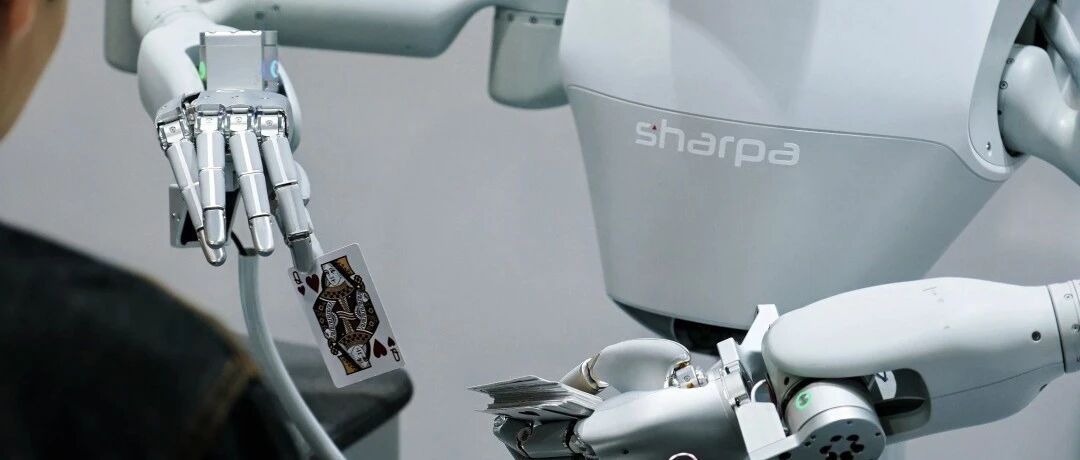
Core Viewpoint - The article emphasizes the critical importance of dexterous hands in humanoid robots, which is seen as a key bottleneck in the commercialization of the humanoid robot industry, determining whether robots can transition from mere display items to practical productivity tools [2][5][12]. Market Potential - Goldman Sachs predicts that the global market for humanoid robots could reach $154 billion by 2035, indicating a significant growth trajectory for the industry [7]. - According to the China Academy of Information and Communications Technology, the global humanoid robot market is expected to reach 17 billion yuan by 2025, with China's market surpassing 8.5 billion yuan, accounting for over 50% of the global share [8]. Production and Cost Dynamics - The anticipated production volume of humanoid robots in China for 2026 is projected to be between 100,000 and 200,000 units, with dexterous hands accounting for 15%-20% of the total value of a robot [8]. - The cost of dexterous hands is a crucial factor, with the goal to reduce the price to between 10,000 and 30,000 yuan by 2026, which will significantly impact the commercial viability of humanoid robots [12]. Technological Diversity - Various technological approaches are being explored for dexterous hands, including motor and linkage systems, motor and cable drives, and hydraulic drives, each catering to different application scenarios [13]. - The evolution of these technologies is expected to foster a more mature supply chain, which will further drive down costs and enhance market competitiveness [13]. Competitive Landscape - The domestic market features a dual-track system of in-house development by complete machine manufacturers and specialized third-party developers focusing on dexterous hand modules [15]. - Companies like Zhiyuan Robotics and Yushu Technology are leading the charge in developing dexterous hands, with significant investments and innovative approaches to cost control and technology integration [15][18]. Investment Trends - Recent trends indicate a shift in investor focus from merely technological narratives to tangible production capabilities and cost efficiency in the dexterous hand sector [19]. - Companies that can demonstrate their dexterous hand modules' integration into leading robot manufacturers' supply chains are likely to see significant valuation premiums [19]. Conclusion - The development of dexterous hands is seen as a microcosm of the broader transition from automation to intelligent manufacturing in China, representing a critical juncture in human-robot interaction [21].
ETF及指数产品网格策略周报-20260303
HWABAO SECURITIES· 2026-03-03 11:08
Group 1: Grid Trading Strategy Overview - The essence of "grid trading" is a high buy low sell strategy, which does not predict market trends but utilizes natural price fluctuations within a certain range to generate profits, making it suitable for frequently fluctuating markets [3][11] - Characteristics of suitable grid trading targets include: selecting on-market targets, stable long-term trends, low trading costs, good liquidity, and high volatility. Equity ETFs are considered relatively suitable for grid trading [3][11] Group 2: ETF Grid Strategy Target Analysis - The Hong Kong Stock Connect Non-Bank ETF (513750.SH) benefits from an increase in the sales proportion of participating insurance products, which helps optimize the liability cost for insurance funds. In Q3 2025, the net profit of the top five listed insurance companies in A-shares reached CNY 426.04 billion, a year-on-year increase of 33.54%, driven by improved investment returns in stocks and equity funds [3][12] - The Robot ETF (159530.SZ) reflects the maturity of China's robotics industry and the arrival of a commercialization threshold, with significant advancements in AI technology expanding the commercial boundaries of robots in various sectors such as service, healthcare, and companionship [4][15] - The Tourism ETF (159766.SZ) saw record-breaking data during the Spring Festival, with 596 million domestic trips taken, an increase of 95 million from 2025, and total spending of CNY 803.48 billion, up CNY 126.48 billion year-on-year. This indicates a strong recovery in consumer spending in tourism, positioning it as a key driver for economic growth [5][6][17]
优理奇机器人完成3亿元新一轮股权融资,领跑具身智能规模化应用新时代
机器人圈· 2026-03-03 11:00
Core Viewpoint - The article highlights the significant advancements and achievements of UniX AI in the field of embodied intelligence robotics, emphasizing its successful funding, product delivery milestones, and unique technological framework that positions it as a leader in the industry [2][4][5]. Funding and Financial Growth - UniX AI has completed a new round of equity financing amounting to nearly 300 million yuan, with participation from various investors including CICC, Hongshan Capital, and others [2]. - The funds will be primarily used to enhance the company's self-research capabilities in both software and hardware, accelerate product iterations, and expand its global channel network [2]. Delivery and Commercialization - The company has achieved a significant milestone by delivering over 100 units in a single month, marking its transition from "technical demonstration" to "mass delivery" in the embodied intelligence sector [4][5]. - This achievement indicates that UniX AI has successfully integrated its research and development, production testing, supply chain management, and global delivery processes [5]. Product Development and Innovation - UniX AI's Wanda 2.0 and Panther robots are now operational in various sectors such as security, hospitality, and retail, showcasing the company's ability to deliver practical solutions [7]. - The company is on track to increase its monthly delivery to 1,000 units, supported by a robust order backlog [7]. Technological Framework - The core competitive advantage of UniX AI lies in its unique "algorithm × mass-producible hardware × scenario-driven" three-in-one technology architecture, which addresses common industry challenges [9]. - The company has developed a comprehensive intelligent algorithm system, including UniFlex, UniTouch, and UniCortex, which enhance the robots' learning, sensory capabilities, and task execution [10][11]. Global Expansion Strategy - UniX AI aims to establish itself as a world-class Chinese brand, with plans for global expansion and localization of services in North America, Europe, the Middle East, and Asia [15][16]. - The company is focused on creating an open technology alliance to advance embodied intelligence technology in collaboration with universities and industry partners [16]. Leadership Vision - The founder and CEO of UniX AI emphasizes the importance of practical application and commercial value derived from the company's technology, aiming to integrate robots into everyday life across various sectors [18].

人形机器人关节公司零差云控完成数千万元C+轮融资
机器人圈· 2026-03-03 11:00
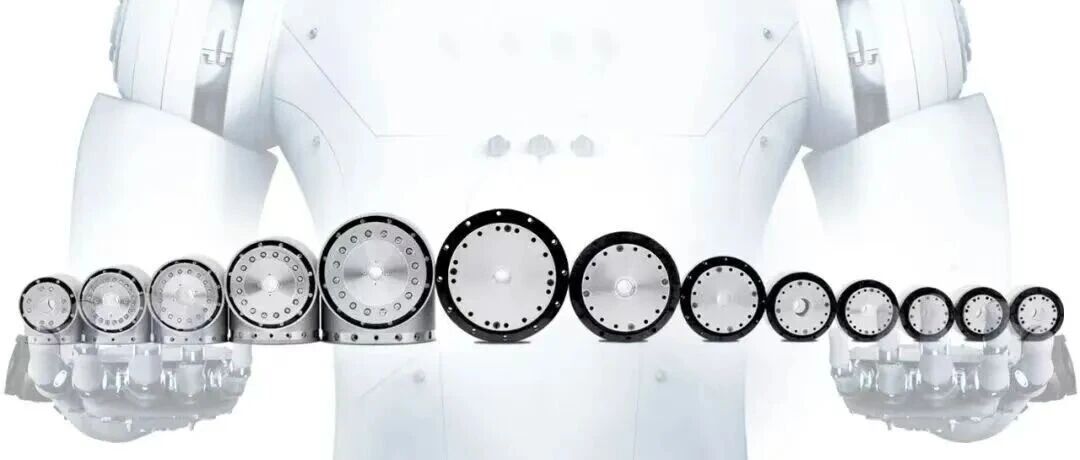
Group 1 - The core viewpoint of the article highlights that Shenzhen Zero Difference Cloud Control Technology Co., Ltd. has completed a multi-million C+ round financing, which will primarily be used for R&D investment, capacity expansion, and global market development [1] - The company, established in 2016, focuses on the research and manufacturing of high-reliability, high-precision, standardized core components for robots, with its main products being the eRob series robotic joints and eCoder series magnetic encoders [3] - Zero Difference Cloud Control has over 2,000 downstream customers, serving leading companies in technology, robotics, and automotive sectors, with its joint sales ranking first in the industry [3] Group 2 - The company anticipates a revenue growth of over 100% year-on-year by 2025, with traditional industrial, medical, and logistics businesses contributing approximately 35% growth, while emerging businesses like humanoid robots and embodied intelligence are expected to contribute about 65% growth [3] - Humanoid robots have already contributed over 30% of the company's revenue, and as this sector enters a small-scale implementation phase, significant revenue growth is expected in 2026 [3] - Zero Difference Cloud Control emphasizes high reliability and precision as core advantages, forming technical barriers for high-demand scenarios in medical and industrial fields [6] Group 3 - The company focuses on mature solutions that have been validated at scale, pushing the performance of traditional harmonic solutions to the extreme while enhancing joint integration and space utilization [6] - Through modular design, the company has simplified the assembly of its latest solutions, reducing the number of parts in a 7-degree-of-freedom robotic arm from 40 to 10, thereby lowering system complexity and assembly costs [6] - In the next two years, the company plans to prioritize reliability and gradual iteration, continuously improving precision, power density, rigidity, and lifespan while strictly controlling weight and costs to help customers reduce total lifecycle costs [6]
智元主办AGIBOT WORLD CHALLENGE @ICRA2026,两大赛道服务器正式开启
IPO早知道· 2026-03-03 10:36
Core Insights - The AGIBOT WORLD CHALLENGE @ICRA2026, hosted by Zhiyuan Robotics, features a total prize pool of $530,000, highlighting the significance of the event in the robotics field [3][9]. Group 1: Reasoning to Action Track - This track aims to evaluate the reasoning and action execution capabilities of models through both online simulations and real-world tasks [5]. - Participants will train models using the AGIBOT WORLD open dataset to solve complex tasks, focusing on bridging the Sim2Real gap [6]. - The competition includes various scenarios such as logistics, industrial, supermarket, dining, and home environments, with multiple tasks of varying difficulty [6]. - Zhiyuan has curated high-quality data for the competition, with each task containing hundreds of complete operation trajectories, available on hugging face and modelscope [6]. - A baseline model, ACoT-VLA, will be provided to assist participants in mastering the training, testing, and submission processes [6]. - The Genie Sim 3.0 platform, a first-of-its-kind large language model-driven open-source simulation platform, will be used for comprehensive model evaluation [6]. Group 2: World Model Track - The World Model track focuses on the core ability of embodied world models to accurately model the dynamics of physical environments based on robot actions [8]. - Participants will train video generation models using the AGIBOT WORLD dataset to generate interaction videos in ten real-world operational scenarios [8]. - The dataset consists of over 30,000 real trajectories covering diverse robot-environment interactions, including actions like grasping, placing, pushing, and pulling [9]. - The competition will utilize the EVAC model, an open-source embodied world model driven by robot actions, as the baseline model [9]. - Evaluation will be conducted using the EWMBench benchmark, assessing image quality, scene consistency, and trajectory adherence to provide reliable performance feedback [9].

一年融12轮,深圳南山刚刚跑出百亿具身独角兽,创始人是80后北邮校友
创业邦· 2026-03-03 10:09
Core Viewpoint - The article highlights the rapid growth and significant funding of Shenzhen-based robotics company Zhifang, which has recently achieved a valuation exceeding 10 billion yuan, making it one of the highest-valued companies in the embodied intelligence sector in Shenzhen [4][25]. Funding and Valuation - Zhifang completed a B-round financing of over 1 billion yuan, marking it as the first new unicorn in Shenzhen for 2026 [4]. - The company has raised a total of 12 rounds of financing within a year, showcasing the fastest fundraising pace among global embodied intelligence firms [4]. Company Background - Founded by Guo Yandong, a highly qualified expert in AI and robotics, Zhifang has a team with a high density of scientists, including five from Stanford and members from top institutions like Microsoft and Google [9][12]. - Guo Yandong's previous experiences at Microsoft and XPeng Motors have shaped the company's focus on practical applications of robotics rather than mere demonstrations [10][12]. Technological Approach - Zhifang emphasizes a non-performance-based approach to robotics, focusing on real-world applications that can take over tasks humans cannot or do not want to do [14]. - The company has adopted an end-to-end VLA model, similar to Tesla's Optimus, but with a focus on practical productivity rather than humanoid designs [15][22]. Product Development - The AlphaBot series of robots has undergone three iterations in less than two years, achieving industrial-grade reliability with over 50,000 hours of fault-free operation [17]. - The company has secured significant industrial orders, including a three-year contract for 1,000 units with a major panel manufacturer, recognized as the largest single order in the field [18]. Market Positioning - Zhifang's robots are actively deployed in high-end sectors such as automotive manufacturing and public services, providing solutions like sorting and transport tasks [18][20]. - The company plans to launch 1,000 modular intelligent service spaces, named "Zhimo Cube," in various cities by the end of 2025, showcasing its commitment to practical applications in retail [20]. Comparison with Tesla - While both Zhifang and Tesla share similarities in their technological approaches, Zhifang is noted for its more pragmatic product choices, focusing on wheel-based robots rather than humanoid designs [22]. - Guo Yandong acknowledges the differences in their business models, emphasizing that Zhifang's approach is more grounded in immediate market needs rather than ambitious long-term goals like those of Tesla [22]. Industry Outlook - The article suggests that 2025 will be a pivotal year for embodied intelligence applications, with a clear distinction emerging between companies that can successfully integrate their robots into real-world scenarios and those that cannot [25]. - Following the recent funding round, Zhifang aims to enhance its model capabilities and expand its production lines, reinforcing its integrated approach of "model × hardware × scene" [25].

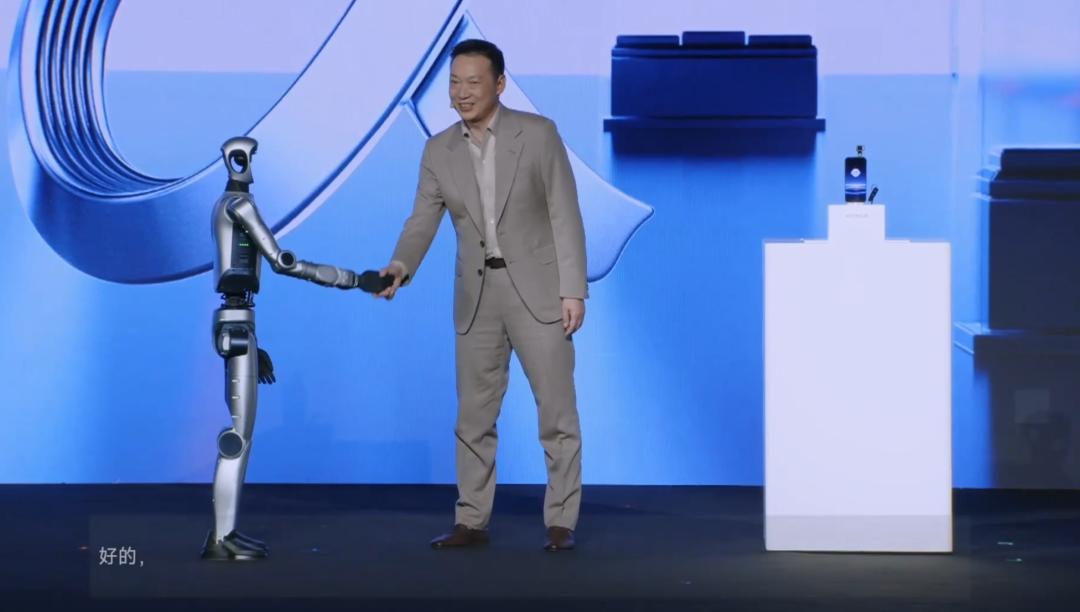
荣耀机器人“太空步”秀巴展,小米机器人上岗汽车工厂,小鹏升级自动驾驶,比亚迪颠覆技术,谁会走得更远?
3 6 Ke· 2026-03-03 09:59
Core Viewpoint - The technology industry is increasingly characterized by cross-industry collaboration, particularly in the robotics sector, where major players from various fields are entering the market, driven by advancements in AI and robotics technology [2][4]. Group 1: Robotics Market Trends - The robotics market is expected to see significant growth, with companies like Yushu Technology, ZhiYuan Robotics, and others becoming key players following their successful launches in 2025 [2]. - The 2026 Spring Festival Gala featured performances incorporating robots, further boosting interest and investment in the robotics market [2]. - Industry leaders from various sectors, including mobile, automotive, and internet, are predicted to join the robotics market, indicating a competitive landscape [2][4]. Group 2: Company Innovations - Honor launched its humanoid robot, marking its entry into the consumer humanoid robotics market, and aims to integrate smartphone technology with robotics for enhanced user experience [4][6]. - Xiaomi has begun deploying its humanoid robots in automotive manufacturing, showcasing practical applications of robotics in production environments [10][15]. - Xiaopeng Motors announced the upcoming release of its second-generation VLA model, aimed at achieving fully autonomous driving within the next 1-3 years, with plans for global testing and deployment [18][20]. Group 3: Upcoming Developments - BYD is set to unveil a "disruptive technology" on March 5, 2026, with expectations that it may involve advancements in battery technology or smart driving [21]. - Predictions suggest that BYD may also introduce new robotics products based on its electric vehicle technology [24].