双碳目标

Search documents
我国首个百万千瓦级高原山地光伏工程投运
Zhong Guo Dian Li Bao· 2025-12-30 06:20
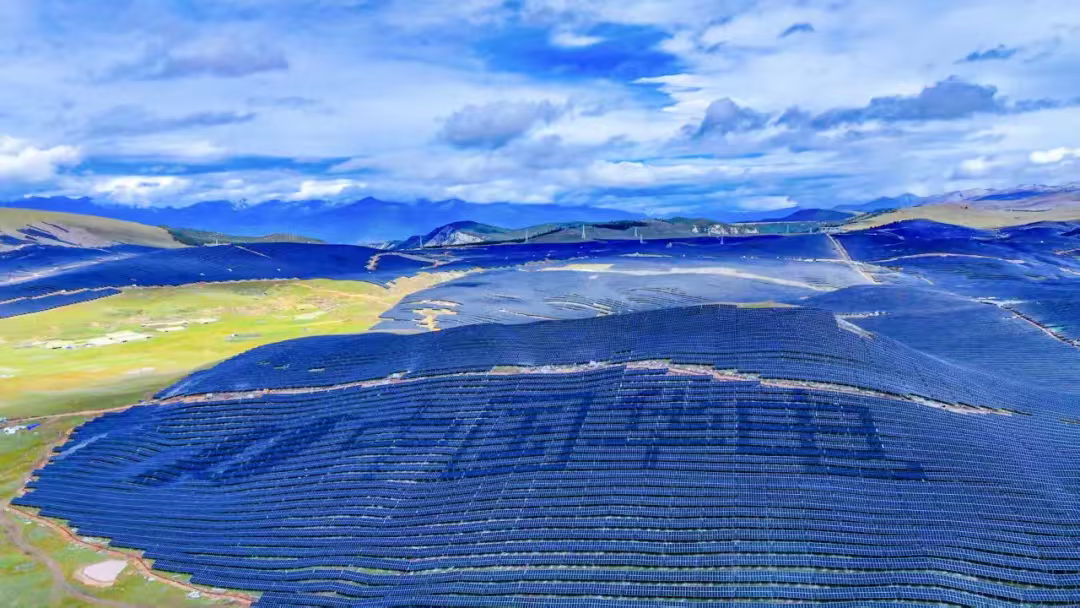
Core Insights - The Huadian Batang 1.2 million kW photovoltaic power generation project has officially commenced operation, marking a significant milestone in China's "14th Five-Year Plan" for clean energy development [1][6] - This project is the first of its kind in China to achieve "start and operation in the same year" for a million-kilowatt-level high-altitude photovoltaic project, contributing to the establishment of a new energy system and the implementation of the energy power strategy in high-altitude regions [1][6] Project Details - Located in the snow-capped plateau of Batang, Sichuan, the project features 2.17 million photovoltaic modules spread over 25,000 acres, along with 122 kilometers of transmission lines and two 220 kV intelligent booster stations [3] - During construction, the project set industry records by installing 1,600 string units per day and driving 15,800 piles, while overcoming technical challenges related to high-altitude ice resistance, seismic stability, and frozen soil foundation [3] Economic and Environmental Impact - As a key component of the upper reaches of the Jinsha River clean energy base, the project has created over 2,000 local jobs during its construction, promoting a model that integrates power generation, livestock farming, landscape creation, and local economic development [5] - Once operational, the project is expected to deliver 2.1 billion kWh of green electricity annually to Central China, saving approximately 640,000 tons of standard coal and reducing carbon dioxide emissions by over 1.7 million tons, thereby playing a crucial role in national energy security and the achievement of carbon neutrality goals [6]


碧澄能源首单分布式清洁能源资产机构间REITs设立
Xin Hua Cai Jing· 2025-12-30 05:46
新华财经上海12月30日电(记者高少华)杭州碧澄能源发展有限公司(简称"碧澄能源")发起的首单分 布式清洁能源资产机构间REITs(简称"碧澄能源机构间REITs")近日在深圳证券交易所成功设立,碧澄 能源机构间REITs由碧澄能源作为原始权益人,洛能(杭州)股权投资有限公司(简称"洛能资本")担 任资产管理顾问和财务管理顾问。 据悉,该产品期限为24年,底层资产为工商业分布式光伏项目。产品认购方包括保险、信托、证券和资 产管理公司等专业投资机构,体现了资本市场机构投资者对优质绿色基础设施资产的广泛认可、长期信 心与价值共识。 在"双碳"目标持续推进、能源结构转型步入深水区的背景下,如何为巨量的绿色能源基础设施注入金融 活水,成为行业与监管部门共同面对的课题。碧澄能源机构间REITs的底层资产穿透后,直接对应碧澄 能源多个已稳定运营的工商业分布式光伏项目所产生的收益权。 碧澄能源联席总裁兼首席财务官严驰晨透露,此次碧澄能源机构间REITs成功设立,是公司成立之初规 划的关键战略落地,标志着新能源资产正式进入标准化、证券化阶段,实现了从"项目开发"到"资产上 市"的闭环管理。本次募集资金将主要用于符合规定的绿色 ...
如何推动花卉产业将降碳投入转化为品牌溢价?
Zhong Guo Huan Jing Bao· 2025-12-30 01:54
Core Viewpoint - The green transformation of agriculture is crucial for ecological security, resource sustainability, rural revitalization, and achieving common prosperity, shifting from mere pollution control to a systematic change that balances ecological and economic benefits [1][2]. Group 1: Agricultural Low-Carbon Transition - The agricultural low-carbon transition is moving from pollution control to a high-quality development orientation, addressing issues like insufficient internal motivation and imperfect economic incentive mechanisms [2]. - High-value-added specialty agriculture has inherent advantages in this transition, focusing on quality, standards, and brand as core competitive elements [2]. Group 2: Yunnan Flower Industry - The Yunnan flower industry, as China's largest fresh-cut flower production base, plays a significant role in rural economies and has structural advantages for leading low-carbon transformation [3]. - The carbon emission structure of the flower industry is relatively concentrated, allowing for effective carbon footprint accounting and management [3]. Group 3: Carbon Footprint as a Key Link - Carbon footprint serves as a crucial link between low-carbon production and market premium, providing a clear and credible value transmission mechanism [4]. - Systematic accounting of carbon emissions throughout the product lifecycle enables measurable and comparable reductions, enhancing product differentiation and competitive advantage [4]. Group 4: Policy Recommendations for Low-Carbon Development - A systematic mechanism should be established to promote low-carbon development in the Yunnan flower industry, including a carbon footprint accounting system tailored to specialty agriculture [5]. - The role of leading enterprises is vital in extending low-carbon standards to production, reducing transformation costs for decentralized operators [5]. - Integrating low-carbon elements into regional public brand construction can solidify "green low-carbon" as a core identity of the Yunnan flower brand [5].
广西北海公司二期项目全容量投产
Xin Lang Cai Jing· 2025-12-30 01:32
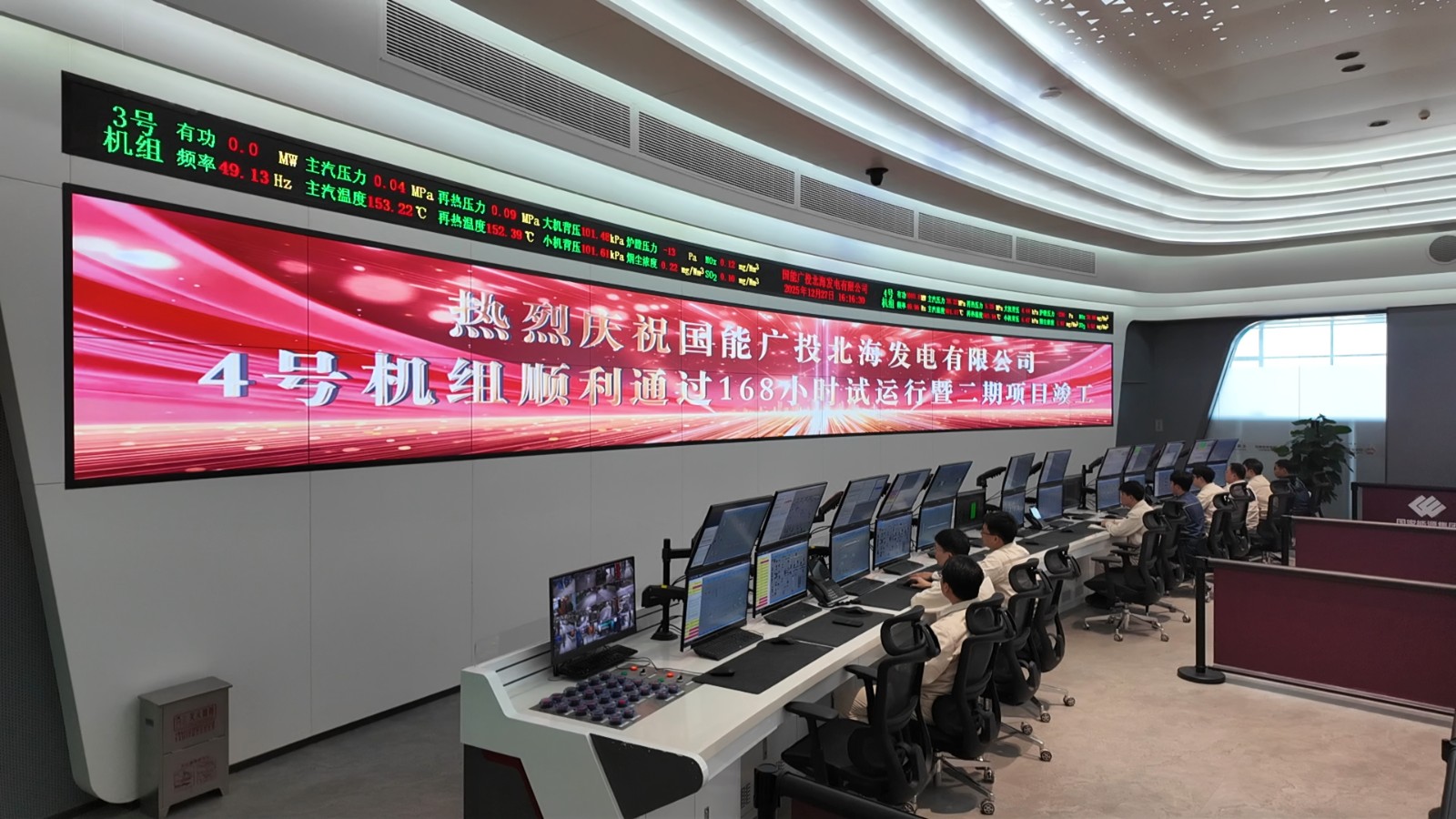
Group 1 - The core point of the news is the successful commissioning of the 4th unit of Beihai Company, which marks the completion of all four 1 million kilowatt generator sets in the first and second phases, achieving a total installed capacity of 4 million kilowatts [1][2] - The integrated energy base "Electric Port Storage and Transportation" has been established, featuring two 100,000-ton general-purpose terminals capable of unloading global coal, along with a coal storage yard with an annual capacity of 10 million tons, forming a complete chain from unloading coal to coal-fired power generation [1][2] - The 3rd and 4th units are the most efficient and environmentally friendly coal-fired units in the Guangxi region, providing strong support for grid stability and the construction of a new power system [2] Group 2 - The company is committed to achieving "dual carbon" goals by implementing ultra-low emissions and seawater desulfurization technologies, achieving zero limestone, zero solid waste, and zero desulfurization wastewater, with emissions indicators at the regional optimal level [5] - The company is advancing the construction of a 27.29 megawatt distributed photovoltaic project, creating a green closed-loop system of "power generation—charging—carbon benefits" to effectively reduce carbon emission intensity [5] - The company aims to align with national energy security and green development strategies, ensuring energy safety through coal while enhancing development quality in the transition to a low-carbon economy [7]
东证润和服务海南新能源企业:累沽期权显“威力” 破解碳酸锂价格倒挂难题
Qi Huo Ri Bao Wang· 2025-12-30 01:10
Core Insights - A new energy company in Hainan has adopted a cumulative put option strategy for hedging the price of lithium carbonate extracted from retired batteries, addressing the risks of declining prices and cost inversion [1][3] - This project provides a new model for price risk management in the battery recycling industry, combining economic benefits with strategic significance [2] Project Background - The recycling of used power batteries has become a focus for manufacturers, automakers, and third-party recycling companies, with predictions indicating that the retired battery volume in China will exceed 580,000 tons in 2023 and reach 820,000 tons by 2025 [3] - The company recycles batteries to extract lithium carbonate, which accounts for over 60% of its sales revenue, and aims to hedge against price declines to improve profitability [3][4] Risk Management Needs - Starting in May 2024, lithium carbonate futures prices experienced significant declines, leading to a cost inversion situation that traditional futures hedging could not address [4] - The company and Dongzheng Runhe Capital Management identified that prices would likely remain low in the short term, prompting the need to lock in higher sales prices [4] Option Design Strategy - The company planned to produce 60 tons of lithium carbonate by the end of September 2024 and sought to sell it at prices above the spot market to stabilize cash flow [5] - Dongzheng Runhe designed a cumulative put option to help the company manage risks while optimizing inventory costs and achieving high-price pre-sales [5] Option Scheme Details - On September 26, 2024, the lithium carbonate market rebounded to 79,700 yuan/ton, and the company executed a transaction with an option period from September 26 to October 23, 2024 [6][9] - The option allowed the company to secure a selling price of 82,750 yuan/ton, which was 3,050 yuan/ton higher than the spot price [6][9] Project Outcome - During the holding period, the lithium carbonate market fluctuated downwards, leading the company to terminate the option early on October 18, 2024, realizing a profit of 35,805.43 yuan [11][13] - This initial attempt at a cumulative put option successfully achieved the goal of increasing revenue and reinforced the company's confidence in using structured derivatives for operational stability [11][13] Project Summary - The project provided the company with a selling price above market rates, addressing cost inversion issues and enhancing the resilience of the resource recycling industry [13] - It also strengthened the company's ability to withstand market cycles, providing financial support for technological research and capacity expansion [13] - The project serves as a replicable risk management template for the battery recycling industry, promoting a shift from "price competition" to "value management" [13]

海上风电产业加速迈向“深蓝”
Ke Ji Ri Bao· 2025-12-30 00:32
Core Insights - China's offshore wind power industry has achieved a historic leap from following to leading globally, with significant technological breakthroughs and a focus on deep-sea development [1][2] Group 1: Industry Development - The first 16 MW floating wind turbine, "Three Gorges Leading," has been assembled, marking a milestone in offshore wind hydrogen production [1] - As of September 2025, China's cumulative installed offshore wind capacity reached 44.61 million kW, maintaining the world's leading position in new installations for seven consecutive years from 2018 to 2024 [2] - The offshore wind power industry is entering a critical phase of scale and intensive development, requiring collaborative innovation, technological breakthroughs, and policy support [1][2] Group 2: Policy and Regulation - The Ministry of Industry and Information Technology has proposed new regulations for the wind power equipment industry, setting entry barriers based on R&D investment, production capacity, quality control, and green manufacturing [1] - The new regulations signal the acceleration of outdated capacity elimination and a shift towards a technology-intensive and low-carbon industry [1][5] Group 3: Market Dynamics - Coastal provinces like Jiangsu and Guangdong have become the main battlegrounds for offshore wind development, with installed capacities exceeding 10 million kW [3] - The offshore wind energy resources in China are vast, with a technical development potential of approximately 278 million kW, indicating significant room for growth [4] Group 4: Industry Challenges - The transition to a market-oriented model has introduced revenue volatility for offshore wind projects, necessitating enhanced risk management across the industry [6] - Key technological breakthroughs are required for large-scale, intelligent, and deep-sea development, focusing on flexible design, lightweight processes, and smart operation systems [6] Group 5: Collaborative Efforts - The Three Gorges Group has achieved 86 supply-demand cooperation agreements with a contract value of approximately 9.3 billion yuan, showcasing the effectiveness of industry collaboration [7] - The future of market competition will rely on collaborative efforts across the industry chain, emphasizing the importance of quality improvement and innovation [6][7]
科技前沿 | 全球首套超高温热泵储能技术发布
Sou Hu Cai Jing· 2025-12-30 00:27
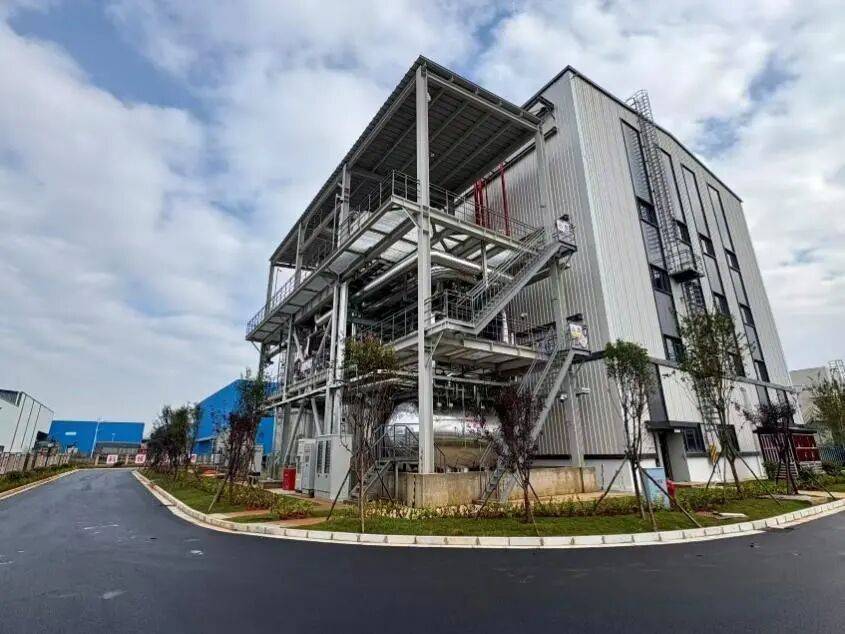
12月25日,国家电投集团在北京正式发布全球首套超高温热泵储能技术——"储诺"。相较于传统储能技术,"储诺"超高 温热泵储能技术布置灵活度高,无需依赖特定地理条件,无论是平原电站还是山地产业园均可快速部署。 热泵储能,也被称作卡诺电池。其结合热泵循环与热机循环,可实现电能与热能之间的高效双向转换。该技术具有布置 灵活、储能密度高、容量成本低、储能效率高且可实现高品质冷热电联供等优势。 据介绍,除布置灵活度高,"储诺"超高温热泵储能技术循环效率无衰减,规模化电电转化效率65%以上,在不同负荷下 效率稳定。同时,储能技术参数优势明显,储热高温560℃以上,低温可达-60℃,储能密度可达每立方米80~120千瓦 时,远超常规压缩空气储能,同等空间下储能容量可提升10倍以上。该技术应用场景广泛,可实现高品质冷热电联供, 耦合新能源大基地、煤电、核电、高耗能等产业,提升绿电比例,满足运行灵活性及节能减排需求。 据了解,国家电投集团中央研究院自2018年提出气体超高温热泵储能技术体系并进行研发布局,经过多年探索,攻克了 系统构型、核心设备、系统控制等系统关键技术,建立了具备完全自主知识产权的热泵储能技术体系,成功建设了全 ...

“东数西算”工程铺就绿色算力发展之路
Zheng Quan Ri Bao· 2025-12-30 00:00
Group 1 - The "East Data West Computing" project has significantly enhanced the green computing power supply capacity and solidified the green foundation of computing infrastructure over the past two years [1] - By the end of 2025, the green electricity proportion in newly built data centers at national hub nodes is expected to exceed 80% [1] - The push for green transformation in data centers is driven by higher energy-saving requirements, leading to increased adoption of renewable energy sources such as solar, wind, and hydropower [1][2] Group 2 - The integration of data centers as a new type of infrastructure is crucial for supporting the deep development of the digital economy, necessitating a scientific layout and green, efficient operations [2] - Policies have been implemented to promote the green transformation of data centers, including the issuance of 22 key tasks aimed at fostering low-carbon development in the digital industry [2] - The establishment of a standardized system for the national integrated computing network enhances the quality and reliability of computing services, supporting the healthy development of the green data center industry [3] Group 3 - The demand for computing power is experiencing explosive growth, with the market size expected to reach 835.1 billion yuan by 2025, reflecting the robust development and market potential of the computing industry [4] - The "dual carbon" goals and related policies provide clear green development targets for data center industry chain enterprises, driving innovation in energy-efficient solutions [4] - High voltage direct current technology is being developed to support the integration of renewable energy sources, reducing reliance on traditional energy and promoting the growth of green data centers [4][5] Group 4 - Innovations in cooling technology, such as immersion liquid cooling, are crucial for the efficient operation of data centers, leading to lower Power Usage Effectiveness (PUE) and enabling the use of high-density computing equipment [5] - The construction of green data centers is fostering collaborative innovation across the industry chain, involving operators, equipment manufacturers, energy suppliers, and software developers [5] - Green data centers are driving technological innovation and product development, pushing the industry towards a greener, more efficient, and intelligent future [5]
燃气轮机需求复苏 A股产业链公司有望迎来订单与业绩双重爆发
Xin Lang Cai Jing· 2025-12-29 23:27
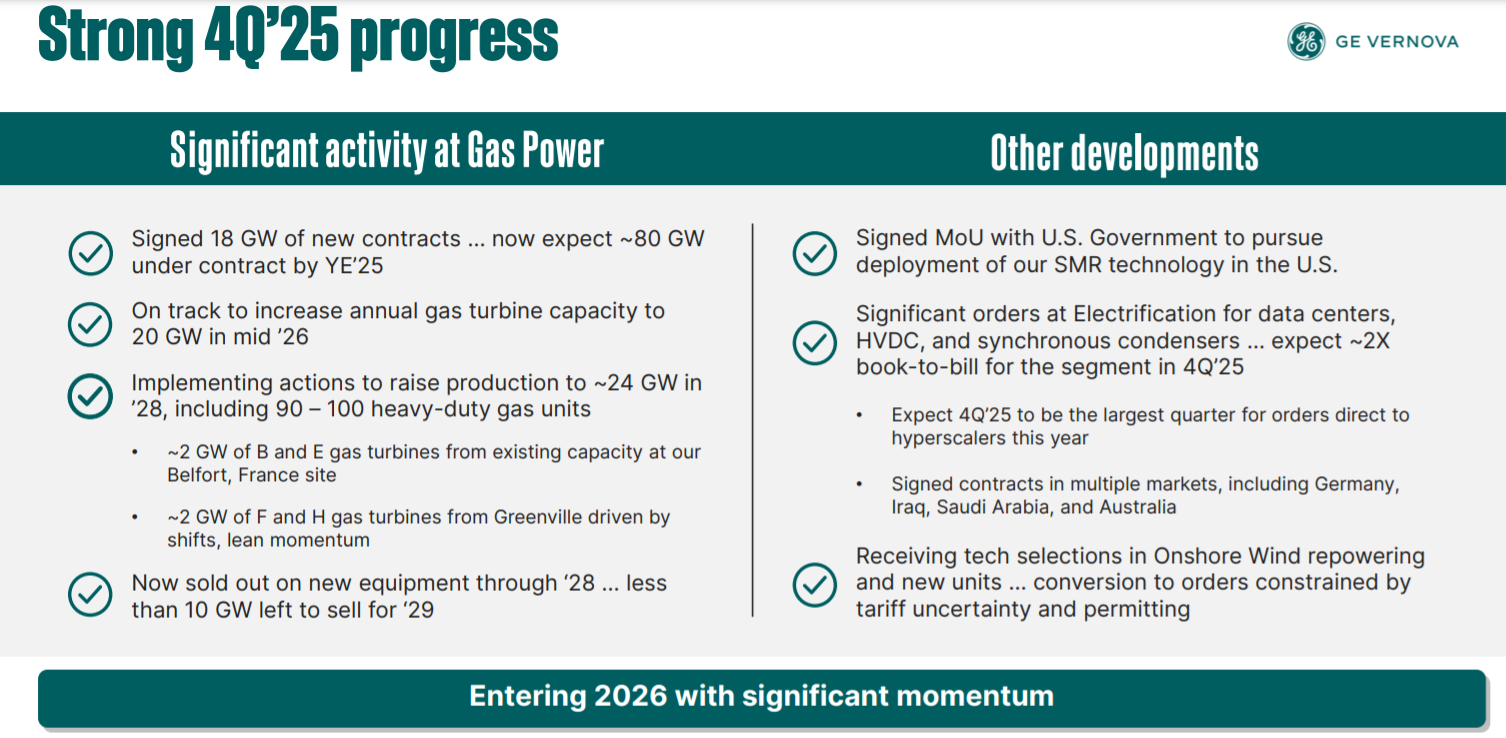
Core Insights - The increasing contradiction between "U.S. power shortages" and explosive growth in computing power demand is driving a rigid demand for electricity from high-energy-consuming facilities like data centers, creating a historic opportunity for gas turbines as a rapid response and efficient power supply solution [1][19] - Major international gas turbine companies like General Electric (GE Vernova) and Siemens Energy are experiencing strong stock performance, reflecting market expectations for future growth, with GE Vernova's stock up over 115% this year and over 430% since its spin-off [20][1] - The strong demand wave from overseas is transmitting through the supply chain, providing unprecedented development opportunities for related A-share listed companies deeply integrated into the overseas power generation equipment supply chain, with expectations for a dual explosion in orders and performance by 2026 [20][1] Electricity Demand and Supply Gap - The electricity gap in the U.S. is continuously expanding, with the U.S. Energy Information Administration (EIA) predicting that electricity consumption will reach 4,267 billion kilowatt-hours by 2026, driven primarily by AI data centers and cryptocurrency mining [2][20] - Morgan Stanley estimates that the cumulative electricity gap for U.S. data centers from 2025 to 2028 will reach 47 gigawatts, equivalent to the total electricity consumption of nine Miami areas, with a shortfall of 6-16 gigawatts expected even after accounting for rapid power supply solutions [2][20] Gas Turbines as a Core Solution - In the context of electricity shortages, gas turbines are becoming the core choice for addressing the U.S. power gap due to their quick startup speed, strong peak-shaving capabilities, and low carbon emissions [21][20] - Compared to traditional coal power, gas turbines can start within hours and respond quickly to the intermittent power demands of data centers, while also providing stable power supply as a baseload source, unaffected by weather conditions [21][20] Global Energy Transition and Gas Turbines - The global energy transition is accelerating under the "dual carbon" goals, with gas turbines serving as a core equipment for transitional energy due to their lower carbon emissions compared to coal power [3][21] - Policies like the U.S. Inflation Reduction Act (IRA) support clean energy projects, including gas power generation, particularly for low-carbon modifications like hydrogen combustion in gas turbines [3][21] Performance and Capacity Expansion of Major Players - GE Vernova and Siemens Energy have provided strong performance guidance and capacity expansion plans, indicating high industry prosperity, with GE Vernova expecting revenues of $41-42 billion in 2026 and a significant increase in gas turbine orders [4][22] - GE Vernova's new gas turbine orders reached 18 gigawatts in Q4 2025, tripling year-on-year, with total orders expected to exceed 80 gigawatts, reflecting a doubling from the beginning of the year [22][25] - Siemens Energy's gas turbine orders reached 26 gigawatts, with a 94% year-on-year increase, and an order value of €23 billion, indicating strong demand from data centers [25][29] Supply Chain Opportunities for A-Share Companies - A-share gas turbine supply companies have achieved technological breakthroughs in various segments, with some becoming core suppliers to overseas giants [34][36] - Companies like Yingliu Technology and Zhenjiang Co. are positioned to benefit from the expansion of GE Vernova and Siemens Energy in North America, with substantial orders and production capacity [35][36] - The demand for key materials and components, such as high-temperature alloy materials and precision parts, is expected to grow significantly, with domestic companies like Sry New Materials leading in the production of high-purity chromium powder [36][34]


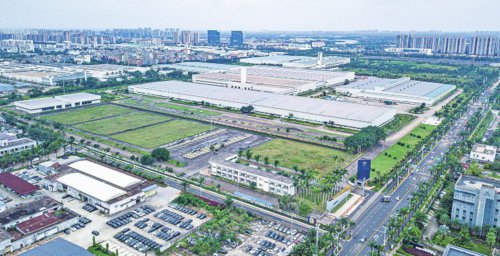
“国家队”出征探索零碳实践可行路径
Xin Lang Cai Jing· 2025-12-29 17:12
Core Viewpoint - The first batch of national-level zero-carbon parks has been announced, with 52 parks selected to lead the construction of a new energy system and promote green low-carbon industries in China [3][4][5]. Group 1: National-Level Zero-Carbon Parks - The selected 52 parks are seen as the "national team" for zero-carbon park construction, tasked with five key functions including serving as experimental fields for new energy systems and guiding regional coordinated development [4]. - The initiative aims to establish around 100 national-level zero-carbon parks by 2025, reflecting a rapid and steady implementation from top-level design to practical execution [3][5]. Group 2: Systematic and Nationwide Layout - The zero-carbon parks cover all 31 provinces and regions, ensuring that experiences in zero-carbon transformation are accumulated across diverse energy endowments and industrial bases [5]. - The construction of these parks will not adopt a one-size-fits-all approach but will leverage local comparative advantages, promoting a new regional development pattern [5][6]. Group 3: Construction and Evaluation - The parks will undergo a phased construction process, with 6 parks expected to complete by 2027 and 15 by 2030, while 24 parks are already advancing major projects [6]. - A comprehensive assessment system will be implemented, focusing on core and guiding indicators related to energy consumption and carbon emissions [6][11]. Group 4: Green Competitiveness and Economic Impact - The construction of zero-carbon parks is expected to enhance China's green competitiveness by reducing transformation costs for enterprises and fostering large-scale green industrial clusters [7][9]. - The anticipated output value of the first batch of parks is projected to reach 3.54 trillion yuan, supporting significant economic growth with low carbon emissions [11][12]. Group 5: Innovative Practices and Future Directions - Key strategies include "green electricity direct connection" and "green production," aiming to restructure the energy system and industrial landscape [8][9]. - The parks will serve as practical models for achieving carbon neutrality, providing valuable insights for broader societal transitions towards low-carbon living [12].