
循环经济

Search documents
新股消息 | 荣联再生科技二次递表港交所GEM 为国内再生亚克力材料龙头
智通财经网· 2025-08-25 13:21
Core Viewpoint - Ronglian Regeneration Technology International Limited has submitted an application to the Hong Kong Stock Exchange for listing on the GEM, with Zhongtai International as the sole sponsor [1]. Company Overview - Ronglian Regeneration Technology was established in March 2017 and is a manufacturer of recycled acrylic products in China, focusing on the research and production of recycled acrylic materials [3]. - The company provides recycled MMA and PMMA sheets and is committed to promoting the use of renewable resources to advance the circular economy [3]. - According to Frost & Sullivan, the company ranks first in China in terms of revenue from recycled MMA and PMMA sheets for the fiscal year ending December 31, 2024 [3]. Industry Context - The recycled acrylic and reuse industry has seen significant growth due to the Chinese government's prioritization of environmental protection [3]. - The implementation of various favorable environmental policies, such as the State Council's "Opinions on Accelerating the Construction of a Waste Recycling System" to be released in 2024, is expected to drive continuous growth in demand for the company's recycled acrylic products [3]. Production Capacity and Expansion - The production capacity of recycled MMA is projected to increase from approximately 13,776 tons in the fiscal year 2023 to about 20,448 tons in the fiscal year 2024, and around 9,432 tons in the first half of 2025 [4]. - The company plans to add two new MMA production lines in January 2024 to meet anticipated customer demand [4]. - During the reporting period, approximately 6,895 tons, 9,914 tons, and 5,918 tons of recycled MMA were used for internal production of recycled PMMA sheets, accounting for about 70.2%, 59.5%, and 83.0% of the total recycled MMA production in the respective fiscal years [4]. Financial Performance - For the fiscal years 2023, 2024, and the first half of 2025, the company's revenues were approximately RMB 133.19 million, RMB 205.03 million, and RMB 97.79 million, respectively [6]. - The company achieved profits of RMB 24.17 million, RMB 34.81 million, and RMB 7.07 million for the same periods [6].

中交泓福烟台项目建筑垃圾资源化利用一期工程开工
Zhong Guo Fa Zhan Wang· 2025-08-25 10:04
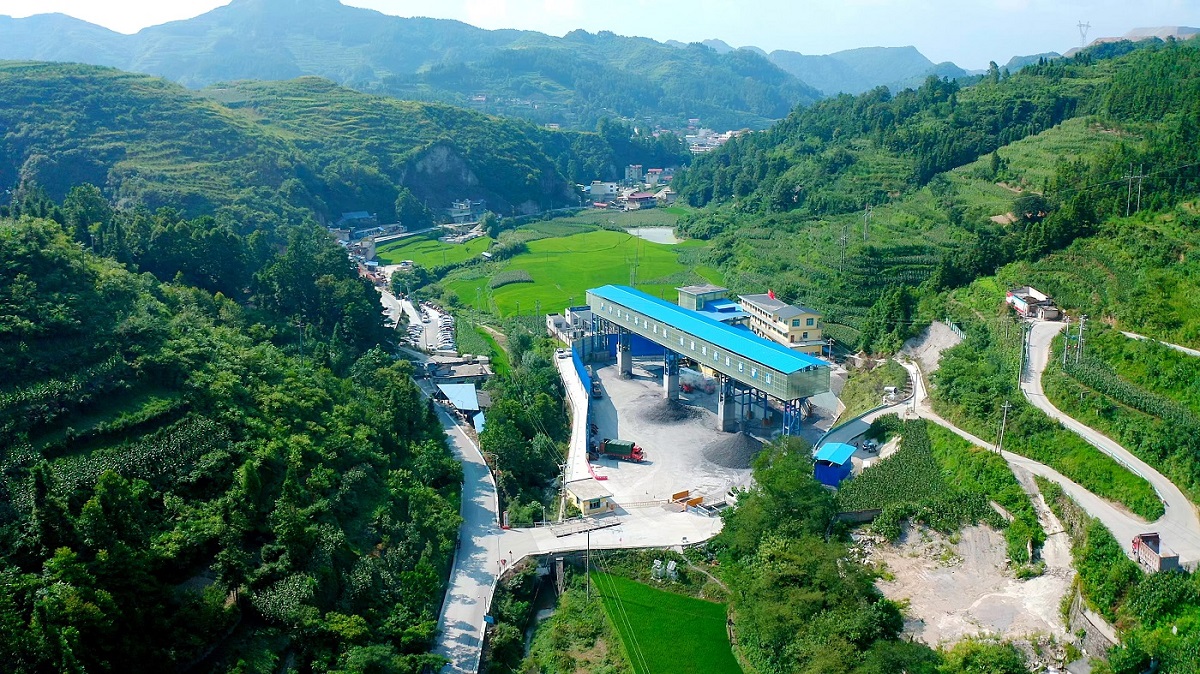
Core Viewpoint - The project initiated by China Communications First Public Bureau Group focuses on the construction of a building waste resource utilization industrial base in Yantai, Shandong Province, aligning with national environmental protection and waste utilization initiatives [1] Group 1: Project Overview - The industrial base is located in Fuxin Street, Fushan District, Yantai City, with a building height of 22.2 meters and a total construction area of 39,000 square meters [1] - The above-ground area is 35,900 square meters, while the underground area is 3,089 square meters, featuring a steel structure [1] - The above-ground factory primarily serves as a storage and operational area, with the underground section designated for equipment foundations [1] Group 2: Environmental Impact - The project utilizes technology to convert construction waste, including crushed bricks and concrete blocks, into recycled building materials, effectively reducing carbon dioxide emissions [1] - The initiative aims to lower the levels of inhalable particulate matter, contributing to improved air quality [1] Group 3: Economic and Urban Development - Upon completion, the project is expected to significantly enhance the region's capacity for waste resource utilization and disposal [1] - It will provide "green building materials" for urban construction, establishing a circular economy industrial chain of "construction waste - recycled materials - green building materials" [1]


调研速递|博苑股份接受民生证券等1家机构调研 精彩要点披露
Xin Lang Cai Jing· 2025-08-25 01:46
Group 1 - The core viewpoint of the news is that Boyuan Co., Ltd. is actively engaging with investors to discuss its iodine and iodine derivative products, which are essential in various fields such as medicine, agriculture, and industry [1] - Iodine and its derivatives are widely used in X-ray contrast agents, disinfectants, and LCD/LED screen polarizers, with the pharmaceutical manufacturing, X-ray contrast agents, and liquid crystal panel manufacturing being the three main downstream applications, accounting for approximately 63% of global consumption [1] - The global iodine industry is predominantly concentrated in Chile, Japan, and the United States, which together account for nearly 95% of global sales, with some production also occurring in Russia and China [1] Group 2 - Boyuan Co., Ltd. possesses several core competitive advantages, including a circular economy model that integrates resource recycling with its main business, enhancing customer loyalty through comprehensive service [2] - The company has a stable and professional R&D team with over 30 years of industry experience, holding 51 patents as of June 30, 2025, and has established a leading technical strength in the industry [2] - Boyuan Co., Ltd. has built a comprehensive quality control system, ensuring stable product quality and maintaining long-term cooperation with many well-known enterprises, thereby establishing a good reputation [2] - The company is a market leader in iodine compounds and luminescent materials, gradually increasing its market share in hexamethyldisilazane, and has participated in the formulation of multiple industry standards, demonstrating its industry influence [2] - Boyuan Co., Ltd. has obtained various qualifications and established a safety production management system, continuously recognized as an advanced environmental protection unit, which has earned customer trust [2]
产业链上的山东好品牌丨节能省下1个亿,新材料拿下半壁江山!华鲁恒升的“进阶之路”
Da Zhong Ri Bao· 2025-08-25 01:46
Core Viewpoint - Shandong Hualu Hengsheng Chemical Co., Ltd. is demonstrating significant advancements in energy conservation and efficiency through innovative projects, leading to substantial cost savings and enhanced market competitiveness in the chemical industry [3][5][7]. Group 1: Energy Efficiency and Cost Savings - The company has implemented multiple waste heat recovery projects, saving over 100 tons of steam per hour, resulting in direct cost reductions of 140 million yuan annually [3]. - The low-energy comprehensive utilization project has effectively transformed idle low-grade waste heat into chilled water, meeting production needs while saving significant steam [5]. Group 2: Innovative Production Models - Hualu Hengsheng has developed a flexible multi-production model centered around gasification, which allows for efficient resource integration and high-quality product collaboration [5]. - The company’s large-scale chemical park operates with a unique model that responds flexibly to market changes, achieving high raw material utilization rates and leading industry synergy and efficiency [5]. Group 3: Market Position and Financial Performance - In the latest Fortune China 500 list, Hualu Hengsheng ranked 403rd, an increase of 81 places from the previous year, reflecting its strong performance in the new energy and materials sectors [7]. - The company reported revenue of 7.6 billion yuan from new energy and materials products in the first half of the year, accounting for a significant portion of total revenue [7]. Group 4: Research and Development Investments - Since 2020, the company has invested over 4 billion yuan in R&D in the Dezhou area, resulting in more than 270 national patents and recognition for its innovative products [13]. - The establishment of a new R&D center aims to enhance collaboration with top universities and advance national key laboratory projects [11][13]. Group 5: Future Projects and Strategic Goals - Hualu Hengsheng plans to launch over ten key projects in Dezhou, focusing on upgrading old equipment and enhancing gasification platforms to improve competitiveness [13]. - The company aims to deepen inter-product and chain coupling to develop fine chemicals and specialty chemicals, increasing product value [13].

许开华全球“捡垃圾”剑指600亿目标 格林美行业领先赴港IPO加速出海
Chang Jiang Shang Bao· 2025-08-25 00:24
Core Viewpoint - The company, Greeenme (格林美), plans to issue H-shares and list on the Hong Kong Stock Exchange to support its global development strategy and enhance its international brand image and competitiveness [1][6]. Group 1: Company Background and Development - Xu Kaihua, the founder of Greenme, transitioned from academia to entrepreneurship in 2001, recognizing the potential in the recycling industry during a visit to Japan [2][3]. - Greenme has established itself as a leader in the recycling of waste batteries and materials, achieving significant market shares in various products, including over 15% in ternary precursor materials and over 20% in cobalt tetroxide products globally [1][7]. - The company has expanded rapidly, with total assets increasing from 19.26 billion to 723.2 billion over 15 years, marking a 36.55-fold growth [6]. Group 2: Financial Performance and Future Goals - In 2024, Greenme reported revenues of 332 billion and a net profit of 10.2 billion, with a 13.67% year-on-year revenue growth in Q1 2025 [6][7]. - The company aims to double its revenue to 600 billion by 2027, indicating a strong growth trajectory and strategic planning for the upcoming years [1][8]. - Greenme's operational footprint includes 16 recycling and manufacturing plants across China and other countries, contributing significantly to the recycling of retired batteries and automotive waste [7]. Group 3: Industry Position and Collaborations - Greenme is deeply involved in global supply chain collaborations with major companies such as Samsung, CATL, and BYD, enhancing its competitive edge in the industry [7]. - The company has positioned itself as a key player in the circular economy, with a focus on sustainable practices and technological advancements in recycling [3][6].

博苑股份(301617) - 2025年8月22日投资者关系活动记录表
2025-08-25 00:16
Group 1: Company Overview - The company is Shandong Boyuan Pharmaceutical Chemical Co., Ltd., with stock code 301617 and abbreviation Boyuan Shares [1] - The company specializes in iodine and iodine derivatives, which are essential raw materials in medical, agricultural, industrial, and nutritional fields [2] Group 2: Iodine Market Insights - Iodine's downstream application structure includes X-ray contrast agents, pharmaceutical manufacturing, and LCD panel manufacturing, collectively accounting for approximately 63% of global consumption [2] - Major iodine production is concentrated in Chile, Japan, and the United States, with these three countries accounting for 88% of global sales [2][3] - Chilean companies alone contribute about 60% of global iodine sales, with SQM holding a 37% market share [3] Group 3: Product Portfolio - The company's inorganic iodide products include potassium iodide, potassium iodate, sodium iodide, hydrogen iodide, and cuprous iodide, primarily used in pharmaceuticals, pesticides, and optoelectronic materials [4] - The organic iodide product trimethyl iodide silane is used as a protecting agent in organic synthesis, particularly in the production of antibiotics [4] Group 4: Competitive Advantages - **Circular Development and Comprehensive Service**: The company integrates resource recycling with its main business, ensuring a stable supply of key raw materials while assisting upstream waste disposal [5] - **Technical R&D Advantage**: The company has a professional R&D team with over 30 years of industry experience and has obtained 51 patents as of June 30, 2025 [5] - **Product Quality and Customer Resources**: The company has established a comprehensive quality control system and has long-term partnerships with well-known clients, enhancing market competitiveness [6] - **Industry Position**: The company maintains a leading market position in iodides and luminescent materials, participating in the formulation of industry standards [6] - **Compliance and Safety**: The company adheres to compliance in operations, holding all necessary safety and environmental permits, which builds customer trust [6]
大件垃圾免费回收,深圳把民生痛点变为治理亮点
Nan Fang Du Shi Bao· 2025-08-23 04:10
Core Insights - The article highlights the challenges of large waste disposal in urban areas, particularly in Shenzhen, where the government is implementing a free collection service for large items like mattresses and sofas to address this issue [1][2][3] Group 1: Government Initiatives - Shenzhen is incorporating large waste disposal into district budgets, allowing for free collection services through government procurement of third-party services [1][2] - A budget of 513,600 yuan is allocated for 2025 in Pingshan District to cover the disposal of old furniture [1] - The city has established 4,500 temporary waste storage points to facilitate easy access for residents [1][2] Group 2: Recycling and Resource Utilization - Shenzhen achieves over 95% recycling rate for large waste through professional dismantling and resource recovery processes [2] - The city’s waste recycling rate is projected to reach 48.5% in 2024, with a daily recycling volume exceeding 11,000 tons [2] - The closed-loop processing model aligns with low-carbon goals and reduces landfill pressure [2] Group 3: Lessons for Other Cities - Shenzhen's experience suggests a shift from market-driven approaches to a model of "government-led + technology-enabled + public participation" for effective waste management [3] - The model emphasizes the importance of feasibility and resident involvement in waste disposal policies [3] - There is potential for improvement in service accessibility for individual users and transient populations, such as renters [3]
从性价比到价值感:二手电商重塑消费心智
美股研究社· 2025-08-22 10:12
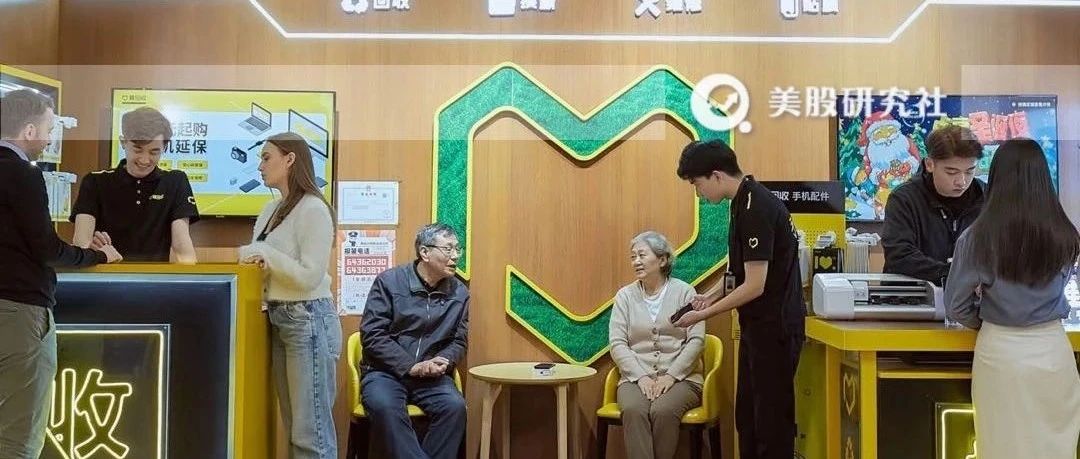
Core Viewpoint - The second-hand e-commerce sector is emerging as a significant player in the digital retail landscape, driven by policy support and changing consumer behavior, with a user base exceeding 660 million and a transaction volume surpassing 645 billion yuan, indicating rapid growth [2][4][17]. Group 1: Policy and Market Dynamics - Macro policies increasingly focus on "benefiting people's livelihoods and promoting consumption," which aligns with the growth of second-hand e-commerce [4]. - The introduction of "Two New" policies connects enterprises and consumers, enhancing product iteration and activating consumer purchasing power [4]. - Various government initiatives aim to develop second-hand goods circulation, encouraging the growth of the second-hand market and the establishment of a standardized trading environment [6]. Group 2: Growth Metrics and Trends - In Q2, the revenue of "Wanwuxinsheng" reached nearly 5 billion yuan, marking a 34% year-on-year growth, with a transaction volume of 10.3 million orders, up 22.6% [7]. - The perception of second-hand goods is shifting from merely cost-saving to a broader value consumption mindset, particularly among younger consumers who prioritize quality and sustainability [8][16]. - The recovery of various categories, including luxury goods and electronics, has seen significant growth, with gold recovery GMV increasing by 118% and luxury goods by 63% [8]. Group 3: Supply and Demand Adaptation - Second-hand e-commerce platforms are evolving from mere transaction platforms to integrated service ecosystems, enhancing consumer trust and experience [12][14]. - The shift towards C2B2C models and self-operated products is gaining traction, with "Wanwuxinsheng" reporting a 63.7% increase in self-operated revenue [12][14]. - The expansion of recovery categories beyond electronics to include high-value items like gold and luxury goods indicates a broader market potential [15]. Group 4: Future Outlook and Sustainability - The second-hand e-commerce market has significant growth potential, with a current penetration rate in China much lower than in developed markets [22]. - The integration of second-hand recovery with new product sales is expected to enhance the efficiency of the supply chain and stimulate consumer demand [20]. - The industry's role in promoting sustainable consumption and addressing environmental concerns is becoming increasingly prominent, with companies setting carbon reduction targets and engaging in responsible recycling practices [23][24].
川恒股份:从“磷”起步何敢奋进“三个一百”
Jing Ji Wang· 2025-08-22 09:34
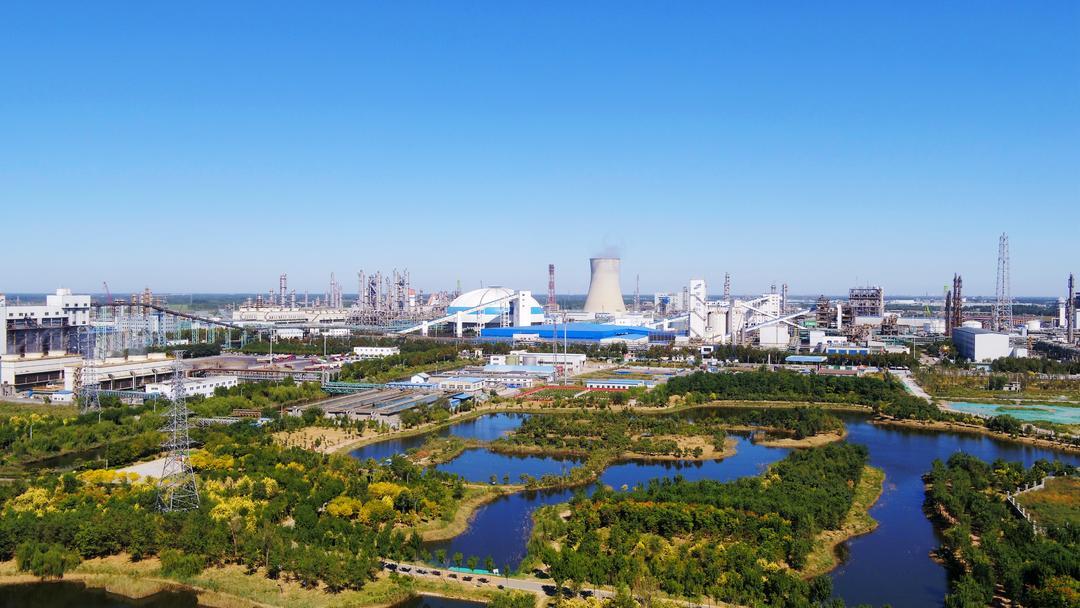
Core Insights - The company, Guizhou Chuanheng Chemical Co., Ltd., was founded in 2002 with an initial investment of 8 million and has become a leading producer of feed-grade dicalcium phosphate in China within six years [1] - The company aims to achieve three goals: assets exceeding 10 billion, market capitalization over 10 billion, and production value reaching 10 billion, with current figures at 13 billion, 15 billion, and projected production of 5.906 billion in 2024 and 7.5 billion in 2025 [1] Resource Advantage - Phosphate resources are scarce and serve as the fundamental guarantee for the company [3] - The company owns several phosphate mines with a total high-quality phosphate ore reserve of 176 million tons, including production capabilities of 3 million tons per year from two mines and a projected 5.5 million tons per year from a new mine [3] - The company also has significant resources in its controlling subsidiary, with total phosphate ore resources of 58.1718 million tons and associated resources of molybdenum and vanadium [4] Talent Development - The company emphasizes the importance of talent as a core resource and has established partnerships with local universities to foster talent development [4] - The company has received multiple awards for its technical personnel, highlighting its commitment to building a strong talent pipeline [4] Technological Innovation - The company views technology as the key driver for innovation and competitiveness, with a focus on patent technology and R&D capabilities [5] - It has developed advanced technologies such as the "semi-hydrated wet method" for phosphoric acid production, which is recognized as internationally advanced [5] - The company has invested over 300 million in R&D over the past three years and holds more than 120 invention patents [5][6] Circular Economy - The company adopts a circular economy model, integrating mining, processing, and deep processing of phosphate rock, along with the utilization of phosphogypsum [8] - It aims to create a sustainable development model through resource-based technology [8] Vertical and Horizontal Integration - The company extends its vertical industry chain from phosphate rock resources to downstream sectors like phosphate chemicals and new energy materials, ensuring long-term resource supply and reducing raw material cost volatility [10] - Horizontally, the company diversifies into new energy materials and fluorine chemicals, enhancing resource utilization efficiency [10] Environmental Responsibility - The company has achieved a comprehensive utilization rate of 139% for industrial solid waste, primarily through various recycling methods [11] - It actively responds to environmental initiatives, achieving significant results in pollution control and maintaining emissions below national standards [11]

中国心连心化肥盘中最高价触及7.620港元,创近一年新高
Jin Rong Jie· 2025-08-22 09:05
Group 1 - The stock price of China Heart and Heart Fertilizer (01866.HK) closed at 7.510 HKD on August 22, 2023, marking a 1.62% increase from the previous trading day, with an intraday high of 7.620 HKD, the highest in nearly a year [1] - The company is a large coal chemical group engaged in R&D, production, sales, and services, established in 1969 and listed in Hong Kong in 2009 [2] - The company has three major production bases in Henan, Xinjiang, and Jiangxi, with total assets of 27.9 billion RMB and over 8,500 employees [2] Group 2 - China Heart and Heart Fertilizer is a leading urea producer in terms of production and sales, with its compound fertilizer sales ranking among the top in the industry [2] - The company has been recognized as a national high-tech enterprise and has advanced gasification technology, with multiple research and development platforms [2] - The company has received numerous accolades, including being listed in the Fortune China 500 and recognized for its environmental performance [2] Group 3 - The company emphasizes innovation as a primary productivity driver and has been rated as a benchmark enterprise for synthetic ammonia energy efficiency for thirteen consecutive years [2] - The corporate culture is centered around integrity, dedication, focus, and excellence, aiming to create value for customers and society [2] - During the 14th Five-Year Plan period, the company will focus on a strategy of "high efficiency, high-end, and high quality," aiming to enhance its core competitiveness and become a modern large-scale coal chemical group [2]