
制度型开放

Search documents
上海浦东:推动三大先导产业向世界级产业集群迈进
Zheng Quan Shi Bao Wang· 2025-08-20 14:10
证券时报记者 陈雨康 "实干绘答卷 接力新蓝图"上海"十四五"规划成果系列主题新闻发布会(浦东新区)8月20日在上海举 行。记者从该场发布会上获悉,上海浦东正推动三大先导产业向世界级产业集群迈进。其中,集成电路 形成覆盖EDA基础软件、核心产品设计、高端制造封测到装备材料的全链条产业体系,2024年产业规 模达到2947亿元,约占全国五分之一。生物医药现有在研管线近2000个,其中一类新药800多个,"十四 五"以来获批国产一类创新药23个,国产创新三类医疗器械27个,总量分别达到28个、36个。人工智能 以"要素支撑、融合赋能"为重点,建设模力社区,集聚垂类模型上下游企业200余家,28个大模型已完 成备案。 在对外开放上,上海市委常委、浦东新区区委书记李政表示,今年浦东新区围绕功能升级,聚焦"走出 去"发展战略,设立了企业"走出去"综合服务中心,整合联动11家理事单位和72家战略合作伙伴,助力 国内企业高质量走出去发展,力争到"十五五"末培育400家出海先锋企业、100家出海企业总部。 以全国1/8000的面积,创造了1/76的GDP 从一片农田,到一座功能集聚、要素齐全、设施先进的现代化新城,上海市浦东 ...
前海推出深港融合建筑师负责制,深港建设规则衔接迈入新阶段
Nan Fang Du Shi Bao· 2025-08-20 06:28
中央政府驻港联络办教育科技部副部长叶水球表示,前海与香港特区政府发展局建立了常态化沟通联络 机制。在先行先试港人港企备案执业办法的基础上,前海深入开展工程建设领域规则衔接机制对接改 革,试行由内地实行的"五方责任主体"转为香港及国际通行的"三方责任主体"管理模式,为香港专业人 士融入国家发展大局、实现自身成就创造了条件。期待新政策的发布,能吸引港企港人更多参与前海建 设。 构建深港融合建设新机制 广东省住房和城乡建设厅一级巡视员周蔚指出,前海作为深港合作"桥头堡"和制度创新"策源地",推行 的深港融合建筑师负责制等规则衔接举措,为香港业界融入大湾区建设、推动粤港建筑领域协同发展积 累了重要经验,成为"香港和国际高标准管理与内地建筑业先进生产力融合的典型案例"。他强调,前海 要谋划更多项目践行建筑师负责制、新工程合约、模块化集成建筑技术、安全智慧工地系统等,连点成 链,深化打造"前海样板"。 南都讯 8月19日,前海建设领域规则衔接改革政策文件发布和签约活动在前海创新教育集团前湾学校现 场举行。《深圳市前海深港现代服务业合作区建设工程深港融合建筑师负责制管理办法(试行)》(以 下简称《办法》)正式发布,"香港政 ...

中美90天的经贸“休战”,能否最终走向“终战”?| 国际识局
Zhong Guo Xin Wen Wang· 2025-08-20 06:12
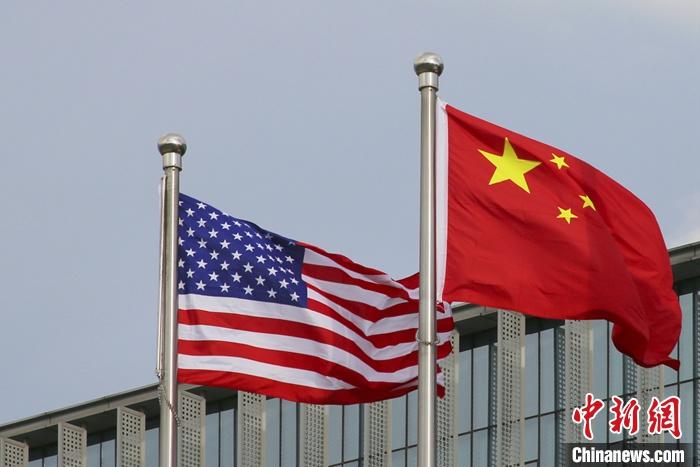
中国的做法为整个世界注入了新的确定性。就在中美联合声明发布后,全球贸易乐观情绪弥漫,并再次 提振了投资者信心,美股三大指数、中国A股以及港股均录得不小涨幅。 不过,也需要承认的是,新的90天"休战期"并没有让人完全看到"终战"的曙光。事实上,当前中美两国 间贸易仍承受着关税高压,这使得相关企业不得不继续长期承担额外成本,同时也导致美国的消费者价 格指数持续攀升。但尽管如此,美国政府仍无意放弃将关税作为"战略竞争"工具,从而使得各类跨国经 贸活动长期处于风险之中,对供应链领域也造成了不小的压力。 图为中国国旗和美国国旗。图片来源:人民视觉 中美90天的经贸"休战",能否最终走向"终战"?| 国际识局 近日,中美双方发布《中美斯德哥尔摩经贸会谈联合声明》,美方承诺自8月12日起继续暂停实施24% 的对等关税90天,中方自同日起继续暂停实施24%对美加征关税以及有关非关税反制措施90天。90天关 税"休战"让紧绷的世界经济松了一口气。 纵观谈判全程,尽管美方在会谈前后一直放出诸如可能征收三位数"二级关税"的"狠话",但中方的战略 定力与建设性姿态主导着会谈全程。 换言之,中国的"底气"是此次中美关税"休战期"得以延 ...

释放免签政策多重红利
Jing Ji Ri Bao· 2025-08-19 22:09
Core Insights - China's visa-free policy continues to evolve, covering various scenarios such as tourism, trade, and transit, enhancing the country's institutional openness [1][2] - As of July 30, 2023, China has achieved comprehensive mutual visa exemption with 29 countries, unilaterally exempted visas for 46 countries, and implemented 240-hour transit visa exemptions for 55 countries [1] - The visa facilitation has significantly boosted inbound tourism, making it a key indicator of China's cultural soft power and international appeal [1][2] Group 1: Visa Policy Impact - The optimization of visa policies serves as a "trade accelerator," reducing barriers for cross-border business activities and enhancing efficiency in international trade [2] - Major exhibitions like the China International Import Expo have seen increased participation from global exhibitors, facilitating the entry of quality products into China [2] - The visa policies have created a platform for cultural exchange, allowing foreign visitors to experience authentic Chinese culture and daily life [2] Group 2: Future Directions - There is a need for continuous improvement in policy supply, encouraging local exploration of smart travel inspection and innovative entry facilitation measures [3] - The development of "tourism+" products is encouraged, integrating cultural elements with various forms of art and enhancing the tourism product system [3] - Optimizing the service environment is essential, including internationalization of key scenic spots and enhancing multilingual services to improve the overall tourist experience [3]
陈晓东:高水平开放推动全产业链创新
Jing Ji Ri Bao· 2025-08-19 00:02
Core Viewpoint - The article emphasizes the importance of bilateral investment as a key strategy for enhancing China's industrial chain innovation capabilities and overall competitiveness in the context of global industrial competition and supply chain adjustments [1][2][3]. Group 1: Bilateral Investment and Innovation - Bilateral investment can facilitate technology transfer through intermediate products, allowing local downstream companies to innovate based on advanced technologies from foreign direct investment (FDI) enterprises [2]. - FDI enterprises often impose production standards on local suppliers, which encourages upstream companies in the host country to innovate to meet these standards [2]. - As the host country's innovation capacity improves, its scale of outward direct investment (ODI) will gradually expand, creating a reciprocal effect on technology and innovation [2][3]. Group 2: Competitive Dynamics and Market Integration - Bilateral investment generates competitive incentives among local companies, pushing them to innovate in order to meet the stringent requirements of FDI enterprises [3]. - Increased domestic competition and enhanced innovation capabilities lead companies to seek overseas opportunities through ODI, thereby integrating into global value chains [3]. - The article notes that the recent trends show a balanced growth in both FDI and ODI in China, which is crucial for attracting global resources and enhancing the domestic and international market linkage [3]. Group 3: Policy Recommendations for High-Quality Development - The article suggests promoting high-quality coordinated development of bilateral investment through institutional openness, aligning with international trade rules, and leveraging successful experiences from free trade zones [4]. - It advocates for differentiated industrial policies based on the characteristics of the industrial chain, including establishing support funds for technology-dependent industries and optimizing the structure of ODI [4]. - The article emphasizes the need to enhance the transmission mechanism between bilateral investment and industrial chain innovation through fiscal incentives and support for R&D initiatives [5][6].
高水平开放推动全产业链创新
Sou Hu Cai Jing· 2025-08-18 21:09
Core Viewpoint - The article emphasizes the importance of bilateral investment as a key strategy for enhancing China's industrial chain innovation capabilities and overall competitiveness in the context of global supply chain adjustments and competition among major powers [1][3]. Group 1: Bilateral Investment and Innovation - Bilateral investment can lead to technology transfer effects through intermediate products, where foreign direct investment (FDI) firms provide advanced intermediate products that enhance innovation in local downstream companies [2]. - The competition for becoming suppliers to foreign direct investment firms drives local upstream companies to innovate in order to meet stringent production standards set by these firms [2][3]. - As local innovation capabilities improve, the scale of outward direct investment from these countries will gradually expand, creating a cycle of innovation and investment [2]. Group 2: Competitive Dynamics and Market Integration - Bilateral investment fosters competitive incentives among local companies, as they strive to meet the technological standards imposed by foreign firms, leading to increased domestic competition and innovation [3]. - The article notes that the recent trend shows a balanced growth in both foreign direct investment and outward direct investment from China, indicating a healthy investment environment [3]. Group 3: Policy Recommendations for High-Quality Development - The article suggests promoting high-quality bilateral investment through institutional openness, aligning with international trade rules, and leveraging successful experiences from free trade zones [4]. - It advocates for differentiated industrial policies based on the characteristics of various industrial chains, including the establishment of support funds for technology-dependent industries [4]. - The need to enhance the transmission mechanism between bilateral investment and industrial chain innovation is highlighted, including tax incentives and support for global R&D centers [5]. Group 4: Digital Transformation in Manufacturing - The article stresses the importance of accelerating the digital transformation of the manufacturing sector, proposing targeted support policies for different types of enterprises [5]. - It emphasizes the need for domestic substitution of digital products and services, encouraging companies to prioritize the use of local digital solutions [5].
专题系列报道四:“郑州方案”:全球定价新范式的崛起
Sou Hu Cai Jing· 2025-08-18 08:48
Core Viewpoint - The Zhengzhou Commodity Exchange has successfully positioned itself as a key player in China's futures market opening process, establishing a unique "Zhengzhou Plan" that enhances China's influence in the global commodity pricing system [1] Group 1: Market Positioning and Strategy - The Zhengzhou Commodity Exchange strategically chose PTA and oilseed products as the initial focus for opening up due to China's dominant position in the global PTA production and consumption market, as well as its leadership in the vegetable oil import and consumption sectors [2] - Since the listing of PTA and oilseed futures, the market scale has steadily expanded, with positive external evaluations and deep participation from industry enterprises, laying a solid foundation for future openness [2] Group 2: Institutional Innovations - The "Zhengzhou Plan" has made breakthroughs by exploring an institutional opening path suitable for the local market, including optimizing delivery rules and increasing the variety of delivery methods to facilitate foreign enterprises' participation [3] - The Zhengzhou Commodity Exchange has actively promoted the listing of related futures and options in the polyester sector, modified delivery rules, and expanded the range of tradable products for qualified foreign investors [3] Group 3: Deepening International Cooperation - In recent years, the Zhengzhou Commodity Exchange has deepened its openness in oilseed products, including incorporating imported rapeseed meal into the delivery category, which has significantly stabilized the supply chain [4] - The exchange has also made regulatory adjustments to facilitate foreign traders' participation in specific products, enhancing risk management for import enterprises [4] Group 4: Global Trade and Strategic Impact - The "Zhengzhou Price" is expected to gain broader cross-border application as China deepens supply chain cooperation with countries involved in the Belt and Road Initiative, addressing the mismatch between trade scale and pricing influence [5] - The internationalization of the Zhengzhou futures market is seen as a reflection of national strategy and a reshaping of the global economic landscape, with the potential to enhance China's pricing power in major commodities [5] Group 5: Challenges and Future Directions - The internationalization of the Zhengzhou futures market faces challenges such as regulatory discrepancies and exchange rate volatility, which require differentiated opening strategies and tailored services for various types of foreign traders [6] - The establishment of a more extensive range of futures and options products based on China's industrial advantages is essential for the future development of the Zhengzhou Commodity Exchange [6]
“郑州方案”:全球定价新范式的崛起
Qi Huo Ri Bao Wang· 2025-08-18 00:56
Core Viewpoint - The Zhengzhou Commodity Exchange (ZCE) has successfully positioned itself as a key player in the internationalization of China's futures market, utilizing the "Zhengzhou Plan" to enhance the global pricing influence of Chinese commodities, particularly in the PTA and oilseed sectors [2][4][6]. Group 1: Market Positioning and Strategy - ZCE's strategic choice to prioritize PTA and oilseed futures for internationalization is based on China's dominant role in the global industrial chain [3][4]. - China is the largest producer and consumer of PTA and plays a significant role in the global vegetable oil market, providing a solid foundation for the authority and international influence of futures prices [4][5]. Group 2: Institutional Innovations - The "Zhengzhou Plan" has introduced a market-oriented approach to open up the futures market, including optimizing delivery rules and enhancing services for foreign enterprises [4][5]. - Specific measures include the inclusion of imported rapeseed meal in the delivery category and the introduction of new contracts to meet the risk management needs of importers [5][6]. Group 3: Global Trade and Economic Impact - The expansion of "Zhengzhou prices" in trade with RCEP and Belt and Road Initiative countries signifies a growing internationalization of China's futures market, reflecting a shift in global economic dynamics [6][7]. - The ZCE's efforts align with national strategies to enhance pricing influence in international commodity markets, leveraging domestic and international resources [6][8]. Group 4: Challenges and Future Directions - The internationalization of the Zhengzhou futures market faces challenges such as regulatory discrepancies and exchange rate fluctuations [7]. - A differentiated opening strategy is proposed to address these challenges, focusing on prioritizing competitive products and varying access standards for different types of foreign traders [7][8].
海南将打造成中国吸收利用外资的新高地
Hai Nan Ri Bao· 2025-08-16 01:27
Core Viewpoint - Hainan Free Trade Port's full island closure operation is a significant project that will enhance China's ability to attract foreign investment and promote economic development through institutional openness [1][2][3] Group 1: Economic Impact - The full island closure operation is expected to create numerous high-quality employment opportunities as foreign investment and talent flock to Hainan [2][3] - Hainan has achieved a total of 102.5 billion RMB in actual foreign investment over the past five years, with an annual growth rate of 14.6%, positioning it as a leader nationally [2][3] - The number of newly established foreign enterprises reached 8,098, with an annual growth rate of 43.7%, indicating a robust investment climate [2][3] Group 2: Policy Developments - Hainan is working on creating a trade management system that allows for free entry and exit, which will boost foreign companies' confidence in investing in China [3][4] - The province is implementing a more transparent and predictable investment environment by relaxing market access for foreign investors and introducing new measures to facilitate investment [3][4] - A new processing and value-added tax exemption policy will significantly lower the threshold for companies to benefit from tax exemptions, expanding the range of eligible goods [5][6] Group 3: Infrastructure and Logistics - Hainan is enhancing its shipping system by optimizing vessel inspection policies and expanding airspace control, which will improve shipping services [4][5] - The establishment of a cross-border data flow mechanism is underway to meet the growing demand for digital trade and economy, with adjustments to communication resource management [4][6] Group 4: Implementation and Future Steps - The focus is on policy implementation to ensure that benefits reach businesses and the public effectively, emphasizing the importance of understanding the significance of the Free Trade Port [8] - There is a need for integrated innovation in the regulatory framework to facilitate compliance and ease of use for businesses, maximizing the benefits of the new policies [8]
哈尔滨片区:自贸沙龙叩开东北亚合作机遇大门
Zhong Guo Chan Ye Jing Ji Xin Xi Wang· 2025-08-14 22:22
Core Viewpoint - The "Free Trade Salon" in Harbin, Heilongjiang Province, serves as a platform for enhancing Sino-Russian economic cooperation and addressing legal risks in cross-border trade, contributing to the broader "Belt and Road" initiative and the strategy for northern openness [1][2][3] Group 1: Activities and Impact - Since its launch in June 2025, the "Free Trade Salon" has held 20 sessions, attracting over 1,000 participants from various sectors, including government and academia, to foster collaboration and policy dialogue [1] - The salon has effectively created a legal service ecosystem to address the legal risks and disputes faced by enterprises engaged in Sino-Russian trade, providing over 50 legal risk solutions to 19 companies [1][2] Group 2: Addressing Trade Challenges - The salon focuses on resolving significant issues faced by enterprises, such as high cross-border logistics costs and complex customs procedures, by promoting the "Longmaotong" digital trade platform, which integrates customs, tax refunds, logistics, and credit insurance services [2] - The platform has been positively evaluated by Russian enterprises for effectively addressing the slow customs clearance, high costs, and fragmented services in Sino-Russian trade [2] Group 3: Industry Collaboration and Development - The salon promotes the development of high-value industries, such as the Sino-Russian health food industry, by collaborating with leading companies and research institutions to enhance the efficiency of Russian agricultural products entering the domestic market [2] - Specialized sessions have been organized to address various sectors, including tourism compliance, financial products for foreign trade enterprises, and language training to improve communication in Sino-Russian business [2][3] Group 4: Strategic Goals and Future Directions - The Harbin Free Trade Zone aims to establish itself as a national benchmark for Sino-Russian openness, enhancing its service mechanism to better match enterprise needs and exploring unique reforms to drive regional collaboration [3] - The salon exemplifies a practical approach to achieving broader openness through targeted initiatives, demonstrating the potential for innovative economic development in the region [3]