贸易战

Search documents
欧盟贸易专员Sefcovic:与美国战略合作比(进行)贸易战要好。
news flash· 2025-07-28 10:46
Group 1 - The core viewpoint emphasizes that strategic cooperation with the United States is preferable to engaging in a trade war [1] Group 2 - The statement reflects the European Union's stance on international trade relations, highlighting the importance of collaboration over conflict [1]
欧盟委员会副主席谢夫乔维奇:与美国的战略合作比贸易战更好。
news flash· 2025-07-28 10:41
Group 1 - The core viewpoint emphasizes that strategic cooperation with the United States is preferable to engaging in a trade war [1] Group 2 - The statement reflects the European Commission's stance on prioritizing collaboration over conflict in trade relations [1] - It suggests a focus on building partnerships that can enhance economic ties rather than resorting to competitive measures [1]
美欧自顾不暇,俄乌冲突似乎已不被关心
Jin Shi Shu Ju· 2025-07-28 09:57
Group 1 - The ongoing conflict between Russia and Ukraine is overshadowed by other global issues, including the trade war initiated by Trump and the situation in Gaza, leading to a lack of media coverage on the conflict [1] - Trump has indicated that Ukraine could receive more U.S.-made weapons if NATO allies cover the costs, while giving Russia a 50-day ultimatum to reach a peace agreement with Ukraine, threatening severe sanctions and up to 100% secondary tariffs if unsuccessful [1][2] - Analysts express skepticism about whether the threat of further sanctions will genuinely compel Putin to negotiate with Ukraine, highlighting the complexities of the situation and the potential for unknown variables [2][3] Group 2 - Ukraine is experiencing internal unrest due to dissatisfaction with the ongoing martial law, lack of elections, and concerns over Zelensky's wartime leadership, which has led to protests against government actions perceived as undermining anti-corruption efforts [4] - The recent government reshuffle in Ukraine has raised concerns about Zelensky consolidating power among loyalists, potentially alarming international supporters and donors [4][5] - The current dynamics suggest that Ukraine is in a critical phase of internal consolidation amid growing external uncertainties, with the West increasingly viewing international support as transactional rather than aimed at promoting democratic reforms [5]
对华能源出口几乎归零!特朗普终于发现不对劲,他不能再狂了
Sou Hu Cai Jing· 2025-07-28 09:11
Group 1 - U.S. crude oil and LNG exports to China have dropped to historic lows, nearing zero, marking a new phase in Beijing's countermeasures [1] - In the first quarter of 2023, U.S. energy exports to China shrank by 98%, with monthly averages falling below $10 million, a stark contrast to the $18 billion trade volume in 2022 [1][3] - The energy trade, once a cornerstone of U.S.-China economic cooperation, has been severely impacted by unilateral U.S. trade policies initiated during the Trump administration [3] Group 2 - China's response has effectively cut off three major revenue streams for the U.S.: energy exports, high-tech products, and agricultural goods [5] - U.S. chip exports to China fell by 60% in the first half of 2023, while China has increased investments in domestic alternatives and shifted to suppliers in Taiwan and South Korea [5] - Agricultural trade, particularly in soybeans and corn, has decreased by 25%, with China increasing imports from Brazil [5] Group 3 - The decline in energy exports has led to significant job losses in the U.S. energy sector, with layoffs exceeding 30% in Texas and North Dakota [3] - The collapse of energy exports is projected to reduce U.S. GDP by 0.5 percentage points, prompting a shift in policy approach within the White House [3][5] - The ongoing economic confrontation is expected to reshape the bilateral relationship and could slow global economic recovery due to supply chain fragmentation [7]

日本投降后,欧盟也要跪了?特朗普离开白宫前,断了冯德莱恩后路
Sou Hu Cai Jing· 2025-07-28 08:03
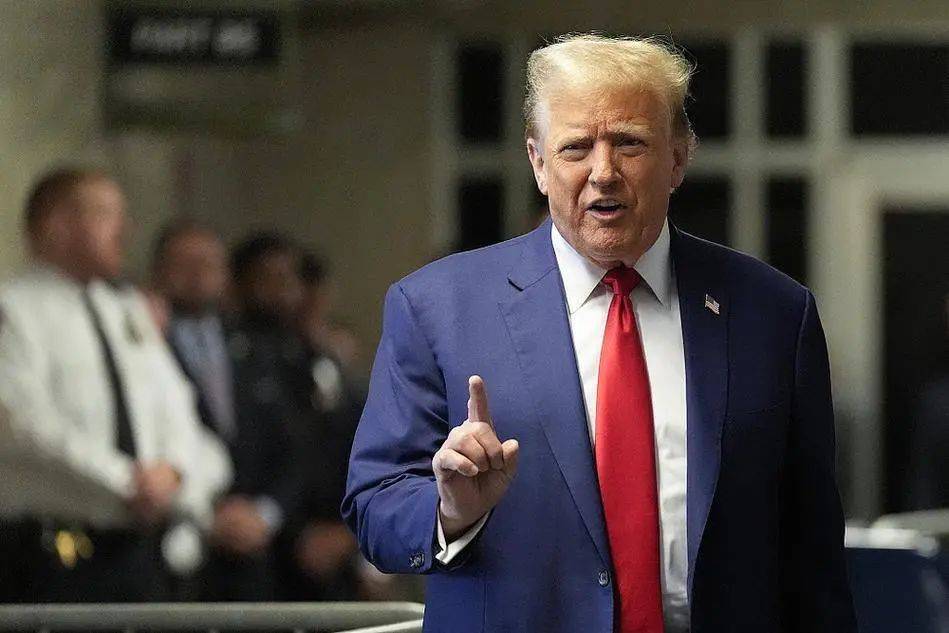
Group 1 - The article discusses the pressure on the EU from the US regarding tariffs, particularly in light of recent negotiations between the US and Japan, where Japan conceded to a 15% tariff to avoid a higher 25% rate [1][3] - The EU is facing a similar situation, with President Trump setting a deadline of August 1 for negotiations, threatening a 30% tariff if no agreement is reached [3] - The EU's initial goal of achieving "zero tariffs" has shifted to considering a 15% tariff, indicating a potential compromise under pressure [3] Group 2 - If negotiations fail and the US imposes a 30% tariff, the EU has strategies to respond, including seeking trade partnerships outside the US and utilizing the "Anti-Coercion Instrument" to counteract US policies [4] - The EU is prepared to impose tariffs on approximately €100 billion worth of US goods, targeting key products that could impact Republican-supporting states, such as agricultural and industrial products [6] - The potential economic impact on these "red states" could pressure the Trump administration to reconsider its tariff policies, highlighting the EU's strategic position in the trade conflict [6]
前欧盟官员懊恼:如果当初配合中国反制美国,欧盟如今能拿到更好的条件
Guan Cha Zhe Wang· 2025-07-28 07:37
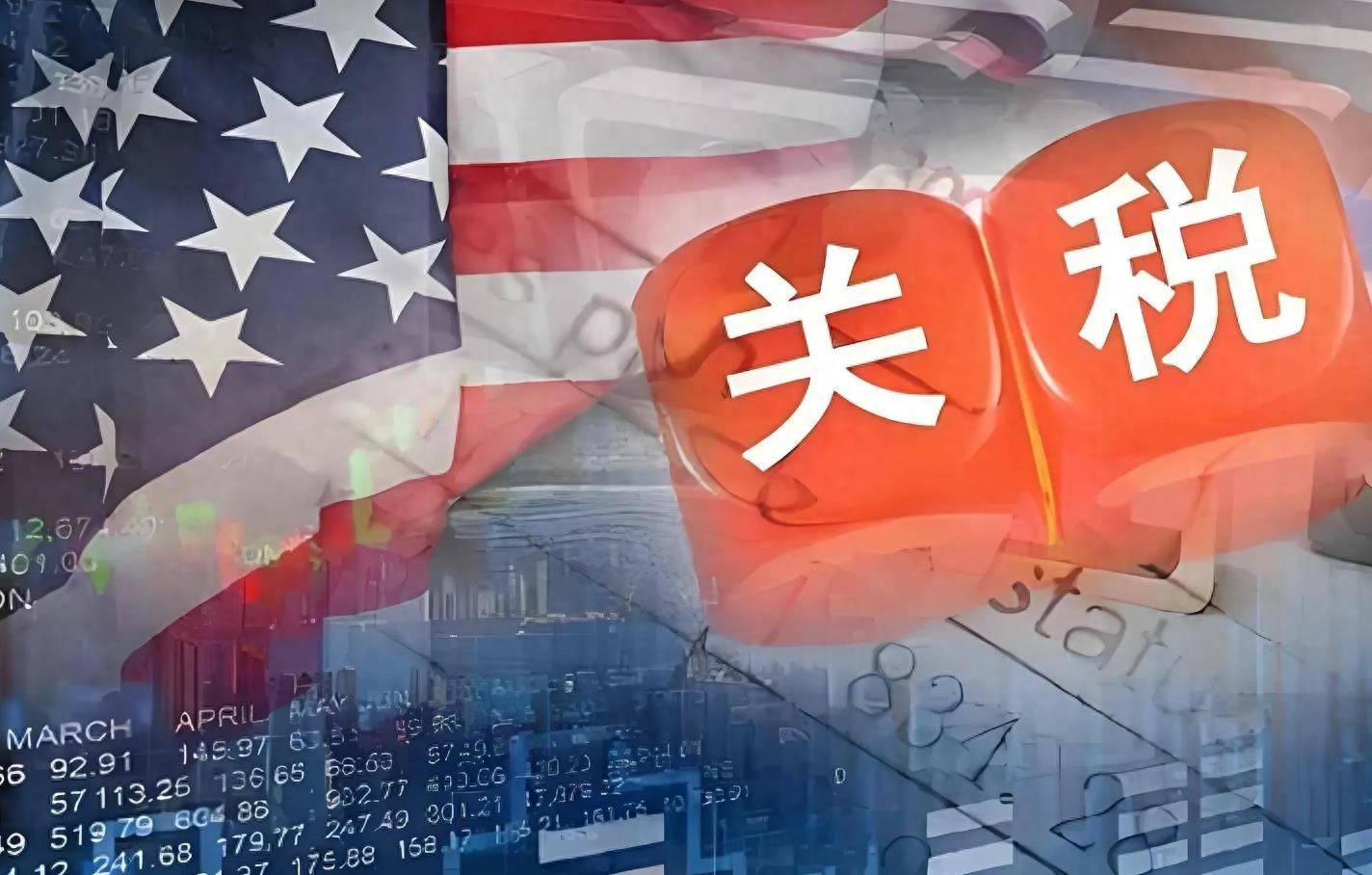
Core Viewpoint - The new US-EU trade agreement has been criticized for being biased and detrimental to European interests, with calls for a stronger EU response to US tariffs [1][3][16]. Group 1: Trade Agreement Details - The US has reduced tariffs on EU goods from previously proposed rates of 20% and 30% to 15% [3]. - The agreement includes a commitment for the EU to purchase $750 billion worth of energy products from the US and plans for $600 billion in US investments, though the specifics remain unclear [3]. Group 2: EU's Response and Strategy - Analysts believe that the EU's response to US tariffs has been too slow and ineffective, with missed opportunities for a stronger stance alongside China [4][5]. - The EU had initially prepared a three-point plan to address the trade imbalance, which included increasing imports of US goods and proposing mutual tariff reductions [5]. Group 3: Internal Disagreements and Challenges - There are significant internal divisions within the EU regarding the approach to the US, with some officials advocating for a tougher stance while others prefer a more conciliatory approach [10][11]. - The EU's reliance on US security guarantees has further complicated its ability to confront US trade policies [14]. Group 4: Criticism of the Agreement - Critics, including European officials, argue that the agreement represents a capitulation to US demands and fails to provide equitable terms for Europe [16]. - The agreement's provisions for increased US military technology purchases and investment commitments are seen as detrimental to European industry and employment [16].
被特朗普“吃干抹净”,欧洲最大的遗憾是“4月没有和中国一起反抗”
Hua Er Jie Jian Wen· 2025-07-28 07:28
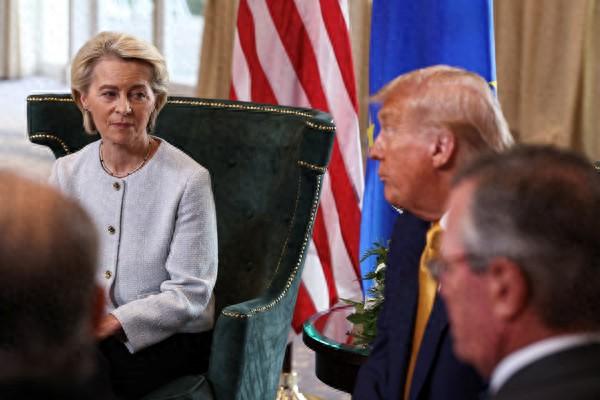
Core Viewpoint - The European Union (EU) has been forced to accept a 15% tariff agreement with the United States, highlighting its regret for not forming a united front with China to counteract U.S. trade policies [1][2]. Group 1: Trade Agreement Details - On July 27, U.S. President Trump announced that the EU would increase investments in the U.S. by $600 billion and purchase $750 billion worth of U.S. energy products [1]. - The EU accepted a 15% "base" tariff, which includes key sectors like the automotive industry, while steel will be subject to a quota system [2][3]. - The EU's initial plan aimed to reduce a €200 billion trade deficit through increased purchases of liquefied natural gas, weapons, and agricultural products, but was undermined by Trump's rapid actions [3]. Group 2: Internal Disagreements and Strategic Missteps - The EU's response to Trump's trade aggression began with a strategic misstep on April 10, when it chose to suspend retaliatory tariffs and accept negotiations under pressure [2][4]. - Internal divisions among EU member states weakened its negotiating position, with some countries advocating for a stronger response while others preferred a more cautious approach [3][4]. - The EU's reliance on U.S. security guarantees, particularly among Eastern and Northern member states, contributed to its reluctance to engage in a trade confrontation [4]. Group 3: Lessons Learned - The EU's experience in this trade conflict underscores the importance of unity and decisive strategy in the face of trade bullying, as a lack of these elements led to unfavorable outcomes [5]. - Analysts suggest that the EU's failure to act decisively against U.S. tariffs reflects a broader lesson about the risks of not presenting a united front in international trade disputes [5].
15%!美国「8月1日关税期限」不再延长,中国除外
Sou Hu Cai Jing· 2025-07-28 07:11
当地时间7月27日,美国商务部长卢特尼克在接受采访时表示,美国将不再延长8月1日的加征关税期限。 "所以没有延期,也没有宽限期。8 月 1 日,关税已经确定。它们将开始实施。海关将开始收钱,然后我们就开始了,"卢特尼克说。 他还发文表示 ,美国总统特朗普开启了世界最大经济体之一的大门,欧盟将开放其20万亿美元的市场,并首次完全接受美国的汽车和工业标准。 此外,欧盟还将从美国购买7500亿美元的能源产品,并在美国投资6000亿美元,美国对欧盟输美产品的关税将全部设定为15%。 有官员补充说,特朗普在截止日期后仍然准备进行关税谈判。 相较之下,15%委实算是非常不错的关税税率了,其他国家正饱受高税点摧残,尤其是巴西最惨,"喜提"全品50%(详参:全部产品!最高50%!特朗普 再加税!)。 在过去的几周里,美国与英国、日本、印度尼西亚、菲律宾等多个国家达成了贸易协议。特朗普从本月早些时候开始就一直在发送关税信函。他还计划对 较小国家征收 10-15%关税(详参:事关"输美商品关税"!特朗普最新表态!)。 然而,与印度的谈判仍在进行中。印度和美国谈判代表之间的第五轮谈判于本月结束。据消息人士透露,华盛顿代表团将于下个 ...

冯德莱恩对华表态后!欧盟态度变了,千亿关税砸向美国,这一次的反击不会妥协
Sou Hu Cai Jing· 2025-07-28 04:43
Group 1 - The European Union (EU) has passed a €93 billion counter-tariff list against the US, indicating a significant escalation in trade tensions [1][8] - The counter-tariff list includes products like bourbon whiskey and Harley-Davidson motorcycles, targeting key political bases of President Trump [3] - The EU's response is a result of a breakdown in trust with the US, as previous cooperation did not yield the expected benefits [3][6] Group 2 - Germany's shift to a more hardline stance against the US is notable, contrasting its previous moderate position [3] - The EU's strong response reflects a broader geopolitical strategy, aiming to assert its influence in global trade rules [6][8] - The upcoming deadlines for negotiations (August 1 and August 7) could lead to a historic turning point in US-EU trade relations [8] Group 3 - The EU's economic recovery provides it with leverage in negotiations, but risks remain for key industries like automotive and aerospace [6] - The trade dispute signifies a profound change in transatlantic relations, with the EU employing unprecedented measures against the US [6][8] - The EU's approach to China may create new opportunities for cooperation, despite its ongoing reliance on NATO for security [6][4]