
中国特色估值体系

Search documents
华创交运|红利资产月报(2025年12月):年末观察:高股息与资本运作双引擎-20251222
Huachuang Securities· 2025-12-22 10:16
Investment Rating - The report maintains a "Recommended" rating for the transportation industry, emphasizing high dividends and capital operations as dual engines for growth [1]. Core Insights - The transportation sector has shown mixed performance, with the overall industry ranking 8th among 31 sectors in terms of growth, having increased by 1.68% from December 1 to December 19, 2025, outperforming the CSI 300 index by 0.76 percentage points [12][13]. - The report highlights that the dividend yield for major segments within the transportation sector, including highways, railways, and ports, remains in the 3%-4% range, with coal and banking sectors leading in yield [27][21]. - The report identifies several high-dividend stocks in the A and H-share markets, recommending companies such as Sichuan Chengyu Expressway (6.0% yield) and China Merchants Port (5.8% yield) as attractive investment opportunities [21][22]. Monthly Market Performance - The report notes that the performance of dividend assets in December 2025 was generally underwhelming, with highway, railway, and port segments showing cumulative changes of -1.45%, +1.12%, and +1.21%, respectively [13][11]. - The average daily transaction volume for ports increased by 26.7% year-on-year, while highway and railway transaction volumes decreased by 5.5% and 34.8%, respectively [26][23]. - The report indicates that the low interest rate environment continues to support the market, with the 10-year government bond yield remaining stable around 1.83% [25][23]. Capital Operations - Sichuan Chengyu plans to acquire 85% of Hubei Jingyi Expressway for 2.409 billion yuan in cash, shifting from a stock issuance to a cash purchase to avoid equity dilution [32]. - Ninghu Expressway is increasing its investment in the Jiangsu Longtan Bridge project by 3.26964 billion yuan, enhancing its stake in the project [34]. - Qingdao Port has terminated its cash acquisition of the Rizhao Port oil terminal due to potential business impacts from legal issues, prioritizing shareholder interests [35]. Highway Sector Tracking - In October 2025, highway passenger traffic was reported at 975 million, a decrease of 3.7% year-on-year, while freight traffic showed a slight increase of 0.1% [36]. - The report highlights the revenue performance of key companies, such as Gansu Expressway, which reported a slight decline in toll revenue for November 2025 [44]. Railway Sector Tracking - Railway passenger volume reached 410 million in October 2025, marking a 10.1% increase year-on-year, while freight volume showed a modest increase of 0.6% [52]. - The report notes that the Daqin Railway achieved a freight volume of 37.22 million tons in November 2025, reflecting a year-on-year growth of 1.75% [59]. Port Sector Tracking - The report indicates that monitored port cargo throughput reached 1.078 billion tons over four weeks, with a year-on-year growth of 2.6% [63]. - Container throughput for the year-to-date reached 31.0469 million TEUs, reflecting a 7.7% increase compared to the previous year [63].


海外金融机构估值变迁的启示
Shang Hai Zheng Quan Bao· 2025-12-01 19:23
Core Insights - The valuation increase of overseas financial institutions is driven by both regulatory easing and business model innovation, providing a reference for Chinese financial institutions [1] Group 1: Valuation Evolution - The evolution of overseas financial institutions' valuations can be traced through three distinct transformation phases over the past 20 years: 2000-2008 was characterized by scale-driven growth, 2009-2019 saw a shift towards structural optimization due to regulatory pressures, and from 2020 onwards, technology and ESG factors have become key drivers [1] - The subprime mortgage crisis marked a pivotal point in the valuation logic, leading to a focus on wealth and asset management as core engines for valuation enhancement [1] Group 2: Regulatory Environment - A relatively loose regulatory environment has been a crucial foundation for valuation increases, exemplified by the U.S. investment banking sector during the Trump administration (2016-2018), where regulatory relaxation coincided with significant valuation gains [2] Group 3: Business Model Innovation - Overseas financial institutions have achieved sustained profitability through business model innovation and capital management, focusing on optimizing capital structure, enhancing capital efficiency, and transitioning to light capital models [3] - High-valuation banks, such as JPMorgan, have successfully developed high-return, low-risk businesses like wealth management, with non-interest income accounting for over 50% of their revenue [3] Group 4: Implications for Chinese Financial Institutions - The valuation transformation of overseas financial institutions offers valuable lessons for domestic institutions facing long-term "broken net" pressures, emphasizing the need for a balance between international alignment and local adaptation in building a Chinese valuation system [4] - The current reliance on indirect financing in China, with a high proportion of interest income, suggests that not all banks are suited for a transition towards retail banking and wealth management [4]
六大行估值修复,农行破净“上岸”,下一个是谁?
市值风云· 2025-11-27 10:45
Core Viewpoint - The article discusses the unexpected strong performance of Agricultural Bank of China (ABC), which has successfully exited the "broken net" status, contrasting with other state-owned banks that remain in this state. This phenomenon raises questions about the underlying factors contributing to ABC's recovery and whether other banks can follow suit [3][4]. Group 1: Agricultural Bank's Breakthrough - As of November 24, 2025, Agricultural Bank of China is the only one among the six major state-owned banks to surpass the "broken net" status, achieving a price-to-book ratio of 1.03, while others like ICBC, CCB, BOC, BC, and PSBC have ratios of 0.76, 0.74, 0.74, 0.59, and 0.69 respectively [6]. - ABC's performance in the first three quarters of 2025 shows a net profit of 220.86 billion yuan, a year-on-year increase of 3.03%, leading among the six major banks [6]. - The bank's county financial strategy has proven effective, with county loan balances exceeding 10 trillion yuan, accounting for 40.9% of domestic loans, creating a competitive advantage [6]. Group 2: Factors Contributing to ABC's Success - The decline in deposit rates has intensified asset scarcity, making ABC's consistent dividend yield of 3%-4% attractive to large institutional investors, driving up its stock price [7]. - The "Chinese characteristic valuation" has led to a reassessment of the true value of these state-owned banks, recognizing their essential role in the financial system and justifying a reasonable valuation [7]. - ABC's successful recovery serves as a model for other state-owned banks still in the "broken net" situation, indicating that value recovery is achievable [7].



把握防御稳健性,布局正当时:华创交运|红利资产月报(2025年11月)-20251124
Huachuang Securities· 2025-11-24 09:45
Investment Rating - The report maintains a "Recommended" rating, emphasizing the importance of defensive stability and timely investment opportunities in the transportation sector [1]. Core Insights - The transportation sector's performance in November 2025 was generally average, outperforming the CSI 300 index, with highways leading the performance among sub-sectors [4][10]. - The report highlights a low interest rate environment, with the 10-year government bond yield at 1.82% as of November 21, 2025, indicating a stable financial backdrop for investments [20]. - The report identifies high dividend yield opportunities in both A-shares and H-shares within the transportation sector, with specific recommendations for companies like Sichuan Chengyu and Anhui Wantong Highway [68][70]. Monthly Market Performance - The transportation sector saw a cumulative decline of 2.24% from November 1 to November 21, 2025, outperforming the CSI 300 index by 1.79 percentage points [9]. - The sub-sectors of highways, railways, and ports had cumulative declines of -2.11%, -2.47%, and -2.97% respectively during the same period, but all outperformed the CSI 300 index [10]. - Year-to-date performance showed highways down 11.11%, railways down 15.77%, and ports down 4.83%, indicating a challenging year overall [10]. Highway Sector Tracking - In September 2025, highway passenger traffic was 934 million, down 4.3% year-on-year, while freight traffic increased by 5.2% to 3.891 billion tons [28]. - The report notes that the highway sector is expected to see stable performance improvements in 2026, driven by policy optimizations and local state-owned enterprise actions [68]. Railway Sector Tracking - In October 2025, railway passenger volume reached 410 million, up 10.1% year-on-year, while freight volume was 4.58 million tons, a slight increase of 0.6% [40][43]. - The report emphasizes the potential for investment opportunities in the railway sector, particularly in high-quality assets like the Beijing-Shanghai High-Speed Railway [70]. Port Sector Tracking - The report indicates that port cargo throughput for the four weeks ending November 16, 2025, was 1.057 billion tons, reflecting a year-on-year growth of 4.6% [48]. - The report highlights the importance of long-term value in port assets, suggesting that leading ports are undervalued in terms of their earnings stability and potential for dividend growth [71][72].

央企巨头股权联姻,预示国资改革新范式
Di Yi Cai Jing· 2025-11-18 12:45
Core Insights - The key to future success lies in whether the two companies can transform institutional advantages into development momentum, particularly at the intersection of digital transformation and energy revolution [1][10] - The share transfers between China National Petroleum Corporation (CNPC) and China Mobile represent a significant capital operation under the backdrop of deepening state-owned enterprise (SOE) reform, reflecting a strategic partnership through capital ties [1][4] Group 1: Strategic Value of Share Transfers - The core strategic value of the share transfers is to fundamentally reshape the cooperative relationship between the two companies, evolving from a traditional client-supplier dynamic to an intrinsic partnership [2][3] - Establishing capital ties provides institutional guarantees to overcome barriers and short-term interests, allowing both companies to become true partners in long-term strategies like digital transformation and AI energy integration [2][3] Group 2: Business Synergies and Digital Integration - The collaboration showcases significant synergies, with China Mobile's 5G network and computing capabilities being applied in CNPC's operational environments, enhancing efficiency and accuracy in oil exploration and refining processes [3][4] - The digital transformation of CNPC's physical assets will turn them into vital components of the digital economy, aligning with the development needs of new technologies like edge computing and IoT [3][6] Group 3: Value Management and Market Confidence - The share transfers are a crucial practice in value management, aligning with the "China characteristic valuation" concept, which supports the re-evaluation of SOE listed companies [4][5] - By becoming strategic shareholders, both companies endorse each other's asset quality and growth prospects, which can help break the market's perception of "value gaps" in certain SOEs [4][5] Group 4: Governance and Capital Activation - The introduction of strategic shareholders enhances governance by incorporating diverse perspectives and management experiences, which can improve decision-making and risk management [6][7] - The capital transfer optimizes the allocation of state-owned capital, turning previously stagnant assets into active resources that can drive economic growth [6][7] Group 5: Challenges and Future Outlook - The effectiveness of the shareholding arrangement will depend on the depth of execution, requiring a shift from mere shareholding to tangible business collaboration and innovation [8][9] - Potential challenges include increased complexity in governance and the need for stricter management of related-party transactions, which may arise from the cross-shareholding structure [9][10]


官宣!2025财联社上市公司价值引领大会暨第六届精英董秘之夜 落地“千年银城”厦门同安
Sou Hu Cai Jing· 2025-11-17 07:19
Group 1 - The conference "2025 Zhitong Finance Listed Company Value Leading Conference and the 6th Elite Secretary Night" will be held from December 3 to 5, 2025, in Xiamen, Fujian, focusing on value management and development opportunities in the Chinese capital market [2][3] - The event aims to gather high-level participants including chairpersons, controlling shareholders, board secretaries, and investment institution leaders to discuss policy interpretation, strategic collaboration, and resource integration [2][3] - The forum represents a shift from "scale growth" to "value leadership" in the context of new regulations and policies aimed at enhancing the investment value of listed companies [3][4] Group 2 - Xiamen, as one of China's earliest special economic zones, symbolizes an open gateway to the world and is seen as a new starting point for entrepreneurs to explore global opportunities [3][4] - The forum will include various activities such as policy forums, closed-door meetings, and award ceremonies to explore new paths for value management and capital opportunities [4][5] - The event emphasizes the importance of collaboration among like-minded individuals to drive high-quality development in the Chinese capital market [4][5]

集体大涨,重磅信号来了
Ge Long Hui· 2025-11-12 10:35
Core Viewpoint - The adjustment of accounting regulations has significantly contributed to the profits from insurance capital's stock investments, driving the rise of insurance stocks and indicating a potential long-term value reassessment in the market [2] Group 1: Investment Trends - Insurance capital has made 31 stake acquisitions this year, surpassing the peak in 2020 and setting a new record since 2015 [3] - The increase in stock investments by insurance capital is a positive response to regulatory policies, reflecting the broadening investment channels and enhancing the overall return on investment for the industry [4][5] - The allocation of insurance capital to equity assets has been increasing, with a notable rise in the proportion of equity investments [6] Group 2: Performance Metrics - As of mid-year, the total investment assets of listed insurance companies reached 21.85 trillion yuan, with the stock allocation ratio increasing by 1.44 percentage points compared to the end of 2024 [7] - The focus of insurance capital remains on high-dividend sectors such as banking, public utilities, and transportation, which align with the dual demand for safety and yield [9][11] - The technology sector has emerged as a new focus for insurance capital, with significant increases in holdings in the electronics industry, particularly in companies like Dongshan Precision, Huanshu Electronics, and Shenzhen Technology [12] Group 3: Financial Performance - The insurance sector has shown a strong upward trend, with major insurance companies reporting better-than-expected earnings, alleviating concerns over high base effects from the previous year [18][21] - The average annualized total investment return for major insurance companies reached 7.3%, a year-on-year increase of 1.2 percentage points, driven by a significant rise in equity investments [21] - The implementation of new accounting standards (IFRS 17 and IFRS 9) has increased the correlation between insurance company performance and stock market movements, allowing for higher net profit growth during market upswings [22] Group 4: Future Outlook - The strong performance in equity investments is expected to boost confidence in the sales of dividend insurance products in 2026, with projections for double-digit growth in new single premium sales [24] - The ongoing "slow bull" market in A-shares is anticipated to benefit insurance companies with strong beta attributes, leading to sustained stock price appreciation [24] - China Ping An's investment strategy is shifting towards diversified allocations, reflecting a broader market acceptance of this approach, as evidenced by significant stock price increases among leading insurance firms [14][25]
集体大涨!重磅信号来了
Ge Long Hui· 2025-11-12 10:06
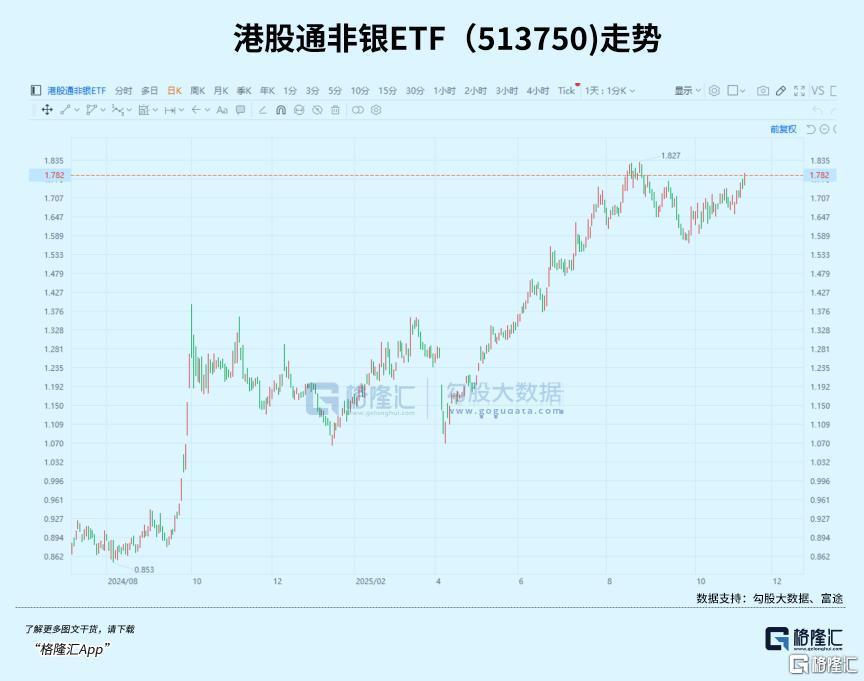
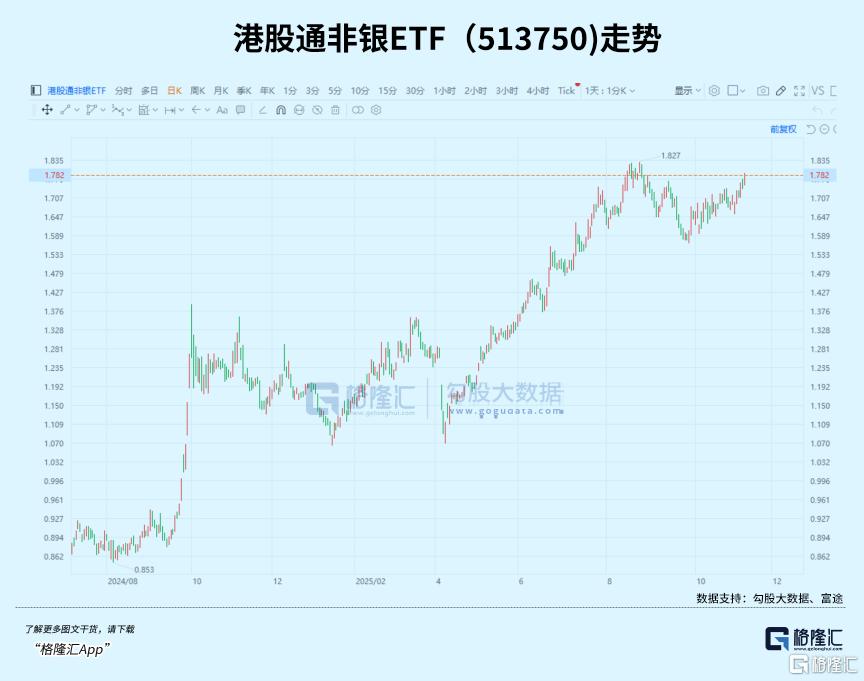
Core Viewpoint - The adjustment of accounting regulations has significantly contributed to the profits from insurance capital's stock investments, driving the rise of insurance stocks. The valuation recovery of insurance stocks is expected to evolve from a cyclical rebound into a long-term value reassessment [2]. Group 1: Investment Trends - Insurance capital has made 31 stake acquisitions this year, surpassing the peak in 2020 and setting a new record since 2015 [4]. - The increase in equity asset allocation by insurance capital is a positive response to regulatory policies, enhancing the overall return on investment and stability of the industry [5]. - The trend shows a substantial increase in the balance of insurance capital utilization and a higher proportion of equity asset allocation [7]. Group 2: Sector Performance - Insurance capital primarily holds positions in high-dividend sectors such as banking, public utilities, and transportation, which serve as the "ballast" for their portfolios [9][10]. - The defensive attributes of undervalued, high-dividend assets align well with the dual demand for safety and profitability from insurance capital [12]. Group 3: Technology Sector Investment - Insurance capital's investment in technology stocks has exceeded expectations, opening up new profit growth opportunities [13]. - In the third quarter, insurance capital's holdings in the electronics sector grew significantly, reaching nearly 11.8 billion, with increased positions in companies like Dongshan Precision, Huaxin Electronics, and Shenzhen Technology [14]. Group 4: Market Dynamics - The role of insurance capital as a "stabilizer" in the capital market is becoming more pronounced, with significant profit growth enhancing the investment value of insurance capital [16]. - Major insurance companies have seen their stock prices reach new highs, with the Hong Kong Stock Connect Non-Bank ETF (513750) rising over 50% this year [16]. Group 5: Financial Performance - The five A+H listed insurance companies reported impressive investment returns, with an average annualized total investment return of 7.3%, a year-on-year increase of 1.2 percentage points [24]. - The implementation of new accounting standards (IFRS 17 and IFRS 9) has further increased the correlation between insurance companies' performance and the stock market [25]. Group 6: Future Outlook - The strong performance of equity investments is expected to boost confidence in the sales of dividend insurance products in 2026, with a forecast of double-digit growth in new premium income [27]. - Insurance companies are likely to continue increasing their allocation to equity assets, benefiting from a sustained "slow bull" market in A-shares [27]. Group 7: Investment Strategy - The valuation recovery of insurance stocks is anticipated to transition from a cyclical rebound to a long-term value reassessment, with significant inflows of southbound capital into the A-share and Hong Kong markets [33]. - The Hong Kong Stock Connect Non-Bank ETF (513750) is highlighted as a convenient tool for investors to access the non-bank financial sector in Hong Kong [34].
集体大涨!重磅信号来了
格隆汇APP· 2025-11-12 09:55
Core Viewpoint - The article highlights the significant profit contribution from insurance capital's stock investment business, driven by new accounting regulations, which is expected to lead to a long-term value reassessment of insurance stocks [5][24]. Group 1: Market Performance - Hong Kong insurance stocks, including China Ping An, AIA, and China Life, have seen rapid gains, contributing to a more than 2% increase in the Hong Kong Stock Connect non-bank ETF [3]. - The non-bank ETF has recorded a net inflow of 6.46 billion yuan in a single day, marking a total net inflow of 22.225 billion yuan year-to-date, reaching a new historical high of 24.654 billion yuan [18]. Group 2: Investment Trends - Insurance capital has made 31 equity stakes this year, surpassing the 2020 peak and setting a new record since 2015 [6]. - The proportion of equity assets in listed insurance companies has increased, with total investment assets reaching 21.85 trillion yuan, and the stock allocation rising by 1.44 percentage points compared to the end of 2024 [7]. Group 3: Profit Growth - The average annualized total investment return for major listed insurance companies reached 7.3%, a year-on-year increase of 1.2 percentage points, with net profits for the top five insurance companies growing by 33.5% year-on-year [23]. - China Ping An reported a net profit of 132.856 billion yuan for the first three quarters, a year-on-year increase of 11.5%, with a significant 45.4% growth in the third quarter alone [26][27]. Group 4: Strategic Shifts - Insurance companies are increasingly focusing on technology stocks, with significant increases in holdings in the electronics sector, reflecting a shift in investment strategy from traditional sectors to more diversified allocations [14][16]. - The article emphasizes that the new accounting standards (IFRS 17 and IFRS 9) have enhanced the correlation between insurance company performance and the stock market, allowing for greater profit growth during market upswings [24]. Group 5: Future Outlook - The article suggests that the ongoing recovery in the A-share market will benefit insurance companies, particularly those with strong beta attributes, as they continue to increase their allocation to equity assets [26]. - The anticipated growth in new single premium sales for 2026 is expected to be in double digits, driven by the positive correlation between previous year investment returns and subsequent product sales [26].

华创交运|红利资产月报(2025年10月):高股息+稳业绩双驱动,交运红利配置正当时-20251020
Huachuang Securities· 2025-10-20 14:45
Investment Rating - The report maintains a "Buy" rating for high dividend and stable performance assets in the transportation sector, indicating that it is an opportune time for allocation in transportation dividend assets [2]. Core Insights - The transportation sector has shown strong performance in October 2025, outperforming the CSI 300 index, with highways and ports leading the gains [5][11]. - The low interest rate environment continues to support the sector, with stable government bond yields [21]. - The report highlights the potential for high dividend yields in A/H shares, with specific recommendations for companies like Sichuan Chengyu and Wutong Expressway [5][18]. Monthly Market Performance - In October 2025, the transportation sector rose by 1.46%, outperforming the CSI 300 index by 4.18 percentage points, ranking 5th among 31 sectors [10]. - The performance of dividend assets (highways, railways, ports) was particularly strong, with highways up 4.48%, railways up 0.33%, and ports up 3.05% from October 1 to October 17 [11][14]. Industry Data - Highway passenger volume in August 2025 was 950 million, down 5.1% year-on-year, while freight volume increased by 3.9% [29]. - Railway passenger volume in September 2025 was 341 million, a slight decrease of 0.2% year-on-year, but cumulative volume for the year increased by 6% [40]. - Port cargo throughput for the first eight months of 2025 reached 1.2 billion tons, up 4.4% year-on-year, with container throughput also showing strong growth [49][51]. Investment Recommendations - The report suggests focusing on high dividend yield stocks in the transportation sector, particularly in highways and ports, with specific companies highlighted for their strong performance and dividend potential [5][18]. - Key recommendations include Sichuan Chengyu (6.3% dividend yield), China Merchants Port (5.9%), and Anhui Wantong Expressway (5.2%) [20].