价值升级

Search documents
开源证券:把握包装水行业结构性机遇 聚焦优质头部标的
智通财经网· 2026-02-12 02:07
Core Viewpoint - The packaging water industry is expected to continue its steady expansion driven by health consumption demand, with an anticipated market size exceeding 300 billion yuan by 2028, and structural opportunities emerging among leading companies [1][2]. Group 1: Market Growth and Trends - The core driver of growth in the packaging water sector is the upgrade in health awareness among consumers, leading to a shift from sugary beverages to healthier hydration options [2]. - The market size of packaging water has grown from 152.6 billion yuan in 2018 to 215 billion yuan in 2023, with a compound annual growth rate (CAGR) of 7.1% [2]. - The industry is projected to maintain a mid-to-high single-digit growth rate in the medium to long term, with expectations to surpass 300 billion yuan by 2028 [2]. Group 2: Competitive Landscape - The packaging water industry is characterized by multi-dimensional competition involving price, channels, brands, and water sources, with a high concentration of market share among leading companies [3]. - The CR5 market share of the industry reached nearly 60% in 2023, indicating a strong position for top players [3]. - Future competition is expected to shift from price wars to value wars, benefiting leading companies that leverage their resources, channels, brands, and production capacity [3]. Group 3: Product Innovation and Market Segmentation - Product innovation and market segmentation are becoming crucial growth drivers in the packaging water industry, responding to diverse and refined consumer demands [4]. - Two main trends in product development are emerging: quality upgrades with a focus on mineral and natural spring waters, and innovations in packaging formats such as small portable sizes for outdoor and office use [4]. - The segmentation of consumption scenarios is also evolving, with products tailored for specific needs like maternal and infant water, sports water, and tea pairing water rapidly gaining traction [4].


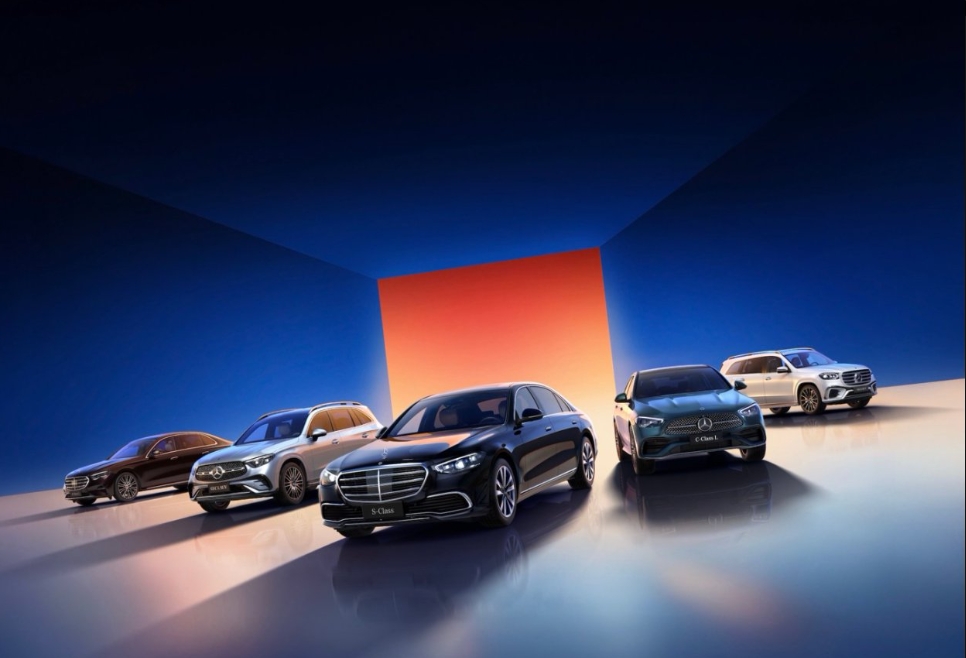
黄金税改“满月”,水贝现状如何?阵痛与新生?
Sou Hu Cai Jing· 2025-12-17 08:32
Core Viewpoint - The recent tax reform in China's gold industry, described as the "strictest in history," aims to clarify the boundaries between investment gold and jewelry gold, leading to a transformation in the market dynamics of the Shenzhen Shui Bei gold and jewelry trading market [2][4]. Group 1: Tax Reform Impact - The tax reform has redefined the investment and consumption attributes of gold, pushing the industry towards a more transparent and compliant development model [4]. - The new policy allows standard investment gold bars purchased through banks to enjoy VAT refunds, while the price gap for physical gold jewelry has widened due to tax adjustments, redirecting speculative investment back to formal financial channels [4]. - The reform is seen as an opportunity for the industry to eliminate gray market practices, with a focus on compliance and quality service, allowing businesses that adhere to regulations to thrive [4][11]. Group 2: Merchant Adaptation - Merchants in the Shui Bei market have begun to diversify their offerings, incorporating products like diamonds, silver, and jade to adapt to the new tax landscape and changing consumer preferences [7][10]. - The focus has shifted from low-cost volume sales to enhancing the design and cultural significance of gold products, with an emphasis on aesthetics and emotional value rather than just weight [10]. - Many merchants are actively improving their compliance credentials and management practices, moving away from price competition to focus on service quality and design [11]. Group 3: Market Recovery - The Shui Bei market is experiencing a gradual recovery in consumer interest, characterized by a rational return based on compliance and value enhancement rather than short-term consumption spikes [9]. - The overall market ecosystem is upgrading, with more merchants adopting compliant practices and the market management enhancing regulatory frameworks to support a secure consumer environment [11]. - The transformation in Shui Bei is viewed as a significant indicator for the future of the gold industry in China, emphasizing that sustainable growth relies on compliance, innovation, and quality service rather than merely policy advantages or price competition [11].

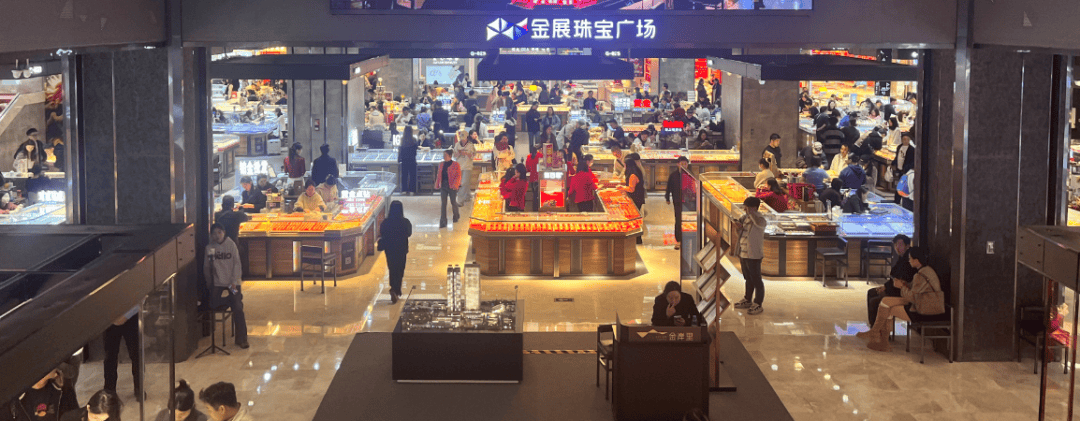
核心车型焕新重构豪华价值 段建军:奔驰还是奔驰,奔驰就是奔驰
Zhong Guo Jing Ji Wang· 2025-12-15 07:39
Core Insights - Mercedes-Benz is undergoing a significant upgrade of its core models, including the long-wheelbase C-Class, E-Class, S-Class, and various SUVs, reflecting a strategic commitment to local market demands and competitive positioning [1][11] Product Upgrades - The long-wheelbase C-Class now features the M254 2.0T engine, standard 360° intelligent parking, and heated front seats, enhancing overall value by 45,000 yuan [5] - The E-Class family has introduced the E260L classic version, with standard navigation assistance and automatic anti-glare rearview mirrors, reinforcing its position as a luxury sedan [5] - The flagship S-Class has integrated features like navigation assistance and air suspension across all models, with the new S400L special edition offering additional luxury options [7] - The GLB SUV has launched the GLB220 classic edition, enhancing its sporty appeal while maintaining practical features like intelligent navigation assistance [9] - The GLS SUV, built on the MHA platform, balances on-road comfort and off-road performance, with added luxury features in higher trims [9] Market Strategy - The automotive industry is experiencing unprecedented changes, with the luxury car market entering a phase of rational adjustment after explosive growth [11] - Mercedes-Benz's upgrades reflect a shift from "function chasing" to "value weighing," addressing the evolving preferences of consumers [13] - The company emphasizes a strategy of "value upgrades rather than price competition," aiming to expand its user base without compromising luxury attributes [15]
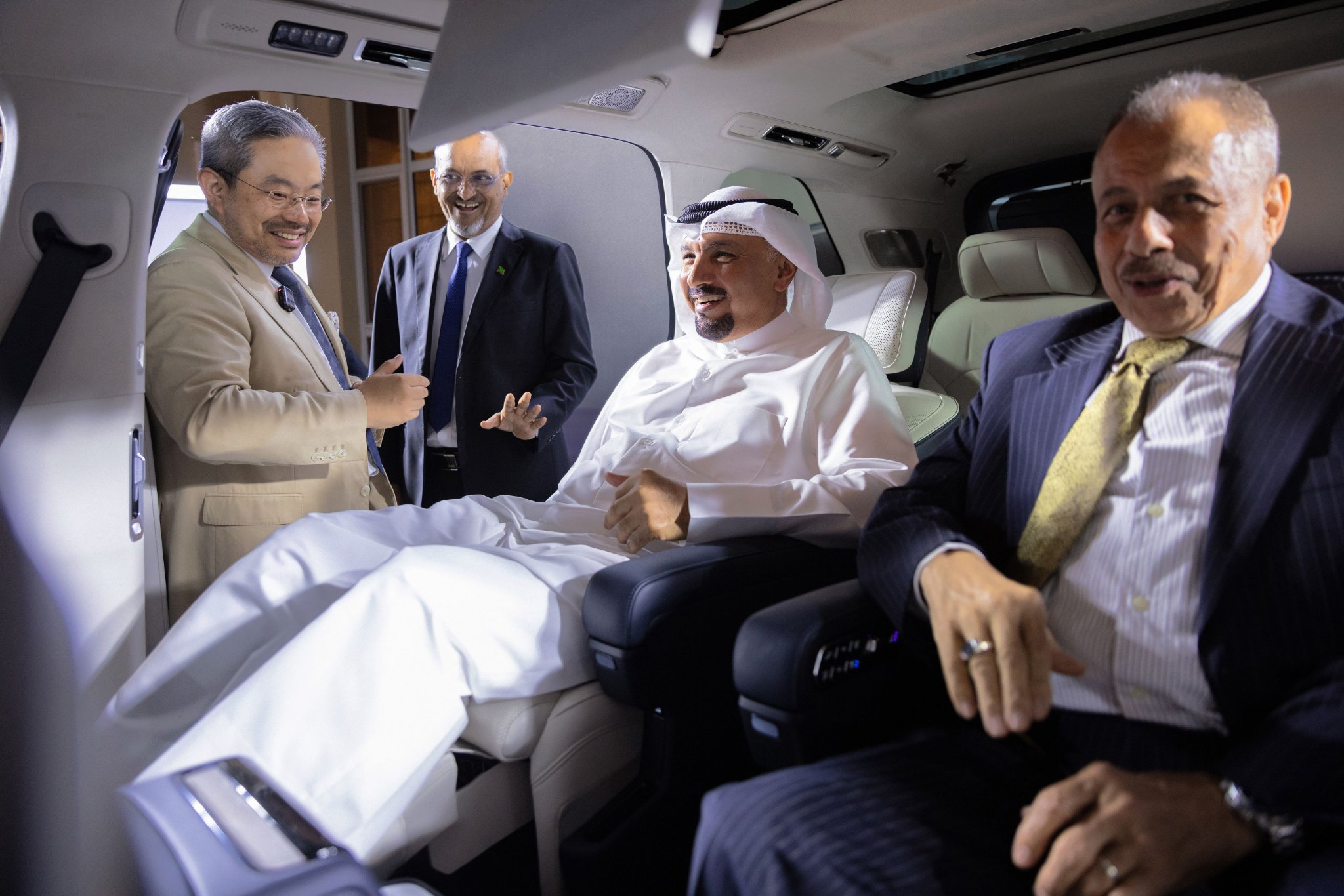
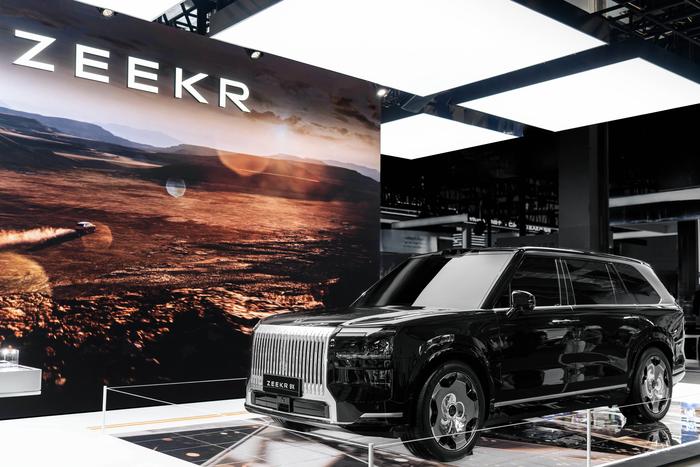
从技术领先到价值认同,极氪9X推动中国汽车迈入“旗舰时代”
Zhong Guo Jin Rong Xin Xi Wang· 2025-09-29 14:20
Core Viewpoint - The launch of the Zeekr 9X, the world's first 900V hybrid luxury SUV, marks a significant entry into the luxury market by a Chinese brand, showcasing advanced technology and strong market demand [1][3][5]. Group 1: Product Launch and Market Response - The Zeekr 9X was officially launched with a price range of 465,900 to 599,900 yuan, and within 13 minutes, it received over 10,000 pre-orders, indicating strong domestic demand [1]. - The vehicle's production capacity is currently prioritized for the domestic market, with international dealers reportedly willing to pay an additional 50,000 to 100,000 yuan for domestic orders [1]. - The pre-sale attracted attention from international dignitaries, including ambassadors from Qatar and Oman, highlighting its global appeal [1]. Group 2: Technological Innovations - The Zeekr 9X features a groundbreaking 900V high-voltage hybrid architecture, addressing common industry challenges such as short electric range and slow charging speeds [3][5]. - It boasts a 70-degree 6C hybrid battery and a maximum power output of 1,030 kW, setting records in the hybrid SUV segment [3]. - Luxury features include a 48V active stabilizer bar and a high-end Naim sound system, comparable to those found in top-tier brands like Rolls-Royce and Bentley [3]. Group 3: Strategic Positioning and Brand Identity - The Zeekr 9X aims to redefine luxury vehicle standards with its innovative technology, positioning itself as a benchmark product rather than a brand premium [5]. - The vehicle has been approved to participate in significant national aerospace missions, enhancing consumer trust in Chinese high-end manufacturing [5]. - The launch aligns with China's automotive industry shift from "scale competition" to "quality competition," emphasizing technological innovation as a pathway to brand elevation [12]. Group 4: Market Expansion and Global Strategy - The Zeekr brand has entered over 40 countries and regions, with the Zeekr 009 becoming a sales leader in specific markets, paving the way for the Zeekr 9X's global journey [8]. - Approximately 80% of pre-sale customers for the Zeekr 9X are upgrading from high-end luxury brands, indicating a shift in consumer perception towards domestic luxury vehicles [8]. - The success of the Zeekr 9X reflects a broader trend of Chinese brands gaining recognition and value in the global luxury automotive market [9].

极氪科技二季度业绩释放“提质”向上信号 综合毛利率20.6%创历史新高
Zhong Guo Jin Rong Xin Xi Wang· 2025-08-20 03:07
Core Viewpoint - Zeekr Technology has reported strong financial performance in Q2, with total revenue reaching 27.431 billion yuan and a record gross margin of 20.6%, driven by the strategic integration with Lynk & Co [1][2]. Financial Performance - Total revenue for Zeekr Technology in the first half of the year was 49.450 billion yuan, with a year-on-year growth of 14.5% in vehicle deliveries, totaling 244,900 units [2]. - The operating profit for Q2 was 285 million yuan, marking the first positive operating profit for the company [1]. - The gross margin for complete vehicles reached a historic high of 17.3%, an increase of 5.8 percentage points year-on-year [1]. Strategic Integration - The strategic integration of Zeekr and Lynk & Co has led to significant cost reductions and improved financial performance, with management expecting further benefits from scale effects [2]. - The integration has resulted in a decrease in R&D expenses, with Q1 at 2.9 billion yuan and Q2 at 2.15 billion yuan [1][2]. Market Positioning - Zeekr is positioned as a luxury technology brand, achieving a sales volume of 91,000 units in the first half of the year, a 3% increase year-on-year [2]. - The average price of Zeekr vehicles is nearly 300,000 yuan, indicating a focus on high-value offerings [5]. Product Development - Zeekr is set to launch the Zeekr 9X, a flagship luxury SUV, in August, which will feature advanced technology and assistive driving capabilities [6][7]. - The company aims to enhance its product matrix in the second half of the year, focusing on both brand elevation and user satisfaction [7]. Competitive Landscape - Zeekr has achieved a record of producing its 500,000th vehicle in just 44 months, the fastest in the global luxury electric vehicle segment [3]. - The company is competing effectively in the high-end luxury market, with its Zeekr 009 series leading in sales among MPVs priced above 400,000 yuan [5].
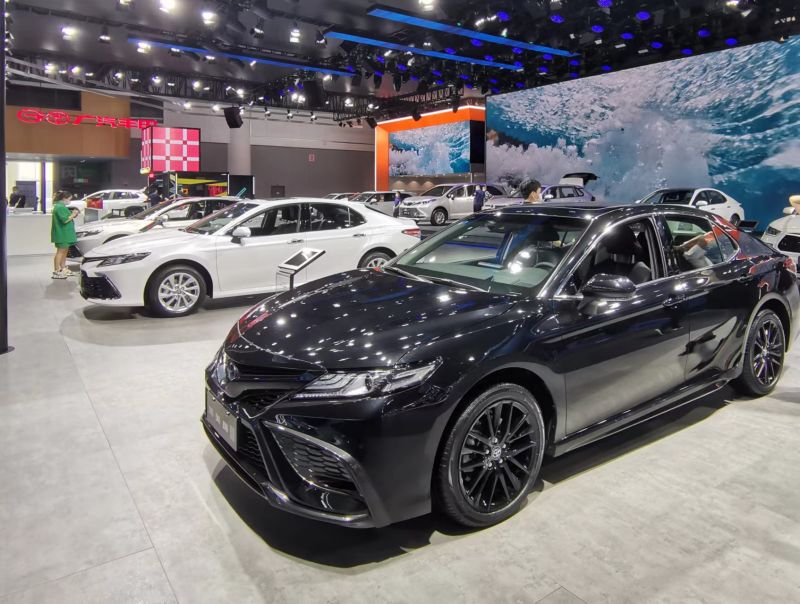
“价格战”降温!4月仅有14款车型降价,车企转向“隐性优惠”
Hua Xia Shi Bao· 2025-05-14 09:24
Core Insights - The latest data from the Ministry of Commerce indicates that as of May 11, 2025, the number of applications for the vehicle trade-in subsidy reached 3.225 million, with 1.035 million for scrapping and 2.19 million for replacement [2] - The domestic passenger car market maintained a growth rate of over 10% in April, driven by various promotional policies and incentives from local governments, automakers, and dealers [2] - In April, retail sales of new energy passenger vehicles reached 905,000 units, a year-on-year increase of 33.9%, accounting for 51.5% of the passenger car market, up 7 percentage points from the same period last year [2] Market Dynamics - The competition between traditional and new energy vehicles is intensifying, with A00 and A0 class electric vehicles showing higher cost-effectiveness under subsidies, while B-class vehicles saw only a 20% growth and a 7 percentage point decline in market share [3] - Major automakers like BYD and Geely are launching low-priced models to capture the sinking market, while mid-to-high-end brands face intense competition from models like Model Y and Xiaomi SU7 [3] - Analysts suggest that balancing scale expansion with profitability will be crucial for automakers in the second half of the year [3] Price War Trends - The price war in the automotive market is showing signs of cooling, with only 14 models seeing price reductions in April, a significant drop from 41 in April last year [4] - The promotional discount for traditional fuel vehicles was 22.2%, a slight increase from the previous month, remaining stable for 10 consecutive months [4] - The shift from "price for volume" to "value upgrade" is noted as a long-term competitive strategy among automakers, supported by government policies and market recovery [5] Sales and Inventory - In April, wholesale sales of domestic passenger vehicles increased by 10.7% year-on-year to 2.19 million units, marking the first time in history that monthly sales exceeded 2 million units [5] - The cumulative wholesale volume for the first four months reached 8.468 million units, a year-on-year increase of 11.1% [5] - Automakers are now focusing on "implicit discounts" and enhancing customer experience through improved features and services [5] Brand Performance - The market share gap between brands is widening, with mainstream joint venture brands experiencing a 3% decline in retail share, while domestic brands saw an 8% increase, reaching 65.5% [6] - In the new energy vehicle segment, domestic brands dominate with a penetration rate of 72.8%, compared to only 6.8% for mainstream joint venture brands [6] - The proportion of replacement buyers in the trade-in market has risen to 70%, while first-time buyers have decreased to 31%, indicating a shift in consumer behavior [6] Future Outlook - The automotive market is expected to see a significant increase in sales in May due to policy incentives, new car launches, and promotional events [7] - The competition among automakers is anticipated to intensify in the second half of the year, with a focus on diverse strategies to enhance product competitiveness [7] - There is a possibility of a renewed price war in the second half of the year, driven by favorable market conditions and decreasing lithium carbonate costs [7]