青花30

Search documents
2026年春糖反馈暨食品饮料最新观点:白酒筑底,大众品关注成本传导-20260327
CMS· 2026-03-27 02:33
Investment Rating - The report maintains a recommendation for the industry, indicating a positive outlook for the sector as it is expected to outperform the benchmark index [4]. Core Insights - The white liquor sector is in a bottoming phase, with a focus on cost transmission in the consumer goods segment. The industry is shifting from channel competition to consumer engagement and cultivation [8][26]. - The report highlights that 2026 will be a critical year for the industry, with an emphasis on inventory reduction and channel profit recovery in the first half, while the second half will see a transition towards consumer-centric strategies [9][19]. Summary by Sections Overall Feedback from Spring Sugar 2026 - The Spring Sugar event saw fewer participating companies and personnel compared to previous years, with major brands like Moutai and Wuliangye canceling events, indicating a shift in focus towards consumer operations and brand value [8][9]. - The white liquor sector is experiencing increased differentiation in sales performance, with stable pricing and cautious but calm sentiments among distributors. The expectation is for a stabilization year in 2026, with a focus on inventory management and profit recovery [10][11]. White Liquor Sector - Sales performance is showing signs of differentiation, with Moutai stabilizing and Wuliangye expected to follow suit. The overall sentiment is that the sector is still in a bottoming process, with a focus on inventory reduction and profit recovery [10][12]. - The report anticipates that 2026 will be a year of price stabilization, with major brands not setting aggressive sales targets, leading to improved cash flow for distributors [10][19]. Consumer Goods Sector - The report notes improvements in the restaurant chain sector, slight growth in dairy products, and continued stability in beverages and snacks. Key players in the restaurant chain are expected to see operational improvements in Q1 2026 [11][12]. - Dairy product companies like Mengniu and Yili are projected to experience single-digit growth in shipments, while beverage leaders like Nongfu Spring are expected to maintain robust growth [12][19]. Investment Recommendations - The report suggests focusing on cyclical improvements in the restaurant chain sector, recommending companies such as Haitian Flavoring and Yihai International. It also highlights the potential for recovery in the dairy sector with companies like Yili and Mengniu [26]. - In the beverage sector, Nongfu Spring is recommended due to its strong performance and favorable valuation outlook for 2026 [26]. Company-Specific Feedback - Wuliangye is expected to stabilize in 2026, with a focus on inventory management and pricing strategies. The company has seen significant growth in sales compared to previous years [13][19]. - Moutai's pricing strategy and inventory management are expected to support its market position, with a focus on maintaining stable prices and improving distributor confidence [19][22].




食品饮料行业周报-春节跟踪:茅五和部分中低端价格带超预期增长,汾酒整体表现平稳
China Post Securities· 2026-02-24 01:25
Industry Investment Rating - The industry investment rating is "Outperform the Market" and is maintained [2] Core Viewpoints - During the Spring Festival, national catering and retail consumption showed steady growth, with holiday consumption potential continuing to be released. According to the Ministry of Commerce, the average daily sales of key retail and catering enterprises during the first four days of the Spring Festival in 2026 increased by 8.6% compared to the same period in 2025 [5][19] - The performance of Moutai and Wuliangye, as well as some mid-to-low-end price segments, exceeded expectations, while the overall performance of Fenjiu remained stable [15][19] Summary by Relevant Sections 1. Weekly Viewpoints - Moutai and mid-to-low-end liquor sales during the Spring Festival showed growth, while sub-premium liquor continued to face pressure. Moutai's repayment progress slightly exceeded the same period last year, and Wuliangye's repayment progress remained stable [15][6] - The mid-to-low-end liquor segment is expected to achieve double-digit growth during the Spring Festival, while high-end liquor sales are under pressure [15][6] 2. Industry Performance - The food and beverage sector experienced a decline, with the Shenwan Food and Beverage Industry Index (801120.SL) dropping by 2.51% during the week of February 9 to February 14, ranking 29th among 30 Shenwan primary industries [20] - All sub-sectors within the food and beverage industry saw declines, with meat products, health products, and baked goods experiencing relatively smaller drops [20] 3. Key Company Announcements - Luzhou Laojiao announced that the number of restricted stock units eligible for release is 1,962,814 shares, accounting for 0.1333% of the company's total share capital [29] - Miaokelan Duo signed a memorandum with SADAFCO to explore the market for children's cheese snacks in Saudi Arabia [29] 4. Important Industry News - The Ministry of Commerce announced anti-subsidy measures for EU companies, with rates ranging from 7.4% to 11.7%, effective from February 13, 2026 [31] - Kangshifu launched a new product, Kangshifu Ice Red Tea Energy, entering the energy drink market [31] 5. Industry Chain Data Tracking - As of February 10, 2026, wheat prices were 2,510.8 RMB/ton, up 6.45% year-on-year, while pork prices were 18.08 RMB/kg, down 11.63% year-on-year [34][36]



2026年第7周:酒行业周度市场观察
艾瑞咨询· 2026-02-19 00:05
Group 1 - The white liquor industry is experiencing a structural adjustment characterized by "reduced volume, lower prices, and shrinking profits," despite surface-level prosperity expected in 2025 [3][4] - High-priced low-alcohol liquor is seen as a trap, as it may weaken the social attributes of liquor consumption, while the trend of light bottle liquor should focus on cost-effectiveness [3] - The market is shifting from extensive growth to a consumer-centric approach, requiring companies to meet differentiated demands accurately [4] Group 2 - The 2026 Spring Festival will see a late start in sales, with a shift in consumption scenarios from business banquets to family gatherings and self-drinking [5] - Price differentiation is evident, with stable demand for mid-range liquor (50-350 RMB) and volatility in high-end liquor (above 600 RMB) [5] - The market is adjusting, leading to product structure optimization and improved channel efficiency, laying a foundation for long-term industry development [5] Group 3 - Over the past decade, the Chinese liquor industry has undergone a significant supply-demand revolution, with white liquor production down 74% and beer production stabilizing at 35 million kiloliters [6] - The industry is transitioning from scale expansion to value competition, with leading companies maintaining resilience while smaller players exit the market [6] - The concentration in the white liquor industry is accelerating, with the number of large-scale enterprises decreasing by 43.8% [6] Group 4 - The white liquor industry is undergoing a transformation with new brand ambassadors aimed at enhancing brand positioning and attracting younger consumers [7] - This shift reflects a response to market competition and consumer differentiation, promoting brand rejuvenation and cultural storytelling [7] Group 5 - Female consumers are becoming a significant driving force in liquor consumption, with brands like Jinjiu and Wuliangye seeing substantial growth in female users [8] - The rise of female consumption is attributed to social and economic changes, necessitating higher demands on marketing strategies and product innovation [8] Group 6 - The white liquor market is experiencing price fluctuations ahead of the Spring Festival, with brands like Feitian Moutai seeing price increases due to strong demand [9] - Despite promotional efforts, actual sales growth remains limited, indicating a "busy season not being busy" characteristic in the market [9] Group 7 - The white liquor production is expected to continue declining, with a 12.1% year-on-year decrease projected for 2025, marking a 74% drop from peak levels in 2016 [10] - The industry is entering a deep adjustment phase, focusing on "reducing quantity while improving quality" and optimizing structure [10] Group 8 - The industry is witnessing a return to product-centricity, with new demands for low-alcohol and health-oriented products emerging from various consumer segments [11] - The 2026 China Liquor Annual Product Festival aims to promote high-quality development centered around product innovation [11] Group 9 - Leading liquor companies are emphasizing consumer-centric strategies through scene innovation to deepen emotional connections with consumers [12] - Successful scene innovation requires sincerity and alignment with brand core values, focusing on consumer emotional resonance [12] Group 10 - Guizhou Dukang is accelerating its national strategy with the opening of a cultural museum in Nanjing, aiming to strengthen its brand presence in the Jiangsu market [28] - The company is leveraging its cultural IP and diverse product strategies to enhance competitiveness in the liquor market [28]


酒神少年时
Xin Lang Cai Jing· 2025-12-22 14:11
Core Viewpoint - The narrative revolves around the relationship and interactions between the author and Fu Yuehui, highlighting themes of friendship, literary connections, and personal growth through shared experiences and conversations over time [4][12][25]. Group 1: Personal Interactions - The first meeting between the author and Fu Yuehui took place on a yacht, where Fu chose not to drink due to having just received a vaccine [4][5]. - Fu's character is depicted as thoughtful and supportive, as he encourages the author during their interactions, emphasizing the importance of cherishing one's talent [25]. - The author reflects on their evolving relationship, noting that they initially had limited interactions but grew closer through shared literary interests and mutual support [14][24]. Group 2: Literary Themes - The narrative includes discussions about literature, with Fu Yuehui being portrayed as a dedicated editor who takes a personal interest in the author's work [5][14]. - Conversations often touch on the struggles and joys of writing, illustrating the challenges faced by authors in the literary world [24]. - The author recalls significant moments from their past, linking them to the present and emphasizing the continuity of experiences across generations [9][25]. Group 3: Cultural Context - The setting includes various locations in China, such as Shanghai and Shanxi, which contribute to the cultural backdrop of the narrative [4][6]. - Food and drink play a significant role in the interactions, symbolizing camaraderie and the sharing of experiences among friends [10][24]. - The narrative reflects on traditional values and familial connections, particularly through the author's memories of their grandfather, which adds depth to the exploration of personal history [9][25].

千年汾酒的“青春配方”:以品质为基,以创新为径,破圈年轻消费市场
Sou Hu Cai Jing· 2025-12-19 11:07
Core Viewpoint - The transformation of Fenjiu is a systematic "youthful" change that emphasizes quality, product innovation, and sustainable development, aiming to resonate with the Z generation's pursuit of individuality, health, and experience [2] Group 1: Historical and Cultural Significance - Fenjiu, with a 6000-year brewing history, is positioned as the "source of national liquor" and is undergoing a profound transformation to engage younger consumers [2] - The traditional brewing process of Fenjiu, characterized by "pure and clear" qualities, is now integrated into a modern food safety control system that ensures transparency from production to consumption [3] Group 2: Product Innovation - Fenjiu is focusing on product innovation by simplifying and refining its offerings, such as discontinuing the high-end "Qinghua 20" and lowering the price of "Qinghua 30" to cater to rational consumers [4] - The company is developing new product lines that align with younger consumers' preferences for lighter, more palatable drinks, including a new series that emphasizes fruit, floral, and herbal flavors [4][5] - The introduction of the "Fenxiang Youth" 28-degree product line aims to break traditional packaging norms, offering stylish small bottles and convenient "pocket liquor" options [4][5] Group 3: Consumer Engagement and Communication - Fenjiu is redefining consumption scenarios by expanding its product use from traditional gifting to casual gatherings and outdoor activities, enhancing the overall drinking experience [5] - The use of QR codes on bottles allows consumers to trace the product's origins and production process, creating an interactive experience that appeals to the Z generation's desire for authenticity [5] - The launch of the "Qinghua Fenjiu 25·Huashenling" integrates traditional culture with modern aesthetics, showcasing the brand's innovative approach [5] Group 4: Strategic Framework and Emotional Connection - The youthful transformation of Fenjiu is a comprehensive strategy that encompasses product, culture, channels, and communication, aiming for value co-creation and emotional resonance with younger consumers [6] - The brand encourages young consumers to transition from mere buyers to active participants and co-creators through community engagement and feedback mechanisms [6] - Fenjiu's rich historical culture is being transformed into relatable stories and experiences, connecting with contemporary trends and lifestyles [6][7] Group 5: Balancing Tradition and Innovation - Fenjiu emphasizes that being a time-honored brand involves not resting on past laurels but innovating while respecting tradition, ensuring that its legacy remains relevant to modern consumers [7] - The company aims to bridge the gap between traditional craftsmanship and contemporary life, fostering a lasting connection with each generation of consumers [7]
汾酒销售“一把手”张永踊:巩固青花 老白汾要突破性扩张
2 1 Shi Ji Jing Ji Bao Dao· 2025-12-04 13:29
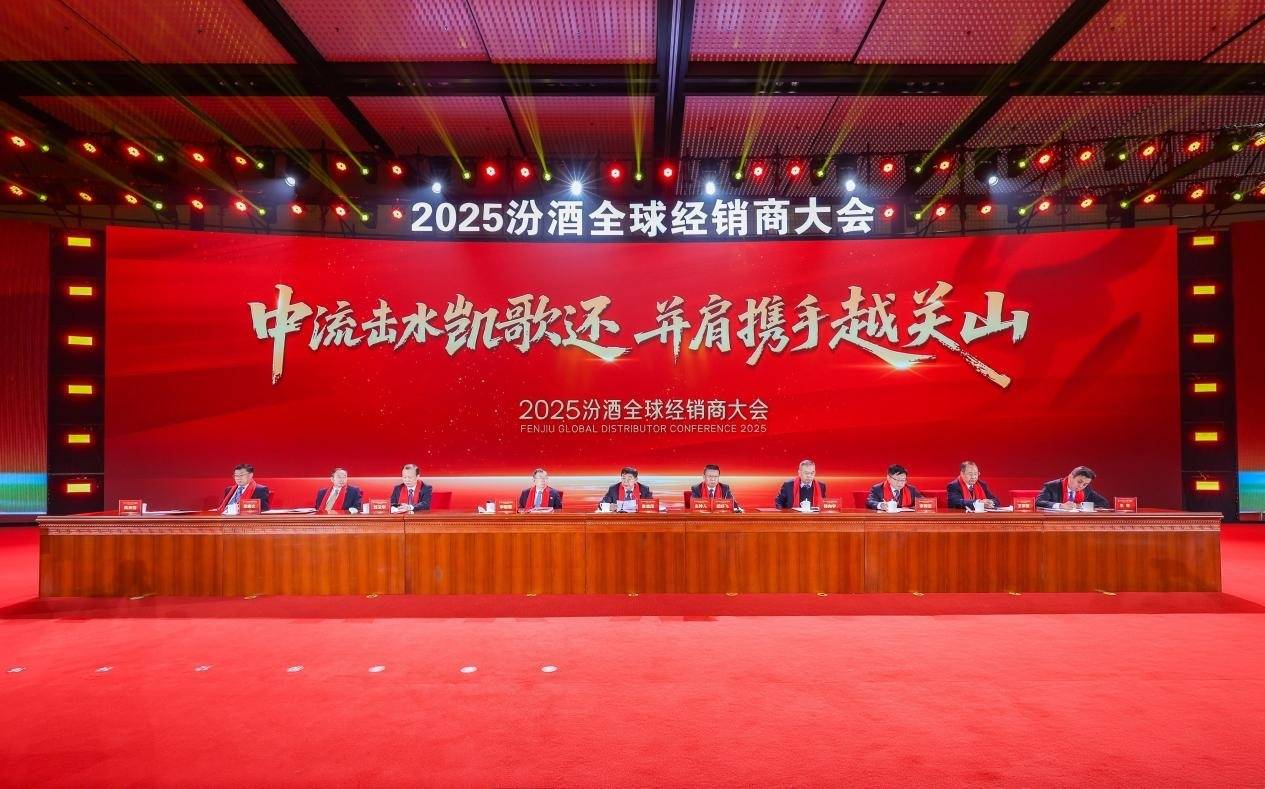
Core Insights - Shanxi Fenjiu is focusing on the "Old Bai Fen" product as a key growth driver during the "14th Five-Year Plan" period, aiming for significant market expansion in central, eastern, and southern China [1][2] - The company has set ambitious targets for its major products, including "Old Bai Fen," which is currently underperforming compared to its other series [1][2] - The management acknowledges the need for improvement in brand collaboration and market penetration for high-end products [3] Group 1 - "Old Bai Fen" is identified as a crucial growth area, with plans to enhance its market presence and achieve breakthrough expansion [1] - The company reported a decline in "Old Bai Fen" sales this year, but other products like "Glass Fen" have shown double-digit growth, helping maintain overall revenue growth [2] - The management emphasizes the importance of respecting market realities and consumer needs in the high-end liquor segment, which is facing supply-demand imbalances [2] Group 2 - For 2026, the company aims to implement "four continuous promotions" and "five unwavering commitments" to enhance its market strategy [3] - The management has identified four key areas for improvement, including brand synergy, market penetration of high-end products, aggressive category strategies, and optimization of distribution processes [3] - The "Zhuyeqing" brand is a significant part of the company's strategy, focusing on core consumer groups and product innovation [3][4] Group 3 - The main brand has initiated the "Fen Enjoy Youth" project, which includes the development of over ten new product designs aimed at younger consumers [4]
山西汾酒(600809):夯实基础,行稳致远:山西汾酒(600809):2025年全球经销商大会点评
Huachuang Securities· 2025-12-03 08:15
Investment Rating - The report maintains a "Strong Buy" rating for Shanxi Fenjiu [1][6] Core Insights - The company has established a solid foundation for steady growth, with effective order management and a focus on product innovation and market expansion [6] - The company aims to enhance its brand synergy and improve its marketing strategies to better adapt to market demands and consumer preferences [6] - The financial outlook remains positive, with projected revenue growth and stable profit margins, despite some challenges in brand collaboration and market competition [6] Financial Summary - Total revenue is projected to reach 36,011 million in 2024, with a growth rate of 12.8%, and is expected to grow to 40,011 million by 2027 [2] - Net profit attributable to shareholders is forecasted to be 12,243 million in 2024, remaining stable in 2025, and then increasing to 13,282 million by 2027 [2] - Earnings per share (EPS) is estimated at 10.04 in 2024, with slight declines in 2025 and 2026, before rising to 10.89 in 2027 [2] Market Performance - The company has shown resilience in maintaining market order and channel management, which is expected to help it navigate through economic cycles effectively [6] - The stock's target price is set at 285 yuan, compared to the current price of 192.16 yuan, indicating significant upside potential [2][6] Strategic Outlook - The company plans to focus on four key areas: national expansion, youth engagement, internationalization, and precise consumer service [6] - Product innovation and marketing strategies will be enhanced to attract younger consumers and improve brand visibility [6] - The company is committed to maintaining market order and ensuring channel cooperation, which is crucial for sustaining growth in a competitive environment [6]
汾酒正在修复“汾酒速度”后遗症
阿尔法工场研究院· 2025-12-01 00:06
Core Viewpoint - The restructuring of Shanxi Fenjiu's sales system, including the appointment of a dedicated chairman and the clarification of executive responsibilities, is a strategic response to previous governance issues and aims to enhance operational efficiency and market competitiveness [2][10][19]. Management Changes - Zhang Yongyong has been appointed as the chairman of the Fenjiu Sales Company, with Qiao Yuxing as the general manager, marking a significant shift in the company's leadership structure [3][4]. - Both Zhang and Qiao have extensive experience within the Fenjiu system, having held various marketing and management positions over the years [4][5]. Historical Context - The previous leadership under Li Jun faced scrutiny due to allegations of corruption, leading to a lack of transparency and concentrated power within the sales company [5][9]. - Li Jun's absence from key meetings and subsequent investigation raised concerns about governance and operational integrity, prompting the need for structural changes [5][9]. Market Dynamics - Fenjiu has experienced rapid growth in recent years, but the market is shifting from expansion to managing existing inventory, creating pressure on sales channels [11][13]. - The company faces challenges such as high inventory levels and price fluctuations, which could impact its competitive positioning in the market [13][14]. Strategic Focus - The new leadership aims to shift the focus from rapid sales growth to improving inventory management and optimizing sales quality, addressing the structural issues that have emerged [14][15]. - The restructuring is seen as a proactive measure to stabilize the sales network and ensure sustainable growth amid changing market conditions [10][22]. Industry Context - The white liquor industry is entering a period of deep adjustment, with competition increasingly focused on channel control rather than brand promotion [18][19]. - The governance structure of state-owned liquor companies often involves a dual oversight mechanism, balancing political and market demands [19][20]. Future Outlook - The success of Fenjiu's restructuring will be critical in determining its ability to maintain price stability and brand value, especially in the southern markets where consumer preferences are still developing [22]. - The company's ability to manage inventory while supporting high-end product pricing will be a key indicator of the effectiveness of the recent governance changes [22].

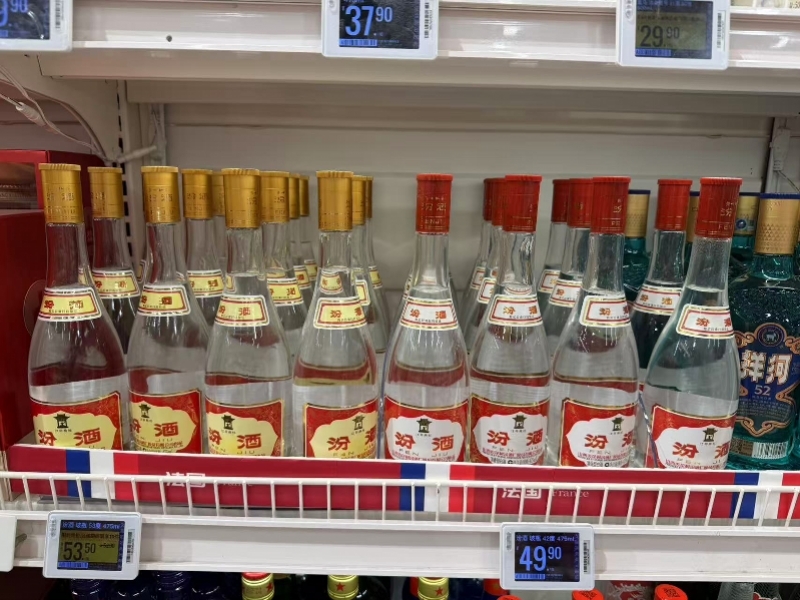
光瓶酒逆势预涨超10%
Nan Fang Du Shi Bao· 2025-11-06 23:10
Core Viewpoint - The Chinese liquor industry is undergoing a deep adjustment period, while the light bottle liquor segment is experiencing strong growth, with products like Guo Fen from Shanxi Fenjiu showing over 10% sales growth in the first three quarters of the year, indicating a shift in consumer preferences from "face consumption" to "substance consumption" [1][2]. Industry Overview - The market size of light bottle liquor has grown from 35.2 billion yuan in 2013 to over 150 billion yuan in 2024, with projections to exceed 200 billion yuan by 2025, reflecting a compound annual growth rate of 13.8% from 2013 to 2021 [1][2]. Company Performance - Shanxi Fenjiu is one of the few companies showing growth, with a reported revenue of 32.924 billion yuan in the first three quarters of the year, a 5% increase year-on-year, and a net profit of 11.405 billion yuan, a slight increase of 0.48% [1][2]. Product Contribution - The Guo Fen product line has been a significant contributor to Shanxi Fenjiu's growth, with analysts noting that it achieved over 10% growth in the first three quarters, contrasting with the declining sales of many other products [2][3]. Competitive Landscape - The rapid growth of the light bottle liquor market has attracted numerous companies to increase their investments in this segment, with brands like Yanghe and Luzhou Laojiao launching new products aimed at capturing market share [3][4]. Market Dynamics - Despite overall growth in the light bottle liquor market, there is increasing differentiation among brands. Traditional brands like Niulanshan are facing significant challenges, with reported revenue declines of nearly 20% year-on-year [4][5]. Consumer Trends - The shift in consumer behavior is evident, with younger consumers moving from luxury packaging to a focus on quality and cost-effectiveness, prompting companies to adapt their strategies to meet the demand for high-value products [3][6]. Future Outlook - The light bottle liquor segment is expected to continue expanding, but competition is intensifying, leading to a clear differentiation among brands. Companies that can adapt to changing consumer preferences and market conditions are likely to thrive [6][7].
预计逆势涨超10%!消费风向变了,光瓶酒成了“香饽饽”?
Nan Fang Du Shi Bao· 2025-11-05 10:29
Core Viewpoint - The overall performance of the liquor industry, particularly the baijiu sector, is declining, with only a few companies like Guizhou Moutai and Shanxi Fenjiu showing slight growth, while the majority face significant revenue drops [1][2]. Industry Overview - In the third quarter of 2025, 20 listed baijiu companies reported their earnings, with only Guizhou Moutai and Shanxi Fenjiu achieving minor increases, while 18 others experienced varying degrees of decline [1]. - The baijiu industry is undergoing a deep adjustment period due to changing consumer environments and high channel inventories [1]. Market Trends - Despite the overall downturn, the light bottle liquor segment is experiencing robust growth, with products like Shanxi Fenjiu's Guo Fen showing over 10% sales growth in the first three quarters [1][5]. - The market size of light bottle liquor has expanded from 35.2 billion yuan in 2013 to over 150 billion yuan in 2024, with projections indicating it will surpass 200 billion yuan in 2025 [1][5]. Company Performance - Shanxi Fenjiu reported a revenue of 32.924 billion yuan in the first three quarters of 2025, marking a 5% year-on-year increase, with a net profit of 11.405 billion yuan, a slight increase of 0.48% [2]. - The growth in Shanxi Fenjiu's performance is attributed to its light bottle products, particularly Guo Fen, which has shown significant sales increases [2][5]. Competitive Landscape - The rapid growth of the light bottle liquor market has prompted many liquor companies to increase their investments in this segment, with notable entries from Yanghe and other brands [6][8]. - Analysts indicate a shift in consumer preferences from luxury packaging to quality and cost-effectiveness, driving the growth of light bottle liquor [8]. Market Challenges - Despite the overall growth in the light bottle liquor market, there is increasing differentiation among brands, with traditional brands like Niulanshan facing severe challenges [10][12]. - Niulanshan's revenue dropped by 19.79% to 5.869 billion yuan in the first three quarters, with a net profit decline of 79.85% [10][12]. - The competitive landscape is intensifying, with many companies facing challenges due to changing consumer habits and market dynamics [13][16].