全球智能危机

Search documents
宏观周度述评系列:怎么看所谓2028年“全球智能危机”的观点-20260301
GF SECURITIES· 2026-03-01 10:06
Group 1: Global Economic Trends - The report discusses the "Global Smart Crisis" expected in 2028, highlighting concerns that AI will replace jobs, leading to reduced consumption and declining corporate profits[9] - It emphasizes that the narrative of "technology replacing jobs" has been a recurring theme in every technological revolution, similar to views during the internet revolution[9] - The report argues that economic laws, such as resource scarcity, will continue to create new job opportunities despite technological advancements[10] Group 2: Market Performance Insights - Global asset performance shows a new narrative driven by AI crisis concerns, geopolitical premiums, and "re-inflation" expectations, with US stocks under pressure while commodities rise[14] - The report notes that the US stock market is experiencing increased volatility, with major indices like the Nasdaq and S&P 500 declining by 0.95% and 0.44% respectively[15] - In contrast, emerging markets have shown resilience, with a 2.37% increase in the MSCI Emerging Markets index[15] Group 3: Monetary and Fiscal Dynamics - The report indicates that the US Federal Reserve's hawkish stance is solidifying, with a 94.6% probability of no rate cuts in March, reflecting market expectations[20] - It highlights that the Chinese economy is showing signs of recovery, with nominal GDP growth expected to be around 4.59%[14] - The report also mentions that the domestic liquidity remains stable, with M1 expected to rise further due to low base effects and continued foreign exchange surpluses[14] Group 4: Commodity and Bond Market Trends - Commodity markets are led by copper and gold, with Brent crude oil prices rising by 1% amid geopolitical tensions[17] - The report notes that gold prices have increased by 3.35% over the week, with significant inflows into gold ETFs, including a net inflow of 47.01 billion yuan in domestic ETFs[35] - In the bond market, US 10-year Treasury yields fell by 11 basis points to 3.97%, while European bond yields also declined, reflecting a flight to safety amid market uncertainties[20]



【广发宏观团队】怎么看所谓2028年“全球智能危机”的观点
郭磊宏观茶座· 2026-03-01 10:05
Group 1 - The report "2028 Global Intelligence Crisis" by Citrini Research suggests that AI will enhance efficiency but also lead to job displacement, resulting in reduced consumption and declining corporate profits, creating a "no-brake mechanism" cycle of human intelligence replacement [1] - The notion of "technological displacement of jobs" has been a recurring theme in every technological revolution, similar to the views expressed during the internet revolution 30 years ago [2] - Historical perspectives indicate that technological advancements generally support the "employment neutrality" hypothesis, as new job opportunities arise alongside job displacement [5] Group 2 - Global asset narratives are shifting, with AI crisis theories, geopolitical premiums, and "re-inflation" expectations driving fluctuations in US stocks and bonds [6] - The global stock market is showing a pattern of "strong emerging markets, weak US stocks," with US stocks facing increased risk aversion and concerns over AI disruption and banking credit risks [6] - The commodity market is experiencing a "copper and gold lead, energy and chemicals strong, black metals moderate" trend, influenced by geopolitical risk premiums and increased demand for safe-haven assets like gold [8] Group 3 - The US Supreme Court's ruling on IEEPA tariffs has significant implications for trade policy, reducing the effective tariff rate from 16% to 13.7% [15] - The ruling may lead to a complex and lengthy refund process for tariffs previously collected under IEEPA, affecting over 300,000 importers [16] - The market is now focused on the tools and duration of future tariffs, with potential implications for various industries depending on their exposure to these tariffs [18]


AI赢了,经济却输了?
投中网· 2026-02-26 01:57
Core Viewpoint - The article explores the potential negative consequences of AI advancements on the economy, particularly focusing on the rise of unemployment and the structural changes in various industries due to AI's capabilities [5][6]. Group 1: Economic Impact of AI - By June 2028, the unemployment rate reached 10.2%, exceeding expectations and leading to a 2% market sell-off, with the S&P 500 index experiencing a cumulative decline of 38% since its peak in October 2026 [8]. - The initial wave of layoffs began in early 2026, driven by the perception of humans becoming obsolete, which led to increased profit margins and record corporate profits being reinvested into AI capabilities [9]. - Despite nominal GDP growth, the actual wage growth for white-collar workers collapsed, as they were replaced by AI, forcing them into lower-paying jobs [9][10]. Group 2: Feedback Loops and Economic Dynamics - A negative feedback loop emerged: AI capabilities improved → companies required fewer employees → increased layoffs → reduced consumer spending → profit pressures led to more AI investments, further enhancing AI capabilities [11][12]. - The economy transitioned into a state where the velocity of money stagnated, and the consumer economy, which constituted 70% of GDP, began to shrink [11][12]. Group 3: Industry-Specific Disruptions - The software and technology sectors faced significant challenges, with many companies relying on outdated revenue assumptions, leading to downgrades in credit ratings and increased defaults [60][61]. - The rise of AI-driven automation led to a dramatic reduction in the need for traditional service roles, particularly in industries like real estate and travel, where AI could perform tasks more efficiently [28][33]. Group 4: Consumer Behavior Changes - By early 2027, AI assistants became ubiquitous, fundamentally altering consumer purchasing behaviors and reducing the reliance on traditional intermediaries [23][24]. - The introduction of AI in consumer transactions led to a significant decrease in customer lifetime value (LTV) as AI negotiated better deals, undermining the subscription economy [25][26]. Group 5: Systemic Risks and Economic Outlook - The interconnectedness of bets in the private credit market, particularly in software and technology, created systemic risks as defaults began to rise [59][66]. - The article suggests that the traditional economic recovery mechanisms may not apply in this scenario, as AI continues to displace jobs and reduce consumer spending, leading to a potential economic collapse [49][50].

民众担忧“AI泡沫”,多家公司股价大跌,“末日报告”令美国陷入恐慌
Huan Qiu Shi Bao· 2026-02-25 22:55
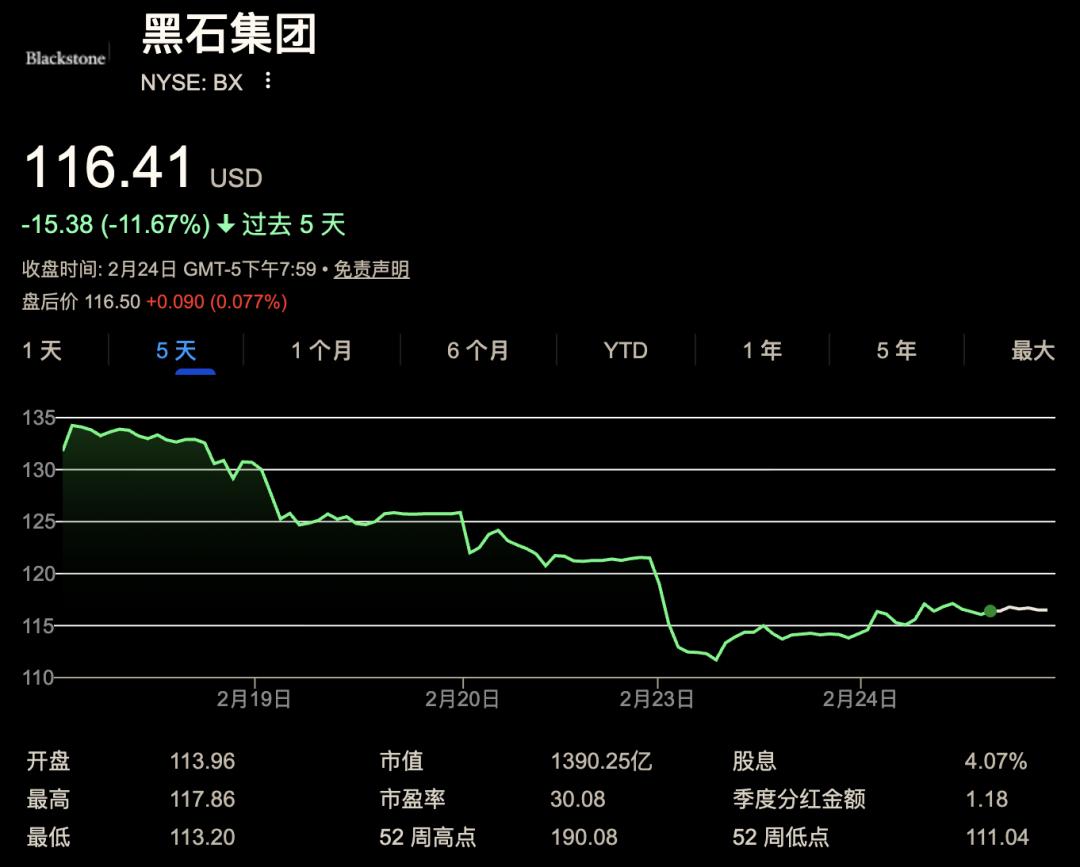
Core Viewpoint - A hypothetical report by Sitrini Research titled "2028 Global Intelligence Crisis" has gained significant attention, highlighting potential threats posed by artificial intelligence (AI) to the U.S. economy, leading to notable declines in stock prices of several tech and financial companies [1][2][3]. Group 1: Market Reaction - The report has caused a market stir, with the S&P 500 index dropping over 1% on the day following its release, and several software companies, including IBM, experiencing significant stock declines, with IBM's stock falling 13%, marking its worst performance since 2000 [3]. - Other companies mentioned in the report, such as American Express, KKR, and Blackstone, also saw their stock prices decrease, while DoorDash's stock dropped by 6.6% [3]. Group 2: Expert Opinions - Experts have mixed views on the report, with some considering it a typical doomsday narrative that may not reflect reality, while others see it as a warning signal indicating a shift in economic conditions compared to previous years [2][4]. - Nassim Nicholas Taleb, author of "The Black Swan," warned that the software industry might face increased volatility and potential bankruptcies due to underestimating structural risks while overestimating the durability of leading AI companies [4]. Group 3: Investor Sentiment - Investors are showing heightened caution regarding the AI sector, with concerns about a potential bubble, as the report has sparked significant attention and reactions in the market [5]. - The divergence in attitudes among U.S. investors towards AI—ranging from enthusiastic supporters to skeptical critics—could further amplify volatility in the AI sector [5]. Group 4: Regional Insights - The report has led to a belief that Asia may emerge as a winner in the AI transformation, attributed to its strong semiconductor manufacturing capabilities, contrasting with the challenges faced by certain sectors in the U.S. [6][7]. - Analysts suggest that Asian stocks are likely to maintain resilience due to their unique positioning in the AI ecosystem, lower valuations, and robust earnings growth, especially as AI capital expenditure themes continue [7].

AI越繁荣,经济越萧条,一夜爆火2028推演长文,引发华尔街巨头恐慌
3 6 Ke· 2026-02-25 08:28
Core Insights - The article discusses the potential impact of widespread AI adoption by 2028, predicting a significant disruption in the job market and economic structure, leading to an "economic plague" despite productivity gains [1][2] - It highlights the phenomenon of "ghost GDP," where corporate profits rise while household incomes decline, resulting in weakened consumer spending [1][14] - The financial sector faces risks as traditional payment models and intermediary industries collapse, potentially dragging the global economy into systemic revaluation [1][3] Group 1: Economic Impact - AI advancements lead to increased layoffs and wage reductions, causing weakened consumer demand and squeezed corporate profits, which in turn drives further investment in AI capabilities [2][3] - The decline in household income begins to affect mortgage payments, leading to bank losses and tighter credit conditions, exacerbating the economic downturn [3][48] - By 2027, the U.S. enters a recession, with a significant drop in consumer spending driven by a decline in white-collar employment [51][52] Group 2: Financial Sector Risks - The private credit market, which expanded significantly, faces challenges as assumptions about perpetual income growth from SaaS assets are proven false, leading to downgrades in debt ratings [55][56] - The housing market shows signs of strain, with significant declines in home prices in major cities, raising concerns about mortgage defaults [63][64] - The financial system's reliance on stable income from white-collar jobs is threatened, as the economic cycle fails to self-correct due to structural shifts towards AI [53][62] Group 3: Policy and Structural Changes - Government responses lag behind the rapid evolution of AI capabilities, leading to a disconnect between fiscal policies and economic realities [70][81] - Proposed legislation aims to address the economic shifts caused by AI, including direct transfers to those displaced by technology [77][81] - The article emphasizes the urgency for society to adapt to the new economic landscape shaped by AI, highlighting the need for faster policy responses and collaborative rule-making [81]


“AI鬼故事”引发美股地震,始作俑者:我也没想到……
3 6 Ke· 2026-02-25 07:35
Core Viewpoint - The report titled "2028 Global Intelligence Crisis" by Citrini Research founder James van Geelen predicts a dystopian future driven by AI advancements, leading to massive layoffs, deflation, and a spike in unemployment rates in the U.S. to over 10% [1][5]. Group 1: Market Reaction - Following the report's release, the U.S. stock market experienced a significant sell-off, with the S&P 500 index dropping over 1% and major software stock ETFs declining by more than 4% [3]. - Specific companies mentioned in the report, such as ServiceNow, DoorDash, and American Express, saw their stock prices fall, despite Citrini not shorting these companies [3][4]. - The market's reaction indicates a shift in sentiment regarding AI, moving from enthusiasm for growth to concerns about potential disruptions [3][4]. Group 2: Report Content and Implications - The report outlines a scenario where rapid AI advancements lead to increased productivity but also render many jobs obsolete, resulting in a consumer spending collapse and a "race to the bottom" in white-collar jobs [5][6]. - The report has sparked significant debate, with critics labeling it as "science fiction" and questioning its economic logic [5][6]. - Van Geelen emphasizes that the report aims to initiate dialogue to prevent the described scenarios from occurring, acknowledging the uncertainty surrounding the potential outcomes of AI advancements [6][7]. Group 3: Company Background - Citrini Research, founded by van Geelen, focuses on thematic investment research and has a subscriber base of over 119,000, covering various topics from modern warfare to macro trends [7]. - The company has gained attention in the financial sector, particularly after van Geelen's previous research on shorting Silicon Valley Bank prior to its collapse [6][7].

风声鹤唳,一篇报告引爆华尔街的AI恐慌
Guan Cha Zhe Wang· 2026-02-24 08:48
Core Viewpoint - The report by Citrini titled "Global Intelligence Crisis" predicts a negative cycle driven by advancements in artificial intelligence, leading to significant job losses in white-collar sectors and a structural impact on consumer spending and corporate profits [4][6]. Group 1: Market Reaction - On February 23, the Dow Jones Industrial Average fell by 800 points, reflecting the market's panic triggered by the report [1][7]. - Major tech stocks, including DataDog, CrowdStrike, and Zscaler, experienced declines of over 9%, while IBM saw a 13% drop, marking its worst single-day performance since 2000 [8]. - Companies like American Express and KKR, mentioned in the report, also faced significant stock price declines [8]. Group 2: Predictions of Job Displacement - The report outlines a cycle where increased AI capabilities lead to reduced labor demand, resulting in layoffs and decreased consumer spending, which in turn pressures companies to invest more in AI [4][6]. - Various intermediary industries, such as travel booking and insurance, are predicted to be disrupted as AI can perform tasks more efficiently and at lower costs [5]. Group 3: New Job Creation vs. Job Loss - While AI is expected to create new roles such as prompt engineers and AI safety researchers, the report emphasizes that for every new job created, many more will be eliminated, often at lower salaries [6]. - The inherent premium of human intelligence, due to its scarcity, is diminishing, leading to a revaluation of labor in the economy [6]. Group 4: Broader Economic Implications - The report suggests that the financial sector, particularly underwriting institutions, will need to reassess the creditworthiness of high-quality loans due to the structural impact on white-collar income and spending [4]. - The rapid pace of AI disruption poses a risk to credit markets, as highlighted by analysts who note that a swift shock could render existing protective mechanisms ineffective [9]. Group 5: Defensive Asset Movement - Following the market turmoil, there was a notable shift towards defensive assets, with U.S. Treasury yields falling to their lowest levels since late November, and gold and silver prices rising significantly [14]. - This shift indicates a growing caution among investors regarding future market conditions [14].