品效销合一

Search documents
携手春晚11年,古井贡酒如何将“福气”炼成最畅销的“年酒”?
Xin Lang Cai Jing· 2026-02-04 05:15
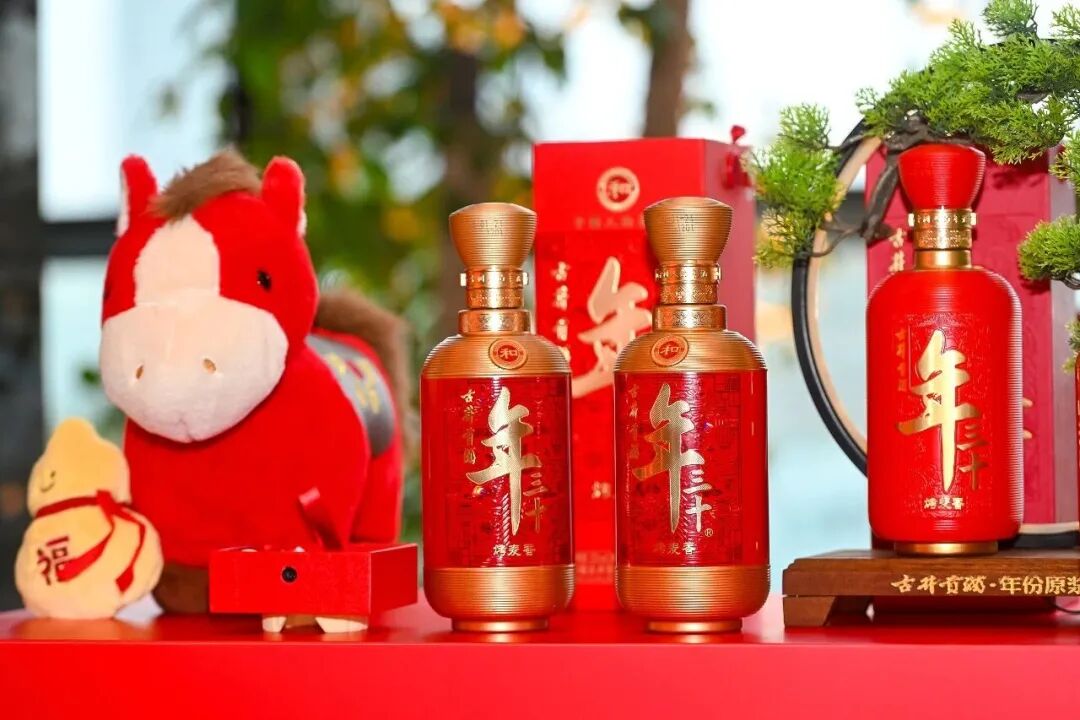
Core Insights - The article highlights the strategic marketing approach of Gujinggongjiu, which integrates its brand into the cultural fabric of the Chinese New Year, positioning its products as part of cultural rituals [2][30] - The appointment of actress Liu Tao as the "New Spring Blessing Officer" is a significant move to enhance brand visibility and emotional connection with consumers during the festive season [2][30] Group 1: Brand Strategy - Gujinggongjiu has been systematically investing in the "New Year culture" as a long-term value strategy, establishing a deep association with the Spring Festival through its partnership with the CCTV Spring Festival Gala since 2016 [4][32] - The brand has successfully launched products that embody the essence of Chinese New Year culture, such as the "New Year's Eve" series and the "Chinese New Year Heritage Success Commemorative Edition" [4][32] - The choice of Liu Tao is pivotal in elevating the brand's communication from a product-centric approach to an emotional narrative, positioning Gujinggongjiu as a proponent of "New Year culture" [4][32] Group 2: Marketing Execution - Liu Tao's presence at multiple high-profile events, including the Spring Festival Gala and the Guangdong-Hong Kong-Macau Greater Bay Area Spring Festival, enhances brand exposure and targets diverse consumer demographics [6][34] - The "cloud Spring Festival" live broadcast achieved significant engagement, with over 5 million views and 13 million product exposures, showcasing a successful blend of cultural storytelling and product promotion [6][41] - The live broadcast transformed traditional sales methods into an engaging cultural experience, integrating product showcases with cultural education, thus creating a "New Year culture classroom" [6][41] Group 3: Consumer Engagement - Liu Tao's public persona as the "National Daughter-in-law" resonates with family-oriented values, making her an ideal representative for the brand during the family-centric New Year celebrations [8][36] - The collaboration with Liu Tao allows Gujinggongjiu to effectively reach the primary decision-makers in holiday purchases, traditionally female consumers, thus breaking into new market segments [8][36] - The interactive role of Liu Tao in distributing blessings and gifts enhances consumer engagement, creating a memorable and emotionally resonant brand experience [10][39] Group 4: Industry Implications - The success of Gujinggongjiu's marketing strategy offers valuable insights for the high-end liquor industry, demonstrating that brands can maintain prestige while creating an engaging and festive atmosphere [13][55] - The innovative approach to online marketing during the Spring Festival opens new consumption scenarios, such as virtual family gatherings and cultural collections, aligning brand messaging with consumer behavior [13][55] - Gujinggongjiu's strategy illustrates the importance of embedding brands within cultural contexts to foster lasting consumer loyalty in a changing market landscape [28][56]


从种草到走向经营,磁力聚星如何链接品牌与达人?
Sou Hu Cai Jing· 2026-01-15 06:13
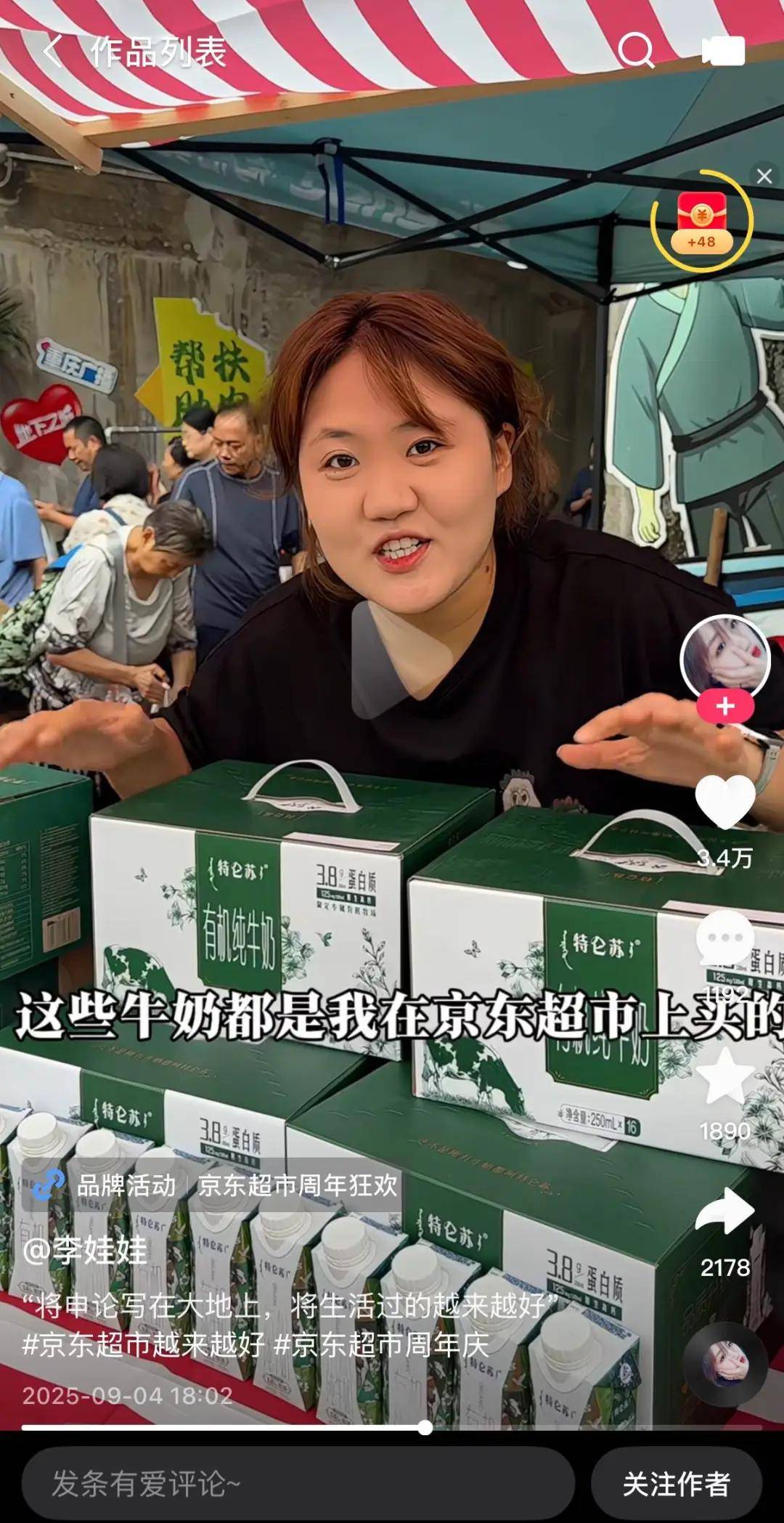
Core Insights - The article highlights the innovative approaches taken by Kuaishou influencers in commercial collaborations, moving away from traditional advertising to more engaging and customized content [5][7][18] - Kuaishou's data indicates significant growth in brand contract advertising consumption, with a 655% increase in collaboration orders and a 132% rise in monetized influencers [7][24] Group 1: Innovative Commercial Content - Influencer "Li Wawa" exemplifies the new trend by creating engaging content that allows farmers to exchange fresh vegetables for products from JD Supermarket, effectively promoting the brand's core selling points of freshness and timely delivery [2][5] - The shift from rigid advertising to customized content has been noted, with Kuaishou influencers focusing on "brand effectiveness and sales integration" [5][27] - The success of "Li Wawa's" video, which garnered over 2.87 million views, serves as a model for innovative commercial content on Kuaishou [5][7] Group 2: Trust and Authenticity - Kuaishou influencers are redefining commercial content through authenticity and relatability, building strong trust with their audience [8][17] - The influencer "Li Wawa" has gained 5.71 million followers by showcasing real-life experiences, which translates into effective brand collaborations [8][10] - The emotional connection established between influencers and their audience acts as an intangible endorsement for brands, enhancing the credibility of commercial content [17][18] Group 3: Platform Support and Upgrades - Kuaishou's "Magnetic Star" platform is enhancing brand-influencer collaborations through intelligent matching and innovative interaction features [19][21] - The introduction of "co-creation components" and "comment section lotteries" allows brands to engage users more effectively, transforming them from passive viewers to active participants [22][26] - Kuaishou is creating diverse marketing scenarios, such as the "Village Competition" series, to naturally integrate brand messaging into community events [23][24] Group 4: Long-term Marketing Strategy - Kuaishou is shifting its brand marketing strategy towards long-term user asset development rather than just short-term sales spikes [27][29] - Data shows that consumer decisions on Kuaishou are sustained over time, with significant GMV occurring days after initial engagement, indicating the need for a balanced approach to immediate and long-term marketing [29][30] - The introduction of features like "star short drama customization" allows brands to embed their messages within engaging narratives, enhancing brand recall and user interest [30][32]

直播流量枯竭,下一个带货风口是它?
Xin Lang Cai Jing· 2026-01-05 10:44
Core Insights - The ability to continuously produce quality content is becoming the strongest moat in the industry [2][22] - In 2025, top influencers are no longer seen as good investment targets, while a new wave of KOC (Key Opinion Consumers) with only a few thousand followers is achieving remarkable sales [2][22] - The shift in platform traffic logic is leading to a supply-side reshuffle, where those who can produce quality content will control the new traffic dynamics [2][22] Industry Changes - The industry is witnessing an upgrade in organizational structures and team capabilities, requiring individuals to be multi-skilled, understanding content, trends, and basic editing [3][23] - The era of pure distribution is over; the focus has shifted from business efficiency to content capability [3][23] - The natural traffic that once supported live e-commerce is rapidly depleting, leading to increased competition for paid traffic [4][26][28] KOC Emergence - KOCs, often ordinary creators with fewer than 10,000 followers, are gaining traction due to their authenticity and relatability, contrasting with traditional influencers [6][28] - Brands are increasingly adopting a "script fee + commission + paid traffic" model when collaborating with KOCs, providing stable upfront income for KOCs while ensuring controllable content output for brands [29][40] - The KOC model has its challenges, including high personnel turnover and the need for sustained engagement and content quality [29][40] Brand Strategies - Brands are rethinking their marketing budgets, reallocating funds to e-commerce departments for more direct contributions to conversion [10][31] - For new products, KOCs serve as a low-cost testing tool, allowing brands to quickly gather market feedback [12][33] - The focus on content differentiation is crucial, as brands must adapt their messaging to highlight unique product features [34] Future Outlook - The KOC trend is expected to have a limited window of opportunity, potentially lasting only about a year as competition increases and consumer fatigue sets in [15][36] - Platforms like WeChat's video channel are showing growth potential, offering a more flexible budget and shorter conversion paths for brands [37] - The content strategy for the same product may differ significantly between platforms like Douyin and WeChat, necessitating tailored approaches [39]

2025年文旅行业新媒体营销趋势报告
Sou Hu Cai Jing· 2025-12-16 09:54
Core Insights - The 2025 New Media Marketing Trends Report for the cultural and tourism industry highlights a fundamental shift in marketing logic driven by digitalization, moving from broad exposure to data-driven, emotionally resonant, and technology-enabled marketing paradigms [1] Group 1: Marketing Goals and Strategies - Marketing objectives are evolving towards a "brand effectiveness and sales integration" model, where brand exposure and sales conversion are increasingly unified, exemplified by Ctrip's "Parent Travel Guardian" project, which achieved a 300% increase in GMV [2][4] - The collaboration between brands and social media platforms is transitioning from simple ad placements to resource integration and content co-creation, maximizing traffic leverage through tailored marketing IPs [3][5] Group 2: Technological Integration - AIGC (Artificial Intelligence Generated Content) is becoming a standard tool in the industry, enhancing content efficiency and creativity, as demonstrated by Ctrip's use of AIGC tools that resulted in a 70% completion rate for promotional videos [4][6] - The use of technology in transforming offline experiences into shareable digital content is reshaping how attractions engage visitors, with examples like Meituan's interactive projects in scenic areas [8][9] Group 3: Emotional Engagement and Community Building - The creation of cultural tourism IPs is shifting from mere symbolism to experiential engagement, with successful examples like the "Grassland Fortune Doll" that resonated emotionally with users, leading to increased tourism orders [5][7] - Marketing events are evolving into social phenomena, as seen in the Guinness World Record challenge by Fliggy and Changbai Mountain Wanda, which enhanced user participation and brand visibility [6][8] Group 4: Targeted Marketing and Community Engagement - The industry is entering a "segmented era," focusing on niche interest groups for deeper engagement, as illustrated by Kaiyuan Travel's health lifestyle community initiatives that successfully converted community traffic into revenue [7][9] - The integration of various cultural elements through "IP+" strategies is creating a new ecosystem for tourism consumption, with companies like Tongcheng Travel achieving over 30 billion in content exposure and business conversion [9]


直通进博会丨进博会“6+365地标优品专区”启动 全链路溯源体系助力构建“品效销合一”消费新生态
Zhong Guo Jin Rong Xin Xi Wang· 2025-11-07 06:25
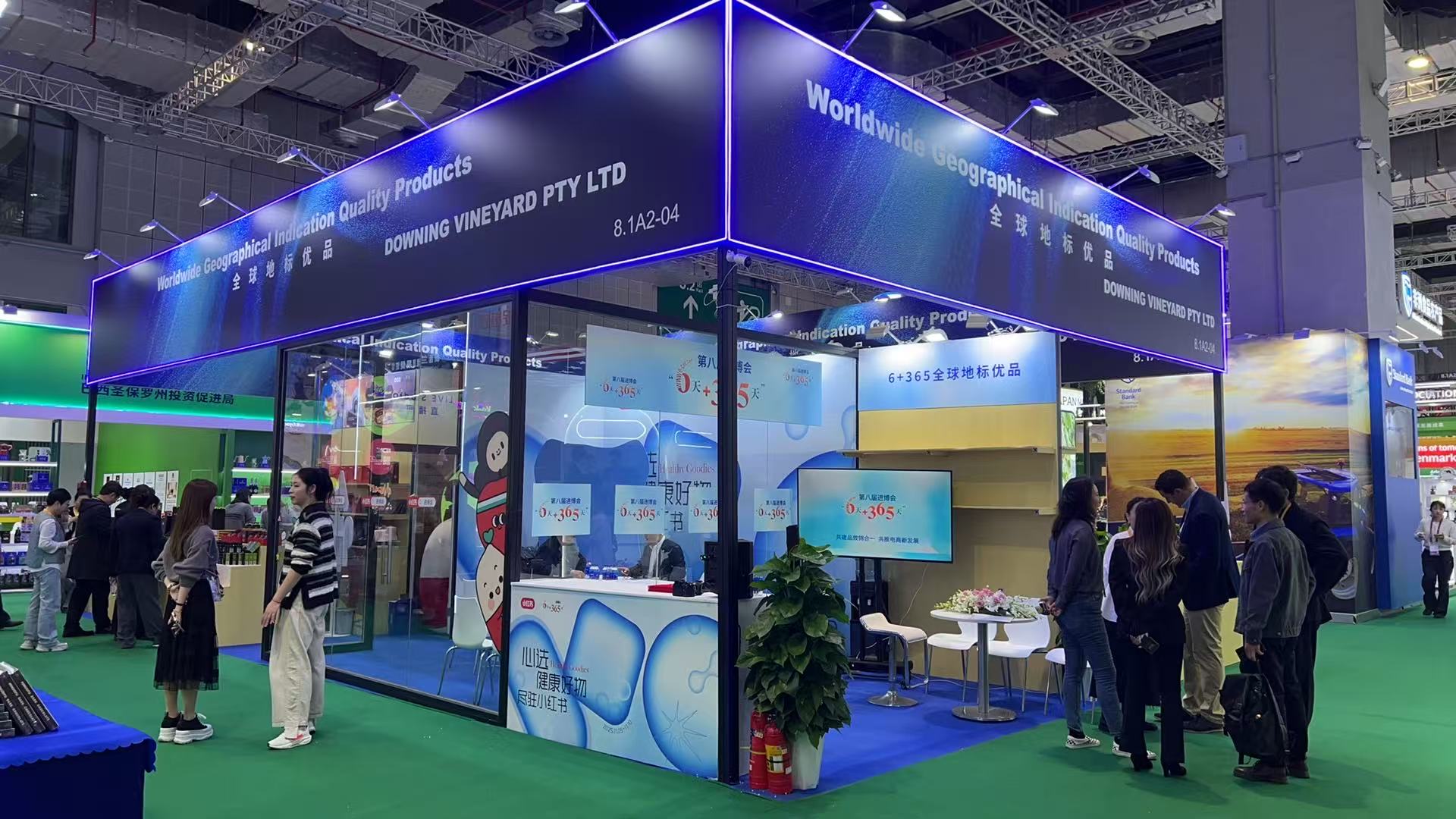
Core Insights - The "6+365 Landmark Quality Products Zone" launched at the China International Import Expo aims to enhance the transformation of exhibition products into commodities, promoting a new development model for e-commerce [1][2] - The initiative is part of China's "14th Five-Year Plan" to expand high-level opening-up and create a win-win cooperation environment [1] Group 1: Project Overview - The project integrates a one-stop trading service platform with online e-commerce platforms to create a comprehensive regulatory traceability service system [1][2] - It aims to establish a full-chain traceability system that ensures products are traceable from source to sale, enhancing consumer trust and market regulation [2][4] Group 2: Innovation and Mechanism - The zone introduces a unique "electronic ID" for each product, modeled after the successful traceability system used in Hainan's duty-free market, to combat counterfeit purchasing [2][4] - The system will incorporate data from customs clearance, quality inspection, and logistics tracking to ensure product accountability and risk management [2][4] Group 3: Market Impact - The initiative is expected to expand the spillover effects of the expo from B2B to B2C, allowing global quality products to reach Chinese consumers more effectively [2][6] - It aims to create a new consumption ecosystem by integrating platforms, e-commerce, and brand resources, ultimately benefiting consumers and enhancing brand image [6][7] Group 4: Operational Aspects - The zone has commenced trial operations with the first batch of overseas brands, marking a deepening of the "exhibitor to investor" mechanism [7] - Digital tools will be utilized for product selection and promotion, facilitating efficient access of overseas goods to the domestic market [7]
石基信息:2025年文旅行业新媒体营销趋势报告
Sou Hu Cai Jing· 2025-11-06 02:46
Group 1 - The core viewpoint of the report is that the marketing logic in the cultural tourism industry is undergoing a structural transformation from "traffic harvesting" to "value co-creation" due to the impact of digitalization [1][2] - The report identifies eight key trends based on 12 cutting-edge cases from the 2025 DTA Digital Tourism Awards, highlighting the importance of digital transformation in the hotel industry in 2025 [1][2] - Marketing objectives are evolving from "brand exposure" to "integrated effectiveness and sales," emphasizing a full-link value co-creation approach [1][2][6] Group 2 - In platform ecology, the focus is shifting from "advertising" to "co-construction" to maximize traffic leverage, with examples such as Wanda Hotels creating the "Wanyouji" IP on Xiaohongshu [1][2][24] - AIGC technology is becoming a new engine for content efficiency and creative explosion, as demonstrated by Ctrip's use of AIGC tools to generate viral videos during the Double Eleven shopping festival [1][2][24] Group 3 - The tourism destination marketing is transitioning from symbolic representation to experiential engagement, as seen in the case of Xilin Gol League's "Grassland Fuwa Aqi La" IP [2][6] - Event-based marketing is gaining traction, with examples like Fliggy and Changbai Mountain Wanda's Guinness World Record challenge, which adds social significance to marketing nodes [2][6] - Vertical community operations are being emphasized, with Kaiyuan Travel's "City Brush Circle" activity targeting specific customer groups to convert communities into private assets [2][6] Group 4 - Offline experiences are being integrated with online communication, as AI robots are introduced as new IPs in scenic areas, enhancing visitor experiences [2][6] - The "IP+" strategy is becoming a key approach for breaking through in cultural tourism, with Tongcheng Travel collaborating with major films and variety shows to create a marketing ecosystem [2][6] - The report also discusses the core values of the 2025 digital transformation trends in the Chinese hotel industry, including maturity index models and multi-dimensional performance insights [2][6]


2025年KOX立体矩阵经营白皮书
Sou Hu Cai Jing· 2025-10-31 16:38
Core Insights - The "2025 KOX Matrix Management White Paper" focuses on brand growth through a comprehensive marketing strategy, addressing challenges such as peak traffic dividends, scarce user attention, and rising trust costs [1][8] - The KOX Matrix solution consists of six components: KOB (Brand Official Matrix), KOL (Key Opinion Leader Matrix), KOC (Super User Matrix), KOD (Sales Store Matrix), KOS (Sales Employee Matrix), and KOE (Brand Employee Matrix), all working together to create a holistic marketing ecosystem [1][9] Group 1: Marketing Challenges - Brands face significant pressure to control costs and improve efficiency, with 75% of advertisers not planning to increase marketing budgets in 2024, and 54% expecting to reduce investments in 2025 [30][31] - The reliance on top-tier KOLs is decreasing, with a 9.8% increase in the number of campaigns involving lower-tier KOLs, while spending on top-tier KOLs has dropped by 6.5% [33][34] - Brands are struggling with a lack of diverse marketing strategies, leading to over-reliance on paid marketing, which is becoming increasingly costly and less effective [36][40] Group 2: KOX Matrix Strategy - The KOX Matrix aims to create a systematic approach to integrate various marketing roles and enhance collaboration across departments, addressing the challenges of fragmented strategies and organizational silos [49][51] - Each component of the KOX Matrix serves a specific purpose: KOB establishes authority, KOL expands influence, KOC drives trust, KOD creates experiential conversion spaces, KOS builds end-user trust, and KOE enhances brand warmth [55][56] - The matrix is designed to achieve dual growth in brand awareness and sales through a clear division of roles and a closed-loop design that emphasizes both user engagement and conversion [57] Group 3: Future Directions - The white paper outlines five future development directions for the KOX Matrix, including role diversification, industry MCN transformation, digital content centralization, deep localization, and organizational restructuring [24] - The focus is on adapting to the evolving digital landscape and enhancing the effectiveness of marketing strategies through continuous research and practical application [19][24]