好房子战略

Search documents
观点精粹 | “2025中国房地产产品力TOP100发布会”圆满召开
克而瑞地产研究· 2026-01-09 10:39
Core Viewpoint - The 2025 China Real Estate Product Power TOP 100 conference highlighted the industry's shift towards product quality and innovation, emphasizing the "Good House" strategy as a key focus for leading real estate companies [1][10][18]. Group 1: Conference Overview - The conference featured nearly a hundred industry professionals and experts discussing the positive trends in product power innovation within the real estate sector [3]. - The event marked the release of four major rankings related to product power, including the "TOP 100 Real Estate Companies" and the newly introduced "Good House" ranking [5][10]. Group 2: Product Power Rankings - Green City China topped the rankings, followed by Poly Developments and China Resources Land in second and third place, respectively [10]. - The rankings reflect a significant shift in the industry, with companies focusing on safety, comfort, sustainability, and intelligence as core dimensions of their product strategies [10][18]. Group 3: Industry Trends and Innovations - The "Good House" strategy is characterized by a focus on safety, comfort, green living, and smart technology, with an emphasis on creating a closed-loop system through quantifiable technical standards [10][18]. - The industry is transitioning from being mere "space providers" to "technology solution providers," enhancing competitive barriers through standardized technology and service ecosystems [10]. Group 4: Research and Development - The Product Power 100 working group has been conducting evaluations since 2018, continuously improving the assessment model to enhance its authority and relevance [5][12]. - The 2025 evaluations will focus on new product trends, including the "Good House" system, and will explore various hot topics such as "four generations of housing upgrades" and "community amenities" [12][18]. Group 5: Challenges and Solutions - The market is facing challenges where good products do not necessarily translate to good sales due to various pressures, including a cautious buyer sentiment and product homogeneity [24][25]. - To overcome these challenges, companies must deeply understand market dynamics, customer insights, and product refinement to create truly marketable "Good Houses" [26][30]. Group 6: Customer-Centric Approach - The evolving customer demands necessitate a shift from merely meeting physical housing needs to addressing emotional and cultural aspects of living spaces [65]. - Companies are encouraged to conduct in-depth customer research to identify core needs and integrate these insights into the entire development process [71]. Group 7: Future Outlook - The 2025 "Good House" policy by the Ministry of Housing and Urban-Rural Development is seen as a pivotal factor for the future of the real estate industry, with significant improvement potential in existing housing stock [18]. - The industry is expected to transition towards a system of competition that integrates product quality, customer research, and operational efficiency, paving the way for high-quality development in the housing market [35].



亮点抢先看 | “为更好 启新篇”年度测评成果首发,2025TOP100产品力发布会
克而瑞地产研究· 2026-01-06 13:06
Core Viewpoint - The 2025 China Real Estate Product Power TOP 100 report emphasizes that product strength is a key support for sustainable development in the real estate industry, driven by new national development models and the "good housing" construction strategy [4]. Group 1: Event Overview - The "2025 China Real Estate Product Power TOP 100 Release Conference" is scheduled for January 8, 2026, in Shanghai, aiming to explore the future of the industry [5]. - The event will feature discussions among industry leaders, product experts, and corporate executives to explore new forces in product power development under the new era [18]. Group 2: Product Power Assessment - The Product Power 100 initiative has been tracking industry trends for eight years, continuously optimizing the assessment model to include delivery power and the newly introduced "good housing" evaluation [9][11]. - The assessment includes four major rankings: 1. China Real Estate Enterprises Product Power TOP 100, evaluating overall performance across various dimensions [13]. 2. Top Ten Product Series, assessing the maturity and market recognition of specific product lines [14]. 3. Top Ten Works, showcasing individual projects based on design and community features [15]. 4. China Good Housing, focusing on safety, comfort, sustainability, and community environment [16]. Group 3: Industry Trends and Innovations - The concept of "good housing" has become central to high-quality development in the real estate sector, with innovations in residential space and community design being highlighted [19]. - Leading companies like China Resources Land and Huafa Group are actively implementing "good housing" strategies across various dimensions, including project and community management [20][21]. - The integration of technology in housing, particularly through partnerships with firms like Huawei, is seen as a significant driver for enhancing product strength [22]. Group 4: Conference Agenda - The conference will include a series of presentations and discussions, culminating in an award ceremony recognizing outstanding enterprises and projects in the real estate sector [26].
房地产市场2025年总结和2026年展望
2026-01-04 15:35
Summary of Real Estate Market Conference Call Industry Overview - The conference call focused on the real estate market performance in 2025 and outlook for 2026, indicating a trend of stabilization after a period of decline [2][4][14]. Key Points 2025 Market Performance - The overall real estate market showed signs of stabilization in 2025, with a month-on-month increase of 39.2% in transaction amounts for 100 major companies in December, despite a significant year-on-year decline [2]. - Major state-owned enterprises like China Overseas and China Resources reported monthly sales nearing 40 billion, while companies like China Merchants and Greentown exceeded 20 billion, with month-on-month growth over 60% [2]. - The top three companies experienced a year-on-year decline of only 8.99%, significantly lower than the overall market trend [2]. Supply and Demand Dynamics - New housing supply in key cities increased by 16% month-on-month in December, while the total supply for the year decreased by 9% year-on-year, indicating a persistent supply shortage [5][11]. - The new housing transaction area for 2025 saw a cumulative year-on-year increase of 18%, but the decline rate expanded, reflecting ongoing market adjustments [7]. - The new housing supply-demand ratio was approximately 0.8, indicating a continued supply shortage and ongoing inventory reduction [11]. Performance of Major Cities - Chengdu stood out with a total transaction area of nearly 12 million square meters in 2025, significantly outperforming other cities like Tianjin and Wuhan, which had around 5 million square meters [8]. - First-tier cities like Beijing, Shanghai, and Shenzhen showed strong transaction growth, with Beijing's transaction area increasing by 41% and Shenzhen by 45% in December [5]. Second-Hand Housing Market - The second-hand housing market achieved a record transaction volume, with a total of 210 million square meters in 30 key cities, reflecting a year-on-year increase of 7% [12]. - The second-hand market exhibited a dual-track system with significant price differences compared to new homes, primarily attracting first-time buyers [13]. Future Outlook - The real estate market is expected to continue facing supply constraints in the short term, particularly in core cities like Beijing and Shanghai, which may lead to competitive advantages for companies with available inventory [6]. - The 2026 outlook suggests a potential stabilization in transaction volumes, with prices expected to remain flat, influenced by a mix of improving demand and ongoing supply constraints [18][19]. Policy and Market Predictions - Future policies are anticipated to focus on stabilizing the market without aggressive stimulus measures, emphasizing urban renewal and improving housing quality [17][22]. - The overall market is expected to maintain a steady state, with high-end residential properties stabilizing first, while second-hand homes may continue to see price adjustments [19]. Inventory and Market Structure - Approximately half of the 30 key cities are still facing significant inventory pressure, particularly in peripheral areas, while core regions maintain lower inventory levels due to strong demand for premium properties [21]. - The overall market structure indicates a need for continued inventory reduction, with a focus on improving the quality of available housing [16]. Additional Insights - The land market has seen a decline in transaction amounts, with a 9% year-on-year decrease, and a concentration of land acquisitions in first and second-tier cities [16]. - The overall market dynamics reflect a complex interplay between supply constraints, demand recovery, and ongoing adjustments in pricing strategies across different segments of the real estate market [14][19].
产品力100 | 2025年十大作品全国20强揭晓
克而瑞地产研究· 2025-12-03 11:15
Core Viewpoint - The real estate industry is transitioning towards high-quality development, with improvements in housing prices, land auction enthusiasm, and project sales, supported by policies promoting the construction of "good houses" for sustainable growth [4][15]. Group 1: Industry Trends - The real estate sector is experiencing a shift towards high-quality development, with a focus on delivering desirable housing to meet public demand [4]. - The implementation of the "Residential Project Standards" and the emphasis on high-quality development by the Fourth Plenary Session of the Central Committee set a positive tone for the industry's future [4]. - The market is moving from merely providing housing to enhancing the quality of living, indicating a competitive focus on product quality and customer satisfaction [15]. Group 2: Product Evaluation - The 2025 China Real Estate Product Evaluation has identified 60 shortlisted projects based on comprehensive data screening, product research, and evaluation models [5][14]. - The evaluation categories include "high-end," "light luxury," and "quality," with an additional focus on "China Good House" awards [13]. - The evaluation criteria encompass six dimensions: unit design, living space, interior decoration, homecoming paths, community space, and project awards [14]. Group 3: Notable Projects - A list of notable projects includes "Green City · Ningbo Fengqi Yunlu," "18815 Ruixi," and "Xiamen Poly Ankong Yucheng," among others, showcasing a variety of residential developments across different cities [7][9][10]. - The projects are set to have their first openings between November 15, 2024, and December 31, 2025, and are ranked alphabetically [7][10]. Group 4: Future Initiatives - The evaluation process will continue throughout 2025, with expert reviews and public voting scheduled to determine the final rankings of the top projects [14][16]. - The initiative aims to create a platform for showcasing and exchanging ideas on product quality, emphasizing the importance of meeting diverse housing needs and enhancing living standards [15].

一场持续13年的赛事 东方雨虹改变的不只是产业工人
Huan Qiu Wang· 2025-11-12 01:56
Core Insights - The "Rainbow Master Skills Competition" organized by Oriental Yuhong has successfully concluded, showcasing the value and brilliance of industrial workers in the construction industry [1][3][18] - The Chinese real estate market is transitioning from "incremental development" to "stock quality improvement," emphasizing the importance of high-quality delivery and long-term service [3][7] Group 1: Competition and Skill Development - The competition has evolved over 13 years, from the first selection of outstanding craftsmen in 2013 to a comprehensive system covering five major units by 2025 [5][7] - The competition serves as a platform for practical training, aligning with the upgraded service standards of Oriental Yuhong, thus internalizing rigorous SOP processes into construction standards for workers [9][12] Group 2: Industry Transformation and Quality Improvement - The construction industry is undergoing a significant transformation, focusing on quality enhancement rather than mere scale expansion, with skilled professionals being the core driving force [7][10] - Oriental Yuhong aims to provide systematic solutions that address the diverse needs of homeowners, moving beyond single-process services to comprehensive project solutions [7][10] Group 3: Strategic Initiatives and Future Plans - The company is committed to enhancing the professionalization of industrial workers, linking their skill development directly to corporate growth and industry upgrades [10][12] - Future initiatives include deepening industry-academia collaboration and expanding standardized training systems to elevate the overall quality of the workforce [9][14] Group 4: Service Model and Market Approach - Oriental Yuhong is shifting its focus to the C-end market, addressing long-standing pain points in the construction sector by empowering and incentivizing industrial workers [10][14] - The launch of the "Rainhong Service" brand aims to provide a standardized, reliable service model that ensures quality delivery and builds trust within the industry [17][18]


相信城市中心,相信华润置地
Sou Hu Cai Jing· 2025-10-11 15:19
Core Viewpoint - The government work report emphasizes the construction of "good houses," marking a shift towards high-quality residential development, which is reshaping the market landscape in Hangzhou post-price control era [1] Group 1: Market Dynamics - The competition for high-quality residential products is intensifying, with Hangzhou entering a "land king" era by the second half of 2025, leading to a refresh in product capabilities and transaction price ceilings [1] - Major projects like the "Yuanqi Guanchaofu" are gaining attention as they embody the "good house strategy," which aims to lead residential innovation through central projects [3] Group 2: Company Strategy - China Resources Land has been active in Hangzhou for 20 years, adopting a strategy of "epoch-making" contributions to the city, which is evident in their recent project launches [1][3] - The company is focusing on "central narrative" in its developments, as seen in the Xi'an CCBD project, which integrates various urban functions and reflects a deep understanding of urban development [5] Group 3: Project Highlights - The Xi'an Three Centers project, which includes the International Conference Center and the International Exhibition Center, aims to enhance both urban and living values through large-scale events [7] - Upcoming projects like the West Lake Lotus Pool TOD project are set to redefine the area, integrating transportation and urban development to create a new growth hub in West Lake District [18][20] Group 4: Future Vision - The West Lake Lotus Pool TOD project is positioned as a comprehensive living solution, aiming to redefine regional consumption and lifestyle, moving beyond traditional residential offerings [20] - The company believes that even in a decentralized era, urban development will still require central leadership, which will be driven by continuous upgrades and iterations from China Resources Land [22]
保利发展华南公司的佛山答卷
Nan Fang Du Shi Bao· 2025-09-30 00:32
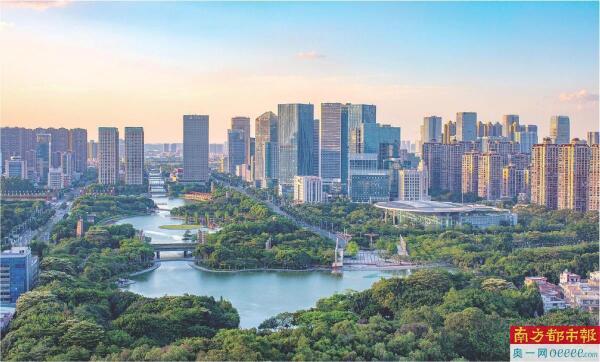
Core Insights - The article highlights the transformation of Foshan from a manufacturing hub to a modern urban city, emphasizing the role of Poly Development South China Company in this evolution [4][6][16] Group 1: Urban Development - Foshan's GDP has grown from less than 300 billion in 2005 to approximately 1.34 trillion by 2024, marking a significant urban transformation [4] - The city has shifted its identity from a "manufacturing city" to a "livable city," enhancing its appeal as a place to live, work, and visit [4][6] - The urban development strategy includes a modern industrial system aimed at attracting and retaining high-end talent [6][13] Group 2: Role of Poly Development - Poly Development South China Company has been a key player in Foshan's urban growth, starting its operations in 2005 and expanding its influence across seven cities in South China [4][8] - The company has developed over 130 benchmark projects, covering various sectors including residential, commercial, and cultural facilities [8] - Poly Development has transitioned from a traditional developer to a city operator, actively participating in public service facility construction and hosting numerous large-scale events [8][12] Group 3: Cultural Integration - The article emphasizes the importance of integrating Foshan's rich cultural heritage into modern urban living, promoting a sense of community and harmony [10][11] - Poly Development's initiatives, such as the "Neighbor Gathering Good" service system, aim to enhance community engagement and reflect the traditional values of mutual support [12][16] Group 4: Future Aspirations - Foshan aims to elevate its urban profile and attract talent by enhancing its comprehensive urban charm and economic scale [13][14] - The introduction of the Poly Tianzan project, designed by Zaha Hadid Architects, represents a new benchmark for urban living in Foshan, incorporating advanced smart living technologies [14][15] - The company plans to continue its commitment to quality living and service, aligning with national goals for sustainable urban development [16]
王敬:从交易到资产,好房子正在重塑二手房价值链
Jin Tou Wang· 2025-09-27 01:09
Core Insights - The core theme of the presentation is the "Good House Strategy," which aims to activate the growth curve of the intermediary industry in the context of the second-hand housing market [1][4]. Industry Context - The Chinese real estate market has transitioned from a high-growth phase to one dominated by stock transactions, with second-hand houses becoming the main focus and core stage for the intermediary industry [4]. - To achieve sustainable development, the industry must shift from a "matching logic" to a "value logic" [4]. Good House Strategy Framework - The "Good House" strategy is defined by four key standards: - **Layout Optimization**: Space transformation for asset regeneration [7]. - **Renovation Standards**: Diverse styles and controllable construction to ensure quality and experience [7]. - **Technology Empowerment**: Integration of smart home technology, AI design, and digital delivery to enhance efficiency and certainty [7]. - **Green and Eco-friendly**: Use of low-carbon materials and environmentally friendly processes to meet consumer trends [7]. Intermediary Industry Growth - The intermediary industry faces challenges such as reliance on commission-driven models, severe service homogenization, and a lack of systematic product capabilities [9]. - To overcome growth bottlenecks, new capability models must be introduced from outside the industry [9]. Comprehensive Solutions for Intermediaries - The company offers a full-chain solution through four empowerment modules: - **Design Capability**: 24 years of design experience combined with 10 years of AI research to enhance property sales potential [11]. - **Technology Capability**: Customer profiling and integrated selling systems to improve agent efficiency [11]. - **Supply Chain Capability**: National direct procurement and standardized SKUs to reduce intermediary risks [11]. - **Financial Capability**: Integration of supply chain finance and consumer finance to streamline funding [11]. Strategic Vision and Industry Responsibility - The "Good House Strategy" represents not only a market choice but also an industry responsibility [14]. - Methods such as pre-sale beautification, unilateral agency, and standard delivery are driving the second-hand housing industry towards quality and efficiency [14]. - The company's goal is to leverage technology and supply chain capabilities to help intermediaries reshape their value chain and create a new industry ecosystem [14].
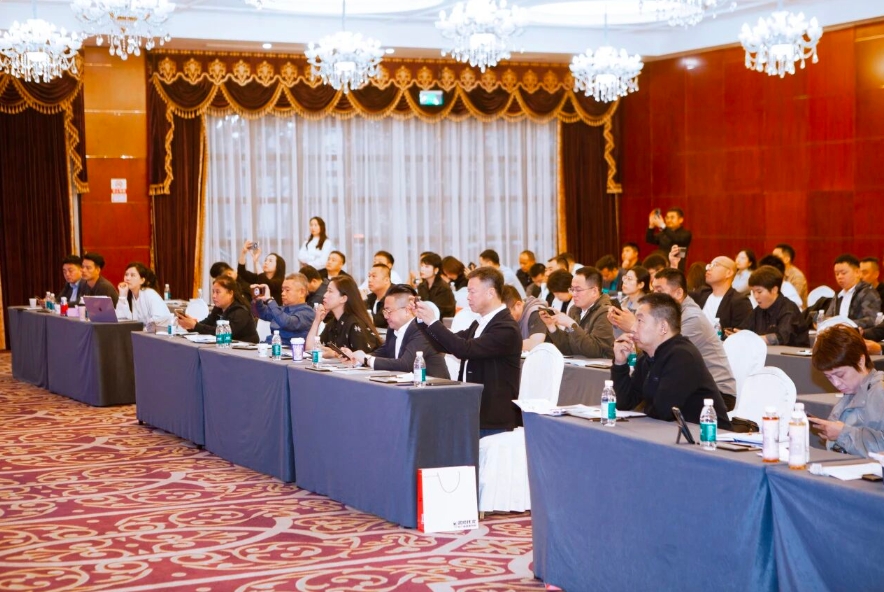
当“好房子”长出生活的温度:国贸地产的共生答卷
Sou Hu Wang· 2025-09-26 06:24
Core Viewpoint - The real estate industry is shifting towards the development of "good houses" characterized by safety, comfort, sustainability, and intelligence, driven by policy guidance and market adjustments [1][7]. Group 1: Industry Trends - The concept of "good houses" has been incorporated into the government's work report and is being promoted through national standards and provincial policies, indicating a nationwide residential upgrade initiative [1]. - The "good house" strategy is becoming a core direction for the industry to transition from quantity to quality amid increasing competition and market concentration [7]. Group 2: Company Initiatives - Guotai Real Estate is actively engaging in industry discussions to consolidate consensus and inject practical wisdom into the construction of "good houses" [6]. - The company emphasizes product innovation and service upgrades, exploring new residential products that meet the growing needs of the public [4][7]. - Guotai Real Estate has established a "Five Good" standard focusing on good location, community, layout, quality, and service to enhance living experiences [9][10]. Group 3: Product Development - The company has launched several fourth-generation ecological residential projects, with notable examples like Fuzhou Guotai Tianqin Bay recognized as industry benchmarks [15][16]. - Guotai Real Estate integrates advanced technologies into its projects, such as smart home systems and robotic services, to enhance living quality and service efficiency [21]. Group 4: Community Engagement - The company is building a community brand "Hi Neighbor" to foster communication and relationships among residents through various activities [26]. - Guotai Real Estate believes that a "good house" encompasses not only hardware but also the warmth of human connections within the community [28]. Group 5: Urban Integration - Guotai Real Estate's projects are designed to blend with urban development, contributing to high-quality living landmarks while preserving natural landscapes [29]. - The company has focused on core areas and strategic regions, developing nearly 150 quality projects and approximately 20 million square meters of space [31]. Group 6: Future Outlook - The shift from "building houses" to "creating lifestyles" reflects the company's commitment to sustainable development and high-quality urban living [38].
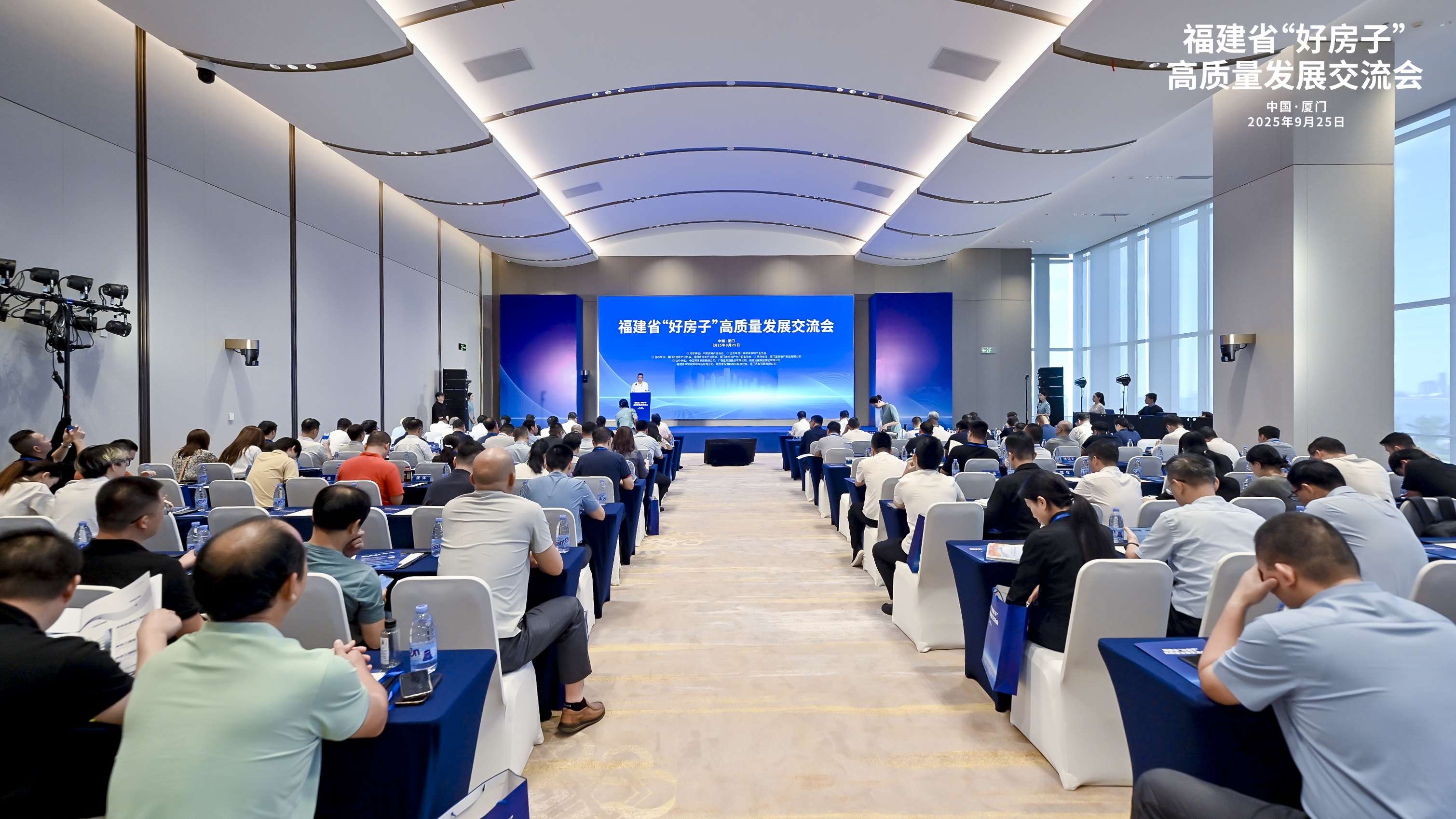
头部房企转型迈入新阶段 加速布局经营性业务
Zheng Quan Ri Bao· 2025-09-06 02:48
Core Viewpoint - The real estate industry is under pressure but is transitioning towards a new growth model, focusing on product quality and operational resilience to navigate upcoming debt peaks [1][8]. Financial Performance - In the first half of the year, 286 listed real estate companies reported a total revenue of 1.85 trillion yuan and a net profit of 851.77 billion yuan, with 89 companies incurring losses totaling 191.2 billion yuan [2]. - Key reasons for performance pressure include a significant decrease in project settlement scale and low gross margins, alongside asset impairment provisions to accelerate inventory turnover [2][3]. Strategic Focus on Quality - The "good house" strategy is seen as both a policy direction and a future development goal for real estate companies, with many firms experiencing sales growth by enhancing product quality [3][4]. - Companies like Longfor Group and Yuexiu Property have successfully implemented strategies that emphasize product quality, resulting in increased sales prices and volumes [3][4]. Diversification into Operational Business - Many real estate firms are developing operational businesses as a second growth curve, with companies like China Resources Land achieving significant revenue from these sectors [5][6]. - Longfor Group reported record revenues from its operational services, while other firms are also expanding into commercial and property management sectors [6][7]. Debt Management and Financial Resilience - The industry faces a debt peak in the second half of 2025, with total debt due expected to reach 530.1 billion yuan, necessitating proactive debt management strategies [8][9]. - Companies are optimizing their debt structures and exploring diverse financing channels, such as operating property loans and public REITs, to enhance financial safety [9][10]. Future Outlook - The financing environment for quality real estate firms is improving, with a focus on stabilizing cash flows and reducing debt levels to navigate the upcoming challenges [10].