并购退出

Search documents
四大证券报精华摘要:2月12日
Xin Hua Cai Jing· 2026-02-12 01:00
Group 1 - The acquisition of Tianmai Technology by Suzhou Industrial Park Qichen Hengyuan Equity Investment Partnership marks a significant shift in the exit strategy of PE/VC institutions, moving away from reliance on IPOs towards more diversified exit routes [1] - The Chinese M&A market is expected to recover by 2025, with total disclosed transaction value projected to exceed $400 billion, a 47% increase year-on-year [1] - The trend of private equity institutions increasingly favoring M&A exits reflects a broader change in the investment landscape, as they seek to adapt to the current market environment [1] Group 2 - The inquiry transfer market has seen rapid growth, with 12 A-share listed companies implementing share transfers since 2026, and many institutions reporting gains exceeding 30% [2] - Inquiry transfers are becoming a key mechanism connecting primary and secondary markets, potentially evolving into a foundational and normalized share transfer mechanism in China's capital market [2] Group 3 - Listed companies have distributed over 348.8 billion yuan in dividends before the Spring Festival, surpassing the previous year's total of 344.6 billion yuan [3] - The financial and consumer sectors continue to dominate dividend distributions, with banks alone contributing 243.4 billion yuan, accounting for nearly 70% of the total [3] Group 4 - The banking sector is engaged in a competitive marketing push for wealth management products ahead of the Spring Festival, targeting year-end bonuses and family funds [4] - This marketing surge reflects the pressures faced by banks in a low-interest-rate environment and the scarcity of quality assets [4] Group 5 - Several companies in the photovoltaic industry have announced project terminations or asset divestitures, indicating a shift in the industry's dynamics as it moves towards a phase of accelerated capacity clearing [5] - The anticipated demand decline is contributing to a more competitive environment, prompting a natural market selection process [5] Group 6 - A survey indicates that 62.16% of private equity firms prefer to hold significant positions during the holiday period, reflecting confidence in structural market opportunities despite potential volatility [6] - The technology sector remains a focal point for investment, with 41.18% of private equity firms favoring a balanced approach between undervalued blue chips and technology growth [6] Group 7 - The capital market is experiencing intensified regulatory scrutiny, with a significant number of penalties issued for various violations, signaling a commitment to protecting investor rights [7] - The regulatory environment emphasizes accountability across all market participants, including companies, intermediaries, and private equity firms [7] Group 8 - The Hong Kong IPO market has seen 22 new listings this year without any initial price drops, contrasting with the previous year's performance [8] - Factors contributing to this trend include improved market sentiment, cautious pricing strategies by issuers, and the stabilizing effect of cornerstone investors [8] Group 9 - The Hang Seng Technology Index has experienced a significant downturn, with a maximum drawdown exceeding 20%, prompting calls for leading companies to shift towards quality-driven growth [9] - Analysts suggest that companies should move away from aggressive spending strategies and focus on enhancing operational efficiency through technological investments [9] Group 10 - The average car insurance premium among 60 companies has reached approximately 2,215.77 yuan, indicating a trend towards high-quality development in the car insurance sector [10] - Future pricing strategies are expected to become more refined and rational, particularly for new energy vehicles, as data accumulation and technological advancements progress [10] Group 11 - Recent insurance company equity auctions reflect a shift in market focus from license scarcity to sustainable profitability and professional capabilities [11][12] - This change is driving a more rational valuation of insurance company equities in the capital market [12] Group 12 - The land market is anticipated to enter a more active phase as major cities announce new land supply lists, with a focus on rational transactions and precise investments [13] - The initial land auctions in key cities have shown steady performance, indicating a transition towards a more dynamic market environment [13]
一级市场退出之战
投资界· 2025-12-25 08:29
Core Viewpoint - The article discusses the challenges and strategies related to exit opportunities in the investment landscape, particularly focusing on private equity and venture capital exits in China, highlighting the need for adaptive strategies in a changing economic environment [2][10]. Group 1: Exit Challenges and Strategies - The current economic downturn has created significant challenges for exits, with many funds facing systemic exit difficulties, particularly for projects invested in 2014, where 70% have yet to exit [10][11]. - The exit environment has changed drastically compared to previous years, necessitating proactive management and strategic planning for exits rather than a passive approach [8][10]. - The need for organizational restructuring within investment firms has been emphasized to better manage the complexities of the current exit landscape [8][9]. Group 2: Investment Focus and Performance - Various investment firms have reported their focus areas, with East Capital managing 63 funds totaling 390 billion yuan, and Puhua Group focusing on early-stage investments in healthcare, new energy, and hard technology [3][4]. - Tianchuang Capital has successfully listed 25 portfolio companies and maintains an annual investment of 300-400 million yuan, focusing on hard technology sectors [5][6]. - The performance of exits varies, with some firms achieving notable success while others struggle, indicating a mixed landscape of exit opportunities [7][10]. Group 3: Regulatory and Market Support - Recent regulatory changes, such as the updated merger loan management measures, are expected to enhance support for mergers and acquisitions, with increased leverage ratios and more flexible financing options [12][13]. - The bond market is also seen as a potential source of lower-cost funding for mergers, with current interest rates being favorable compared to traditional loans [13]. - The overall sentiment is cautiously optimistic regarding the future of exits, with expectations of a more favorable market environment in 2026, particularly for IPOs and mergers [23][24]. Group 4: Future Outlook and Recommendations - The article suggests that investment firms should establish closer collaborations with listed companies to better align acquisition targets and exit strategies [16][17]. - There is a call for clearer investment strategies, focusing on companies with high growth potential and stable cash flows, to facilitate smoother exits [17][18]. - The importance of continuous communication with founders and portfolio companies is highlighted to ensure accurate assessments of business performance and exit timing [27][28].



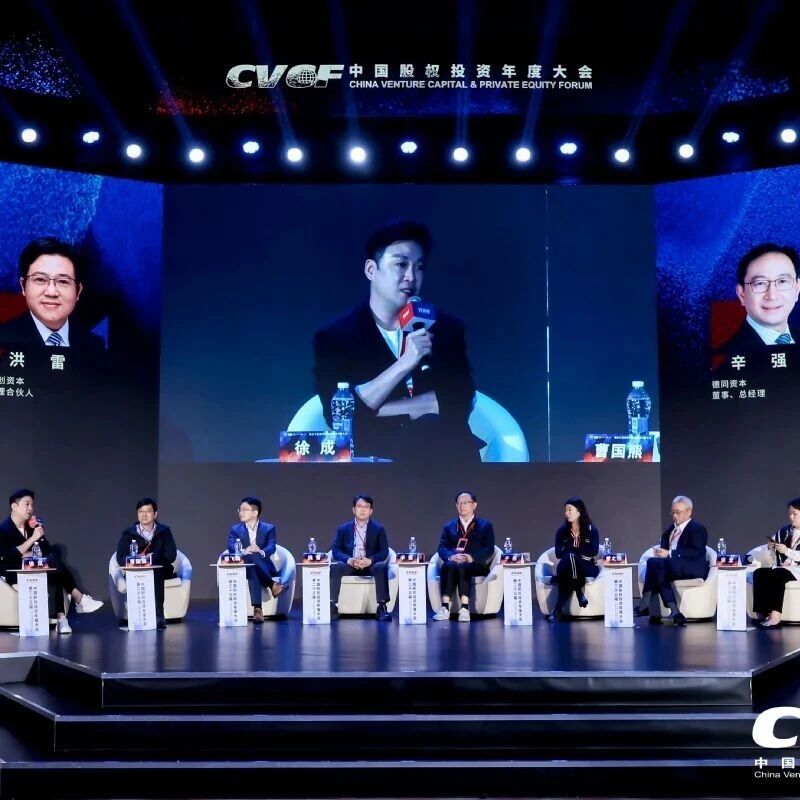
并购退出 vs IPO退出:不同场景下如何选择最优路径?
Sou Hu Cai Jing· 2025-12-18 02:18
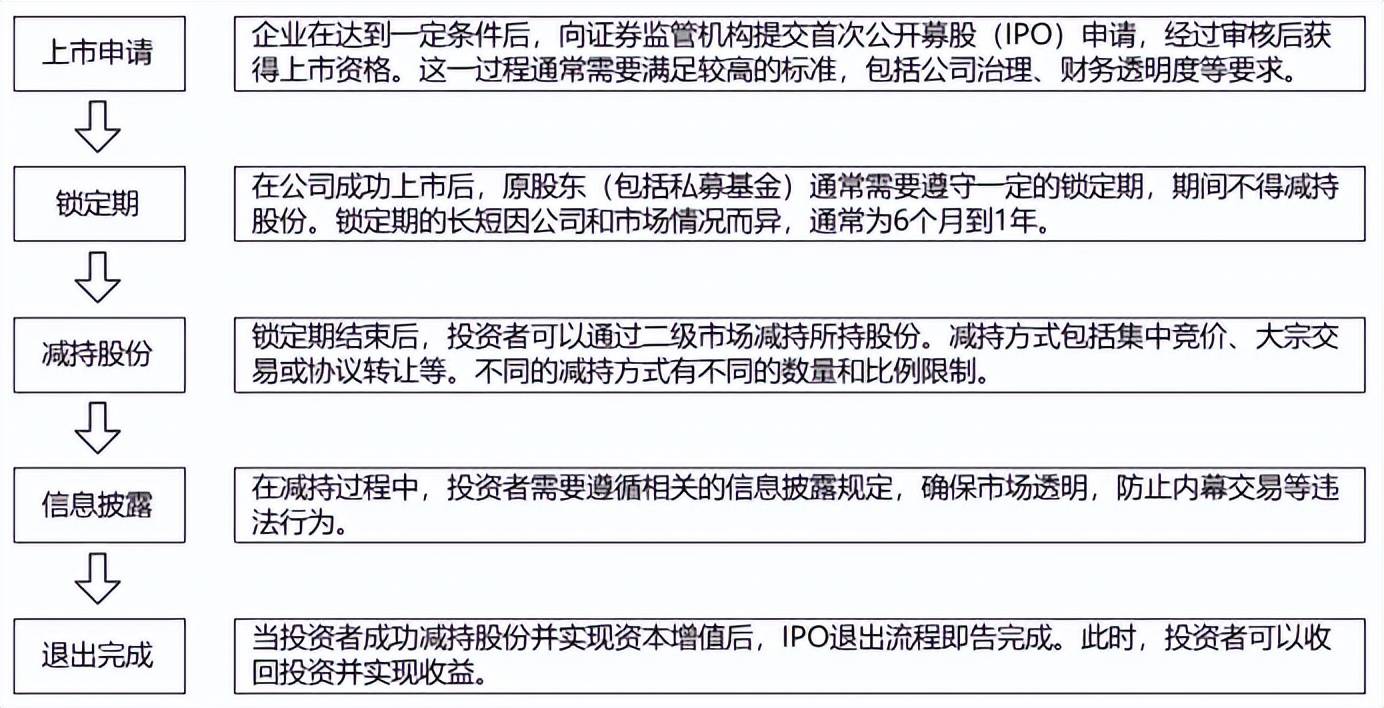
Core Viewpoint - The article discusses the evolving landscape of exit strategies for venture capital in China, highlighting the shift from IPOs to mergers and acquisitions (M&A) as the primary exit route due to tightening IPO regulations and the recent policy changes aimed at encouraging M&A activities [1]. Group 1: IPO Exit Concept and Process - IPO exit refers to the process where venture capitalists realize returns through the public offering of shares of the invested company, which can occur on the main board or secondary board [2]. - The basic process of IPO exit involves converting private equity into public equity through the listing of shares [2]. Group 2: Advantages and Disadvantages of Exit Strategies - M&A exits are characterized by efficiency, flexibility, and clear returns, avoiding the lengthy IPO application process and market volatility risks [4]. - However, M&A valuations are typically based on current earnings (5-10 times PE), which may be lower than potential IPO valuations (20 times PE for high-growth sectors), limiting the possibility of excess returns [4]. - Challenges in M&A include the need to align interests among multiple parties and the limited number of potential buyers, which can complicate transactions [4]. Group 3: Factors Influencing Exit Strategy Choice - Company-specific factors include growth potential in sectors like renewable energy and biotechnology, where stable revenue growth and strong core competencies favor IPO exits [5]. - Market conditions play a crucial role; favorable capital market conditions and industry maturity support IPO exits, while downturns and consolidation trends may lead to M&A preferences [6]. - Investor considerations, such as investment horizon and risk appetite, also influence the choice between IPO and M&A exits [7]. Group 4: Strategic Planning for Exit - Companies should plan exit strategies early in their development, setting clear goals and timelines to align with market conditions and investor expectations [9]. - Establishing a governance and resource framework is essential, with IPO-oriented companies needing robust internal controls and M&A-oriented firms focusing on synergies with potential acquirers [9]. Group 5: Dynamic Adjustment of Exit Strategies - Companies must remain adaptable to internal and external changes, reassessing exit strategies based on performance and market conditions [10]. - Continuous communication with investors and stakeholders is vital to ensure timely and informed decision-making regarding exit paths [10].
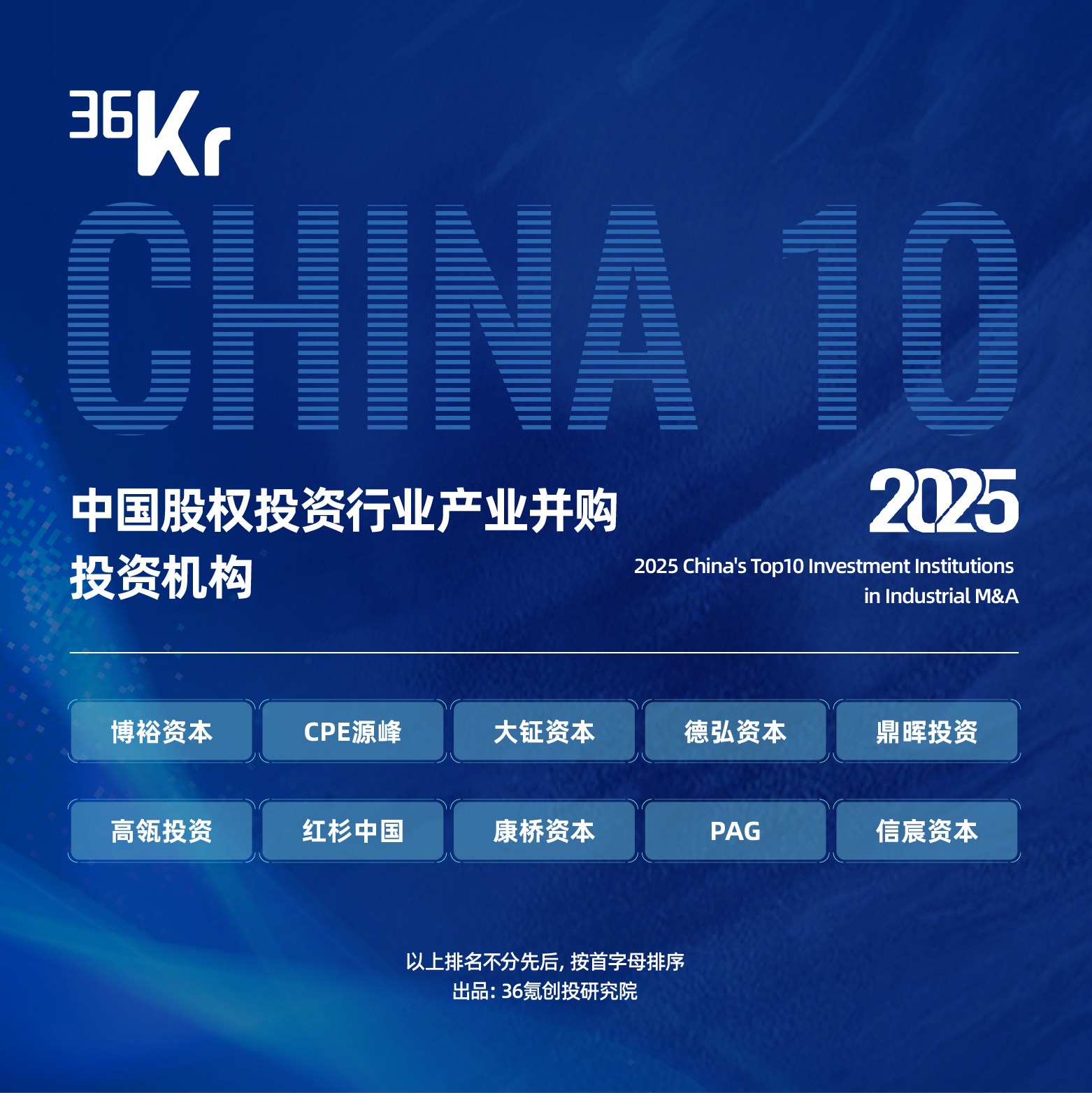
2025年度中国股权投资行业「产业并购」投资机构系列名册揭晓!
3 6 Ke· 2025-11-27 12:36
Core Insights - The year 2025 marks a significant turning point for China's M&A market, transitioning from "strategic attempts" to "systematic prosperity" due to supportive policies and resilient macroeconomic conditions [1][2] - Capital is increasingly focused on high-quality assets with strong cash flow, brand equity, and market share, moving away from merely seeking high returns [2] - The pressure for exits in the primary market has led to innovative liquidity solutions, with M&A becoming a widely accepted exit strategy for investors and entrepreneurs [2] M&A Trends - VC/PE institutions are undergoing a transformation, actively seeking control or leading stakes in quality assets rather than passively waiting for financial returns [2] - As of 2025, there have been over 25 significant M&A cases exceeding 5 billion, which redefine the relationship between investment institutions and the companies they invest in [2][3] Notable Transactions - CPE Yuanfeng's acquisition of 83% of Burger King's China operations is a strategic move to enhance digital operations and local menu innovation [3] - The partnership between Boyu Capital and Starbucks aims to leverage local market insights to drive growth in lower-tier markets and digital transformation [3] - Sequoia China’s acquisition of a majority stake in British audio brand Marshall for 1.1 billion euros highlights the trend of utilizing China's supply chain advantages to empower global brands [3] Investment Institutions - A list of notable investment institutions involved in M&A activities includes Boyu Capital, CPE Yuanfeng, Sequoia China, and others, reflecting their commitment to reshaping corporate DNA through acquisitions [6][9]
估值48亿!果然是并购大年:华羿微电子“非IPO”之路
Sou Hu Cai Jing· 2025-11-18 09:14
Core Viewpoint - The acquisition of Huayi Microelectronics by Huati Technology marks a significant move in the context of tightened IPO regulations, reflecting a shift in exit strategies for venture capital institutions [1][12]. Group 1: Acquisition Details - Huati Technology plans to acquire 100% of Huayi Microelectronics for an estimated valuation of 4.8 billion yuan through a combination of share issuance and cash payment [1]. - This acquisition is the largest merger in the private sector in Shaanxi province this year, highlighting the trend of "intra-group integration" as both companies share common ownership [1][12]. - Huayi Microelectronics, a subsidiary of Huati Technology's controlling shareholder, has rapidly developed in the semiconductor industry, ranking 13th among Chinese semiconductor power device companies in 2022 [1][3]. Group 2: Financial Performance - Huayi Microelectronics achieved revenues of 8.4 billion yuan in 2020, peaking at 11.6 billion yuan in 2021, but saw a slight decline to 11.5 billion yuan in 2022, with a net loss of 432 million yuan [3][4]. - The company is expected to recover, with projected net profits exceeding 30 million yuan in Q3 2024, reflecting an over 80% quarter-on-quarter growth [4]. Group 3: Market Context - The tightening of IPO regulations has led to a significant decrease in the number of IPOs in China, with only 313 companies listed in 2023, down from 524 in 2021, and further expected to drop to 100 in 2024 [12]. - This environment has made mergers and acquisitions a crucial pathway for industry consolidation and capital exit, particularly for technology firms like Huayi Microelectronics that are unable to go public [12][18]. Group 4: Investment and Financing - Huayi Microelectronics has completed three rounds of financing prior to its IPO attempt, with notable investors including Xiaomi Industrial Fund, raising a total of 8.644 billion yuan [6][8]. - The acquisition provides an exit route for the 27 institutional shareholders of Huayi Microelectronics, addressing the pressure for returns as many funds approach their exit deadlines [9][18].


并购退出的理想与现实:政策托底、交易提速,真正的通路仍待打开
2 1 Shi Ji Jing Ji Bao Dao· 2025-11-14 08:56
Core Insights - The article discusses the rising trend of mergers and acquisitions (M&A) in China's private equity market, driven by supportive policies and an increasing number of significant transactions [1][2][4] - Despite the growing interest in M&A as a means of exit for venture capital firms, the actual realization of successful M&A exits remains limited [5][11] Policy and Market Environment - The China Securities Regulatory Commission (CSRC) has introduced the "Six M&A Guidelines," which have led to a surge in M&A activities, shifting the perception of M&A from optional to essential [2][4] - There is a notable return of patient capital, with state-owned enterprises, insurance funds, and social security funds becoming the primary sources of capital for M&A funds [2][3] - The valuation framework is undergoing reconstruction, with a narrowing gap between venture capital project valuations and M&A transaction valuations due to a slowdown in IPOs and a correction in the primary market [2][3] Challenges in M&A Execution - The article highlights a significant gap between the ideal of M&A exits and the reality of transaction completion, with many firms still relying on IPOs for exits [5][11] - Structural issues contributing to this gap include the reluctance of listed companies to engage in M&A, the independent mindset of quality startups, and the underdeveloped M&A culture and intermediary ecosystem [6][7][11] - Successful M&A exits often require specific characteristics, such as clear business synergies, stable cash flows, and a willingness from founders to adjust governance structures [6][7] Future Outlook - The article emphasizes the need for a more mature M&A ecosystem in China, including improvements in valuation systems, M&A culture, and market expectations [7][10] - The growth potential for M&A funds in China is significant, but the market still lags behind the U.S. in terms of scale and maturity [3][10] - The future of M&A in China will depend on the ability of firms to navigate the complexities of transactions and create value through effective integration [11]
IPO早知道「2025年度榜单评选」正式启动,今日起接受申报
IPO早知道· 2025-11-10 05:02
Core Viewpoint - The article announces the initiation of the 2025 annual ranking evaluation by IPO Zao Zhi Dao, with the final list set to be released in early January 2026 [2]. Group 1: Ranking Structure - The ranking will include the "Top 100 Best Investment Institutions for 2025" based on IPO project quantity and other dimensions [5]. - Additional sub-rankings will cover various categories such as "Best Investment Institutions," "Best Service Institutions for IPOs," "Best M&A Exits," and a new category for "Best Cornerstone Investors in Hong Kong Stocks" [5][4]. Group 2: Market Trends - The IPO market in 2025 is expected to experience a resurgence compared to the "sluggish" market of 2024, particularly in Hong Kong, which has become a preferred destination for high-quality Chinese enterprises to list overseas [7]. - The evaluation will continue to emphasize the number of IPO exits as a key indicator of investment performance, while also highlighting institutions that take early risks and invest in impactful projects [7]. Group 3: Sector-Specific Rankings - The rankings will include subcategories for various sectors such as AI, semiconductor chips, consumer goods, healthcare, new energy, and ESG, recognizing institutions that excel in these areas [9]. - The "Annual Value Capturer" award will honor investors who demonstrate exceptional insight and support for companies throughout their growth [9]. Group 4: Service Institutions - The importance of IPO service institutions is acknowledged, with rankings set for investment banks, legal service firms, audit firms, and industry research and consulting institutions [11][12]. Group 5: M&A Exits - The "Best M&A Exit" category reflects the evolving narrative of the capital market, recognizing significant M&A transactions that provide substantial returns for VC/PE firms and create value for all parties involved [14][15]. Group 6: Cornerstone Investors - The active Hong Kong IPO market is closely linked to the role of cornerstone investors, who transition from early supporters to long-term partners in a company's growth [17][18].

陈文辉:IPO退出承载能力有限,并购退出是今后主要培育方向
Sou Hu Cai Jing· 2025-09-26 08:01
Group 1 - The current capacity for IPO exits is limited, and mergers and acquisitions (M&A) will be the main focus for future development [1] - There is a significant amount of existing assets that need to be addressed through M&A, which is crucial for revitalizing these assets and promoting economic transformation [1] - The optimization of exit channels is essential for the high-quality development of equity investment funds, with exit being the most challenging aspect of the investment process [1] Group 2 - The demand for M&A is driven by changes in economic development requirements, including the succession of private enterprises and policy adjustments [2] - The State-owned Assets Supervision and Administration Commission (SASAC) is encouraging state-owned enterprises to increase investments in strategic emerging industries, with venture capital funds established by these enterprises nearing 100 billion [2] - Regulatory support, such as the encouragement from the China Securities Regulatory Commission for equity investment funds to acquire listed companies, is expected to broaden exit opportunities [2]
又一家VC机构,入股上市公司!
Zheng Quan Shi Bao Wang· 2025-09-23 12:40
Core Viewpoint - The announcement from Bidetech (605298) regarding the transfer of 29.90% of its shares to Dinglong Qishun marks a significant shift in its ownership structure, with Dinglong Qishun becoming the second-largest shareholder, reflecting a trend of venture capital (VC) firms increasingly acquiring stakes in listed companies [1][2][3]. Group 1: Share Transfer Details - Bidetech's actual controller and its concerted parties signed a share transfer agreement with Dinglong Qishun, which will acquire a total of 29.90% of the company's shares for 897 million yuan [1]. - Dinglong Qishun is a growth-oriented fund with a registered capital of 950 million yuan, established by Xi'an Heying Venture Capital, which is fully owned by Longding Investment [1][2]. Group 2: Market Reaction and Stock Performance - Following the announcement, Bidetech's stock price surged over 180%, significantly outperforming the industry and the Shanghai Composite Index during the same period [2]. - The increase in stock price is attributed to market expectations of potential asset injections from Dinglong Investment, which focuses on the semiconductor sector [5][6]. Group 3: Policy Environment and VC Strategy - The recent surge in VC firms acquiring stakes in listed companies is closely linked to favorable policy changes that support private equity funds in acquiring listed companies for industrial integration [3][4]. - The current market conditions, including reasonable valuations of many listed companies, have prompted VC firms to explore opportunities in the secondary market, especially as the IPO pace has slowed [3][4]. Group 4: Future Implications and Considerations - The acquisition by VC firms is seen as a strategic move to create a controllable platform for future asset injections, which could facilitate exits for their investments [4][6]. - However, the success of these acquisitions heavily relies on the actual injection of assets into the listed companies, as the absence of such actions may lead to stock price corrections [6][7].

国资LP怎么看“柔性退出”?
母基金研究中心· 2025-09-22 09:27
Core Viewpoint - The 2025 Sixth China Fund of Funds Summit highlighted the importance of diverse exit strategies in the private equity sector, particularly in the context of mergers and acquisitions, and the evolving landscape of investment opportunities and challenges in China [1][2][4]. Group 1: Event Overview - The summit took place from August 30 to 31, 2025, in Beijing, organized by the Fund of Funds Research Center, with over 300 representatives from government, industry associations, and leading investment institutions in attendance [1]. - The event featured discussions on new exit models, including mergers and flexible exits, emphasizing the need for innovative approaches in the current policy and market environment [2][4]. Group 2: Key Discussions on Exit Strategies - The roundtable forum focused on "Breaking the Deadlock and Value Reconstruction: How to Create a New Paradigm for Mergers and Diverse Exits," where industry leaders shared successful case studies and practical experiences [2][3]. - The discussion underscored the significance of aligning fiscal funding with regional industrial planning to enhance investment and economic development [4]. Group 3: Case Studies and Practical Insights - Successful examples included the listing of Yitang Co. on the Sci-Tech Innovation Board through mergers initiated by Yizhuang Guotou, and the acquisition of equity in Zhongxin Beifang by SMIC, which opened exit channels [4]. - The Guangdong Hongtu investment by Yueke Fund in 2000, which evolved from a strategic investor to a controlling shareholder, exemplified the benefits of mergers for asset liquidity and value enhancement [5]. Group 4: Flexible Exit Strategies - The concept of "flexible exit" emerged as a new trend, allowing for more adaptable approaches to exits, particularly in challenging market conditions [7][10]. - Various flexible exit methods were discussed, including phased buyback strategies and non-litigious resolutions to disputes, aimed at supporting companies in distress while ensuring investor returns [8][10]. Group 5: Importance of Management and Long-term Planning - The ability of fund managers to anticipate exit strategies is crucial, with a focus on the role of high-quality assets in facilitating successful exits [6][10]. - Long-term capital investors, such as the Tsinghua University Education Foundation, emphasized the importance of planning for exits from the outset, often requiring a 10 to 15-year horizon for returns [9][10].