开源软件

Search documents
英伟达官方支持极简养虾
Xin Lang Ke Ji· 2026-03-16 20:13
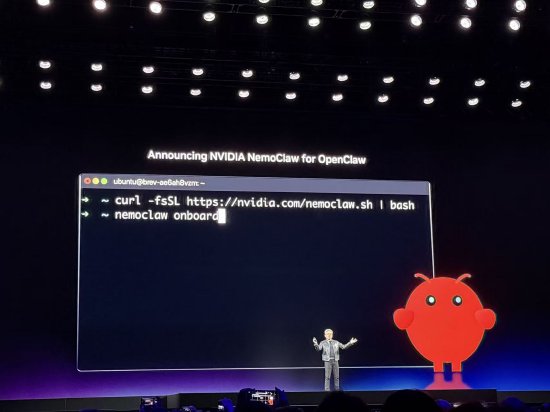
Core Viewpoint - NVIDIA has introduced NemoClaw, a deployment toolchain specifically optimized for OpenClaw, emphasizing ease of installation and seamless integration with GPU servers [2] Group 1 - The installation of NemoClaw requires only two lines of commands, highlighting its user-friendly design [2] - NVIDIA aims to ensure that every GPU server can seamlessly connect to the OpenClaw ecosystem, integrating computing power with the agent framework [2] Group 2 - Jensen Huang praised OpenClaw as the fastest-growing open-source software in history, with a significant increase in GitHub stars [2] - By the end of 2025, OpenClaw's GitHub star count is projected to surpass that of established projects like Facebook's React and Linus Torvalds' Linux, which took over twenty years to reach similar levels [2]


龙虾再进化!强化飞书表格技能,25.2万星登顶超越React/Linux
量子位· 2026-03-03 10:11
Core Insights - The article discusses the recent release of OpenClaw on March 1, 2026, which has integrated over ninety pull requests (PRs) and has achieved significant popularity on GitHub, surpassing Meta's React with 252,000 stars, making it the most starred open-source software in history [1][4][36]. Group 1: Product Upgrades - The latest version of OpenClaw features two main enhancements: improved model capabilities and better usability for domestic users [4][6]. - The model has been upgraded to support dynamic adjustment of intelligence levels based on task difficulty, allowing for more efficient processing and reduced token usage [14][16]. - The integration with OpenAI services has been optimized, resulting in faster response times and a more stable conversation experience due to the adoption of WebSocket technology [18][19]. Group 2: Domestic User Experience - The updates include significant enhancements for Android users, with expanded automation capabilities such as responding to messages and checking device health [22][25]. - OpenClaw now supports creating and modifying spreadsheets directly within Feishu (Lark), allowing for automated workflows and data management [26][29]. - The user interface has been localized, with the Cron scheduling page now supporting both Chinese and English, making it more accessible for local users [33][34]. Group 3: Market Impact - OpenClaw's rapid rise in popularity, as evidenced by its star count on GitHub, indicates a strong global interest and engagement with the software [35][48]. - The article notes the competitive landscape, highlighting that while OpenClaw has gained significant attention, the established ecosystem of React remains influential in the industry [47].

Vibe Coding“血洗”开源,社区吵翻了:封杀菜鸡AI开发者?不如给维护者打钱!
AI前线· 2026-02-05 09:00
Core Viewpoint - The widespread adoption of vibe coding may threaten the open-source ecosystem by detaching user interactions from open-source projects and significantly increasing the difficulty of starting new open-source projects [2][4]. Group 1: Impact on Open Source Projects - User interactions with open-source projects are declining, as the demand for code downloads and documentation is being replaced by interactions with large language model chatbots [2]. - Even popular open-source projects are experiencing a drop in website traffic, which reduces the potential for commercial planning, sponsorship fundraising, and community forum operations [2]. - The usage of community forums like Stack Overflow has also decreased, reflecting a broader trend of disengagement from traditional open-source practices [2]. Group 2: Challenges of Vibe Coding - Vibe coding undermines the natural selection mechanism within the open-source community, leading to a reliance on the most prevalent technologies in the training datasets of large language models [6]. - Reports indicate that using tools like GitHub Copilot has not yielded tangible benefits, with a noted increase of 41% in bugs being considered a success metric [6]. - By 2025, there is a growing sentiment that large language models are diminishing cognitive abilities and reducing development efficiency by 19% [6]. Group 3: Economic Implications for Open Source Maintainers - The compensation mechanisms for open-source maintainers need significant reform to sustain the current scale of open-source software in the context of vibe coding [4]. - The shift to vibe coding lowers software production costs but alters user interactions with the software ecosystem, potentially leading to a decline in user engagement and funding for open-source projects [9]. - The long-term equilibrium may see a decrease in new open-source projects and sharing, ultimately lowering the quality and availability of open-source software despite productivity gains [9]. Group 4: Perspectives on AI's Role - Some developers report positive experiences with AI, stating it has enabled them to complete projects more efficiently and handle bug reports faster [12][13]. - However, concerns remain that reliance on AI could lead to a decline in the quality of contributions to open-source projects, as users may not engage in bug reporting or may provide irrelevant information [13]. - There is a debate within the community about whether vibe coding will ultimately harm or benefit open-source software, with some arguing that it could lead to a faster evolution of open-source projects compared to commercial software [13][14].

Tether launches open-source bitcoin mining management software, Mining OS
Yahoo Finance· 2026-02-03 16:04
Core Viewpoint - Tether has launched Mining OS, an open-source bitcoin mining management software aimed at modernizing the mining software landscape and reducing reliance on proprietary solutions [1][3][4] Group 1: Product Features - Mining OS (MOS) is a modular framework that manages energy, hardware, and data streams simultaneously [1] - The software allows operators to monitor real-time hashrate, temperature, and power consumption, and supports management of mining pools and physical infrastructure [2] - MOS architecture enables the creation of custom analytic dashboards and integration tools, catering to various users from home miners to large-scale service providers [3] Group 2: Market Positioning - Tether claims the existing mining software is outdated compared to other industrial technology sectors, positioning MOS as a modern solution [3] - The launch of Mining OS represents Tether's diversification strategy beyond its primary stablecoin business, indicating an expansion into the bitcoin mining sector [4]
GitHub 全球宕机!开发者怒骂后“大逃离”
程序员的那些事· 2026-01-26 01:27
Core Viewpoint - GitHub experienced a significant outage, leading to widespread developer frustration and speculation about the potential role of Copilot in the incident [1][3][4]. Group 1: Incident Overview - A large number of developers reported that GitHub was down, causing disruptions in development processes globally [1][4]. - GitHub acknowledged the outage, stating that multiple services were affected, particularly issue reporting, pull requests, and API functionality, and the issue was resolved after approximately two hours [5]. - Users expressed their concerns about the reliance on GitHub, questioning why so many projects are solely hosted on this platform without alternative options [7]. Group 2: Migration and Developer Response - Gentoo Linux announced plans to migrate its repositories away from GitHub, citing the forced use of Copilot as a primary reason for the decision [8][9]. - The Gentoo community criticized GitHub's attempts to compel repository contributors to enable Copilot, arguing that it disrupts normal development processes and violates open-source licensing principles [8][9]. - Personal developers are also expressing dissatisfaction with GitHub, with many considering alternatives due to the mandatory use of Copilot and concerns over its handling of open-source code [11][12]. Group 3: Copilot Controversy - Developers have raised alarms about Copilot's potential reuse of open-source code without proper attribution, leading to discussions about whether Microsoft should disable these features [12][14]. - There is a growing sentiment among developers that Microsoft's promotion of Copilot is top-down and disregards user retention, prompting many to seek self-hosted solutions or alternative platforms [15].


速递|a16z全程跟进:vLLM之父创AI推理Inferact,顶级投资阵容融资,估值达8亿美元
Z Potentials· 2026-01-23 04:13
Core Insights - Inferact, an AI startup founded by the creators of the open-source software vLLM, has raised $150 million in seed funding, achieving a valuation of $800 million [2] - The company focuses on the inference stage of AI, where trained models begin to answer questions and solve tasks, predicting that the biggest challenge in the AI industry will shift from building new models to operating existing models efficiently and reliably [2][4] Funding and Investment - The seed round was led by Andreessen Horowitz and Lightspeed Venture Partners, with participation from Sequoia Capital, Altitude Capital, Redpoint Ventures, and ZhenFund [2] - Andreessen Horowitz's involvement dates back to the early stages of the vLLM project, which became the first recipient of their "AI Open Source Grant Program" in 2023 [3] Technology and Development - Inferact's core technology is built around vLLM, an open-source project launched in 2023 to help enterprises efficiently deploy AI models on data center hardware [2][4] - The company aims to support vLLM as an independent open-source project while also developing commercial products to help businesses run AI models more efficiently on various hardware [4] Market Trends - The AI industry is experiencing a shift where developers can utilize existing powerful models without waiting for significant upgrades, contrasting with the past when new model releases took years [3] - The inference stage is becoming a bottleneck, increasing costs and putting pressure on systems, which may worsen in the coming years [4] Business Strategy - Inferact's significant seed funding reflects the scale of market opportunities, indicating that even small efficiency improvements can have a substantial impact on costs [4] - The company does not aim to replace or limit open-source projects but seeks to build a business that supports and expands the vLLM project [4]

受够了Copilot的“霸王条款”?GitHub全球宕机遭怒骂,引爆开发者“大逃离”
3 6 Ke· 2026-01-16 10:57
Core Insights - GitHub experienced a significant outage, leading to widespread complaints from developers who were unable to access the platform and faced disruptions in their workflows [4][6] - The cause of the outage has not been detailed by GitHub, but speculation points towards issues related to the Copilot feature, which has prompted some developers and companies to migrate their code repositories to alternative platforms [3][10] Developer Reactions - Many developers expressed frustration over the outage, highlighting the dependency on GitHub for their projects and the impact on their development processes [4][6] - There is a growing sentiment among developers that GitHub's reliance on Copilot is problematic, with some suggesting that it may be responsible for the recent outages [6][10] Migration Trends - Gentoo Linux has announced plans to migrate its repositories away from GitHub, citing the forced use of Copilot as a primary reason for this decision [7][8] - The migration will be phased, starting with the core gentoo.git repository, and will explore various alternative platforms such as Codeberg, GitLab, and self-hosted solutions [8][9] Copilot Controversy - The introduction of Copilot has raised concerns regarding its compliance with open-source licensing, as developers fear it may utilize their code without proper attribution [7][10][12] - Developers have reported instances where Copilot's suggestions were intrusive and disrupted their normal coding practices, leading to calls for alternatives to GitHub [10][12]

每周死机3次,还疯狂偷数据?一名程序员的Linux迁徙记:“我终于把Win11删光了”
3 6 Ke· 2026-01-13 10:15
Core Viewpoint - The article discusses the increasing trend of users, particularly developers, migrating from Windows 11 to Linux due to frustrations with data telemetry and software stability issues [2][12]. Group 1: Reasons for Migration - The primary reasons for the shift to Linux are excessive data telemetry and deteriorating software experience in Windows 11, which collects extensive user data without the ability to fully disable it [2][3]. - Users have reported frequent system crashes and bugs in Windows 11, leading to a loss of trust in the operating system [3][12]. Group 2: Linux Distribution Experience - The author explored various Linux distributions, including Mint, Debian, and Artix, ultimately choosing Artix for its lightweight nature and customization options [6][12]. - Artix Linux, derived from Arch Linux, offers a fast boot time and low resource usage, making it an appealing choice for users seeking performance [6][12]. Group 3: Challenges and Solutions - Users may encounter challenges when installing Linux, such as missing drivers, which can complicate the setup process [8][9]. - Despite initial difficulties, the ability to troubleshoot and resolve issues independently is seen as a valuable learning experience [17]. Group 4: User Experience and Satisfaction - The transition to Linux has led to a renewed enjoyment of computing, with users appreciating the system's speed, stability, and customization capabilities [12][14]. - The article highlights the ease of managing mobile devices on Linux, with improved file transfer experiences compared to Windows [10][11]. Group 5: Conclusion and Outlook - While Linux may not solve all computing problems, it offers users a deeper understanding of their systems and greater control over their computing environment [15][16]. - The article encourages those frustrated with Windows 11 to consider switching to Linux, as it is becoming a more mainstream choice among developers [17].
腾讯云Valkey社区贡献位居全球第一,率先在国内支持8.0版本
Sou Hu Cai Jing· 2025-12-25 02:46
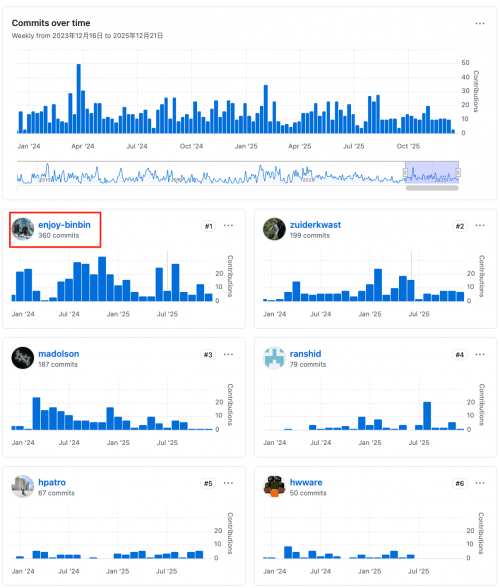
Core Insights - The article highlights the significant changes in the open-source software landscape with the emergence of the new generation open-source in-memory database Valkey, which is now supported by Tencent Cloud as the first in China to release Valkey 8.0 [1] Group 1: Valkey Overview - Valkey is an open-source in-memory Key-Value database project managed by the Linux Foundation, originating from the Redis community, aimed at creating a vendor-neutral and stable foundational software platform through a loose open-source protocol and community governance model [1] - The release of Valkey 8.0 marks the first major version since its fork from Redis, inheriting capabilities from Redis 7.2.4 while achieving significant improvements in performance and resource efficiency, particularly for Search and AI applications [5] Group 2: Tencent Cloud's Role - Tencent Cloud has become a key contributor to the Valkey project, ranking first globally in community code contributions, with expert Binbin Zhu contributing over 360 pull requests (PRs) and serving on the Technical Steering Committee (TSC) and Core Team [2] - Tencent Cloud's involvement includes adapting Valkey 8.0 for cloud environments based on its extensive experience in industries such as gaming, e-commerce, and finance, enhancing its stability and usability in production settings [5] Group 3: Community Engagement - Major global cloud providers, including AWS, Google Cloud, Oracle, Tencent Cloud, Alibaba Cloud, and Huawei Cloud, are deeply engaged in the Valkey community, fostering a community-centric open-source collaboration model [1] - The establishment of the Valkey community in Beijing allows Chinese developers to participate actively in global community governance [1]

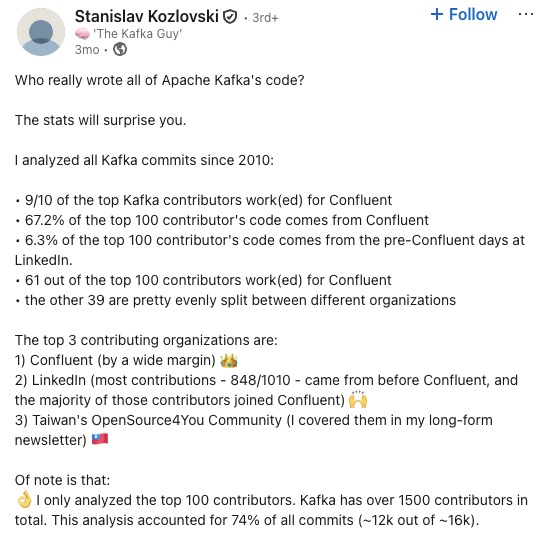
“最悲伤的结局”?IBM豪掷110亿收购Confluent:Kafka开源焦虑升级,Flink流计算成最大赢家
Xin Lang Cai Jing· 2025-12-10 00:27
Core Insights - IBM has acquired Confluent for $11 billion in cash, marking a strategic shift away from the industry's focus on GPUs and large model training [1][2] - This acquisition is seen as a natural progression given the five-year strategic partnership between IBM and Confluent, with IBM promoting Confluent as part of its IBM Cloud Pak [1][2] - The acquisition price represents a 30% premium over Confluent's previous stock price, with funding sourced from IBM's cash reserves [1] Financial Overview - IBM's total expenditure on open-source software companies has now exceeded $50 billion, including previous acquisitions of Red Hat for $34 billion and HashiCorp for $6.4 billion [2] - Confluent has over 6,000 customers, providing IBM an opportunity to increase its product penetration among existing clients [2] Market Position and Risks - Confluent is a key player in the Kafka ecosystem, contributing significantly to its development, which raises concerns about the future of Kafka under IBM's ownership [3][5] - The acquisition may lead to cultural clashes between Confluent's fast-paced engineering culture and IBM's traditional corporate structure, potentially impacting innovation and talent retention [5][6] - There are fears that IBM may prioritize proprietary technology over open-source development, which could stifle the growth of the open-source Kafka version [5][6] Strategic Implications - The acquisition is viewed as a move to enhance IBM's capabilities in real-time data processing, with Confluent's technologies being integral to this strategy [8][11] - IBM aims to build a comprehensive data flow capability chain, integrating data ingestion (Kafka), data stream computation (Flink), and enterprise applications [11][12] - The acquisition aligns with IBM's broader strategy to address the challenges of enterprise AI by ensuring efficient internal data flow, moving beyond mere computational power [11][12]