新制造

Search documents
XbotPark机器人基地发起人李泽湘:C端创业一举六得
Nan Fang Du Shi Bao· 2026-02-24 08:20
Group 1 - The core idea of the article is the promotion of a new engineering education system and entrepreneurial ecosystem in Guangdong, focusing on robotics and technology startups, which aims to enhance the region's economic structure and innovation capacity [2][3] - The establishment of the Songshan Lake Robotics Base in Dongguan in 2014 aimed to address the low success rate of professors in entrepreneurship by systematically training student entrepreneurs and integrating robotics competitions into the curriculum [2] - The new engineering education system emphasizes "entrepreneurial density" as a key metric for assessing students' entrepreneurial capabilities, with a structured incubation process designed to lower the difficulty of entrepreneurship [2] Group 2 - From 2014 to 2020, over 60 teams were incubated with an 80% survival rate, and 15% of these became unicorns or potential unicorns, with some achieving valuations exceeding 10 billion USD [2] - The sales revenue of 114 startups incubated after 2021 is projected to reach 1.39 million USD in 2024 and 7.84 million USD in 2025, representing a growth of 5.6 times [3] - The cumulative valuation of over 270 hard-tech companies incubated across various platforms is estimated to exceed 350 billion USD, with 4 companies listed and 12 recognized as unicorns or potential unicorns [3]


零跑十年:一部“新制造”的杭州样本
第一财经· 2025-12-30 07:01
Core Viewpoint - Hangzhou is undergoing a transformation from a digital economy hub to a new manufacturing era, focusing on artificial intelligence and smart connected vehicles, with Leap Motor exemplifying this shift through its commitment to self-research and vertical integration [1][3][6]. Group 1: Industry Transformation - Hangzhou's transition is marked by a shift from an application-based ecosystem to a focus on foundational technology and innovation [4][5]. - The city aims to master the entire value chain from core chip computing power to terminal applications, indicating a move from rapid business model replication to tackling core technologies [6][10]. - Leap Motor's approach aligns with Hangzhou's strategy, emphasizing deep engagement in the foundational layers of electric vehicles, such as electronic architecture and battery technology [8][10]. Group 2: Leap Motor's Business Model - Leap Motor has restructured the traditional automotive business model by eliminating intermediaries and focusing on cost and value [18]. - The company achieves a 65% self-research and manufacturing ratio for core components, allowing it to maintain a healthy gross margin of 14% to 15% while passing cost advantages to consumers [10][18]. - The company's sales have seen significant growth, with cumulative sales surpassing 250,000 units, demonstrating the effectiveness of its self-research and cost pricing model [19]. Group 3: Engineering Culture and R&D - Leap Motor's engineering culture supports its self-research strategy, with a research team exceeding 6,000 members and substantial investments in R&D [22]. - The company has achieved rapid production scaling, reducing the time to produce its 100,000th vehicle to just 343 days, showcasing its operational efficiency [22][24]. - Leap Motor's commitment to R&D is reflected in its plans to increase investment to 4 to 5 billion yuan in the coming years [22]. Group 4: Global Expansion - Leap Motor is pursuing a global strategy through a partnership with Stellantis, which involves a 1.5 billion euro investment for a 20% stake, facilitating access to global markets [26]. - The company has established over 800 sales and service points across approximately 35 international markets, indicating a robust global presence [28]. - Leap Motor's European manufacturing base in Spain is set to begin production in 2026, marking a shift from a trade-based to an ecosystem-based global strategy [28]. Group 5: Entrepreneurial Spirit and Future Outlook - Leap Motor's founder, Zhu Jiangming, embodies the spirit of scientific entrepreneurship, recognized for his contributions to technology and innovation [12][14]. - The company aims to become a respected global automotive brand, reflecting Hangzhou's ambition in the new manufacturing era [16][29]. - Leap Motor's journey serves as a model for how to navigate complexity and achieve future success through a focus on core values and technological foundations [31].

零跑十年:一部“新制造”的杭州样本
Di Yi Cai Jing· 2025-12-30 04:31
Core Insights - Hangzhou is undergoing a transformation from a digital economy hub to a new manufacturing era, focusing on artificial intelligence and smart connected vehicles [1][3] - Leap Motor's development trajectory aligns with Hangzhou's industrial transformation, emphasizing self-research and vertical integration in manufacturing [3][6] Industry Transformation - Hangzhou's shift represents an evolution from application-based innovation to foundational restructuring in advanced manufacturing [4] - The city aims to control the entire value chain from core chip computing power to terminal applications, moving beyond rapid business model replication [4] Leap Motor's Strategy - Leap Motor has adopted a self-research approach since its inception, prioritizing core technologies such as battery and electric drive systems [6][8] - The company has achieved a 65% self-manufactured core component ratio in its vehicle BOM costs, leading to a 10% cost advantage over competitors [8][14] Recognition and Leadership - Leap Motor's founder, Zhu Jiangming, has been recognized as a "scientific entrepreneur," reflecting the city's shift towards valuing science and technology [9][11] - The company has received significant government investment, totaling over 9 billion yuan, highlighting the supportive role of local authorities in its growth [13] Financial Performance - Leap Motor's business model focuses on cost transparency and value redefinition, maintaining a healthy gross margin of 14%-15% while passing savings to consumers [14] - The company has seen rapid growth, achieving over 250,000 cumulative vehicle sales and aiming for 1 million by 2026 [15][17] Global Expansion - Leap Motor has formed a strategic partnership with Stellantis, securing a 15 billion euro investment for a 20% stake, facilitating global market access [18][20] - The establishment of over 800 sales and service points across 35 international markets demonstrates Leap Motor's extensive channel development [20] Cultural and Philosophical Underpinnings - The company's approach reflects Hangzhou's pragmatic and daring spirit, focusing on core technology and user needs [21][23] - Leap Motor's journey serves as a model for industrial transformation, showcasing a rational path towards future competitiveness [23]

李泽湘:没有供应链支撑 科创只能停留在实验室和教室
2 1 Shi Ji Jing Ji Bao Dao· 2025-12-14 14:51
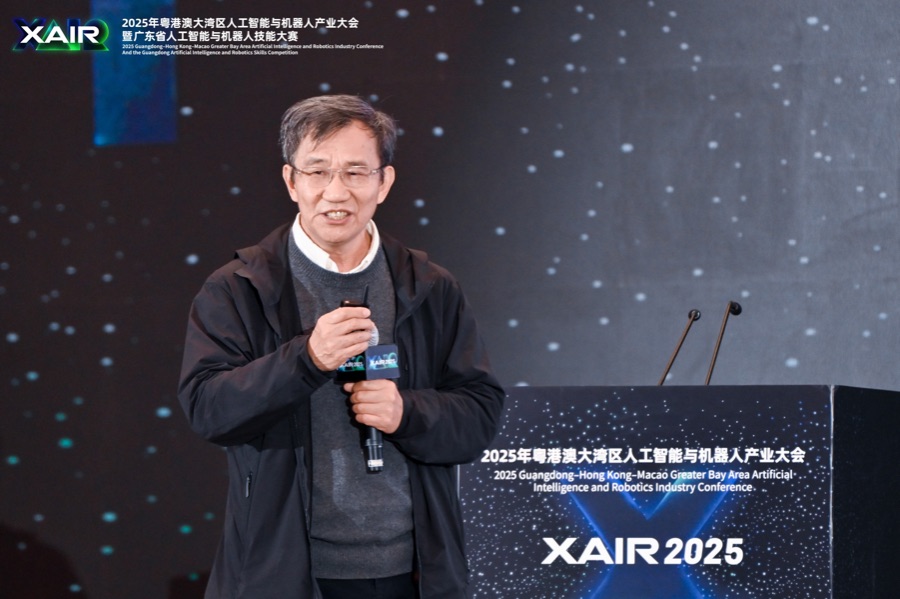
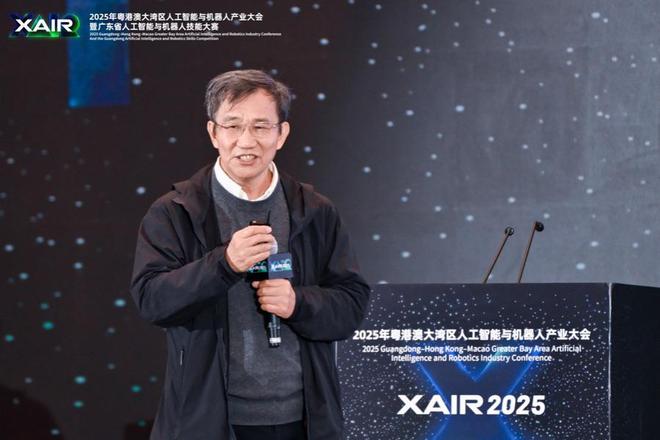
Group 1 - The conference on the AI and robotics industry in the Guangdong-Hong Kong-Macao Greater Bay Area highlighted the importance of new engineering education in cultivating innovative talents and enhancing product and enterprise iteration [1] - The unique supply chain advantages of the Greater Bay Area are emphasized, with iteration speeds reaching 10 to 30 times that of Silicon Valley and costs only one-tenth of Silicon Valley [3] - The focus on consumer-oriented (To C) product innovation is seen as a key driver for the manufacturing sector in the Greater Bay Area, contrasting with technology-driven business-to-business (To B) products [3] Group 2 - The emergence of young entrepreneurs like DJI and Yunji is noted as a solid foundation for the development of "new manufacturing," which aims to cultivate local consumer brands and upgrade low-end industries [4] - A shared factory initiative has been established to provide over 100 startups with one-stop services from concept validation to mass production, facilitating the transition from technology to product [4] - The gap between domestic education and industry needs to be bridged through platform building and reform in new engineering education, which has been implemented through project-based learning [5] Group 3 - The project-driven, interdisciplinary collaboration and real-world scenario orientation are identified as the core of new engineering education, essential for closing the loop from education to entrepreneurship and from technology to product [6] - The success of students in creating companies like DJI is attributed to the skills gained through project-based courses, supported by the efficient supply chain and application ecosystem in Shenzhen [6]
李泽湘:没有供应链支撑,科创只能停留在实验室和教室
2 1 Shi Ji Jing Ji Bao Dao· 2025-12-14 06:39
Core Insights - The conference on AI and robotics in the Guangdong-Hong Kong-Macao Greater Bay Area emphasizes the importance of new engineering education in cultivating innovative talent and enhancing product and enterprise iteration [1][6] - The unique supply chain advantages of the Greater Bay Area are highlighted, with iteration speeds reaching 10 to 30 times that of Silicon Valley and costs only one-tenth [3][4] - The focus on consumer-oriented (To C) product innovation is seen as a key driver for the manufacturing sector in the Greater Bay Area, contrasting with technology-driven business-to-business (To B) products [3][4] Supply Chain and Innovation - The lack of supply chain resources can hinder the practical application of innovative education, necessitating a full-chain support system including materials and chips [3] - The Greater Bay Area's supply chain is described as the most unique globally, providing a solid foundation for manufacturing and innovation [3][4] - The region has transitioned from a contract manufacturing model to developing its own consumer brands, leveraging its complete industrial chain [4] New Manufacturing and Startups - Emerging startups like DJI and Yunji are recognized for laying a strong foundation for "new manufacturing," which focuses on nurturing local consumer brands [4] - A shared factory initiative has been established to support startups with a one-stop service from concept validation to mass production, with over 100 companies already participating [5] Educational Reform - The gap between academia and industry is identified as a significant challenge, necessitating reforms in engineering education to better align with market needs [6][7] - A project-based learning model has been implemented in engineering education, emphasizing real-world applications and market-driven problem-solving [6][7] - The importance of role models in education is underscored, with examples of successful entrepreneurs inspiring students to define their own projects rather than following traditional methods [6][7]
不要再叫“代工之王”!一文读懂工业富联凭啥市值万亿
Cai Fu Zai Xian· 2025-08-25 04:28
Core Viewpoint - Industrial Fulian is transforming the global manufacturing landscape through deep digitalization and technological output, leading to a significant increase in its market value and surpassing the banking sector for the first time in A-share history [1] Group 1: Transformation of Manufacturing Logic - Industrial Fulian has evolved from merely being a manufacturing enterprise reliant on major clients to establishing a comprehensive digital manufacturing system that enhances real-time perception and dynamic adjustment in production processes [2] - The company aims to be a foundational player in manufacturing upgrades, focusing on building a standardized collaborative framework rather than just reducing costs and improving efficiency [2] Group 2: AI Integration in Production - Unlike many companies that apply AI to customer service and marketing, Industrial Fulian integrates AI into the core of production, ensuring that smart tools and manufacturing processes work seamlessly together [3] - The company utilizes digitalization to record all production data, enabling predictive maintenance and dynamic resource allocation across factories, thus creating a "super brain" for task distribution [3] Group 3: Value Transition from Execution to System Output - Industrial Fulian is shifting from a model where human experience drives production to one where systems dictate operations, allowing for flexible adjustments in production lines and real-time data-driven resource management [4] - The company is redefining manufacturing capabilities by transforming data into a decision-making asset and creating reusable algorithm models, thus enhancing operational stability and replicability [4][5] Group 4: Role as a Global Industrial Service Provider - The future of manufacturing competition will center around system capabilities, with Industrial Fulian positioned as a foundational service provider that supports resource upgrades for small and medium enterprises through standardized platforms [6] - The company is not merely a contract manufacturer but a builder of manufacturing systems, facilitating industry connections and enabling long-term development in the manufacturing sector [6]

泡泡玛特:工厂自动化水平达50%
Xin Lang Ke Ji· 2025-08-20 03:24
Core Insights - The core focus of the news is on Pop Mart's commitment to innovation in materials, processes, standards, and manufacturing as highlighted during their mid-2025 performance conference in Hong Kong [1][2]. Group 1: Company Strategy - Pop Mart's Vice President, Yuan Junjie, emphasized the company's dedication to several "new" initiatives: new materials, new processes, new standards, and new manufacturing [2]. - The company has significantly improved its automation levels in the collectible toy industry, increasing from approximately 20% to around 50% in typical factories due to automation upgrades [2].

“制造业当家”为何看广东?听他们现场讲述
Nan Fang Du Shi Bao· 2025-07-24 07:18
Group 1 - Guangdong's manufacturing industry accounts for approximately 1/8 of the national total, with eight trillion-yuan industrial clusters in new-generation electronic information, green petrochemicals, and smart home appliances [4] - Midea Group has transformed from a small workshop to a Fortune Global 500 company, currently operating six lighthouse factories and projecting overseas revenue exceeding 160 billion yuan in 2024 [4] - The story of Taiping Handbag Factory illustrates the rapid growth of Dongguan, which became the 15th city in China to achieve a GDP of over one trillion yuan and a population of over ten million [4] Group 2 - Haitian Flavoring and Food Co., Ltd. is integrating traditional craftsmanship with AI technology to enhance the precision and stability of its production processes [5] - ZTE Corporation has accumulated 93,000 global patent applications and aims to become a leader in network connectivity and intelligent computing [5] - Gree Electric Appliances emphasizes core technology, with 70% of its export sales coming from its own brands [7] Group 3 - The introduction of a smart production line by Guangzhou Shipyard International has positioned it as a global leader in the manufacturing of automobile transport ships, with the highest order volume in 2025 [8] - EHang's EH216-S autonomous aerial vehicle showcased at the CCTV Spring Festival Gala represents Guangdong's technological advancements and is supported by local policies [8] - GAC Group's flying car project has successfully obtained a special flight permit, marking significant progress in the development of flying vehicles [9] Group 4 - Guangdong is transitioning from a "world factory" to "global intelligent manufacturing," focusing on self-sufficiency and technological innovation [11] - Foxconn is shifting from contract manufacturing to technology output, indicating a trend of new business models emerging in Guangdong [11] - Huawei is building an AI ecosystem to empower digital transformation across various industries, aiming to enhance productivity [11]
配置黑白电龙头,拥抱新消费与新制造 - 2025年可选-家电中期策略
2025-06-30 01:02
Summary of Conference Call Records Industry Overview - The home appliance industry index has declined by 2.7% year-to-date, with significant differentiation within the sector. Appliance components have benefited from the robotics concept, rising nearly 12%, while major appliances, particularly white goods, have faced a 5% decline [1][2][3]. - The valuation of the home appliance sector is at a ten-year low, with the Shenyin Wanguo home appliance PE (TTM) dropping below 15 times, lower than the historical average [4]. Sales Performance - From January to May 2025, domestic online sales of home appliances grew by 14%, while exports increased by 6%. The North American market is under pressure, but the European market shows good demand, and emerging markets continue to grow rapidly [5]. Policy Impact - The national "old for new" policy has consumed approximately 160 billion yuan of its 300 billion yuan budget, with some provinces controlling the issuance of subsidies. However, the policy will continue throughout the year, expected to support demand in the second half [6]. Market Dynamics - The panoramic camera market is dominated by Xi'an Catering, which holds a 70% revenue share in 2023, with industry growth exceeding 30%. The entry of DJI is expected to aid industry development, but Xi'an Catering maintains a leading advantage [1][9][10]. - The sweeping robot market is competitive, with Chinese brands dominating. Stone Technology's floor washing machine business is expected to improve profit margins, with accelerated growth anticipated in Q3 and Q4 [1][14][15]. Investment Opportunities - The core investment themes for the home appliance industry include: 1. New consumer trends in home appliances, focusing on handheld smart imaging products and smart appliances. 2. New manufacturing trends, favoring quality companies with solid fundamentals and robotics initiatives. 3. Strong growth potential in leading black and white appliance companies, with white goods offering high dividend yields and low valuations, while black goods benefit from product upgrades [3][20]. Competitive Landscape - The air conditioning market is experiencing price competition primarily in mid-to-low-end products, with controlled impacts on leading companies' profits. Market share is expected to recover [2][21]. - Stone Technology is positioned to enhance its profit margins through accelerated growth in its washing machine segment, with a focus on quality growth and market share [15][17]. Future Growth Potential - Eu Sheng Electric has a competitive advantage in overseas production capacity, particularly in Malaysia, benefiting from lower tariffs and established relationships in the elderly care robot market, which has significant long-term growth potential [1][18]. - The black appliance sector is seeing product structure upgrades, particularly in Mini LED technology, which is expected to drive price increases and market share growth for leading companies like Hisense and TCL [19]. Conclusion - The home appliance industry is characterized by a mix of challenges and opportunities, with specific segments showing resilience and growth potential. The ongoing policy support and evolving consumer preferences are likely to shape the market dynamics in the coming quarters.
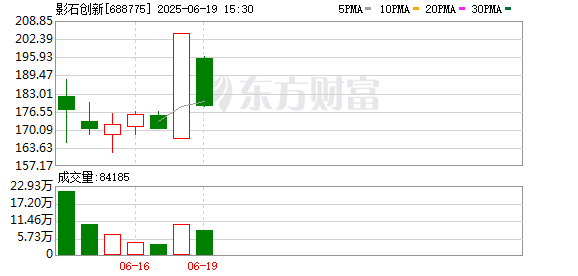
影石创新:滑滑梯搬进了办公区 ——对话科创板上市公司首位“90后”创始人刘靖康
Shen Zhen Shang Bao· 2025-06-19 16:48
Core Viewpoint - The successful listing of YingShi Innovation on the Sci-Tech Innovation Board marks a significant milestone for the company and highlights the growing influence of the "post-90s" generation in the tech industry [2][3]. Group 1: Company Overview - Liu Jingkang, the founder of YingShi Innovation, is recognized as the first "post-90s" founder to list on the Sci-Tech Innovation Board, reflecting a new wave of entrepreneurial spirit in China [2][3]. - The company specializes in innovative hardware products, particularly in the field of panoramic cameras, with its latest model, Insta360 X5, being showcased during the listing event [3][4]. Group 2: Product Development and Market Strategy - YingShi Innovation emphasizes thorough customer research and co-creation in product development, ensuring that new products meet genuine user needs rather than being based on arbitrary ideas [3][4]. - The product managers at YingShi are often experienced sports enthusiasts, which allows them to create products that effectively address real-world challenges faced by users [4]. Group 3: Corporate Culture and Environment - The company is known for its unconventional corporate culture, which includes unique employee benefits and creative initiatives, such as a two-story slide in the office [5][6]. - Liu Jingkang attributes the company's success to its location in Shenzhen, which provides a robust industrial ecosystem and talent pool essential for the development of smart hardware [6]. Group 4: Industry Context - The listing of YingShi Innovation contributes to the growing number of publicly listed companies in Bao'an District, with 82 companies now listed and over 800 in the pipeline for future listings [6]. - The district is recognized for its comprehensive manufacturing industry, housing over 54,500 manufacturing enterprises, which supports rapid product development and innovation [6].