
美元颓势

Search documents
创34个月新高!在岸、离岸人民币对美元双双升破6.87
Sou Hu Cai Jing· 2026-02-25 09:59
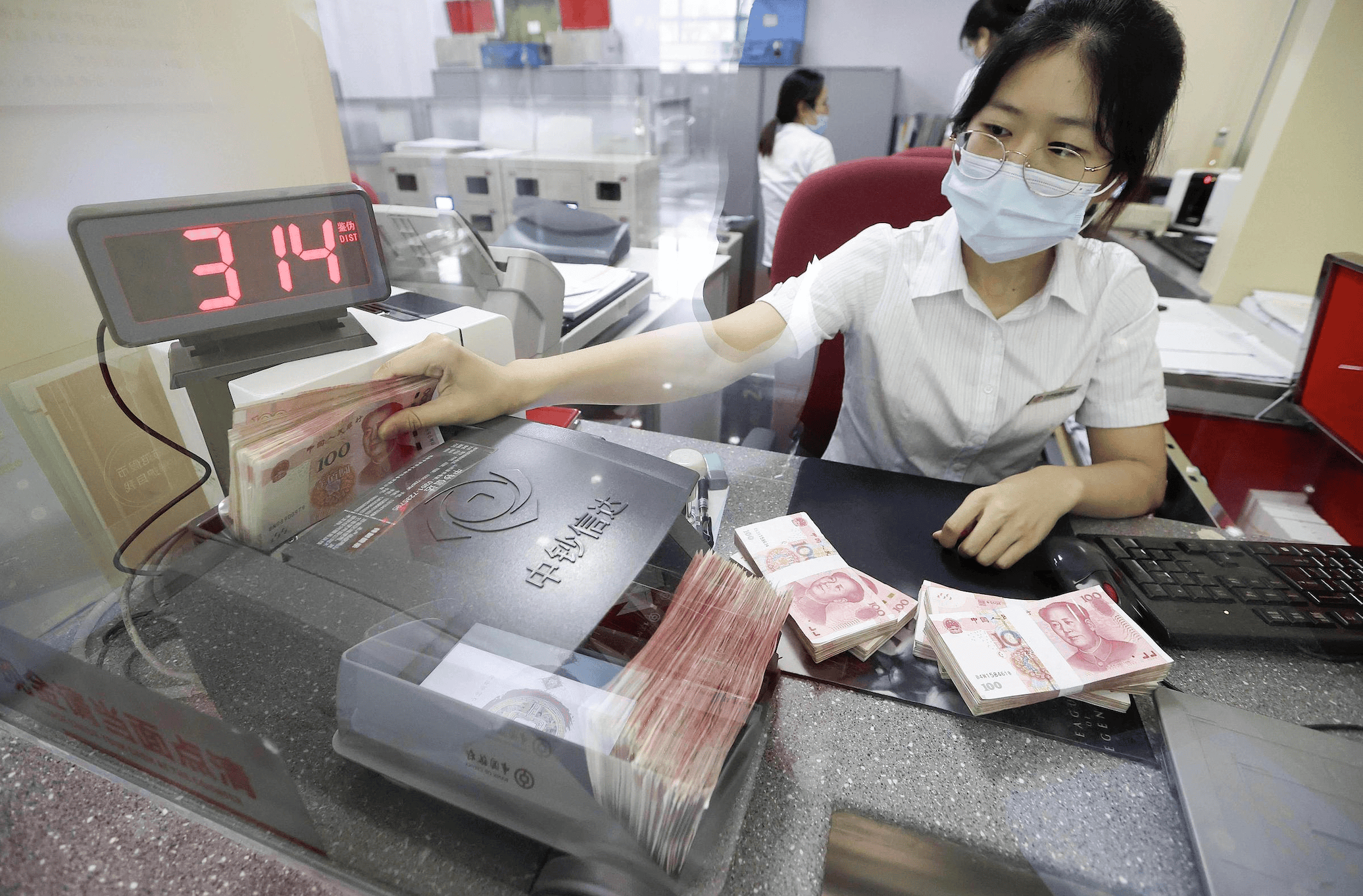
Core Viewpoint - The recent appreciation of the Renminbi (RMB) against the US dollar is attributed to improved external conditions, pressures on the US dollar, and the release of accumulated foreign exchange settlement demand from high export growth [1][3]. Group 1: RMB Appreciation Factors - The RMB has strengthened significantly, breaking key levels of 6.88 and 6.87, with the onshore RMB closing at 6.8672, up 177 points from the previous trading day, marking the highest level since April 14, 2023 [1]. - The improvement in China-US trade relations since November 2025 has contributed to a favorable external environment, supporting the RMB's appreciation [1]. - The ongoing criminal investigation into Federal Reserve Chairman Jerome Powell has increased pressure on the US dollar, contributing to the general appreciation of non-USD currencies, including the RMB [1][3]. Group 2: Foreign Exchange Settlement Demand - Recent data shows that the foreign exchange settlement surplus reached $99.93 billion and $88.76 billion in December 2025 and January 2026, respectively, ranking as the highest and third-highest monthly surpluses in history [3]. - The high sentiment in the offshore RMB market has also played a significant role in driving the RMB's strong performance, leading to the breaking of important thresholds [3]. Group 3: Monetary Policy and Future Outlook - The People's Bank of China has maintained a policy of "basic stability" for the exchange rate, emphasizing the role of the exchange rate as an automatic stabilizer for the macroeconomy and international balance of payments [3]. - Analysts expect the RMB to remain strong in the short term, with continued rapid export growth and high market sentiment, predicting limited chances for a significant rebound in the US dollar index [3]. - The chief economist at Guosheng Securities anticipates that the RMB will fluctuate between 6.8 and 7.1 against the US dollar this year, with an overall trend of stability and slight appreciation [4].

人民币汇率升破6.90,盘中创近三年来新高
Sou Hu Cai Jing· 2026-02-12 23:49
展望后市,多位专家提醒,人民币汇率走势仍存在较大不确定性,企业和金融机构切忌盲目跟风、赌汇 率走势。(上证报) 从市场归因来看,结汇盘集中释放是本轮人民币走强的核心驱动力。东方金诚首席宏观分析师王青对记 者表示,年末企业结汇需求季节性增加,叠加近期人民币持续升值,此前出口高增所累积的结汇需求有 可能加速释放。 外部环境变化也为人民币走强提供了助力。王青分析称,近期美国司法部对美联储主席鲍威尔发起刑事 调查,令美联储独立性受到冲击,加之美联储新主席人选的"降息+缩表"主张尚未扭转美元颓势。非美 货币普遍升值,人民币顺势走升。 2月12日,在岸、离岸人民币对美元汇率双双升破6.90关口,盘中创下2023年4月以来新高。 ...
机构:强劲非农难阻美元颓势 看空情绪已“根深蒂固”
Sou Hu Cai Jing· 2026-02-12 16:09
格隆汇2月12日|尽管美国劳动力市场韧性迹象暗示美联储或长期按兵不动,美元依然走弱。Corpay策 略师卡尔·沙莫塔表示:"这表明看空情绪已根深蒂固,并对包括我们在内那些预期美国强劲基本面将提 供支撑的人构成警示。以历史标准衡量,美元迄今跌幅仍属温和,若市场情绪无转变,后续下行空间犹 存。" 来源:格隆汇APP ...
机构研究周报:风格转换成长“轮休”,黄金短空长多
Wind万得· 2026-02-01 22:37
Core Viewpoint - The article discusses the recent volatility in the gold and silver markets, the transition of the equity market from a "structural bull" to a "comprehensive bull," and the implications for various sectors, particularly technology and real estate [1][3][4]. Group 1: Precious Metals - On January 30, gold and silver experienced significant declines, with silver dropping 36% and gold falling over 12%, marking the largest daily declines in history [3]. - Short-term market dynamics indicate that the momentum for gold's correction is still accumulating, while the long-term fundamentals for gold remain solid, suggesting a continued bull market trend [3]. Group 2: Equity Market - According to Franklin Templeton, the domestic asset allocation for 2026 will be driven by three core logic points: a weak dollar benefiting RMB assets, low domestic interest rates leading to increased equity investments, and policy support impacting inflation [4]. - Zhejiang Securities notes that the technology growth sector has entered a phase of high-level consolidation after a strong three-week performance, while the resource sector is experiencing volatility amid global resource price fluctuations [6]. - CICC highlights that the willingness of residents to invest in the stock market remains weak, with the correlation between available funds and stock market performance being low [7]. Group 3: Industry Research - Huatai Securities indicates that the real estate sector is entering a "policy + small spring" window, with improved transaction volumes in core cities and relaxed financing conditions [10]. - China Europe Fund emphasizes a moderate bull market for A-shares in 2026, focusing on structural opportunities in overseas computing power and industrial metals [11]. - China Asset Management points out that the demand for electrical equipment exports is rising due to the urgent need for upgrades in North America's aging power grid [12].


时隔15个月,人民币破7引发资产重估!普通人如何抓住升值红利?专家揭秘三大受益领域
Sou Hu Cai Jing· 2025-12-27 13:49
Group 1 - The offshore RMB exchange rate against the US dollar returned to the "6" range for the first time in 15 months, closing at 6.9973 on December 25, 2025, defying market expectations that it would remain above "7" [1] - The direct driver of RMB appreciation is the decline of the US dollar, particularly after the Federal Reserve announced interest rate cuts, leading to a drop in the dollar index below 100 [3] - The appreciation of the RMB is positively impacting import enterprises, reducing procurement costs for commodities like oil and agricultural products, which translates into improved profit margins [3] Group 2 - Export enterprises are facing challenges due to the RMB appreciation, with a Zhejiang small commodity trader noting that a $100,000 order now yields only 700,000 RMB compared to 730,000 RMB earlier in the year, squeezing profit margins [5] - The capital market's response is mixed; while RMB appreciation has attracted foreign capital into Chinese assets, investors in Hong Kong are experiencing currency exchange losses [5] - The improvement in China's economic fundamentals, with a 5.3% year-on-year increase in export value in USD terms for the first ten months of 2025, is enhancing foreign investment interest in RMB assets [7] Group 3 - Companies are adopting divergent strategies in response to currency fluctuations; some export firms are using forward foreign exchange tools to lock in rates, while import firms are adjusting their procurement schedules [8] - The central bank is maintaining vigilance, emphasizing the need to keep the RMB exchange rate stable and preventing excessive fluctuations, as indicated by the setting of the mid-price at 7.0392 despite market rates breaching 7.0 [8] - The RMB's performance against a basket of currencies shows significant appreciation against the US dollar but remains weak against non-USD currencies like the euro and yen, suggesting limited impact on export competitiveness in those markets [10]
历史最差!美元刚刚跌出“新纪录”,“资产税”引发新忧虑
华尔街见闻· 2025-06-03 13:05
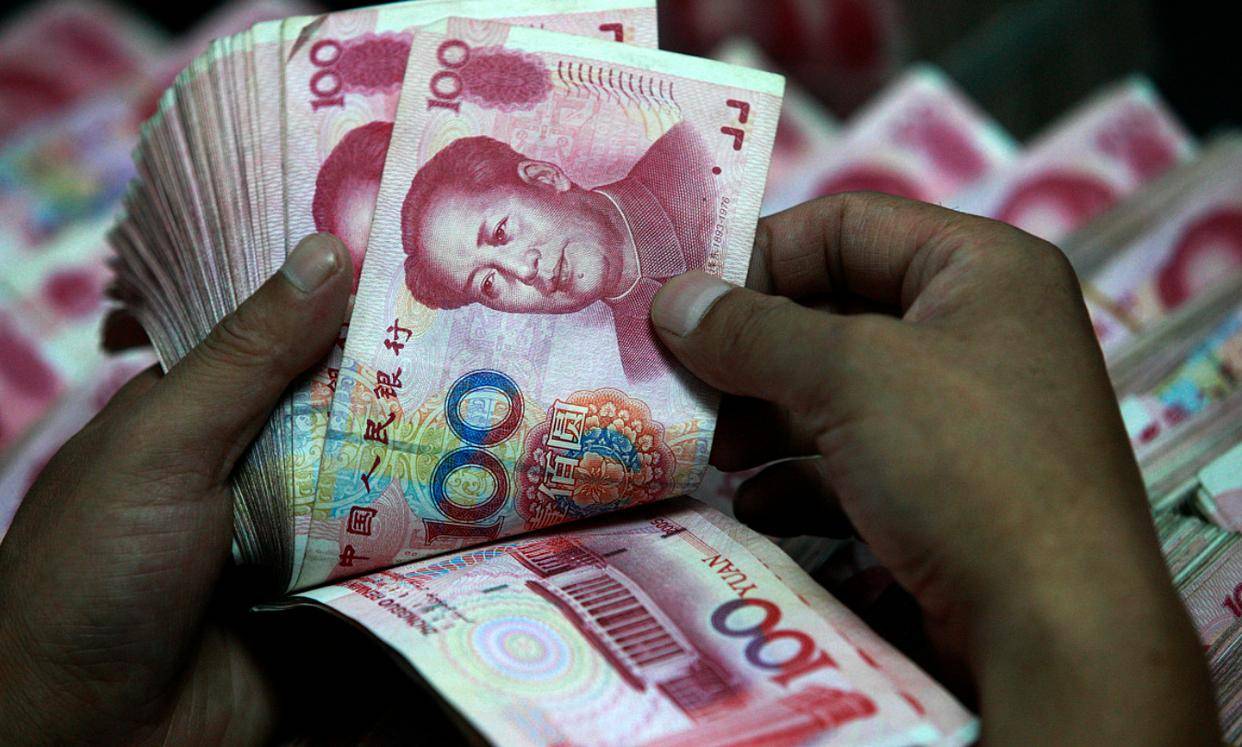
Core Viewpoint - The article discusses the significant decline of the US dollar, which has experienced an 8.4% drop in the first five months of the year, marking the worst start in history against a basket of global currencies. This decline is exacerbated by a controversial tax provision in the latest federal tax and spending bill, which could lead to a capital war by imposing new taxes on foreign investments deemed unfair [1][2]. Group 1: Dollar Performance - The US dollar has recorded an 8.4% decline in the first five months of the year, the worst performance on record [1]. - The dollar index is currently trading near its lowest level since spring 2022 [1]. - The decline in the dollar is seen as a signal that could further weaken its position in the global market [1]. Group 2: Tax Provision Impact - A hidden provision in the federal tax bill, referred to as the "retribution tax," allows the government to impose new taxes on foreign investments from countries with perceived unfair tax systems [1]. - This provision could escalate trade tensions into a capital war, threatening trillions of dollars in US assets held by foreign investors [1]. Group 3: Global Capital Flows - The potential "asset tax" could impose additional costs on European investors when repatriating capital gains, dividends, or US Treasury coupon payments [2]. - Major market participants are already reacting, with the euro appreciating by 11% this year despite a weak Eurozone economy [2]. - The Japanese yen has risen by 9% and the British pound by 8%, despite their respective central banks also cutting interest rates [2].

财报季警报 关税与美元颓势重创全球企业营收
news flash· 2025-04-24 07:21
Core Viewpoint - The rising tariffs and weakening dollar are significantly impacting global corporate earnings expectations, with further damage anticipated in the coming quarters [1] Group 1: Currency Impact on Companies - The euro has reached a three-year low against the dollar, and the Swiss franc has hit a ten-year low, prompting alarm among European companies [1] - SAP, one of Europe's largest companies, highlighted that the weak dollar will adversely affect its mid-term profitability, with the impact becoming more pronounced as currency hedging measures expire next year [1] - Heineken, the Dutch brewing company, expects a revenue decrease of €1.72 billion due to the strengthening euro against various currencies [1] Group 2: Broader Industry Concerns - French diagnostics company bioMérieux and UK retailer WH Smith also emphasized currency risks in their earnings reports [1] - Florian Jell, head of macro research at Dragonback Capital, stated that European companies must recognize that their price competitiveness can no longer rely on a strong dollar [1]
