芯片管制

Search documents
海南封关成照妖镜,新加坡加速向美靠拢,还想用芯片对中反将一军
Sou Hu Cai Jing· 2026-02-21 09:48
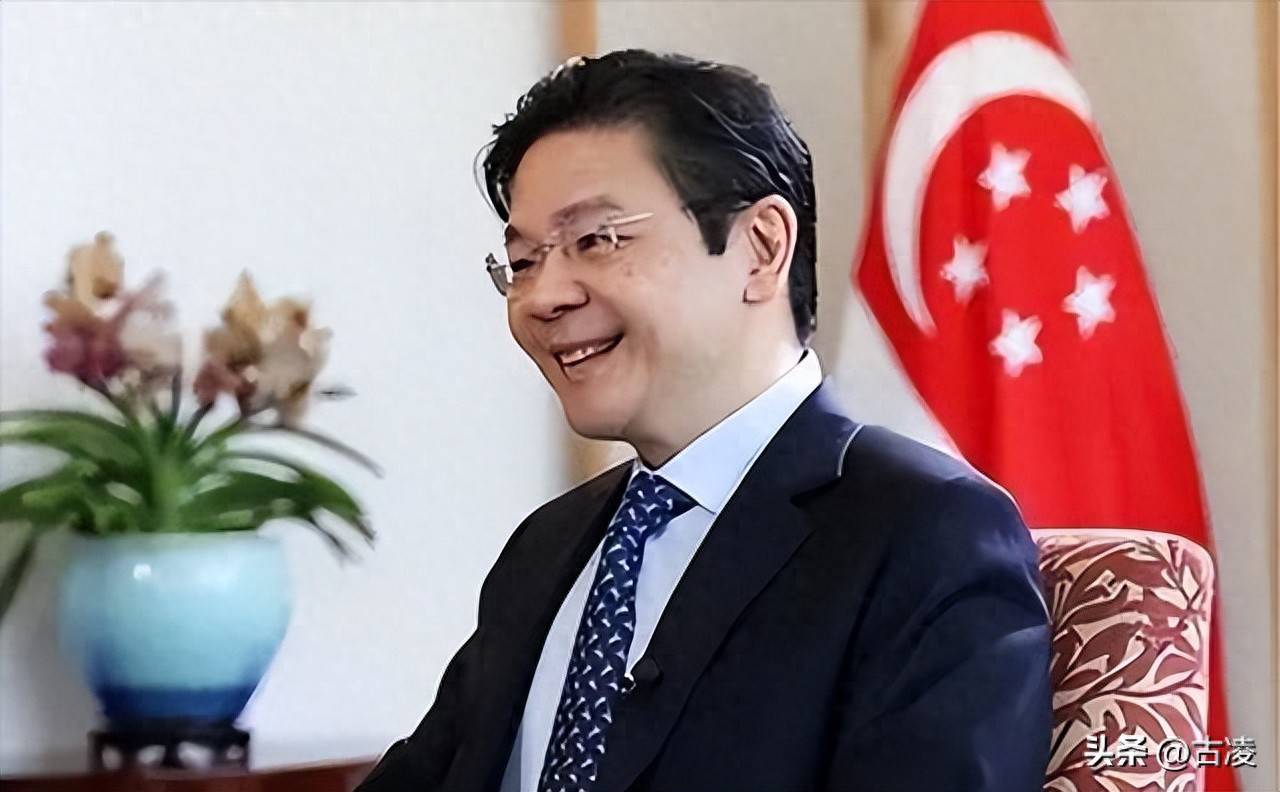
Group 1 - Hainan Free Trade Port will implement full island closure on December 18, 2025, transforming the island into a customs special supervision zone with zero tariffs on imported goods and smoother flow of personnel and capital [2][3] - The policy requires a 30% value-added processing for tax exemption when entering the mainland, which directly stimulates logistics and processing industries [2] - The throughput at Yangpu Port has rapidly increased, with foreign trade container transshipment volume jumping by 213%, and international routes reaching 85 [2][3] Group 2 - The proportion of zero-tariff goods has increased from 21% to 74%, and the number of tax-exempt items has expanded from 1,900 to 6,600 [3] - The cross-border capital operation center and QFLP fund pilot programs have been launched, simplifying ODI filing [3] - The number of foreign-funded enterprises has surged, with a growth of over 40% in the first three quarters and more than 8,000 new enterprises established, averaging a 43.7% annual increase [2][3] Group 3 - Hainan's strategic depth is significant, being 49 times larger than Singapore, allowing direct processing of Indonesian palm oil and Thai rubber with tax exemptions for mainland entry [5] - Singapore's transshipment trade volume has decreased by 11.3%, marking the largest drop in a decade, while trade with India and Thailand has also seen significant declines [5] - High-end financial logistics talent is migrating to Shanghai or Yangpu, indicating a potential talent drain from Singapore [5][11] Group 4 - Singapore's Prime Minister has publicly aligned with the U.S. in the semiconductor export control dispute, indicating a shift in diplomatic balance [7][9] - Singapore's semiconductor industry primarily focuses on mature nodes, with NVIDIA's revenue from Singapore accounting for 20%, but only 1% of physical chip deliveries [11] - The tightening of transshipment regulations may hinder Singapore's trade with China, which is its largest trading partner with over $100 billion in trade volume [11][13] Group 5 - Hainan's rise is reshaping regional economic dynamics, as China develops multiple supply chain channels, reducing reliance on single nodes [13] - Singapore's strategy in the semiconductor sector may backfire, potentially marginalizing its position in the global market [13] - The future of Singapore lies in high-end shipping and cross-border financial cooperation, but it must recognize the realities of its geopolitical position [13]

芯片博弈大反转!美国芯片管制翻车,想漏洞却越堵越多
Sou Hu Cai Jing· 2025-11-24 01:28
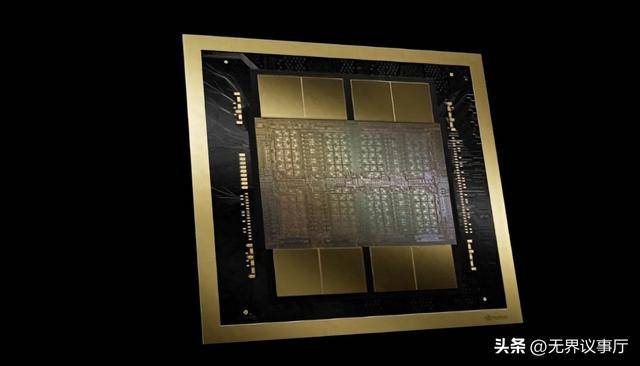
Core Insights - The article discusses the ongoing challenges and contradictions in the U.S. semiconductor export controls against China, highlighting that despite stringent measures, China is finding ways to circumvent these restrictions and advance its semiconductor industry [1][12]. Group 1: U.S. Export Controls - The U.S. government, particularly under the Trump administration, initiated a one-year suspension of certain export controls to China, which has led to significant backlash in Congress, prompting calls for tighter regulations [4][8]. - The U.S. Department of Commerce recently approved the sale of NVIDIA's Blackwell chips to companies in Saudi Arabia and the UAE, raising questions about the effectiveness of the export controls [4][10]. - The U.S. has limited resources to enforce these controls, with only about 600 personnel managing high-tech trade worth trillions, leading to numerous loopholes [10][21]. Group 2: China's Semiconductor Industry - Contrary to U.S. expectations, China's semiconductor industry is thriving, with projections indicating a 7.4% growth in the advanced packaging equipment market by 2025, reaching approximately 173.96 billion RMB [13][15]. - China is adopting a "multi-pronged" approach to semiconductor development, focusing on innovative technologies like Chiplet heterogeneous integration and advanced packaging, which allows it to bypass traditional process limitations [15][20]. - The collaboration across the entire semiconductor supply chain in China, involving research institutions and enterprises, is creating a robust ecosystem that is difficult to disrupt [15][17]. Group 3: International Dynamics - The U.S. attempts to rally allies like the Netherlands and Japan to strengthen export controls against China are proving ineffective, as these countries have economic interests in maintaining trade with China [17][21]. - Internal conflicts within the U.S. government are evident, with Congress pushing for strict controls while the executive branch is concerned about the impact on U.S. companies like NVIDIA [21][23]. - The U.S. is considering new regulations specifically targeting AI chips, but the complexity of enforcement and compliance costs may hinder effectiveness [23].
沙利文吐槽:特朗普遇强则弱,中国拿下两大关键成果
Guan Cha Zhe Wang· 2025-11-17 07:49
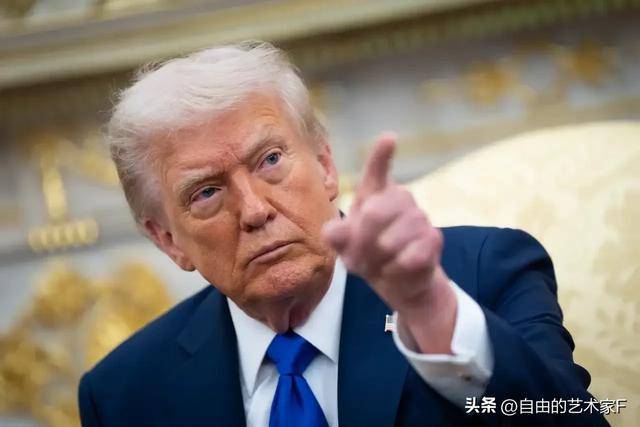
Group 1 - The core viewpoint of the article is that the recent interactions between the U.S. and China have led to China gaining two significant advantages in understanding U.S. President Trump's negotiation style and the potential for negotiations on previously deemed non-negotiable issues like chip controls [1][2][3] - The first key outcome for China is the understanding of Trump's tendency to compromise under pressure, which allows China to leverage this knowledge in future negotiations [2][3] - The second key outcome is the U.S. agreement not to impose new export controls or additional national security measures against China, marking a significant breakthrough for China in negotiations [3] Group 2 - The article discusses the context of U.S.-China relations, highlighting that both countries have returned to a state similar to earlier this year, with the U.S. significantly reducing tariffs while China has paused its rare earth supply restrictions [1][3] - It emphasizes that the Biden administration aims to manage competition with China without escalating into conflict, maintaining communication channels and creating opportunities for cooperation on major issues [4] - The article also critiques Trump's approach to international relations, suggesting that his strategies may undermine U.S. credibility and inadvertently strengthen China's diplomatic position [4]

反转竟然如此之快!ASML突然改口,外媒:这风格太欧洲了
Sou Hu Cai Jing· 2025-11-03 08:51
Core Insights - ASML reported a significant revenue from China, reaching €10.195 billion in 2024, accounting for 36.1% of total revenue, surpassing South Korea, the US, and Taiwan [1] - The company plans to upgrade its existing maintenance center in Beijing, which will enhance its service capabilities and reduce repair times from weeks to days [3][5] - The geopolitical landscape, particularly US restrictions on chip technology, heavily influences ASML's operations and strategy in China [5][10] Group 1: Financial Performance - ASML's revenue from China is critical, with projections indicating that 2024 will see the delivery of 418 machines, including 44 EUV and 374 DUV, with China consuming a significant portion [10] - The company's Q1 report showed China contributing 36% of revenue, which increased to 42% in Q3, highlighting the importance of the Chinese market [10][12] - Despite strong performance, ASML anticipates a 25% reduction in demand from China by 2026 due to the rise of domestic competitors [10] Group 2: Strategic Developments - The upgrade of the Beijing center is part of a broader strategy to localize supply chains and mitigate risks associated with US sanctions [10][12] - ASML's cautious approach reflects the delicate balance it must maintain between serving the Chinese market and adhering to US regulations [5][12] - The company is investing €12 million in the Beijing center, which is expected to generate €200 million in services in its first year [10] Group 3: Market Dynamics - The competitive landscape is shifting, with Chinese companies like SMIC and Yangtze Memory Technologies advancing in domestic chip production, posing a long-term threat to ASML's market share [5][10] - ASML's after-sales service contributes significantly to its revenue, with a profit margin exceeding 60%, making maintenance a crucial aspect of its business model [5] - The geopolitical tensions and the need for local alternatives in China are driving ASML to adapt its strategies while trying to maximize profits [12][14]


连收3大噩耗!特朗普后院失火:为证明自己,他甩出了一纸报告
Sou Hu Cai Jing· 2025-10-12 02:55
Group 1 - The article discusses the escalating tensions between the US and China, highlighting the "choke point war" where the US imposes chip regulations and tariffs while China retaliates with restrictions on rare earth exports and soybean imports [1] - Trump's initial anger over China's actions led to a significant market reaction, with major US stocks losing $5 trillion in value overnight, prompting him to reconsider his approach and seek further negotiations [1][3] - The article notes that the rapid market sell-off caught analysts off guard, indicating a renewed concern over trade war risks [3] Group 2 - The article mentions a warning from Ray Dalio, founder of Bridgewater Associates, about the US debt crisis, stating that the national debt has surpassed $37.86 trillion and is growing rapidly, creating a situation reminiscent of pre-World War II [3] - The article highlights internal dissent within Trump's camp regarding the US's agreement with Qatar to establish a military training facility, which has sparked criticism from right-wing allies [5] - Trump's recent health report, released just six months after the last one, is seen as an attempt to counter speculation about his health and maintain a strong public image during critical negotiations [6]
美国的芯片管制理由,完全站不住脚!
Xin Lang Cai Jing· 2025-05-21 17:16
Core Viewpoint - The rationale behind the U.S. sanctions on Huawei's Ascend software is deemed unfounded, as it lacks concrete evidence and is based on broad interpretations of intellectual property rights [1] Group 1: U.S. Sanctions on Huawei - The U.S. has been imposing sanctions on Huawei since 2019, placing the company on its entity list, which has led to continuous upgrades in export controls [1] - Huawei's development of Ascend chips does not utilize any American technology or products, relying instead on its own research and partnerships [1] - The U.S. export control explanations are overly broad, suggesting that Huawei's partners may have used American intellectual property, despite Huawei itself not using any [1] Group 2: Intellectual Property and Technology Development - The weaponization of technology by the U.S. contradicts the original intent of technological innovation, which is to benefit humanity [1] - The expansion of intellectual property protection by the U.S. is seen as a weak justification for increasing restrictions on Huawei [1] - The notion that technology will eventually diffuse and be accessible to all is supported by figures like Bill Gates, emphasizing that some technologies have surpassed their intellectual property protection periods [1]

凯德北京投资基金管理有限公司:黄仁勋表示不应该限制中国市场的人工智能发展
Sou Hu Cai Jing· 2025-05-21 03:24
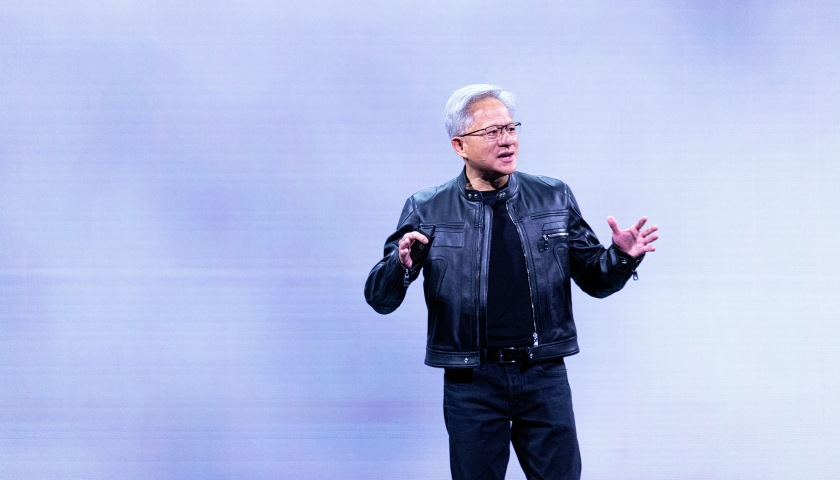
Core Insights - Nvidia's CEO Jensen Huang expressed strong opposition to current AI restrictions, arguing that such policies could undermine the U.S.'s global leadership in AI [1][3] - Huang emphasized that competition is essential for innovation, noting that while the U.S. has advantages in AI, Chinese researchers are rapidly advancing and should not be underestimated [3][6] AI Competition - Huang stated that the restrictions are "completely wrong" and could lead to the opposite of their intended goal, which is to maintain U.S. leadership in AI [3] - He highlighted that approximately 50% of AI researchers globally are from China, citing the example of DeepSeek as a notable AI product [3] - The CEO pointed out that companies like Huawei are strong competitors in AI technology, indicating that China is closely following the U.S. in every key step of AI development [3][6] AI as a Platform - Huang described AI as a computing platform, asserting that larger platforms yield greater capabilities and influence, which drives sales and broader application [6] - He argued that Nvidia's absence from the Chinese market is illogical given the size and potential of that market, which is approximately $50 billion annually [6] Chip Regulation Challenges - Huang addressed the challenges posed by chip regulations, specifically mentioning the strict measures Nvidia has taken in response to the H20 chip ban [6] - The company has recorded a $5.5 billion inventory impairment loss due to these regulations and has forfeited $15 billion in potential sales [6] - Huang illustrated the significance of the Chinese market by comparing its size to Boeing's annual revenue, emphasizing the lost profits and ecosystem development from not engaging in this market [6] Commitment to Compliance - Huang confirmed the rumors about Nvidia establishing a new office in Shanghai, indicating the company's ongoing commitment to the Chinese market [9] - He assured that Nvidia will strictly adhere to current export control policies, ensuring that no GPU designs or core technologies will be sent to China for modification [9]

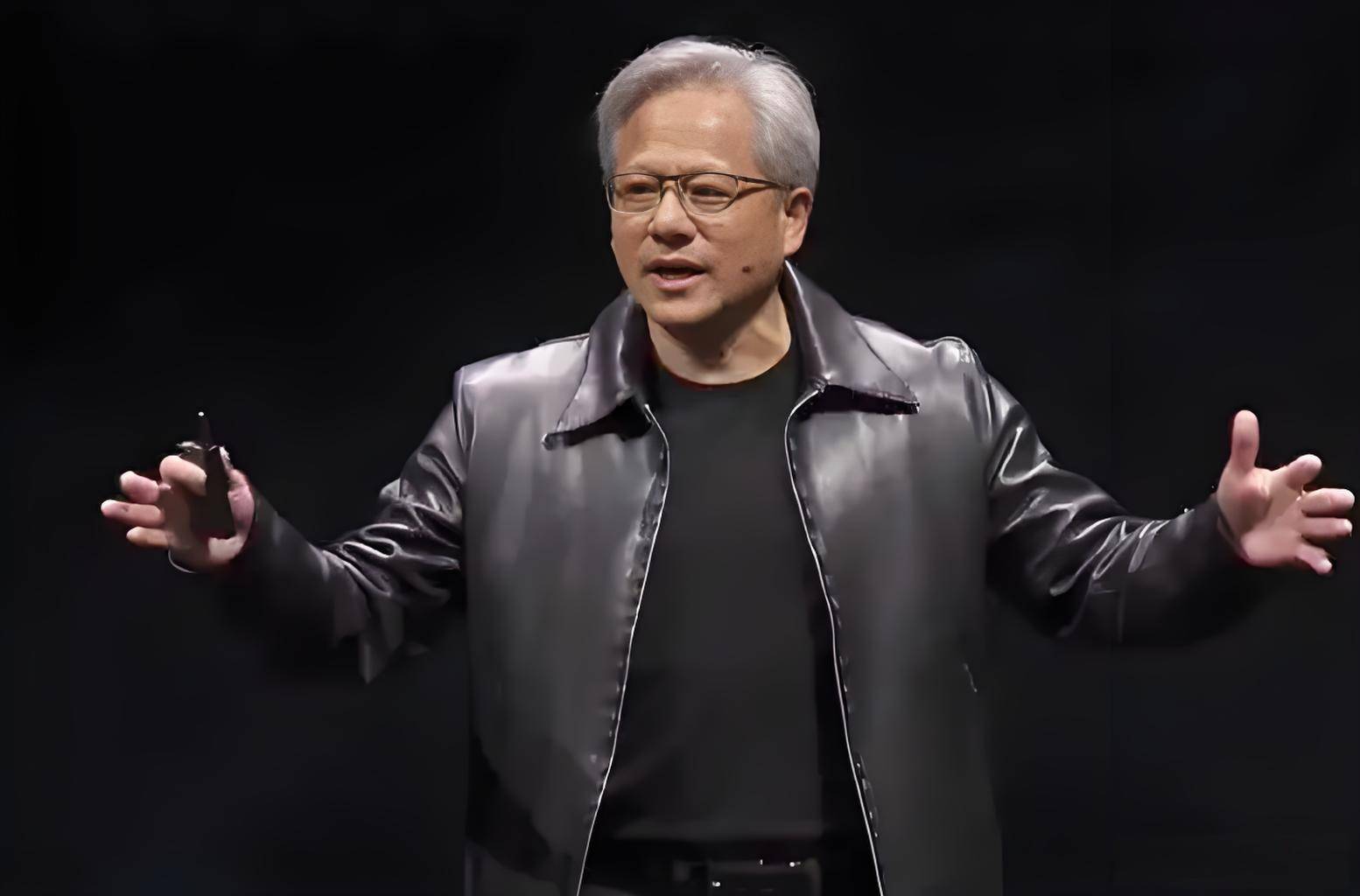
黄仁勋:全球一半AI人才都是中国人,美相关限制令是个错误
Xin Lang Cai Jing· 2025-05-20 06:42
Core Viewpoint - The CEO of Nvidia, Jensen Huang, criticized the U.S. AI restrictions, stating they are detrimental to maintaining the country's leadership in AI technology [1][3] Group 1: AI Competition - Huang emphasized that the U.S. strategy to limit AI development is fundamentally flawed, as it could lead to a loss of competitive edge [1] - He highlighted that 50% of global AI researchers are from China, indicating significant progress in AI capabilities within the country [1] - Huang noted that companies need competition to drive development, and he anticipates that China will continue to advance in AI technologies [1] Group 2: Chip Regulation Challenges - Huang discussed the ongoing challenges Nvidia faces with chip regulations, particularly the ban on the H20 chip, which he described as the most stringent limitation the company can impose [3] - He mentioned that Nvidia has recorded a $5.5 billion inventory impairment loss and forfeited $15 billion in sales due to these restrictions [3] - The Chinese market, valued at approximately $50 billion annually, is crucial for Nvidia, and abandoning it means losing associated profits and ecosystem development [3] Group 3: Nvidia's Commitment to China - Nvidia confirmed plans to establish a new office in Shanghai, reflecting its ongoing commitment to the Chinese market [3] - The company reiterated its adherence to current export controls, ensuring no GPU designs or core intellectual property will be sent to China for modification [3]