行业智能化

Search documents
“建筑材料科学技术奖”增设“一线职工创新成果奖”
Xin Lang Cai Jing· 2026-01-12 20:06
Core Viewpoint - The establishment of the "Frontline Workers' Innovation Achievement Award" within the "Building Materials Science and Technology Award" aims to recognize and encourage innovation among frontline workers in the building materials industry, filling a gap in high-level industry awards for these workers [1][2] Group 1 - The "Frontline Workers' Innovation Achievement Award" was introduced in 2025, marking the first time a specialized evaluation channel for frontline workers has been established in the building materials industry's technology award system [1] - The initiative is a collaboration between the China Machinery Metallurgy Building Materials Union and the China Building Materials Federation, aimed at deepening the reform of the workforce in the industry [1] - Over 140 recommended achievements were received from frontline workers across various provinces, indicating strong participation from the industry [1] Group 2 - The evaluation process focuses on projects completed by frontline production and skilled workers, ensuring that the innovations are practical and relevant to real-world challenges [1] - The assessment emphasizes problem-solving and efficiency, encouraging "micro-innovations" that address production operations, energy conservation, and safety inspections [1] - Two model craftsmen were included as evaluation experts to combine professional perspectives with frontline experience during the assessment [1]
行业智能化进入深水区:华为如何帮千行万业跨过“AI鸿沟”?
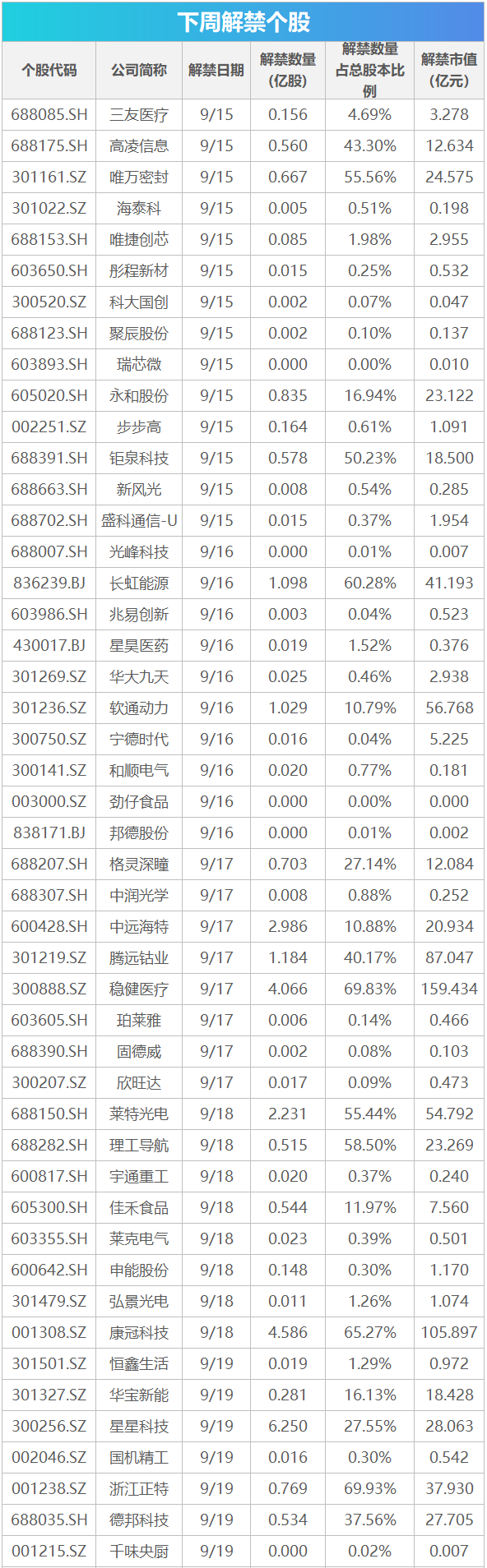
Sou Hu Cai Jing· 2025-12-28 01:00
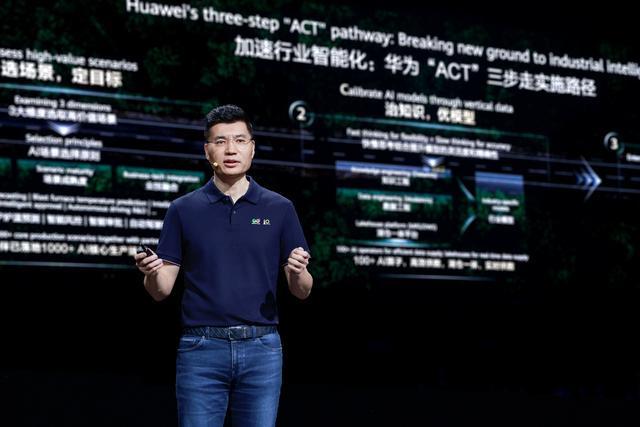
Core Insights - The article emphasizes the significance of AI as a central theme in both China and the global industry over the past year, with a prediction that by 2026, over 80% of enterprises will utilize generative AI APIs or models, a significant increase from less than 5% in early 2023 [1] Infrastructure Foundation - The essence of industry intelligence is data-driven value reconstruction, necessitating a robust infrastructure that supports high-speed data flow, secure storage, and efficient computing [4] - Huawei's solution is the creation of an "AI Ready" foundation that integrates network, storage, computing, and cloud capabilities, transitioning from "AI-adapted" to "AI-native" infrastructure [4] - A case study highlights Huawei's collaboration with Guangdong Power Grid to implement a "5G + microwave self-organizing network" solution for real-time video transmission in areas lacking communication networks [4] Storage Breakthroughs - In the storage domain, Huawei partnered with Shanghai Media Group to develop a comprehensive digital foundation for ultra-high-definition content, utilizing distributed storage to manage vast amounts of media efficiently [5] Enhanced Computing Power - Huawei's collaboration with Southern Power Grid led to the development of the "Big Watt-CV" model, which improved defect identification efficiency by five times and achieved an average accuracy rate of over 90% [7] ACT Implementation Path - Huawei has established the "ACT" three-step approach to effectively leverage AI across various industries: Assess high-value scenarios, Calibrate industry models, and Transform through large-scale deployment [8][10] - The first step involves identifying the most valuable processes for AI transformation, exemplified by a project with China Baowu Steel that improved furnace temperature prediction accuracy to over 90%, saving approximately 10 million yuan annually [9] - The second step focuses on calibrating general AI models to industry-specific needs, as demonstrated in a partnership with Bank of Communications that enhanced business feedback accuracy to 90% [9] - The final step emphasizes the large-scale deployment of AI agents, significantly reducing development time and increasing efficiency by tenfold [10] Collaborative Ecosystem - The article highlights the necessity of collaboration among hardware manufacturers, software developers, integrators, and consulting firms to create comprehensive industry solutions [12] - Huawei's partnership with over 57,000 enterprises aims to drive industry intelligence, exemplified by a joint project with China National Petroleum Corporation that drastically reduced processing time for seismic data [12] Solutions for SMEs - Huawei's "Kunling" initiative addresses the challenges faced by small and medium-sized enterprises (SMEs) in adopting intelligent solutions, offering a one-stop solution that covers key operational areas [13] Distribution Model Transformation - Huawei has shifted from a product distribution model to a one-stop solution distribution model, optimizing the development, sales, and delivery of scene-based solutions [15] Future Outlook - The article concludes that the path to industry intelligence is clear, with a structured approach to overcoming challenges in infrastructure, AI integration, and ecosystem collaboration, paving the way for accelerated digital transformation across various sectors [16]

中国银河证券:AI价值重心向应用端转移 聚焦半导体、端侧与元件新机遇
Zhi Tong Cai Jing· 2025-11-26 02:00
Core Insights - The electronic industry is undergoing a critical transition driven by AI, shifting from computing infrastructure to application implementation by 2026 [1] - Overall industry valuation is considered high, necessitating a shift in investment logic from valuation expansion to profit realization [1] - Key opportunities are identified in three main areas: semiconductors, consumer electronics, and components [1] Semiconductor Sector - The semiconductor industry is experiencing rapid growth, with expectations for continued trends into 2026 [2] - Key focus areas include the trend of domestic computing power localization, the impact of AI on consumer electronics, and the significant demand for storage chips driven by computing needs [2] - The semiconductor manufacturing sector is entering a new growth cycle due to AI and high bandwidth memory (HBM) demand [2] Consumer Electronics - Major consumer electronics brands are embracing AI, with expectations for accelerated development in AI edge applications by 2026 [3] - Opportunities for valuation enhancement are seen in smartphone manufacturers as AI traffic entry points and in the rapid growth of smart imaging devices [3] - Investment opportunities are also identified in components related to AI glasses, AI headphones, and the upgrade of large-end devices [3] Components and Devices - The demand for printed circuit boards (PCBs) is expected to remain high due to AI, with leading manufacturers actively expanding production [4] - The global CSP manufacturers are increasing investments in AI, driving high demand for multi-layer PCBs and HDI products [4] - Opportunities in passive components focus on chip inductors and tantalum capacitors, while optical components are driven by the upgrade of smart phone optics and the proliferation of new consumer electronics [4]

华为提出行业智能化“三步走”路径
Zhong Guo Hua Gong Bao· 2025-10-09 04:28
Core Insights - The rapid development of AI technology presents three key challenges for enterprises: generating real business value from AI investments, transforming proprietary data into competitive advantages, and scaling AI applications from pilot projects to widespread implementation [1] Group 1: AI Implementation Challenges - Enterprises must address how to create genuine business value from AI investments [1] - Companies need to leverage their proprietary data resources to enhance competitiveness [1] - The transition of AI applications from pilot phases to large-scale deployment is crucial [1] Group 2: Huawei's Proposed Solutions - Huawei introduced the "ACT three-step approach" to promote industry intelligence: Assess high-value scenarios, Calibrate AI models using vertical data, and Transform business operations with scaled AI agents [1] - To implement this approach, enterprises require AI-focused ICT infrastructure covering the entire process from data preparation to model training and inference [2] Group 3: Huawei's Product Offerings - Huawei has developed a range of integrated products in data storage, computing, and networking, including AI storage, UCM plugins, and high-speed data center network solutions [2] - The company has launched nine intelligent solutions across various industries, such as urban intelligence, digital healthcare, and smart logistics [2] Group 4: AI Success Stories - Successful AI implementation requires efficient collaboration among computing power, data, models, and platforms to create new value [3] - In over 30 industries and 500 scenarios, Huawei has demonstrated AI applications, such as predictive maintenance in the chemical industry, improving model prediction accuracy from 70% to 90% [3]
“ACT”三步走,破题行业智能化的华为答案
Guan Cha Zhe Wang· 2025-09-26 10:09
Core Insights - The article emphasizes the challenges industries face in integrating AI technology into core production processes, highlighting the need for practical solutions to unlock commercial value from AI investments [1][4] - Huawei proposes a systematic approach to address these challenges, focusing on five key discoveries and a three-step "ACT" implementation path to facilitate industry-wide AI adoption [3][6] Group 1: Key Discoveries - The importance of selecting the right scenarios for AI integration, as its value lies in deep integration with core production processes to reshape workflows and deliver intelligent products and services [5] - The quality of vertical data is crucial for building competitive industry models, necessitating the training and tuning of general models with high-quality, industry-specific data [5] - The rapid scaling of AI agents is driving a strong demand for large-scale reasoning capabilities [5] - Human-machine collaboration is emerging as a new organizational paradigm [5] - Systematic governance and risk management are essential to ensure the safe, sustainable, and trustworthy application of AI [5] Group 2: ACT Implementation Path - The first step, assessing high-value scenarios, involves a framework that evaluates commercial value, scenario maturity, and the integration of business and technology, helping identify over 1,000 core AI production scenarios [6][7] - The second step focuses on calibrating AI models using vertical industry data, transforming raw data into actionable knowledge and models through Huawei's AI development and data governance platforms [7] - The final step is the large-scale deployment of AI agents to reshape key business operations, facilitated by Huawei's versatile platform that automates the generation of intelligent agents and business processes [7]

数据转价值、应用规模化,华为提出“ACT三步走”路径为企业智能化转型解题
Huan Qiu Wang Zi Xun· 2025-09-22 02:35
Core Viewpoint - AI technology has transitioned from the laboratory to the industry, becoming a core driver of transformation across various sectors, yet companies face challenges in realizing returns on investment, converting data into value, and scaling applications [1][3] Summary by Sections Industry Pain Points - Companies are grappling with three main challenges in their intelligent transformation: ensuring measurable returns on AI investments, converting proprietary data into competitive advantages, and scaling AI applications from experimental stages to core business support [3][4] Practical Examples - In the electricity sector, the Southern Power Grid utilized Huawei's Ascend computing platform and MindSpore AI framework to develop the "Big Watt" industry model, enhancing defect identification efficiency by five times and achieving over 90% accuracy in image recognition [4] - In healthcare, Huawei supported a partner in developing an AI medical record integration machine that generates records in as little as one second, significantly reducing consultation time and improving record quality [5] Key Discoveries for Industry Intelligence - Five key findings were identified for promoting industry intelligence: the importance of selecting relevant scenarios, the necessity of high-quality vertical data, the rapid scaling of AI agents, the emergence of human-machine collaboration as a new organizational paradigm, and the need for systematic governance and risk management [6] ACT Three-Step Pathway - The "ACT three-step" implementation methodology proposed by Huawei includes assessing high-value scenarios, calibrating AI models using vertical data, and scaling AI agents to transform business operations [7][8] - The assessment framework evaluates scenarios based on commercial value, maturity, and integration of business and technology, having successfully implemented over 1,000 AI core production scenarios [7] Infrastructure Support - Huawei emphasizes that AI-oriented ICT infrastructure is essential for supporting the ACT pathway, providing integrated products across data storage, computing, and networking [9] Ecosystem and Solutions - Huawei advocates for an open and cooperative approach to industry intelligence, recognizing that no single company can cover all areas, thus forming a robust ecosystem with over 6,300 partners [10][11] - The release of nine industry-specific intelligent solutions addresses core pain points across various sectors, such as steel temperature prediction and oil and gas exploration, providing replicable and customizable templates for enterprises [11] Shift from Technology-Driven to Value-Driven - The information conveyed by Huawei reflects a deep consideration of the logic behind industry intelligence, emphasizing a shift from technology-driven to value-driven approaches, focusing on high-value scenarios and vertical data [13]
深读100:两大光伏龙头握手言和;华为提出行业智能化“三步走”路径
Mei Ri Jing Ji Xin Wen· 2025-09-21 13:39
Group 1 - The automotive market is increasingly prioritizing design and aesthetics, with a call for manufacturers to focus on creating visually appealing vehicles to differentiate their products [1] - Leading solar companies Longi Green Energy and JinkoSolar have reached a settlement regarding global patent disputes, establishing a model for intellectual property cooperation in the industry and shifting the focus from price competition to technology-driven strategies [1] Group 2 - Research from Bank of America and Morgan Stanley indicates that major US tech companies are heavily investing in AI infrastructure, with capital expenditures nearing the peak levels seen during the internet bubble, potentially leading to a price war in cloud services by 2027 if supply and demand become imbalanced [2] - Huawei has proposed a three-step approach to industry intelligence, which includes integrating AI with core business functions, transforming data into industry-specific models, and scaling the deployment of AI agents to reshape key business processes [2]


华为提出行业智能化“ACT三步走”实施路径 发布9大行业智能化解决方案
Zheng Quan Ri Bao Wang· 2025-09-19 13:11
Core Insights - Huawei emphasizes the importance of industry intelligence transformation and presents the "ACT three-step" implementation path to promote this transformation [1][4]. Group 1: Key Discoveries for Industry Intelligence - AI technology is developing at an unprecedented speed, and companies must address three key questions regarding AI investments, proprietary data utilization, and scaling AI applications [2][3]. - The five key discoveries for advancing industry intelligence include: 1. The critical importance of scenario selection for AI integration into core production processes [3]. 2. The quality of domain-specific data determines the capability of industry models, necessitating the training and tuning of general models with high-quality data [3]. 3. The rapid scaling of intelligent agents is driving a strong demand for large-scale reasoning [3]. 4. Human-machine collaboration is becoming a new organizational paradigm [3]. 5. Systematic governance and risk management are essential to ensure the safe, sustainable, and trustworthy application of AI [3]. Group 2: ACT Three-Step Implementation Path - The "ACT three-step" path consists of assessing high-value scenarios, calibrating models with vertical industry data, and scaling AI intelligent agents to reshape key business processes [4]. - Huawei has developed an "AI scenario selection evaluation framework" to help identify and implement over 1,000 core production scenarios based on commercial value, scenario maturity, and business-technology integration [4]. - To achieve the ACT path, companies need AI-oriented ICT infrastructure covering the entire process from data preparation to model training and inference, with Huawei providing integrated products in data storage, computing, and networking [4]. Group 3: Industry Solutions - Huawei, in collaboration with partners, launched nine major industry intelligence solutions, including urban intelligence hubs, digital healthcare, AI in banking, and smart manufacturing [5].
华为全联接大会今日启幕;哈啰Robotaxi获阿里巴巴战略投资
Mei Ri Jing Ji Xin Wen· 2025-09-18 01:17
Market Overview - The market experienced an upward trend on September 17, with the robot concept stocks remaining strong, as the Robot ETF (562500) rose by 1.58%, achieving a "three consecutive days" increase [1] - The total trading volume reached 2.635 billion, with significant capital inflow into the robot sector, as the Robot ETF attracted 501 million in a single day and a total of 1.729 billion over the last five trading days [1] - The Robot ETF's latest scale reached 20.75 billion, marking it as the only robot ETF in the market exceeding 20 billion, establishing it as a "battleship" in the sector [1] Key Events - Huawei's annual flagship event, the Huawei Connect 2025, is scheduled for September 18-20, 2025, in Shanghai, focusing on "leaping industry intelligence" and introducing new digital infrastructure products and solutions [2] - On September 17, Hello announced that its Robotaxi business received strategic investment from Alibaba Group [3] - On the same day, iFlytek launched a multi-language AI model base and products for the ASEAN region, signing partnerships with countries like Laos, Malaysia, and Thailand [3] Institutional Insights - According to Minsheng Securities, the Huawei Connect 2025 will feature over 300 keynote speeches and a 22,000 square meter intelligent exhibition area, indicating a strong push for domestic AI infrastructure from both software and hardware perspectives [4] - The report suggests that leading companies in Huawei's supply chain are likely to benefit, with a focus on the Hongmeng operating system and Ascend industry chain [4] Popular ETFs - The Robot ETF (562500) is highlighted as the only ETF in the market with a scale exceeding 20 billion, providing investors with a comprehensive exposure to the Chinese robot industry [5] - The Sci-Tech AI ETF (589010) is described as the "brain" of robotics, offering a 20% fluctuation range and capturing the "singularity moment" in the AI industry [5]

下周关注:华为全球创新产品发布会将举行 这些投资机会最靠谱
Di Yi Cai Jing· 2025-09-14 02:03
Economic Data Release - The National Bureau of Statistics will announce August economic data, including industrial added value, fixed asset investment, and retail sales on September 15 [1] - A press conference will be held on the same day to discuss the economic performance of August 2025 [1] Federal Reserve Interest Rate Decision - The Federal Reserve is set to announce its interest rate decision on September 18 [2] - There is a 92% probability of a 25 basis point rate cut and an 8% probability of a 50 basis point cut according to CME FedWatch [2] China-Russia Visa Policy - Starting from September 15, 2025, a visa-free policy will be trialed for Russian passport holders visiting China for business, tourism, family visits, and transit for up to 30 days [3] Huawei Product Launch - Huawei will hold an innovation product launch event in Paris on September 19, introducing the new HUAWEI WATCH GT 6 series and other devices [4] - The Huawei Connect 2025 conference will take place in Shanghai from September 18 to 20, focusing on industry intelligence [4] Upcoming Conferences - The 22nd China-ASEAN Expo will be held in Nanning from September 17 to 21, themed "Digital Intelligence Empowering Development" [5] - The 2025 World Energy Storage Conference will take place in Ningde from September 16 to 18 [5] - The 2025 World Manufacturing Conference is scheduled for September 20 to 23 in Hefei [5] - The Tencent Global Digital Ecosystem Conference will be held in Shenzhen from September 16 to 17 [5] A-share Market Unlocking - Over 780 billion yuan worth of locked shares will be unlocked in the A-share market from September 15 to 21, with 47 companies involved [6] - Notably, companies like Wanjie Medical and Kangguan Technology will see over 100 billion yuan in unlocked shares, specifically 159.43 billion yuan and 105.9 billion yuan respectively [6] Upcoming IPOs - Four new stocks are set to be issued in the Shanghai and Shenzhen markets next week, with specific dates and details provided [9] - The North Exchange will open subscriptions for Jin Hua New Materials on September 16, with an issue price of 18.15 yuan per share [9]