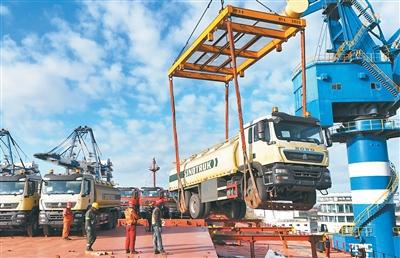
贸易结构优化

Search documents
希腊积极应对贸易逆差扩大
Sou Hu Cai Jing· 2026-02-23 22:37
Core Insights - Greece's trade deficit expanded to €3.6 billion in December 2025, the largest monthly deficit since November 2022, driven primarily by a mismatch in the growth rates of imports and exports [2][4] Group 1: Trade Deficit and Import Dynamics - The increase in Greece's trade deficit is mainly attributed to a 1.5% year-on-year growth in imports, reaching €7.7 billion in December 2025 [2] - Imports from EU member states saw a significant increase of 9.1%, highlighting Greece's reliance on the EU market for industrial goods, energy products, and high-tech intermediate goods [2][4] - In contrast, imports from non-EU countries decreased by 7.9%, which somewhat mitigated the overall import growth [2] Group 2: Export Performance - Greece's exports reached €4.1 billion in December 2025, reflecting a modest year-on-year growth of 0.7%, significantly lower than the import growth rate [3] - Exports to EU countries performed well, with an 11.8% increase, particularly in agricultural products, food processing, pharmaceuticals, and light industrial goods [3] - However, exports to non-EU countries fell by 11.5%, indicating a structural imbalance in Greece's export market [3] Group 3: Structural Issues and Government Response - Economists point out that the trade deficit's expansion is due to both short-term factors, such as increased demand for imports due to EU economic recovery, and long-term structural issues, including a weak manufacturing base and reliance on low-value exports [4][5] - The Greek government is signaling policy adjustments to attract foreign investment and enhance domestic production capabilities, particularly in manufacturing and high-tech industries [5] - Initiatives to support businesses in expanding into non-EU markets and promoting industry upgrades are seen as crucial for long-term economic recovery and reducing import dependency [5]

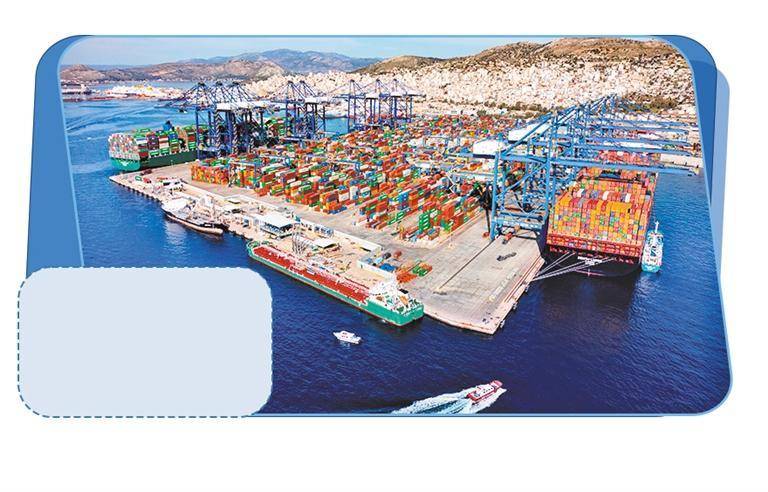
外贸稳量提质多元转型
Jing Ji Ri Bao· 2026-01-28 21:58
Core Insights - In 2025, China's foreign trade demonstrated resilience and vitality despite global economic slowdown, achieving a record total import and export value exceeding 45 trillion yuan, marking a 3.8% growth and the longest continuous growth since joining the WTO [1] Group 1: High-Tech Product Exports - High-tech product exports reached 5.25 trillion yuan, growing by 13.2%, contributing 2.4 percentage points to overall export growth [2] - Exports of "new three samples" and wind turbine generators increased by 27.1% and 48.7%, respectively [2] - The export of industrial robots surged by 48.7%, making China a net exporter of industrial robots [2] Group 2: Market Dynamics - Over 780,000 market entities engaged in import and export activities, with private enterprises playing a crucial role, accounting for 26.04 trillion yuan in trade, a 7.1% increase, and representing 57.3% of total trade [3] Group 3: Trade Structure Optimization - China's foreign trade foundation is solidifying, with new trade dynamics accelerating due to institutional, market, and industrial advantages [4] - In 2025, imports totaled 18.48 trillion yuan, maintaining a 10% share of global imports, driven by an upgraded business environment and the dual push of digital and green initiatives [5] Group 4: Trade Innovation Development - Promoting trade innovation is essential for the continuous optimization of trade structure, with a focus on integrating technology innovation into the industrial chain [6][7] - The establishment of Hainan Free Trade Port marks a new phase of expanded openness, enhancing trade structure optimization and innovation development [7]
数读2025经济答卷 透过数据看外贸:今年凭啥逆势而上
Ren Min Wang· 2025-12-28 01:38
Core Insights - The article highlights the resilience and vitality of China's foreign trade in the face of a complex external environment, showcasing strong performance in the first 11 months of the year [1]. Trade Structure Optimization - The export of electromechanical products, including "new three items" such as ships, is a major contributor, with a year-on-year growth of 60.9% [3]. - These products account for a significant portion of China's total export value during the same period [3]. Private Enterprises in Foreign Trade - Private enterprises have become the main force in China's foreign trade, with imports and exports reaching 23.52 trillion yuan, reflecting a year-on-year increase of 7.1% [5]. - The number of enterprises with import and export records has increased by 66,000 [7]. Foreign Investment Enterprises - Foreign investment enterprises have also seen growth, with imports and exports totaling 12.07 trillion yuan, marking a year-on-year increase of 3.5% [11][12]. Market Expansion - In the first month, trade with ASEAN, China's largest trading partner, reached 6.82 trillion yuan, showing an increase of 8.5% [15]. - Trade with Africa, Latin America, and the European Union has also seen significant growth, with increases of 18.7%, 5.6%, and 5.4% respectively [15]. Diversification of Foreign Trade - China's foreign trade has shown significant diversification, with simultaneous growth in exports and imports with over 110 countries and regions [16].
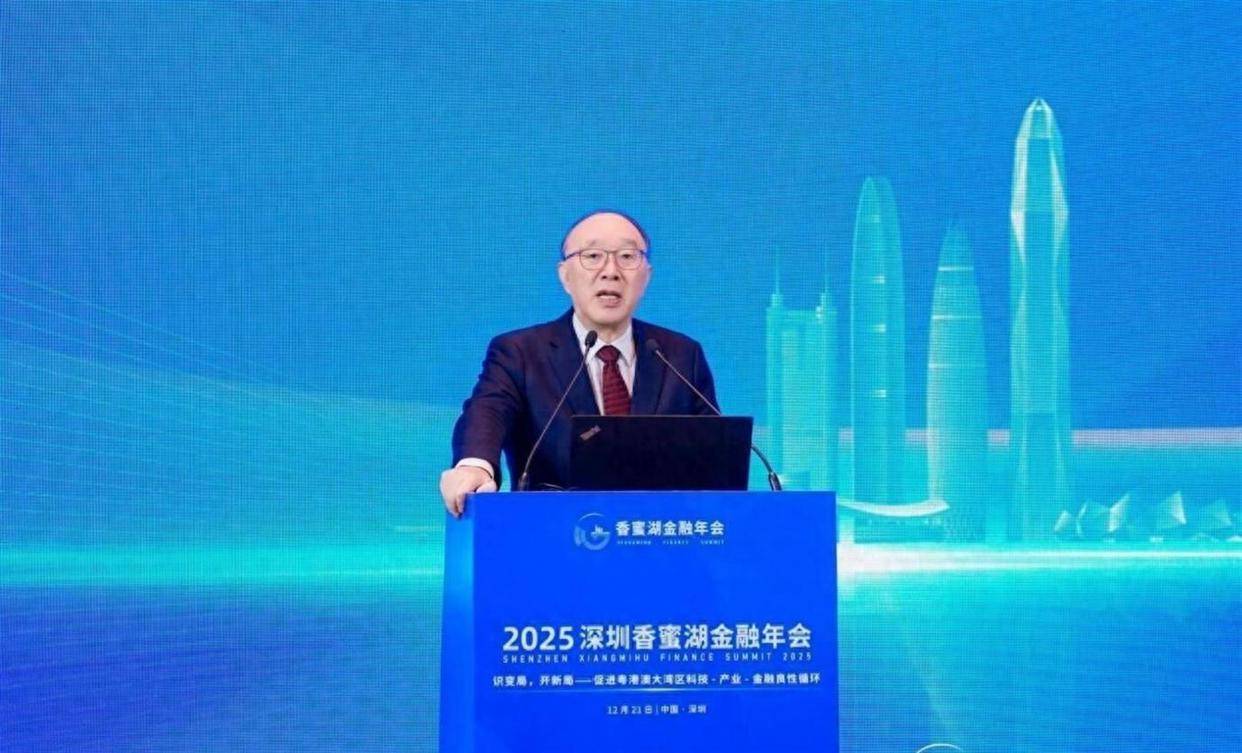
人民币要变得更值钱了?黄奇帆预言:今后十年人民币将逐步升值至6.0左右
Sou Hu Cai Jing· 2025-12-22 17:22
Core Viewpoint - The former mayor Huang Qifan predicts that the RMB may appreciate from around 7.0 to approximately 6.0 against the USD over the next decade, indicating that the same amount of RMB will exchange for more USD internationally, which will lower costs for consumers and businesses [1][12]. Group 1: Manufacturing Industry Transformation - Over the past decade, China's manufacturing sector has undergone a significant transformation, with its industrial added value accounting for 32% of the global total, establishing a "one-third" global structure [3]. - The nature of export goods has changed, with 60% of China's exports now being high-end equipment and electronic products, and industrial manufactured goods making up 90% of total exports [3]. - China has developed global competitive advantages in five key sectors: automotive, shipbuilding, high-speed rail, power equipment, and renewable energy, particularly in photovoltaics [3]. Group 2: Foreign Investment Trends - China has maintained an average of $120 billion in actual foreign investment annually over the past decade, doubling the total from ten years ago, with a trend of fewer projects but larger individual investments in high-tech and capital-intensive fields [3][5]. - Foreign enterprises contribute approximately 30% of China's export value, with a 50% share in high-value-added equipment and electronic product exports [5]. Group 3: Domestic Industry Chain Completeness - China is the only country with a complete industrial classification across all categories, allowing for a robust domestic supply chain that enhances resilience and cluster effects [5]. - The proportion of processing trade in exports has decreased to below 20%, with over 80% of export products now having a domestic value-added share exceeding 80% [5][6]. Group 4: Currency and Trade Dynamics - The shift from low-value processing to high-value embedded exports is a core indicator of the strengthening of China's foreign trade, providing fundamental support for the RMB exchange rate [6]. - A strategic choice to promote moderate appreciation of the RMB is seen as beneficial for enhancing purchasing power and balancing domestic and international markets [8]. - The People's Bank of China aims to maintain a stable RMB exchange rate while promoting internationalization, which will enhance the currency's attractiveness as a reserve and pricing currency [8][10]. Group 5: Future Trade Structure - China aims to reduce price competition in exports and enhance brand value, focusing on high-quality rather than low-cost products [10]. - The goal is to develop a balanced trade structure, with services trade expected to account for 20% of total trade by 2040, aligning with global averages [10]. - The RMB's exchange rate is expected to exhibit "two-way fluctuations," with the central bank equipped with various tools to manage excessive market volatility [10].
前11月全省出口增速高出全国3.2个百分点
Liao Ning Ri Bao· 2025-12-17 01:37
Core Insights - Liaoning's foreign trade showed significant growth in the first 11 months of the year, with total import and export value reaching 684.07 billion RMB, driven by a remarkable export performance of 373.48 billion RMB, which represents a year-on-year increase of 9.4%, surpassing the national average growth rate by 3.2 percentage points [1][2] Group 1: Export Performance - Exports reached a historical high for the same period, injecting new momentum into Liaoning's comprehensive revitalization [1] - The growth in exports is attributed to the continuous optimization of trade structure and the accelerated conversion of new and old driving forces [1] - The use of bonded logistics for imports and exports grew rapidly, with an increase of 10.4%, becoming a new pillar for stable growth [1] Group 2: Role of Private Enterprises - Private enterprises solidified their position as the main force in foreign trade, with imports and exports totaling 355.57 billion RMB, a year-on-year increase of 7.5%, accounting for 52% of the province's total foreign trade value, an increase of 4.4 percentage points [1][2] Group 3: Market Diversification - ASEAN remains Liaoning's largest trading partner, with bilateral trade growing by 23.2%, indicating deepening economic cooperation [1] - Liaoning is actively exploring emerging markets, with imports and exports to Latin America and Africa increasing by 8.6% and 40.6%, respectively, showcasing significant cooperation potential, particularly with Africa [1] Group 4: Import Dynamics - The total import value reached 310.59 billion RMB, with a strong demand for consumer goods, particularly a 21.2% increase in seafood imports, reflecting a vibrant domestic market [2] Group 5: Overall Trade Resilience - Despite challenges, Liaoning's foreign trade demonstrates strong resilience and potential, characterized by a robust export engine, improved structure, and diversified partnerships [2]

波黑逾三分之一进口来自前南国家,贸易逆差形势严峻
Shang Wu Bu Wang Zhan· 2025-12-13 02:14
Core Insights - Bosnia and Herzegovina's imports are heavily reliant on former Yugoslav countries, with over one-third of total imports coming from these nations, indicating a significant trade imbalance [2][3] - The total import value for the first eleven months of the year reached 28.97 billion marks, with imports from Croatia, Serbia, and Slovenia making up a substantial portion [2] - Exports to these countries totaled 6.82 billion marks, resulting in a trade deficit with all but Montenegro, highlighting the need for improved export strategies and economic competitiveness [2][3] Import and Export Analysis - Imports from Croatia amounted to 5.41 billion marks, Serbia 3.83 billion marks, and Slovenia 2.39 billion marks, collectively accounting for approximately 41.52% of total imports [2] - The highest import category was machinery and equipment, totaling 2.56 billion marks, while the leading export category was electrical equipment, valued at around 1.48 billion marks [2] - The trade deficit with Croatia was 2.5 billion marks, with Serbia and Slovenia also showing significant deficits of 2.1 billion marks and 0.95 billion marks, respectively [2] Economic Insights - Economist Igor Gavran noted that a significant portion of imports from Serbia and Croatia actually originates from third countries, suggesting that the import figures could be misleading [3] - He emphasized the need for Bosnia to improve its business environment and economic competitiveness to enhance export potential and reduce reliance on imports [3] - Recommendations include stricter supervision in areas with evident gaps in import control and efforts to boost domestic production capabilities [3]
11月我国货物贸易进出口3.9万亿元
Jing Ji Ri Bao· 2025-12-10 01:20
Core Viewpoint - In November, China's goods trade imports and exports reached 3.9 trillion yuan, with a year-on-year growth rate of 4.1%, marking ten consecutive months of growth [1] Trade Performance - Exports amounted to 2.35 trillion yuan, while imports were 1.55 trillion yuan, reflecting year-on-year increases of 5.7% and 1.7% respectively [1] - The general trade import and export value reached 26.04 trillion yuan, growing by 2.1%, accounting for 63.2% of the total foreign trade value, indicating enhanced internal momentum in China's foreign trade [1] Market Diversification - In the first eleven months, trade with ASEAN, China's largest trading partner, reached 6.82 trillion yuan, a year-on-year increase of 8.5% [1] - Trade with Africa, Latin America, and the EU grew by 18.7%, 5.6%, and 5.4% respectively [1] - China achieved simultaneous growth in exports and imports with over 110 countries and regions, an increase of more than 20 compared to the same period last year [1] Private Enterprises - In the first eleven months, private enterprises' imports and exports totaled 23.52 trillion yuan, growing by 7.1%, and accounted for 57.1% of the total foreign trade value, an increase of 1.8 percentage points year-on-year [1] - The number of private enterprises with import and export records increased by 66,000 year-on-year [1] High-Value Products - In the first eleven months, exports of electromechanical products reached 14.89 trillion yuan, growing by 8.8%, making up over 60% of total exports [1] - Notable growth was observed in the export of automobiles and integrated circuits, with growth rates of 25.6% and 17.6% respectively [1]
11月我国货物贸易进出口3.9万亿元 连续10个月保持同比增长
Jing Ji Ri Bao· 2025-12-09 22:09
Core Insights - In November, China's goods trade import and export reached 3.9 trillion yuan, with a year-on-year growth rate of 4.1%, maintaining growth for ten consecutive months [1] - Exports amounted to 2.35 trillion yuan, while imports were 1.55 trillion yuan, reflecting year-on-year increases of 5.7% and 1.7% respectively [1] - The trade structure is becoming more optimized, with general trade import and export volume reaching 26.04 trillion yuan, a growth of 2.1%, accounting for 63.2% of total foreign trade value [1] Trade Diversification - In the first eleven months, trade with ASEAN, China's largest trading partner, reached 6.82 trillion yuan, a year-on-year increase of 8.5% [1] - Trade with Africa, Latin America, and the EU grew by 18.7%, 5.6%, and 5.4% respectively [1] - China achieved simultaneous growth in exports and imports with over 110 countries and regions, an increase of more than 20 compared to the same period last year [1] Private Enterprises - In the first eleven months, private enterprises' import and export volume reached 23.52 trillion yuan, growing by 7.1%, and accounting for 57.1% of total foreign trade value, an increase of 1.8 percentage points year-on-year [1] - The number of private enterprises with import and export records increased by 66,000 year-on-year [1] High-Value Products - In the first eleven months, China exported 14.89 trillion yuan worth of electromechanical products, a growth of 8.8%, making up over 60% of total exports [1] - Notable growth was seen in the export of automobiles and integrated circuits, with growth rates of 25.6% and 17.6% respectively [1]
外贸韧性活力持续彰显
Xin Hua Wang· 2025-12-08 23:36
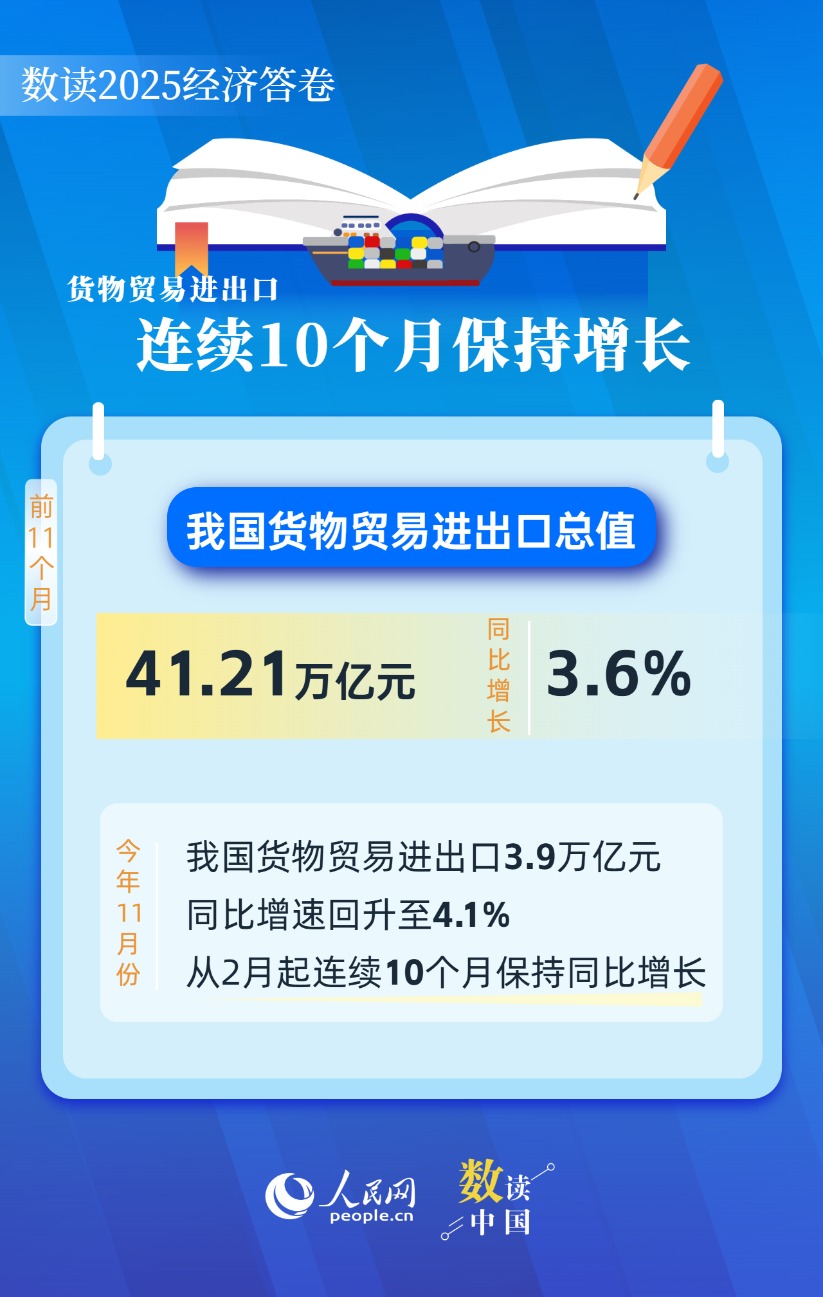
Core Viewpoint - China's goods trade import and export value reached 41.21 trillion yuan in the first 11 months of 2025, showing a year-on-year growth of 3.6%, indicating strong resilience and vitality in foreign trade [1]. Trade Performance - Exports totaled 24.46 trillion yuan, increasing by 6.2%, while imports were 16.75 trillion yuan, with a slight growth of 0.2% [1]. - In November alone, exports were 2.35 trillion yuan and imports were 1.55 trillion yuan, reflecting growth rates of 5.7% and 1.7%, respectively, with acceleration in growth rates compared to the previous month [1]. Trade Structure Optimization - General trade and processing trade saw growth, with general trade imports and exports at 26.04 trillion yuan (up 2.1%) and processing trade at 7.74 trillion yuan (up 7.3%) [3]. - Trade with ASEAN and EU increased, with total trade with ASEAN at 6.82 trillion yuan (up 8.5%) and with the EU at 5.37 trillion yuan (up 5.4%) [3]. - Private enterprises and foreign-invested enterprises also experienced growth, with private enterprises' trade at 23.52 trillion yuan (up 7.1%) and foreign-invested enterprises at 12.07 trillion yuan (up 3.5%) [3]. Policy Support - Various supportive policies are being implemented to enhance foreign trade resilience, including measures to optimize origin visa facilitation for the new energy and intelligent connected vehicle industry [5]. - Shanghai's Songjiang District has issued opinions to encourage the development of new foreign trade formats, including cross-border e-commerce and fashion consumer goods trade [5]. Market Outlook - Market expectations for foreign trade development are generally optimistic, with analysts noting that the rebound in export growth in November is supported by global economic recovery and diversification of markets [6][7]. - The resilience of China's exports is attributed to the flexibility and pressure resistance of private enterprises, alongside the positive effects of manufacturing upgrades and supportive growth policies [7].
外贸韧性活力持续彰显(锐财经)
Ren Min Ri Bao· 2025-12-08 20:36
Core Viewpoint - China's goods trade showed resilience and vitality, with a total import and export value of 41.21 trillion yuan, a year-on-year increase of 3.6% in the first 11 months of 2025 [2] Trade Structure Optimization - The trade structure is continuously improving, with general trade and processing trade both experiencing growth. General trade imports and exports reached 26.04 trillion yuan, up 2.1%, accounting for 63.2% of total foreign trade; processing trade reached 7.74 trillion yuan, up 7.3%, accounting for 18.8% [3] - Trade with ASEAN and the EU increased, with total trade with ASEAN at 6.82 trillion yuan, up 8.5%, making it China's largest trading partner, while trade with the EU reached 5.37 trillion yuan, up 5.4% [3] - Private enterprises and foreign-invested enterprises also saw growth, with private enterprises' imports and exports at 23.52 trillion yuan, up 7.1%, accounting for 57.1% of total foreign trade [3] Policy Support - Various support policies are being implemented to enhance foreign trade resilience, such as measures to optimize origin visa facilitation for the new energy and intelligent connected vehicle industry [4] - Efficient customs processes are highlighted, as seen with the rapid clearance of Chilean cherries, showcasing the effectiveness of customs support in facilitating trade [4] Market Outlook - Market expectations for foreign trade development are optimistic, with analysts noting that the rebound in export growth in November is supported by global economic recovery and market diversification [6] - The resilience of China's exports is attributed to the flexibility and pressure resistance of private enterprises, alongside the noticeable effects of manufacturing transformation and supportive growth policies [6] - The increasing confidence in cross-border e-commerce is bolstered by efficient customs services, which help reduce operational costs for businesses [6]