超级性价比时代

Search documents
堂食客单价跌回十年前,两类门店面临“生死局”
虎嗅APP· 2025-11-01 09:35
Core Viewpoint - The average dining price for dine-in has dropped to levels close to those of ten years ago, indicating a significant shift in the restaurant industry dynamics, driven by oversupply, changing consumer preferences, and competitive pricing strategies [4][6]. Group 1: Factors Lowering Dine-in Prices - The average dine-in price in 2025 is projected to revert to levels seen in 2015, influenced by structural market issues and shifts in consumer trends [6]. - As of August 2025, the number of dining establishments in China has surpassed 7.6 million, with a total of 16.03 million restaurant businesses, indicating a severe oversupply in the market [8]. - The oversupply has led many new restaurants to adopt low-price strategies to attract customers, particularly in the fast-food and beverage sectors, which has further driven down average dine-in prices [10][11]. - Consumer demand has shifted from high-end dining experiences to more casual and affordable options, with a notable decline in the percentage of consumers willing to increase their dining expenditures, dropping from 50% in 2023 to 31.3% in 2024 [12]. Group 2: Impact on Different Types of Businesses - New restaurants, often referred to as "new stores," are struggling to survive in a highly competitive low-price environment, leading to a higher failure rate [14][15]. - Established restaurants, or "old stores," face challenges as they may mistakenly engage in price wars, undermining their previously established market position and brand value [16]. - The average lifespan of dining establishments has decreased from 2.1 years in 2015 to approximately 16.9 months in 2023, with projections suggesting it may drop to around 15 months by 2025 [15]. Group 3: Strategies for Survival and Growth - The restaurant industry is entering a "super value" era, where businesses must focus on delivering genuine value rather than relying solely on low prices [18]. - Successful restaurants should prioritize retaining existing customers by understanding their preferences and ensuring that the dining experience meets their expectations for value [19]. - Instead of engaging in price competition, restaurants should enhance their operational capabilities, product offerings, and overall customer experience to attract consumers seeking quality over price [20]. - The shift in consumer behavior indicates that customers are not merely looking for cheaper options but are willing to pay more for perceived value, suggesting a need for restaurants to adapt their strategies accordingly [21].


堂食客单价跌回十年前,两类门店面临“生死局”
3 6 Ke· 2025-10-30 12:43
Core Insights - The average dining price has dropped to levels close to those seen a decade ago, indicating a significant shift in the restaurant industry [1][11] - The decline in average dining prices is attributed to structural market issues, changes in consumer behavior, and the increasing prevalence of low-priced offerings [2][7] Supply and Demand Dynamics - As of August 2025, the number of dining establishments in China exceeded 7.6 million, with a total of 16.03 million restaurant businesses [3] - The market is oversaturated, with estimates suggesting that the optimal number of restaurants should be around 3 million, indicating a significant excess in supply [4] Pricing Strategies - Many new restaurants, particularly those opened in the last three years, are resorting to low pricing as a survival strategy due to a lack of customer acquisition capabilities [5][9] - The increase in low-priced categories such as fast food and beverages has dragged down the average dining price across the industry [6] Consumer Behavior Changes - There has been a notable shift in dining occasions, with high-end dining experiences declining and everyday casual dining becoming more prevalent [7] - Consumer spending on dining has become more rational, with the average per capita spending dropping to 36.6 yuan, a 7.7% decrease from the previous year [7] Competitive Landscape - The intense competition in the takeaway market has led many restaurants to lower their dine-in prices to remain competitive [8] - The lifecycle of dining establishments has shortened significantly, with the average lifespan dropping from 2.1 years in 2015 to approximately 16.9 months in 2023 [9][10] Strategic Recommendations - Restaurants must shift from a price-dependent strategy to one focused on value competition, emphasizing quality and customer experience [12][15] - Established restaurants should concentrate on retaining existing customers rather than engaging in price wars, as their competitive advantage lies in brand loyalty and quality [13][14]
食品安全成为餐饮新招牌,美团追加5亿帮商家建设明厨亮灶
Chang Sha Wan Bao· 2025-10-20 10:12
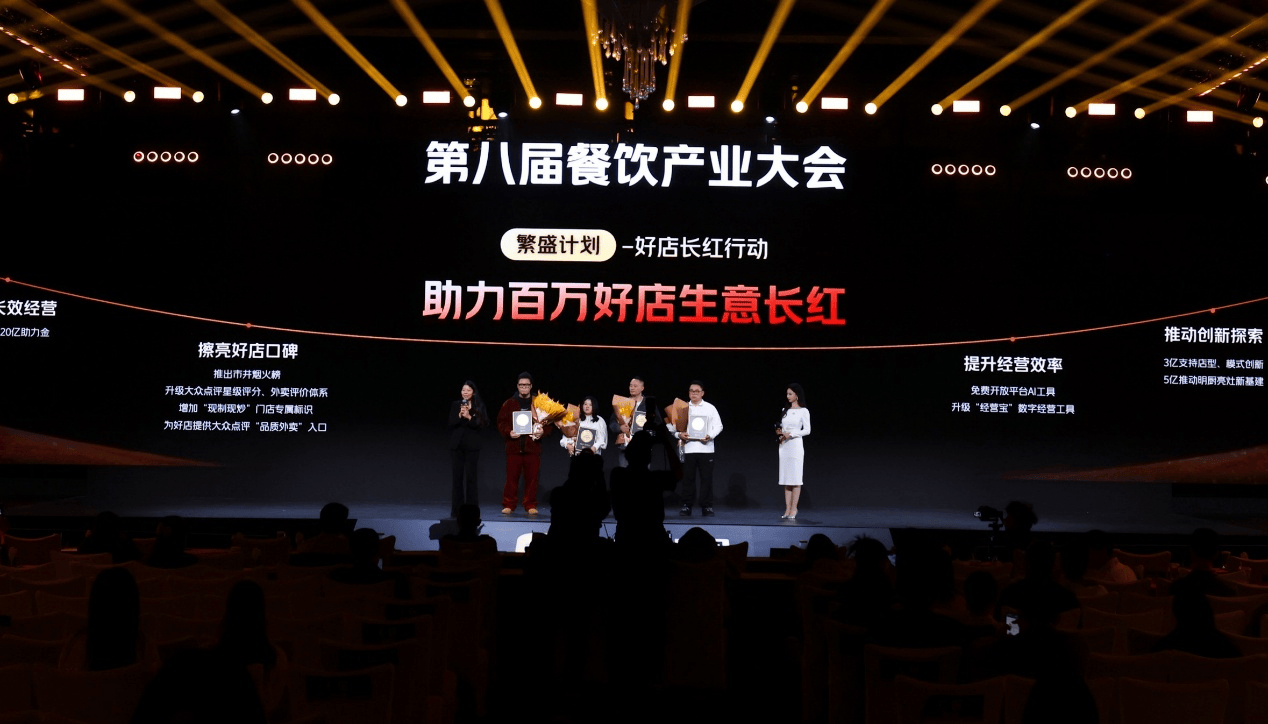
Core Insights - The restaurant industry is entering a "super cost-performance era," where customer demand for value is reshaping the market dynamics, emphasizing the need for businesses to leverage structural cost advantages rather than engaging in price wars [1][3][7] Group 1: Industry Trends - The domestic restaurant market has grown from 3 trillion to 4 trillion in just three years, but the growth rate has slowed down significantly when reaching 5 trillion, indicating a shift from supply-demand imbalance to oversupply [1][7] - The increase in restaurant numbers has led to intensified competition and price wars, with many businesses struggling to maintain profitability despite higher order volumes [7][10] Group 2: Company Initiatives - Meituan has launched the "Prosperity Plan," committing an additional 2.8 billion yuan to support restaurant businesses, including 2 billion yuan for financial assistance and 500 million yuan for infrastructure improvements [1][10] - The company introduced the AI decision-making tool "Kangaroo Advisor," which is now available for free to all restaurant businesses, aiming to enhance operational efficiency across various aspects of restaurant management [4][6] Group 3: Consumer Behavior - There is a notable shift in consumer preferences towards lower-priced options, with 70% of new takeaway orders falling under the 15 yuan price range, highlighting the challenges of maintaining profitability in a low-price environment [7][9] - The demand for "one-person meals" has increased by over 40%, and the search volume for "small portion dishes" has grown by more than 32%, indicating changing consumer dining habits [9] Group 4: Quality and Innovation - Meituan is focusing on quality dining experiences rather than just attracting traffic, with plans to enhance service quality and operational efficiency through various innovative products and services [5][10] - The company is also addressing the issue of malicious competition by upgrading its merchant rating system to promote quality over quantity in service and product offerings [5][10]

前三季度商品零售同比增长4.6%,国补效应待延续
2 1 Shi Ji Jing Ji Bao Dao· 2025-10-20 09:41
Economic Overview - In the first three quarters, the total retail sales of consumer goods reached 36,587.7 billion yuan, growing by 4.5% [1] - In September, the total retail sales of consumer goods amounted to 4,197.1 billion yuan, with a year-on-year growth of 3.0% [1] - The growth in retail sales was driven by the "old-for-new" policy, particularly in categories like home appliances and audio-visual equipment, which saw retail sales growth of 25.3% [1] Consumer Goods Performance - The retail sales of goods reached 32,488.8 billion yuan, growing by 4.6% in the first three quarters [1] - The restaurant income was 40,989 billion yuan, with a growth of 3.3% [1] - In September, restaurant income was 4,509 billion yuan, marking a growth of only 0.9%, the lowest growth rate in two years [5] Policy Impact - The "old-for-new" policy continues to show effectiveness, with significant growth in specific categories such as home appliances and communication equipment [1] - The upcoming changes in the subsidy policy for the fourth quarter will be a crucial factor affecting the year-on-year growth of consumer goods [3] Restaurant Industry Insights - The restaurant sector is experiencing significant volatility, with a year-on-year growth of only 3.3% in the first three quarters [5] - The competition in the restaurant industry is intensifying, leading to a focus on cost-effectiveness and consumer experience [6] - The fourth quarter is expected to see increased consumer activity due to holiday seasons, but the overall market performance remains to be observed [7]
美团提出超级性价比时代,餐饮客单价回到10年前
Sou Hu Cai Jing· 2025-10-18 09:28
Core Insights - The takeaway from the news is that the food delivery industry is undergoing significant changes due to intense competition, leading to price wars and a shift in consumer behavior towards seeking value for money [3][4][10]. Group 1: Industry Changes - The food delivery battle has entered a new phase where companies are focusing on rankings to capture consumer attention and purchasing power, as evidenced by the launch of the "City Fireworks List" by Dazhong Dianping [2]. - The rapid increase in the number of restaurants has resulted in oversupply and homogenized competition, contributing to price wars [4][5]. - The overall growth rate of the restaurant market has slowed, with the average customer spending returning to levels seen a decade ago [4]. Group 2: Market Dynamics - According to Meituan, 45% of new orders generated by delivery subsidies are for beverages, and 75% of orders are priced below 15 yuan, indicating a significant drop in average order value [3]. - The restaurant industry's revenue growth has declined, with a reported 3.6 percentage point drop in national dining revenue growth year-on-year for the first half of 2025 [5]. - The introduction of new regulations, such as the revised Anti-Unfair Competition Law, aims to control price wars but has not fully curbed the trend [5]. Group 3: Consumer Behavior - There is a notable increase in demand for "one-person meals," with orders growing over 40%, and a 32% year-on-year increase in searches for small portion dishes [7]. - Consumers are increasingly prioritizing value for money, leading to a competitive environment where businesses must enhance their operational efficiency rather than engage in price wars [10]. Group 4: Company Initiatives - Meituan has launched a 2.8 billion yuan support plan to assist restaurants, which includes the "City Fireworks List" and various financial aids for innovation and operational improvements [6][8]. - The introduction of AI-driven tools for restaurant management aims to enhance operational efficiency across the industry, with tools like the "Kangaroo Advisor" being made available for free to all merchants [8][9].
“西贝风波”一月后,我们去线下看了看那些焦虑的餐饮店
Sou Hu Cai Jing· 2025-10-18 06:51
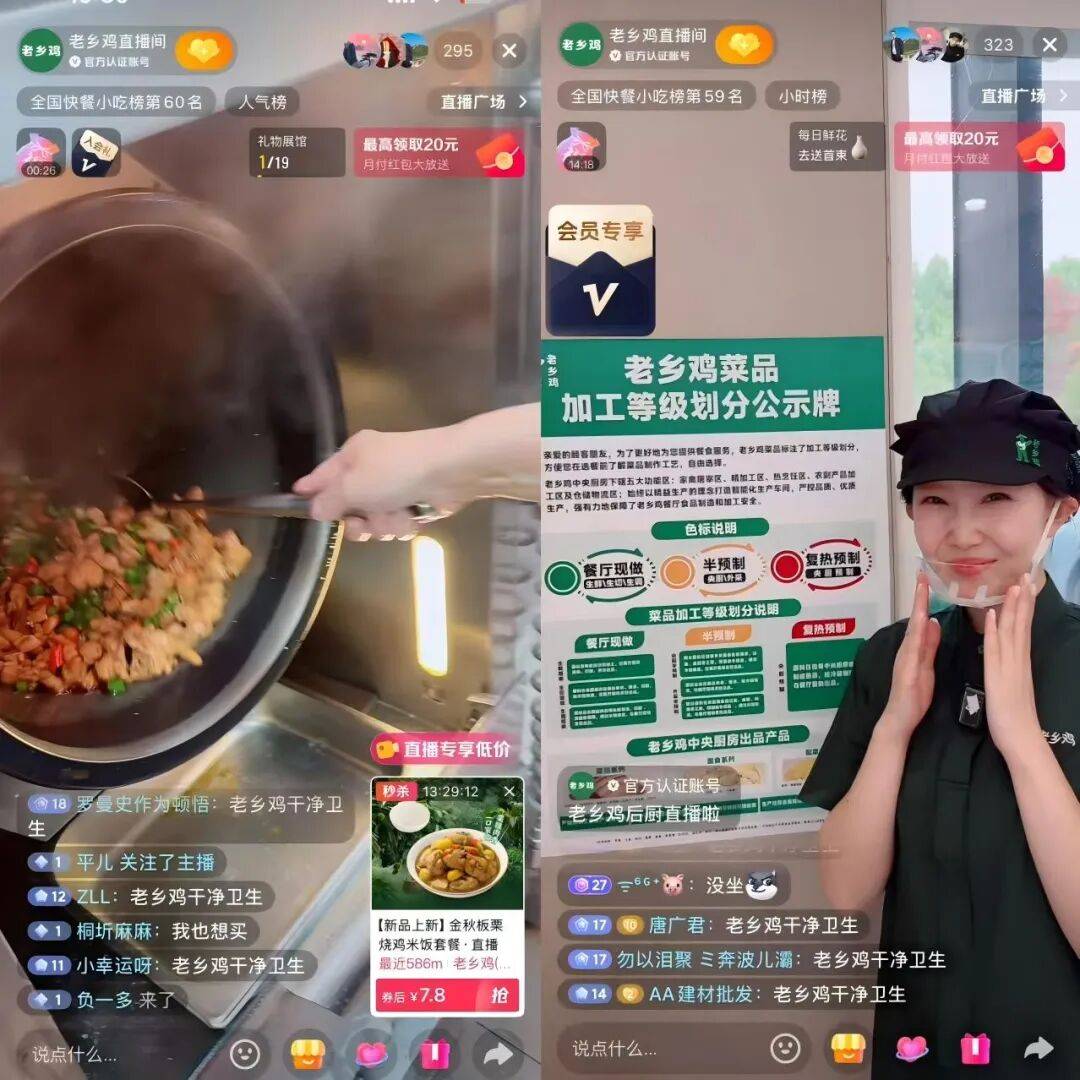
Core Insights - The article discusses the ongoing transformation in the restaurant industry following the "Xibei incident," highlighting how different companies are adapting to regain consumer trust and improve their brand image [1][2][20]. Group 1: Industry Trends - There is a significant gap in understanding the concept of "pre-made dishes" between businesses and consumers, indicating a need for better communication [1][2]. - The restaurant industry is expected to move towards greater standardization and transparency, especially with the introduction of national food safety standards [1][2]. - The industry is witnessing a bifurcation where companies must either pursue extreme efficiency through scale or focus on unique, personalized dining experiences [2][31]. Group 2: Company Responses - Companies like Xibei are implementing drastic changes, including price reductions, menu adjustments, and rebranding efforts to restore consumer confidence [1][4][20]. - Various restaurant players are adopting different strategies: some are making bold changes, while others are taking a more subdued approach to comply with consumer expectations [4][6][7]. - The "back kitchen live streaming" trend has emerged as a popular method for restaurants to showcase transparency and engage consumers [4][6][20]. Group 3: Consumer Behavior - Post-crisis, consumers are more inclined to seek transparency regarding food sourcing and preparation methods, leading to a shift in dining preferences [28][30]. - The demand for "superior cost-performance" in dining experiences is rising, with consumers expecting stable prices while desiring enhanced experiences [30][31]. - The article notes that the survival of mid-tier restaurants is increasingly threatened as consumers gravitate towards either highly efficient or uniquely personalized dining options [31][32]. Group 4: Market Data - The number of restaurant outlets in China is projected to increase from 6.74 million in 2023 to 7.99 million by mid-2025, indicating a growing market [29][30]. - Emerging brands in the restaurant sector are outpacing established ones, with new brands being more than twice as prevalent in key urban areas [30]. - The average monthly revenue per square meter for restaurants has stagnated, suggesting challenges in profitability despite the growth in the number of outlets [30]. Group 5: Future Outlook - The article suggests that the restaurant industry is entering a phase of "supply surplus," where only the most efficient or uniquely positioned players will thrive [31][32]. - Companies are encouraged to adopt manufacturing-like efficiency models to remain competitive, focusing on cost reduction and operational optimization [32][33]. - The trend towards personalization and niche offerings is expected to continue, with smaller, unique establishments gaining traction in the market [34].
餐饮客单价跌回十年前!美团重金“救市”背后:加固本地生活护城河
Hua Xia Shi Bao· 2025-10-17 13:38
Core Insights - The restaurant industry is entering a "super cost-performance era," characterized by heightened competition and changing consumer demands for value [2][4] - Meituan announced an additional investment of 2.8 billion yuan to support restaurant merchants, focusing on profit retention and healthy development [3][4] Investment and Support Initiatives - Meituan's new initiatives include a 2 billion yuan support fund primarily for takeout businesses, 300 million yuan for innovative store models, and 500 million yuan for "bright kitchen" infrastructure [3] - The company has already launched a support plan for small and medium-sized merchants, covering 360,000 restaurant businesses [3] Market Dynamics and Competition - The overall growth rate of the domestic restaurant market is slowing, with average customer spending returning to 2015 levels, while the number of restaurants has surged, leading to oversupply and intensified competition [4][6] - Major internet platforms, including JD and Alibaba's Taobao, are aggressively entering the takeout market, increasing competition through substantial subsidies and promotions [6][7] Business Strategy and Performance - Meituan is focusing on long-term operational strategies, emphasizing the importance of attracting customers to physical stores and improving operational efficiency [5][6] - The company has seen significant growth in its satellite store model, with over 1,400 new satellite stores opened by Haidilao, and an average return on investment period of 6-8 months for these stores [5][6] Future Outlook and Expansion - Meituan plans to expand its instant retail business, leveraging its supply chain and delivery network to explore new retail formats [7][8] - The company aims to create synergies between high-frequency delivery services and low-frequency e-commerce sales, positioning itself competitively in the broader local lifestyle market [8]
美团追加28亿帮扶商家,5亿用于“明厨亮灶”新基建
Bei Jing Ri Bao Ke Hu Duan· 2025-10-17 09:41
Core Insights - The restaurant industry in China is experiencing a slowdown in growth, with a shift towards a "super cost-performance era" as consumer trends change [1][2] - Meituan announced an additional investment of 2.8 billion yuan to support merchants, including 2 billion yuan for assistance funds, 300 million yuan for innovative store models, and 500 million yuan for "bright kitchen and stove" infrastructure [1][2] Industry Trends - The overall growth of the restaurant market has slowed, taking 5 years to grow from 4 trillion yuan to 5 trillion yuan, with a decline in average customer spending [1] - The number of restaurants has surged, leading to oversupply and intensified competition, resulting in price wars [1] - 70% of new takeaway orders this year are from the low-price segment of under 15 yuan, indicating a shift in consumer preferences [1] Innovations and Strategies - Over 900 brands are exploring "light" store innovations, focusing on smaller, specialized outlets rather than large, comprehensive ones [2] - The "拼好饭" (Pīn hǎo fàn) model has led to a 30% increase in orders and a 20% reduction in operating costs for participating merchants [2] - Meituan's support plan aims to cover 360,000 restaurant merchants by the end of 2024, emphasizing long-term operational support and innovation [2]
美团宣布追加28亿元支持商家创新经营
Zhong Guo Zhi Liang Xin Wen Wang· 2025-10-17 08:57
Core Insights - The restaurant industry is entering an era of "super cost-performance," where customer demand for value is reshaping the market dynamics [1][3] - Meituan has announced an upgrade to its "Prosperity Plan," committing an additional 2.8 billion yuan to support restaurant merchants in maintaining profits and healthy development [1][10] Group 1: Industry Trends - The shift towards super cost-performance requires merchants to leverage structural cost advantages rather than engaging in price wars [3] - Long-term operational stability is essential for restaurants to withstand short-term market fluctuations [3] - AI tools are becoming increasingly important for enhancing operational efficiency in the restaurant sector, with Meituan aiming to make AI accessible to all merchants [3][4] Group 2: Meituan's Initiatives - Meituan has introduced the AI decision-making tool "Kangaroo Advisor," which covers various operational aspects and is available for free to all industry merchants [4] - The company is focusing on enhancing the quality of dining experiences through initiatives like the "Meituan Dining Committee" and the introduction of new ranking lists [5] - Meituan's "Smart Waiter" AI tool has been adopted by over 186,000 stores, improving customer service and operational efficiency [6] Group 3: Market Dynamics - The reliance on low-price subsidies for delivery services is unsustainable, as it disrupts pricing structures and does not guarantee long-term customer retention [7][10] - The growth of the takeaway market is driven by collaboration between Meituan and restaurant brands, focusing on supply-side innovations [9] - New dining trends, such as "one-person meals" and "small portion dishes," are emerging, with many brands exploring satellite store models to adapt to changing consumer preferences [9] Group 4: Future Outlook - Meituan is committed to fostering a healthy industry ecosystem by ensuring food safety and supporting quality-focused merchants [10] - The company plans to extend its support to more dine-in merchants and enhance its "Prosperity Plan" with various initiatives aimed at sustaining business growth [10]
美团追加28亿元助力堂食和外卖高质量增长 发布餐饮商家AI决策工具
Sou Hu Cai Jing· 2025-10-17 00:37
Group 1 - The core viewpoint of the article is that the restaurant industry is entering an era of "super cost-performance" driven by changing consumer trends, emphasizing that businesses should leverage structural cost advantages rather than relying on competition among peers [1][3] Group 2 - Meituan announced an upgrade to its "Prosperity Plan" for restaurant merchants, introducing four major initiatives with an additional investment of 2.8 billion yuan to help merchants maintain profits and develop healthily [3] - The specific initiatives include an additional 2 billion yuan support fund primarily for merchants with takeaway services, extending to more dine-in merchants; 300 million yuan for supporting innovative store models; 500 million yuan for promoting "bright kitchen and stove" infrastructure; and the launch of a city smoke and fire list along with an upgraded merchant evaluation system [3] - Meituan introduced a new AI decision-making tool for restaurant merchants called "Kangaroo Advisor," which utilizes its self-developed large model "Longcat" to cover various aspects of daily operations, including market analysis, store location selection, menu development, and financial analysis, and is currently available for free to all industry merchants [3]