轨道算力

Search documents
奥特曼的核聚变与马斯克的太空算力,谁在贩卖泡沫
Xi Niu Cai Jing· 2026-02-11 07:46
Group 1 - The article discusses the emerging investment opportunities in space data centers and commercial nuclear fusion, highlighting the contrasting narratives of escaping Earth's orbit versus replicating a "man-made sun" on the ground [1] - Elon Musk has proposed a vision for a 100GW orbital data center, merging SpaceX with xAI, with a valuation of $1.25 trillion and plans for an IPO this year [1] - The commercial nuclear fusion sector is gaining momentum, with TMTG and TAE signing a merger agreement valued at over $6 billion, and General Fusion set to complete a SPAC deal by mid-year [1][2] Group 2 - The focus for the next five years is on achieving Q≥1, which is essential for energy gain in nuclear fusion, with CFS aiming for a Q value of 11 and planning to achieve plasma discharge by 2030 [2] - The Chinese compact fusion energy experimental device BEST plans to achieve its first plasma discharge by the end of 2027 and aims for Q≥1 verification by 2030 [3] - The global expectation is that nuclear fusion could connect to the grid between 2031 and 2040, with various companies projecting different timelines for their commercial fusion power plants [4] Group 3 - The article notes that China is rapidly advancing in the nuclear fusion sector, with significant investments and the establishment of multiple fusion companies, surpassing the U.S. in funding [6] - The feasibility of orbital data centers is questioned, as current engineering constraints make it unlikely that the lowest computing costs will be achieved in space within 2-3 years [6] - Both NVIDIA and Google are attempting to build space-based AI infrastructure, but the realization of GW-level space data centers is projected to take 10 to 20 years [7]
AI算力的下一个战场,已经延伸到了太空?
3 6 Ke· 2026-02-09 06:26
Core Insights - The concept of relocating data centers to space is gaining traction as a solution to the energy and cooling challenges faced by AI data centers on Earth [1][3] - Major tech companies like SpaceX, Amazon, and Google are actively pursuing the development of space-based data centers, indicating a shift in the industry towards this innovative approach [3][4] Group 1: Reasons for Moving Data Centers to Space - The primary bottlenecks for AI evolution are power supply and heat dissipation, which are becoming increasingly difficult to manage on Earth [4][6] - Current large-scale AI data centers consume hundreds of megawatts of power, with a single gigawatt capable of powering a medium-sized city for a year [6][8] - Space offers abundant and stable energy sources, particularly solar energy, which can be harnessed continuously without the limitations of weather or day-night cycles [9][10] Group 2: Advantages of Space Data Centers - In space, heat can be dissipated efficiently due to the extremely low background temperature, allowing for potentially infinite energy usage efficiency (PUE) [10][11] - Space data centers can achieve lower latency in data transmission, as light travels faster in a vacuum than through fiber optics, enabling rapid global data processing [13] - The combination of continuous energy supply, efficient cooling, and low-latency communication makes space an ideal environment for AI computation [13] Group 3: Current Exploration Paths - Two main approaches are being explored: "on-orbit edge computing" and "orbital cloud data centers," each addressing different levels of challenges and ambitions [28][41] - On-orbit edge computing focuses on deploying AI accelerators on existing satellites to process data in space, reducing the need for data transmission back to Earth [16][21] - Orbital cloud data centers aim to create a comprehensive cloud computing infrastructure in space, integrating multiple computing nodes for flexible resource allocation [28][30] Group 4: Challenges in Building Space Data Centers - Technical challenges include the need for larger solar panels, advanced power management systems, and specialized cooling structures to support continuous computation in space [47][48] - The complexity of engineering and high costs associated with launching and assembling space data centers pose significant barriers to their development [51][53] - Regulatory challenges arise from the potential increase in satellite numbers, which could lead to orbital congestion and collision risks [57][59] Group 5: Future Prospects - Space data centers are not expected to replace terrestrial data centers but rather serve as a complementary solution to address specific computational needs [60][62] - The long-term viability of space data centers will depend on advancements in technology, reductions in launch costs, and the establishment of effective regulatory frameworks [56][64] - The ongoing exploration of space data centers reflects a broader recognition of the need to expand computational resources beyond Earth as demand continues to grow [65][67]




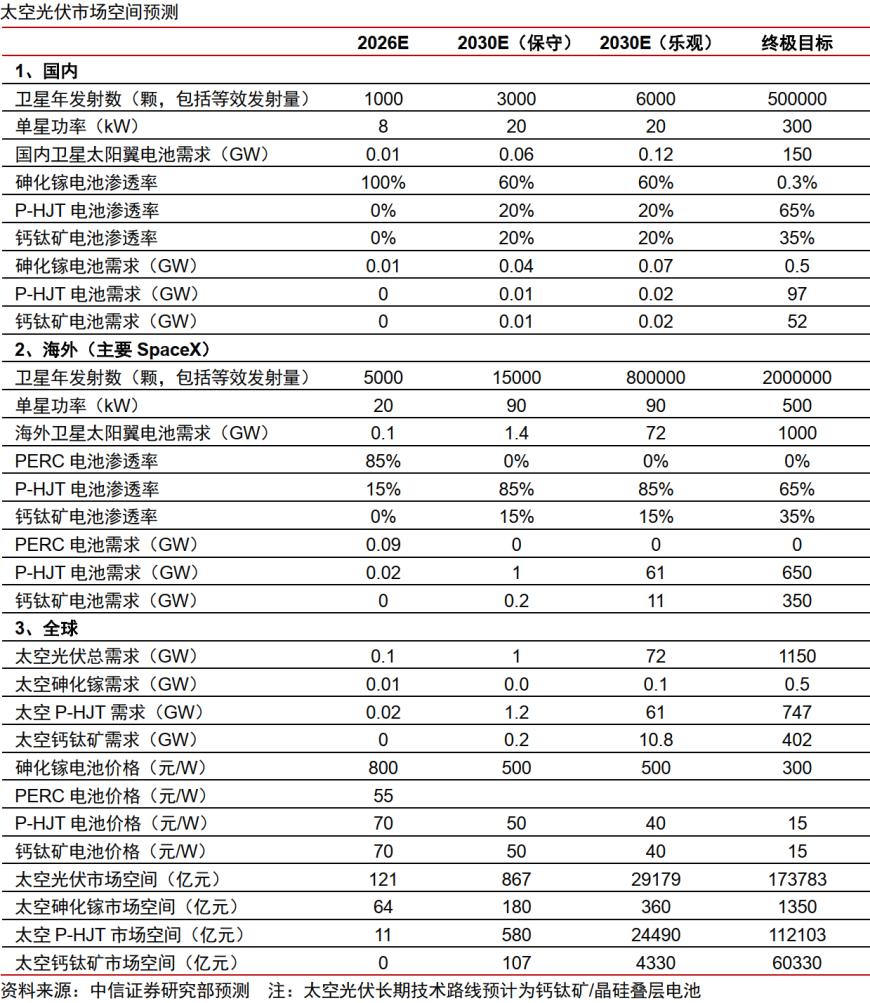
中信证券:太空光伏需求有望迎来指数级增长
Ge Long Hui· 2026-02-09 04:11
Core Insights - The demand for space photovoltaics is expected to experience exponential growth, driven by investments from companies like Tesla and SpaceX in photovoltaic manufacturing to support orbital computing and AI [1] - Leading Chinese photovoltaic equipment manufacturers are well-positioned to enter the supply chains of major players like Tesla and SpaceX, potentially securing substantial orders and opening new growth opportunities [1] - Space photovoltaic equipment may exhibit significant inflationary effects, leading to a substantial increase in value [1] Domestic Market Projections - By 2026, the annual satellite launch count in China is projected to reach 1,000, increasing to 3,000 by 2030 under conservative estimates and potentially 6,000 under optimistic scenarios, with a long-term goal of 500,000 [2] - The demand for satellite solar wing batteries in China is expected to grow from 0.01 GW in 2026 to 0.12 GW by 2030 under optimistic conditions, with a long-term target of 150 GW [2] - The penetration rates for P-HJT and perovskite batteries are anticipated to reach 20% by 2030, with long-term goals of 65% and 35% respectively [2] Overseas Market Projections - The annual satellite launch count overseas, primarily driven by SpaceX, is expected to rise from 5,000 in 2026 to 15,000 by 2030, with an ultimate target of 20 million [2] - The demand for overseas satellite solar wing batteries is projected to increase from 0.1 GW in 2026 to 72 GW by 2030 under optimistic estimates, with a long-term goal of 1,000 GW [2] - The penetration rate for P-HJT batteries is expected to reach 85% by 2030, with a long-term target of 65% [2] Global Market Projections - The total demand for space photovoltaics globally is projected to grow from 0.1 GW in 2026 to 72 GW by 2030 under optimistic conditions, with a long-term target of 1,150 GW [2] - The market space for space photovoltaics is expected to expand significantly, from 121 billion yuan in 2026 to 29,179 billion yuan by 2030 under optimistic estimates, with a long-term goal of 173,783 billion yuan [2] - The price of P-HJT batteries is expected to decrease from 70 yuan/W in 2026 to 15 yuan/W in the long term, indicating a trend towards cost reduction in the industry [2]

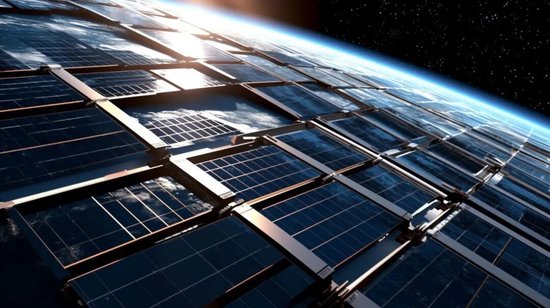
中信证券:太空光伏卖铲人,有望迎价值跃迁
Xin Lang Cai Jing· 2026-02-09 00:55
Core Insights - The demand for space photovoltaic technology is expected to experience exponential growth, driven by SpaceX's initiatives and the need for energy in satellite and orbital computing [3][12] - Major Chinese photovoltaic equipment manufacturers are well-positioned to enter the supply chains of Tesla and SpaceX, potentially securing high-value orders and opening new growth opportunities [3][5][12] - The value of space photovoltaic equipment is anticipated to significantly increase due to its unique requirements and technological advancements [7][16] Group 1: Market Demand and Projections - SpaceX is accelerating the development of its Starlink project and plans to deploy millions of satellites, which will drive the demand for space photovoltaic systems [3][12] - In a conservative scenario, global demand for space photovoltaic systems is projected to reach 1GW and a market size of over 80 billion yuan by 2030; in an optimistic scenario, these figures could rise to 70GW and nearly 3 trillion yuan [3][12] - The market for space P-type HJT and perovskite batteries is expected to grow by 100 to 1000 times in the next five years [3][12] Group 2: Technological Developments and Manufacturing Capacity - Elon Musk announced plans for Tesla and SpaceX to establish 100GW of photovoltaic manufacturing capacity each, focusing on ground and space applications [5][14] - The technological focus for Tesla is likely to be on TOPCon technology, while SpaceX may adopt the P-type HJT technology route [5][14] - The increasing complexity and customization of space photovoltaic technology will likely enhance the value of related equipment, with expectations for a market size that exceeds current estimates [7][16] Group 3: Investment Opportunities - The strong iterative capabilities and rapid response of leading Chinese photovoltaic manufacturers position them favorably to meet the high standards set by Tesla and SpaceX [5][12][18] - The anticipated inflationary effects on space photovoltaic equipment value could lead to significant investment opportunities in this sector [7][18] - Recommendations are made to focus on leading photovoltaic equipment manufacturers that possess technological, product, and market share advantages [3][12][18]
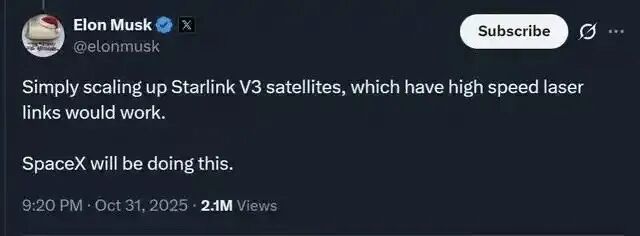
SpaceX/xAI合并引发华尔街热议:收益、挑战与特斯拉(TSLA.US)整合前景
智通财经网· 2026-02-03 14:31
Core Viewpoint - SpaceX's acquisition of xAI, an AI company under Elon Musk, has sparked significant debate among Wall Street analysts, highlighting both the potential for growth through the combination of AI and aerospace and the complexities it may introduce to SpaceX's investment profile [1][2] Group 1: Investment Implications - The merger is seen as potentially the largest consolidation in Musk's business ventures, with a projected IPO valuation for the combined entity reaching $1.25 trillion, and xAI alone valued at approximately $250 billion [2] - The transaction structure indicates that xAI shares will convert into SpaceX stock, allowing employees the option to cash out [2] - Analysts suggest that Tesla's recent $2 billion investment in xAI could lead to its integration into the SpaceX/xAI ecosystem, particularly as Tesla accelerates its autonomous driving and robotics strategies [2] Group 2: Technological Synergies - The combination of SpaceX and xAI is viewed as an attractive dual opportunity in the "AI + Space" sectors, although it may concern investors focused solely on aerospace [1] - Musk envisions a future where space becomes the lowest-cost path for generating AI computing power, proposing the establishment of space data centers capable of significant computational output [1] - The narrative around "orbital computing" is reigniting interest in the space sector, providing a clearer AI-driven growth logic for SpaceX's potential public market entry [2]

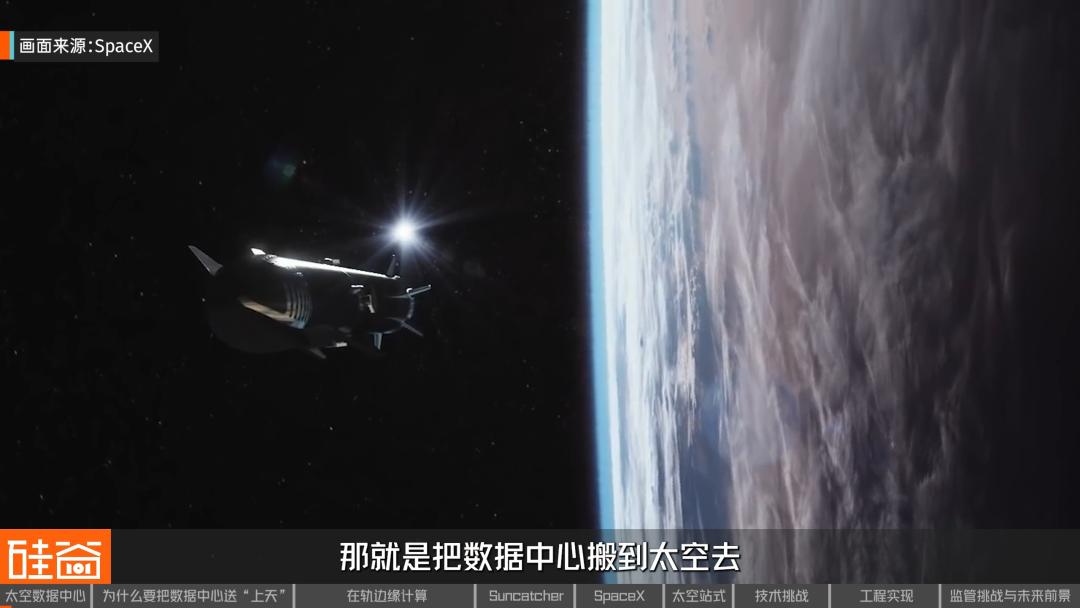
马斯克都夸真香的太空数据中心,真的能让地球减负吗?
3 6 Ke· 2025-12-19 02:45
Core Insights - The rise of artificial intelligence is leading to a significant increase in global data center electricity demand, projected to more than double by 2030, with AI being the primary driver [1] - Tech giants like Microsoft, Google, and Amazon are investing in nuclear power plants and underwater data centers to alleviate energy consumption pressures [1] - A novel solution is emerging: deploying data centers in space, with Elon Musk promoting this concept through social media [2][4] Group 1: Space Data Centers as a New Frontier - The year 2025 marks a pivotal moment for the realization of space data centers, with major tech companies and emerging space firms collaborating to build a new digital infrastructure network in orbit [5] - Starcloud successfully completed the first human space-based large model training, demonstrating the feasibility of high-performance computing in space [5][6] - The CEO of StarCloud highlighted the advantages of solar energy in space, claiming it is more efficient than terrestrial data centers [6] Group 2: Business Models and Market Dynamics - SpaceX plans to launch the largest IPO in history, with a valuation of $1.5 trillion, driven by its Starlink and Starship projects, creating a closed-loop business model for space data centers [7] - Amazon's Blue Origin is also developing technologies for orbital AI data centers, indicating a competitive landscape among tech giants [8] Group 3: Environmental Considerations and Criticism - Critics question whether relocating high-energy industries to space is genuinely more environmentally friendly, raising concerns about the carbon emissions from rocket launches [9][10] - Supporters argue that space data centers can utilize continuous solar energy and efficient cooling mechanisms, potentially achieving a Power Usage Effectiveness (PUE) close to 1.0 [11] - However, studies suggest that the carbon footprint from rocket launches could negate the environmental benefits of space data centers, with emissions potentially being an order of magnitude higher than terrestrial centers [12][13] Group 4: Global Competition and Strategic Implications - The race for space data centers is not just a commercial issue but also a geopolitical one, with control over orbital computing power becoming a key factor in the future digital economy [17] - Europe risks falling behind in this competition, prompting calls for urgent action to seize emerging opportunities in the digital and space industries [18] - China is actively participating in this race, forming a consortium to advance the development of space data centers [19][22] Group 5: Long-term Perspectives - While space data centers may not be an immediate solution for reducing carbon emissions, they could play a significant role in future green digital infrastructure [23] - The concept challenges humanity to rethink the relationship between technology and nature, emphasizing the need for sustainable practices in expanding digital frontiers [23]
SpaceX谋求上市:登月级野心,还是火星级风险?
Sou Hu Cai Jing· 2025-12-10 16:17
Core Viewpoint - SpaceX has achieved a valuation exceeding $800 billion, making it the most valuable private company globally, driven primarily by the success of its Starlink business and the anticipated growth in revenue from its space operations [1][5]. Group 1: Company Valuation and Financial Performance - SpaceX's internal stock price has reached $420 per share, allowing employees to cash out approximately $2 billion, while the company plans to repurchase some shares [1]. - The company is projected to generate total revenues of about $15 billion in 2025, increasing to $22-24 billion in 2026, with Starlink expected to contribute significantly to this revenue [1]. - By the end of 2024, Starlink is estimated to generate $8.2 billion, accounting for 62% of SpaceX's total revenue of $13.1 billion [1]. Group 2: Strategic Importance of Starlink - Starlink is identified as the best cash flow source for SpaceX, providing the financial backing necessary for the ongoing development of the Starship program [2]. - The integration of Starlink with SpaceX's capabilities is seen as a way to create a "space-grade computing closed loop," which could potentially generate thousands of billions in revenue over the next decade [5]. Group 3: IPO Implications - The upcoming IPO is viewed as a pivotal moment for SpaceX, with the potential to transform the company into a public entity that could influence global markets and redefine the aerospace industry [11][14]. - The IPO is not merely a financial maneuver but a strategic choice that could position SpaceX as a leader in advancing human civilization through space exploration [14]. Group 4: Market Dynamics and Competition - The IPO is expected to accelerate capital inflow into the aerospace sector, marking a shift where rockets become an asset class rather than just engineering projects [13]. - SpaceX's advancements may compel traditional aerospace companies and international competitors to adapt rapidly to remain relevant in the evolving market landscape [14]. Group 5: Broader Societal Impact - The potential for SpaceX to become a public company raises questions about the future of human civilization and the role of capital markets in supporting long-term space exploration goals [14]. - The company's vision for Mars colonization is framed as a significant narrative that could attract investment and public interest, positioning SpaceX as a unique player in the aerospace industry [11][12].

研选行业丨不止ABS链上化,RWA重构数字金融逻辑,从 245亿到16万亿美元,实体资产数字化狂奔已开启!三大赛道标的全解析来了
第一财经· 2025-07-16 02:07
Group 1: RWA and Digital Asset Transformation - RWA (Real World Assets) is transforming the financial landscape by digitizing physical assets through blockchain technology, with the potential market growth from $24.5 billion to $16 trillion [1][3] - The process of RWA involves five steps to create a compliant RWA hub globally, indicating a competitive race among countries [4] - RWA is not merely about the tokenization of ABS (Asset-Backed Securities) but represents a core pathway for digital financial transformation [6] - The ecosystem for RWA is forming with various stakeholders actively participating, indicating a collaborative approach to asset digitization [7] Group 2: Satellite Communication and Orbital Computing - Orbital computing is set to break traditional ground-based limitations, creating a new dimension for space observation and data transmission, with a market size targeting trillions [8][10] - The establishment of a network in space will enable low-latency transmission and new evaluation perspectives for sectors like finance and disaster monitoring [8] - Three main investment areas are suggested: satellite service platforms with orbital resources, companies capable of satellite manufacturing, and AI service providers in downstream applications [8]