A股估值修复

Search documents
A股估值修复进行中,分红生态优化长期向好,500质量成长ETF(560500)盘中涨0.35%
Xin Lang Cai Jing· 2025-12-17 02:51
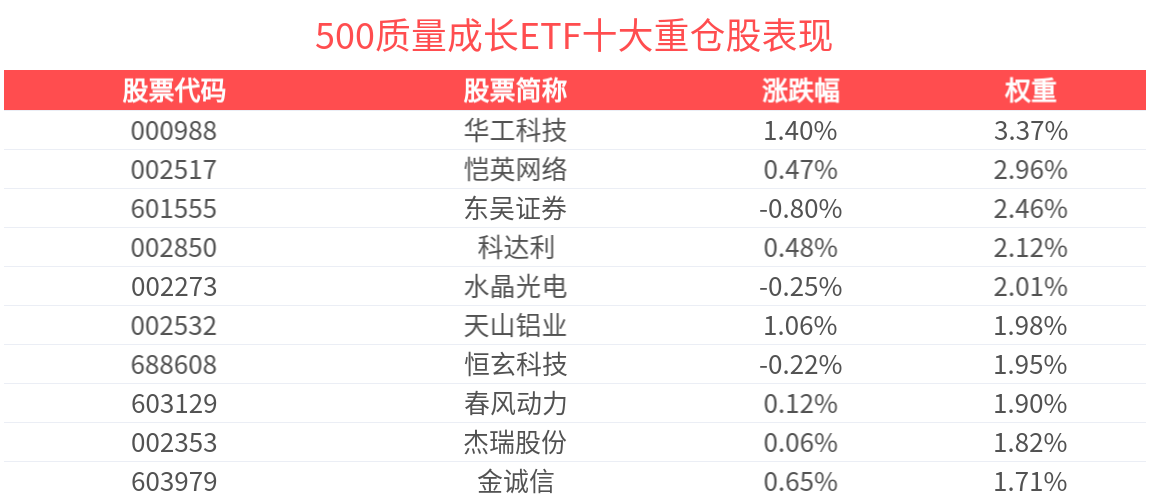
Group 1 - The core viewpoint of the news is that the A-share market is experiencing a typical corrective rebound, but it has not yet entered an earnings-driven upward cycle, indicating ongoing valuation repair [2] - The CSI 500 Quality Growth Index has shown a slight increase of 0.29%, with notable gains from constituent stocks such as Junsheng Electronics and Jingwang Electronics [1] - The CSI 500 Quality Growth ETF has seen a significant increase in trading volume and fund inflow, with a total of 2.43 million yuan attracted over the last five trading days [1][2] Group 2 - The cash dividend total for A-share listed companies has reached a historical high of 2.56 trillion yuan this year, surpassing the total for the entire year of 2024 [2] - The CSI 500 Quality Growth Index selects 100 companies with high profitability and sustainable earnings from the CSI 500 Index, providing diverse investment options for investors [2] - The top ten weighted stocks in the CSI 500 Quality Growth Index account for 21.53% of the index, with companies like Huagong Technology and Kaiying Network among the leaders [3][4]

人民币中长期升值趋势,2026年度展望,汇率变动价值分析
Sou Hu Cai Jing· 2025-11-13 09:15
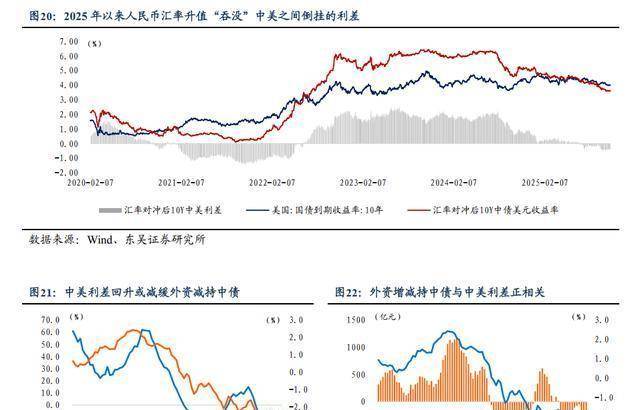
Core Viewpoint - The article suggests that the Chinese yuan may enter a medium to long-term appreciation cycle starting in 2026, with potential targets of 6.7 to 6.8 against the US dollar, contingent on a weak dollar, trade surpluses, and capital inflows [1][12] Group 1: Currency Trends - The yuan has experienced a depreciation phase from 2022 to 2024, with a significant drop in offshore rates, reaching a low of 7.42 in April 2025, but began to rebound thereafter [1] - By November 5, 2025, the yuan ended a three-year downtrend, rebounding by approximately 2-3% within the year [1] - The correlation between the yuan and a basket of currencies has weakened, indicating a shift in trade settlements towards the yuan and other non-dollar currencies [2] Group 2: Private Sector Changes - By mid-2025, the private sector's net foreign asset position turned positive, with overseas net assets reaching approximately $181.9 billion [3] - The trend of "hiding foreign exchange in the public" and low interest rates have driven Chinese enterprises and individuals to invest abroad [3] Group 3: Trade and Capital Flows - China's export share is projected to recover to 14.62% in 2024, with a significant trade surplus contributing to a current account surplus by 2025 [5] - As of September 2025, there was a backlog of approximately $465 billion in pending foreign exchange settlements from exports, which could influence exchange rate fluctuations upon repatriation [5] Group 4: Investment Trends - Cross-border securities investment shifted from net outflows to net inflows in the first three quarters of 2025, with foreign investment in A-shares increasing by approximately 622.9 billion yuan [6] - The attractiveness of holding yuan-denominated assets has improved due to changes in swap points and interest rate differentials [6][7] Group 5: Policy and Regulatory Environment - The People's Bank of China prioritizes exchange rate stability, adjusting the midpoint rate to manage external shocks and maintain market expectations [9] - Regulatory measures have been implemented to respond to fluctuations in US-China trade dynamics and to stabilize the yuan [9] Group 6: Future Outlook - The article predicts that if the US dollar remains structurally weak in 2026, alongside a current account surplus and net inflows from securities investments, the yuan could potentially break below 7.0 and reach the 6.70-6.80 range by the end of the year [12] - A similar appreciation pattern to that observed from September 2019 to March 2022 could see the yuan gradually move towards the 6.40-6.50 range from its April 2025 low [12]
券商股盘中爆发 沪指重返4000点,证券ETF(159841)、创业板ETF天弘(159977)涨约2%
Mei Ri Jing Ji Xin Wen· 2025-10-29 04:59
Group 1 - The A-share market showed strong performance in the morning session, with the Shanghai Composite Index returning to 4000 points and the ChiNext Index rising over 1% [1] - Broker stocks experienced significant gains, with Huazhong Securities hitting the daily limit and Northeast Securities rising over 8% [1] - As of October 28, 14 brokerage firms disclosed their Q3 performance, with 13 comparable firms reporting a total net profit attributable to shareholders of approximately 46.726 billion yuan, a year-on-year increase of 46.42% [1] Group 2 - Three brokerage firms reported a net profit that doubled year-on-year, while eight firms had growth rates between 50% and 100% [1] - Analysts believe that short-term policy synergy will accelerate the long-term valuation repair process of A-shares, while a more inclusive and attractive capital market will strengthen long-term investment logic [1] - The ChiNext Index is expected to become a core stage for incremental capital inflow, benefiting from a balanced distribution of sectors [1] Group 3 - The recent market activity has been robust, with active leverage funds and a recovery in Hong Kong IPOs, which is expected to drive the ROE of brokerage firms higher [2] - It is recommended to focus on the leading securities ETF in the Shenzhen market for capturing investment opportunities in the bull market for the brokerage sector [2]



国金证券宋雪涛:政策合力将加速A股的长期估值修复进程
Xin Lang Cai Jing· 2025-10-28 07:25
Core Viewpoint - The speech by the Chairman of the China Securities Regulatory Commission, Wu Qing, outlines a roadmap for the capital market to support the "14th Five-Year Plan" for high-quality development, emphasizing systemic reforms and open policies to create positive feedback with technology innovation, industrial upgrades, wealth growth, and international openness [1] Group 1 - Short-term, the policy synergy is expected to accelerate the long-term valuation repair process of A-shares [1] - In the medium to long term, a more inclusive, adaptable, and attractive capital market will effectively support the real economy amidst global capital reallocation [1] - A capital market that serves technology innovation, provides investor satisfaction, and aligns with international rules will strengthen its long-term investment logic [1]

红土创新基金总经理冀洪涛: 内地企业赴港上市热潮推动核心资产价值重估
Zheng Quan Shi Bao· 2025-10-09 21:56
Core Insights - The current surge of mainland companies listing in Hong Kong is expected to drive the valuation recovery of China's core assets and align technology stock valuations with international standards [1][2] Group 1: Drivers of the Hong Kong Listing Surge - The optimization of the Hong Kong Stock Exchange's (HKEX) system has lowered listing thresholds, with the introduction of the "Specialized Technology Line" in 2024 facilitating rapid review for specialized technology and biotech firms [1] - Mainland companies are driven by globalization strategies and financing needs, with leading firms like CATL raising funds for overseas projects, such as a factory in Hungary, and Hengrui Medicine planning to invest in overseas clinical research [1] - International capital is re-evaluating Chinese assets, with expectations of U.S. Federal Reserve interest rate cuts increasing the attractiveness of non-U.S. assets, leading to a return of long-term foreign capital to the Chinese market [2] Group 2: Impact on A-Share Valuation System - The current AH share premium index is at a historical low, with some leading companies' H shares trading at a premium, which may drive A-share valuation recovery through arbitrage and value investment mechanisms [2] - The valuation logic for growth stocks is shifting towards "technical barriers," with the Hong Kong market placing greater emphasis on R&D investment and technological barriers, promoting a transition in the A-share market from valuation-driven to growth-driven [2] Group 3: Effects on the Hong Kong Market - The listing surge is reshaping liquidity in the Hong Kong market, with southbound capital becoming a dominant force and a rise in growth style investments [2] - Southbound capital inflows and trading proportions have reached historical highs, indicating a shift in fund flow from high-dividend sectors (like finance and utilities) to growth sectors, transforming the market structure from being dominated by finance and real estate to being driven by technology and consumption [2]
红土创新基金总经理冀洪涛:内地企业赴港上市热潮推动核心资产价值重估
Zheng Quan Shi Bao· 2025-10-09 18:07
Core Insights - The current surge of mainland companies listing in Hong Kong is driven by three main factors: optimized listing regulations, globalization strategies of enterprises, and international capital re-evaluating Chinese assets [1][2]. Group 1: Factors Driving the Listing Surge - The Hong Kong Stock Exchange has lowered listing thresholds through institutional optimizations, including the introduction of a "special line for technology companies" in 2024 and improved rules for secondary listings, making it a preferred platform for mainland enterprises [1]. - Mainland companies are pursuing global strategies and financing needs, with leading firms like CATL and Hengrui Medicine utilizing funds raised from Hong Kong listings for international expansion and clinical research [1]. - International capital is reassessing Chinese assets, with expectations of U.S. Federal Reserve interest rate cuts leading to increased attractiveness of non-U.S. assets, resulting in significant foreign investment in Chinese markets [2]. Group 2: Impact on A-Share Valuation - The current A-H share premium index is at a historical low, with some leading companies' H shares trading at a premium, indicating potential for A-share valuation recovery through arbitrage and value investment mechanisms [2]. - The valuation logic for growth stocks is shifting towards "technical barriers," with the Hong Kong market placing greater emphasis on R&D investment and technological advantages, promoting a transition in the A-share market from valuation-driven to growth-driven [2]. Group 3: Effects on the Hong Kong Market - The listing surge is reshaping liquidity in the Hong Kong market, with southbound capital becoming a dominant force and a rise in growth-oriented investment styles [2]. - Southbound capital inflows and trading proportions have reached historical highs, indicating a shift in market structure from a focus on high-dividend sectors to technology and consumer-driven sectors [2].
长江商学院:本轮A股上涨主要源于估值修复
Zhong Guo Jing Ying Bao· 2025-09-24 14:53
Group 1 - Investor sentiment towards the stock market has improved, with 63.1% believing that A-shares will rise, an increase of 1.6 percentage points compared to April 2025 [1] - Since Q4 2024, A-shares have experienced an upward trend after a prolonged decline, with the Shanghai Composite Index rising by 17.9% and the Shenzhen Composite Index by 26.8% from August to December 2024 [1] - In 2025, after a brief market correction, A-shares stabilized and began a new round of rebound, with the Shanghai Composite Index up 15.1% and the Shenzhen Composite Index up 24.8% from January to August [1] Group 2 - The rising A-share market has increased investor willingness to invest, with a net increase of 18.9% in those willing to invest in stocks, up 6.2 percentage points from the previous period [2] - The willingness to invest in stock funds also increased, with a net increase of 14.5%, up 5.5 percentage points from the last survey [2] - The current A-share market rally is primarily driven by valuation recovery rather than improvements in the fundamentals of listed companies [2] Group 3 - High-tech companies in China, such as Yush Robot, DJI, and others, have gained significant domestic and international attention, with stock prices in sectors like semiconductors and automation equipment rising over 60% year-on-year as of August 2025 [3] - Approximately 38% of survey respondents expect China's GDP growth to exceed 5%, an increase of 4.8 percentage points from the previous survey [3] - The survey collected around 2100 valid samples, including 1300 from retail investors and 800 from financial industry professionals [3]
美帝憋了一年又要降息,人民币+A股继续升?
Sou Hu Cai Jing· 2025-09-06 09:27
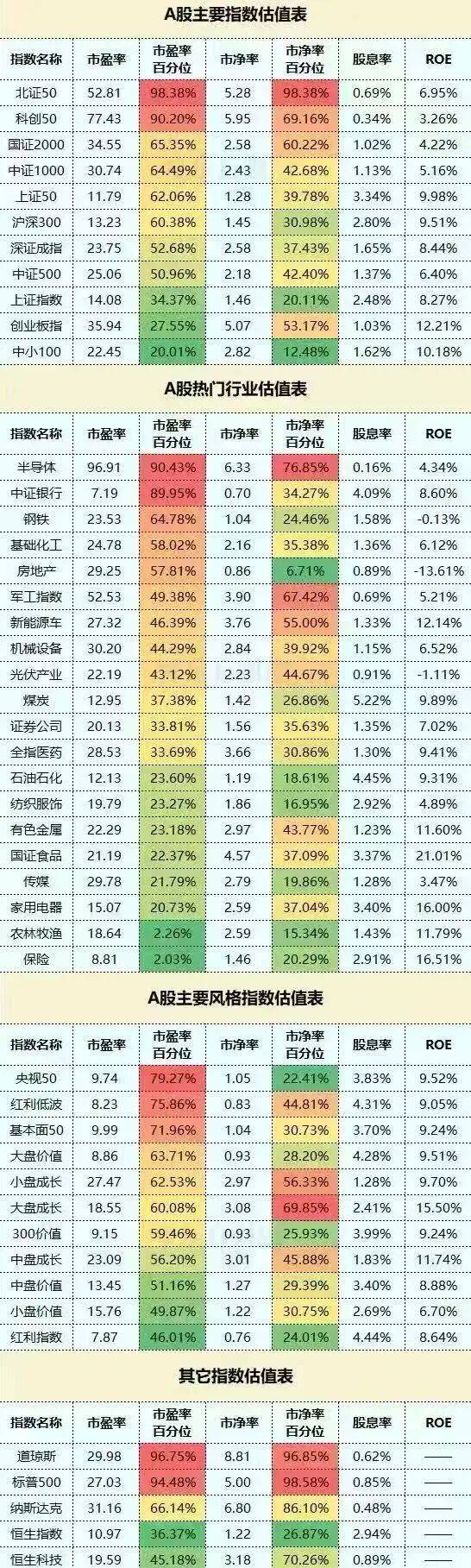
Group 1 - The core viewpoint of the article highlights the potential for a significant shift in the A-share market due to the anticipated interest rate cuts by the Federal Reserve, similar to the changes observed a year ago [1] - The U.S. non-farm payrolls for August recorded an increase of only 22,000, significantly below the market expectation of 75,000, leading to widespread speculation about a 25 to 50 basis point rate cut in the upcoming Federal Reserve meeting [1] - The U.S. dollar index depreciated by approximately 10% in the first eight months of 2025, while the Chinese yuan appreciated by about 2.3% against the dollar during the same period, indicating a potential for further yuan appreciation as the Fed opens the rate cut window [1] Group 2 - The valuation metrics for major A-share indices show varying levels of market performance, with the North Star 50 index having a price-to-earnings ratio of 52.81 and a return on equity (ROE) of 6.95% [2] - The ChiNext index has a price-to-earnings ratio of 35.94 and a higher ROE of 12.21%, indicating strong growth potential in the technology sector [2] - The real estate sector shows a price-to-earnings ratio of 29.25 but a negative ROE of -13.61%, reflecting ongoing challenges in this industry [3] Group 3 - The article discusses the potential for the Chinese yuan to appreciate further, supported by a trade surplus of nearly $700 billion in the first seven months of 2025, despite an average settlement rate of only 52.75% [8] - Hedge funds are reportedly increasing their bets on the yuan strengthening against the dollar, with a target exchange rate of 7 or higher by the end of the year [8] - The article notes that the historical correlation between the U.S. dollar's performance and the Federal Reserve's rate cut cycles suggests that emerging market equities, particularly in China, may benefit from a weaker dollar environment [9]
对标美股估值,券商测算上证指数涨幅空间达83%!惠璞投资徐克:拒绝盲目追涨,拥抱主线+纪律操作
Mei Ri Jing Ji Xin Wen· 2025-08-02 05:56
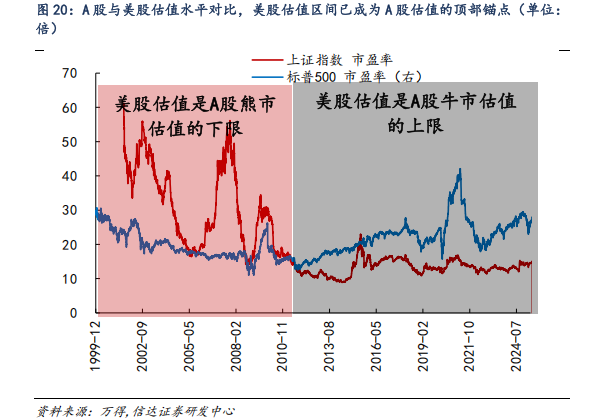
Core Viewpoint - The A-share market is showing signs of a potential bull market, with the Shanghai Composite Index recently surpassing the 3600-point mark and experiencing a three-month upward trend in monthly K-line, alongside increasing trading volumes [1] Valuation Analysis - According to Xinda Securities, if A-share valuations align with U.S. stock valuations, the Shanghai Composite Index could have an upside potential of 83%, with the current P/E ratio at 15.6 times compared to the S&P 500's 28.5 times as of July 25, 2025 [2] - Xinda Securities notes that A-share ROE is weaker than that of U.S. stocks, suggesting that A-share valuations may only reach U.S. levels during a phase of bull market bubble [4] - The historical performance of P/B and P/E ratios indicates that the A-share market has significant upside potential, with a 39% increase possible if P/B reaches the 2021 peak of 3.10 times and a 140% increase if it reaches the 2015 peak of 5.35 times [4][8] Market Capitalization and Economic Indicators - The A-share market's market capitalization to GDP ratio is currently at 0.71, significantly lower than Japan's 1.66 and the U.S.'s 2.64, indicating a potential upside of approximately 134% if it reaches Japan's level and 272% if it reaches the U.S. level [9] - Xinda Securities highlights that A-share total market value and circulation market value relative to household deposits are at low levels, suggesting substantial room for valuation recovery [11] Structural Bull Market Outlook - The market is expected to experience a "structural bull market," where index increases do not necessarily equate to widespread gains among individual stocks. Key factors include supportive policies, improved corporate earnings, and increased risk appetite among investors [12][13] - Investors are advised to focus on core investment themes, avoid chasing marginal stocks, and implement strict stop-loss measures to mitigate risks during this potential bull market [14]

市场风险偏好有望改善,A500ETF易方达一键布局A股核心资产
Zhong Guo Ji Jin Bao· 2025-05-16 07:07
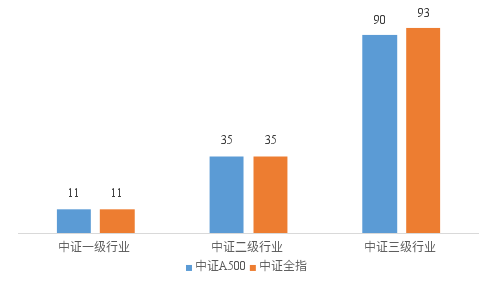
Group 1 - The core viewpoint of the news is that the recent US-China trade talks have led to significant progress, resulting in the cancellation of 91% of tariffs by both sides, which is expected to improve market sentiment and boost A-share valuations [1] - The China Securities A500 Index, as part of the A-series indices, has seen rapid capital inflow since its launch in September last year, with total ETF assets tracking the index exceeding 200 billion, second only to the CSI 300 Index [1] - The A500 Index reflects the performance of 500 representative stocks from various industries, focusing on large-cap and liquid stocks, characterized by its comprehensive and innovative approach [1][2] Group 2 - The A500 Index is designed to ensure balanced industry distribution, covering all primary and secondary industries, with high coverage of 90 out of 93 tertiary industries, effectively representing the A-share market's industry structure [2] - As of May 15, 2025, the A500 Index includes 96 stocks with a market capitalization exceeding 100 billion, 98 stocks between 50-100 billion, 216 stocks between 20-50 billion, and 90 stocks below 20 billion, showcasing a diverse market cap distribution [5] - The index prioritizes leading companies in emerging sectors such as technology manufacturing, and incorporates ESG and connectivity screening standards, enhancing its appeal for long-term investment [9]