AI算力自主可控

Search documents
AI算力自主可控的全景蓝图与投资机遇
Zhong Guo Neng Yuan Wang· 2026-01-09 01:00
Core Viewpoint - The semiconductor industry, particularly the AI chip market in China, is projected to experience significant growth, with the market size expected to surge from 142.54 billion yuan in 2024 to 1,336.79 billion yuan by 2029, driven by government support and technological advancements in the domestic AI industry chain [1][2]. Group 1: Market Growth and Opportunities - The AI chip market in China is forecasted to grow from 1,425.37 billion yuan in 2024 to 13,367.92 billion yuan by 2029, indicating a substantial increase in market size [1][2]. - The growth is attributed to strong government policies and the maturation of key technological segments within the domestic AI industry chain, presenting critical development opportunities for local AI chip manufacturers [1][2]. Group 2: Policy Environment - In October 2022, the U.S. implemented export bans on high-end AI chips such as A100 and H100, which has led to ongoing restrictions on China's AI chip manufacturing capabilities [2]. - The Chinese government has raised concerns regarding security risks associated with NVIDIA's H20 computing chip, emphasizing the necessity for self-sufficiency in AI chip technology [2]. Group 3: Domestic AI Industry Chain Structure - The domestic AI industry chain is categorized into three stages: 1. **First Stage**: Focus on self-sufficiency in AI computing, storage, operational, and power chips, with key players including Huawei, Cambricon, and Haiguang Information [3]. 2. **Second Stage**: Emphasis on self-sufficiency in chip manufacturing processes, including wafer fabrication and packaging, which are critical for supporting AI chip demand [5]. 3. **Third Stage**: Development of foundational technologies such as equipment materials, EDA, and IP, with expectations for rapid increases in domestic production rates in the coming years [6]. Group 4: Beneficiary Companies - Companies expected to benefit from the growth in the AI chip market include Haiguang Information, Cambricon, Lanke Technology, Chipone, SMIC, Hua Hong Semiconductor, Northern Huachuang, Zhongwei Company, and Tongfu Microelectronics [6].
开源证券晨会纪要-20260108
KAIYUAN SECURITIES· 2026-01-08 14:45
Group 1: AI Chip Industry - The AI chip market in China is projected to grow from CNY 142.54 billion in 2024 to CNY 1,336.79 billion by 2029, driven by government support and technological advancements in the domestic AI industry [5][6]. - The domestic AI industry is categorized into three stages: the first focuses on self-sufficient AI computing, storage, and power chips; the second on chip manufacturing processes like wafer fabrication and packaging; and the third on foundational technologies such as materials and EDA [6][8]. - Key players in the AI chip market include Huawei, Cambricon, and Haiguang Information, with significant growth expected in AI storage and computing chips [6][7]. Group 2: Banking Sector - The banking sector is expected to see a steady growth of CNY 3.8 trillion in wealth management products by 2026, with a year-on-year increase of 11.46% [11]. - The demand for short-term wealth management products is rising, particularly non-current management products with a duration of less than one month, which are expected to yield annualized returns close to 3-year fixed deposit rates [12]. - Major banks like Citic Bank and Everbright Bank are recommended for their diversified product lines and strong research capabilities, while other banks such as SPDB and Bank of Beijing are also seen as beneficiaries [15]. Group 3: High-end Membrane Materials - The Chinese high-end membrane materials industry is poised for rapid growth due to geopolitical tensions and the shift of the global optoelectronic industry towards China, with a focus on breaking Japan's technological monopoly [19][20]. - Key domestic companies in this sector include Dongcai Technology and Jiemai Technology, which are expanding their production capacities and entering supply chains of major clients [20]. - The market for optical films and release films is characterized by high technical barriers, with significant opportunities for domestic manufacturers to capture market share from established foreign competitors [20][21]. Group 4: Semiconductor Equipment and Materials - The semiconductor materials and equipment sector is expected to accelerate its domestic capabilities due to increased geopolitical risks and supply chain security concerns, with a focus on self-sufficiency [29][30]. - Key areas for growth include photoresists and coating equipment, where domestic companies are beginning to establish a foothold in high-end markets [31][32]. - Beneficiaries in this sector include companies like Tongcheng New Materials and Changchuan Technology, which are positioned to capitalize on the growing demand for domestic semiconductor solutions [33]. Group 5: Animal Health Industry - The company is a leading player in the animal health sector, with a strong pipeline of vaccines, including the upcoming launch of a novel African swine fever vaccine, which is expected to significantly enhance profitability [34][36]. - The company has a robust R&D framework, with a focus on innovation and a diverse range of vaccine products, which positions it well for future growth [35]. - The anticipated market for the African swine fever vaccine could reach CNY 8.4 billion annually, providing a substantial growth opportunity for the company [36].

行业投资策略:AI算力自主可控的全景蓝图与投资机遇
KAIYUAN SECURITIES· 2026-01-08 14:22
Group 1 - The semiconductor industry is expected to experience significant growth, with the domestic semiconductor index outperforming the CSI 300 index, showing a cumulative increase of 54.51% as of October 28, 2025, driven by factors such as national subsidies, AI computing demand, and domestic substitution [16][21]. - The AI chip market in China is projected to grow from 142.54 billion yuan in 2024 to 1,336.79 billion yuan by 2029, with a compound annual growth rate (CAGR) of 53.7% from 2025 to 2029, indicating a critical development opportunity for domestic AI chip manufacturers [42][44]. - The global GPU market is expected to grow from $77.39 billion in 2024 to $472.45 billion by 2030, with a CAGR of 35.19%, reflecting strong demand for AI computing [37][40]. Group 2 - The domestic AI chip industry is categorized into three stages: the first stage focuses on the self-sufficiency of computing, storage, and power chips; the second stage emphasizes the self-sufficiency of chip manufacturing processes; and the third stage targets the self-sufficiency of foundational hard technologies such as equipment materials and EDA [5][6]. - The demand for AI computing chips is driven by the rapid growth of generative AI applications, with NVIDIA's data center revenue increasing by 69% year-on-year to $44.1 billion in the first quarter of fiscal 2026, highlighting the accelerating demand for AI computing power [37][44]. - The semiconductor equipment sector is experiencing a significant increase in domestic production capacity, with the domestic semiconductor equipment localization rate expected to rise rapidly, particularly in dry etching and thin film deposition processes [6][15]. Group 3 - The report indicates that the advanced packaging technology, such as CoWoS, is expected to play a crucial role in the evolution of AI computing power, with domestic companies making significant advancements in this area [7][11]. - The semiconductor industry is witnessing a recovery in profitability, with the average gross margin and net profit margin for the semiconductor sector showing improvements in the first half of 2025 [36][34]. - The report highlights the importance of advanced wafer manufacturing as the physical foundation for AI chips, with a long-term demand for advanced foundry services expected to drive growth in this segment [7][11].


十大“吸金巨兽”!搅动A股全年资金面 | 刻度2025
Sou Hu Cai Jing· 2025-12-31 04:58
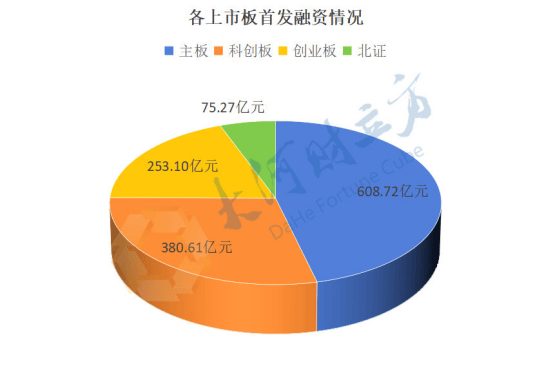
Summary of Key Points Core Viewpoint - In 2025, 116 companies entered the A-share capital market, raising a total of 131.77 billion yuan, marking a significant increase of 96% compared to the previous year, where 100 companies raised 67.35 billion yuan [1]. Group 1: IPO Financing Overview - The main board accounted for nearly half of the total financing, raising 60.87 billion yuan, while the Sci-Tech Innovation Board raised 38.06 billion yuan, surpassing the Growth Enterprise Market, which raised 25.31 billion yuan. The Beijing Stock Exchange raised 7.53 billion yuan [1]. - A total of 38 companies listed on the main board, 33 on the Growth Enterprise Market, 26 on the Beijing Stock Exchange, and 19 on the Sci-Tech Innovation Board [3]. Group 2: Top IPOs of 2025 - The largest IPO was Huadian New Energy, which raised 18.17 billion yuan, accounting for 13.79% of the total IPO financing for the year. The company is a platform for integrating renewable energy projects [5]. - Other notable IPOs included Moer Thread-U, raising 8 billion yuan, and Xi'an Yicai-U, raising 4.64 billion yuan, both listed on the Sci-Tech Innovation Board [4][5]. Group 3: Market Performance and Trends - Over 70% of companies (85) had IPO financing below 1 billion yuan, while 30 companies raised between 1 billion and 10 billion yuan. Only one company exceeded 10 billion yuan [5]. - The threshold for the top 10 IPO financing in 2025 was 2.71 billion yuan, compared to 1.39 billion yuan in the previous year [6]. - Among the 114 companies that went public, 102 saw their stock prices double on the first day, with five companies experiencing price increases exceeding 500% [6]. Group 4: Notable Stock Price Movements - Dapeng Industrial's stock price surged from an issue price of 9 yuan to a closing price of 118 yuan, with an intraday peak increase of 1666.67% [7]. - Nuxi Co., Ltd. achieved a first-day increase of 692.95%, closing at 829.9 yuan, with a total market value of 332.04 billion yuan [7].

摩尔线程IPO背后:与商汤多年合作,印证AI产业“软硬协同”趋势
21世纪经济报道· 2025-12-08 08:17
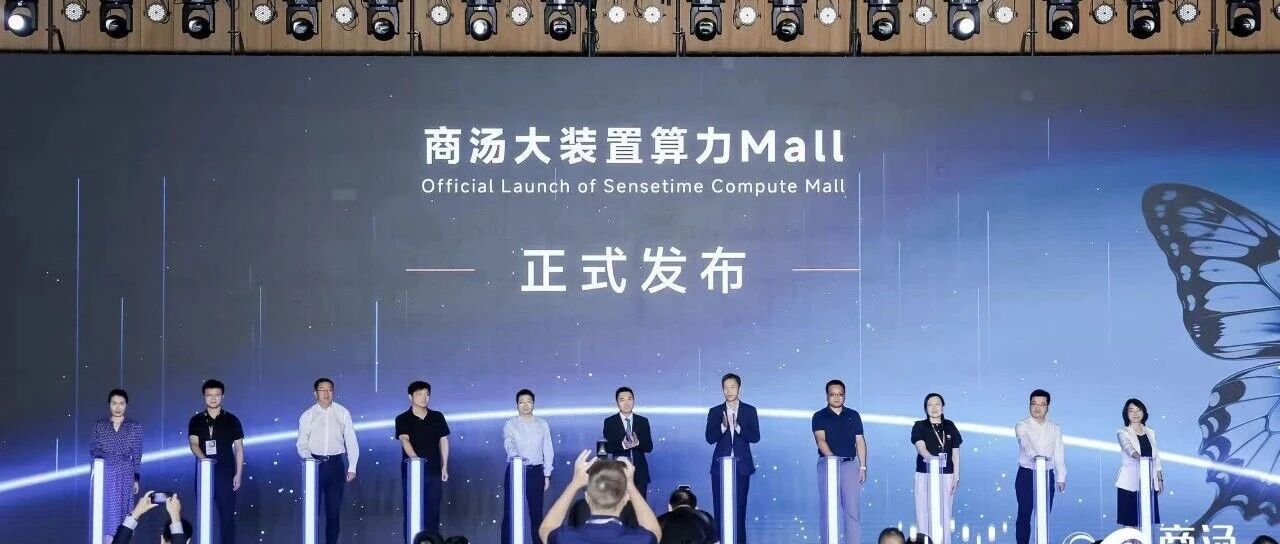
Core Viewpoint - The successful IPO of Moore Threads marks a milestone for China's AI industry, highlighting the importance of collaboration in building a robust domestic chip ecosystem, with SenseTime's innovative "Computing Power Mall" model paving the way for this transformation [1][2]. Industry Analysis - On February 5, Moore Threads, a domestic GPU company, went public with an opening surge of over 400%, reaching a market capitalization of over 270 billion yuan, representing a significant moment for China's AI chip industry [2]. - The real bottleneck for domestic GPUs is not merely computational power but the lack of a comprehensive ecosystem, contrasting with NVIDIA's established CUDA software ecosystem [2]. - Moore Threads and SenseTime's long-term collaboration exemplifies the necessity of deep ecological cooperation to achieve a "soft and hard integration" breakthrough in domestic chip development [2][3]. Collaboration Dynamics - SenseTime's algorithms have been adapted to Moore Threads' products, enhancing market adaptability and creating a strong foundation for collaboration, particularly in optimizing large model training and inference technologies [2][3]. - The partnership forms a closed-loop mechanism of "demand-supply-optimization," enhancing market competitiveness for both companies [3]. Industry Empowerment - SenseTime's advanced large model system and its AI infrastructure provide an excellent platform for Moore Threads to validate its products, aiding in the transition from "usable" to "well-used" products [5]. - Moore Threads' MTT S series GPUs have been fully adapted to SenseTime's large model system, marking a significant achievement in industrial-grade testing for domestic GPUs in large model training and inference tasks [5]. Ecosystem Development - In the context of global AI computing power supply constraints, establishing a diverse and stable domestic computing power supply chain is crucial [6]. - SenseTime's "Computing Power Mall" initiative collaborates with multiple chip companies to create a domestic AI computing ecosystem, facilitating access to high-performance computing power and expanding market penetration [6]. - Moore Threads joined SenseTime's "Computing Power Mall" in July, allowing downstream companies to utilize validated Moore Threads chip computing power, thereby accelerating market expansion through SenseTime's ecosystem influence [6].
论坛一览|启航新征程·国泰海通2026年度策略会
国泰海通证券研究· 2025-10-20 07:40
Core Viewpoint - The article discusses the upcoming Guotai Haitong Securities 2026 Annual Strategy Conference, highlighting its focus on various sectors and investment opportunities, particularly in AI, new consumption, and digital economy trends [2][3]. Group 1: Conference Overview - The conference will take place from November 4 to 6, 2025, at the China Grand Hotel in Beijing, featuring over 700 listed companies and more than 100 industry experts [2]. - Multiple forums and specialized meetings will be held, covering a wide range of research topics [2]. Group 2: Key Sessions and Themes - The main forum on November 4 will include discussions on AI, technology independence, and the evolution of the entertainment industry driven by AI [3]. - On November 5, sessions will focus on the dynamics between new and traditional consumption, as well as the investment logic surrounding the "Z Generation" and new energy [4]. - The final day will address topics such as the digital economy, global asset allocation strategies, and the outlook for the insurance industry in 2026 [4]. Group 3: Investment Opportunities - The conference aims to explore investment opportunities in sectors like AI, digital finance, and the automotive industry, emphasizing the potential for growth and innovation [4]. - There will be discussions on the implications of macroeconomic changes and international relations on investment strategies [4].