
现代农业

Search documents
广西经济运行回升向好 聚力发展壮大智能经济
Zhong Guo Xin Wen Wang· 2025-12-25 05:08
Core Viewpoint - Guangxi's economy is showing signs of recovery, driven by the rapid development of artificial intelligence (AI) and the construction of a modern industrial system, alongside deep reforms and high-level openness [1] Group 1: Economic Development and AI - Guangxi aims to develop a robust smart economy by integrating AI research from major cities with local applications and establishing a China-ASEAN AI application cooperation center [2] - The region plans to implement the "AI+" initiative to enhance the integration of AI with manufacturing, promoting AI as a key driver for industrial upgrades and enterprise transformations [2] Group 2: Industrial Structure and Investment - Guangxi will focus on building a modern industrial system supported by ten key manufacturing industries, enhancing investment structures, and improving investment efficiency [2] - The region intends to promote new business models such as "AI + consumption" and create new supply chains that leverage ASEAN production and Guangxi distribution [2] Group 3: Reform and Innovation - Guangxi will deepen reforms in key areas such as AI development and technological innovation, aiming to stimulate internal growth and integrate into the national market [3] - The region plans to strengthen education and technology talent development while focusing on core technology breakthroughs to foster high-quality industrial growth [3] Group 4: Open Economy and Green Transformation - Guangxi is committed to prioritizing the development of the Beibu Gulf Economic Zone and enhancing trade and investment integration with the Guangdong-Hong Kong-Macao Greater Bay Area [5] - The region will also focus on promoting a green transformation of its industrial system and ensuring the improvement of people's livelihoods [5]

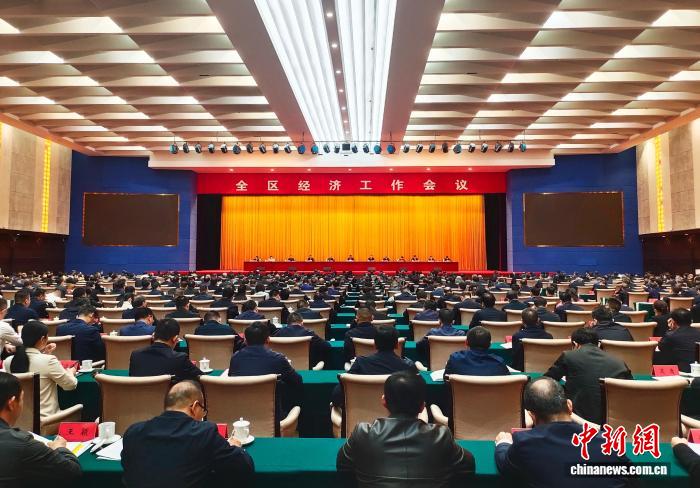
2025年海峡两岸(厦门)现代农业对接活动举办
Zhong Guo Jing Ji Wang· 2025-12-24 08:16
Core Viewpoint - The 2025 Cross-Strait (Xiamen) Modern Agriculture Matching Event was launched in Xiamen, focusing on "Integration and Development of Agriculture across the Strait" with over 300 participants from both sides, aiming to explore new opportunities for agricultural cooperation [1] Group 1: Event Overview - The event features four main segments: project release, production and sales matching, technical exchanges, and policy guidance, aiming to establish a comprehensive and deep communication and matching system [1] - The event showcases the fruitful results and broad prospects of agricultural exchanges and cooperation between the two sides [1] Group 2: Project Releases and Collaborations - Five mature and high-quality projects were presented, covering areas such as park construction, resource promotion, and industrial collaboration [2] - The Fujian Provincial Agricultural and Rural Affairs Department highlighted the advantages and potential of agricultural cooperation with Taiwan through the Taiwan Creative Park project [2] - Multiple cooperation projects were signed at national, provincial, and local levels, involving agricultural product procurement, industrial park construction, technology promotion, and industrial integration [2] Group 3: Technical and Policy Support - A special session showcased 12 high-quality results in planting technology, specialty products, and deep processing, reflecting the deep integration of agricultural technology across the Strait [2] - Policy guidance sessions for Taiwanese farmers and businesses will be held, focusing on project applications, subsidy claims, and policy interpretations to help them benefit from mainland policies [2]
培育“头雁” 向“新”而行
Guang Xi Ri Bao· 2025-12-24 04:05
初冬暖阳洒在贵港市港北区大圩镇新建村智慧农场里,无人驾驶的旋耕机在田间来回穿梭,起垄、 覆膜、移栽菜苗一气呵成,勾勒出一幅静默高效的现代农业图景。 这并非科幻,而是广西农业迈向"AI+"时代的一个生动切面。从无人农机的精准耕作,到喀斯特山 区的立体种养循环;从废弃果肉的高值化精深加工,到智能识别害虫的绿色防控系统……一条条"硬 核"成果从PPT落地田间,化作农民增收的"金钥匙"。 生态循环:重建农业自然法则 "这菜心又脆又甜。"在南宁市马山县永州镇胜利村的蔬菜基地,两位连锁超市采购商尝后连连称 赞。这片让行家惊喜的菜地,属于广西"头雁"学员徐秀能。清甜背后,是他多年扎根喀斯特地区摸索出 的生态农业模式。 在这一变革进程中,自治区农业农村厅强化统筹,将"智慧农业"纳入"头雁"培育必修课,通过政策 引导、资源整合与平台搭建,系统赋能乡村产业带头人。在院士智慧与前沿科技"双轮"驱动下,全区 2800余名"头雁"学员领飞振翅,以新质生产力推动农业转型升级,带领万千农户向"农业强、农村美、 农民富"的目标,一路向"新"而行。 智能化调度:田野里的"无人"交响曲 "李总,10万公斤大肉芥菜下午准时到货!"接到桂平酸菜加工 ...
南农晨读 | 暖冬助农
Nan Fang Nong Cun Bao· 2025-12-24 03:02
Group 1 - The article discusses the importance of balanced urban-rural development in Guangdong as a critical challenge for achieving high-quality growth and modernization in China [5][6][9] - Guangdong, which occupies 1.9% of China's land area, supports 8.9% of the population and generates 10.8% of the national economic output, faces significant internal economic disparities, particularly in the less developed regions [9][10] - The "Hundred Counties, Thousand Towns, and Ten Thousand Villages" initiative has been recognized for transforming rural areas, enhancing local economies, and improving living conditions, as highlighted by President Xi Jinping's endorsement [14][15][31] Group 2 - The article highlights the innovative approach of a modern agricultural cultural service industry park in Guangdong, which focuses on storytelling to enhance the value of agricultural products, thus driving a cultural and branding revolution in agriculture [18][22][24] - The park exemplifies a new path for agricultural development that integrates cultural narratives with branding to support the "Hundred Counties, Thousand Towns, and Ten Thousand Villages" initiative and promote high-quality agricultural growth [23][24] - The article also mentions the successful implementation of the initiative in Yangjiang, showcasing urban-rural integration and the revitalization of local communities through improved infrastructure and services [28][30]

靠“讲故事”助力“百千万”:解码广东“媒体+”产业园的产业升级逻辑
Nan Fang Nong Cun Bao· 2025-12-23 03:06
Core Viewpoint - The article discusses the transformation of the agricultural industry in Guangdong through storytelling, emphasizing the importance of cultural narratives in enhancing brand value and driving the modernization of agriculture [2][6][7]. Group 1: Agricultural Transformation - The Guangdong Provincial Rural Revitalization Cultural Service Industrial Park focuses on storytelling rather than traditional farming practices, aiming to create cultural and brand value from agricultural products [3][5]. - Agricultural products are being redefined, with examples like Xu Wen pineapple and Si Hui orchids being marketed not just as commodities but as emotional and cultural symbols [4][5]. - The park serves as a model for a new path in modern agricultural development, supporting the "Hundred Thousand Ten Thousand Project" and high-quality agricultural growth through cultural empowerment [6][7]. Group 2: Necessity of Storytelling - The shift in China's agriculture from quantity to quality necessitates effective storytelling to enhance product value and consumer engagement [12][14]. - The core challenge is to elevate agricultural products from mere commodities to emotionally resonant brands, allowing consumers to pay for value rather than just weight [22][23]. - A compelling story can create brand premium and drive the standardization and modernization of production processes [25][27]. Group 3: Methodology of Storytelling - The industrial park has developed a replicable storytelling methodology that integrates into the entire process of industrial upgrading [31]. - The first step involves deep exploration of local resources and rebranding them in a contemporary context to appeal to modern consumers [33][34]. - Highlighting unique advantages through technology and innovation is essential for supporting the narrative of agricultural products [46][48]. Group 4: Strategic Elevation - Successful storytelling can transcend geographical boundaries, allowing agricultural products to become cultural exchange vehicles [69][70]. - The creation of cultural IPs, such as the "Lychee Flower Dan," has enabled Guangdong's agricultural products to enter high-end international markets [73][74]. - Emotional narratives tied to cultural themes can significantly enhance the market value of products, as seen with the "Reunion Pomelo" concept [77][78]. Group 5: Core Engine of Development - The ultimate goal of agricultural development is to enrich farmers, transforming them from mere producers to brand ambassadors and value creators [83][91]. - New models have emerged, allowing farmers to participate actively in storytelling, which strengthens their connection to the market and enhances their income [93][94]. - The practice of integrating storytelling into agricultural branding has shown to activate rural revitalization and create sustainable economic benefits [95][106].
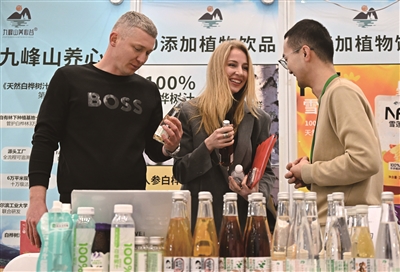
上合农博青岛开
Mei Ri Shang Bao· 2025-12-19 22:19
Core Insights - The 2025 Shanghai Cooperation Organization International Modern Agriculture and Catering Expo opened in Qingdao on December 19, showcasing a wide range of exhibits including modern agricultural equipment, green agricultural products, high-quality seedlings, and catering ingredients [2] Group 1 - The expo covers various sectors such as modern agricultural equipment and green agricultural products [2] - The event serves as a platform for business exchanges and negotiations among participants [2]
榆林“上位” 陕西“双极带动”区域发展
Zhong Guo Jing Ying Bao· 2025-12-19 19:33
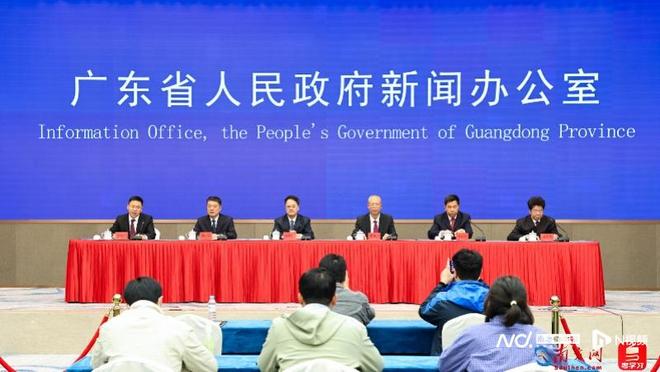
Core Viewpoint - The "dual-pole drive" development pattern in Shaanxi Province, featuring Xi'an and Yulin as the two core growth poles, aims to enhance regional economic coordination and high-quality development across the province [1][2][4]. Group 1: Dual-Pole Development - The "dual-pole drive" strategy emphasizes the roles of Xi'an and Yulin in driving economic growth, aiming to break down administrative barriers and promote resource optimization [1][3]. - Yulin's GDP has shown significant growth, surpassing 500 billion in 2021 and reaching 709.14 billion in 2023, making it the first non-provincial capital city in Central and Western China to exceed 700 billion [2][3]. - The dual-pole strategy is expected to enhance Yulin's economic influence and stability, contributing to the overall growth of Shaanxi Province [2][3]. Group 2: Economic Contributions and Growth - Yulin's GDP contribution to Shaanxi has increased from approximately 15% in 2020 to over 20% in 2024, solidifying its role as a key economic engine for the province [3][9]. - The second industry in Yulin grew by 6.8% year-on-year, outperforming the provincial average of 5.9%, indicating robust industrial performance [3]. - Yulin's fixed asset investment increased by 8.4%, significantly higher than the provincial growth rate of 2.9%, showcasing its investment attractiveness [3]. Group 3: Strategic Upgrades - Yulin's strategic positioning has evolved from being an "important growth pole" to being recognized as a "dual-core" alongside Xi'an, reflecting its increasing importance in addressing regional development imbalances [5][6]. - The construction of major transportation projects, such as the Baohai High-speed Railway, is aimed at enhancing Yulin's infrastructure and regional connectivity [5][6]. - Yulin's modern coal chemical industry is expected to drive economic development in surrounding areas, promoting a coordinated economic belt in Northern Shaanxi [5][6]. Group 4: Multi-Point Support Strategy - The "multi-point support" strategy includes cities like Baoji, Weinan, Yan'an, Hanzhong, Ankang, and Shangluo, which are expected to leverage their unique advantages for differentiated development [7][8]. - Baoji will focus on advanced equipment manufacturing, while Weinan aims to integrate modern agriculture with cultural tourism [7][8]. - The southern cities will develop ecological and health-related industries, contributing to the overall ecological economy of Shaanxi [8][9].
大湾区算力枢纽,县域经济增近三成!韶关晒发展成绩单
Nan Fang Du Shi Bao· 2025-12-19 11:12
Economic Development - The economic output of Shaoguan has surpassed 1.6 billion, with significant advancements in transportation infrastructure and a forest coverage rate of 74.59% [1] - During the 14th Five-Year Plan, Shaoguan has focused on industrial transformation and upgrading, leading to a notable increase in high-quality production capabilities [4] Industrial Growth - Shaoguan is promoting the transformation of traditional industries and the cultivation of emerging sectors, achieving a production of over 1 million tons of special steel and 750 tons of refined indium, accounting for 50% of the national output [4] - The number of high-tech enterprises has increased by 44.8%, with the establishment of the largest intelligent computing cluster in South China [4] Urban and Rural Development - The "Hundred Million Project" has been a key initiative for improving urban and rural coordination, resulting in nearly a 30% growth in the county economy during the 14th Five-Year Plan [7] - Significant improvements in urban infrastructure have been made, including the renovation of 694 old urban communities and the completion of natural gas projects [7] Agricultural Advancements - Shaoguan has excelled in agricultural modernization, with 23 national and provincial-level agricultural parks and a leading number of recognized agricultural products [8][9] - The average annual income of collective village operations has increased significantly, showcasing effective rural governance models [8][9] Environmental Protection - Shaoguan has implemented an ecological city strategy, achieving a 100% compliance rate for surface water quality and air quality improvements [11] - The city has a high forest coverage rate and is focusing on transforming ecological advantages into developmental benefits through tourism [11][12] Tourism Development - The tourism sector has seen double-digit growth in visitor numbers and revenue, with numerous new projects and attractions being developed [12] - Shaoguan aims to position itself as a key tourism destination in the Guangdong-Hong Kong-Macao Greater Bay Area, enhancing its cultural and recreational offerings [12]
广西岑溪撤县设市30年实现跨越发展 地区生产总值增长16.1倍
Zhong Guo Xin Wen Wang· 2025-12-19 07:09
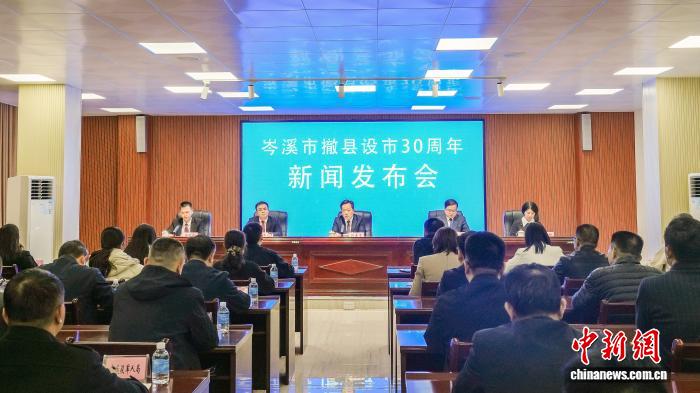
Core Viewpoint - Since its establishment as a city in 1995, Cengxi has transformed from an agricultural county to an industrial powerhouse, with its GDP increasing from 1.774 billion RMB to 28.560 billion RMB by 2024, marking a growth of 16.1 times [1]. Economic Development - The local government has focused on enhancing industrial dominance, with industrial added value increasing over 23 times, now accounting for 28% of GDP. Key industries include rare earth materials, textiles, and new energy sectors like wind and solar power [2]. - The number of large-scale industrial enterprises has risen to 186, with 71 companies generating over 100 million RMB in output [2]. Urbanization and Infrastructure - The urban area has expanded from 12 square kilometers in 1995 to 30 square kilometers in 2024, with an urbanization rate of 56.14%. The resident population has grown from 100,000 to 300,000 [2]. - The road network has significantly improved, increasing from 492 kilometers to 2,530 kilometers, including five highways totaling 161 kilometers [2]. Social Welfare and Living Standards - A total of 6,112 affordable housing units have been built, and significant improvements have been made in urban living conditions, benefiting 15,628 households [2]. - The city has maintained a good air quality rate of over 95% and a green coverage rate of 38%, with an average of 12 square meters of park space per person [2]. Education and Healthcare - The education sector has seen the closure of 114 small schools, with new standardized schools built and an increase of 1,080 preschool and 6,630 compulsory education places [3]. - Healthcare services have improved, with three hospitals achieving tertiary status and a new patient service model that simplifies the process for patients [3]. Agricultural Development - The total agricultural output value has grown from 1.81 billion RMB in 1995 to 10.634 billion RMB in 2024, with 331 modern agricultural demonstration zones established [4]. - The local government has focused on transforming unique resources into industrial advantages, particularly in tea, pig farming, and poultry [3][4]. Transportation Advancements - Transportation infrastructure has been prioritized, with ongoing construction of the Nanzhu High-speed Railway segment, aiming for completion by 2026, which will enhance connectivity to the Beibu Gulf Economic Zone and the Guangdong-Hong Kong-Macau Greater Bay Area [4].
地方政府与城投企业债务风险研究报告:盐城市
Lian He Zi Xin· 2025-12-18 12:18
1. Report Industry Investment Rating - There is no information provided regarding the report industry investment rating in the given content. 2. Core Viewpoints of the Report - Yancheng City, a core city in Jiangsu's coastal development, has significant location advantages, an improving transportation network, and steady economic growth. In 2024, its GDP reached 7779.2 billion yuan, ranking 7th in Jiangsu. The city is transforming its industrial structure, with the new - energy industry being a highlight, and it has received strong policy support [4][7][8]. - Yancheng's general public budget revenue is at a mid - level in Jiangsu, with room for improvement in revenue quality and medium - level fiscal self - sufficiency. The government debt burden is relatively heavy, but it is at a mid - level among Jiangsu's prefecture - level cities [4][12]. - The economic development of Yancheng's districts, counties, and cities is generally high but shows regional differences. Dongtai City has the strongest overall economic strength. In 2024, most areas had high tax revenue ratios, but government - funded revenue in many areas was under pressure. All local governments are strengthening debt management [4][20]. - Yancheng has many bond - issuing urban investment enterprises, mainly at AA and AA+ levels. Affected by debt - resolution policies, the net bond financing scale of most district - level urban investment enterprises has shrunk significantly. The debt scale of bond - issuing urban investment enterprises continues to grow, and they face short - term debt repayment pressure [4]. 3. Summary by Relevant Catalogs 3.1 Yancheng City's Economic and Fiscal Strength 3.1.1 Regional Characteristics and Economic Development - Location: Yancheng is located in the eastern coastal area of Jiangsu, with the longest coastline and rich tidal flat resources. It is an important node connecting the Yangtze River Delta urban agglomeration and northern Jiangsu [5]. - Transportation: It has built a three - dimensional transportation network. By the end of 2024, the total highway mileage was 26382.3 kilometers, and the railway passenger volume increased by 9.0% year - on - year. Yancheng Nanyang International Airport's passenger throughput increased by 4.6% [6]. - Urbanization: By the end of 2024, the permanent urban population was about 4.47 million, and the urbanization rate reached 67%, an increase of 0.7 percentage points [7]. - Economic Aggregate: In 2024, Yancheng's GDP was 7779.2 billion yuan, ranking 7th in Jiangsu, with a growth rate of 5.5%. In the first half of 2025, it was about 3720 billion yuan, with a year - on - year growth of 5.2% [7]. - Industrial Structure: The industrial structure is changing from "secondary - tertiary - primary" to "tertiary - secondary - primary". The new - energy industry is well - developed, with the installed new - energy power generation capacity reaching 16.7572 million kilowatts by the end of 2024. The automobile industry also has a certain scale, with a production value of 120 billion yuan in 2024 [8]. - Policy Support: Yancheng has received national and provincial policy support, such as transfer payment income of about 42.8 billion yuan in 2024, and has introduced a series of local policies [11]. 3.1.2 Fiscal Strength and Debt Situation - Fiscal Revenue: In 2024, Yancheng's general public budget revenue was at a mid - level in Jiangsu, with a tax revenue ratio of 67.6%. The government - funded revenue was affected by the real - estate market. The transfer payment income was about 42.8 billion yuan [12][13]. - Debt: The local government debt balance increased to 196.16 billion yuan in 2024, with a debt ratio of 118.5% and a debt - to - GDP ratio of 25.2%, ranking 5th and 12th respectively among Jiangsu's prefecture - level cities [13]. 3.2 Economic and Fiscal Conditions of Yancheng's Districts, Counties, and Cities 3.2.1 Economic Strength - Regional Planning: Yancheng has 3 districts, 5 counties, and 1 city, and it plans to build a "one - core, one - pole, three - belt" spatial structure [16]. - Industrial Layout: It has built a "5 + 2" strategic emerging industry system. Different areas have different pillar industries, such as new - energy in Dongtai and Dafeng [18][20]. - Economic Development: In 2024, Dongtai was the only county - level city with a GDP exceeding 100 billion yuan. Most areas had an economic growth rate of over 5.00%. Dongtai had the highest per - capita GDP, and Funing had the lowest [20][22]. - Urbanization Level: The overall urbanization level of Yancheng's districts, counties, and cities is high, all exceeding 60.00%, with Tinghu having the highest rate of 88.49% [22]. 3.2.2 Fiscal Revenue and Debt - Fiscal Revenue: In 2024, the fiscal revenue structure showed significant regional differences. Dongtai and Dafeng had the highest general public budget revenues. Most areas had a relatively high tax revenue ratio, but government - funded revenues in many areas declined [23][25][26]. - Debt: In 2024, the government debt balance of all districts, counties, and cities increased. Dongtai had the largest debt scale, and Jianhu had the heaviest debt burden. Governments at all levels are strengthening debt management [30]. 3.3 Debt Repayment Ability of Yancheng's Urban Investment Enterprises 3.3.1 Overview of Yancheng's Urban Investment Enterprises - As of September 30, 2025, there were 54 bond - issuing urban investment enterprises in Yancheng, mainly at AA and AA+ levels. Dafeng had the most bond - issuing urban investment enterprises [39][40]. 3.3.2 Bond - Issuing Situation - In 2024, the bond - issuing scale of Yancheng's urban investment enterprises decreased by 16.35% year - on - year, and most district - level urban investment enterprises' net bond financing scale shrank significantly. In 2025, the net bond financing turned negative [41][42]. 3.3.3 Debt Repayment Ability Analysis - By the end of 2024, the total debt balance of Yancheng's bond - issuing urban investment enterprises was 845.069 billion yuan, with a 3.24% increase. The debt was concentrated in the city - level and Dafeng. Most enterprises' debt - to - capitalization ratios decreased, but the cash - to - short - term - debt coverage ratio was generally low [45][46]. - In 2024, the net cash inflow from financing activities of urban investment enterprises decreased by 45.87% year - on - year, indicating a slowdown in financing [53]. 3.3.4 Support and Guarantee Ability of Fiscal Revenue for Debt - The ratio of "(total debt of bond - issuing urban investment enterprises + local government debt)/comprehensive fiscal revenue" in Yancheng's districts and counties ranged from 330.41% to 838.84%, with Dafeng having the highest ratio [56].