
绿色金融

Search documents
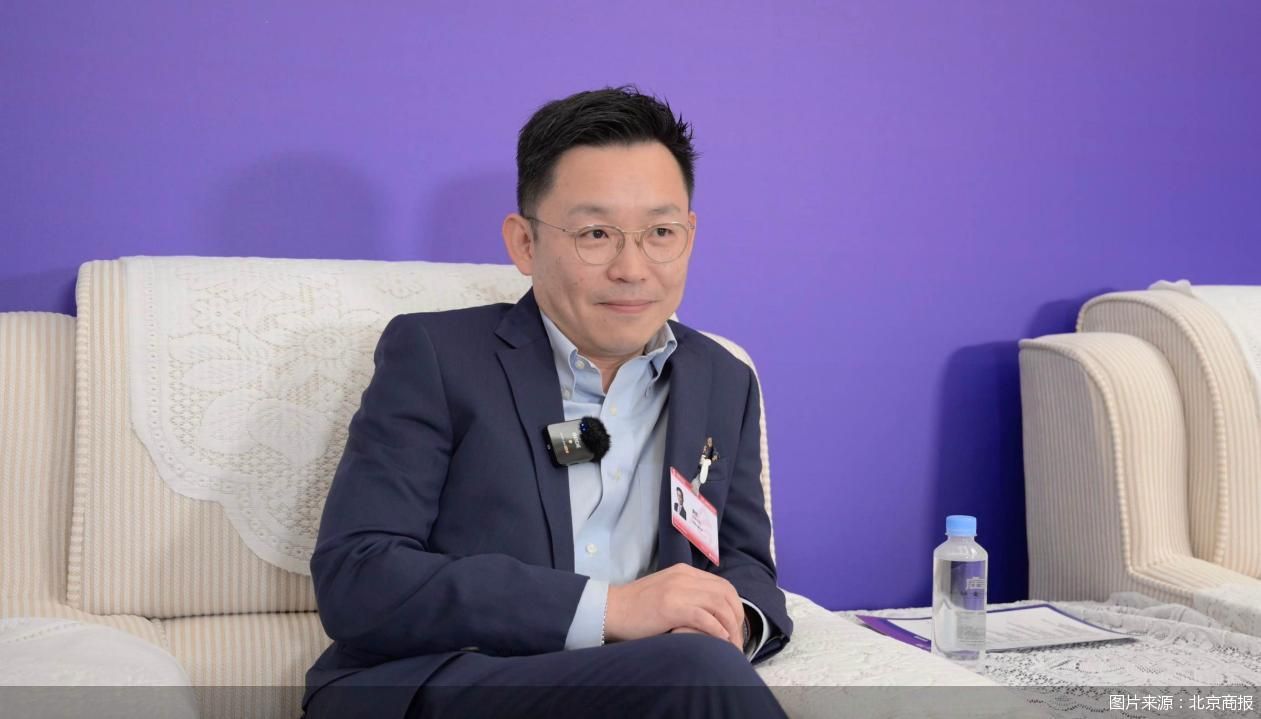
2025金融街论坛|对话黄勃:金融科技的本质是服务需求,要避免过度包装
Bei Jing Shang Bao· 2025-10-30 13:38
Group 1: Green Development - The core issue of green development is the long-standing problem of externalities, where companies invest significantly in green initiatives but struggle to receive market feedback, leading to a "cost without return" dilemma [3] - To break this deadlock, it is suggested to focus on "micro-innovation" through small-scale, practical solutions rather than large-scale innovations, using specific examples like the Beijing urban sub-center green development demonstration zone [3][4] - The integration of technology and green finance is highlighted, with innovations like "micro-grid monitoring" that can accurately assess energy efficiency and carbon emissions at a granular level, providing new financing solutions for retrofitting old buildings [3][4] Group 2: Financial Regulation - Financial regulation is deemed necessary to address market failures arising from the externality issues in green development, ensuring that resources are directed towards companies making significant contributions to green initiatives [4][5] - It is emphasized that regulation and innovation can work in tandem, with a need for "micro-adjustments" in regulatory policies to allow for safe experimentation and innovation in green finance [5] Group 3: Consumer Finance - Financial technology is recognized as a crucial tool for optimizing consumer finance, enhancing the efficiency of matching financial resources with consumer demand through algorithms and big data [6] - There is a call to avoid "over-packaging" of financial products, ensuring that innovations remain grounded in actual consumer needs and do not complicate the understanding of financial services [7] - The future of financial support for new consumption trends is expected to become more precise with advancements in digital economy and AI, focusing on consumer needs while promoting healthy and stable innovation [7]


拥抱变局 共创未来
Sou Hu Cai Jing· 2025-10-30 08:15
Group 1: Economic Outlook and Global Cooperation - The 2025 Bund Summit in Shanghai focused on the theme "Embracing Change: New Order, New Technology," discussing economic, financial, and governance issues amid global restructuring and technological revolution [1] - The International Monetary Fund (IMF) projects a 4.5% economic growth rate for the Asia-Pacific region in 2025, with China's growth forecast at 4.8%, reflecting an increase of 0.8 percentage points from previous estimates [2] - Global financial leaders emphasized the importance of cooperation and shared opportunities, highlighting China's commitment to high-quality development and mutual benefits in international relations [2] Group 2: Green Finance and Environmental Leadership - The release of the "Natural and Biodiversity Finance" report at the summit showcased China's role in ecological protection and financial innovation [3] - China is recognized as a global leader in clean energy technologies, including solar, wind, and electric vehicles, contributing significantly to global climate change efforts [3][4] - The development of biodiversity-friendly financial products, such as loans for offshore photovoltaic projects, illustrates China's commitment to integrating ecological and economic interests [3] Group 3: Technological Innovation and Economic Transformation - Discussions at the summit highlighted China's advancements in artificial intelligence and the importance of data-driven industries for economic transformation [5] - The shift from cash to digital payments in China has revolutionized consumer behavior and accelerated financial inclusion, showcasing the impact of fintech on the economy [6] - Experts noted that China's strong emphasis on technology research and development is crucial for achieving high-quality economic growth, with a focus on nurturing engineering talent and entrepreneurial spirit [6][7] Group 4: International Relations and Collaborative Opportunities - Former U.S. Treasury Secretary Robert Rubin emphasized the benefits of constructive U.S.-China relations, advocating for collaboration in addressing challenges like AI, climate change, and terrorism [7] - The summit reflected a collective understanding that global cooperation is essential for navigating future challenges and achieving sustainable development [7]
以“双碳”目标为引领 推动绿色金融服务经济社会绿色低碳转型再上新台阶
Xin Hua Cai Jing· 2025-10-29 20:37
Core Viewpoint - The "dual carbon" goals of carbon peak and carbon neutrality are not only China's commitment to global climate challenges but also a crucial strategy for high-quality development and green low-carbon transformation. Over the past five years, China has established a preliminary policy system and market mechanism to support these goals, influencing both domestic and global carbon neutrality efforts [1][2]. Group 1: Policy Framework and System Construction - Since the introduction of the "dual carbon" goals, China has built a comprehensive and coordinated policy system, characterized by clear top-level planning, diverse policy tools, and collaborative execution mechanisms [2][3]. - The "1+N" policy framework serves as the core of the carbon peak and neutrality system, with various departments and regions developing implementation plans across key sectors, creating a robust policy matrix [3]. Group 2: Green Finance Development - The establishment of green finance has accelerated, forming a matrix of policy tools that includes green credit, green bonds, carbon finance, and green insurance, among others [4][5]. - By 2024, China's green loan balance exceeded 36 trillion yuan, accounting for about 14% of total loans, while green bond issuance reached over 2.5 trillion yuan, positioning China as a global leader in these areas [13]. Group 3: Carbon Market Enhancement - The national carbon market has been continuously improved since its launch in 2021, with the coverage expanding to include high-emission industries such as steel and cement, making it the largest carbon market globally [8][9]. - The establishment of a voluntary carbon trading market is underway, aiming to enhance market participation and support green finance product innovation [9]. Group 4: International Cooperation and Standards - China is actively deepening international cooperation in green finance, participating in global governance and contributing to the establishment of international standards [10][11]. - The introduction of mandatory environmental information disclosure regulations is a significant step towards aligning with international practices [11]. Group 5: Achievements and Challenges in Green Finance - Green finance has significantly contributed to resource allocation, fostering green momentum, and optimizing economic structure, but challenges remain in data disclosure, support for high-carbon industries, and the balance of financial products [12][17]. - The carbon emission data disclosure system is not yet robust, limiting the efficiency of resource allocation and the ability of financial institutions to assess carbon asset risks accurately [17]. Group 6: Future Directions for Green Finance - To further support the "dual carbon" goals, China needs to enhance the carbon information disclosure system, expand the application of carbon reduction support tools, and optimize the structure of green financial products [22][23][25]. - The carbon market requires reforms to improve price discovery and resource allocation functions, while green funding should be promoted internationally to support global green transitions [27][28].
重庆发布支持城市更新“金融十条”
Zheng Quan Shi Bao Wang· 2025-10-29 12:16
Core Viewpoint - The Chongqing Financial Regulatory Bureau, in collaboration with other local authorities, has introduced ten measures to enhance financial support for urban renewal, focusing on spatial restructuring, functional optimization, industrial upgrading, and ecological restoration [1][2]. Group 1: Spatial Restructuring - The measures emphasize the role of policy financial tools to address capital shortfalls and attract more social funds for urban renewal, particularly in the renovation of old residential areas, enhancement of public spaces, and improvement of infrastructure [1]. - The goal is to revitalize old buildings and streets, bringing new life to these areas [1]. Group 2: Functional Optimization - Increased financial support for public facilities such as road networks is highlighted, aiming to promote smart urban system upgrades and improve the 15-minute convenient living circle [1]. - The measures also support the protection of historical and cultural districts, ensuring the continuity of urban cultural heritage [1]. Group 3: Industrial Upgrading - Financial resources will be directed towards industrial upgrades, facilitating the transformation of inefficient factories and parks into new industries such as technology innovation and health care [1]. Group 4: Ecological Restoration - The focus is on green and low-carbon transformations, supporting projects like low-carbon communities and sponge cities through green finance tools such as green loans and bonds [1]. Group 5: Financial Mechanism and Environment - The measures aim to create a more organized and effective financial support system for urban renewal, establishing a dedicated financial working group to enhance collaboration among government, financial institutions, and enterprises [2]. - There is an emphasis on innovative financial products, including specialized loans for urban renewal, to ensure precise and long-term resource allocation [2]. - The initiative seeks to foster a stable and sustainable financial service environment, encouraging financial institutions to balance development and safety while addressing project financing challenges [2].
2025湾区可持续绿色金融论坛举办 携手共创绿色新生态
Zhong Zheng Wang· 2025-10-29 10:51
中证报中证网讯(记者葛瑶)10月28日,由社会价值投资联盟(深圳)主办的"2025湾区可持续绿色金融论 坛"于深圳国际低碳城启幕。 本次论坛由社投盟秘书长王思主持,以"金融向绿,世界同行"为主题,广泛邀请政府代表、行业领袖、 企业高管、专家学者出席,并联合合作伙伴ACCA(特许公认会计师公会)、中国高端时装品牌 ELLASSAY歌力思(603808)及同名男装品牌ELLASSAY HOMME歌力思男装、盟浪可持续数字科技 (深圳)有限责任公司,支持单位深圳高等金融研究院、深圳市社会组织总会、香港大学中国商业学院、 华南环境及安全管理协会,与社投盟会员及各界盟友共创共享,为湾区乃至全国的双碳转型注入新动 能。 "可持续金融是实现'双碳'目标的重要引擎,更是湾区协同发展的关键纽带。"深圳市发展和改革委员会 绿色发展处处长陈兴在开幕致辞中表示,深圳作为全国首批碳达峰试点城市,持续在能源、城建、交通 等多领域加快绿色转型步伐,并积极探索绿色金融创新路径。截至2024年末,深圳银行业绿色信贷余额 首次突破万亿元大关,达10230.91亿元,增速高于各项贷款17.99个百分点。在深交所发行的绿色债券累 计规模达1883. ...
深圳探索绿色金融样本 多领域绿色转型加速推进
2 1 Shi Ji Jing Ji Bao Dao· 2025-10-29 09:27
Group 1 - Sustainable finance is a crucial engine for achieving the "dual carbon" goals and a key link for collaborative development in the Bay Area [1] - By the end of 2024, the balance of green credit in Shenzhen's banking sector is expected to exceed 1 trillion yuan, reaching 1,023.09 billion yuan, with a growth rate 17.99 percentage points higher than that of all loans [1] - The cumulative scale of green bonds issued on the Shenzhen Stock Exchange has reached 188.37 billion yuan [1] Group 2 - The integration of digital technology and green finance is essential for fostering new productive forces and facilitating the green transformation of the economy and society [2] - A multi-dimensional environmental data system needs to be established, including precise accounting and tracking of carbon emissions, climate physical risks, biodiversity, pollution, and water resources [2] - The Chinese government aims to achieve a 7%-10% reduction in greenhouse gas emissions from peak levels by 2035, which is expected to generate significant investment demand [3] Group 3 - By 2035, China's total installed capacity of wind and solar energy needs to exceed six times that of 2020, with at least 3.2 billion kilowatts, and new energy vehicles should become mainstream in sales [3] - The carbon finance market, including carbon bonds and carbon derivatives, presents vast innovation opportunities, with the potential to bring over 30 trillion yuan in new investments [3] - The forum included discussions on sustainable finance empowering high-quality enterprise development and accelerating green ecological construction [3]
光大集团发布《绿色金融白皮书》 共谋绿色金融高质量发展新路径
Zhong Zheng Wang· 2025-10-29 07:37
Group 1 - The forum focused on the theme of "High-Quality Development of Green Finance to Support Carbon Peak and Carbon Neutrality" and featured discussions on green finance innovation, low-carbon transition paths, and international cooperation prospects [1] - Notable attendees included representatives from government agencies, financial institutions, green industries, and international organizations, highlighting a broad consensus on promoting green development [1] - A roundtable discussion involved industry experts exploring key topics such as deepening international cooperation in green finance and enhancing technological empowerment [1] Group 2 - China Everbright Group released a "Green Finance White Paper," which systematically reviewed international green finance theories and China's green finance policies [2] - The white paper showcased China's green finance product system and highlighted Everbright Group's unique advantages in integrating comprehensive finance with green industries [2] - As of mid-2025, Everbright Group's investment and financing scale supporting green development reached 567.9 billion yuan, reflecting a 23% year-on-year growth [2]
重庆:推动技术和资本融合发展,探索开展国有创投机构改革试点
Sou Hu Cai Jing· 2025-10-29 03:00
Group 1 - The Chongqing Municipal Development and Reform Commission has released a draft action plan for the comprehensive reform pilot of market-oriented allocation of factors, aiming to enhance the factor market system by 2027 [1] - The draft outlines ambitious targets, including a technical contract annual transaction volume of 130 billion yuan, cumulative transaction volume of the Chongqing rural land exchange reaching 150 billion yuan, and annual employment and talent flow in the human resources market reaching 9 million [1] - The plan also includes the issuance of over 5,000 data property registration certificates and the establishment of more than 1,000 data enterprises, with direct financing and green transition loans expected to exceed 1 trillion yuan and 1.25 trillion yuan respectively [1] Group 2 - The draft emphasizes the integration of technology and capital, proposing reforms in technology finance, including the establishment of financial asset investment companies and the implementation of the "Yangtze River Navigation Plan" for technology finance [2] - It aims to deepen the reform of knowledge value credit loans and promote pilot projects for technology enterprise acquisition loans, enhancing the financial support system for technology enterprises [2] - The plan also seeks to improve the public data open operation system, promoting data sharing across various sectors such as finance, technology, and healthcare, and developing 200 new public data authorization products for market trading [2] Group 3 - The initiative includes optimizing cross-border financial services, upgrading the bilateral cross-border settlement pilot of digital RMB with Singapore to a new model, and supporting local exchanges in conducting cross-border settlements in RMB [3] - It aims to deepen the Qualified Foreign Limited Partner (QFLP) policy in Chongqing and enhance the Qualified Domestic Limited Partner (QDLP) pilot, facilitating cross-border e-commerce foreign exchange transactions [3] - The plan also focuses on accelerating the development of a multi-level capital market, promoting innovative business models combining stock options and technological achievements [3]
金融“活水”润京华 2025年首都金融高质量发展纪实
Jin Rong Shi Bao· 2025-10-28 00:37
Core Insights - The financial system in Beijing is focused on high-quality development, with strong leadership from the municipal government, aiming to inject robust financial momentum into the capital's economic and social development by 2025 [1] Financial Performance - As of the first three quarters of 2025, the financial industry's added value in Beijing reached 670 billion, representing a year-on-year growth of 9%, surpassing the national average of 4.1%, and accounting for 17.4% of GDP, contributing 1.5 percentage points to the capital's economic growth [2] Risk Management and Public Awareness - The "Bee Plan" has effectively communicated financial knowledge to the public, achieving 15 billion views through various media formats, helping individuals make informed financial decisions [2] - Beijing is enhancing risk monitoring through the "Smoke Index" platform, which allows for real-time detection of potential risks in financial companies [2] Financial Innovation and Support - The financial sector is closely integrated with industry, with significant investments in technology loans (4 trillion), equity investment funds (14), and technology bonds (450 billion), facilitating the growth of innovative companies [3] - The capital market has seen the addition of 11 new listed companies in 2025, bringing the total to 795, with the Beijing Stock Exchange hosting over 270 companies and a market value exceeding 800 billion [3] Green and Inclusive Finance - Green finance initiatives are transforming pollution costs into price signals, encouraging companies to adopt sustainable practices [3] - Inclusive finance efforts have successfully connected banks with small enterprises, exemplified by a strawberry farm that improved its income through financial support [3] Pension and Digital Finance - Personal pension accounts and contributions are leading in national pilot cities, with significant assets in commercial pensions, enhancing the financial security of the elderly [3] - Digital finance is improving accessibility for international visitors and facilitating innovation through regulatory sandboxes, with numerous projects entering regular operation [3] Regional and Global Influence - The financing scale for the Beijing-Tianjin-Hebei coordinated development has surpassed 1 trillion, supporting various infrastructure and urban renewal projects [4] - An increasing number of foreign financial institutions are establishing a presence in Beijing, contributing to the city's global financial dialogue and collaboration [5] Conclusion - By 2025, Beijing's financial sector is poised to play a pivotal role in promoting sustainable development, innovation, and global engagement, reflecting a commitment to a robust and inclusive financial ecosystem [5]
全球瞭望丨英国经济学家:英国应持续加强对华经贸合作
Xin Hua Wang· 2025-10-25 12:00
Core Viewpoint - The article emphasizes the importance of strengthening economic and trade cooperation between the UK and China across various sectors, including trade, investment, finance, and green development [1][2]. Group 1: Economic Cooperation - China is recognized as the world's second-largest economy and has been a major contributor to global economic growth over the past 25 years [1]. - The UK is urged to enhance economic cooperation with China in light of rising protectionism, geopolitical tensions, and the unpredictability of global policies [1]. Group 2: Green Development - China's achievements in green development, particularly in renewable energy, are highlighted as significant [1]. - There is potential for deeper collaboration between the UK and China in areas such as green finance [1]. Group 3: Trade Relations - China is the UK's fifth-largest trading partner, indicating substantial room for growth in trade and investment between the two nations [1]. - Recent activities to promote connectivity include the 11th UK-China Economic and Financial Dialogue held in Beijing and the first meeting of the UK-China Economic and Trade Committee in seven years [1]. Group 4: Policy Recommendations - The UK government is advised to maintain coherent policies to strengthen UK-China economic cooperation [2]. - The UK should leverage its strengths in finance, professional services, high-end manufacturing, life sciences, clean energy, and creative industries to seek more collaboration opportunities [2].