咖啡

Search documents
上百家首店扎堆上海,遇冷老商圈能否 “逆袭”?
Sou Hu Cai Jing· 2025-08-05 09:56
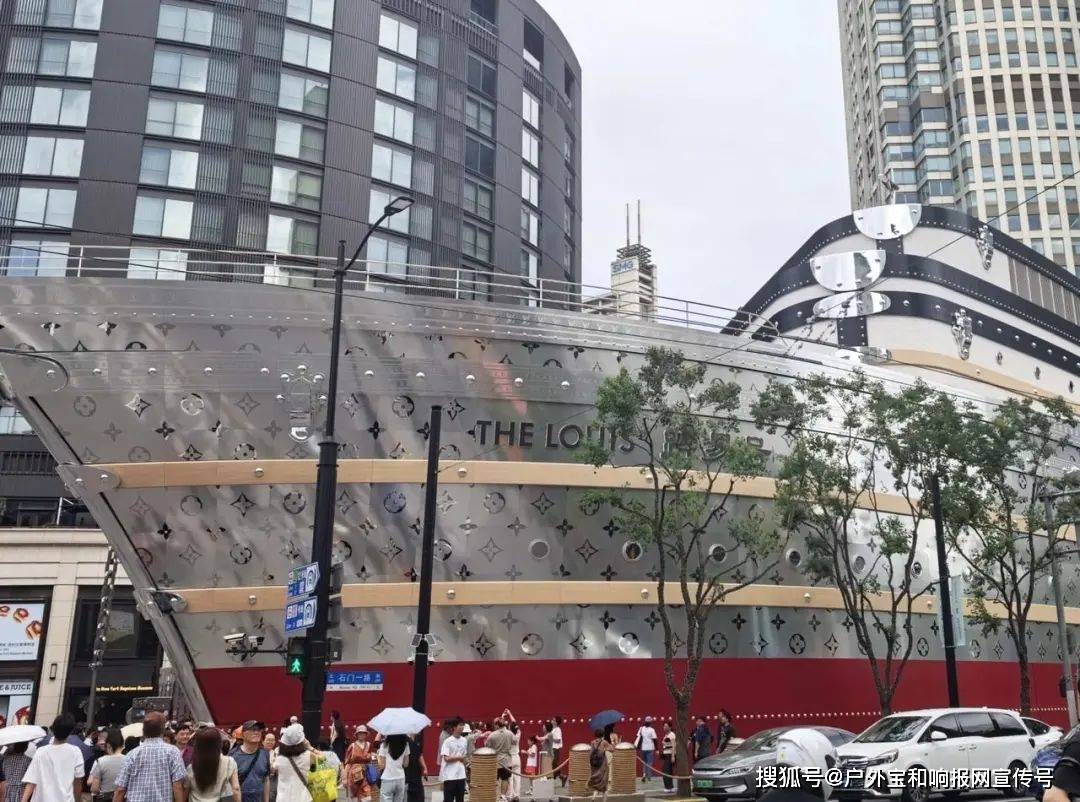
事实上,类似 LV "路易号" 这样的首店、旗舰店,正逐渐成为拉动消费的关键力量。RET 睿意德数据显示,拥有首店的购物中心客流量平均提升 20%-30%,销售额增长 15% 以上。首店,已然成为商业竞争中的超级流量入口。 上海,作为首店经济蓬勃发展的前沿阵地,数据十分亮眼。央视网数据显示,今年 1 至 4 月,上海新增首店 301 家,其中高能级首店占比 15.95%。自 2015 年率先提出发展首店经济以来,上海持续发力,今年更是从展会支持、通关便利、财政激励等多维度强化扶持,对亚洲及以上级别首店给予 100 万元一次性 奖励,持续吸引优质首店资源。 前段时间,LV 在上海兴业太古汇打造的 30 米高、1600 平方米的 "路易号" 船型概念旗舰店正式亮相。开业当天,尽管高温橙色警报拉响,南京西路却因慕 名而来打卡的人群变得热闹非凡,工作日的冷清一扫而空。这艘 "巨轮" 不仅成为 LV 品牌形象的独特展示窗口,其与对面星巴克烘焙工厂的 "有趣对视", 在社交平台引发大量二创,持续吸引大众目光,成为新晋网红打卡点。 不过,从上半年首店资料来看,尽管核心商圈依旧备受青睐,但新兴区域凭借差异化特色,正不断吸引品 ...

卢拉紧急求助,中国强势批准,美国急了
Sou Hu Cai Jing· 2025-08-05 07:54
大洋彼岸,美国对巴西挥舞的"关税大棒"暴露着赤裸裸的精明:飞机、能源、矿产这些巴西出口"真金白银"得以豁免,特朗普政府既要威逼巴西就范,又不 想自损利益。而像卡洛斯这样深耕美国市场的咖啡农成为真正牺牲品——巴西全国输美咖啡近三分之一面临市场塌方。 凌晨三点的巴西圣保罗,卡洛斯正经历一场倒计时噩梦:72小时后,美国将对他的咖啡豆举起50%的关税大棒。仓库爆仓30%,订单流失30%,每一秒的流 逝都在挤压生存空间——卡洛斯甚至盘算好了裁员名单。 卢拉急了!一份美国关税清单,一封咖啡出口商协会的求救信被他重重拍在总统府会议桌上。他的反应同样利落:立刻对美矿产出口施加"审批制"反制,但 这更像一场有限的自卫,经济结构风险如影随形。 卢拉必须找出路,把目光投向东方。一个关键电话打向北京,巴西咖啡产业的命运在此刻与中国相连。 中国的动作远超过巴西人预期!48小时后,中国驻巴西大使馆线上发布会打出关键一枪——巴西183家咖啡出口企业一举获得对华出口5年期"通行证"!覆盖 全国80%的出口商,无论大型庄园还是小型合作社统统受益。 这不仅是一次"救援",而是五年稳定期权的注入。 中国还贴心地为巴西送上"压舱石"——宣布锁定进口 ...

中国咖啡店全球第一,还造不好咖啡机?
3 6 Ke· 2025-08-05 06:53
Group 1 - The number of coffee shops in China reached 49,691 in 2023, surpassing the United States to become the largest globally [1][4][6] - Per capita coffee consumption in China increased to 22.24 cups in 2022, more than doubling from 9 cups in 2020, with some first-tier cities exceeding 300 cups [2][4] - The market for freshly brewed coffee in China has grown significantly, with its market share rising from 18.5% in 2020 to 40.2% in 2023, and is projected to exceed 220 billion yuan by 2025 [6][9] Group 2 - The commercial coffee machine market in China is expected to grow from 5 billion yuan in 2023 to over 8 billion yuan by 2025, with a compound annual growth rate (CAGR) of 15% [11][12] - The overall coffee machine market in China is projected to expand from 1.11 billion yuan in 2018 to 2.95 billion yuan by 2024, with a CAGR of 22.7%, significantly outpacing the global growth rate of 2.5% [11][12] - Imported coffee machines dominate the high-end market, with foreign brands holding over 80% market share in the ultra-high-end segment [13][15] Group 3 - Domestic coffee machine brands are focusing on affordability and portability, targeting household users with compact designs and competitive pricing [26][30] - The sales of household coffee machines in China reached 2.46 billion yuan in 2023, with a year-on-year growth of 12.7% [30] - China's coffee machine exports reached 17.46 billion yuan in 2024, with a surplus of 16.6 billion yuan, indicating a strong manufacturing base [30][32]


5块9的幸运咖“进城”了
投中网· 2025-08-05 06:37
Core Viewpoint - Luckin Coffee, a subsidiary of Mixue Ice Cream, is aggressively expanding in the coffee market with a low-price strategy, aiming to surpass Starbucks China in store count by 2025, targeting over 10,000 stores [5][9][24]. Expansion Strategy - As of early July, Luckin Coffee had 6,140 stores nationwide and plans to open over 3,860 more by the end of the year, averaging more than 600 new stores per month [5][10]. - The brand's expansion is supported by a robust supply chain and franchise model, allowing for rapid growth similar to Mixue Ice Cream's strategy [6][12]. Market Positioning - Luckin Coffee's pricing strategy includes offering American coffee at 5.9 yuan, with a gross margin of 48%, making it competitive against other brands like Luckin and Kudi [5][14]. - The brand is focusing on first and second-tier cities, where it faces intense competition from established players like Luckin and Kudi, who have already captured significant market share [21][22]. Franchise Model - The franchise model of Luckin Coffee is designed to be more accessible, with lower entry costs and no revenue sharing, which contrasts with competitors that often take a percentage of sales [11][12]. - The company has implemented promotional strategies to attract franchisees, including significant fee reductions and subsidies [11][12]. Supply Chain Advantages - Luckin Coffee benefits from Mixue's established supply chain, allowing for lower procurement costs for raw materials, which enhances profitability despite low pricing [14][15]. - The company utilizes Mixue's logistics and production facilities, which helps maintain cost efficiency and product consistency [17][19]. Competitive Challenges - The coffee market has become increasingly competitive, with established brands having already secured prime locations, making it challenging for Luckin Coffee to find profitable spots [22][24]. - Consumer expectations in first and second-tier cities are high, requiring Luckin Coffee to invest in brand recognition and product quality to compete effectively [23][24]. Future Outlook - While replicating the success of Mixue Ice Cream in the coffee sector is possible, the time frame for Luckin Coffee to achieve this is limited due to the evolving market landscape [25].
在上海远郊乡村 也可享受高品质消费体验 崇明“田野消费”进化至3.0版
Jie Fang Ri Bao· 2025-08-05 01:43
Group 1: Rural Consumption Evolution - The rural consumption model in Chongming has evolved to "3.0," offering high-quality consumer experiences alongside products like imported goods and local specialties [1] - A new direct procurement center in Chongming features popular imported products at discounted prices, resembling a rural version of an "outlet" [4] Group 2: Coffee Shop Success - The "515 Coffee Art Center" in Chongming has become a popular destination, selling up to 2000 cups of coffee daily, attributed to its unique industrial design and scenic location [2] - The coffee shop incorporates local elements into its menu, such as saffron latte and pear latte, enhancing its appeal [2][3] Group 3: Saffron Industry Insights - Chongming is the largest saffron production area in China, with approximately 80% of the national output coming from this region, particularly from Yongle Village [5] - The average price for high-quality saffron is around 500 yuan per gram, with a significant annual output value of over 20 million yuan from saffron cultivation in Yongle Village [5]
外卖大战,喂饱了瑞幸、蜜雪、库迪丨消费参考
2 1 Shi Ji Jing Ji Bao Dao· 2025-08-05 00:39
Group 1 - The takeaway from the article is that the competition in the takeaway coffee market is significantly driven by delivery subsidies, reshaping the market landscape [1][3][7] - Luckin Coffee reported a revenue increase of 47.1% year-on-year to 12.36 billion yuan in Q2, with adjusted net profit rising 44.0% to 1.4 billion yuan [2] - The revenue from self-operated stores for Luckin Coffee grew by 44.9% to 9.49 billion yuan, while franchise store revenue increased by 55% to 2.87 billion yuan, benefiting from a 34% rise in the number of franchise stores [2] Group 2 - The sales growth is not limited to Luckin Coffee; brands like Kudi and Mixue Ice City also saw significant sales increases, with Kudi announcing a partnership with celebrity Yang Mi as its global brand ambassador [4][5] - Kudi's store count has surpassed 15,000, and it has implemented a new pricing strategy for its tea drinks, reducing prices from 9.9 yuan to 6.9 yuan [5] - Mixue's coffee brand, Lucky Coffee, experienced a sales peak, with average daily revenue reaching 5,732 yuan per store on July 12, and a 258% increase in takeaway orders [3][5] Group 3 - Despite the aggressive expansion and sales growth, brands are cautious about delivery subsidies, with Lucky Coffee emphasizing the need to maintain store profitability and not harm franchisees [6] - The overall takeaway battle may eventually settle, but the resulting market structure will have lasting effects on the industry [7]
「主理人」遭全网群嘲,问题到底出在哪?
36氪· 2025-08-05 00:09
Core Viewpoint - The article discusses the decline in consumer favor towards the term "主理人" (principal or owner) in the coffee shop industry, highlighting a shift in perception from admiration to ridicule as consumers express dissatisfaction with the service and pricing associated with these establishments [4][16][49]. Group 1: Consumer Sentiment - Increasingly, consumers are expressing disdain for coffee shops that label themselves as "主理人咖啡" (principal coffee), leading to viral discussions online about negative experiences in such establishments [5][6][12]. - A viral video depicting a consumer's uncomfortable experience in a "主理人咖啡" shop has garnered over 900,000 likes, reflecting widespread resonance with the sentiment of feeling unwelcome [10][8]. - Consumers are sharing experiences of feeling ignored or belittled in these shops, with comments indicating a sense of elitism and lack of service [12][31]. Group 2: Economic Implications - The concept of "主理人经济" (principal economy) is fundamentally based on trust, and as this trust erodes due to perceived overpricing and lack of genuine service, consumer backlash is inevitable [27][28]. - Consumers are increasingly aware of the disparity between the premium prices they pay and the actual quality of service and products received, leading to a growing resentment towards the "主理人" label [23][24][29]. Group 3: Cultural Shift - The term "主理人" has evolved from a symbol of expertise and passion to a generic label used by many small business owners, diluting its original meaning and leading to a perception of pretentiousness [36][39][40]. - The rise of parody and mockery surrounding the "主理人" concept indicates a cultural shift where consumers are rejecting the elitist attitudes associated with it, opting instead for authenticity and value [16][41][49]. - There is a call for a rebranding of the term "主理人" to better align with consumer expectations and to foster a more welcoming atmosphere in coffee shops [47].
183家巴西咖啡公司获准对华出口
Huan Qiu Shi Bao· 2025-08-04 22:37
Group 1 - The Chinese government has approved 183 Brazilian coffee companies to export products to China, effective from July 30, 2025, for a duration of five years [1] - This decision is seen as a positive development for Brazilian exporters, especially in light of the 50% tariffs imposed by the U.S. on Brazilian coffee exports [1][2] - Brazilian coffee exports to the U.S. have been significantly impacted, with the U.S. being the largest coffee consumer globally, sourcing about one-third of its coffee from Brazil [1] Group 2 - Brazilian netizens have expressed enthusiasm for the approval, highlighting China's larger population and potential as a market compared to the U.S. [2] - Despite the positive measures, Brazilian coffee exports to China are still in the early stages, with only 53,000 bags exported to China in the first half of the year compared to over 3.31 million bags to the U.S. [2] - The growth potential for coffee consumption in China is significant, with per capita consumption expected to rise from 16.7 cups in 2023 to 22.2 cups in 2024, and projected to reach 30 cups this year [2]
情绪价值的经济价值
Sou Hu Cai Jing· 2025-08-04 22:16
Group 1 - The core idea revolves around the concept of emotional value in branding, suggesting that brands can differentiate themselves by deeply satisfying consumer emotions, which is crucial in a competitive market [1][2] - The article highlights a significant trend where many brands are facing closures or deregistration, reaching a 14-year high in 2024, indicating a need for brands to better understand consumer psychology [1][2] - Emotional value is linked to economic value, as consumers are willing to pay a premium for brands that resonate with their identity and values, exemplified by the success of blind box products [2][4] Group 2 - The shift from material consumption to experiential consumption is emphasized, particularly in Japan, where consumers seek emotional fulfillment through unique experiences rather than just products [3][4] - The rise of products that provide emotional comfort, such as stress-relief toys and virtual goods, showcases the growing potential of the emotional consumption market [4] - Emotional value is identified as a new driving force in consumer behavior, reshaping value perceptions and offering businesses new avenues for economic growth [4]
吴声2025年度演讲:场景革命十年,哲学生活方式到来
新消费智库· 2025-08-04 13:03
Core Viewpoint - The article emphasizes the concept of "scene creation" and the importance of reconstructing meaning in the context of AI and new consumption patterns, highlighting the need for businesses to design specific scenarios to engage users effectively [4][20][26]. Group 1: Scene Creation and Meaning Reconstruction - The "scene revolution" over the past decade has driven the evolution of new species in business, with a focus on designing impactful scenarios that resonate with users [12][19]. - The concept of "刹那涌现" (momentary emergence) suggests that the evolution of AI applications will occur through meticulously designed scenarios, which are essential for understanding the rapid changes in the business landscape [20][24]. - The article outlines four key concepts for reconstructing meaning: NOW (the power of connection), FLOW (immersive human-machine interaction), HERE (narratives that transcend presence), and EGO (the core question of self) [26][30][34]. Group 2: Case Studies of Scene Brands - The evolution of the brand "三翼鸟" (Three Wings Bird) illustrates the shift from merely offering products to providing personalized home scene customization solutions, emphasizing the importance of understanding user needs [15][19]. - "红星美凯龙" (Red Star Macalline) has transformed into an "AI home life destination," integrating home appliances, furniture, and decoration into a cohesive experience, showcasing the power of scene branding [17][19]. - The article highlights "小红书" (Xiaohongshu) as a platform that redefines connection through user-generated content, emphasizing the importance of real-time engagement and community building [34][35]. Group 3: The Role of AI in Scene Creation - The emergence of AI-driven solutions is reshaping traditional business models, as seen in companies like "星星充电" (Star Charging), which integrates dynamic connections in digital energy management [45][46]. - The article discusses how AI is enhancing human-machine interaction, with examples of companies like 联想 (Lenovo) developing intelligent terminals that facilitate seamless user experiences [58][60]. - The concept of "物理AI" (Physical AI) is introduced, where AI technologies are applied to real-world interactions, enhancing the user experience in everyday environments [63][64]. Group 4: The Future of Scene Brands - The article posits that the future of scene brands lies in their ability to create meaningful connections and experiences that resonate with users on a deeper level, moving beyond mere functionality [19][24]. - The rise of "潮玩" (trendy toys) as a form of emotional commerce reflects a shift towards products that express individuality and cater to specific emotional needs [90][91]. - The concept of "空间网络的生态IP" (space network ecological IP) is introduced, suggesting a model where brands can replicate and localize their presence across different markets, enhancing their relevance and impact [97].